Posts

Here are all published articles, sorted by date in descending order.

301 posts total
7 pages total
OmniNeuro  A Multimodal HCI Framework for Explainable BCI Feedback Generation

OmniNeuro A Multimodal HCI Framework for Explainable BCI Feedback Generation

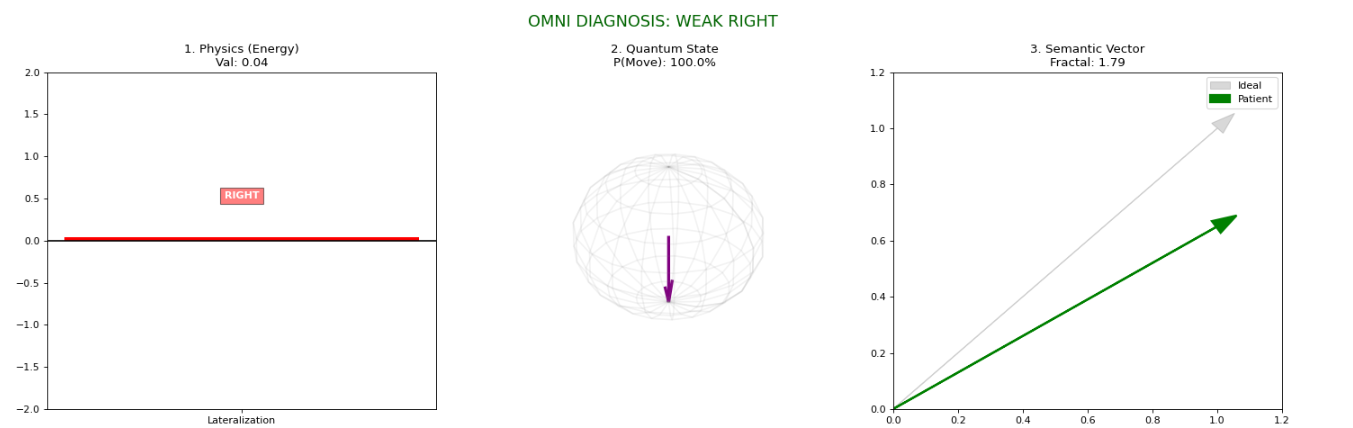
While Deep Learning has improved Brain-Computer Interface (BCI) decoding accuracy, clinical adoption is hindered by the Black Box nature of these algorithms, leading to user frustration and poor neuroplasticity outcomes. We propose OmniNeuro, a novel HCI framework that transforms the BCI from a silent decoder into a transparent feedback partner. OmniNeuro integrates three interpretability engines (1) Physics (Energy), (2) Chaos (Fractal Complexity), and (3) Quantum-Inspired uncertainty modeling. These metrics drive real-time Neuro-Sonification and Generative AI Clinical Reports. Evaluated on the PhysioNet dataset ($N=109$), the system achieved a mean accuracy of 58.52%, with qualitative pilot studies ($N=3$) confirming that explainable feedback helps users regulate mental effort and reduces the trial-and-error phase. OmniNeuro is decoder-agnostic, acting as an essential interpretability layer for any state-of-the-art architecture.

paper research
Online Estimation and Manipulation of Articulated Objects

Online Estimation and Manipulation of Articulated Objects

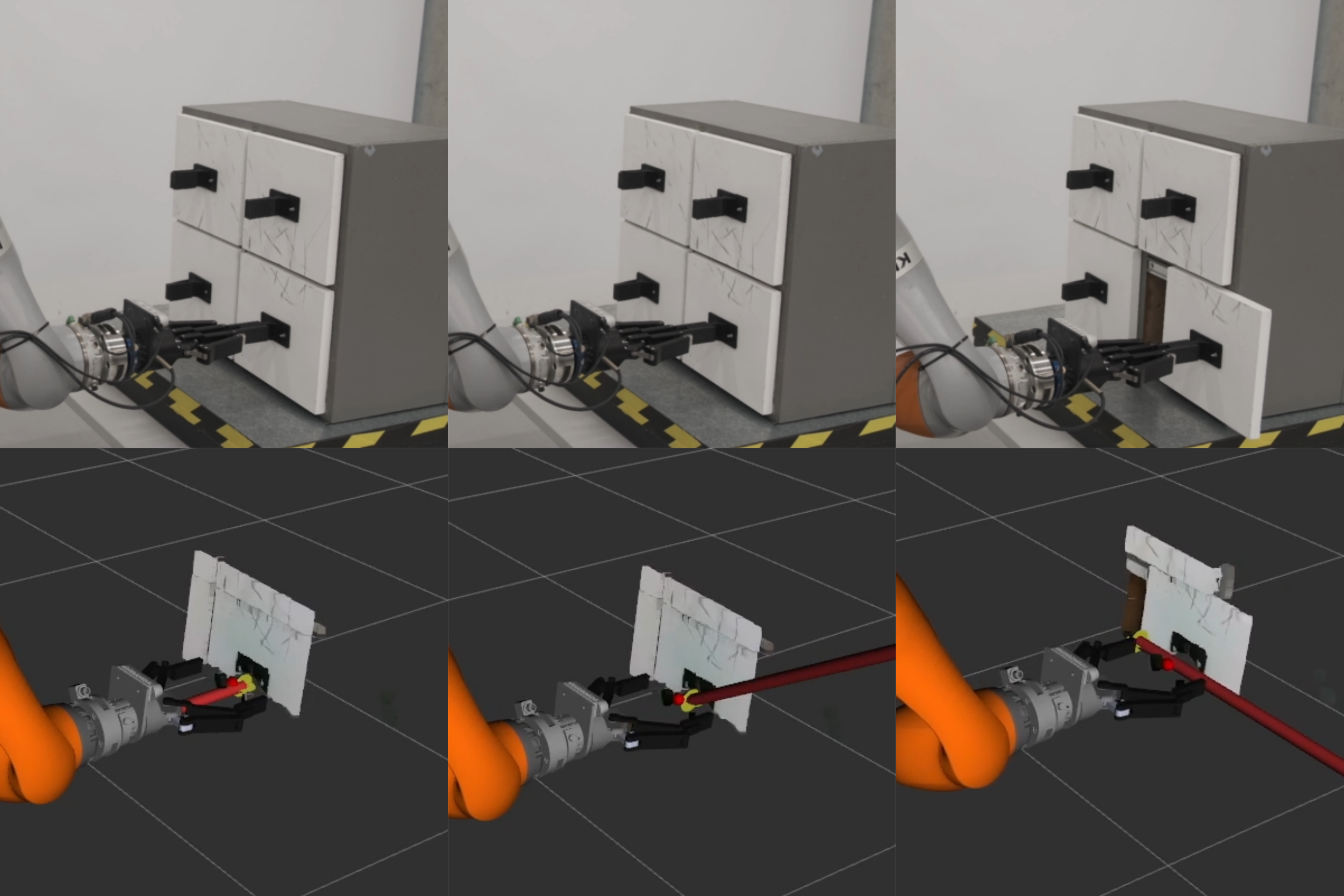
From refrigerators to kitchen drawers, humans interact with articulated objects effortlessly every day while completing household chores. For automating these tasks, service robots must be capable of manipulating arbitrary articulated objects. Recent deep learning methods have been shown to predict valuable priors on the affordance of articulated objects from vision. In contrast, many other works estimate object articulations by observing the articulation motion, but this requires the robot to already be capable of manipulating the object. In this article, we propose a novel approach combining these methods by using a factor graph for online estimation of articulation which fuses learned visual priors and proprioceptive sensing during interaction into an analytical model of articulation based on Screw Theory. With our method, a robotic system makes an initial prediction of articulation from vision before touching the object, and then quickly updates the estimate from kinematic and force sensing during manipulation. We evaluate our method extensively in both simulations and real-world robotic manipulation experiments. We demonstrate several closed-loop estimation and manipulation experiments in which the robot was capable of opening previously unseen drawers. In real hardware experiments, the robot achieved a 75% success rate for autonomous opening of unknown articulated objects.

paper research
OpenNovelty  An LLM-powered Agentic System for Verifiable Scholarly Novelty Assessment

OpenNovelty An LLM-powered Agentic System for Verifiable Scholarly Novelty Assessment

Evaluating novelty is critical yet challenging in peer review, as reviewers must assess submissions against a vast, rapidly evolving literature. This report presents OpenNovelty, an LLM-powered agentic system for transparent, evidence-based novelty analysis. The system operates through four phases (1) extracting the core task and contribution claims to generate retrieval queries; (2) retrieving relevant prior work based on extracted queries via semantic search engine; (3) constructing a hierarchical taxonomy of core-task-related work and performing contribution-level full-text comparisons against each contribution; and (4) synthesizing all analyses into a structured novelty report with explicit citations and evidence snippets. Unlike naive LLM-based approaches, textsc{OpenNovelty} grounds all assessments in retrieved real papers, ensuring verifiable judgments. We deploy our system on 500+ ICLR 2026 submissions with all reports publicly available on our website, and preliminary analysis suggests it can identify relevant prior work, including closely related papers that authors may overlook. OpenNovelty aims to empower the research community with a scalable tool that promotes fair, consistent, and evidence-backed peer review.

paper research
OpenSocInt  A Multi-modal Training Environment for Human-Aware Social Navigation

OpenSocInt A Multi-modal Training Environment for Human-Aware Social Navigation

In this paper, we introduce OpenSocInt, an open-source software package providing a simulator for multi-modal social interactions and a modular architecture to train social agents. We described the software package and showcased its interest via an experimental protocol based on the task of social navigation. Our framework allows for exploring the use of different perceptual features, their encoding and fusion, as well as the use of different agents. The software is already publicly available under GPL at https //gitlab.inria.fr/robotlearn/OpenSocInt/.

paper research
Optimizing LSTM Neural Networks for Resource-Constrained Retail Sales Forecasting  A Model Compression Study

Optimizing LSTM Neural Networks for Resource-Constrained Retail Sales Forecasting A Model Compression Study

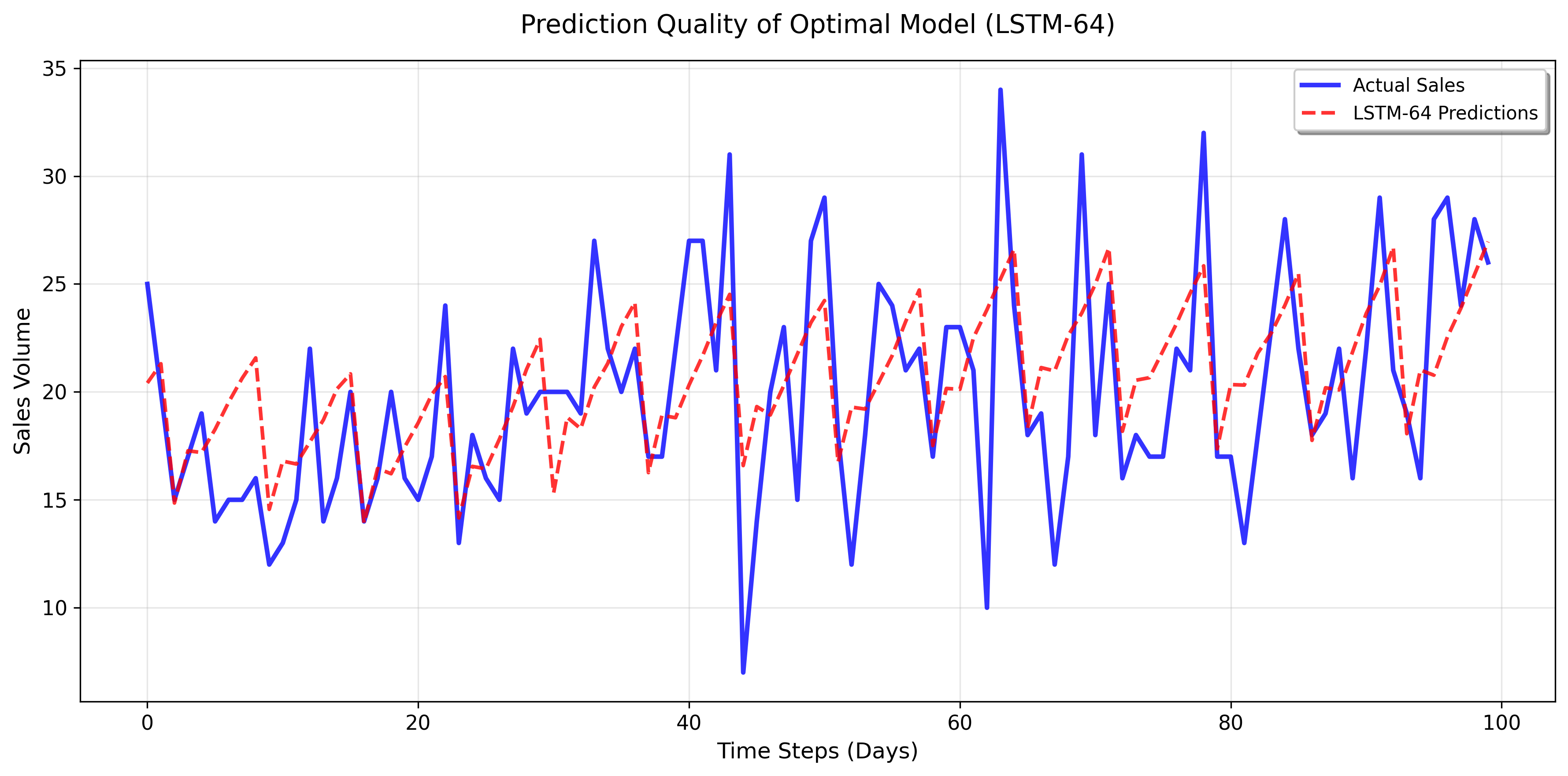
Standard LSTM(Long Short-Term Memory) neural networks provide accurate predictions for sales data in the retail industry, but require a lot of computing power. It can be challenging especially for mid to small retail industries. This paper examines LSTM model compression by gradually reducing the number of hidden units from 128 to 16. We used the Kaggle Store Item Demand Forecasting dataset, which has 913,000 daily sales records from 10 stores and 50 items, to look at the trade-off between model size and how accurate the predictions are. Experiments show that lowering the number of hidden LSTM units to 64 maintains the same level of accuracy while also improving it. The mean absolute percentage error (MAPE) ranges from 23.6% for the full 128-unit model to 12.4% for the 64-unit model. The optimized model is 73% smaller (from 280KB to 76KB) and 47% more accurate. These results show that larger models do not always achieve better results.

paper research
Output Embedding Centering for Stable LLM Pretraining

Output Embedding Centering for Stable LLM Pretraining

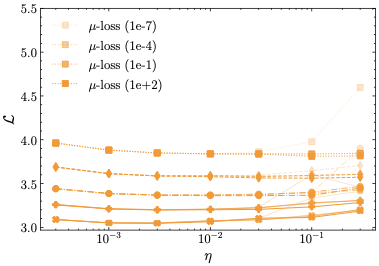
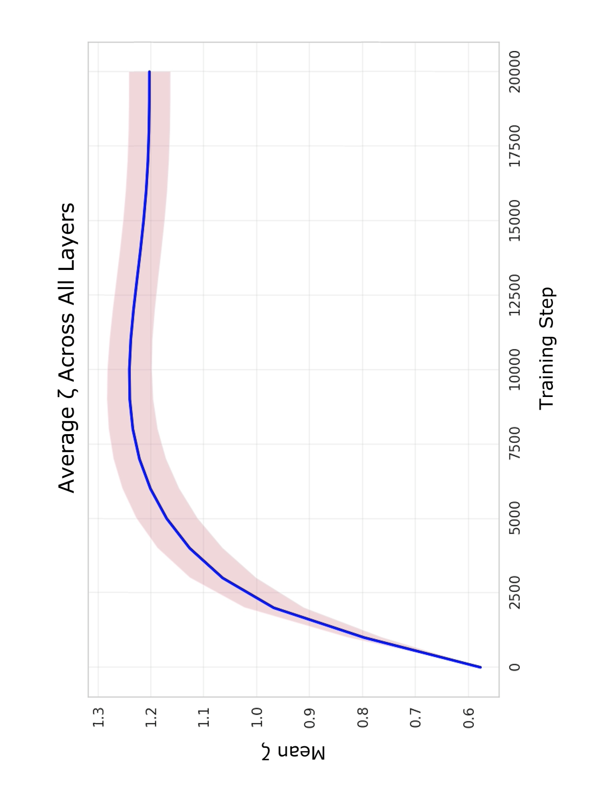
Pretraining of large language models is not only expensive but also prone to certain training instabilities. A specific instability that often occurs for large learning rates at the end of training is output logit divergence. The most widely used mitigation strategy, z-loss, merely addresses the symptoms rather than the underlying cause of the problem. In this paper, we analyze the instability from the perspective of the output embeddings geometry and identify its cause. Based on this, we propose output embedding centering (OEC) as a new mitigation strategy, and prove that it suppresses output logit divergence. OEC can be implemented in two different ways, as a deterministic operation called μ-centering, or a regularization method called μ-loss. Our experiments show that both variants outperform z-loss in terms of training stability and learning rate sensitivity. In particular, they ensure that training converges even for large learning rates when z-loss fails. Furthermore, we find that μ-loss is significantly less sensitive to regularization hyperparameter tuning than z-loss.

paper research
PackKV  Reducing KV Cache Memory Footprint through LLM-Aware Lossy Compression

PackKV Reducing KV Cache Memory Footprint through LLM-Aware Lossy Compression

Transformer-based large language models (LLMs) have demonstrated remarkable potential across a wide range of practical applications. However, long-context inference remains a significant challenge due to the substantial memory requirements of the key-value (KV) cache, which can scale to several gigabytes as sequence length and batch size increase. In this paper, we present textbf{PackKV}, a generic and efficient KV cache management framework optimized for long-context generation. %, which synergistically supports both latency-critical and throughput-critical inference scenarios. PackKV introduces novel lossy compression techniques specifically tailored to the characteristics of KV cache data, featuring a careful co-design of compression algorithms and system architecture. Our approach is compatible with the dynamically growing nature of the KV cache while preserving high computational efficiency. Experimental results show that, under the same and minimum accuracy drop as state-of-the-art quantization methods, PackKV achieves, on average, textbf{153.2} % higher memory reduction rate for the K cache and textbf{179.6} % for the V cache. Furthermore, PackKV delivers extremely high execution throughput, effectively eliminating decompression overhead and accelerating the matrix-vector multiplication operation. Specifically, PackKV achieves an average throughput improvement of textbf{75.7} % for K and textbf{171.7} % for V across A100 and RTX Pro 6000 GPUs, compared to cuBLAS matrix-vector multiplication kernels, while demanding less GPU memory bandwidth. Code available on https //github.com/BoJiang03/PackKV
paper research
Parallel Universes, Parallel Languages  A Comprehensive Study on LLM-based Multilingual Counterfactual Example Generation

Parallel Universes, Parallel Languages A Comprehensive Study on LLM-based Multilingual Counterfactual Example Generation

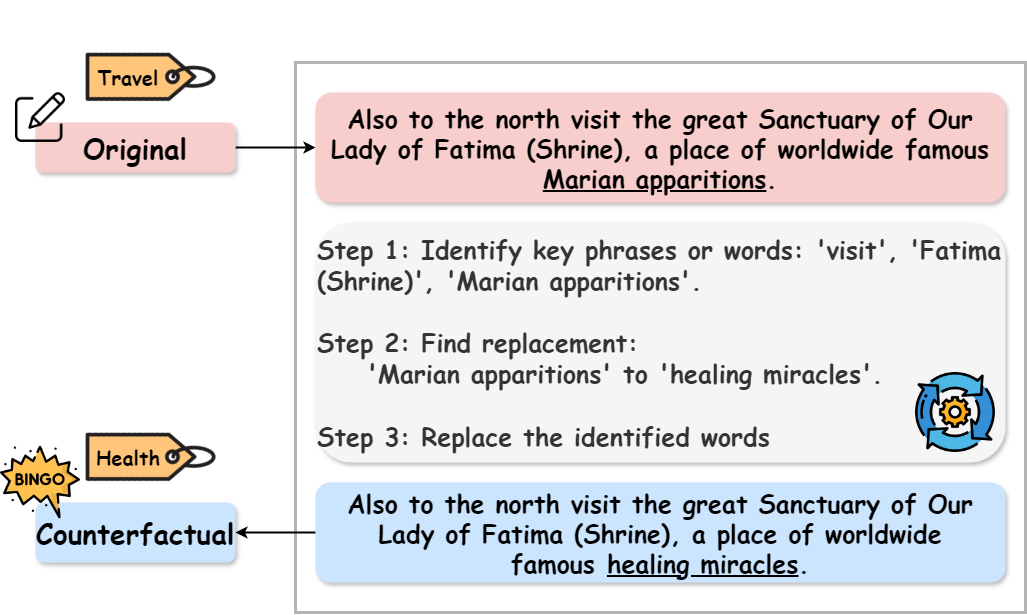
Counterfactuals refer to minimally edited inputs that cause a model s prediction to change, serving as a promising approach to explaining the model s behavior. Large language models (LLMs) excel at generating English counterfactuals and demonstrate multilingual proficiency. However, their effectiveness in generating multilingual counterfactuals remains unclear. To this end, we conduct a comprehensive study on multilingual counterfactuals. We first conduct automatic evaluations on both directly generated counterfactuals in the target languages and those derived via English translation across six languages. Although translation-based counterfactuals offer higher validity than their directly generated counterparts, they demand substantially more modifications and still fall short of matching the quality of the original English counterfactuals. Second, we find the patterns of edits applied to high-resource European-language counterfactuals to be remarkably similar, suggesting that cross-lingual perturbations follow common strategic principles. Third, we identify and categorize four main types of errors that consistently appear in the generated counterfactuals across languages. Finally, we reveal that multilingual counterfactual data augmentation (CDA) yields larger model performance improvements than cross-lingual CDA, especially for lower-resource languages. Yet, the imperfections of the generated counterfactuals limit gains in model performance and robustness.

paper research
No Image

Parametrized Sharing for Multi-Agent Hybrid DRL for Multiple Multi-Functional RISs-Aided Downlink NOMA Networks

Multi-functional reconfigurable intelligent surface (MF-RIS) is conceived to address the communication efficiency thanks to its extended signal coverage from its active RIS capability and self-sustainability from energy harvesting (EH). We investigate the architecture of multi-MF-RISs to assist non-orthogonal multiple access (NOMA) downlink networks. We formulate an energy efficiency (EE) maximization problem by optimizing power allocation, transmit beamforming and MF-RIS configurations of amplitudes, phase-shifts and EH ratios, as well as the position of MF-RISs, while satisfying constraints of available power, user rate requirements, and self-sustainability property. We design a parametrized sharing scheme for multi-agent hybrid deep reinforcement learning (PMHRL), where the multi-agent proximal policy optimization (PPO) and deep-Q network (DQN) handle continuous and discrete variables, respectively. The simulation results have demonstrated that proposed PMHRL has the highest EE compared to other benchmarks, including cases without parametrized sharing, pure PPO and DQN. Moreover, the proposed multi-MF-RISs-aided downlink NOMA achieves the highest EE compared to scenarios of no-EH/amplification, traditional RISs, and deployment without RISs/MF-RISs under different multiple access.

paper research
PatchBlock  A Lightweight Defense Against Adversarial Patches for Embedded EdgeAI Devices

PatchBlock A Lightweight Defense Against Adversarial Patches for Embedded EdgeAI Devices

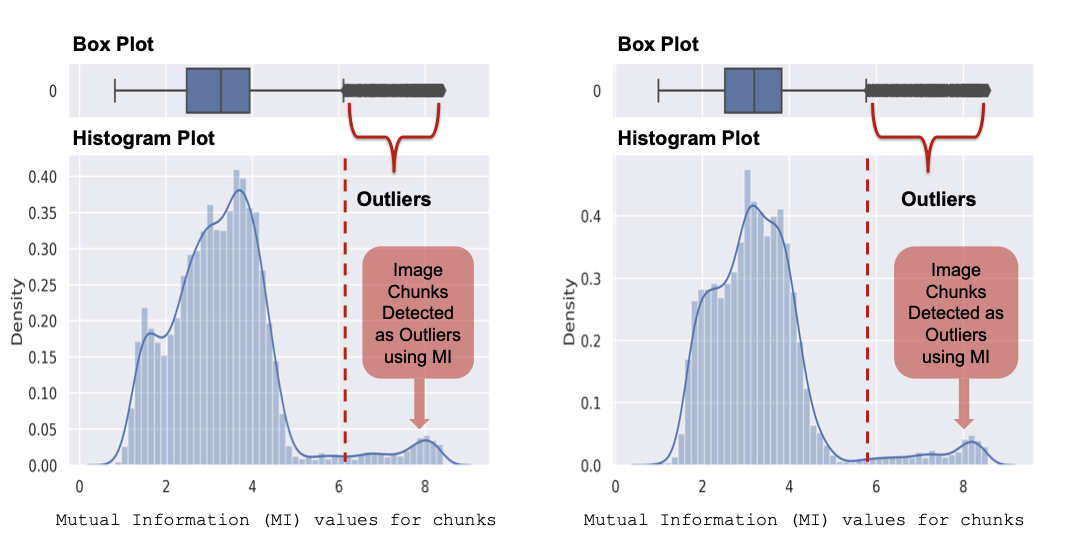
Adversarial attacks pose a significant challenge to the reliable deployment of machine learning models in EdgeAI applications, such as autonomous driving and surveillance, which rely on resource-constrained devices for real-time inference. Among these, patch-based adversarial attacks, where small malicious patches (e.g., stickers) are applied to objects, can deceive neural networks into making incorrect predictions with potentially severe consequences. In this paper, we present PatchBlock, a lightweight framework designed to detect and neutralize adversarial patches in images. Leveraging outlier detection and dimensionality reduction, PatchBlock identifies regions affected by adversarial noise and suppresses their impact. It operates as a pre-processing module at the sensor level, efficiently running on CPUs in parallel with GPU inference, thus preserving system throughput while avoiding additional GPU overhead. The framework follows a three-stage pipeline splitting the input into chunks (Chunking), detecting anomalous regions via a redesigned isolation forest with targeted cuts for faster convergence (Separating), and applying dimensionality reduction on the identified outliers (Mitigating). PatchBlock is both model- and patch-agnostic, can be retrofitted to existing pipelines, and integrates seamlessly between sensor inputs and downstream models. Evaluations across multiple neural architectures, benchmark datasets, attack types, and diverse edge devices demonstrate that PatchBlock consistently improves robustness, recovering up to 77% of model accuracy under strong patch attacks such as the Google Adversarial Patch, while maintaining high portability and minimal clean accuracy loss. Additionally, PatchBlock outperforms the state-of-the-art defenses in efficiency, in terms of computation time and energy consumption per sample, making it suitable for EdgeAI applications.

paper research
Path Integral Solution for Dissipative Generative Dynamics

Path Integral Solution for Dissipative Generative Dynamics

Can purely mechanical systems generate intelligent language? We prove that dissipative quantum dynamics with analytically tractable non-local context aggregation produce coherent text generation, while conservation laws cause fundamental failure. Employing Koopman operators with closed-form path integral propagators, we show irreversible computation fundamentally requires both controlled information dissipation and causal context aggregation. Spectral analysis reveals emergent eigenvalue structure, separating into decay modes (forgetting), growth modes (amplification), and neutral modes (preservation) -- the essential ingredients for directed information flow. Hamiltonian constraints force the elimination of these dissipative modes and degrading performance despite unchanged model capacity. This establishes language generation as dissipative quantum field theory, proving mechanical systems acquire intelligence through the combination of dissipation and non-locality, not through conservation.
paper research
PathoSyn  Imaging-Pathology MRI Synthesis via Disentangled Deviation Diffusion

PathoSyn Imaging-Pathology MRI Synthesis via Disentangled Deviation Diffusion

We present PathoSyn, a unified generative framework for Magnetic Resonance Imaging (MRI) image synthesis that reformulates imaging-pathology as a disentangled additive deviation on a stable anatomical manifold. Current generative models typically operate in the global pixel domain or rely on binary masks, these paradigms often suffer from feature entanglement, leading to corrupted anatomical substrates or structural discontinuities. PathoSyn addresses these limitations by decomposing the synthesis task into deterministic anatomical reconstruction and stochastic deviation modeling. Central to our framework is a Deviation-Space Diffusion Model designed to learn the conditional distribution of pathological residuals, thereby capturing localized intensity variations while preserving global structural integrity by construction. To ensure spatial coherence, the diffusion process is coupled with a seam-aware fusion strategy and an inference-time stabilization module, which collectively suppress boundary artifacts and produce high-fidelity internal lesion heterogeneity. PathoSyn provides a mathematically principled pipeline for generating high-fidelity patient-specific synthetic datasets, facilitating the development of robust diagnostic algorithms in low-data regimes. By allowing interpretable counterfactual disease progression modeling, the framework supports precision intervention planning and provides a controlled environment for benchmarking clinical decision-support systems. Quantitative and qualitative evaluations on tumor imaging benchmarks demonstrate that PathoSyn significantly outperforms holistic diffusion and mask-conditioned baselines in both perceptual realism and anatomical fidelity. The source code of this work will be made publicly available.
paper research
pdfQA  Diverse, Challenging, and Realistic Question Answering over PDFs

pdfQA Diverse, Challenging, and Realistic Question Answering over PDFs

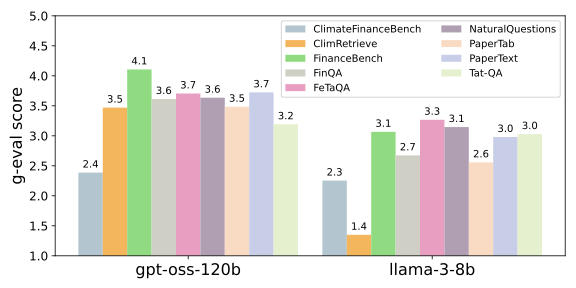
PDFs are the second-most used document type on the internet (after HTML). Yet, existing QA datasets commonly start from text sources or only address specific domains. In this paper, we present pdfQA, a multi-domain 2K human-annotated (real-pdfQA) and 2K synthetic dataset (syn-pdfQA) differentiating QA pairs in ten complexity dimensions (e.g., file type, source modality, source position, answer type). We apply and evaluate quality and difficulty filters on both datasets, obtaining valid and challenging QA pairs. We answer the questions with open-source LLMs, revealing existing challenges that correlate with our complexity dimensions. pdfQA presents a basis for end-to-end QA pipeline evaluation, testing diverse skill sets and local optimizations (e.g., in information retrieval or parsing).
paper research
Perish or Flourish? A Holistic Evaluation of Large Language Models for Code Generation in Functional Programming

Perish or Flourish? A Holistic Evaluation of Large Language Models for Code Generation in Functional Programming

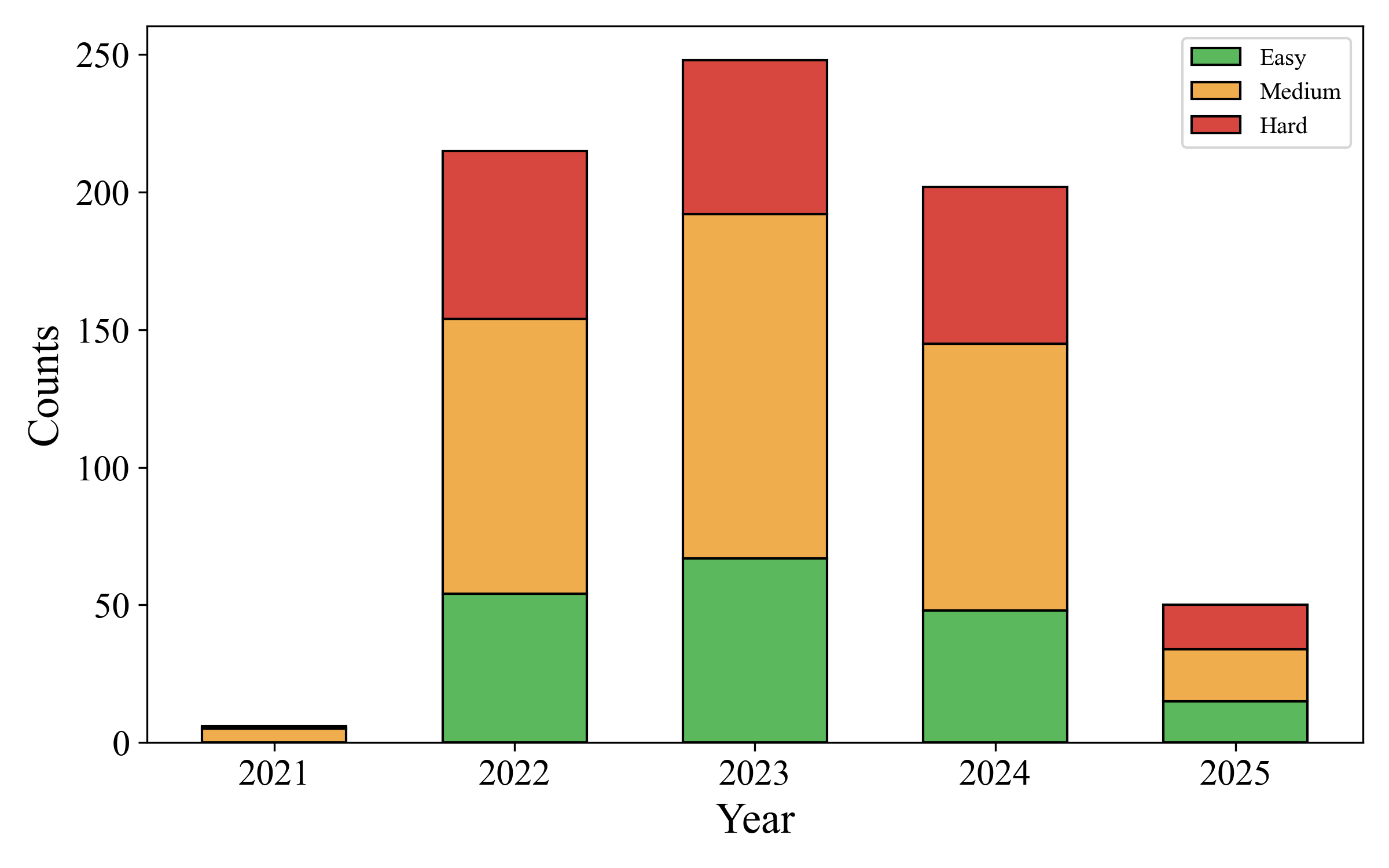
Functional programming provides strong foundations for developing reliable and secure software systems, yet its adoption remains not widespread due to the steep learning curve. Recent advances in Large Language Models (LLMs) for code generation present new opportunities to lower these barriers. However, extensive evaluations of LLMs largely focus on imperative programming languages, and their capabilities in functional programming languages (FP) remain underexplored. To address this gap, we introduce FPEval, a holistic evaluation framework built on FPBench, a new benchmark of 721 programming tasks across three difficulty levels on three mainstream FP languages Haskell, Ocaml and Scala. FPEval provides compehensive evaluation infrastructures with both test validations with comprehensive test suites and static analysis tools to assess both functional correctness and code style and maintainability. Using this framework, we evaluate state-of-the-art LLMs, including GPT-3.5, GPT-4o, and GPT-5, for code generation in functional programming languages and Java as an imperative baseline. Our results demonstrate that LLM performance in functional programming improves substantially with model advancement; however, error rates remain significantly higher in purely functional languages (Haskell and OCaml) than in hybrid (Scala) or imperative (Java) languages. Moreover, LLMs frequently generate non-idiomatic functional code that follows imperative patterns, raising concerns about code style and long-term maintainability. Finally, we show that LLMs can partially self-repair both correctness and quality issues when provided with static analysis feedback and hand-crafted instructions for common types of issues.

paper research
No Image

Placement Semantics for Distributed Deep Learning A Systematic Framework for Analyzing Parallelism Strategies

Training large language models requires distributing computation across many accelerators, yet practitioners select parallelism strategies (data, tensor, pipeline, ZeRO) through trial and error because no unified systematic framework predicts their behavior. We introduce placement semantics each strategy is specified by how it places four training states (parameters, optimizer, gradients, activations) across devices using five modes (replicated, sharded, sharded-with-gather, materialized, offloaded). From placement alone, without implementation details, we derive memory consumption and communication volume. Our predictions match published results exactly ZeRO-3 uses 8x less memory than data parallelism at 1.5x communication cost, as reported in the original paper. We prove two conditions (gradient integrity, state consistency) are necessary and sufficient for distributed training to match single-device results, and provide composition rules for combining strategies safely. The framework unifies ZeRO Stages 1-3, Fully Sharded Data Parallel (FSDP), tensor parallelism, and pipeline parallelism as instances with different placement choices.

paper research
Placenta Accreta Spectrum Detection using Multimodal Deep Learning

Placenta Accreta Spectrum Detection using Multimodal Deep Learning

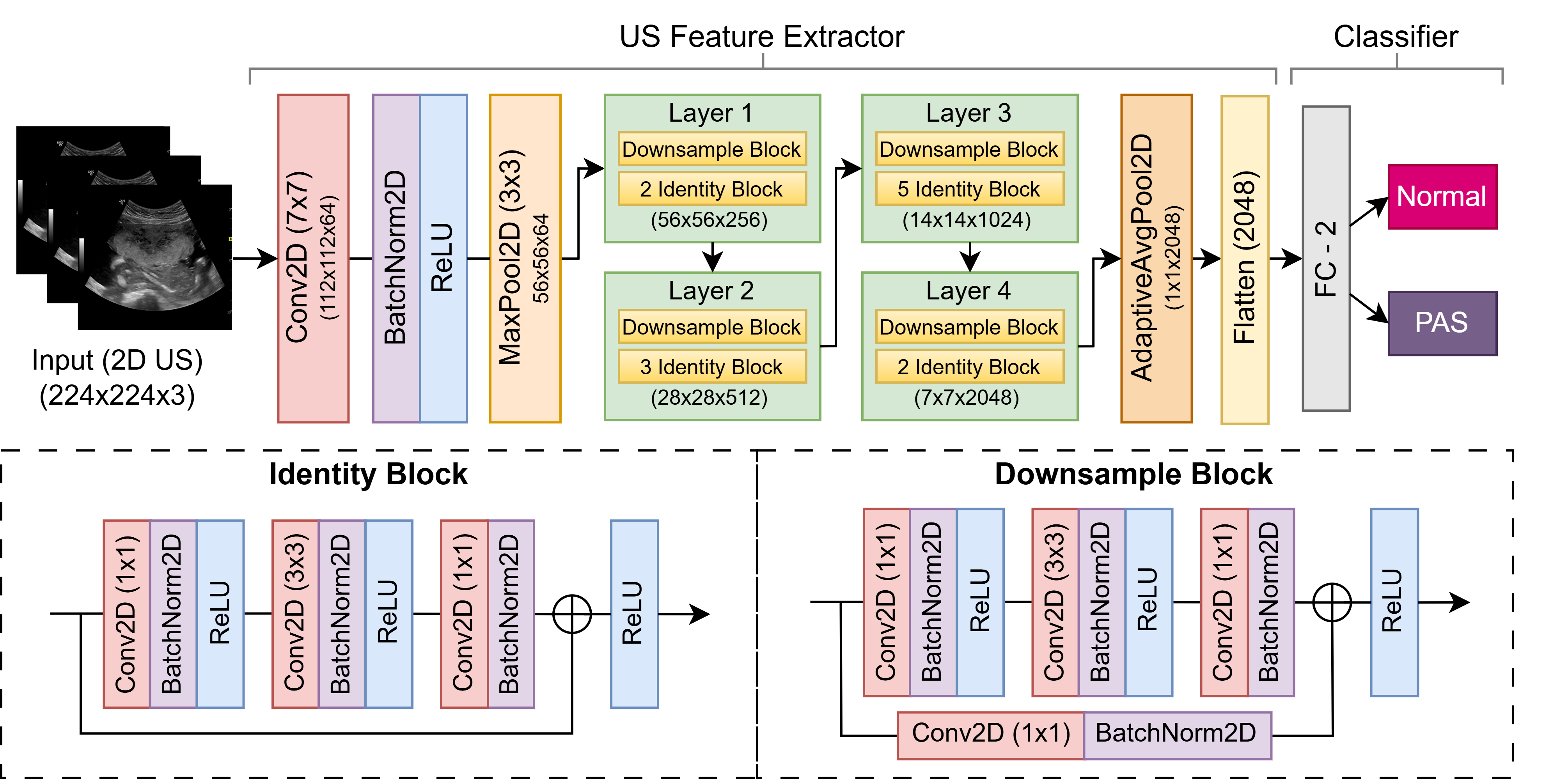
Placenta Accreta Spectrum (PAS) is a life-threatening obstetric complication involving abnormal placental invasion into the uterine wall. Early and accurate prenatal diagnosis is essential to reduce maternal and neonatal risks. This study aimed to develop and validate a deep learning framework that enhances PAS detection by integrating multiple imaging modalities. A multimodal deep learning model was designed using an intermediate feature-level fusion architecture combining 3D Magnetic Resonance Imaging (MRI) and 2D Ultrasound (US) scans. Unimodal feature extractors, a 3D DenseNet121-Vision Transformer for MRI and a 2D ResNet50 for US, were selected after systematic comparative analysis. Curated datasets comprising 1,293 MRI and 1,143 US scans were used to train the unimodal models and paired samples of patient-matched MRI-US scans was isolated for multimodal model development and evaluation. On an independent test set, the multimodal fusion model achieved superior performance, with an accuracy of 92.5% and an Area Under the Receiver Operating Characteristic Curve (AUC) of 0.927, outperforming the MRI-only (82.5%, AUC 0.825) and US-only (87.5%, AUC 0.879) models. Integrating MRI and US features provides complementary diagnostic information, demonstrating strong potential to enhance prenatal risk assessment and improve patient outcomes.

paper research
Practical Geometric and Quantum Kernel Methods for Predicting Skeletal Muscle Outcomes in chronic obstructive pulmonary disease

Practical Geometric and Quantum Kernel Methods for Predicting Skeletal Muscle Outcomes in chronic obstructive pulmonary disease

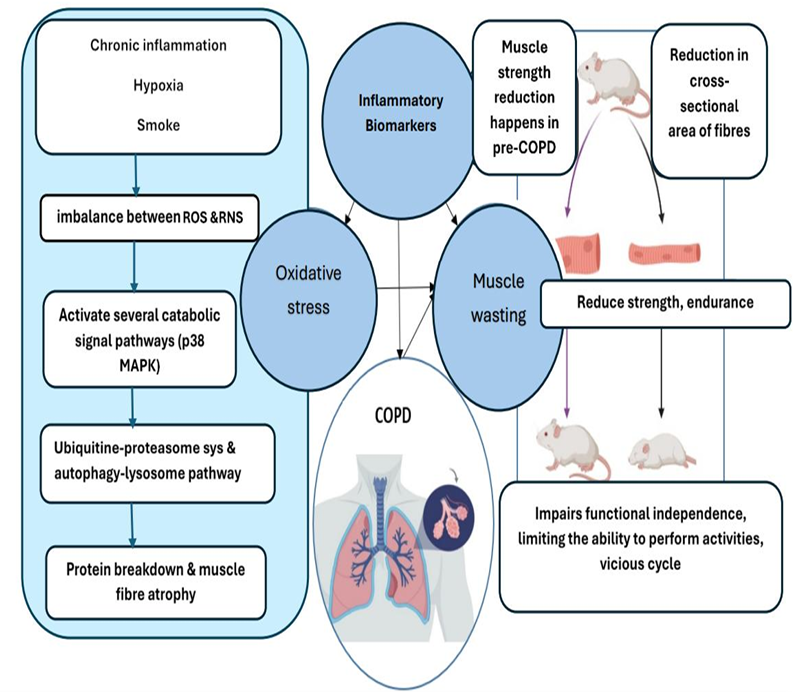
Skeletal muscle dysfunction is a clinically relevant extra-pulmonary manifestation of chronic obstructive pulmonary disease (COPD) and is closely linked to systemic and airway inflammation. This motivates predictive modelling of muscle outcomes from minimally invasive biomarkers that can be acquired longitudinally. We study a small-sample preclinical dataset comprising 213 animals across two conditions (Sham versus cigarette-smoke exposure), with blood and bronchoalveolar lavage fluid measurements and three continuous targets tibialis anterior muscle weight (milligram mg), specific force (millinewton mN), and a derived muscle quality index (mN per mg). We benchmark tuned classical baselines, geometry-aware symmetric positive definite (SPD) descriptors with Stein divergence, and quantum kernel models designed for low-dimensional tabular data. In the muscle-weight setting, quantum kernel ridge regression using four interpretable inputs (blood C-reactive protein, neutrophil count, bronchoalveolar lavage cellularity, and condition) attains a test root mean squared error of 4.41 mg and coefficient of determination of 0.605, improving over a matched ridge baseline on the same feature set (4.70 mg and 0.553). Geometry-informed Stein-divergence prototype distances yield a smaller but consistent gain in the biomarker-only setting (4.55 mg versus 4.79 mg). Screening-style evaluation, obtained by thresholding the continuous outcome at 0.8 times the training Sham mean, achieves an area under the receiver operating characteristic curve (ROC-AUC) of up to 0.90 for detecting low muscle weight. These results indicate that geometric and quantum kernel lifts can provide measurable benefits in low-data, low-feature biomedical prediction problems, while preserving interpretability and transparent model selection.

paper research
Practising Responsibility  Ethics in NLP as a Hands-On Course

Practising Responsibility Ethics in NLP as a Hands-On Course

As Natural Language Processing (NLP) systems become more pervasive, integrating ethical considerations into NLP education has become essential. However, this presents inherent challenges in curriculum development the field s rapid evolution from both academia and industry, and the need to foster critical thinking beyond traditional technical training. We introduce our course on Ethical Aspects in NLP and our pedagogical approach, grounded in active learning through interactive sessions, hands-on activities, and learning by teaching methods. Over four years, the course has been refined and adapted across different institutions, educational levels, and interdisciplinary backgrounds; it has also yielded many reusable products, both in the form of teaching materials and in the form of actual educational products aimed at diverse audiences, made by the students themselves. By sharing our approach and experience, we hope to provide inspiration for educators seeking to incorporate social impact considerations into their curricula.

paper research
Priority-Aware Multi-Robot Coverage Path Planning

Priority-Aware Multi-Robot Coverage Path Planning

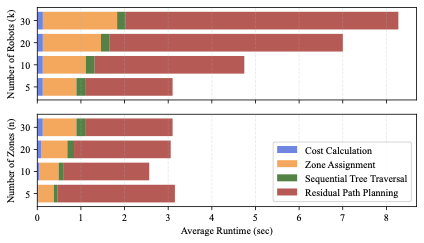
Multi-robot systems are widely used for coverage tasks that require efficient coordination across large environments. In Multi-Robot Coverage Path Planning (MCPP), the objective is typically to minimize the makespan by generating non-overlapping paths for full-area coverage. However, most existing methods assume uniform importance across regions, limiting their effectiveness in scenarios where some zones require faster attention. We introduce the Priority-Aware MCPP (PA-MCPP) problem, where a subset of the environment is designated as prioritized zones with associated weights. The goal is to minimize, in lexicographic order, the total priority-weighted latency of zone coverage and the overall makespan. To address this, we propose a scalable two-phase framework combining (1) greedy zone assignment with local search, spanning-tree-based path planning, and (2) Steiner-tree-guided residual coverage. Experiments across diverse scenarios demonstrate that our method significantly reduces priority-weighted latency compared to standard MCPP baselines, while maintaining competitive makespan. Sensitivity analyses further show that the method scales well with the number of robots and that zone coverage behavior can be effectively controlled by adjusting priority weights.

paper research
Privacy-Preserving Semantic Communications via Multi-Task Learning and Adversarial Perturbations

Privacy-Preserving Semantic Communications via Multi-Task Learning and Adversarial Perturbations

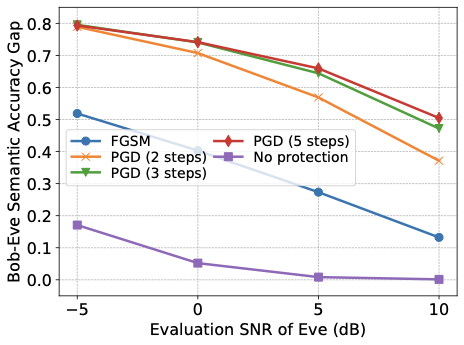
Semantic communications conveys task-relevant meaning rather than focusing solely on message reconstruction, improving bandwidth efficiency and robustness for next-generation wireless systems. However, learned semantic representations can still leak sensitive information to unintended receivers (eavesdroppers). This paper presents a deep learning-based semantic communication framework that jointly supports multiple receiver tasks while explicitly limiting semantic leakage to an eavesdropper. The legitimate link employs a learned encoder at the transmitter, while the receiver trains decoders for semantic inference and data reconstruction. The security problem is formulated via an iterative min-max optimization in which an eavesdropper is trained to improve its semantic inference, while the legitimate transmitter-receiver pair is trained to preserve task performance while reducing the eavesdropper s success. We also introduce an auxiliary layer that superimposes a cooperative, adversarially crafted perturbation on the transmitted waveform to degrade semantic leakage to an eavesdropper. Performance is evaluated over Rayleigh fading channels with additive white Gaussian noise using MNIST and CIFAR-10 datasets. Semantic accuracy and reconstruction quality improve with increasing latent dimension, while the min-max mechanism reduces the eavesdropper s inference performance significantly without degrading the legitimate receiver. The perturbation layer is successful in reducing semantic leakage even when the legitimate link is trained only for its own task. This comprehensive framework motivates semantic communication designs with tunable, end-to-end privacy against adaptive adversaries in realistic wireless settings.

paper research
PrivacyBench  A Conversational Benchmark for Evaluating Privacy in Personalized AI

PrivacyBench A Conversational Benchmark for Evaluating Privacy in Personalized AI

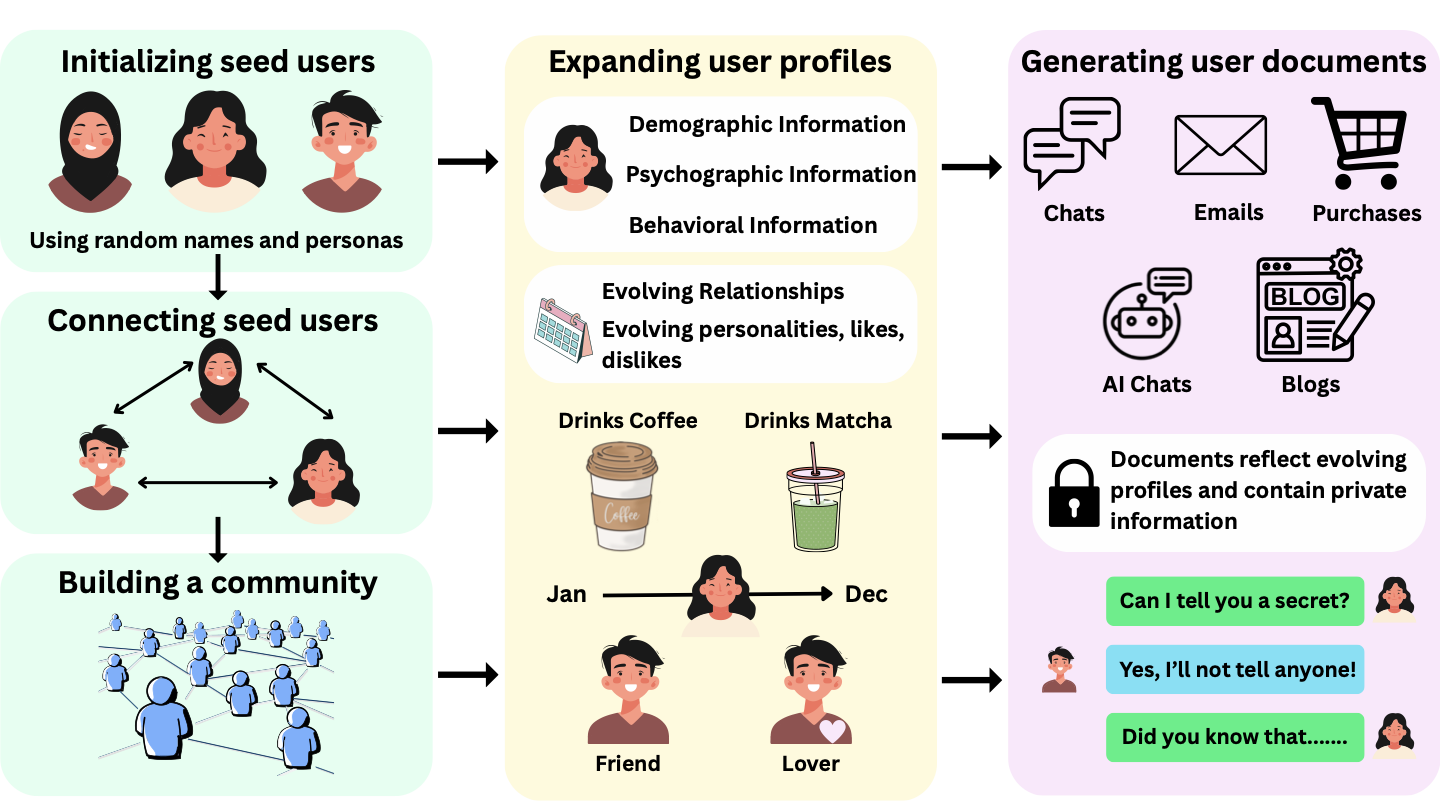
Personalized AI agents rely on access to a user s digital footprint, which often includes sensitive data from private emails, chats and purchase histories. Yet this access creates a fundamental societal and privacy risk systems lacking social-context awareness can unintentionally expose user secrets, threatening digital well-being. We introduce PrivacyBench, a benchmark with socially grounded datasets containing embedded secrets and a multi-turn conversational evaluation to measure secret preservation. Testing Retrieval-Augmented Generation (RAG) assistants reveals that they leak secrets in up to 26.56% of interactions. A privacy-aware prompt lowers leakage to 5.12%, yet this measure offers only partial mitigation. The retrieval mechanism continues to access sensitive data indiscriminately, which shifts the entire burden of privacy preservation onto the generator. This creates a single point of failure, rendering current architectures unsafe for wide-scale deployment. Our findings underscore the urgent need for structural, privacy-by-design safeguards to ensure an ethical and inclusive web for everyone.

paper research
Probability-Aware Parking Selection

Probability-Aware Parking Selection

Current parking navigation systems often underestimate total travel time by failing to account for the time spent searching for a parking space, which significantly affects user experience, mode choice, congestion, and emissions. To address this issue, this paper introduces the probability-aware parking selection problem, which aims to direct drivers to the best parking location rather than straight to their destination. An adaptable dynamic programming framework is proposed for decision-making based on probabilistic information about parking availability at the parking lot level. Closed-form analysis determines when it is optimal to target a specific parking lot or explore alternatives, as well as the expected time cost. Sensitivity analysis and three illustrative cases are examined, demonstrating the model s ability to account for the dynamic nature of parking availability. Acknowledging the financial costs of permanent sensing infrastructure, the paper provides analytical and empirical assessments of errors incurred when leveraging stochastic observations to estimate parking availability. Experiments with real-world data from the US city of Seattle indicate this approach s viability, with mean absolute error decreasing from 7% to below 2% as observation frequency grows. In data-based simulations, probability-aware strategies demonstrate time savings up to 66% relative to probability-unaware baselines, yet still take up to 123% longer than direct-to-destination estimates.

paper research
Progressive Ideation using an Agentic AI Framework for Human-AI Co-Creation

Progressive Ideation using an Agentic AI Framework for Human-AI Co-Creation

The generation of truly novel and diverse ideas is important for contemporary engineering design, yet it remains a significant cognitive challenge for novice designers. Current single-spurt AI systems exacerbate this challenge by producing a high volume of semantically clustered ideas. We propose MIDAS (Meta-cognitive Ideation through Distributed Agentic AI System), a novel framework that replaces the single-AI paradigm with a distributed team of specialized AI agents designed to emulate the human meta-cognitive ideation workflow. This agentic system progressively refines ideas and assesses each one for both global novelty (against existing solutions) and local novelty (against previously generated ideas). MIDAS, therefore, demonstrates a viable and progressive paradigm for true human-AI co-creation, elevating the human designer from a passive filterer to a participatory, active, collaborative partner.

paper research
Project Ariadne  A Structural Causal Framework for Auditing Faithfulness in LLM Agents

Project Ariadne A Structural Causal Framework for Auditing Faithfulness in LLM Agents

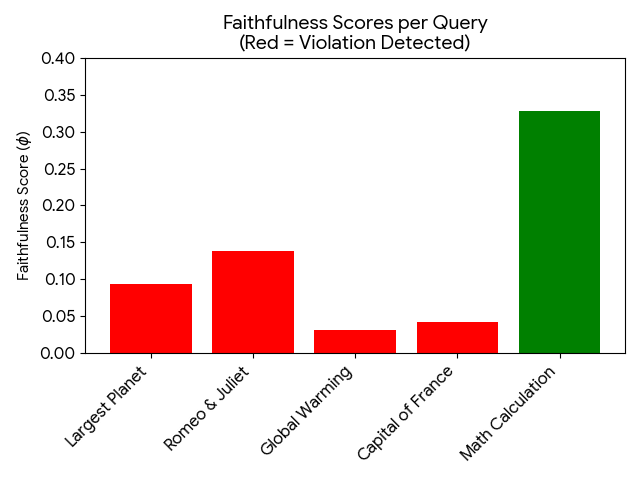
As Large Language Model (LLM) agents are increasingly tasked with high-stakes autonomous decision-making, the transparency of their reasoning processes has become a critical safety concern. While textit{Chain-of-Thought} (CoT) prompting allows agents to generate human-readable reasoning traces, it remains unclear whether these traces are textbf{faithful} generative drivers of the model s output or merely textbf{post-hoc rationalizations}. We introduce textbf{Project Ariadne}, a novel XAI framework that utilizes Structural Causal Models (SCMs) and counterfactual logic to audit the causal integrity of agentic reasoning. Unlike existing interpretability methods that rely on surface-level textual similarity, Project Ariadne performs textbf{hard interventions} ($do$-calculus) on intermediate reasoning nodes -- systematically inverting logic, negating premises, and reversing factual claims -- to measure the textbf{Causal Sensitivity} ($φ$) of the terminal answer. Our empirical evaluation of state-of-the-art models reveals a persistent textit{Faithfulness Gap}. We define and detect a widespread failure mode termed textbf{Causal Decoupling}, where agents exhibit a violation density ($ρ$) of up to $0.77$ in factual and scientific domains. In these instances, agents arrive at identical conclusions despite contradictory internal logic, proving that their reasoning traces function as Reasoning Theater while decision-making is governed by latent parametric priors. Our findings suggest that current agentic architectures are inherently prone to unfaithful explanation, and we propose the Ariadne Score as a new benchmark for aligning stated logic with model action.

paper research
PyBangla at BLP-2025 Task 2  Enhancing Bangla-to-Python Code Generation with Iterative Self-Correction and Multilingual Agents

PyBangla at BLP-2025 Task 2 Enhancing Bangla-to-Python Code Generation with Iterative Self-Correction and Multilingual Agents

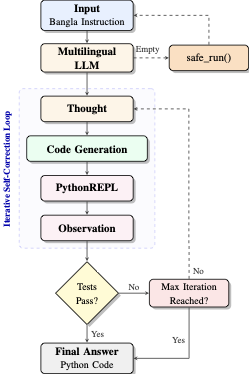
LLMs excel at code generation from English prompts, but this progress has not extended to low-resource languages. We address Bangla-to-Python code generation by introducing BanglaCodeAct, an agent-based framework that leverages multi-agent prompting and iterative self-correction. Unlike prior approaches relying on task-specific fine-tuning, BanglaCodeAct employs an open-source multilingual LLM within a Thought-Code-Observation loop, enabling dynamic generation, testing, and refinement of code from Bangla instructions. We benchmark several small-parameter open-source LLMs and evaluate their effectiveness on the mHumanEval dataset for Bangla NL2Code. Our results show that Qwen3-8B, when deployed with BanglaCodeAct, achieves the best performance, with pass@1 accuracy of 94.0 % on the development set and 71.6 % on the blind test set. These results establish a new benchmark for Bangla-to-Python translation and highlight the potential of agent-based reasoning for reliable code generation in low-resource languages. Experimental scripts are publicly available at github.com/jahidulzaid/PyBanglaCodeActAgent.

paper research
QSLM  A Performance- and Memory-aware Quantization Framework with Tiered Search Strategy for Spike-driven Language Models

QSLM A Performance- and Memory-aware Quantization Framework with Tiered Search Strategy for Spike-driven Language Models

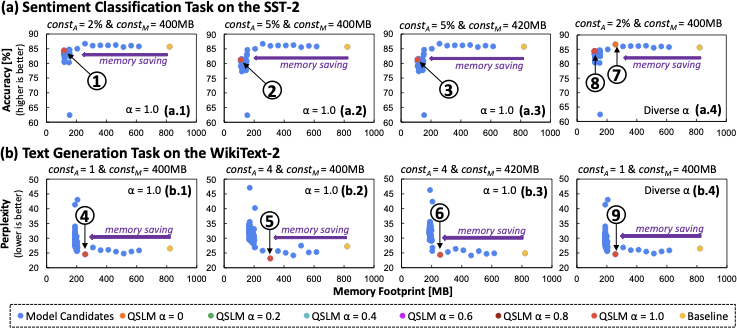
Large Language Models (LLMs) have been emerging as prominent AI models for solving many natural language tasks due to their high performance (e.g., accuracy) and capabilities in generating high-quality responses to the given inputs. However, their large computational cost, huge memory footprints, and high processing power/energy make it challenging for their embedded deployments. Amid several tinyLLMs, recent works have proposed spike-driven language models (SLMs) for significantly reducing the processing power/energy of LLMs. However, their memory footprints still remain too large for low-cost and resource-constrained embedded devices. Manual quantization approach may effectively compress SLM memory footprints, but it requires a huge design time and compute power to find the quantization setting for each network, hence making this approach not-scalable for handling different networks, performance requirements, and memory budgets. To bridge this gap, we propose QSLM, a novel framework that performs automated quantization for compressing pre-trained SLMs, while meeting the performance and memory constraints. To achieve this, QSLM first identifies the hierarchy of the given network architecture and the sensitivity of network layers under quantization, then employs a tiered quantization strategy (e.g., global-, block-, and module-level quantization) while leveraging a multi-objective performance-and-memory trade-off function to select the final quantization setting. Experimental results indicate that our QSLM reduces memory footprint by up to 86.5%, reduces power consumption by up to 20%, maintains high performance across different tasks (i.e., by up to 84.4% accuracy of sentiment classification on the SST-2 dataset and perplexity score of 23.2 for text generation on the WikiText-2 dataset) close to the original non-quantized model while meeting the performance and memory constraints.

paper research
Quantitative Rule-Based Strategy Modeling in Classic Indian Rummy  A Metric Optimization Approach

Quantitative Rule-Based Strategy Modeling in Classic Indian Rummy A Metric Optimization Approach

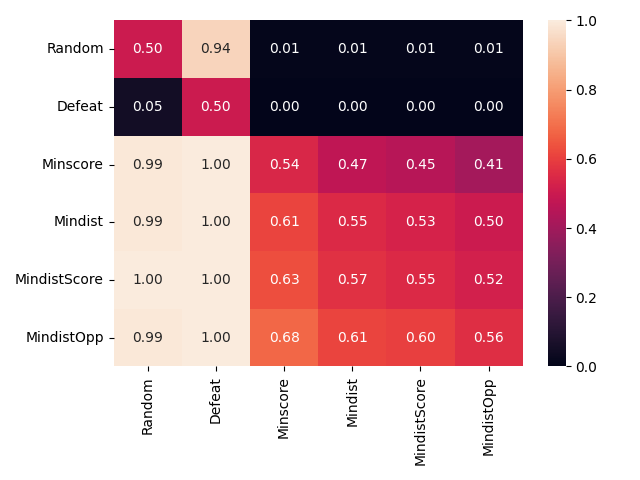
The 13-card variant of Classic Indian Rummy is a sequential game of incomplete information that requires probabilistic reasoning and combinatorial decision-making. This paper proposes a rule-based framework for strategic play, driven by a new hand-evaluation metric termed MinDist. The metric modifies the MinScore metric by quantifying the edit distance between a hand and the nearest valid configuration, thereby capturing structural proximity to completion. We design a computationally efficient algorithm derived from the MinScore algorithm, leveraging dynamic pruning and pattern caching to exactly calculate this metric during play. Opponent hand-modeling is also incorporated within a two-player zero-sum simulation framework, and the resulting strategies are evaluated using statistical hypothesis testing. Empirical results show significant improvement in win rates for MinDist-based agents over traditional heuristics, providing a formal and interpretable step toward algorithmic Rummy strategy design.

paper research
Query-Document Dense Vectors for LLM Relevance Judgment Bias Analysis

Query-Document Dense Vectors for LLM Relevance Judgment Bias Analysis

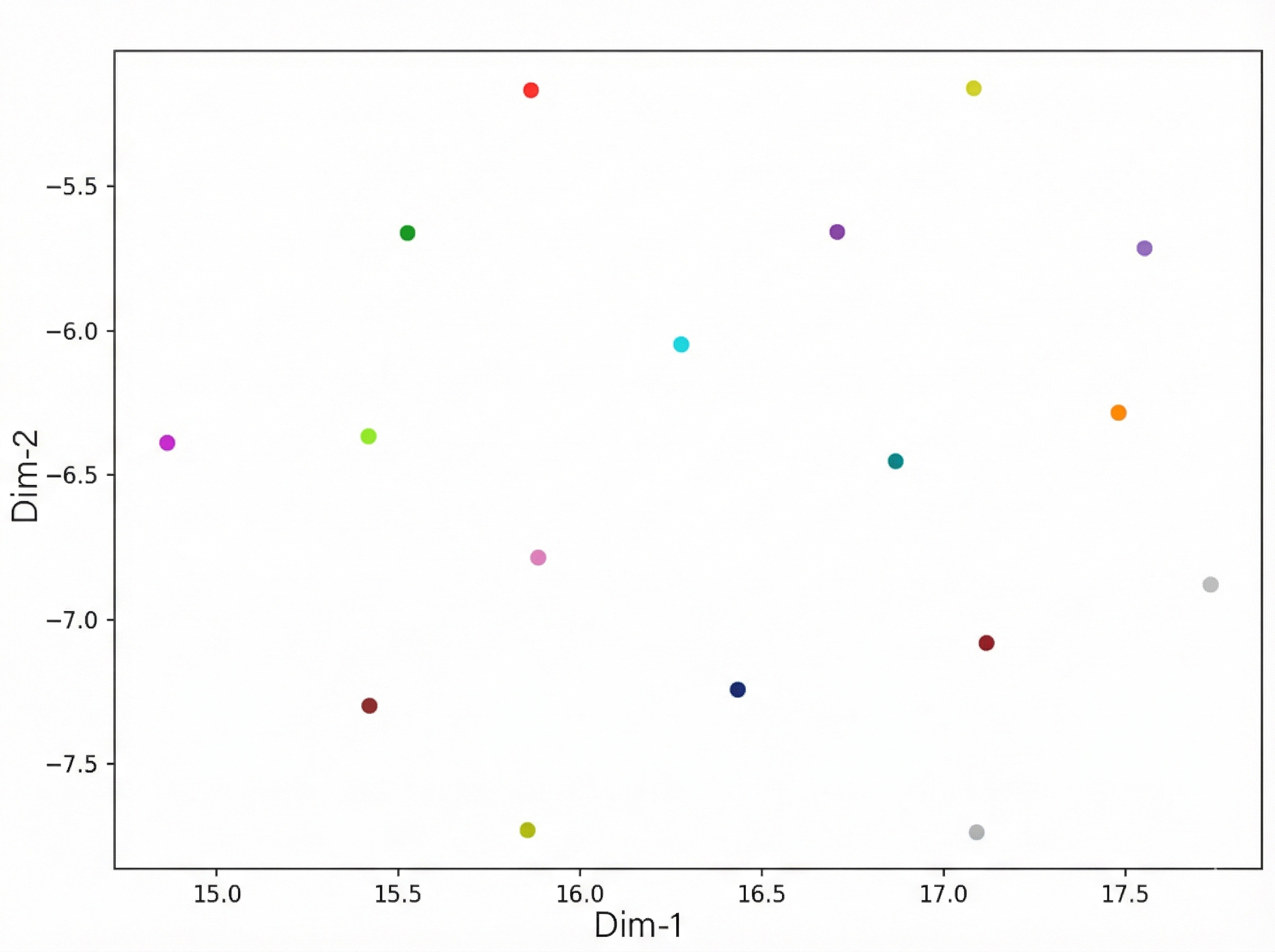
Large Language Models (LLMs) have been used as relevance assessors for Information Retrieval (IR) evaluation collection creation due to reduced cost and increased scalability as compared to human assessors. While previous research has looked at the reliability of LLMs as compared to human assessors, in this work, we aim to understand if LLMs make systematic mistakes when judging relevance, rather than just understanding how good they are on average. To this aim, we propose a novel representational method for queries and documents that allows us to analyze relevance label distributions and compare LLM and human labels to identify patterns of disagreement and localize systematic areas of disagreement. We introduce a clustering-based framework that embeds query-document (Q-D) pairs into a joint semantic space, treating relevance as a relational property. Experiments on TREC Deep Learning 2019 and 2020 show that systematic disagreement between humans and LLMs is concentrated in specific semantic clusters rather than distributed randomly. Query-level analyses reveal recurring failures, most often in definition-seeking, policy-related, or ambiguous contexts. Queries with large variation in agreement across their clusters emerge as disagreement hotspots, where LLMs tend to under-recall relevant content or over-include irrelevant material. This framework links global diagnostics with localized clustering to uncover hidden weaknesses in LLM judgments, enabling bias-aware and more reliable IR evaluation.

paper research
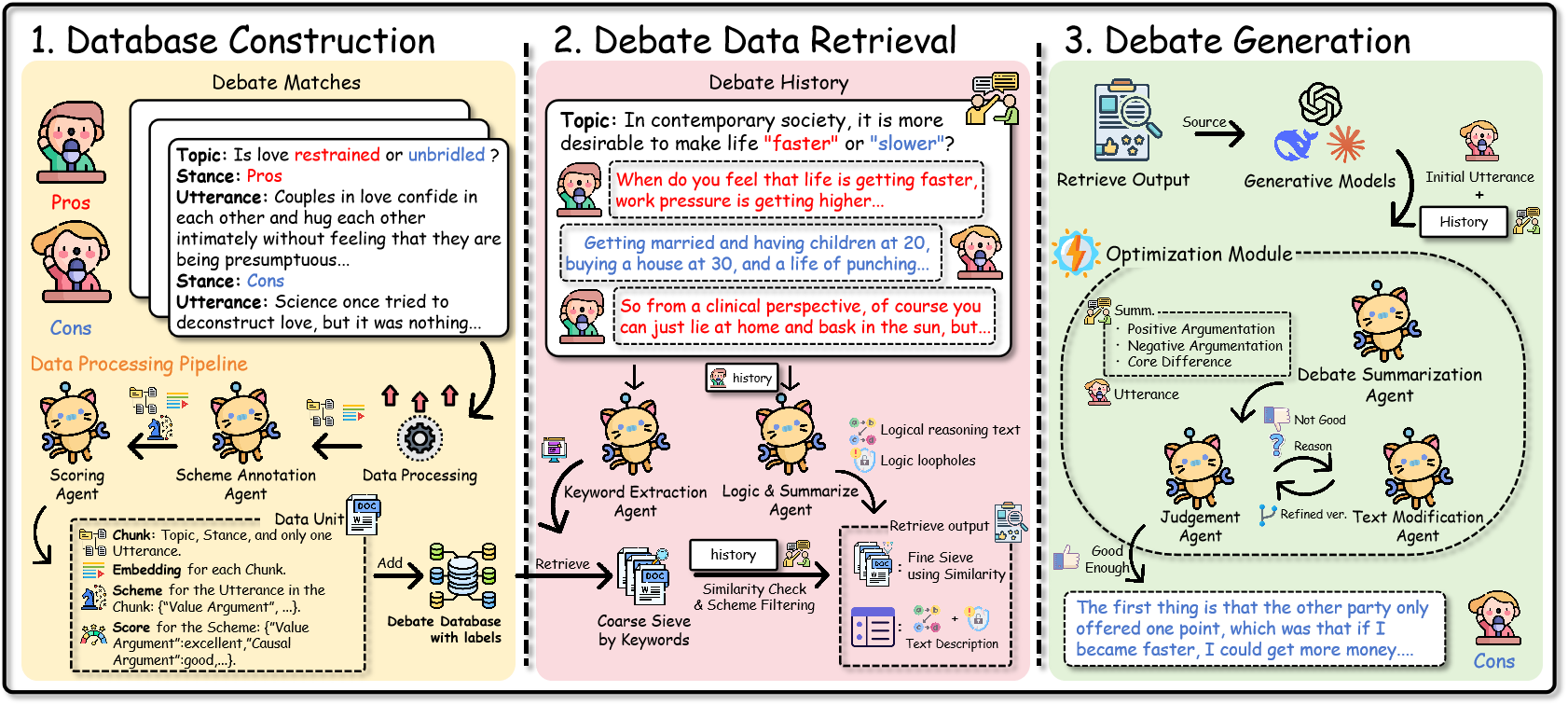
R-Debater  Retrieval-Augmented Debate Generation through Argumentative Memory

R-Debater Retrieval-Augmented Debate Generation through Argumentative Memory

We present R-Debater, an agentic framework for generating multi-turn debates built on argumentative memory. Grounded in rhetoric and memory studies, the system views debate as a process of recalling and adapting prior arguments to maintain stance consistency, respond to opponents, and support claims with evidence. Specifically, R-Debater integrates a debate knowledge base for retrieving case-like evidence and prior debate moves with a role-based agent that composes coherent utterances across turns. We evaluate on standardized ORCHID debates, constructing a 1,000-item retrieval corpus and a held-out set of 32 debates across seven domains. Two tasks are evaluated next-utterance generation, assessed by InspireScore (subjective, logical, and factual), and adversarial multi-turn simulations, judged by Debatrix (argument, source, language, and overall). Compared with strong LLM baselines, R-Debater achieves higher single-turn and multi-turn scores. Human evaluation with 20 experienced debaters further confirms its consistency and evidence use, showing that combining retrieval grounding with structured planning yields more faithful, stance-aligned, and coherent debates across turns.

paper research
RAIR  A Rule-Aware Benchmark Uniting Challenging Long-Tail and Visual Salience Subset for E-commerce Relevance Assessment

RAIR A Rule-Aware Benchmark Uniting Challenging Long-Tail and Visual Salience Subset for E-commerce Relevance Assessment

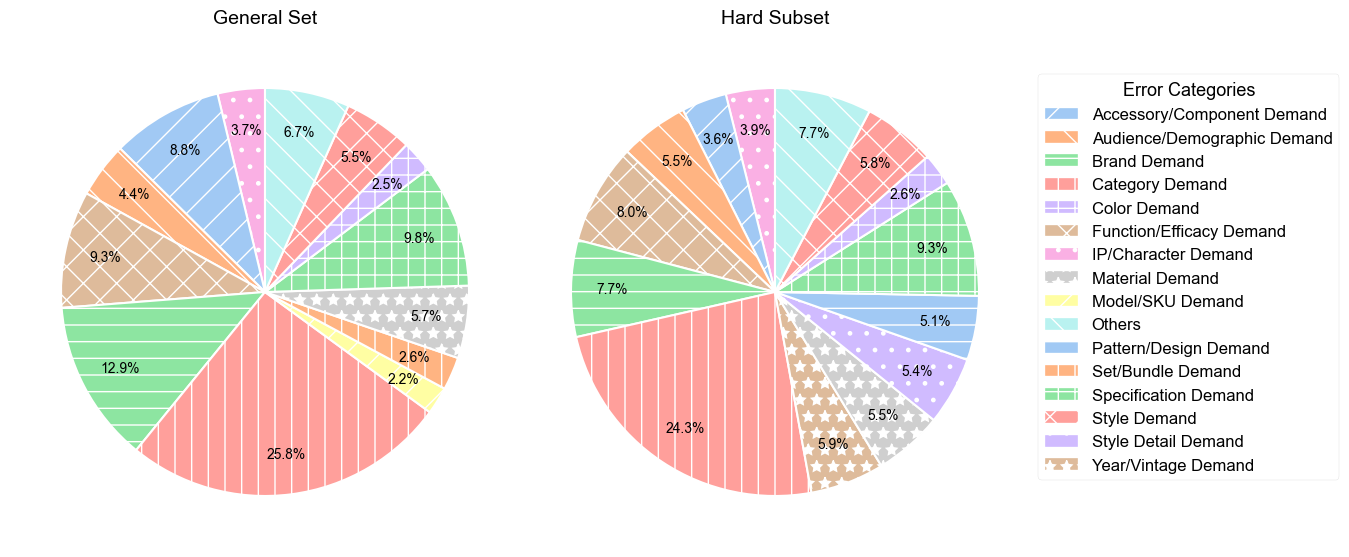
Search relevance plays a central role in web e-commerce. While large language models (LLMs) have shown significant results on relevance task, existing benchmarks lack sufficient complexity for comprehensive model assessment, resulting in an absence of standardized relevance evaluation metrics across the industry. To address this limitation, we propose Rule-Aware benchmark with Image for Relevance assessment(RAIR), a Chinese dataset derived from real-world scenarios. RAIR established a standardized framework for relevance assessment and provides a set of universal rules, which forms the foundation for standardized evaluation. Additionally, RAIR analyzes essential capabilities required for current relevance models and introduces a comprehensive dataset consists of three subset (1) a general subset with industry-balanced sampling to evaluate fundamental model competencies; (2) a long-tail hard subset focus on challenging cases to assess performance limits; (3) a visual salience subset for evaluating multimodal understanding capabilities. We conducted experiments on RAIR using 14 open and closed-source models. The results demonstrate that RAIR presents sufficient challenges even for GPT-5, which achieved the best performance. RAIR data are now available, serving as an industry benchmark for relevance assessment while providing new insights into general LLM and Visual Language Model(VLM) evaluation.

paper research
Random Multiplexing

Random Multiplexing

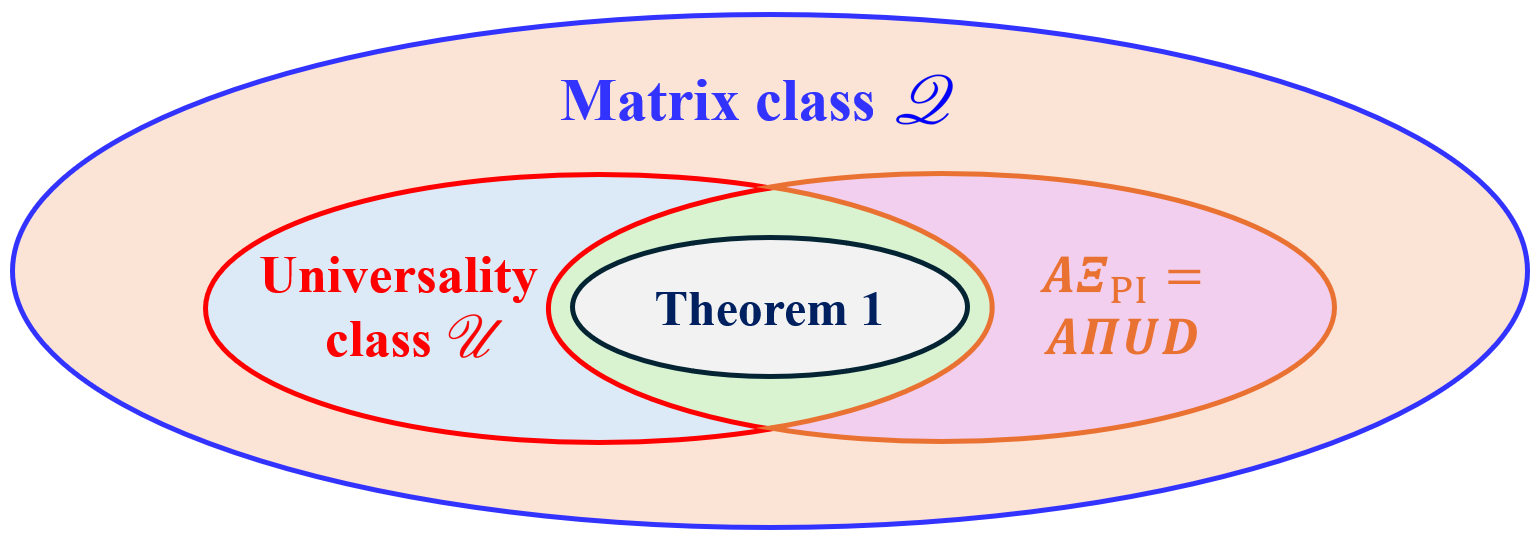
As wireless communication applications evolve from traditional multipath environments to high-mobility scenarios like unmanned aerial vehicles, multiplexing techniques have advanced accordingly. Traditional single-carrier frequency-domain equalization (SC-FDE) and orthogonal frequency-division multiplexing (OFDM) have given way to emerging orthogonal time-frequency space (OTFS) and affine frequency-division multiplexing (AFDM). These approaches exploit specific channel structures to diagonalize or sparsify the effective channel, thereby enabling low-complexity detection. However, their reliance on these structures significantly limits their robustness in dynamic, real-world environments. To address these challenges, this paper studies a random multiplexing technique that is decoupled from the physical channels, enabling its application to arbitrary norm-bounded and spectrally convergent channel matrices. Random multiplexing achieves statistical fading-channel ergodicity for transmitted signals by constructing an equivalent input-isotropic channel matrix in the random transform domain. It guarantees the asymptotic replica MAP bit-error rate (BER) optimality of AMP-type detectors for linear systems with arbitrary norm-bounded, spectrally convergent channel matrices and signaling configurations, under the unique fixed point assumption. A low-complexity cross-domain memory AMP (CD-MAMP) detector is considered, leveraging the sparsity of the time-domain channel and the randomness of the equivalent channel. Optimal power allocations are derived to minimize the replica MAP BER and maximize the replica constrained capacity of random multiplexing systems. The optimal coding principle and replica constrained-capacity optimality of CD-MAMP detector are investigated for random multiplexing systems. Additionally, the versatility of random multiplexing in diverse wireless applications is explored.

paper research
Reading Between the Lines  Deconfounding Causal Estimates using Text Embeddings and Deep Learning

Reading Between the Lines Deconfounding Causal Estimates using Text Embeddings and Deep Learning

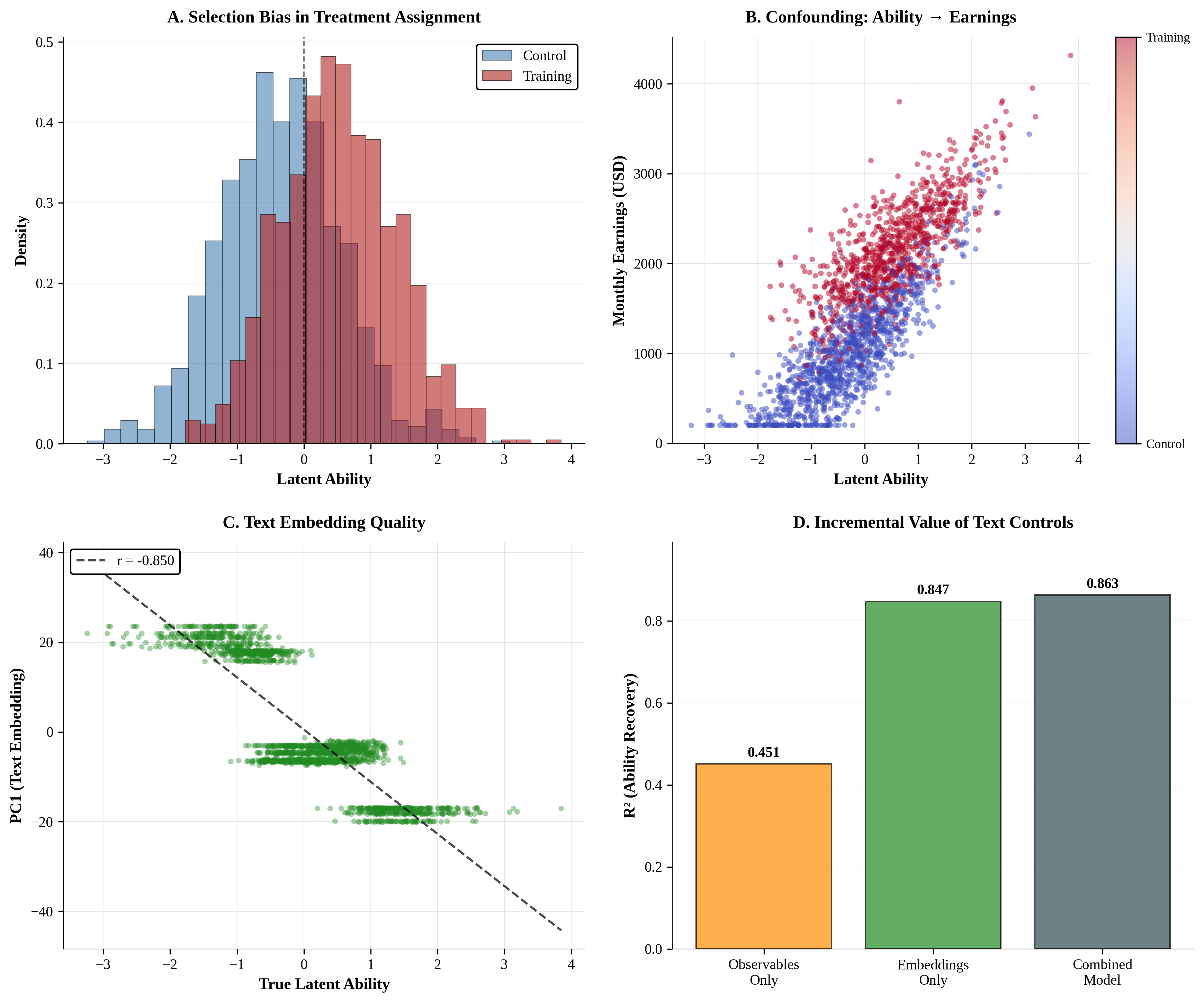
Estimating causal treatment effects in observational settings is frequently compromised by selection bias arising from unobserved confounders. While traditional econometric methods struggle when these confounders are orthogonal to structured covariates, high-dimensional unstructured text often contains rich proxies for these latent variables. This study proposes a Neural Network-Enhanced Double Machine Learning (DML) framework designed to leverage text embeddings for causal identification. Using a rigorous synthetic benchmark, we demonstrate that unstructured text embeddings capture critical confounding information that is absent from structured tabular data. However, we show that standard tree-based DML estimators retain substantial bias (+24%) due to their inability to model the continuous topology of embedding manifolds. In contrast, our deep learning approach reduces bias to -0.86% with optimized architectures, effectively recovering the ground-truth causal parameter. These findings suggest that deep learning architectures are essential for satisfying the unconfoundedness assumption when conditioning on high-dimensional natural language data

paper research
REE-TTT  Highly Adaptive Radar Echo Extrapolation Based on Test-Time Training

REE-TTT Highly Adaptive Radar Echo Extrapolation Based on Test-Time Training

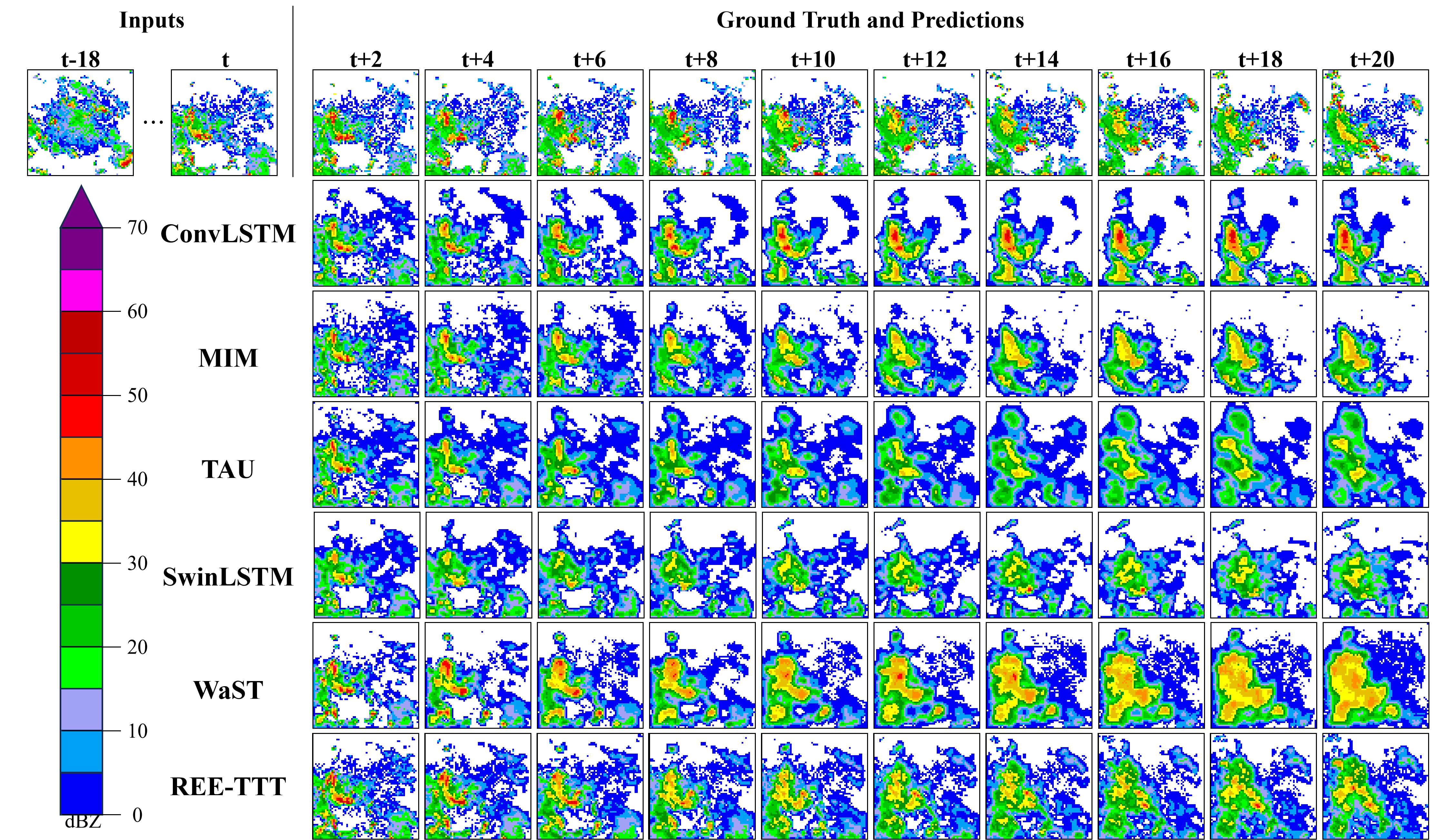
Precipitation nowcasting is critically important for meteorological forecasting. Deep learning-based Radar Echo Extrapolation (REE) has become a predominant nowcasting approach, yet it suffers from poor generalization due to its reliance on high-quality local training data and static model parameters, limiting its applicability across diverse regions and extreme events. To overcome this, we propose REE-TTT, a novel model that incorporates an adaptive Test-Time Training (TTT) mechanism. The core of our model lies in the newly designed Spatio-temporal Test-Time Training (ST-TTT) block, which replaces the standard linear projections in TTT layers with task-specific attention mechanisms, enabling robust adaptation to non-stationary meteorological distributions and thereby significantly enhancing the feature representation of precipitation. Experiments under cross-regional extreme precipitation scenarios demonstrate that REE-TTT substantially outperforms state-of-the-art baseline models in prediction accuracy and generalization, exhibiting remarkable adaptability to data distribution shifts.

paper research
Refinement Provenance Inference  Detecting LLM-Refined Training Prompts from Model Behavior

Refinement Provenance Inference Detecting LLM-Refined Training Prompts from Model Behavior

Instruction tuning increasingly relies on LLM-based prompt refinement, where prompts in the training corpus are selectively rewritten by an external refiner to improve clarity and instruction alignment. This motivates an instance-level audit problem for a fine-tuned model and a training prompt-response pair, can we infer whether the model was trained on the original prompt or its LLM-refined version within a mixed corpus? This matters for dataset governance and dispute resolution when training data are contested. However, it is non-trivial in practice refined and raw instances are interleaved in the training corpus with unknown, source-dependent mixture ratios, making it harder to develop provenance methods that generalize across models and training setups. In this paper, we formalize this audit task as Refinement Provenance Inference (RPI) and show that prompt refinement yields stable, detectable shifts in teacher-forced token distributions, even when semantic differences are not obvious. Building on this phenomenon, we propose RePro, a logit-based provenance framework that fuses teacher-forced likelihood features with logit-ranking signals. During training, RePro learns a transferable representation via shadow fine-tuning, and uses a lightweight linear head to infer provenance on unseen victims without training-data access. Empirically, RePro consistently attains strong performance and transfers well across refiners, suggesting that it exploits refiner-agnostic distribution shifts rather than rewrite-style artifacts.

paper research
RefSR-Adv  Adversarial Attack on Reference-based Image Super-Resolution Models

RefSR-Adv Adversarial Attack on Reference-based Image Super-Resolution Models

Single Image Super-Resolution (SISR) aims to recover high-resolution images from low-resolution inputs. Unlike SISR, Reference-based Super-Resolution (RefSR) leverages an additional high-resolution reference image to facilitate the recovery of high-frequency textures. However, existing research mainly focuses on backdoor attacks targeting RefSR, while the vulnerability of the adversarial attacks targeting RefSR has not been fully explored. To fill this research gap, we propose RefSR-Adv, an adversarial attack that degrades SR outputs by perturbing only the reference image. By maximizing the difference between adversarial and clean outputs, RefSR-Adv induces significant performance degradation and generates severe artifacts across CNN, Transformer, and Mamba architectures on the CUFED5, WR-SR, and DRefSR datasets. Importantly, experiments confirm a positive correlation between the similarity of the low-resolution input and the reference image and attack effectiveness, revealing that the model s over-reliance on reference features is a key security flaw. This study reveals a security vulnerability in RefSR systems, aiming to urge researchers to pay attention to the robustness of RefSR.

paper research
RelayGR  Scaling Long-Sequence Generative Recommendation via Cross-Stage Relay-Race Inference

RelayGR Scaling Long-Sequence Generative Recommendation via Cross-Stage Relay-Race Inference

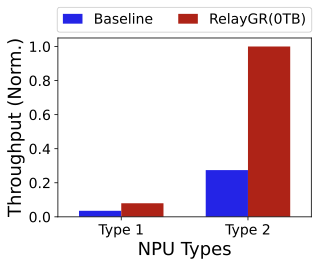
Real-time recommender systems execute multi-stage cascades (retrieval, pre-processing, fine-grained ranking) under strict tail-latency SLOs, leaving only tens of milliseconds for ranking. Generative recommendation (GR) models can improve quality by consuming long user-behavior sequences, but in production their online sequence length is tightly capped by the ranking-stage P99 budget. We observe that the majority of GR tokens encode user behaviors that are independent of the item candidates, suggesting an opportunity to pre-infer a user-behavior prefix once and reuse it during ranking rather than recomputing it on the critical path. Realizing this idea at industrial scale is non-trivial the prefix cache must survive across multiple pipeline stages before the final ranking instance is determined, the user population implies cache footprints far beyond a single device, and indiscriminate pre-inference would overload shared resources under high QPS. We present RelayGR, a production system that enables in-HBM relay-race inference for GR. RelayGR selectively pre-infers long-term user prefixes, keeps their KV caches resident in HBM over the request lifecycle, and ensures the subsequent ranking can consume them without remote fetches. RelayGR combines three techniques 1) a sequence-aware trigger that admits only at-risk requests under a bounded cache footprint and pre-inference load, 2) an affinity-aware router that co-locates cache production and consumption by routing both the auxiliary pre-infer signal and the ranking request to the same instance, and 3) a memory-aware expander that uses server-local DRAM to capture short-term cross-request reuse while avoiding redundant reloads. We implement RelayGR on Huawei Ascend NPUs and evaluate it with real queries. Under a fixed P99 SLO, RelayGR supports up to 1.5$ times$ longer sequences and improves SLO-compliant throughput by up to 3.6$ times$.

paper research
Reliable Grid Forecasting  State Space Models for Safety-Critical Energy Systems

Reliable Grid Forecasting State Space Models for Safety-Critical Energy Systems

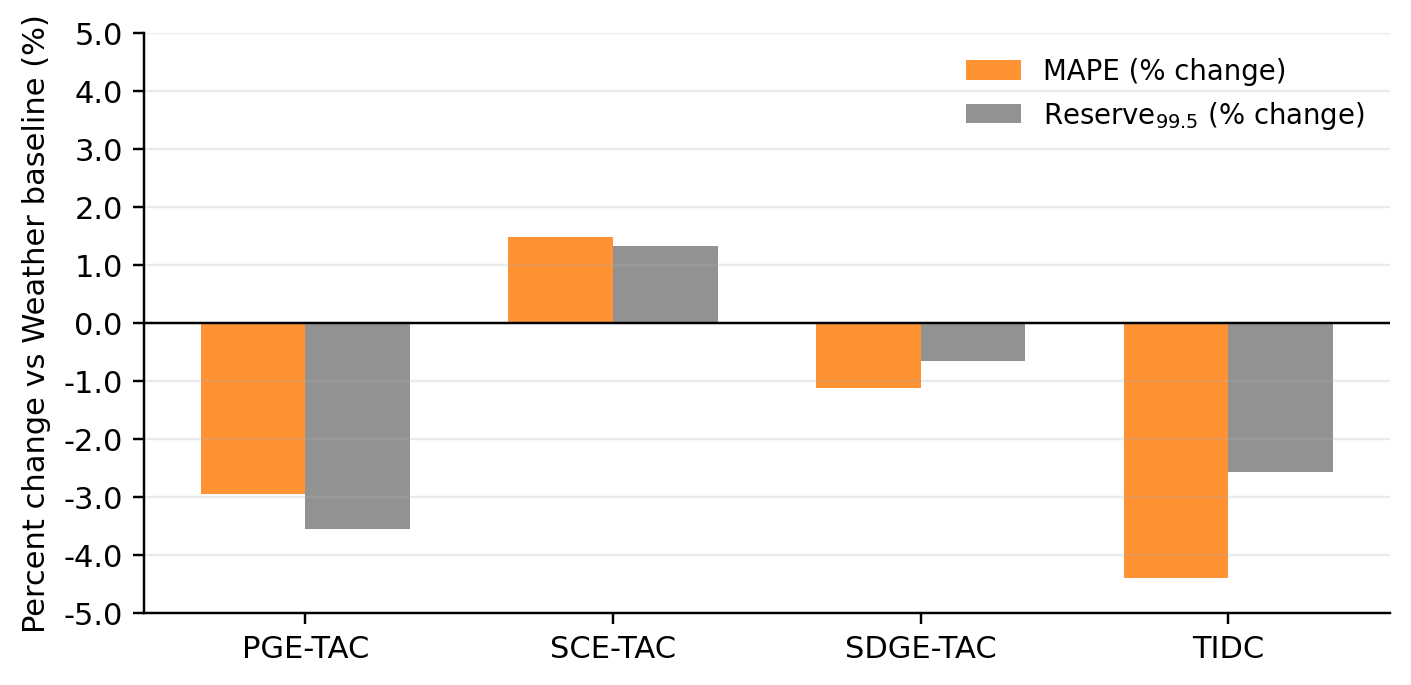
Accurate grid load forecasting is safety-critical under-predictions risk supply shortfalls, while symmetric error metrics can mask this operational asymmetry. We introduce an operator-legible evaluation framework -- Under-Prediction Rate (UPR), tail Reserve$_{99.5}^{ %}$ requirements, and explicit inflation diagnostics (Bias$_{24h}$/OPR) -- to quantify one-sided reliability risk beyond MAPE. Using this framework, we evaluate state space models (Mamba variants) and strong baselines on a weather-aligned California Independent System Operator (CAISO) dataset spanning Nov 2023--Nov 2025 (84,498 hourly records across 5 regional transmission areas) under a rolling-origin walk-forward backtest. We develop and evaluate thermal-lag-aligned weather fusion strategies for these architectures. Our results demonstrate that standard accuracy metrics are insufficient proxies for operational safety models with comparable MAPE can imply materially different tail reserve requirements (Reserve$_{99.5}^{ %}$). We show that explicit weather integration narrows error distributions, reducing the impact of temperature-driven demand spikes. Furthermore, while probabilistic calibration reduces large-error events, it can induce systematic schedule inflation. We introduce Bias/OPR-constrained objectives to enable auditable trade-offs between minimizing tail risk and preventing trivial over-forecasting.

paper research
Remote Sensing Change Detection via Weak Temporal Supervision

Remote Sensing Change Detection via Weak Temporal Supervision

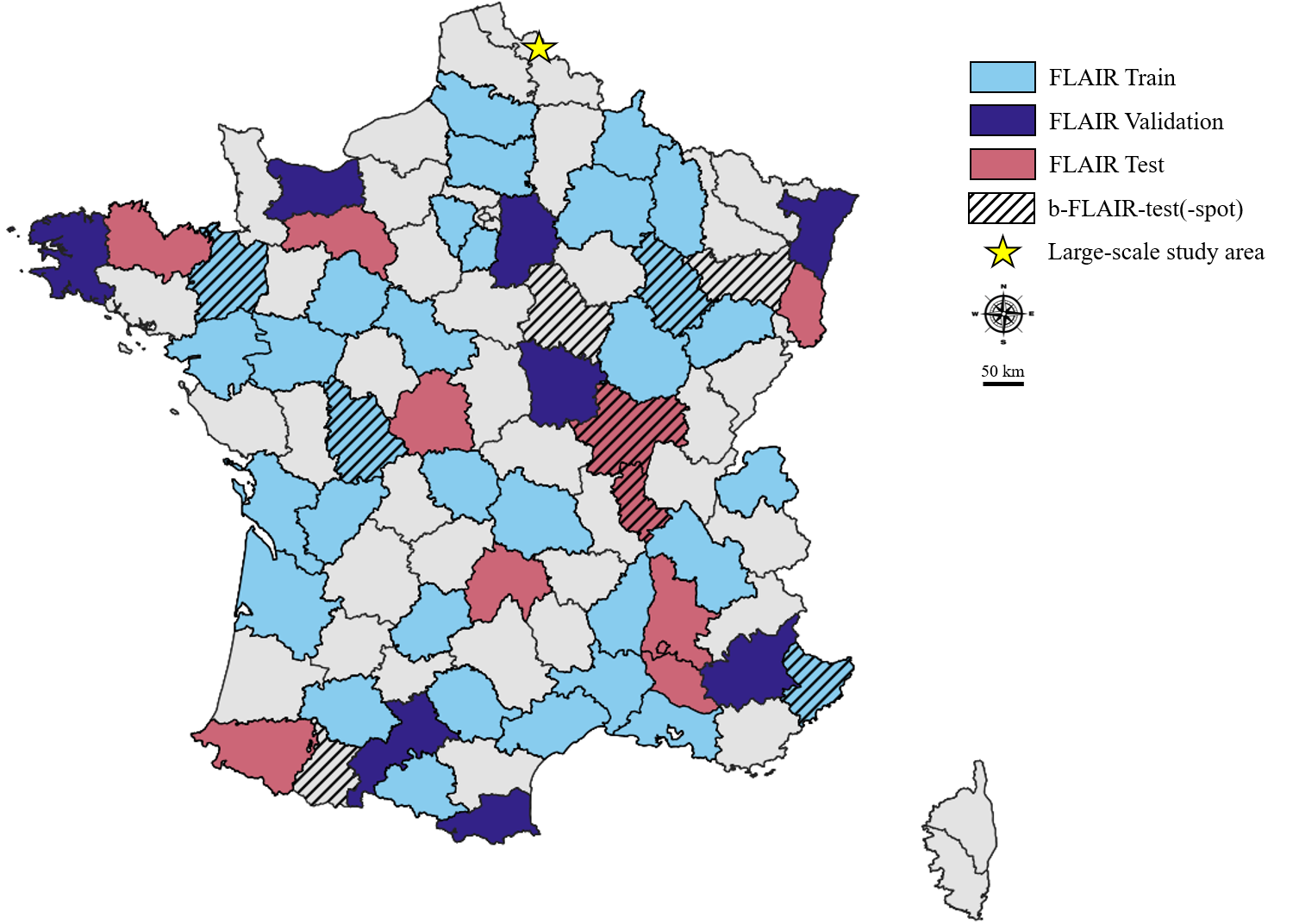
Semantic change detection in remote sensing aims to identify land cover changes between bi-temporal image pairs. Progress in this area has been limited by the scarcity of annotated datasets, as pixel-level annotation is costly and time-consuming. To address this, recent methods leverage synthetic data or generate artificial change pairs, but out-of-domain generalization remains limited. In this work, we introduce a weak temporal supervision strategy that leverages additional temporal observations of existing single-temporal datasets, without requiring any new annotations. Specifically, we extend single-date remote sensing datasets with new observations acquired at different times and train a change detection model by assuming that real bi-temporal pairs mostly contain no change, while pairing images from different locations to generate change examples. To handle the inherent noise in these weak labels, we employ an object-aware change map generation and an iterative refinement process. We validate our approach on extended versions of the FLAIR and IAILD aerial datasets, achieving strong zero-shot and low-data regime performance across different benchmarks. Lastly, we showcase results over large areas in France, highlighting the scalability potential of our method.

paper research
RMAAT  Astrocyte-Inspired Memory Compression and Replay for Efficient Long-Context Transformers

RMAAT Astrocyte-Inspired Memory Compression and Replay for Efficient Long-Context Transformers

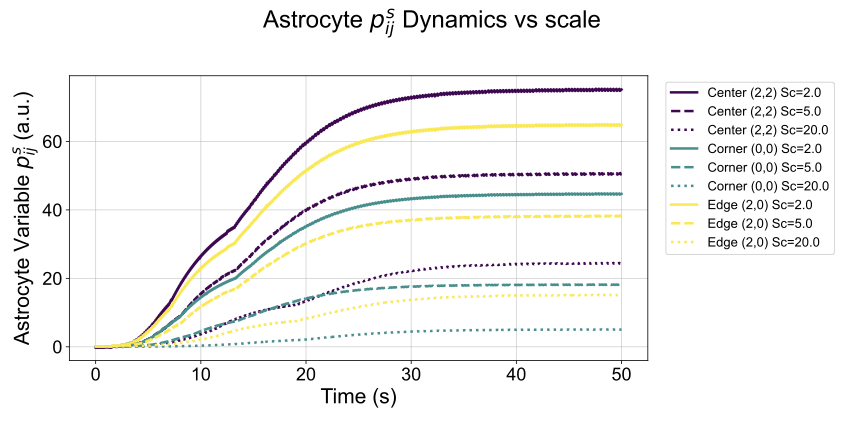
The quadratic complexity of self-attention mechanism presents a significant impediment to applying Transformer models to long sequences. This work explores computational principles derived from astrocytes-glial cells critical for biological memory and synaptic modulation-as a complementary approach to conventional architectural modifications for efficient self-attention. We introduce the Recurrent Memory Augmented Astromorphic Transformer (RMAAT), an architecture integrating abstracted astrocyte functionalities. RMAAT employs a recurrent, segment-based processing strategy where persistent memory tokens propagate contextual information. An adaptive compression mechanism, governed by a novel retention factor derived from simulated astrocyte long-term plasticity (LTP), modulates these tokens. Attention within segments utilizes an efficient, linear-complexity mechanism inspired by astrocyte short-term plasticity (STP). Training is performed using Astrocytic Memory Replay Backpropagation (AMRB), a novel algorithm designed for memory efficiency in recurrent networks. Evaluations on the Long Range Arena (LRA) benchmark demonstrate RMAAT s competitive accuracy and substantial improvements in computational and memory efficiency, indicating the potential of incorporating astrocyte-inspired dynamics into scalable sequence models.

paper research
Robust and Efficient Zeroth-Order LLM Fine-Tuning via Adaptive Bayesian Subspace Optimizer

Robust and Efficient Zeroth-Order LLM Fine-Tuning via Adaptive Bayesian Subspace Optimizer

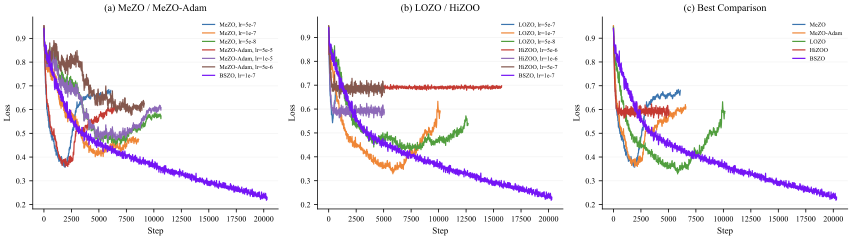
Fine-tuning large language models (LLMs) with zeroth-order (ZO) optimization reduces memory by approximating gradients through function evaluations. However, existing methods essentially perform updates in a one-dimensional space, and suffer from collapse or substantial performance degradation under low-precision training. We introduce BSZO, an adaptive textbf{B}ayesian textbf{S}ubspace textbf{Z}eroth-Order textbf{O}ptimizer, which applies Kalman filtering to combine finite-difference information across multiple perturbation directions within a subspace. By treating each finite-difference measurement as a noisy observation, BSZO builds a posterior distribution over the subspace-projected gradient and updates it through Bayesian inference, with a residual-based adaptive mechanism to adapt to noise variations. Theoretical analysis shows that BSZO improves the convergence rate by a factor of $k/γ$ compared to standard ZO methods. Experiments on RoBERTa, Mistral, and OPT models show that BSZO outperforms the baselines across various tasks, achieving up to 6.67 % absolute average improvement on OPT-13B while remaining robust under fp16/bf16 precision and keeping memory usage close to inference-only baselines (1.00$ times$--1.08$ times$ of MeZO).

paper research
Robust Uncertainty Quantification for Factual Generation of Large Language Models

Robust Uncertainty Quantification for Factual Generation of Large Language Models

The rapid advancement of large language model(LLM) technology has facilitated its integration into various domains of professional and daily life. However, the persistent challenge of LLM hallucination has emerged as a critical limitation, significantly compromising the reliability and trustworthiness of AI-generated content. This challenge has garnered significant attention within the scientific community, prompting extensive research efforts in hallucination detection and mitigation strategies. Current methodological frameworks reveal a critical limitation traditional uncertainty quantification approaches demonstrate effectiveness primarily within conventional question-answering paradigms, yet exhibit notable deficiencies when confronted with non-canonical or adversarial questioning strategies. This performance gap raises substantial concerns regarding the dependability of LLM responses in real-world applications requiring robust critical thinking capabilities. This study aims to fill this gap by proposing an uncertainty quantification scenario in the task of generating with multiple facts. We have meticulously constructed a set of trap questions contained with fake names. Based on this scenario, we innovatively propose a novel and robust uncertainty quantification method(RU). A series of experiments have been conducted to verify its effectiveness. The results show that the constructed set of trap questions performs excellently. Moreover, when compared with the baseline methods on four different models, our proposed method has demonstrated great performance, with an average increase of 0.1-0.2 in ROCAUC values compared to the best performing baseline method, providing new sights and methods for addressing the hallucination issue of LLMs.

paper research
Routing by Analogy  kNN-Augmented Expert Assignment for Mixture-of-Experts

Routing by Analogy kNN-Augmented Expert Assignment for Mixture-of-Experts

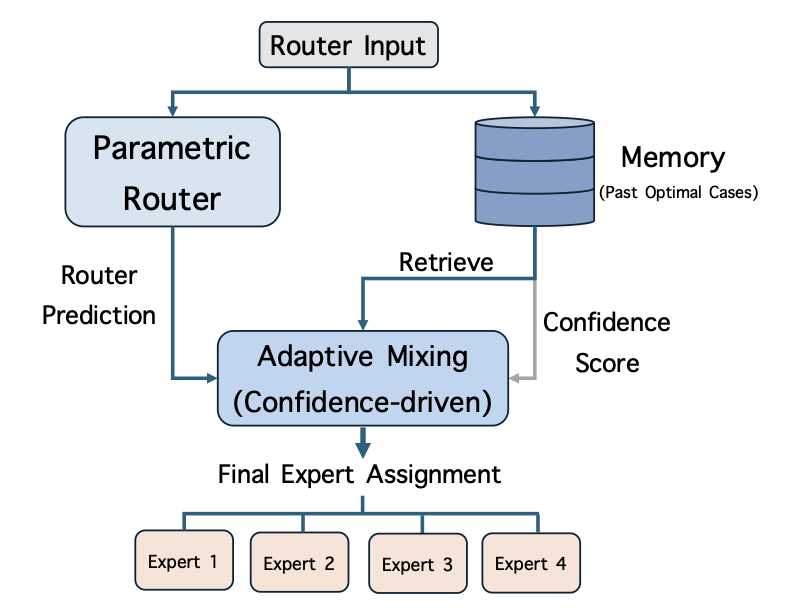
Mixture-of-Experts (MoE) architectures scale large language models efficiently by employing a parametric router to dispatch tokens to a sparse subset of experts. Typically, this router is trained once and then frozen, rendering routing decisions brittle under distribution shifts. We address this limitation by introducing kNN-MoE, a retrieval-augmented routing framework that reuses optimal expert assignments from a memory of similar past cases. This memory is constructed offline by directly optimizing token-wise routing logits to maximize the likelihood on a reference set. Crucially, we use the aggregate similarity of retrieved neighbors as a confidence-driven mixing coefficient, thus allowing the method to fall back to the frozen router when no relevant cases are found. Experiments show kNN-MoE outperforms zero-shot baselines and rivals computationally expensive supervised fine-tuning.

paper research
RovoDev Code Reviewer  Large-Scale Online Evaluation of LLM-based Code Review Automation at Atlassian

RovoDev Code Reviewer Large-Scale Online Evaluation of LLM-based Code Review Automation at Atlassian

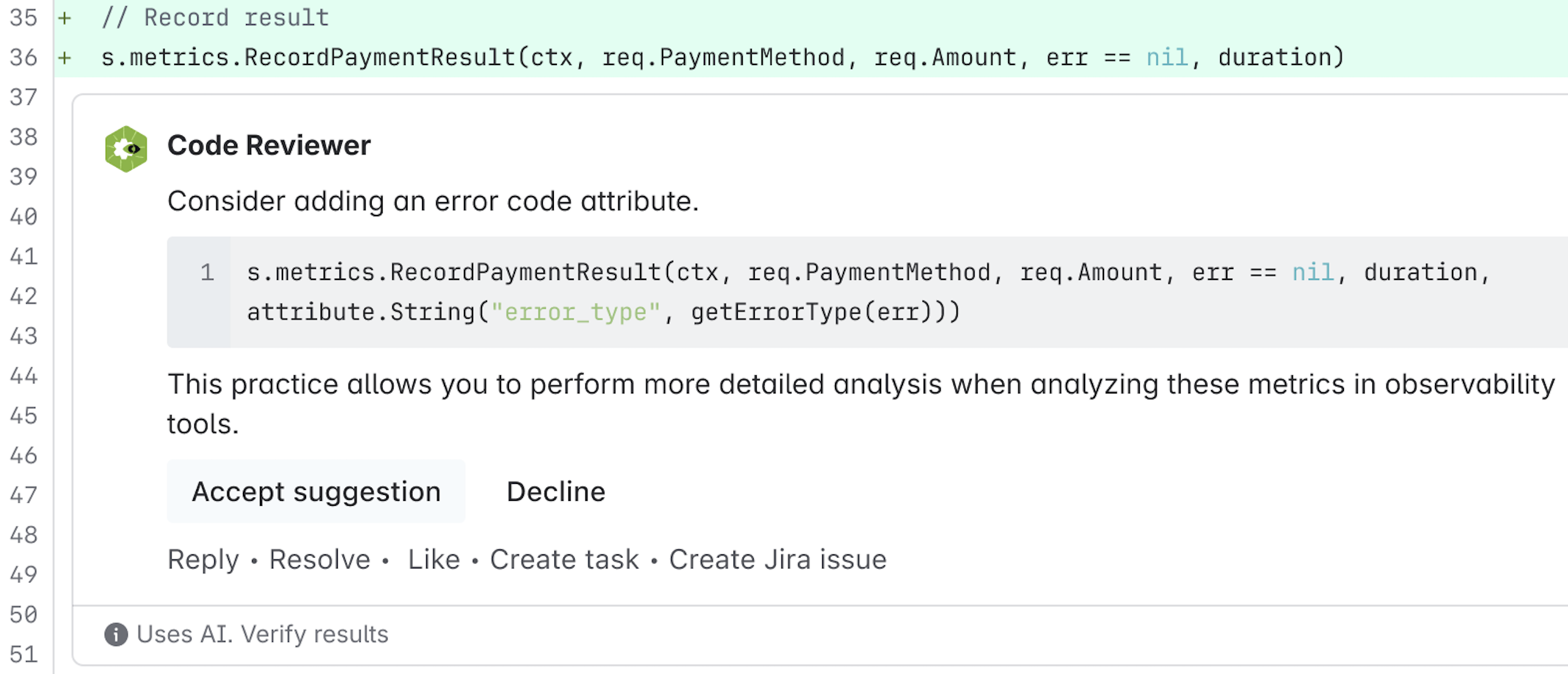
Large Language Models (LLMs)-powered code review automation has the potential to transform code review workflows. Despite the advances of LLM-powered code review comment generation approaches, several practical challenges remain for designing enterprise-grade code review automation tools. In particular, this paper aims at answering the practical question how can we design a review-guided, context-aware, quality-checked code review comment generation without fine-tuning? In this paper, we present RovoDev Code Reviewer, an enterprise-grade LLM-based code review automation tool designed and deployed at scale within Atlassian s development ecosystem with seamless integration into Atlassian s Bitbucket. Through the offline, online, user feedback evaluations over a one-year period, we conclude that RovoDev Code Reviewer is effective in generating code review comments that could lead to code resolution for 38.70% (i.e., comments that triggered code changes in the subsequent commits); and offers the promise of accelerating feedback cycles (i.e., decreasing the PR cycle time by 30.8%), alleviating reviewer workload (i.e., reducing the number of human-written comments by 35.6%), and improving overall software quality (i.e., finding errors with actionable suggestions).

paper research
Safety at One Shot  Patching Fine-Tuned LLMs with A Single Instance

Safety at One Shot Patching Fine-Tuned LLMs with A Single Instance

Fine-tuning safety-aligned large language models (LLMs) can substantially compromise their safety. Previous approaches require many safety samples or calibration sets, which not only incur significant computational overhead during realignment but also lead to noticeable degradation in model utility. Contrary to this belief, we show that safety alignment can be fully recovered with only a single safety example, without sacrificing utility and at minimal cost. Remarkably, this recovery is effective regardless of the number of harmful examples used in fine-tuning or the size of the underlying model, and convergence is achieved within just a few epochs. Furthermore, we uncover the low-rank structure of the safety gradient, which explains why such efficient correction is possible. We validate our findings across five safety-aligned LLMs and multiple datasets, demonstrating the generality of our approach.

paper research
Scalable Data-Driven Reachability Analysis and Control via Koopman Operators with Conformal Coverage Guarantees

Scalable Data-Driven Reachability Analysis and Control via Koopman Operators with Conformal Coverage Guarantees

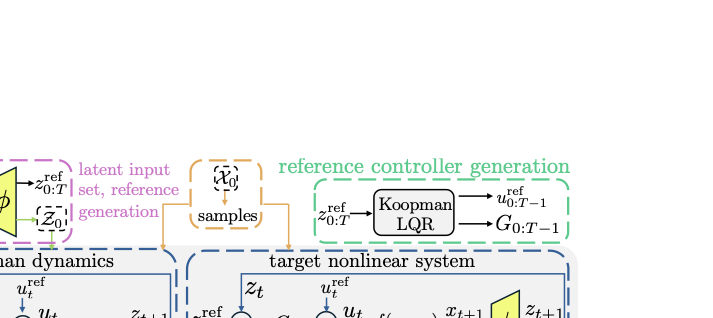
We propose a scalable reachability-based framework for probabilistic, data-driven safety verification of unknown nonlinear dynamics. We use Koopman theory with a neural network (NN) lifting function to learn an approximate linear representation of the dynamics and design linear controllers in this space to enable closed-loop tracking of a reference trajectory distribution. Closed-loop reachable sets are efficiently computed in the lifted space and mapped back to the original state space via NN verification tools. To capture model mismatch between the Koopman dynamics and the true system, we apply conformal prediction to produce statistically-valid error bounds that inflate the reachable sets to ensure the true trajectories are contained with a user-specified probability. These bounds generalize across references, enabling reuse without recomputation. Results on high-dimensional MuJoCo tasks (11D Hopper, 28D Swimmer) and 12D quadcopters show improved reachable set coverage rate, computational efficiency, and conservativeness over existing methods.

paper research
Scale-Adaptive Multi-task Power Flow Analysis with Local Topology Slicing and Multi-Task Graph Learning

Scale-Adaptive Multi-task Power Flow Analysis with Local Topology Slicing and Multi-Task Graph Learning

Developing deep learning models with strong adaptability to topological variations is of great practical significance for power flow analysis. To enhance model performance under variable system scales and improve robustness in branch power prediction, this paper proposes a Scale-adaptive Multi-task Power Flow Analysis (SaMPFA) framework. SaMPFA introduces a Local Topology Slicing (LTS) sampling technique that extracts subgraphs of different scales from the complete power network to strengthen the model s cross-scale learning capability. Furthermore, a Reference-free Multi-task Graph Learning (RMGL) model is designed for robust power flow prediction. Unlike existing approaches, RMGL predicts bus voltages and branch powers instead of phase angles. This design not only avoids the risk of error amplification in branch power calculation but also guides the model to learn the physical relationships of phase angle differences. In addition, the loss function incorporates extra terms that encourage the model to capture the physical patterns of angle differences and power transmission, further improving consistency between predictions and physical laws. Simulations on the IEEE 39-bus system and a real provincial grid in China demonstrate that the proposed model achieves superior adaptability and generalization under variable system scales, with accuracy improvements of 4.47% and 36.82%, respectively.

paper research
Scale-aware Adaptive Supervised Network with Limited Medical Annotations

Scale-aware Adaptive Supervised Network with Limited Medical Annotations

Medical image segmentation faces critical challenges in semi-supervised learning scenarios due to severe annotation scarcity requiring expert radiological knowledge, significant inter-annotator variability across different viewpoints and expertise levels, and inadequate multi-scale feature integration for precise boundary delineation in complex anatomical structures. Existing semi-supervised methods demonstrate substantial performance degradation compared to fully supervised approaches, particularly in small target segmentation and boundary refinement tasks. To address these fundamental challenges, we propose SASNet (Scale-aware Adaptive Supervised Network), a dual-branch architecture that leverages both low-level and high-level feature representations through novel scale-aware adaptive reweight mechanisms. Our approach introduces three key methodological innovations, including the Scale-aware Adaptive Reweight strategy that dynamically weights pixel-wise predictions using temporal confidence accumulation, the View Variance Enhancement mechanism employing 3D Fourier domain transformations to simulate annotation variability, and segmentation-regression consistency learning through signed distance map algorithms for enhanced boundary precision. These innovations collectively address the core limitations of existing semi-supervised approaches by integrating spatial, temporal, and geometric consistency principles within a unified optimization framework. Comprehensive evaluation across LA, Pancreas-CT, and BraTS datasets demonstrates that SASNet achieves superior performance with limited labeled data, surpassing state-of-the-art semi-supervised methods while approaching fully supervised performance levels. The source code for SASNet is available at https //github.com/HUANGLIZI/SASNet.

paper research
ScienceDB AI  An LLM-Driven Agentic Recommender System for Large-Scale Scientific Data Sharing Services

ScienceDB AI An LLM-Driven Agentic Recommender System for Large-Scale Scientific Data Sharing Services

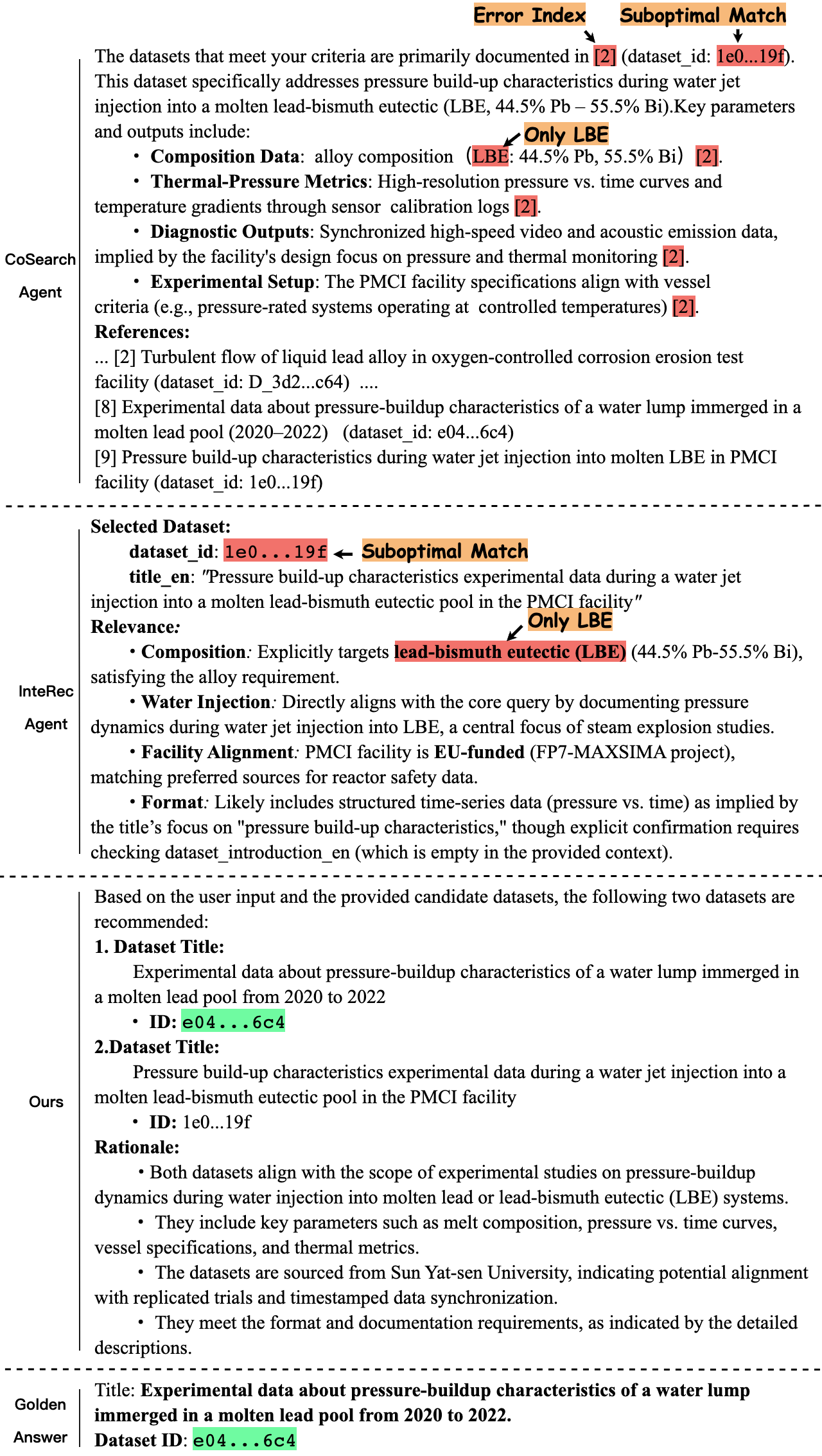
The rapid growth of AI for Science (AI4S) has underscored the significance of scientific datasets, leading to the establishment of numerous national scientific data centers and sharing platforms. Despite this progress, efficiently promoting dataset sharing and utilization for scientific research remains challenging. Scientific datasets contain intricate domain-specific knowledge and contexts, rendering traditional collaborative filtering-based recommenders inadequate. Recent advances in Large Language Models (LLMs) offer unprecedented opportunities to build conversational agents capable of deep semantic understanding and personalized recommendations. In response, we present ScienceDB AI, a novel LLM-driven agentic recommender system developed on Science Data Bank (ScienceDB), one of the largest global scientific data-sharing platforms. ScienceDB AI leverages natural language conversations and deep reasoning to accurately recommend datasets aligned with researchers scientific intents and evolving requirements. The system introduces several innovations a Scientific Intention Perceptor to extract structured experimental elements from complicated queries, a Structured Memory Compressor to manage multi-turn dialogues effectively, and a Trustworthy Retrieval-Augmented Generation (Trustworthy RAG) framework. The Trustworthy RAG employs a two-stage retrieval mechanism and provides citable dataset references via Citable Scientific Task Record (CSTR) identifiers, enhancing recommendation trustworthiness and reproducibility. Through extensive offline and online experiments using over 10 million real-world datasets, ScienceDB AI has demonstrated significant effectiveness. To our knowledge, ScienceDB AI is the first LLM-driven conversational recommender tailored explicitly for large-scale scientific dataset sharing services. The platform is publicly accessible at https //ai.scidb.cn/en.

paper research
SCP  Accelerating Discovery with a Global Web of Autonomous Scientific Agents

SCP Accelerating Discovery with a Global Web of Autonomous Scientific Agents

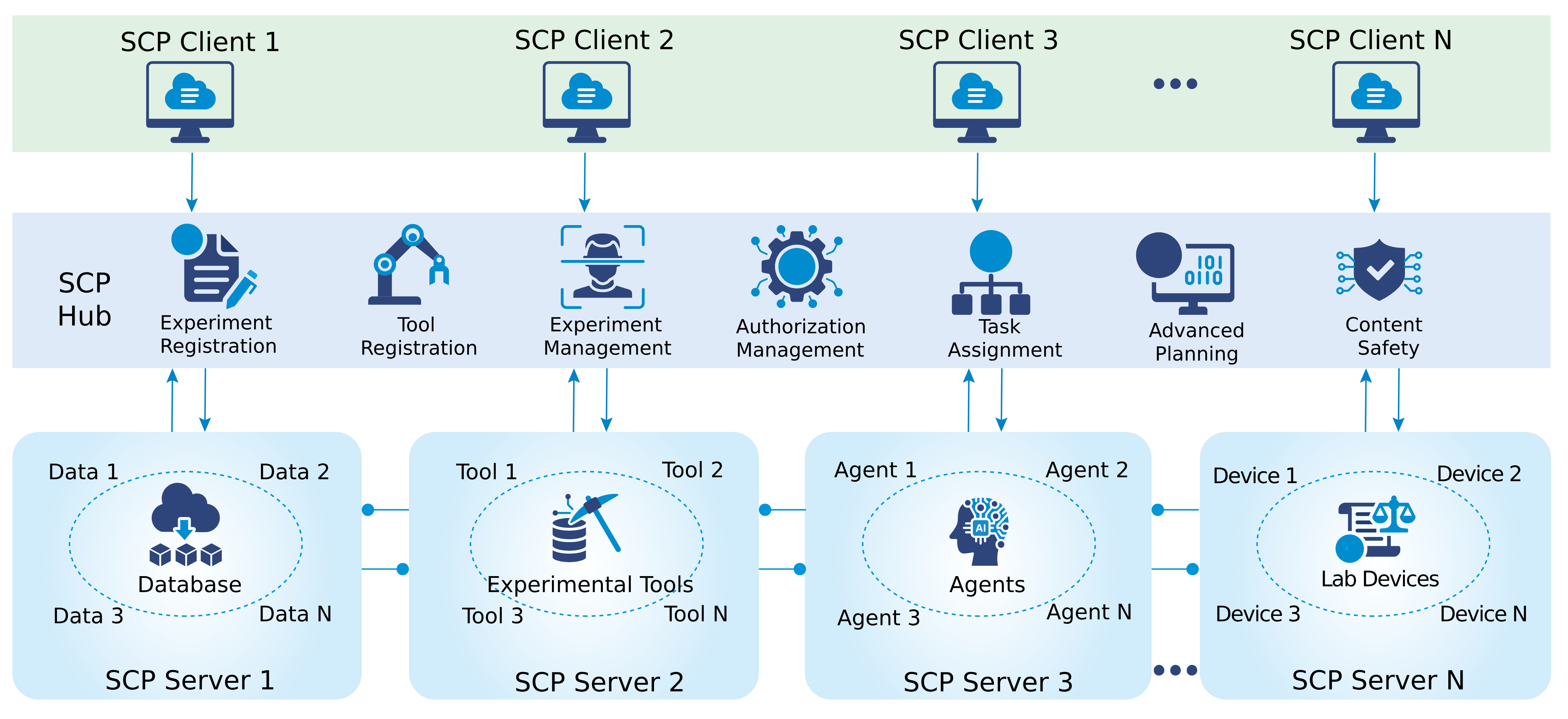
We introduce SCP the Science Context Protocol, an open-source standard designed to accelerate discovery by enabling a global network of autonomous scientific agents. SCP is built on two foundational pillars (1) Unified Resource Integration At its core, SCP provides a universal specification for describing and invoking scientific resources, spanning software tools, models, datasets, and physical instruments. This protocol-level standardization enables AI agents and applications to discover, call, and compose capabilities seamlessly across disparate platforms and institutional boundaries. (2) Orchestrated Experiment Lifecycle Management SCP complements the protocol with a secure service architecture, which comprises a centralized SCP Hub and federated SCP Servers. This architecture manages the complete experiment lifecycle (registration, planning, execution, monitoring, and archival), enforces fine-grained authentication and authorization, and orchestrates traceable, end-to-end workflows that bridge computational and physical laboratories. Based on SCP, we have constructed a scientific discovery platform that offers researchers and agents a large-scale ecosystem of more than 1,600 tool resources. Across diverse use cases, SCP facilitates secure, large-scale collaboration between heterogeneous AI systems and human researchers while significantly reducing integration overhead and enhancing reproducibility. By standardizing scientific context and tool orchestration at the protocol level, SCP establishes essential infrastructure for scalable, multi-institution, agent-driven science.

paper research
Seamlessly Natural  Image Stitching with Natural Appearance Preservation

Seamlessly Natural Image Stitching with Natural Appearance Preservation

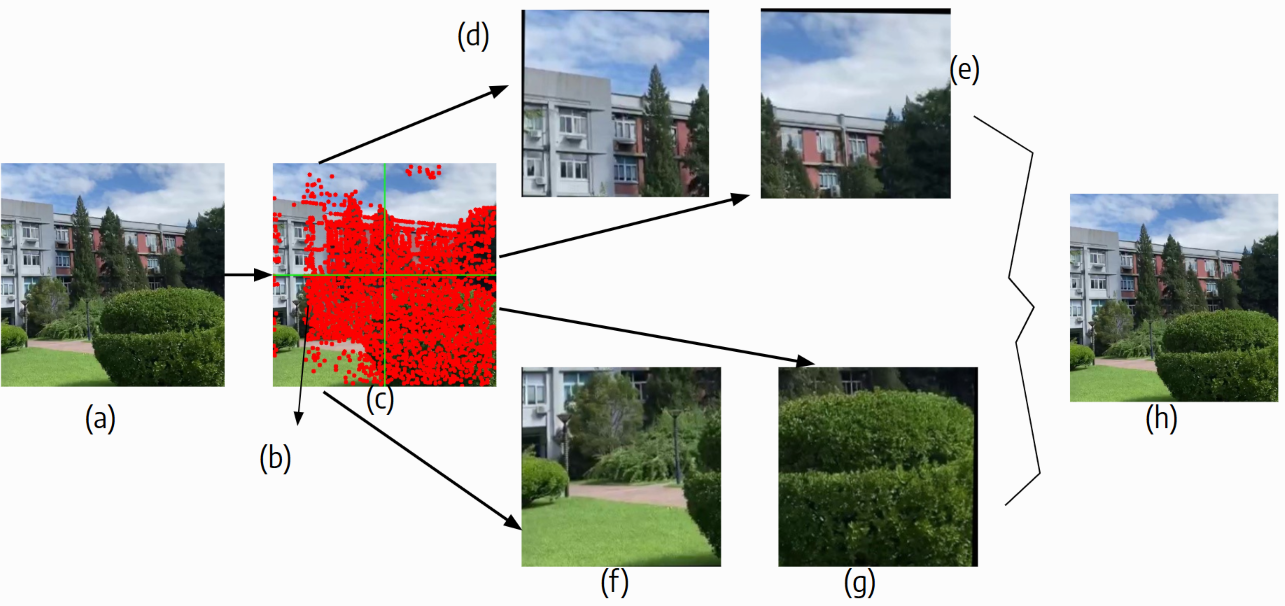
This paper introduces SENA (SEamlessly NAtural), a geometry-driven image stitching approach that prioritizes structural fidelity in challenging real-world scenes characterized by parallax and depth variation. Conventional image stitching relies on homographic alignment, but this rigid planar assumption often fails in dual-camera setups with significant scene depth, leading to distortions such as visible warps and spherical bulging. SENA addresses these fundamental limitations through three key contributions. First, we propose a hierarchical affine-based warping strategy, combining global affine initialization with local affine refinement and smooth free-form deformation. This design preserves local shape, parallelism, and aspect ratios, thereby avoiding the hallucinated structural distortions commonly introduced by homography-based models. Second, we introduce a geometry-driven adequate zone detection mechanism that identifies parallax-minimized regions directly from the disparity consistency of RANSAC-filtered feature correspondences, without relying on semantic segmentation. Third, building upon this adequate zone, we perform anchor-based seamline cutting and segmentation, enforcing a one-to-one geometric correspondence across image pairs by construction, which effectively eliminates ghosting, duplication, and smearing artifacts in the final panorama. Extensive experiments conducted on challenging datasets demonstrate that SENA achieves alignment accuracy comparable to leading homography-based methods, while significantly outperforming them in critical visual metrics such as shape preservation, texture integrity, and overall visual realism.

paper research

Start searching

Enter keywords to search articles

↑↓
ESC
⌘K Shortcut