KOINEU Logo

Recent Posts

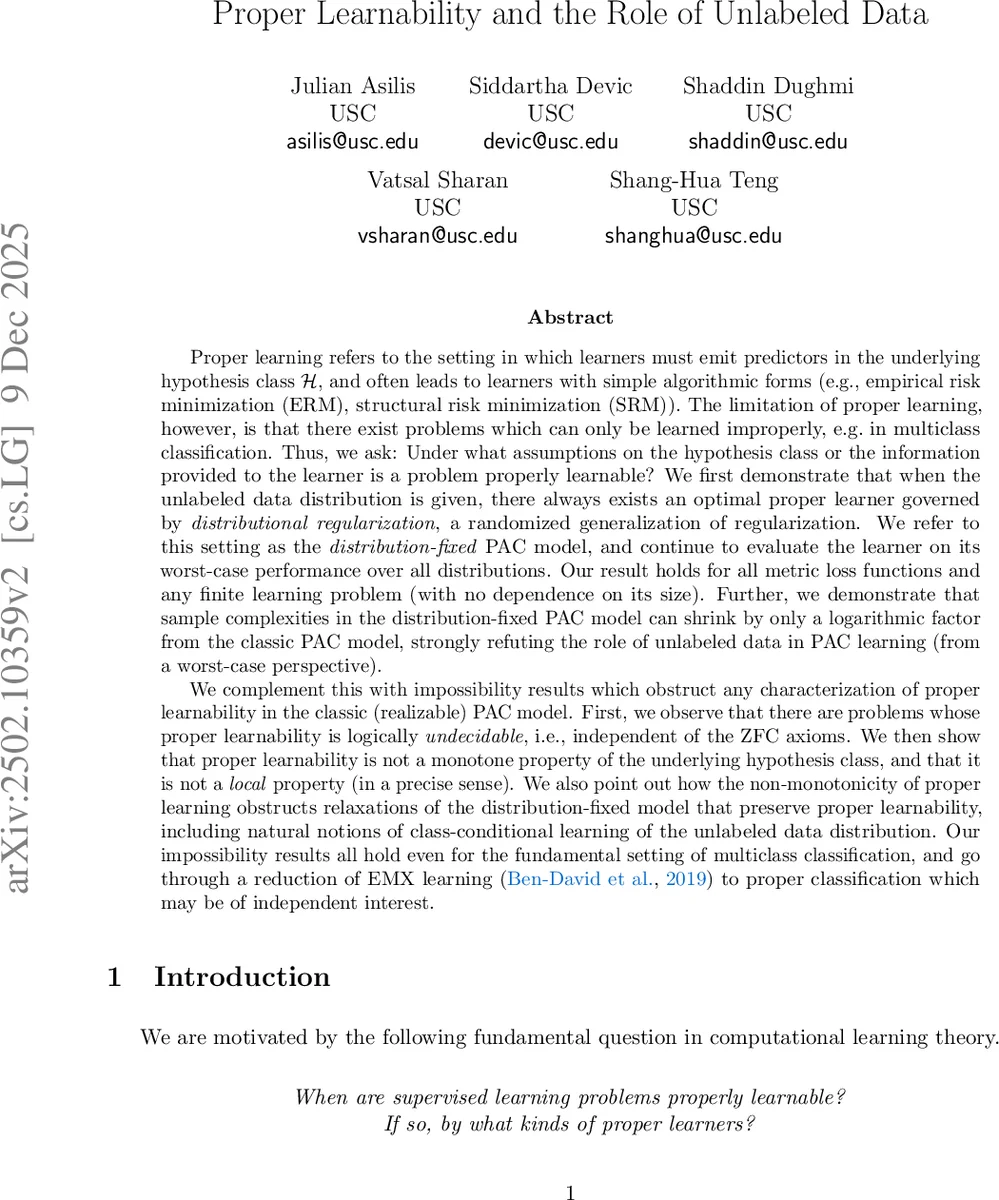
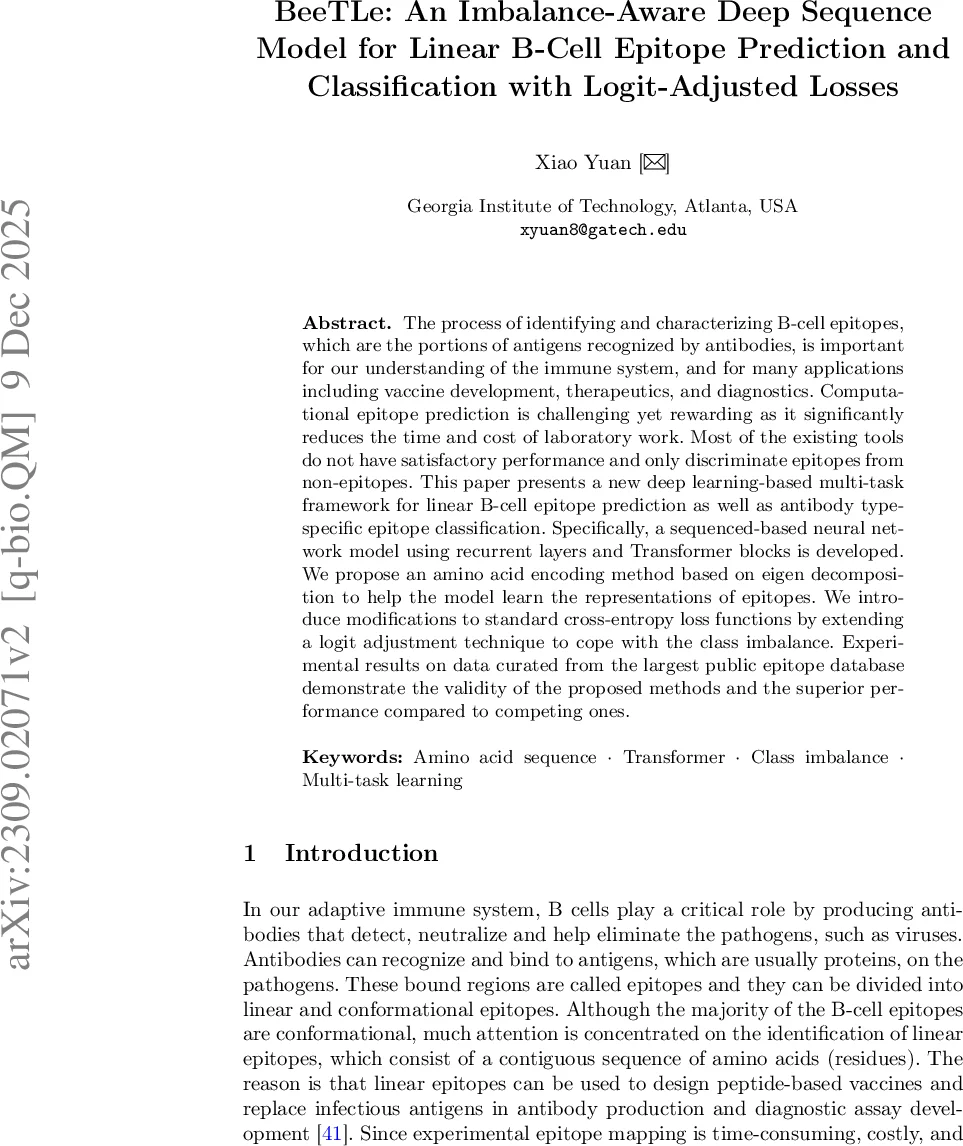
A Comparative Study of Custom CNNs, Pre-trained Models, and Transfer Learning Across Multiple Visual Datasets

A Comparative Study of Custom CNNs, Pre-trained Models, and Transfer Learning Across Multiple Visual Datasets

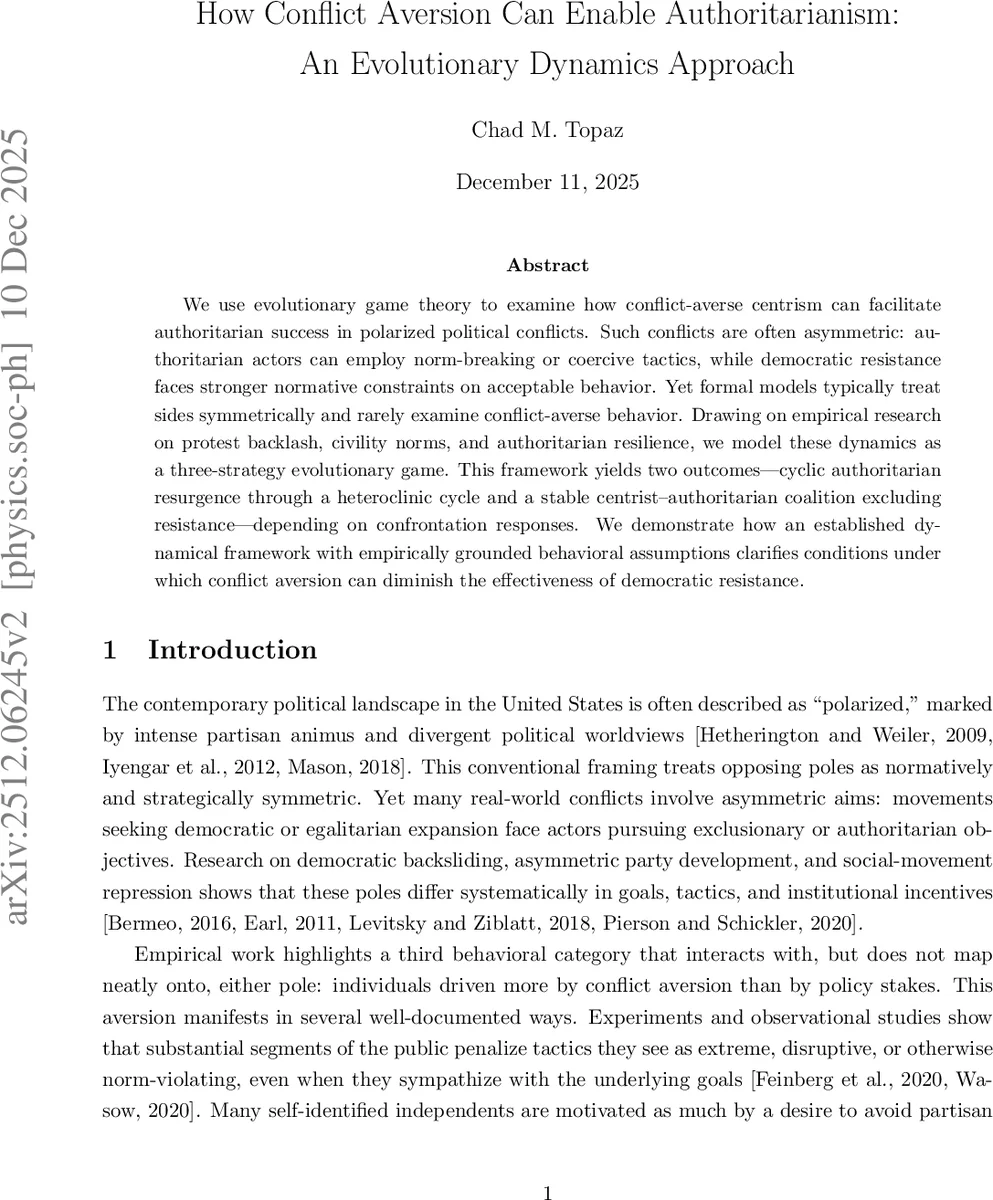
Convolutional Neural Networks (CNNs) are a standard approach for visual recognition due to their capacity to learn hierarchical representations from raw pixels. In practice, practitioners often choose among (i) training a compact custom CNN from scratch, (ii) using a large pre-trained CNN as a fixed feature extractor, and (iii) performing transfer learning via partial or full fine-tuning of a pre-trained backbone. This report presents a controlled comparison of these three paradigms across five real-world image classification datasets spanning road-surface defect recognition, agricultural variety identification, fruit/leaf disease recognition, pedestrian walkway encroachment recognition, and unauthorized vehicle recognition. Models are evaluated using accuracy and macro F1-score, complemented by efficiency metrics including training time per epoch and parameter counts. The results show that transfer learning consistently yields the strongest predictive performance, while the custom CNN provides an attractive efficiency--accuracy trade-off, especially when compute and memory budgets are constrained.

paper research
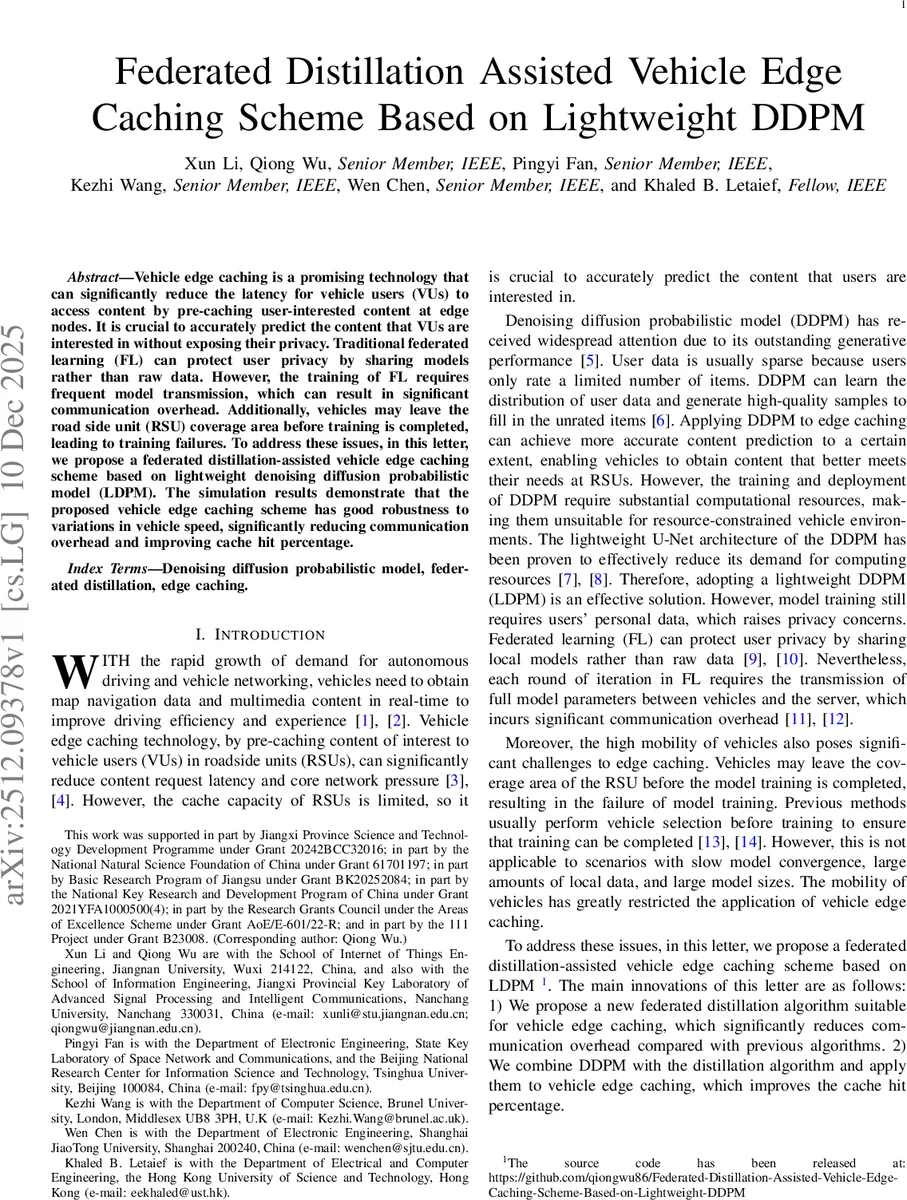
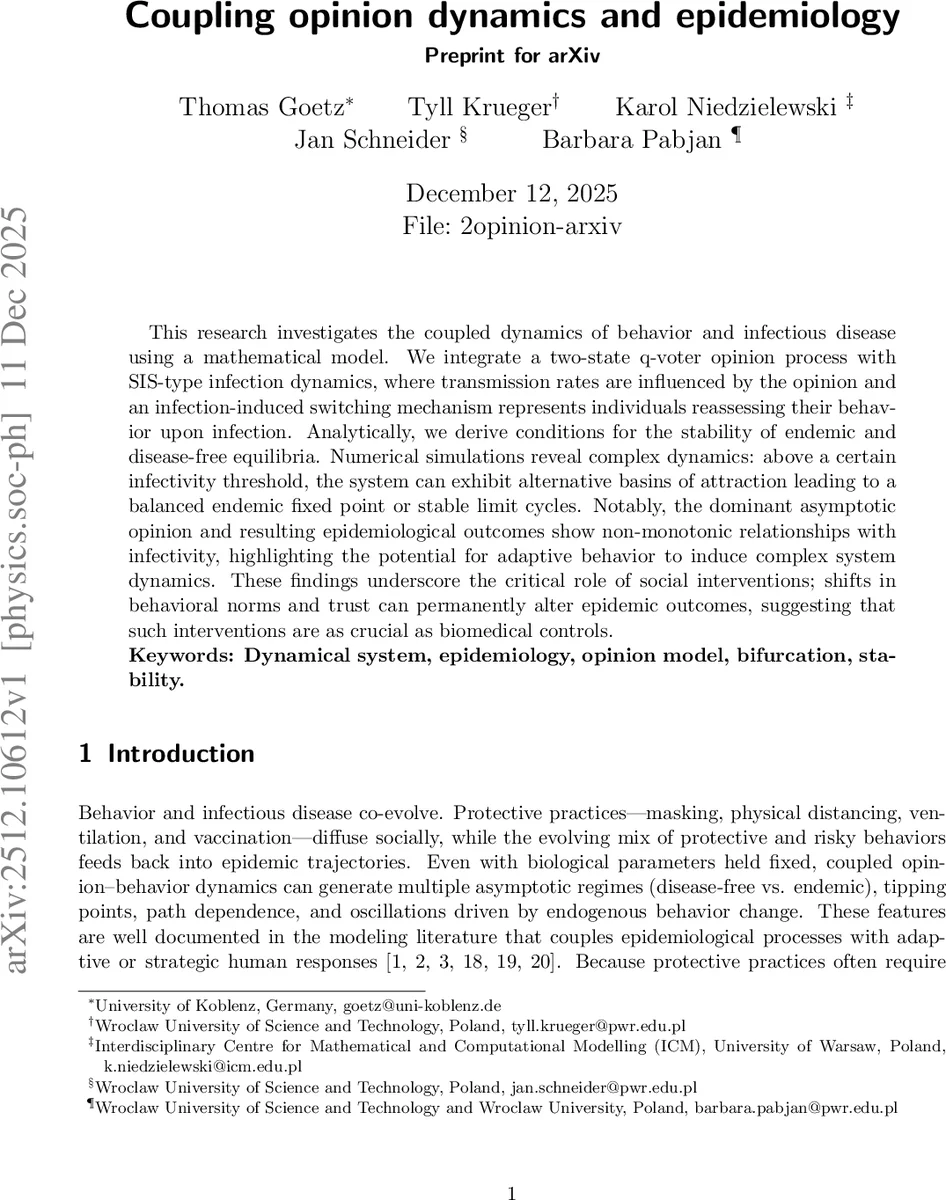
A Comprehensive Dataset for Human vs. AI Generated Image Detection

A Comprehensive Dataset for Human vs. AI Generated Image Detection

Multimodal generative AI systems like Stable Diffusion, DALL-E, and MidJourney have fundamentally changed how synthetic images are created. These tools drive innovation but also enable the spread of misleading content, false information, and manipulated media. As generated images become harder to distinguish from photographs, detecting them has become an urgent priority. To combat this challenge, We release MS COCOAI, a novel dataset for AI generated image detection consisting of 96000 real and synthetic datapoints, built using the MS COCO dataset. To generate synthetic images, we use five generators Stable Diffusion 3, Stable Diffusion 2.1, SDXL, DALL-E 3, and MidJourney v6. Based on the dataset, we propose two tasks (1) classifying images as real or generated, and (2) identifying which model produced a given synthetic image. The dataset is available at https //huggingface.co/datasets/Rajarshi-Roy-research/Defactify_Image_Dataset.

paper research
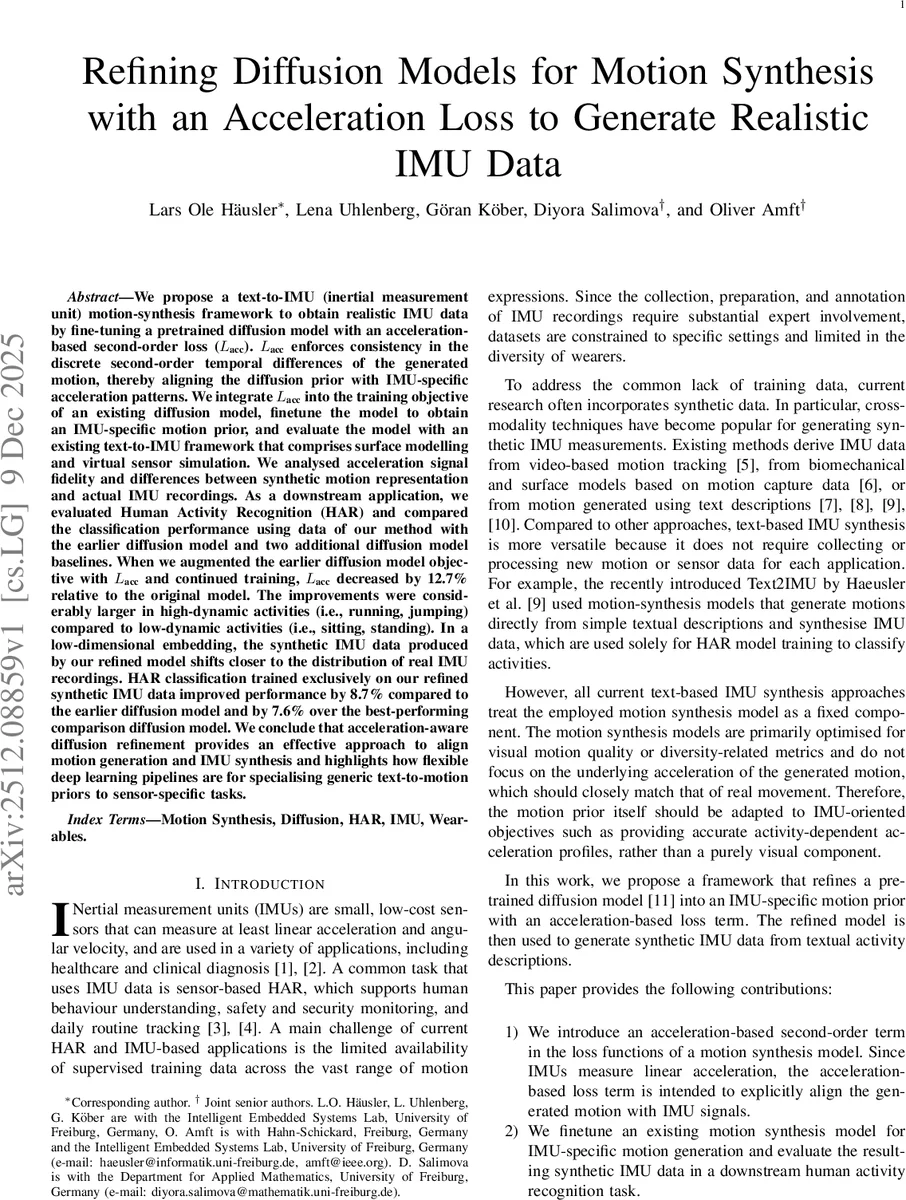
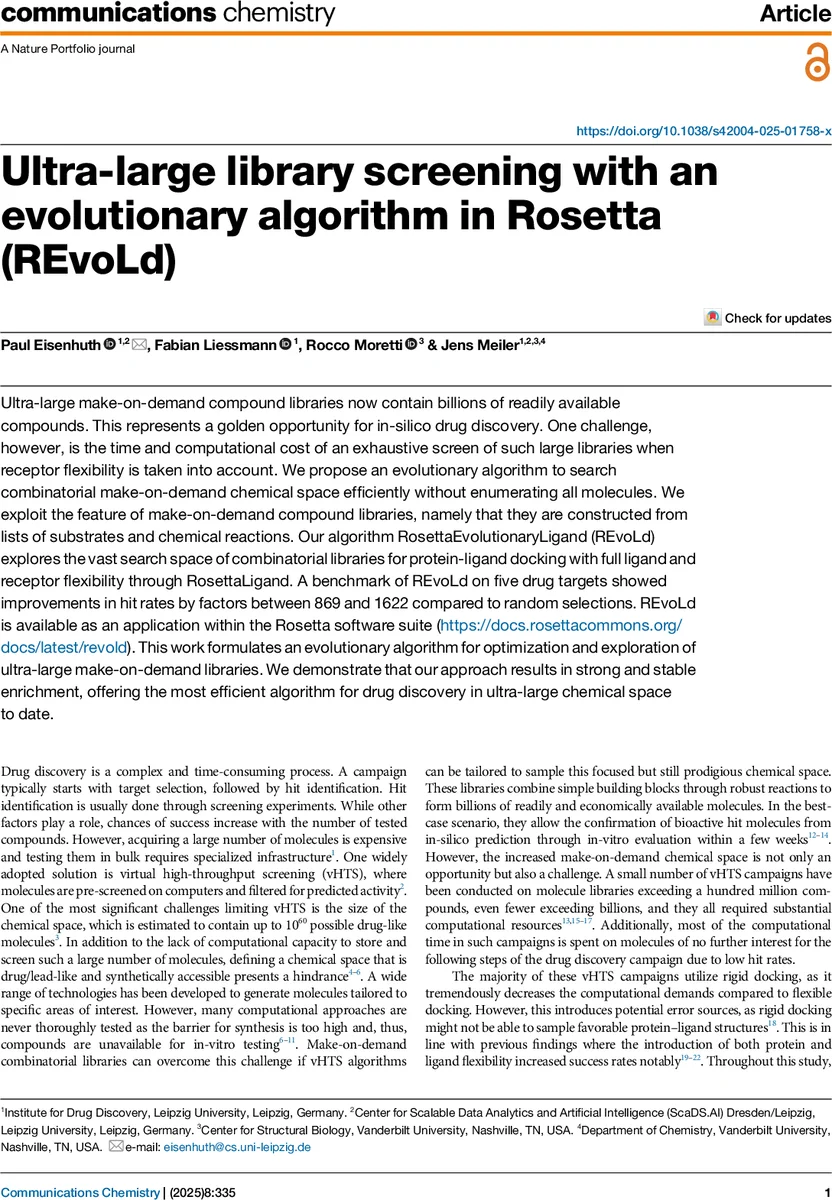
A Generalized UCB Bandit Algorithm for ML-Based Estimators

A Generalized UCB Bandit Algorithm for ML-Based Estimators

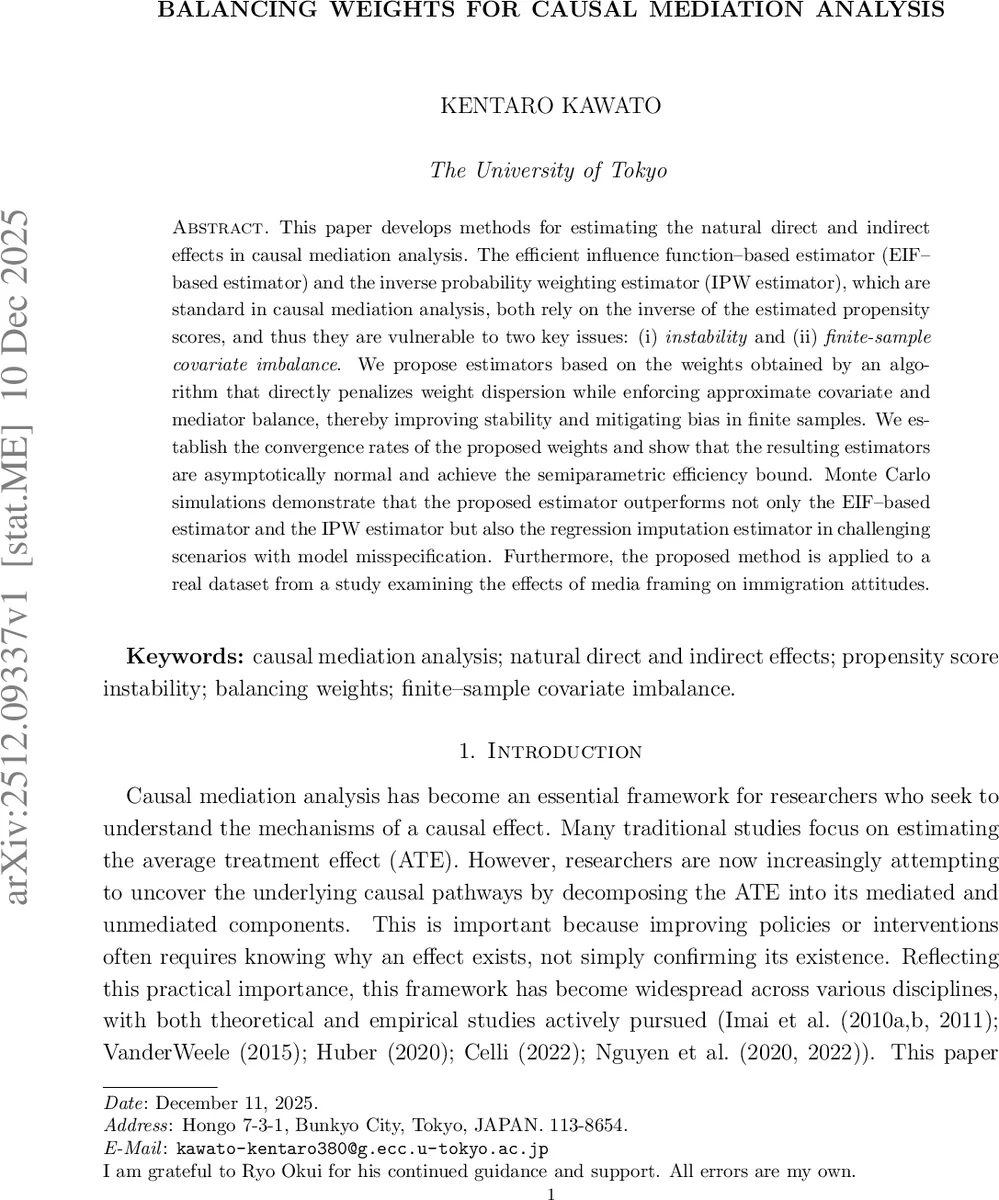
We present ML-UCB, a generalized upper confidence bound algorithm that integrates arbitrary machine learning models into multi-armed bandit frameworks. A fundamental challenge in deploying sophisticated ML models for sequential decision-making is the lack of tractable concentration inequalities required for principled exploration. We overcome this limitation by directly modeling the learning curve behavior of the underlying estimator. Specifically, assuming the Mean Squared Error decreases as a power law in the number of training samples, we derive a generalized concentration inequality and prove that ML-UCB achieves sublinear regret. This framework enables the principled integration of any ML model whose learning curve can be empirically characterized, eliminating the need for model-specific theoretical analysis. We validate our approach through experiments on a collaborative filtering recommendation system using online matrix factorization with synthetic data designed to simulate a simplified two-tower model, demonstrating substantial improvements over LinUCB

paper research
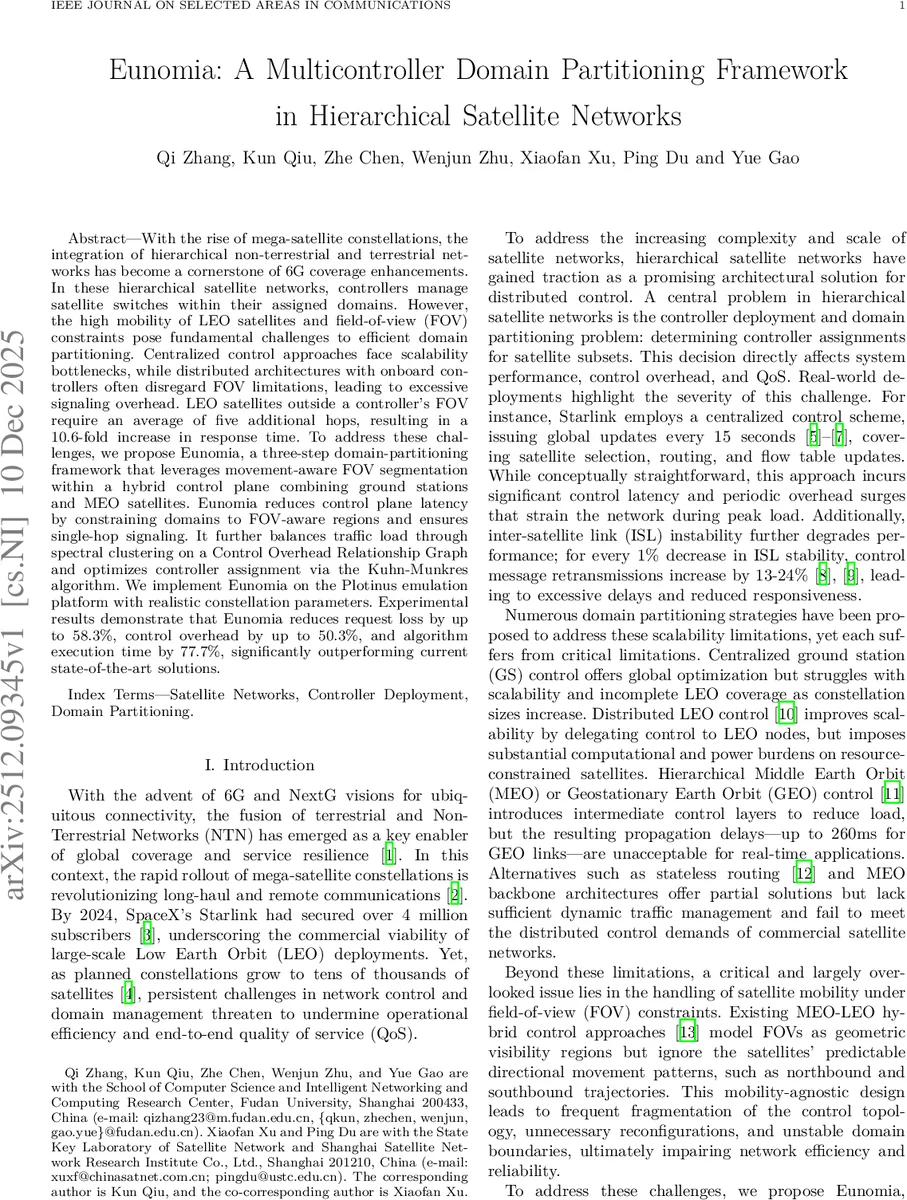
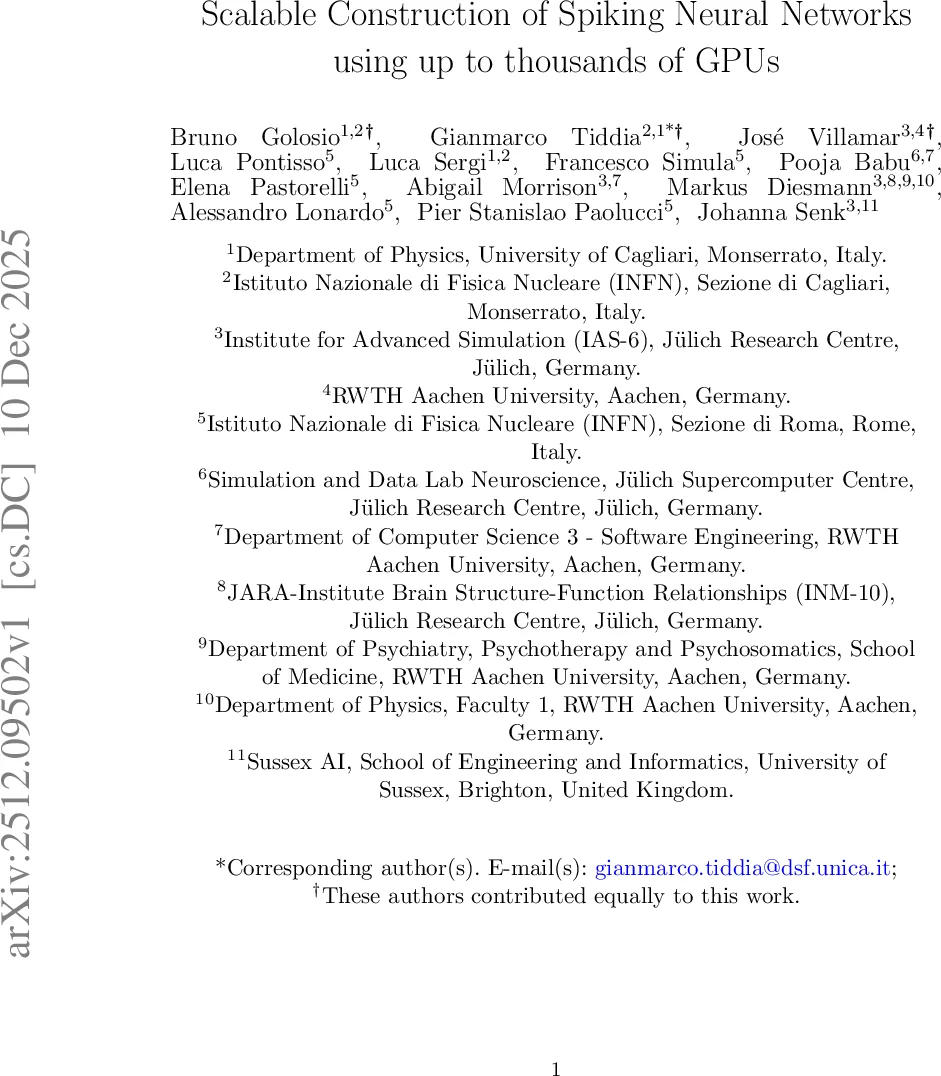
A Global Atlas of Digital Dermatology to Map Innovation and Disparities

A Global Atlas of Digital Dermatology to Map Innovation and Disparities

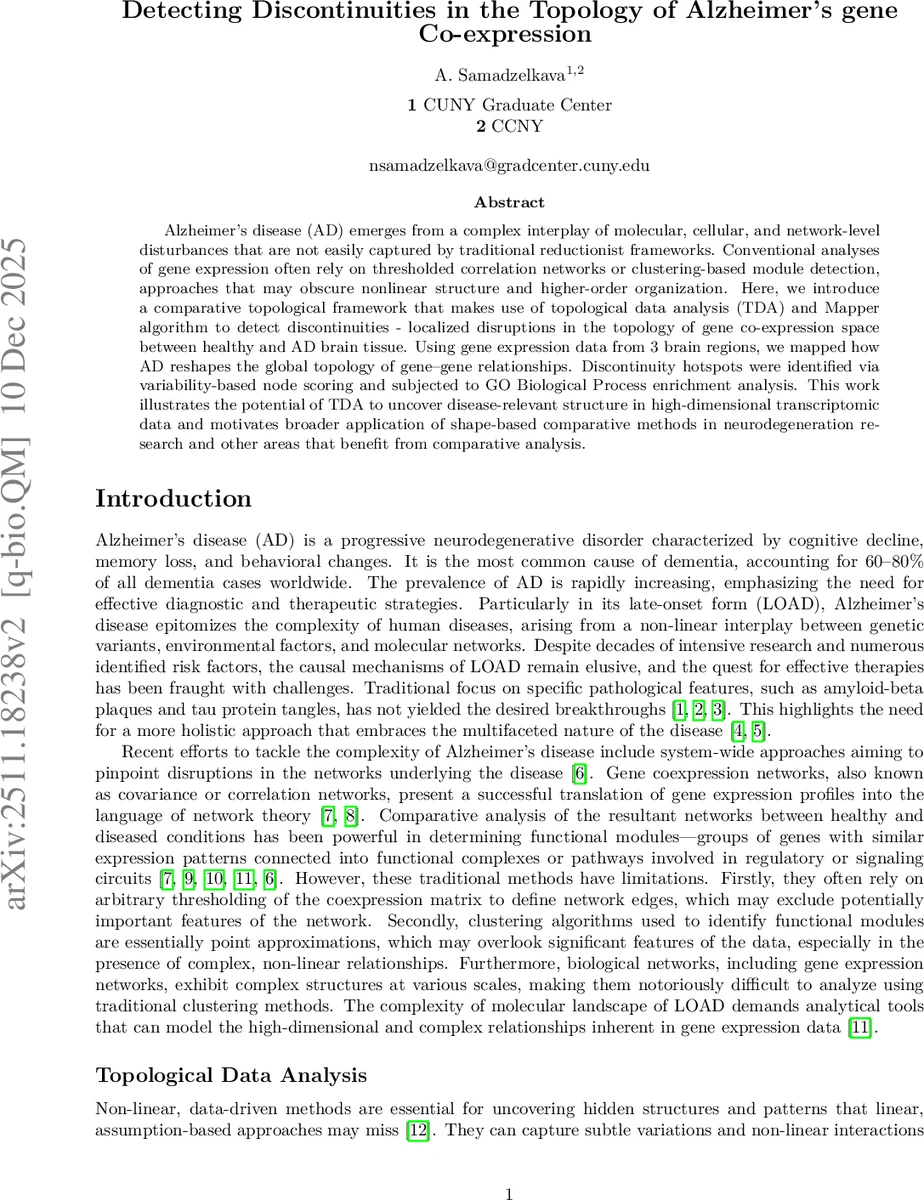
The adoption of artificial intelligence in dermatology promises democratized access to healthcare, but model reliability depends on the quality and comprehensiveness of the data fueling these models. Despite rapid growth in publicly available dermatology images, the field lacks quantitative key performance indicators to measure whether new datasets expand clinical coverage or merely replicate what is already known. Here we present SkinMap, a multi-modal framework for the first comprehensive audit of the field s entire data basis. We unify the publicly available dermatology datasets into a single, queryable semantic atlas comprising more than 1.1 million images of skin conditions and quantify (i) informational novelty over time, (ii) dataset redundancy, and (iii) representation gaps across demographics and diagnoses. Despite exponential growth in dataset sizes, informational novelty across time has somewhat plateaued Some clusters, such as common neoplasms on fair skin, are densely populated, while underrepresented skin types and many rare diseases remain unaddressed. We further identify structural gaps in coverage Darker skin tones (Fitzpatrick V-VI) constitute only 5.8% of images and pediatric patients only 3.0%, while many rare diseases and phenotype combinations remain sparsely represented. SkinMap provides infrastructure to measure blind spots and steer strategic data acquisition toward undercovered regions of clinical space.

paper research
In-Feed Ad Slot (Post 5)
A Graph-based Framework for Online Time Series Anomaly Detection Using Model Ensemble

A Graph-based Framework for Online Time Series Anomaly Detection Using Model Ensemble

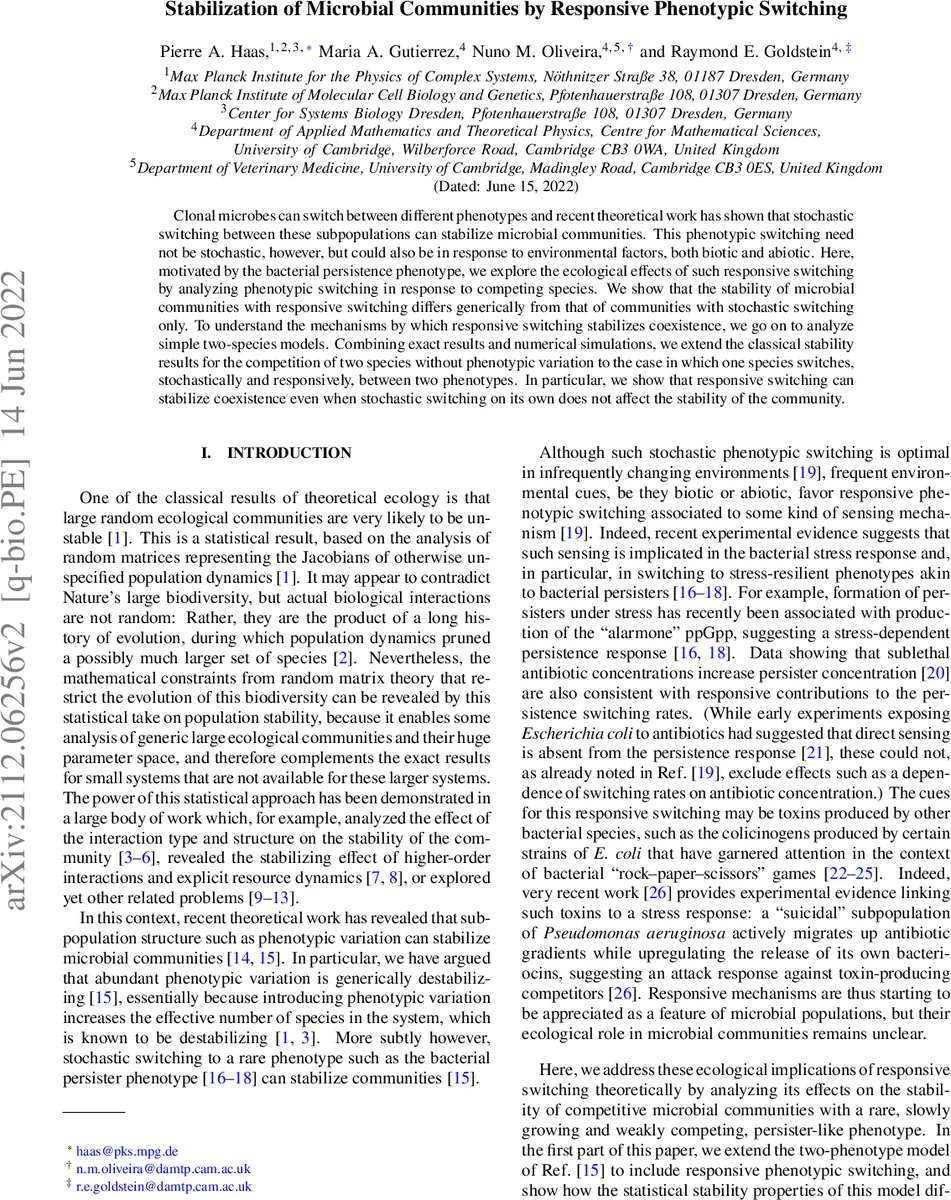
With the increasing volume of streaming data in industrial systems, online anomaly detection has become a critical task. The diverse and rapidly evolving data patterns pose significant challenges for online anomaly detection. Many existing anomaly detection methods are designed for offline settings or have difficulty in handling heterogeneous streaming data effectively. This paper proposes GDME, an unsupervised graph-based framework for online time series anomaly detection using model ensemble. GDME maintains a dynamic model pool that is continuously updated by pruning underperforming models and introducing new ones. It utilizes a dynamic graph structure to represent relationships among models and employs community detection on the graph to select an appropriate subset for ensemble. The graph structure is also used to detect concept drift by monitoring structural changes, allowing the framework to adapt to evolving streaming data. Experiments on seven heterogeneous time series demonstrate that GDME outperforms existing online anomaly detection methods, achieving improvements of up to 24%. In addition, its ensemble strategy provides superior detection performance compared with both individual models and average ensembles, with competitive computational efficiency.

paper research
No Image

A Modal Logic for Possibilistic Reasoning with Fuzzy Formal Contexts

We introduce a two-sort weighted modal logic for possibilistic reasoning with fuzzy formal contexts. The syntax of the logic includes two types of weighted modal operators corresponding to classical necessity ($ Box$) and sufficiency ($ boxminus$) modalities and its formulas are interpreted in fuzzy formal contexts based on possibility theory. We present its axiomatization that is emph{sound} with respect to the class of all fuzzy context models. In addition, both the necessity and sufficiency fragments of the logic are also individually complete with respect to the class of all fuzzy context models. We highlight the expressive power of the logic with some illustrative examples. As a formal context is the basic construct of formal concept analysis (FCA), we generalize three main notions in FCA, i.e., formal concepts, object oriented concepts, and property oriented concepts, to their corresponding $c$-cut concepts in fuzzy formal contexts. Then, we show that our logical language can represent all three of these generalized notions. Finally, we demonstrate the possibility of extending our logic to reasoning with multi-relational fuzzy contexts, in which the Boolean combinations of different fuzzy relations are allowed.

paper research
A Neural Network-Based Real-time Casing Collar Recognition System for Downhole Instruments

A Neural Network-Based Real-time Casing Collar Recognition System for Downhole Instruments

Accurate downhole positioning is critical in oil and gas operations but is often compromised by signal degradation in traditional surface-based Casing Collar Locator (CCL) monitoring. To address this, we present an in-situ, real-time collar recognition system using embedded neural network. We introduce lightweight Collar Recognition Nets (CRNs) optimized for resource-constrained ARM Cortex-M7 microprocessors. By leveraging temporal and depthwise separable convolutions, our most compact model reduces computational complexity to just 8,208 MACs while maintaining an F1 score of 0.972. Hardware validation confirms an average inference latency of 343.2 μs, demonstrating that robust, autonomous signal processing is feasible within the severe power and space limitations of downhole instrumentation.

paper research
A New Benchmark for the Appropriate Evaluation of RTL Code Optimization

A New Benchmark for the Appropriate Evaluation of RTL Code Optimization

The rapid progress of artificial intelligence increasingly relies on efficient integrated circuit (IC) design. Recent studies have explored the use of large language models (LLMs) for generating Register Transfer Level (RTL) code, but existing benchmarks mainly evaluate syntactic correctness rather than optimization quality in terms of power, performance, and area (PPA). This work introduces RTL-OPT, a benchmark for assessing the capability of LLMs in RTL optimization. RTL-OPT contains 36 handcrafted digital designs that cover diverse implementation categories including combinational logic, pipelined datapaths, finite state machines, and memory interfaces. Each task provides a pair of RTL codes, a suboptimal version and a human-optimized reference that reflects industry-proven optimization patterns not captured by conventional synthesis tools. Furthermore, RTL-OPT integrates an automated evaluation framework to verify functional correctness and quantify PPA improvements, enabling standardized and meaningful assessment of generative models for hardware design optimization.

paper research
A Platform for Interactive AI Character Experiences

A Platform for Interactive AI Character Experiences

From movie characters to modern science fiction - bringing characters into interactive, story-driven conversations has captured imaginations across generations. Achieving this vision is highly challenging and requires much more than just language modeling. It involves numerous complex AI challenges, such as conversational AI, maintaining character integrity, managing personality and emotions, handling knowledge and memory, synthesizing voice, generating animations, enabling real-world interactions, and integration with physical environments. Recent advancements in the development of foundation models, prompt engineering, and fine-tuning for downstream tasks have enabled researchers to address these individual challenges. However, combining these technologies for interactive characters remains an open problem. We present a system and platform for conveniently designing believable digital characters, enabling a conversational and story-driven experience while providing solutions to all of the technical challenges. As a proof-of-concept, we introduce Digital Einstein, which allows users to engage in conversations with a digital representation of Albert Einstein about his life, research, and persona. While Digital Einstein exemplifies our methods for a specific character, our system is flexible and generalizes to any story-driven or conversational character. By unifying these diverse AI components into a single, easy-to-adapt platform, our work paves the way for immersive character experiences, turning the dream of lifelike, story-based interactions into a reality.

paper research
In-Feed Ad Slot (Post 10)
A study on constraint extraction and exception exclusion in care worker scheduling

A study on constraint extraction and exception exclusion in care worker scheduling

Technologies for automatically generating work schedules have been extensively studied; however, in long-term care facilities, the conditions vary between facilities, making it essential to interview the managers who create shift schedules to design facility-specific constraint conditions. The proposed method utilizes constraint templates to extract combinations of various components, such as shift patterns for consecutive days or staff combinations. The templates can extract a variety of constraints by changing the number of days and the number of staff members to focus on and changing the extraction focus to patterns or frequency. In addition, unlike existing constraint extraction techniques, this study incorporates mechanisms to exclude exceptional constraints. The extracted constraints can be employed by a constraint programming solver to create care worker schedules. Experiments demonstrated that our proposed method successfully created schedules that satisfied all hard constraints and reduced the number of violations for soft constraints by circumventing the extraction of exceptional constraints.

paper research
Accelerating Monte-Carlo Tree Search with Optimized Posterior Policies

Accelerating Monte-Carlo Tree Search with Optimized Posterior Policies

We introduce a recursive AlphaZero-style Monte--Carlo tree search algorithm, RMCTS . The advantage of RMCTS over AlphaZero s MCTS-UCB is speed. In RMCTS, the search tree is explored in a breadth-first manner, so that network inferences naturally occur in large batches. This significantly reduces the GPU latency cost. We find that RMCTS is often more than 40 times faster than MCTS-UCB when searching a single root state, and about 3 times faster when searching a large batch of root states. The recursion in RMCTS is based on computing optimized posterior policies at each game state in the search tree, starting from the leaves and working back up to the root. Here we use the posterior policy explored in Monte--Carlo tree search as regularized policy optimization (Grill, et al.) Their posterior policy is the unique policy which maximizes the expected reward given estimated action rewards minus a penalty for diverging from the prior policy. The tree explored by RMCTS is not defined in an adaptive manner, as it is in MCTS-UCB. Instead, the RMCTS tree is defined by following prior network policies at each node. This is a disadvantage, but the speedup advantage is more significant, and in practice we find that RMCTS-trained networks match the quality of MCTS-UCB-trained networks in roughly one-third of the training time. We include timing and quality comparisons of RMCTS vs. MCTS-UCB for three games Connect-4, Dots-and-Boxes, and Othello.

paper research
Accelerating Storage-Based Training for Graph Neural Networks

Accelerating Storage-Based Training for Graph Neural Networks

Graph neural networks (GNNs) have achieved breakthroughs in various real-world downstream tasks due to their powerful expressiveness. As the scale of real-world graphs has been continuously growing, a storage-based approach to GNN training has been studied, which leverages external storage (e.g., NVMe SSDs) to handle such web-scale graphs on a single machine. Although such storage-based GNN training methods have shown promising potential in large-scale GNN training, we observed that they suffer from a severe bottleneck in data preparation since they overlook a critical challenge how to handle a large number of small storage I/Os. To address the challenge, in this paper, we propose a novel storage-based GNN training framework, named AGNES, that employs a method of block-wise storage I/O processing to fully utilize the I/O bandwidth of high-performance storage devices. Moreover, to further enhance the efficiency of each storage I/O, AGNES employs a simple yet effective strategy, hyperbatch-based processing based on the characteristics of real-world graphs. Comprehensive experiments on five real-world graphs reveal that AGNES consistently outperforms four state-of-the-art methods, by up to 4.1X faster than the best competitor. Our code is available at https //github.com/Bigdasgit/agnes-kdd26.

paper research
AdaGReS Adaptive Greedy Context Selection via Redundancy-Aware Scoring for Token-Budgeted RAG

AdaGReS Adaptive Greedy Context Selection via Redundancy-Aware Scoring for Token-Budgeted RAG

Retrieval-augmented generation (RAG) is highly sensitive to the quality of selected context, yet standard top-k retrieval often returns redundant or near-duplicate chunks that waste token budget and degrade downstream generation. We present AdaGReS, a redundancy-aware context selection framework for token-budgeted RAG that optimizes a set-level objective combining query-chunk relevance and intra-set redundancy penalties. AdaGReS performs greedy selection under a token-budget constraint using marginal gains derived from the objective, and introduces a closed-form, instance-adaptive calibration of the relevance-redundancy trade-off parameter to eliminate manual tuning and adapt to candidate-pool statistics and budget limits. We further provide a theoretical analysis showing that the proposed objective exhibits epsilon-approximate submodularity under practical embedding similarity conditions, yielding near-optimality guarantees for greedy selection. Experiments on open-domain question answering (Natural Questions) and a high-redundancy biomedical (drug) corpus demonstrate consistent improvements in redundancy control and context quality, translating to better end-to-end answer quality and robustness across settings.

paper research
Adaptive Causal Coordination Detection for Social Media  A Memory-Guided Framework with Semi-Supervised Learning

Adaptive Causal Coordination Detection for Social Media A Memory-Guided Framework with Semi-Supervised Learning

Detecting coordinated inauthentic behavior on social media remains a critical and persistent challenge, as most existing approaches rely on superficial correlation analysis, employ static parameter settings, and demand extensive and labor-intensive manual annotation. To address these limitations systematically, we propose the Adaptive Causal Coordination Detection (ACCD) framework. ACCD adopts a three-stage, progressive architecture that leverages a memory-guided adaptive mechanism to dynamically learn and retain optimal detection configurations for diverse coordination scenarios. Specifically, in the first stage, ACCD introduces an adaptive Convergent Cross Mapping (CCM) technique to deeply identify genuine causal relationships between accounts. The second stage integrates active learning with uncertainty sampling within a semi-supervised classification scheme, significantly reducing the burden of manual labeling. The third stage deploys an automated validation module driven by historical detection experience, enabling self-verification and optimization of the detection outcomes. We conduct a comprehensive evaluation using real-world datasets, including the Twitter IRA dataset, Reddit coordination traces, and several widely-adopted bot detection benchmarks. Experimental results demonstrate that ACCD achieves an F1-score of 87.3 % in coordinated attack detection, representing a 15.2 % improvement over the strongest existing baseline. Furthermore, the system reduces manual annotation requirements by 68 % and achieves a 2.8x speedup in processing through hierarchical clustering optimization. In summary, ACCD provides a more accurate, efficient, and highly automated end-to-end solution for identifying coordinated behavior on social platforms, offering substantial practical value and promising potential for broad application.

paper research
In-Feed Ad Slot (Post 15)
No Image

Adaptive Hierarchical Evaluation of LLMs and SAST tools for CWE Prediction in Python

Large Language Models have become integral to software development, yet they frequently generate vulnerable code. Existing code vulnerability detection benchmarks employ binary classification, lacking the CWE-level specificity required for actionable feedback in iterative correction systems. We present ALPHA (Adaptive Learning via Penalty in Hierarchical Assessment), the first function-level Python benchmark that evaluates both LLMs and SAST tools using hierarchically aware, CWE-specific penalties. ALPHA distinguishes between over-generalisation, over-specification, and lateral errors, reflecting practical differences in diagnostic utility. Evaluating seven LLMs and two SAST tools, we find LLMs substantially outperform SAST, though SAST demonstrates higher precision when detections occur. Critically, prediction consistency varies dramatically across models (8.26%-81.87% agreement), with significant implications for feedback-driven systems. We further outline a pathway for future work incorporating ALPHA penalties into supervised fine-tuning, which could provide principled hierarchy-aware vulnerability detection pending empirical validation.

paper research
Adaptive Hybrid Optimizer-based Framework for Lumpy Skin Disease Identification

Adaptive Hybrid Optimizer-based Framework for Lumpy Skin Disease Identification

Lumpy Skin Disease (LSD) is a contagious viral infection that significantly deteriorates livestock health, thereby posing a serious threat to the global economy and food security. Owing to its rapid spread characteristics, early and precise identification is crucial to prevent outbreaks and ensure timely intervention. In this paper, we propose a hybrid deep learning-based approach called LUMPNet for the early detection of LSD. LUMPNet utilizes image data to detect and classify skin nodules -- the primary indicator of LSD. To this end, LUMPNet uses YOLOv11, EfficientNet-based CNN classifier with compound scaling, and a novel adaptive hybrid optimizer. More precisely, LUMPNet detects and localizes LSD skin nodules and lesions on cattle images. It exploits EfficientNet to classify the localized cattle images into LSD-affected or healthy categories. To stabilize and accelerate the training of YOLOv11 and EfficientNet hybrid model, a novel adaptive hybrid optimizer is proposed and utilized. We evaluate LUMPNet at various stages of LSD using a publicly available dataset. Results indicate that the proposed scheme achieves 99% LSD detection training accuracy, and outperforms existing schemes. The model also achieves validation accuracy of 98%. Moreover, for further evaluation, we conduct a case study using an optimized EfficientNet-B0 model trained with the AdamW optimizer, and compare its performance with LUMPNet. The results show that LUMPNet achieves superior performance.

paper research
Adversarial Instance Generation and Robust Training for Neural Combinatorial Optimization with Multiple Objectives

Adversarial Instance Generation and Robust Training for Neural Combinatorial Optimization with Multiple Objectives

Deep reinforcement learning (DRL) has shown great promise in addressing multi-objective combinatorial optimization problems (MOCOPs). Nevertheless, the robustness of these learning-based solvers has remained insufficiently explored, especially across diverse and complex problem distributions. In this paper, we propose a unified robustness-oriented framework for preference-conditioned DRL solvers for MOCOPs. Within this framework, we develop a preference-based adversarial attack to generate hard instances that expose solver weaknesses, and quantify the attack impact by the resulting degradation on Pareto-front quality. We further introduce a defense strategy that integrates hardness-aware preference selection into adversarial training to reduce overfitting to restricted preference regions and improve out-of-distribution performance. The experimental results on multi-objective traveling salesman problem (MOTSP), multi-objective capacitated vehicle routing problem (MOCVRP), and multi-objective knapsack problem (MOKP) verify that our attack method successfully learns hard instances for different solvers. Furthermore, our defense method significantly strengthens the robustness and generalizability of neural solvers, delivering superior performance on hard or out-of-distribution instances.

paper research
Agentic Retoucher for Text-To-Image Generation

Agentic Retoucher for Text-To-Image Generation

Text-to-image (T2I) diffusion models such as SDXL and FLUX have achieved impressive photorealism, yet small-scale distortions remain pervasive in limbs, face, text and so on. Existing refinement approaches either perform costly iterative re-generation or rely on vision-language models (VLMs) with weak spatial grounding, leading to semantic drift and unreliable local edits. To close this gap, we propose Agentic Retoucher, a hierarchical decision-driven framework that reformulates post-generation correction as a human-like perception-reasoning-action loop. Specifically, we design (1) a perception agent that learns contextual saliency for fine-grained distortion localization under text-image consistency cues, (2) a reasoning agent that performs human-aligned inferential diagnosis via progressive preference alignment, and (3) an action agent that adaptively plans localized inpainting guided by user preference. This design integrates perceptual evidence, linguistic reasoning, and controllable correction into a unified, self-corrective decision process. To enable fine-grained supervision and quantitative evaluation, we further construct GenBlemish-27K, a dataset of 6K T2I images with 27K annotated artifact regions across 12 categories. Extensive experiments demonstrate that Agentic Retoucher consistently outperforms state-of-the-art methods in perceptual quality, distortion localization and human preference alignment, establishing a new paradigm for self-corrective and perceptually reliable T2I generation.

paper research
Aggressive Compression Enables LLM Weight Theft

Aggressive Compression Enables LLM Weight Theft

As frontier AIs become more powerful and costly to develop, adversaries have increasing incentives to steal model weights by mounting exfiltration attacks. In this work, we consider exfiltration attacks where an adversary attempts to sneak model weights out of a datacenter over a network. While exfiltration attacks are multi-step cyber attacks, we demonstrate that a single factor, the compressibility of model weights, significantly heightens exfiltration risk for large language models (LLMs). We tailor compression specifically for exfiltration by relaxing decompression constraints and demonstrate that attackers could achieve 16x to 100x compression with minimal trade-offs, reducing the time it would take for an attacker to illicitly transmit model weights from the defender s server from months to days. Finally, we study defenses designed to reduce exfiltration risk in three distinct ways making models harder to compress, making them harder to find, and tracking provenance for post-attack analysis using forensic watermarks. While all defenses are promising, the forensic watermark defense is both effective and cheap, and therefore is a particularly attractive lever for mitigating weight-exfiltration risk.

paper research
In-Feed Ad Slot (Post 20)

Start searching

Enter keywords to search articles

↑↓
↵
ESC
⌘K Shortcut