EndoRare One-Shot Synthesis for Gastrointestinal Rarity Training
📝 Original Paper Info
- Title: One-shot synthesis of rare gastrointestinal lesions improves diagnostic accuracy and clinical training- ArXiv ID: 2512.24278
- Date: 2025-12-30
- Authors: Jia Yu, Yan Zhu, Peiyao Fu, Tianyi Chen, Zhihua Wang, Fei Wu, Quanlin Li, Pinghong Zhou, Shuo Wang, Xian Yang
📝 Abstract
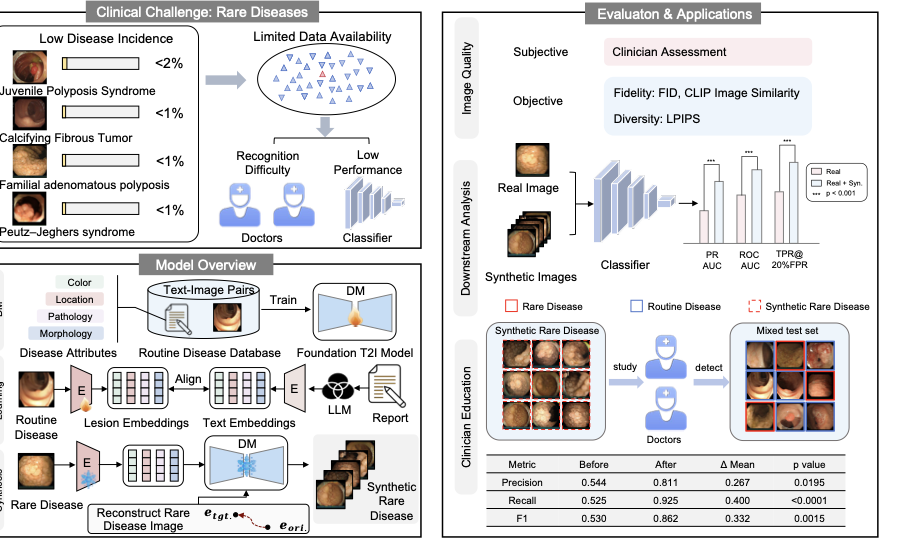
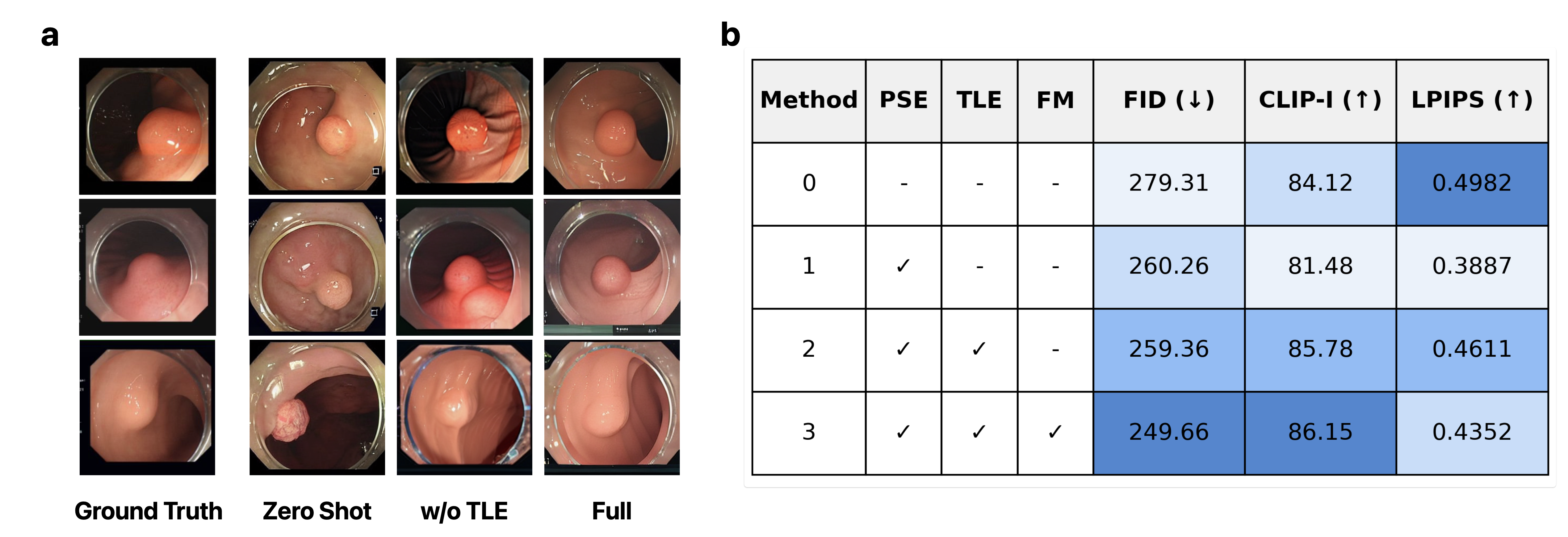
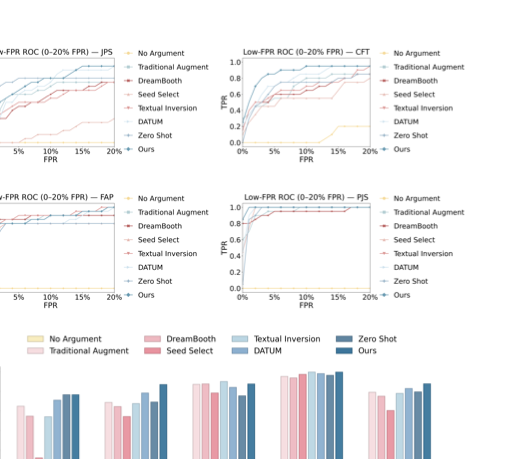
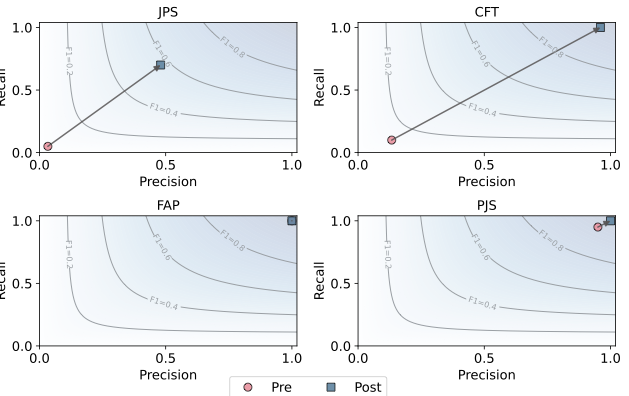
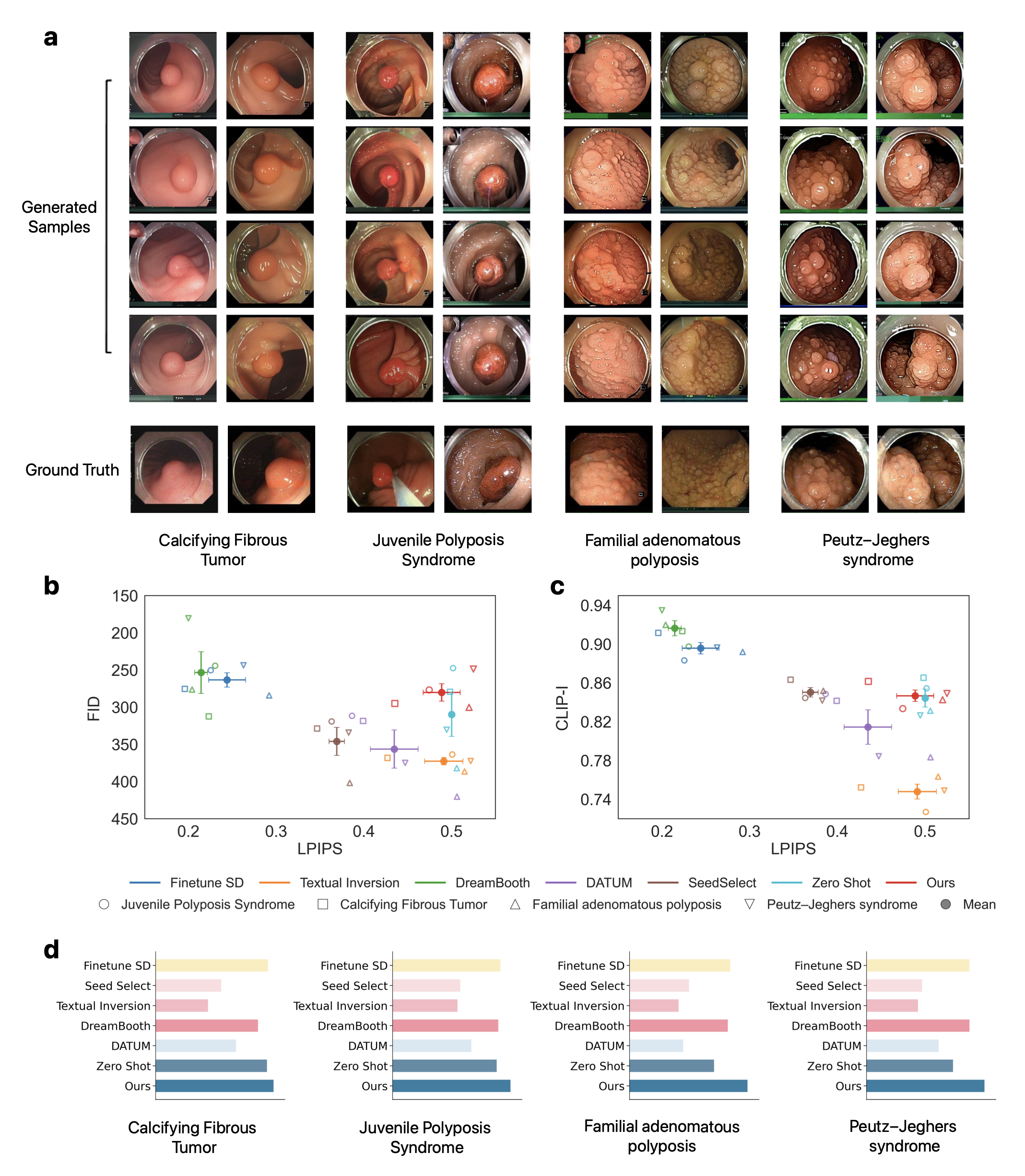
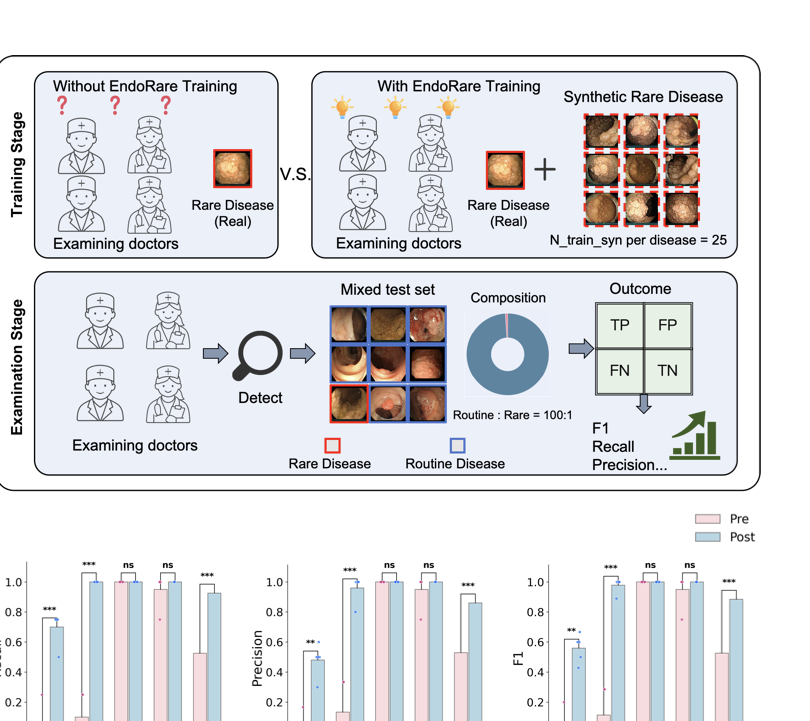
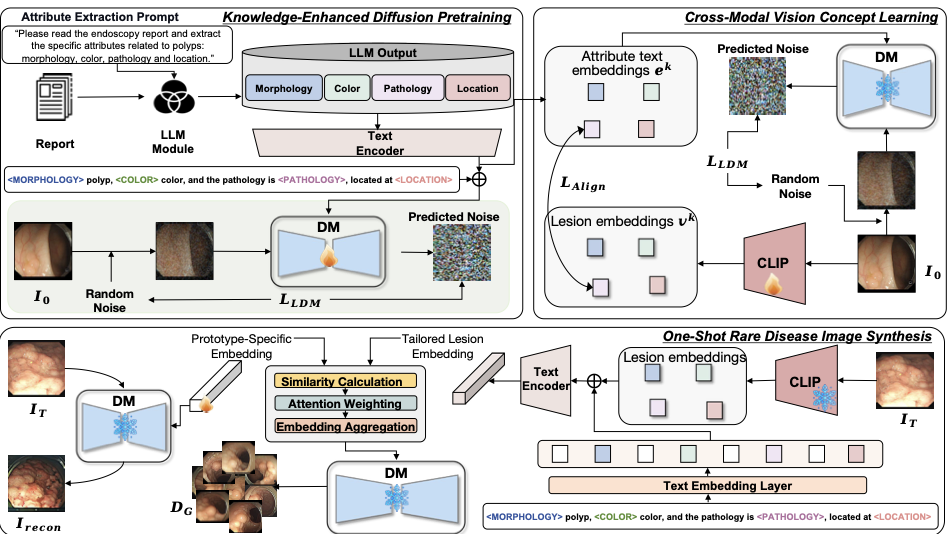
Rare gastrointestinal lesions are infrequently encountered in routine endoscopy, restricting the data available for developing reliable artificial intelligence (AI) models and training novice clinicians. Here we present EndoRare, a one-shot, retraining-free generative framework that synthesizes diverse, high-fidelity lesion exemplars from a single reference image. By leveraging language-guided concept disentanglement, EndoRare separates pathognomonic lesion features from non-diagnostic attributes, encoding the former into a learnable prototype embedding while varying the latter to ensure diversity. We validated the framework across four rare pathologies (calcifying fibrous tumor, juvenile polyposis syndrome, familial adenomatous polyposis, and Peutz-Jeghers syndrome). Synthetic images were judged clinically plausible by experts and, when used for data augmentation, significantly enhanced downstream AI classifiers, improving the true positive rate at low false-positive rates. Crucially, a blinded reader study demonstrated that novice endoscopists exposed to EndoRare-generated cases achieved a 0.400 increase in recall and a 0.267 increase in precision. These results establish a practical, data-efficient pathway to bridge the rare-disease gap in both computer-aided diagnostics and clinical education.💡 Summary & Analysis
1. **Diversity in Deep Learning Models**: Deep learning offers a variety of models for NLP, each optimized for specific tasks. 2. **Superiority of Transformers**: Transformers emerged as the most versatile model capable of handling both sequence and non-sequence data with high accuracy. 3. **Model Selection Guidelines**: Provides insights into choosing the optimal deep learning model for particular tasks.- Beginner Level: Deep learning provides a range of tools for NLP, with transformers being recognized as one of the strongest.
- Intermediate Level: Understanding the pros and cons of CNNs and RNNs while recognizing that transformers are effective in both sequence and non-sequence data handling.
- Advanced Level: In-depth analysis and guidelines to select the best model for specific NLP tasks.
📄 Full Paper Content (ArXiv Source)
📊 논문 시각자료 (Figures)