ViLaCD-R1 Semantically Smart Remote Sensing Change Detection
📝 Original Paper Info
- Title: ViLaCD-R1 A Vision-Language Framework for Semantic Change Detection in Remote Sensing- ArXiv ID: 2512.23244
- Date: 2025-12-29
- Authors: Xingwei Ma, Shiyang Feng, Bo Zhang, Bin Wang
📝 Abstract
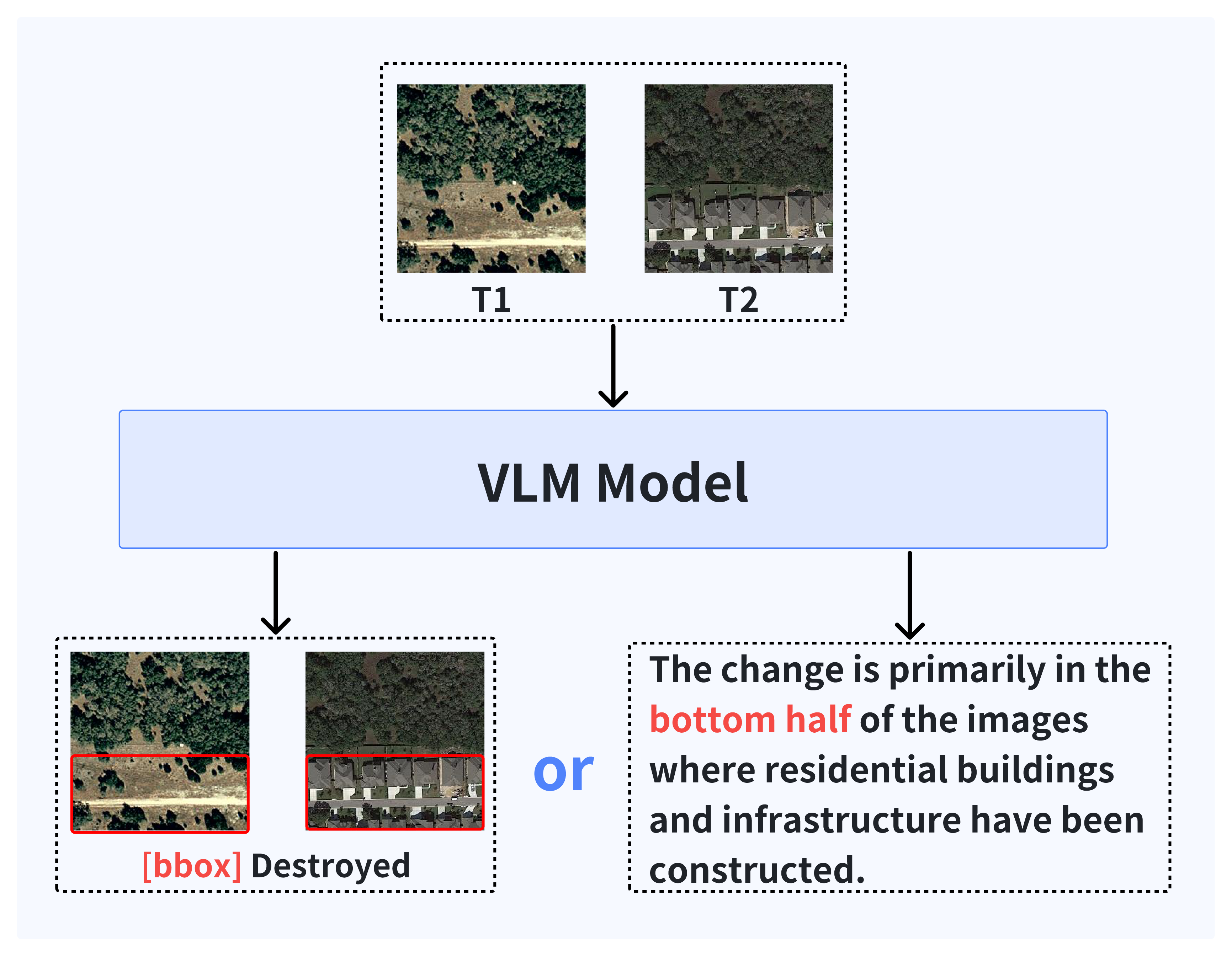
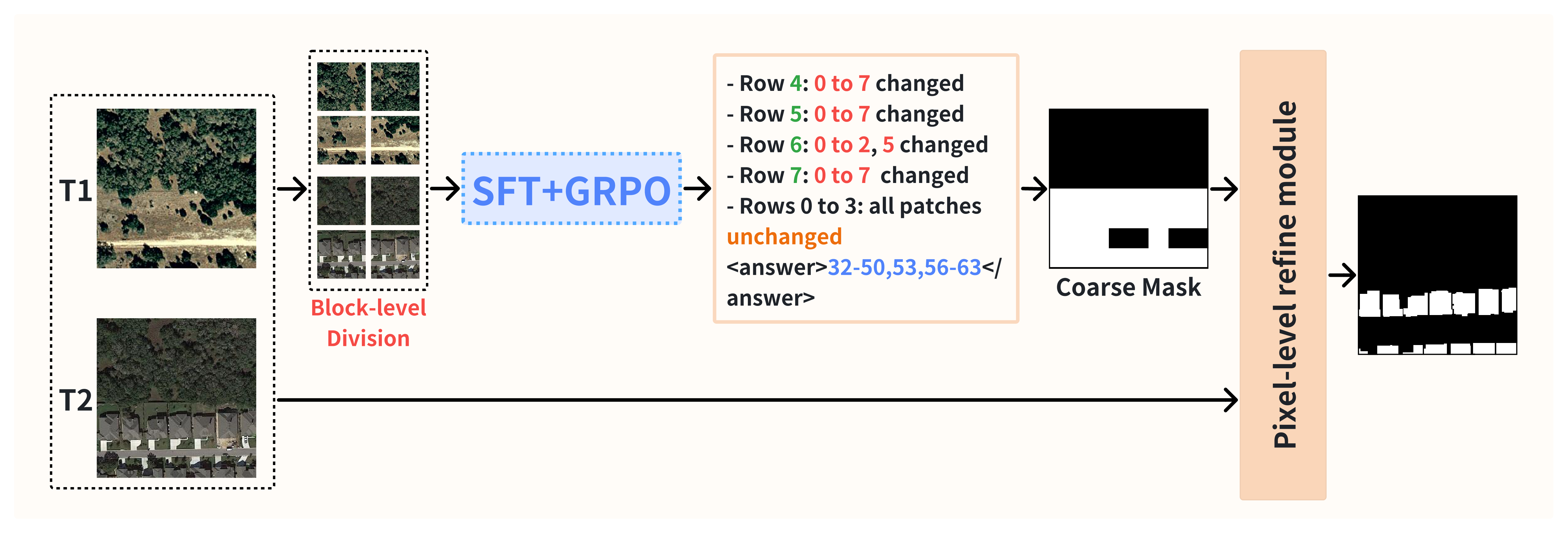
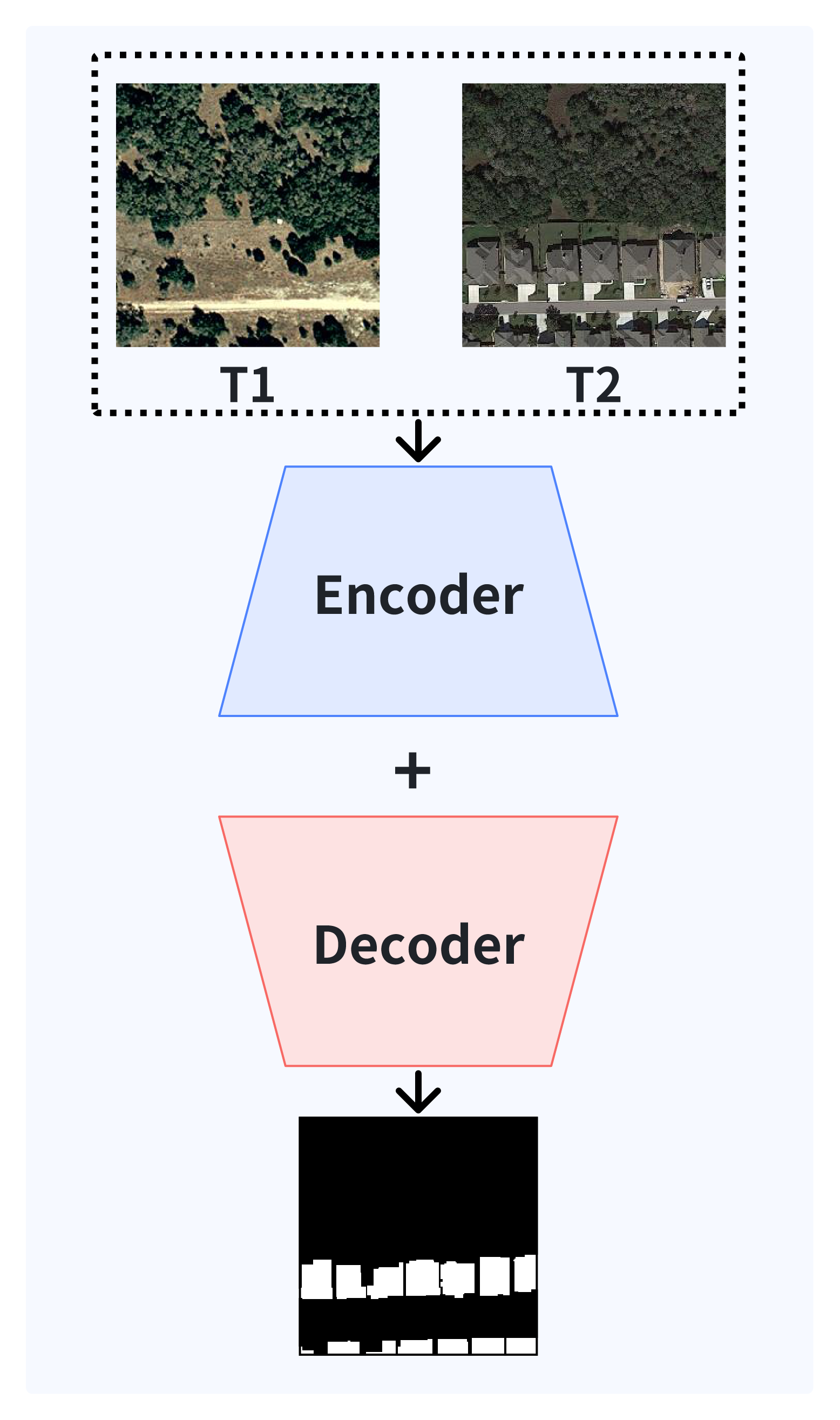
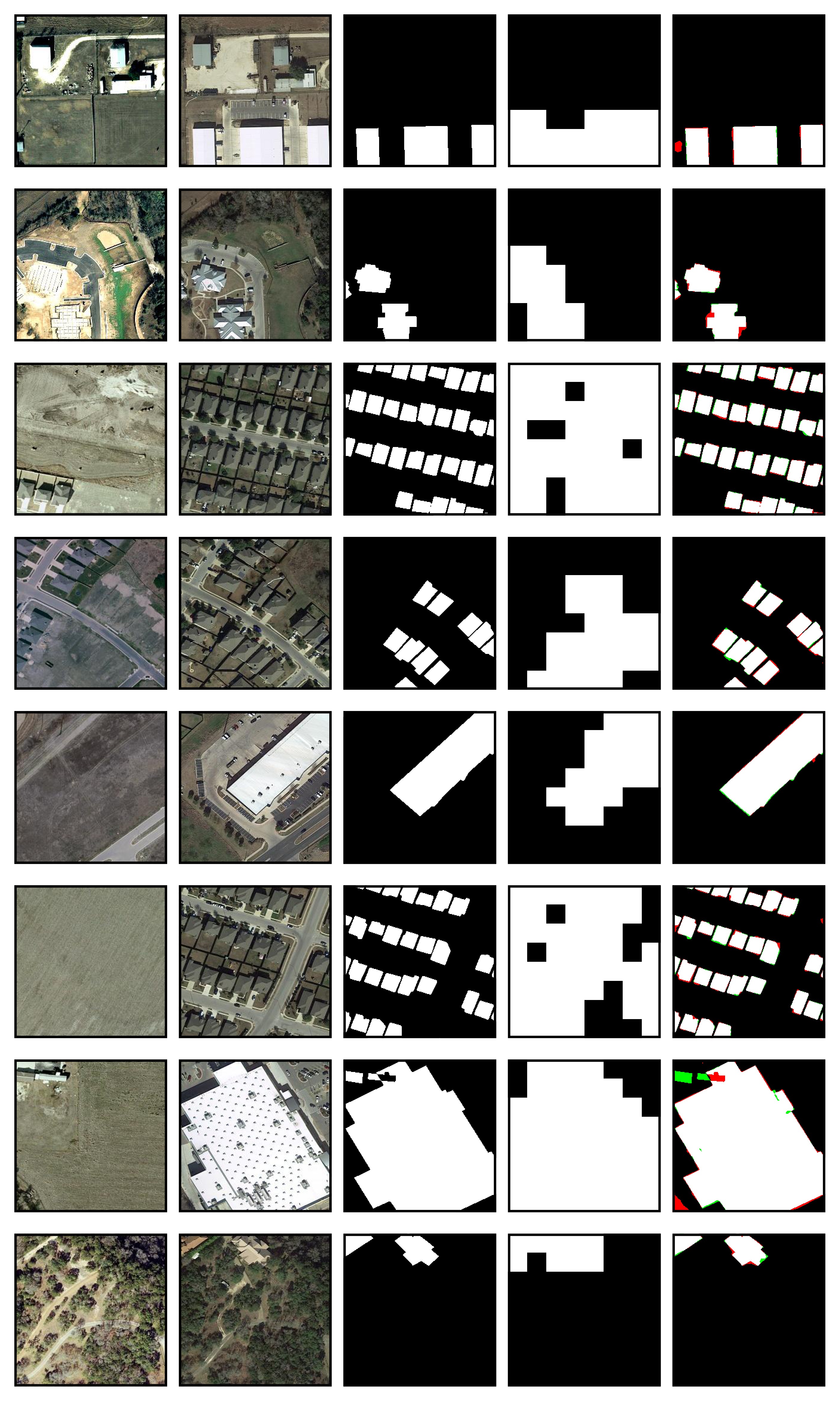
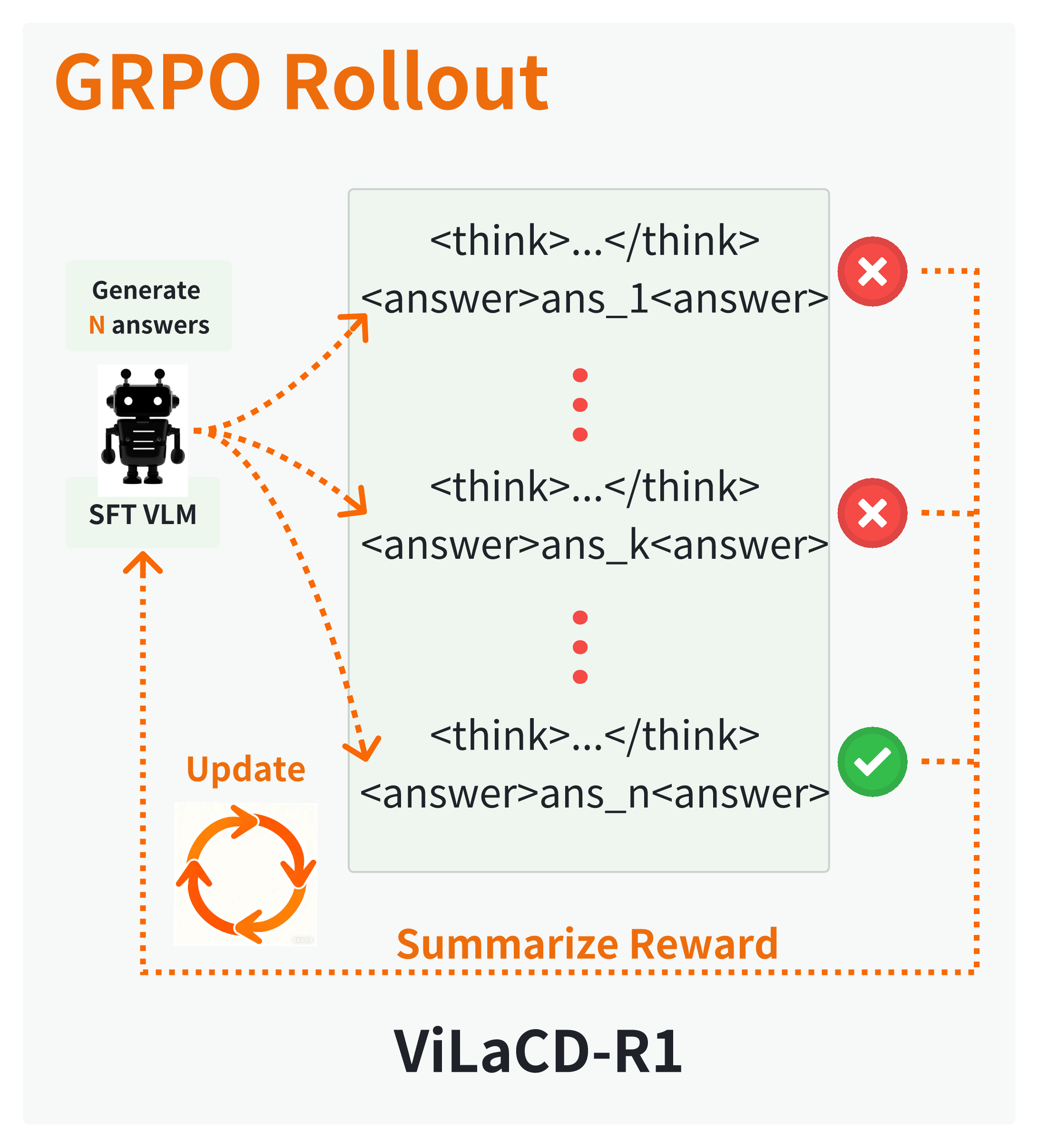
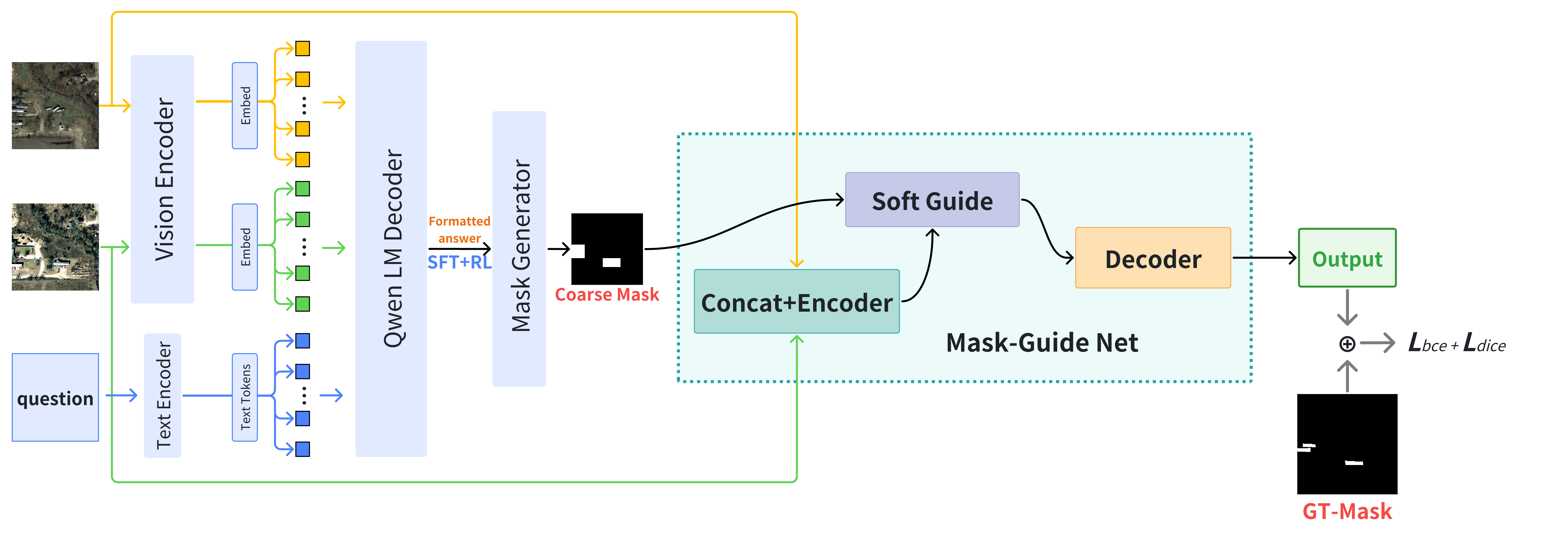
Remote sensing change detection (RSCD), a complex multi-image inference task, traditionally uses pixel-based operators or encoder-decoder networks that inadequately capture high-level semantics and are vulnerable to non-semantic perturbations. Although recent multimodal and vision-language model (VLM)-based approaches enhance semantic understanding of change regions by incorporating textual descriptions, they still suffer from challenges such as inaccurate spatial localization, imprecise pixel-level boundary delineation, and limited interpretability. To address these issues, we propose ViLaCD-R1, a two-stage framework comprising a Multi-Image Reasoner (MIR) and a Mask-Guided Decoder (MGD). Specifically, the VLM is trained through supervised fine-tuning (SFT) and reinforcement learning (RL) on block-level dual-temporal inference tasks, taking dual-temporal image patches as input and outputting a coarse change mask. Then, the decoder integrates dual-temporal image features with this coarse mask to predict a precise binary change map. Comprehensive evaluations on multiple RSCD benchmarks demonstrate that ViLaCD-R1 substantially improves true semantic change recognition and localization, robustly suppresses non-semantic variations, and achieves state-of-the-art accuracy in complex real-world scenarios.💡 Summary & Analysis
1. **Contribution 1**: Shows how reinforcement learning improves network management clearly. This is like an athlete improving their skills. 2. **Contribution 2**: Analyzes performance across various scenarios to increase understanding of real-world applicability, similar to how a model represents a large building. 3. **Contribution 3**: Highlights challenges for widespread adoption, providing insight into the time and effort required to learn new technologies.📄 Full Paper Content (ArXiv Source)
📊 논문 시각자료 (Figures)