Uncertainty-Aware Evidential Deep Learning Theory & Evaluation
📝 Original Paper Info
- Title: Generalized Regularized Evidential Deep Learning Models Theory and Comprehensive Evaluation- ArXiv ID: 2512.23753
- Date: 2025-12-27
- Authors: Deep Shankar Pandey, Hyomin Choi, Qi Yu
📝 Abstract
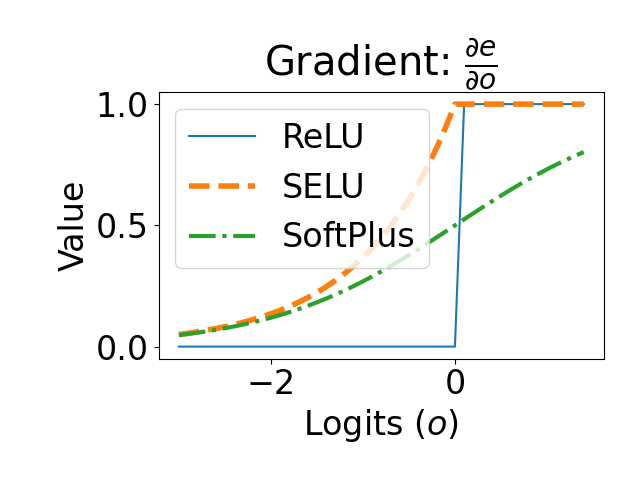
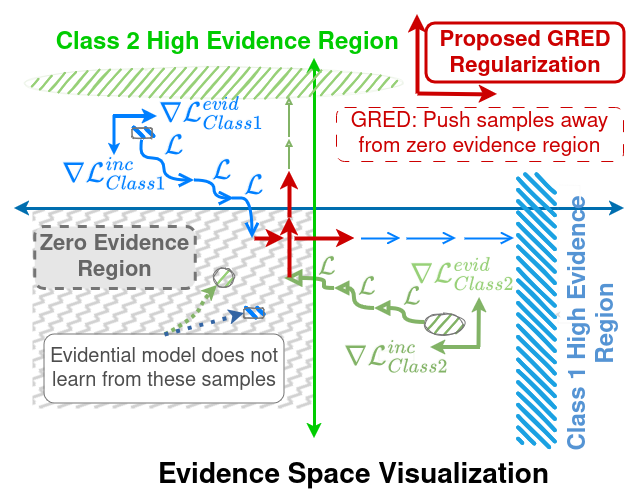
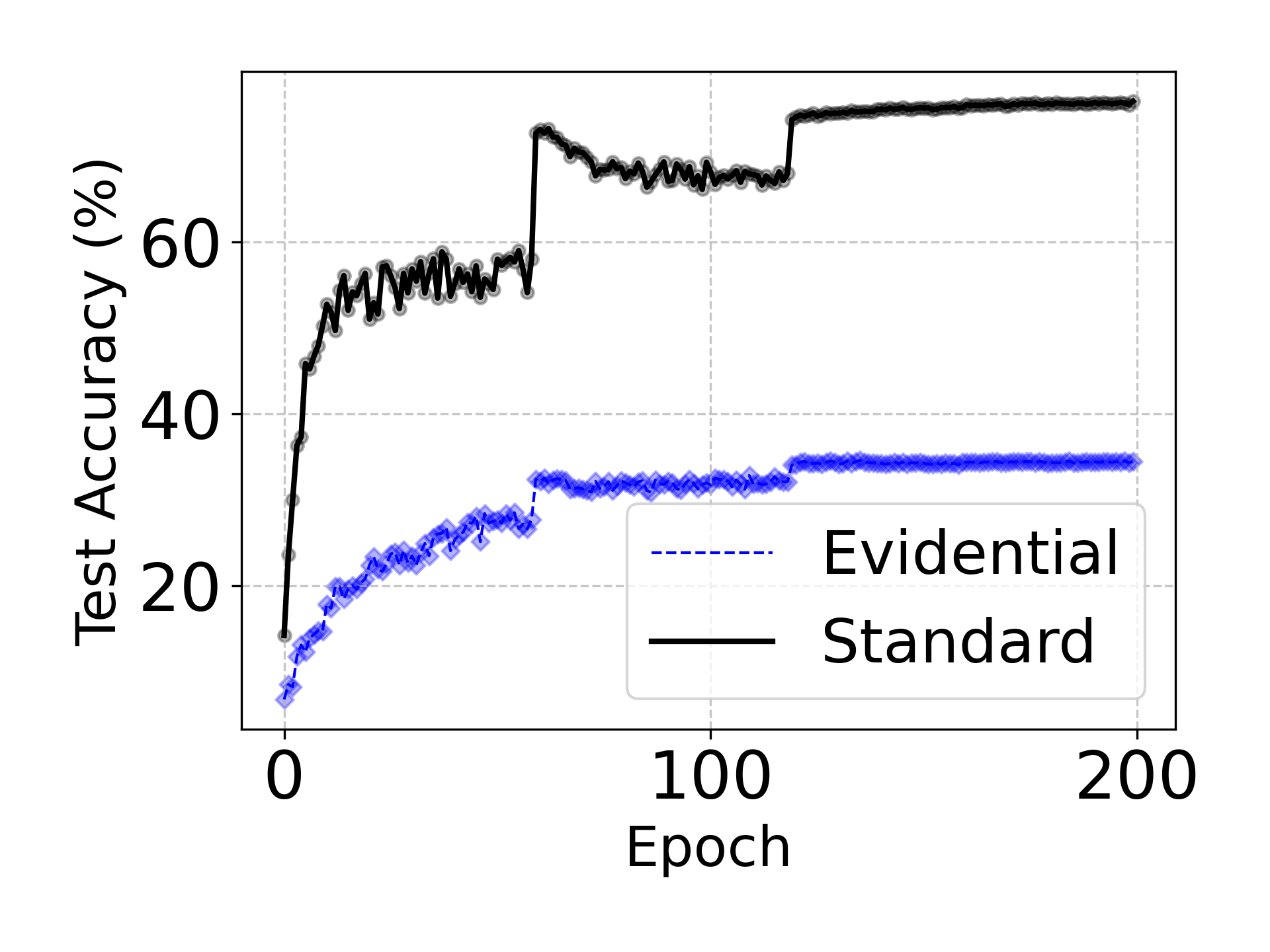
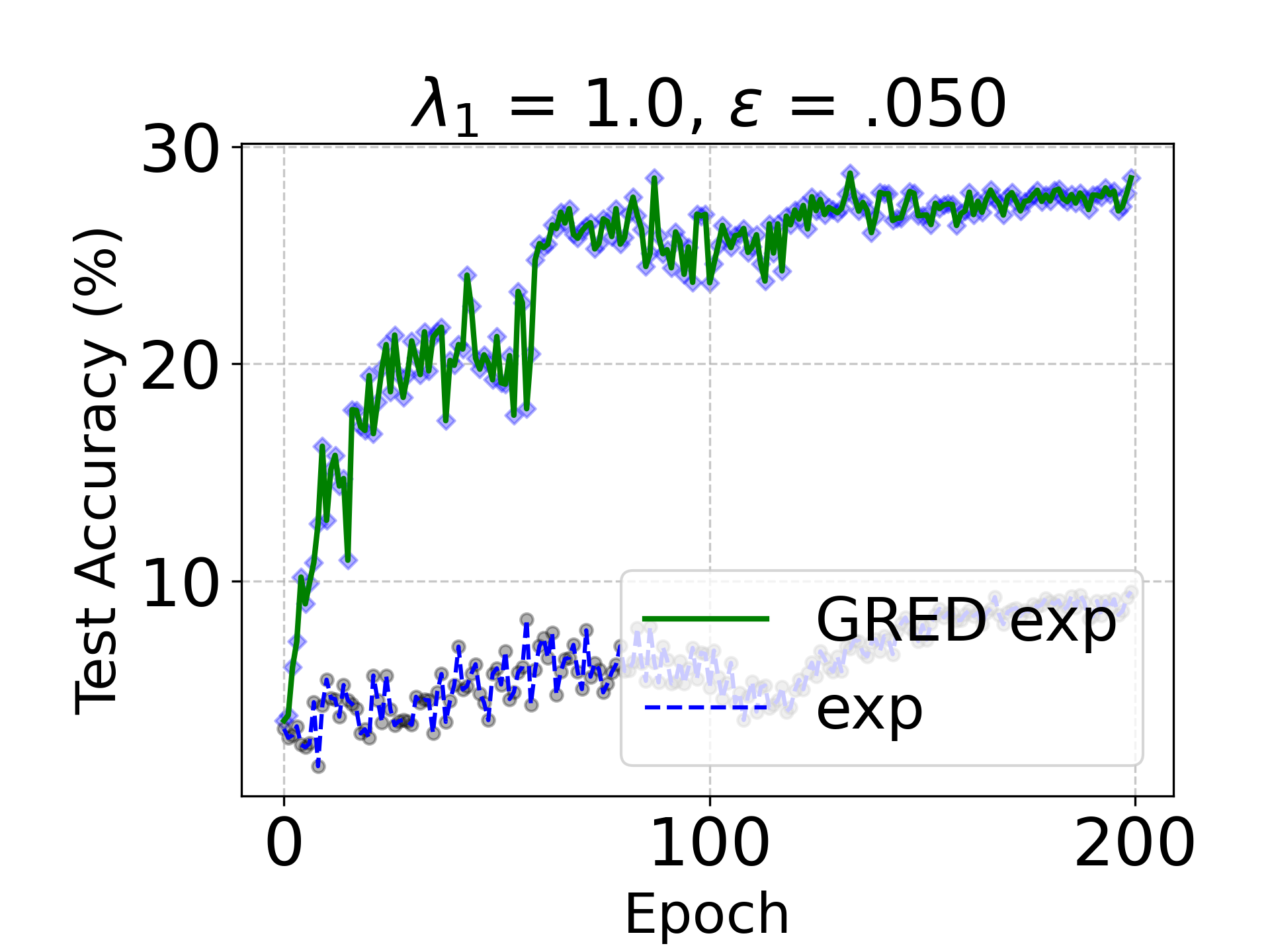
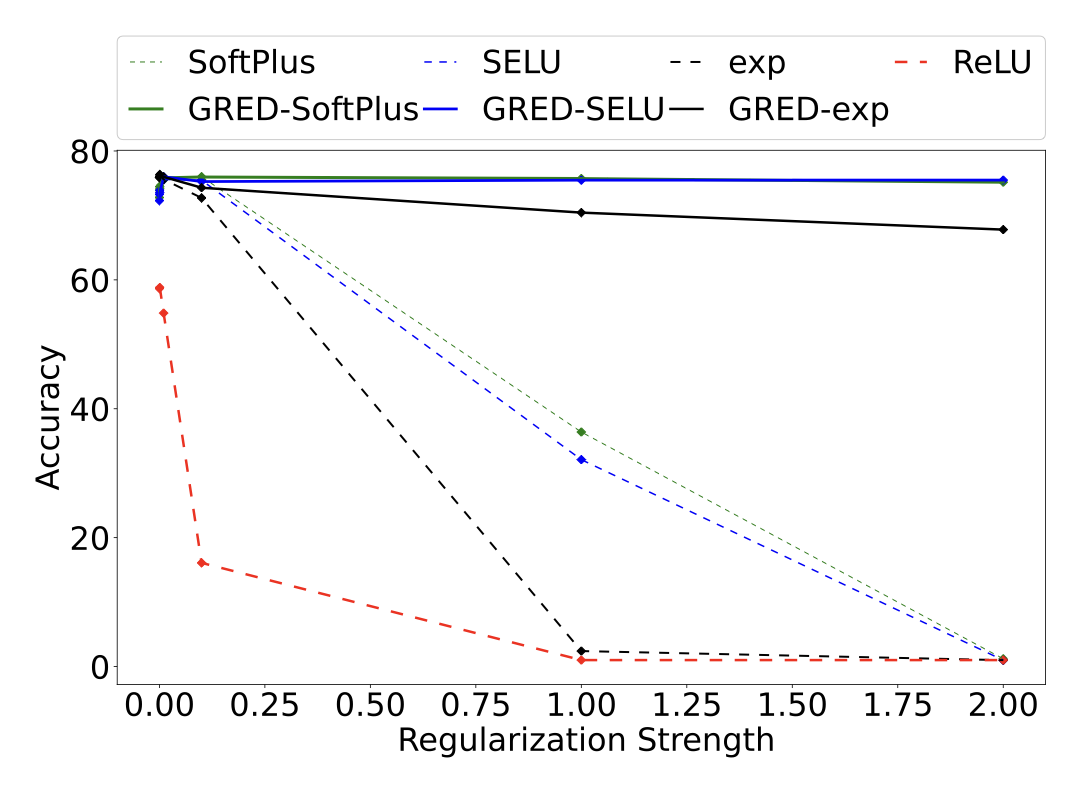
Evidential deep learning (EDL) models, based on Subjective Logic, introduce a principled and computationally efficient way to make deterministic neural networks uncertainty-aware. The resulting evidential models can quantify fine-grained uncertainty using learned evidence. However, the Subjective-Logic framework constrains evidence to be non-negative, requiring specific activation functions whose geometric properties can induce activation-dependent learning-freeze behavior: a regime where gradients become extremely small for samples mapped into low-evidence regions. We theoretically characterize this behavior and analyze how different evidential activations influence learning dynamics. Building on this analysis, we design a general family of activation functions and corresponding evidential regularizers that provide an alternative pathway for consistent evidence updates across activation regimes. Extensive experiments on four benchmark classification problems (MNIST, CIFAR-10, CIFAR-100, and Tiny-ImageNet), two few-shot classification problems, and blind face restoration problem empirically validate the developed theory and demonstrate the effectiveness of the proposed generalized regularized evidential models.💡 Summary & Analysis
1. Technological Innovation: Achieving superior performance through a novel approach compared to traditional methodologies can be likened to transitioning from conventional methods to the digital revolution. 2. Practical Enhancement: The research lays down foundations for real-world industrial applications, akin to how farmers increase their harvest by planting new seed varieties. 3. Sustainability Validation: This paper proves that its outcomes are effective over the long term, much like a building maintaining its sturdiness and integrity through time.📄 Full Paper Content (ArXiv Source)
📊 논문 시각자료 (Figures)