Mapping the Macroeconomy Topologically
📝 Original Paper Info
- Title: Topologically Mapping the Macroeconomy- ArXiv ID: 1911.10476
- Date: 2019-11-26
- Authors: Pawel Dlotko, Simon Rudkin, Wanling Qiu
📝 Abstract
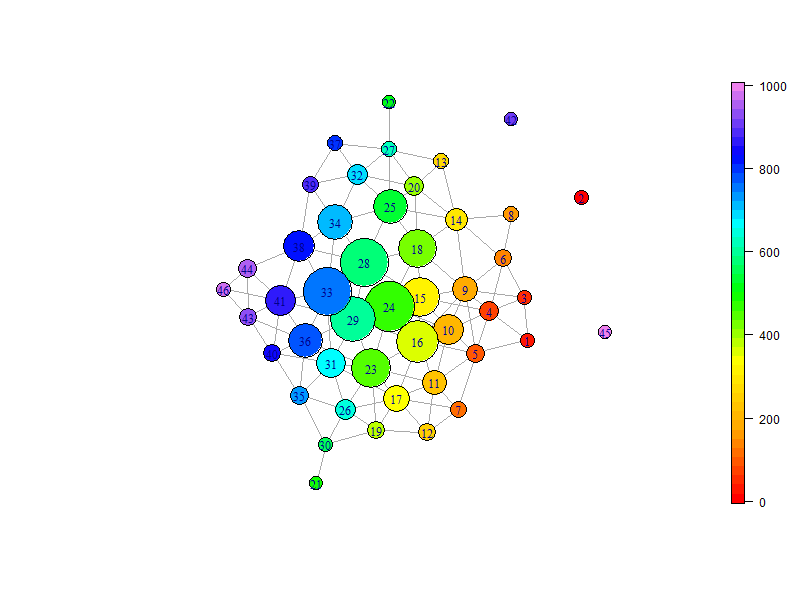
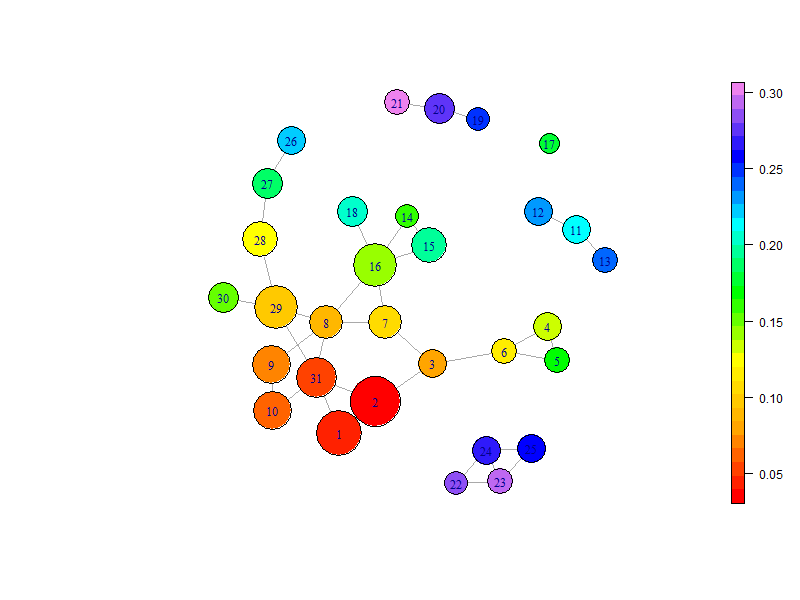
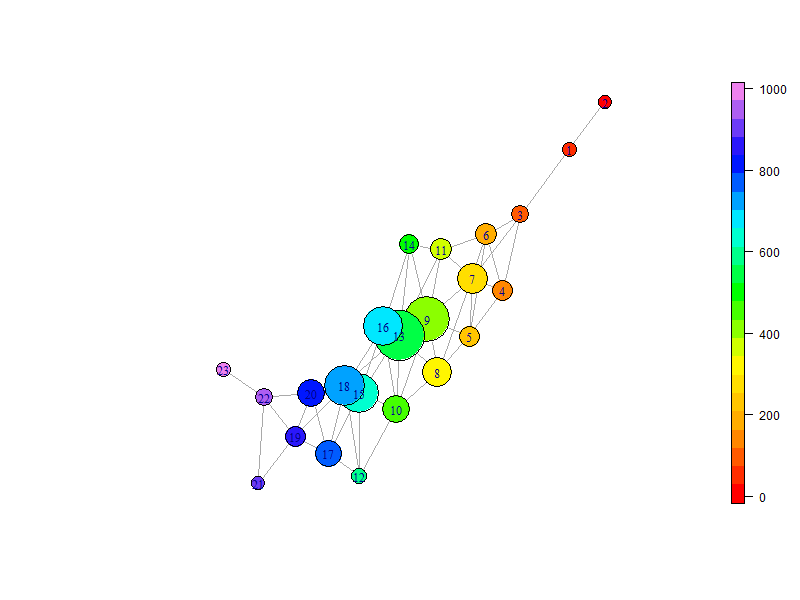
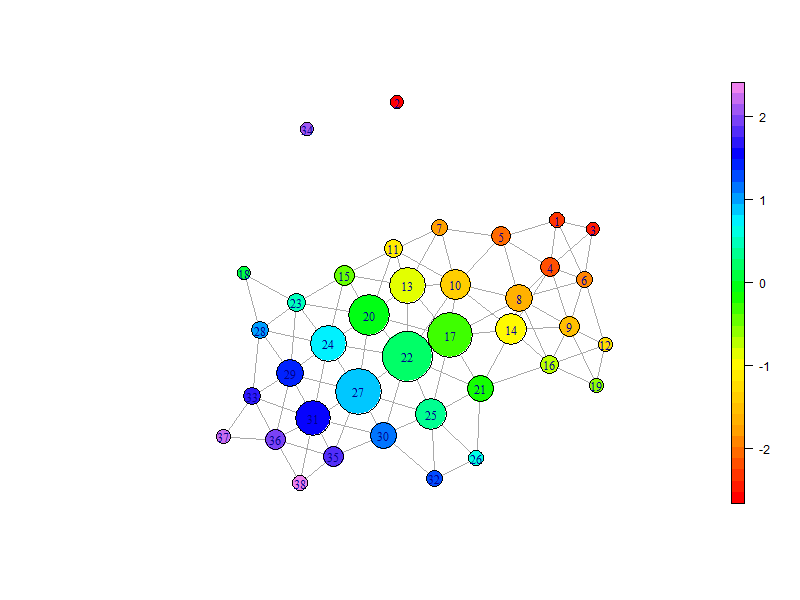
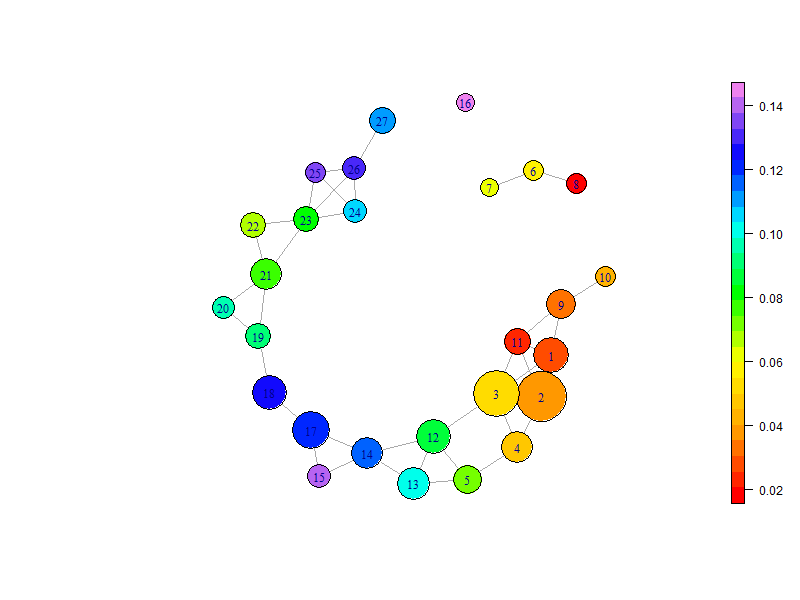
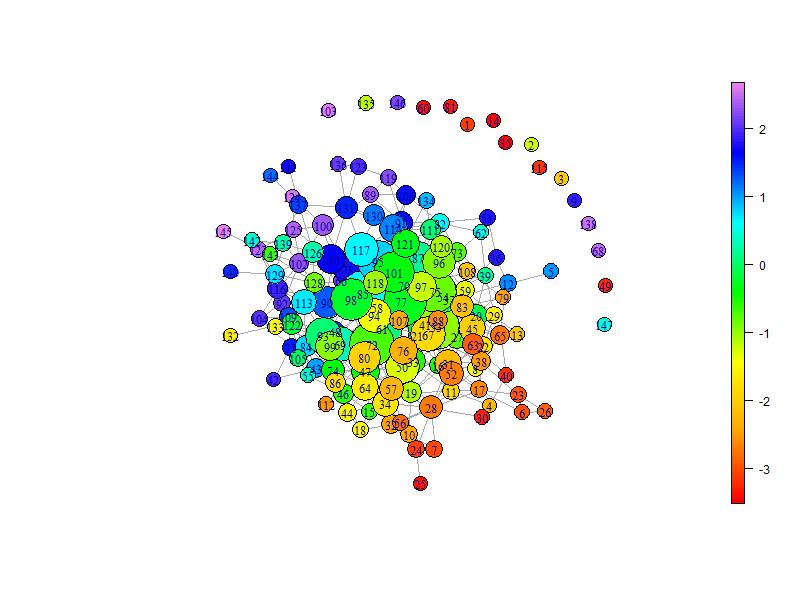
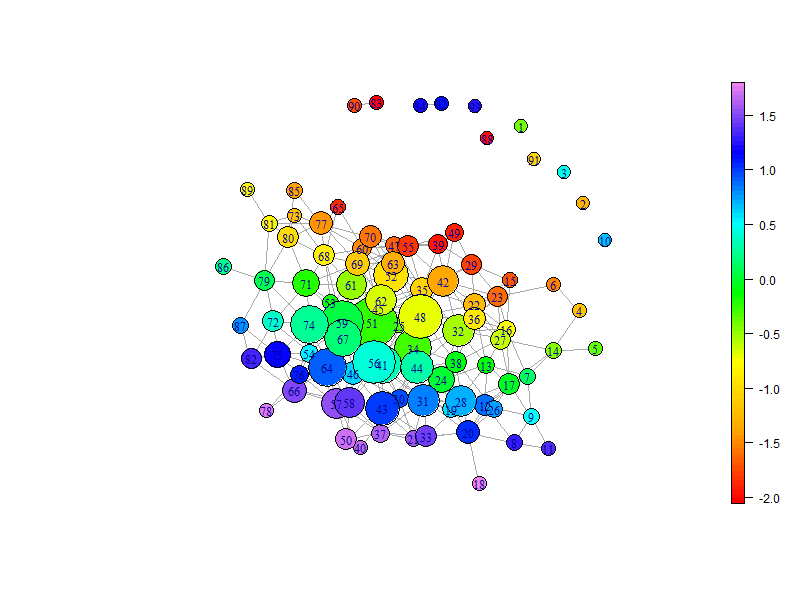
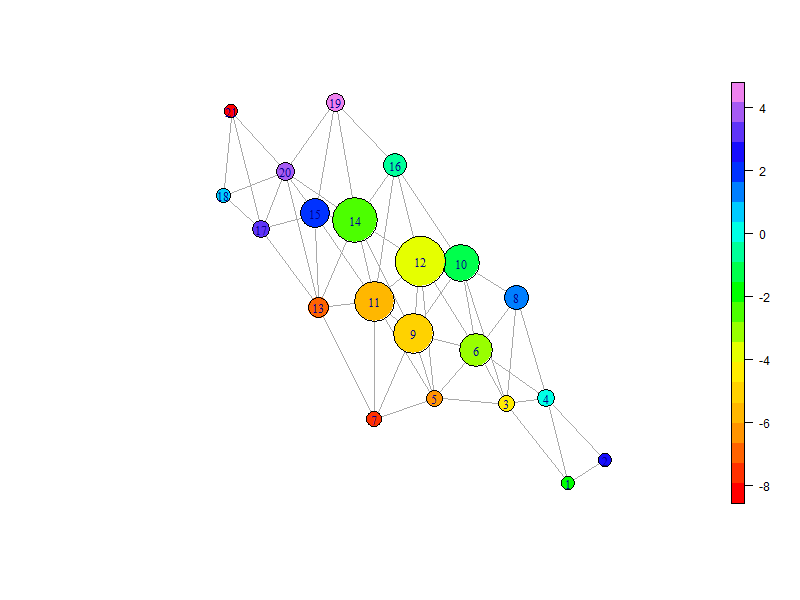
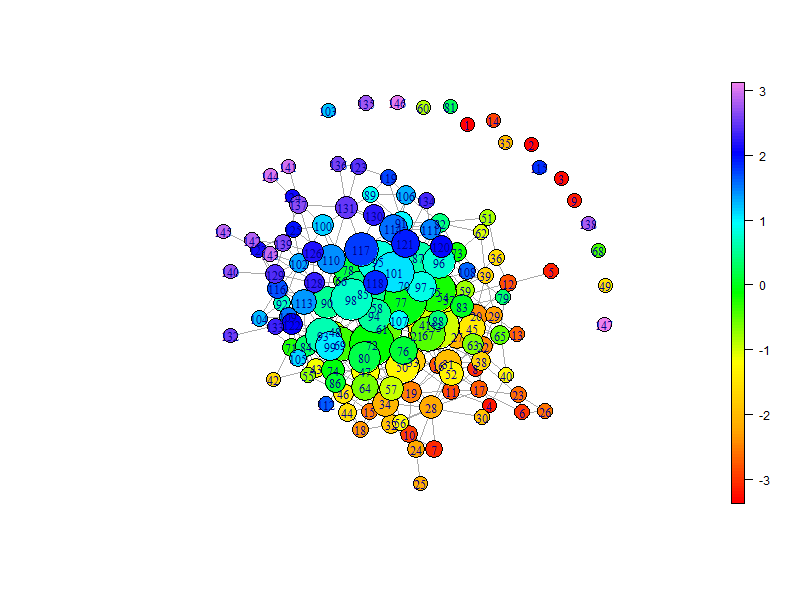
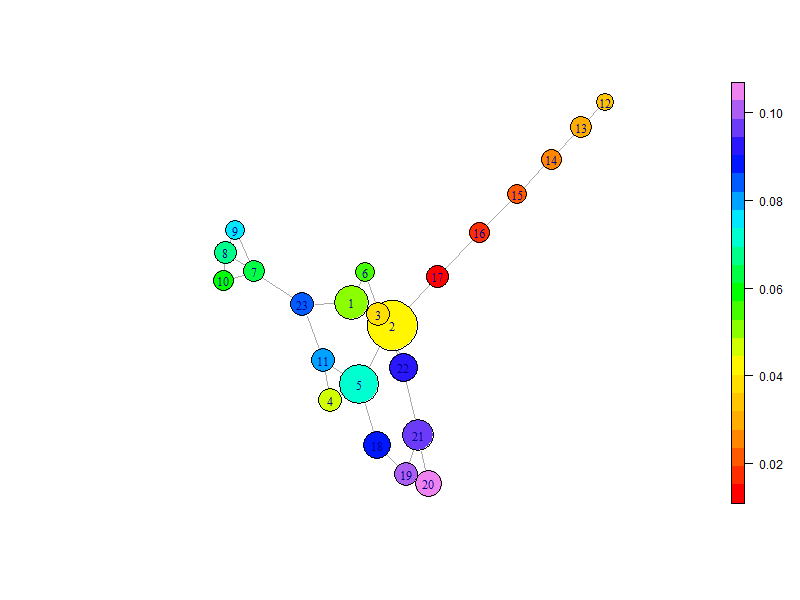
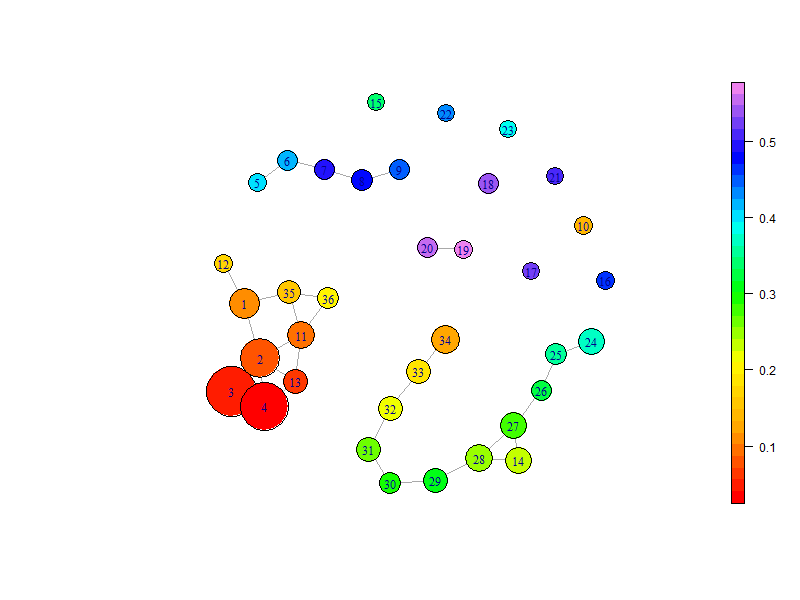
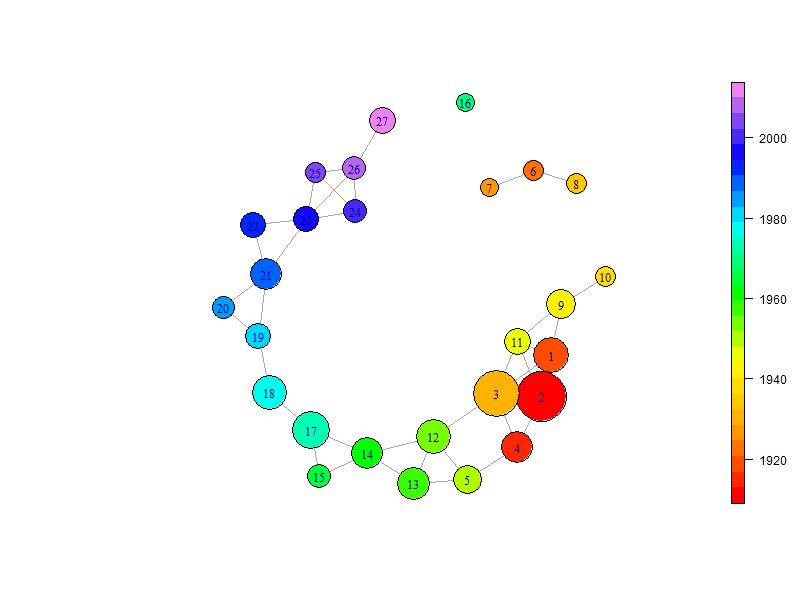
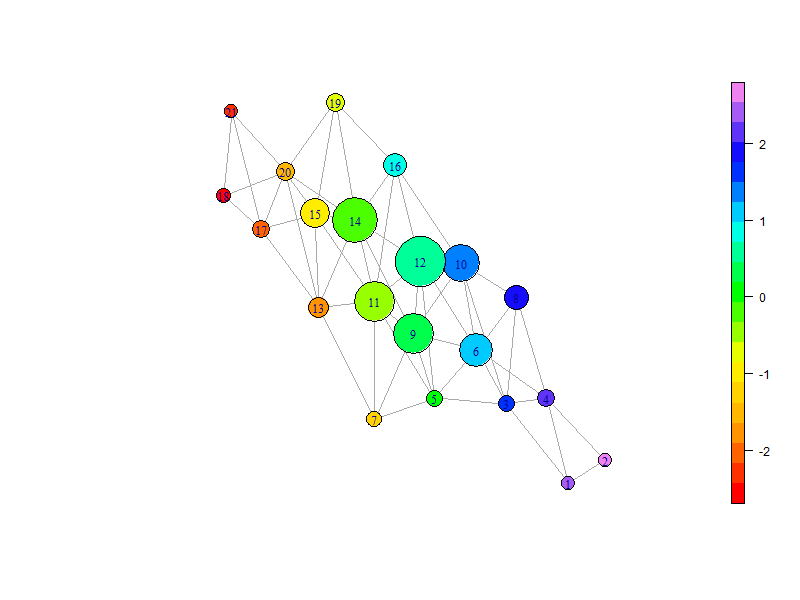
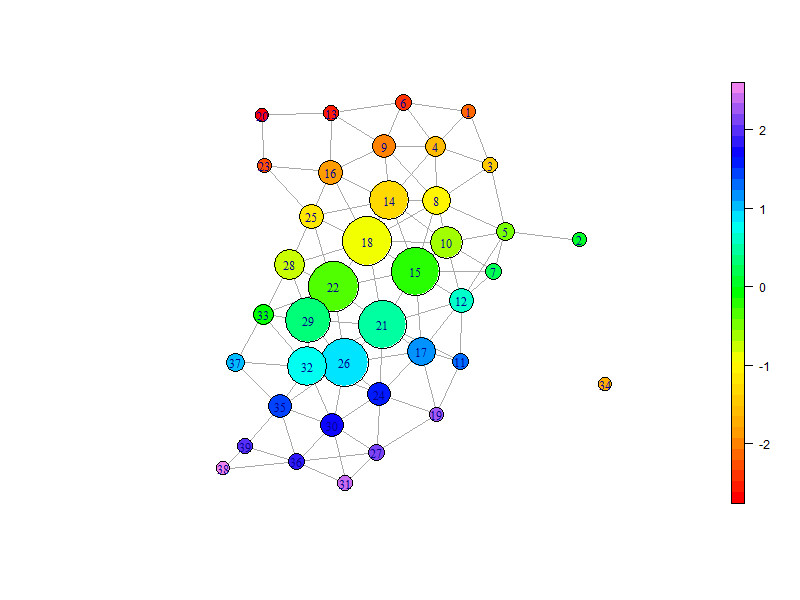
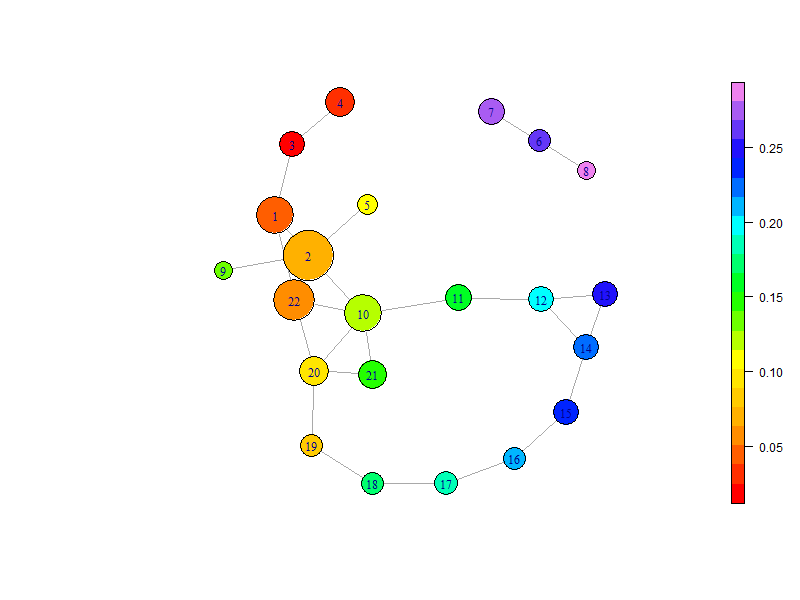
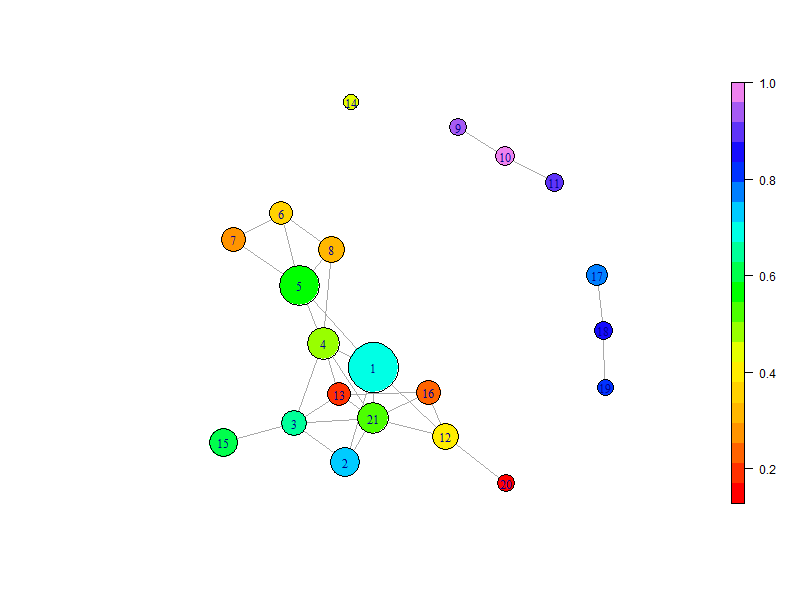
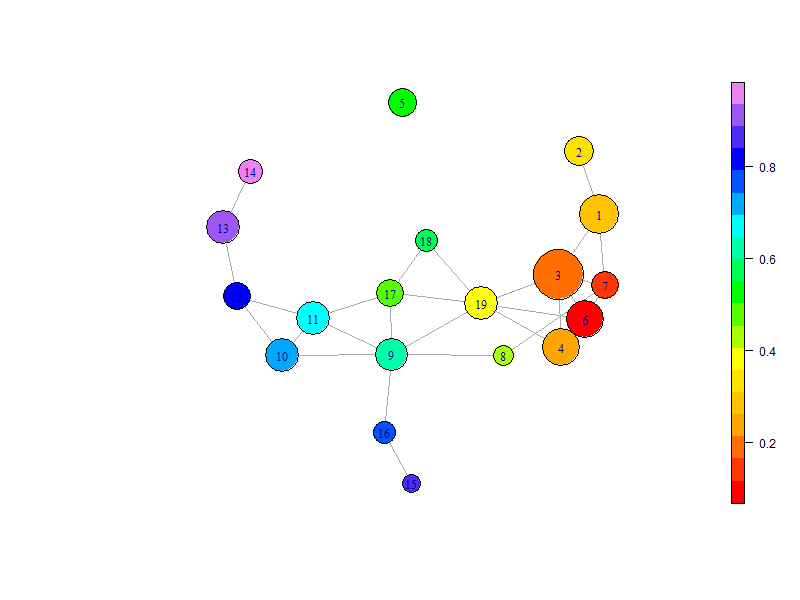
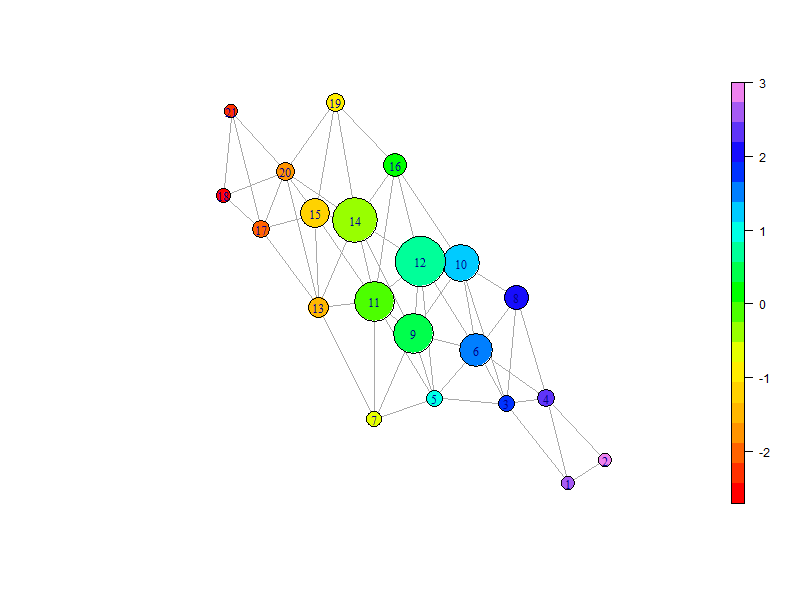
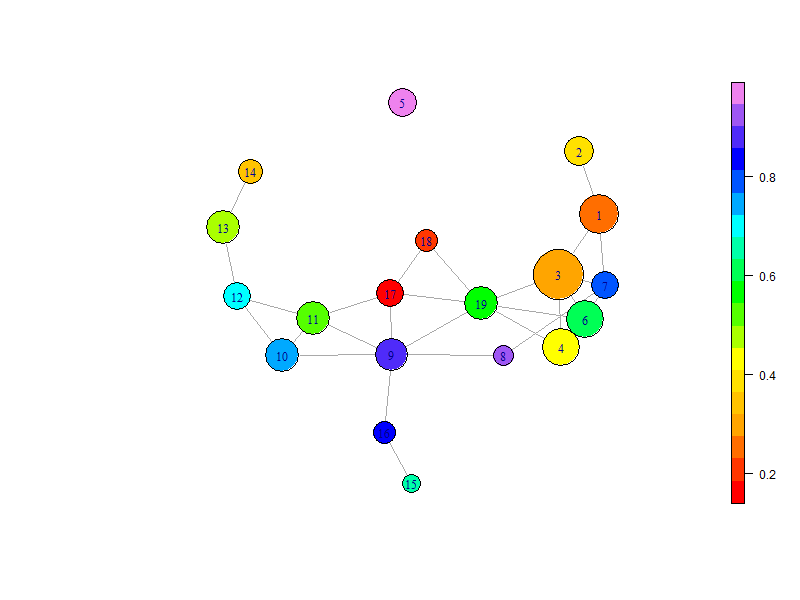
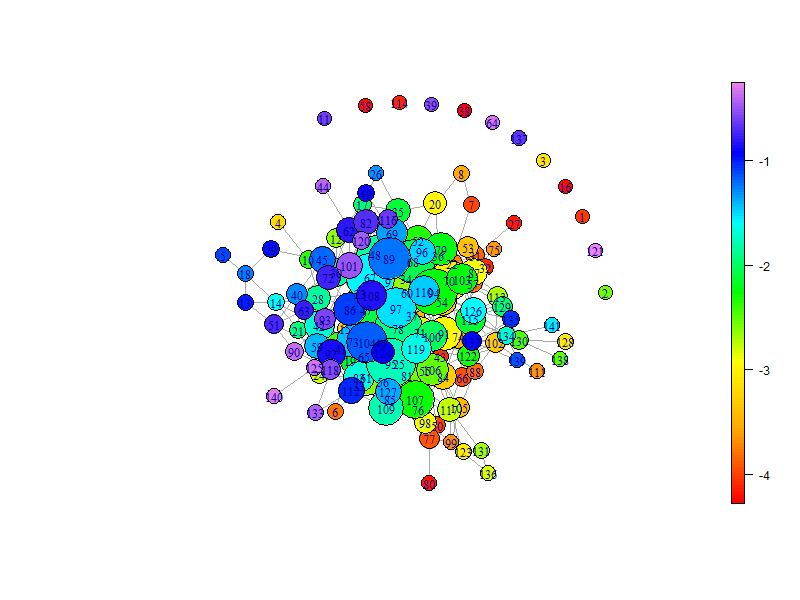
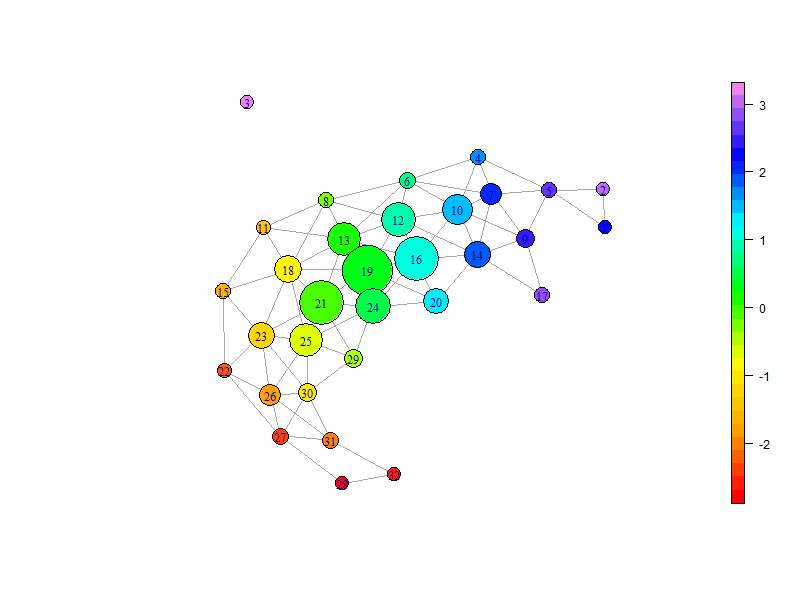
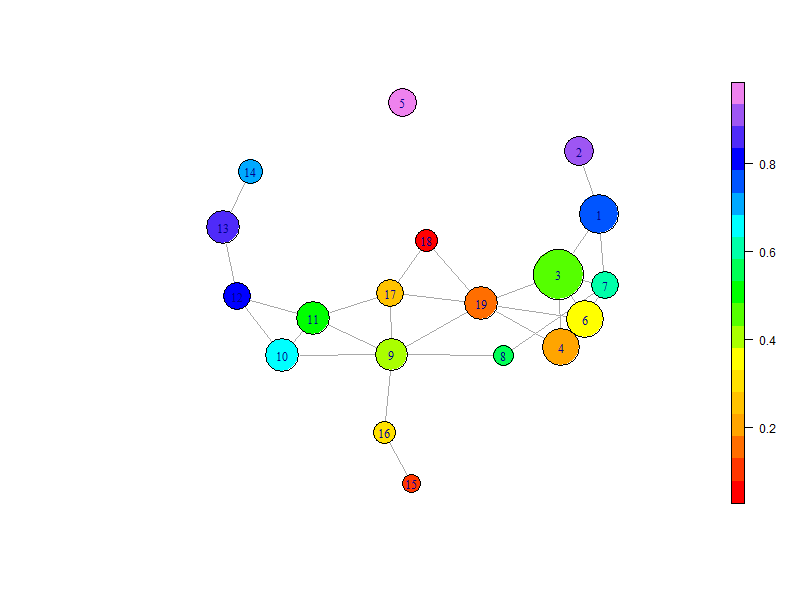
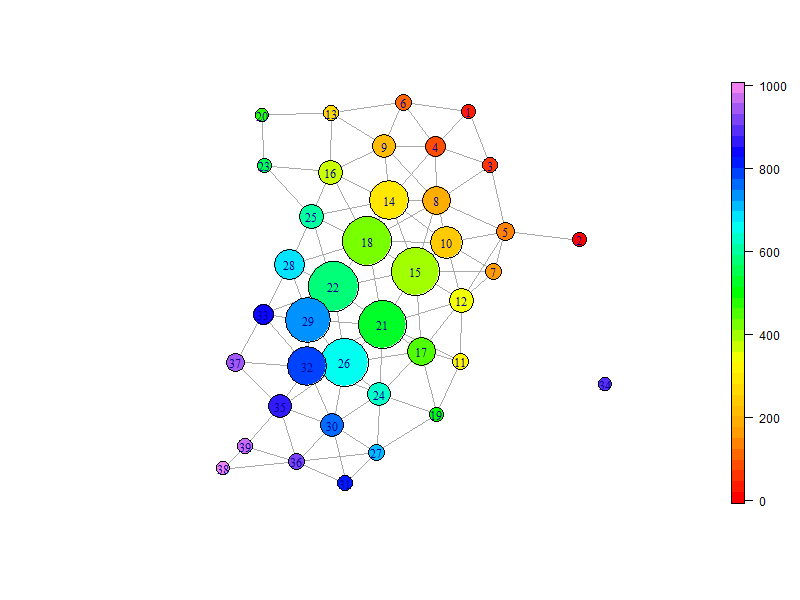
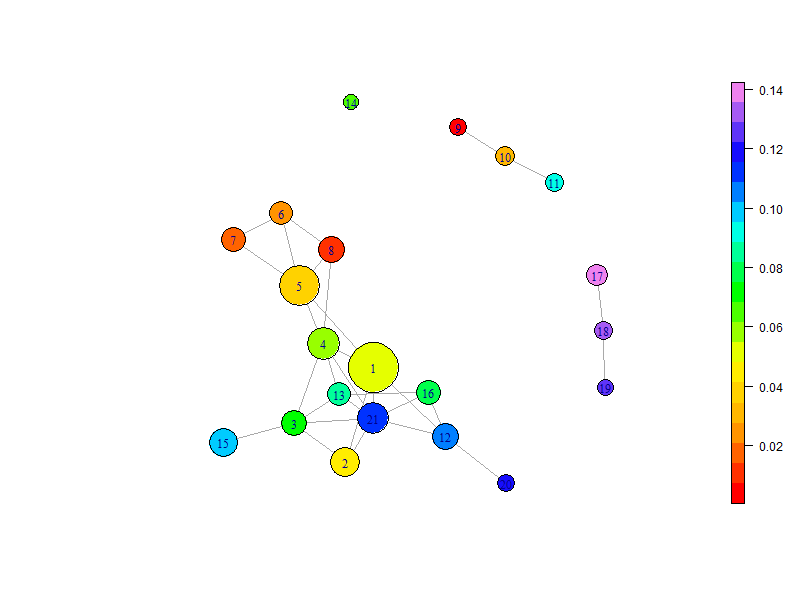
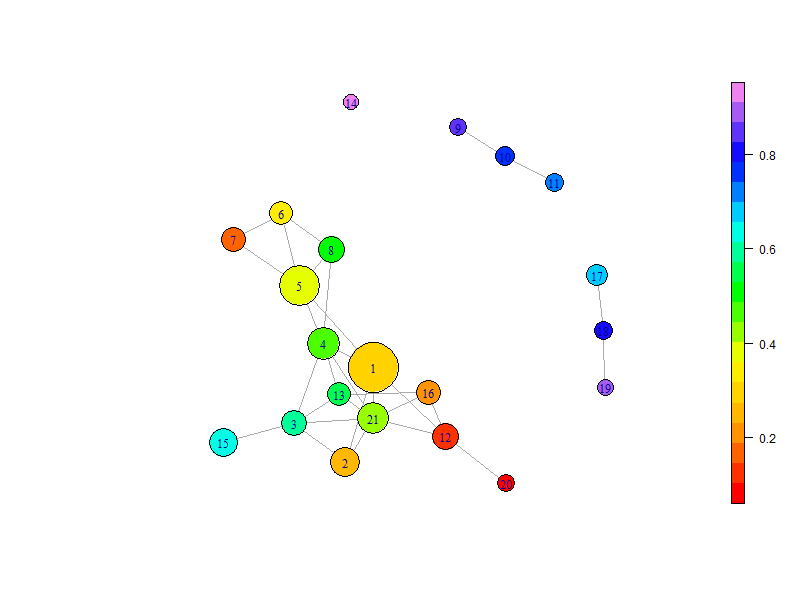
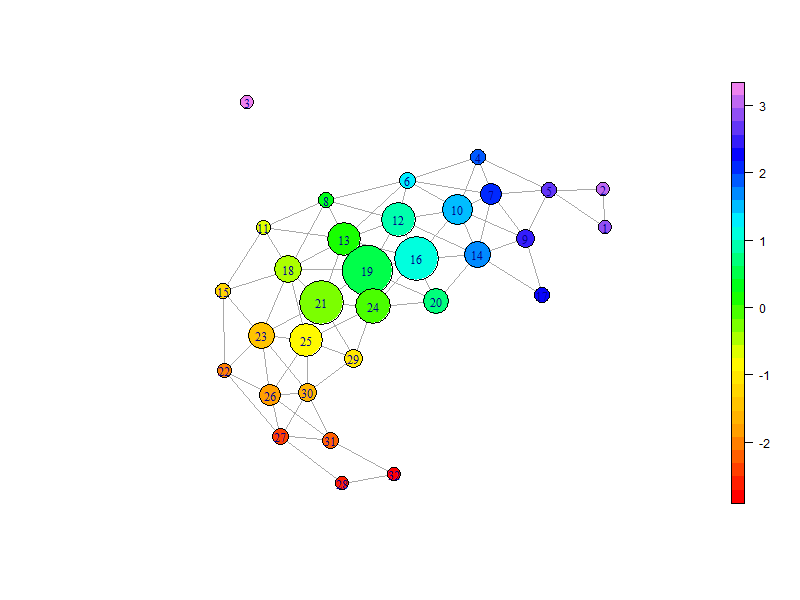
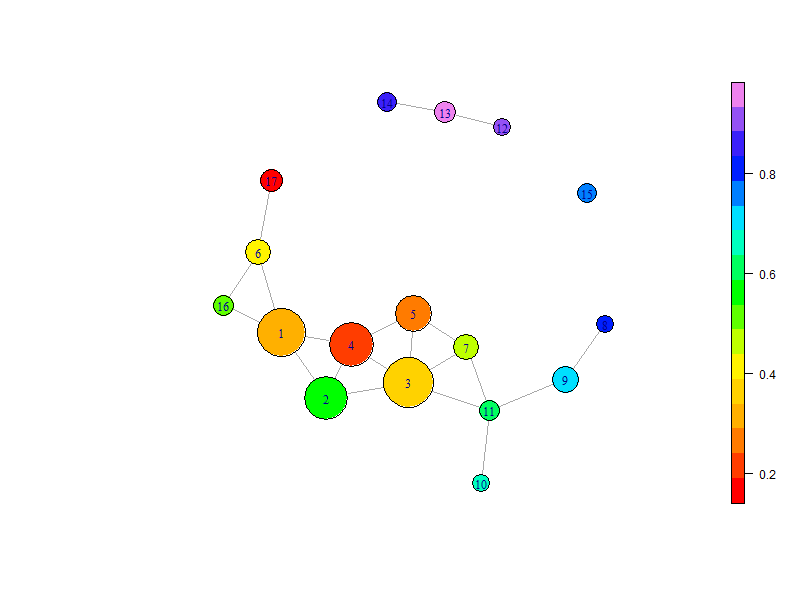
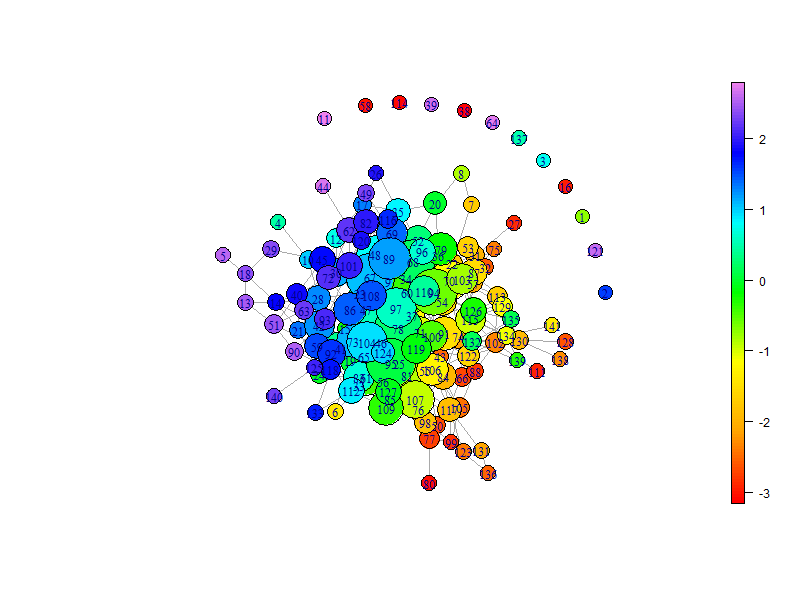
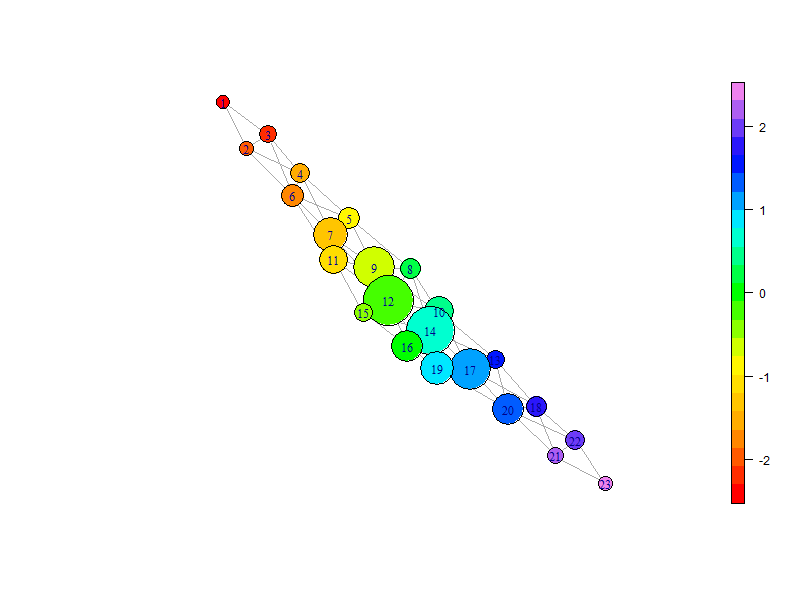
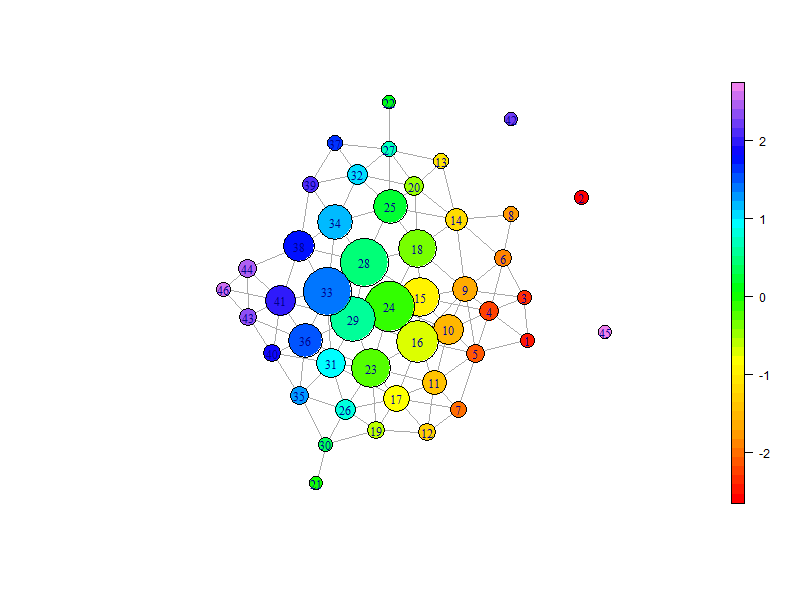
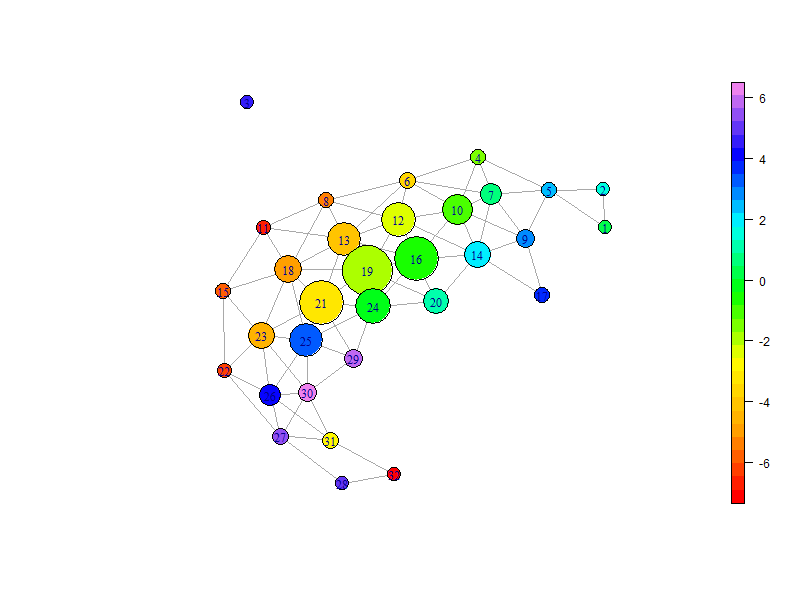
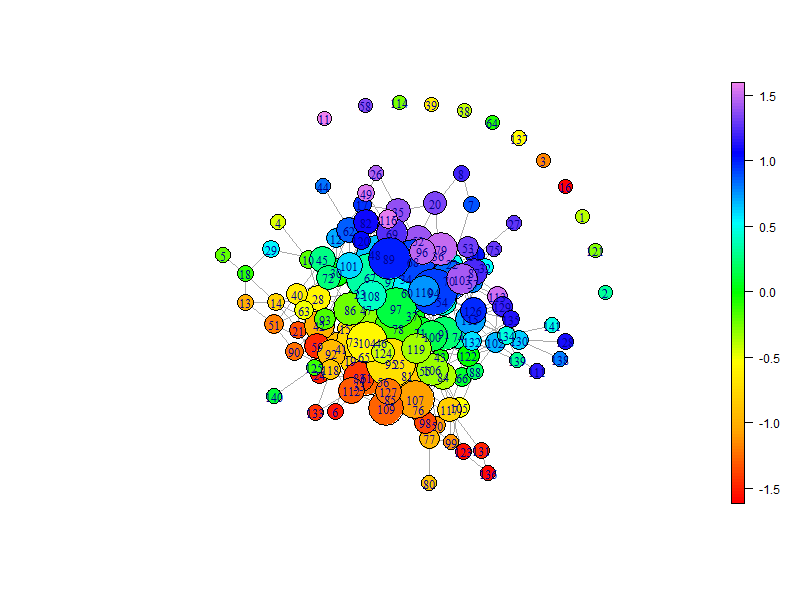
An understanding of the economic landscape in a world of ever increasing data necessitates representations of data that can inform policy, deepen understanding and guide future research. Topological Data Analysis offers a set of tools which deliver on all three calls. Abstract two-dimensional snapshots of multi-dimensional space readily capture non-monotonic relationships, inform of similarity between points of interest in parameter space, mapping such to outcomes. Specific examples show how some, but not all, countries have returned to Great Depression levels, and reappraise the links between real private capital growth and the performance of the economy. Theoretical and empirical expositions alike remind on the dangers of assuming monotonic relationships and discounting combinations of factors as determinants of outcomes; both dangers Topological Data Analysis addresses. Policy-makers can look at outcomes and target areas of the input space where such are not satisfactory, academics may additionally find evidence to motivate theoretical development, and practitioners can gain a rapid and robust base for decision making.💡 Summary & Analysis
This paper proposes a novel approach to understanding increasingly complex economic data through Topological Data Analysis (TDA). TDA helps policymakers, academics, and practitioners make more effective decisions by providing insights into the intricate relationships within large datasets. The traditional linear models often fail to capture the multifaceted interactions between different variables that influence outcomes. TDA addresses this issue by visualizing these complex patterns in multi-dimensional space through 2D snapshots, making it easier to identify non-monotonic relationships and understand how various factors interact.The paper highlights specific examples where some countries have regressed to Great Depression levels, demonstrating the practical utility of TDA for analyzing economic trends. It also reassesses the relationship between real private capital growth and overall economic performance, providing a more nuanced understanding of these dynamics. The significance lies in the ability of TDA to uncover complex patterns that might be missed by traditional methods, thereby offering valuable insights for policy-making and academic research.
📄 Full Paper Content (ArXiv Source)
📊 논문 시각자료 (Figures)