Robotics

All posts under category "Robotics"

11 posts total
Sorted by date
Coordinated Humanoid Manipulation with Choice Policies

Coordinated Humanoid Manipulation with Choice Policies

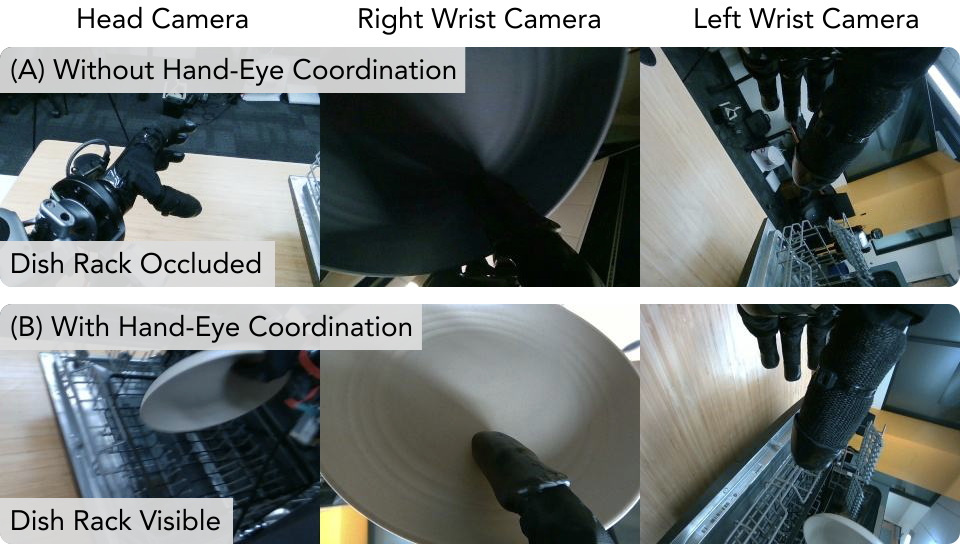
Humanoid robots hold great promise for operating in human-centric environments, yet achieving robust whole-body coordination across the head, hands, and legs remains a major challenge. We present a system that combines a modular teleoperation interface with a scalable learning framework to address this problem. Our teleoperation design decomposes humanoid control into intuitive submodules, which include hand-eye coordination, grasp primitives, arm end-effector tracking, and locomotion. This modularity allows us to collect high-quality demonstrations efficiently. Building on this, we introduce Choice Policy, an imitation learning approach that generates multiple candidate actions and learns to score them. This architecture enables both fast inference and effective modeling of multimodal behaviors. We validate our approach on two real-world tasks dishwasher loading and whole-body loco-manipulation for whiteboard wiping. Experiments show that Choice Policy significantly outperforms diffusion policies and standard behavior cloning. Furthermore, our results indicate that hand-eye coordination is critical for success in long-horizon tasks. Our work demonstrates a practical path toward scalable data collection and learning for coordinated humanoid manipulation in unstructured environments.
paper research
Dream2Flow  Bridging Video Generation and Open-World Manipulation with 3D Object Flow

Dream2Flow Bridging Video Generation and Open-World Manipulation with 3D Object Flow

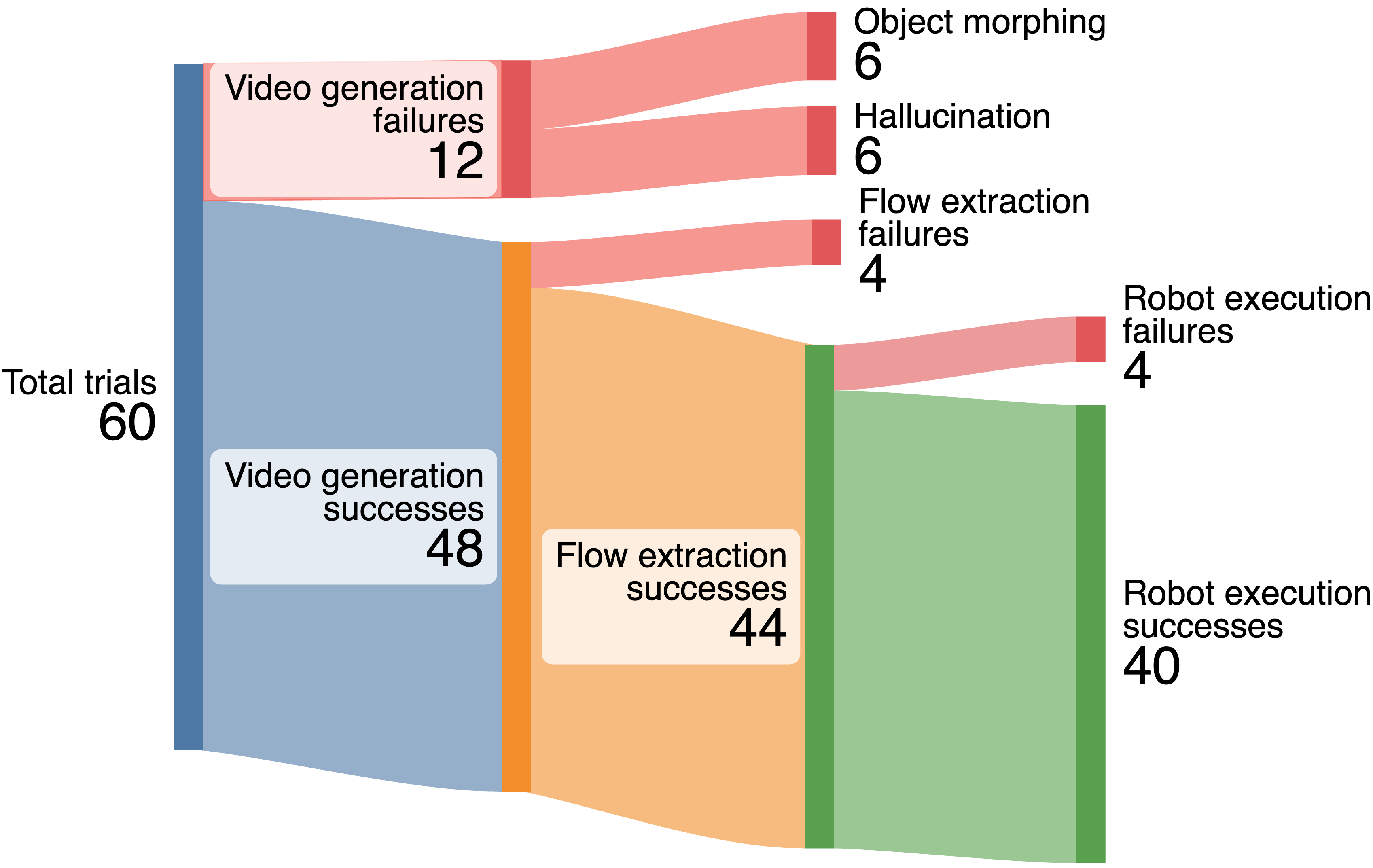
Generative video modeling has emerged as a compelling tool to zero-shot reason about plausible physical interactions for open-world manipulation. Yet, it remains a challenge to translate such human-led motions into the low-level actions demanded by robotic systems. We observe that given an initial image and task instruction, these models excel at synthesizing sensible object motions. Thus, we introduce Dream2Flow, a framework that bridges video generation and robotic control through 3D object flow as an intermediate representation. Our method reconstructs 3D object motions from generated videos and formulates manipulation as object trajectory tracking. By separating the state changes from the actuators that realize those changes, Dream2Flow overcomes the embodiment gap and enables zero-shot guidance from pre-trained video models to manipulate objects of diverse categories-including rigid, articulated, deformable, and granular. Through trajectory optimization or reinforcement learning, Dream2Flow converts reconstructed 3D object flow into executable low-level commands without task-specific demonstrations. Simulation and real-world experiments highlight 3D object flow as a general and scalable interface for adapting video generation models to open-world robotic manipulation. Videos and visualizations are available at https //dream2flow.github.io/.

paper research
Fast and Realistic Automated Scenario Simulations and Reporting for an Autonomous Racing Stack

Fast and Realistic Automated Scenario Simulations and Reporting for an Autonomous Racing Stack

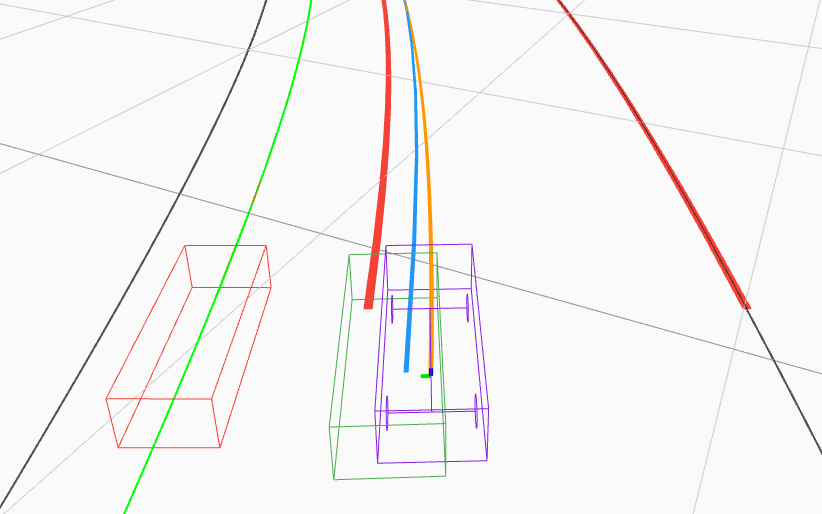
In this paper, we describe the automated simulation and reporting pipeline implemented for our autonomous racing stack, ur.autopilot. The backbone of the simulation is based on a high-fidelity model of the vehicle interfaced as a Functional Mockup Unit (FMU). The pipeline can execute the software stack and the simulation up to three times faster than real-time, locally or on GitHub for Continuous Integration/- Continuous Delivery (CI/CD). As the most important input of the pipeline, there is a set of running scenarios. Each scenario allows the initialization of the ego vehicle in different initial conditions (position and speed), as well as the initialization of any other configuration of the stack. This functionality is essential to validate efficiently critical modules, like the one responsible for high-speed overtaking maneuvers or localization, which are among the most challenging aspects of autonomous racing. Moreover, we describe how we implemented a fault injection module, capable of introducing sensor delays and perturbations as well as modifying outputs of any node of the stack. Finally, we describe the design of our automated reporting process, aimed at maximizing the effectiveness of the simulation analysis.

paper research
HanoiWorld   A Joint Embedding Predictive Architecture BasedWorld Model for Autonomous Vehicle Controller

HanoiWorld A Joint Embedding Predictive Architecture BasedWorld Model for Autonomous Vehicle Controller

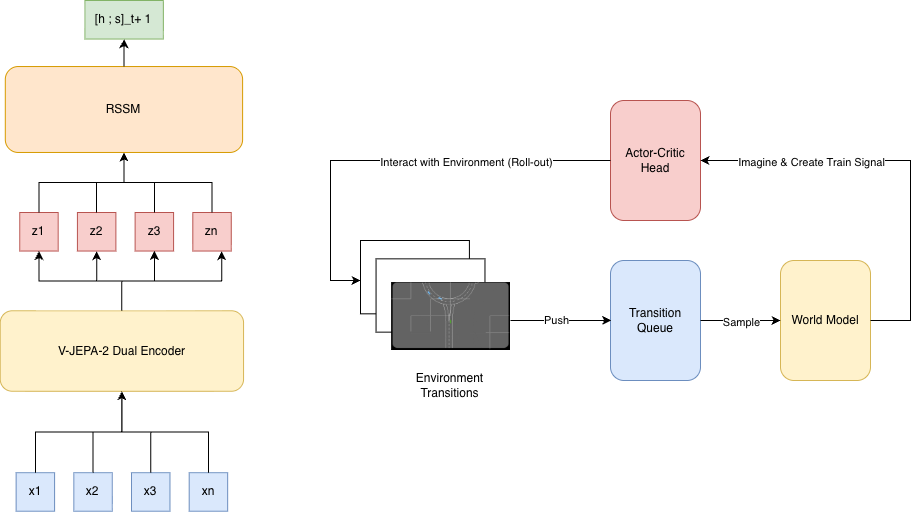
Current attempts of Reinforcement Learning for Autonomous Controller are data-demanding while the results are under-performed, unstable, and unable to grasp and anchor on the concept of safety, and over-concentrating on noise features due to the nature of pixel reconstruction. While current Self-Supervised Learningapproachs that learning on high-dimensional representations by leveraging the JointEmbedding Predictive Architecture (JEPA) are interesting and an effective alternative, as the idea mimics the natural ability of the human brain in acquiring new skill usingimagination and minimal samples of observations. This study introduces Hanoi-World, a JEPA-based world model that using recurrent neural network (RNN) formaking longterm horizontal planning with effective inference time. Experimentsconducted on the Highway-Env package with difference enviroment showcase the effective capability of making a driving plan while safety-awareness, with considerablecollision rate in comparison with SOTA baselines

paper research
LSRE  Latent Semantic Rule Encoding for Real-Time Semantic Risk Detection in Autonomous Driving

LSRE Latent Semantic Rule Encoding for Real-Time Semantic Risk Detection in Autonomous Driving

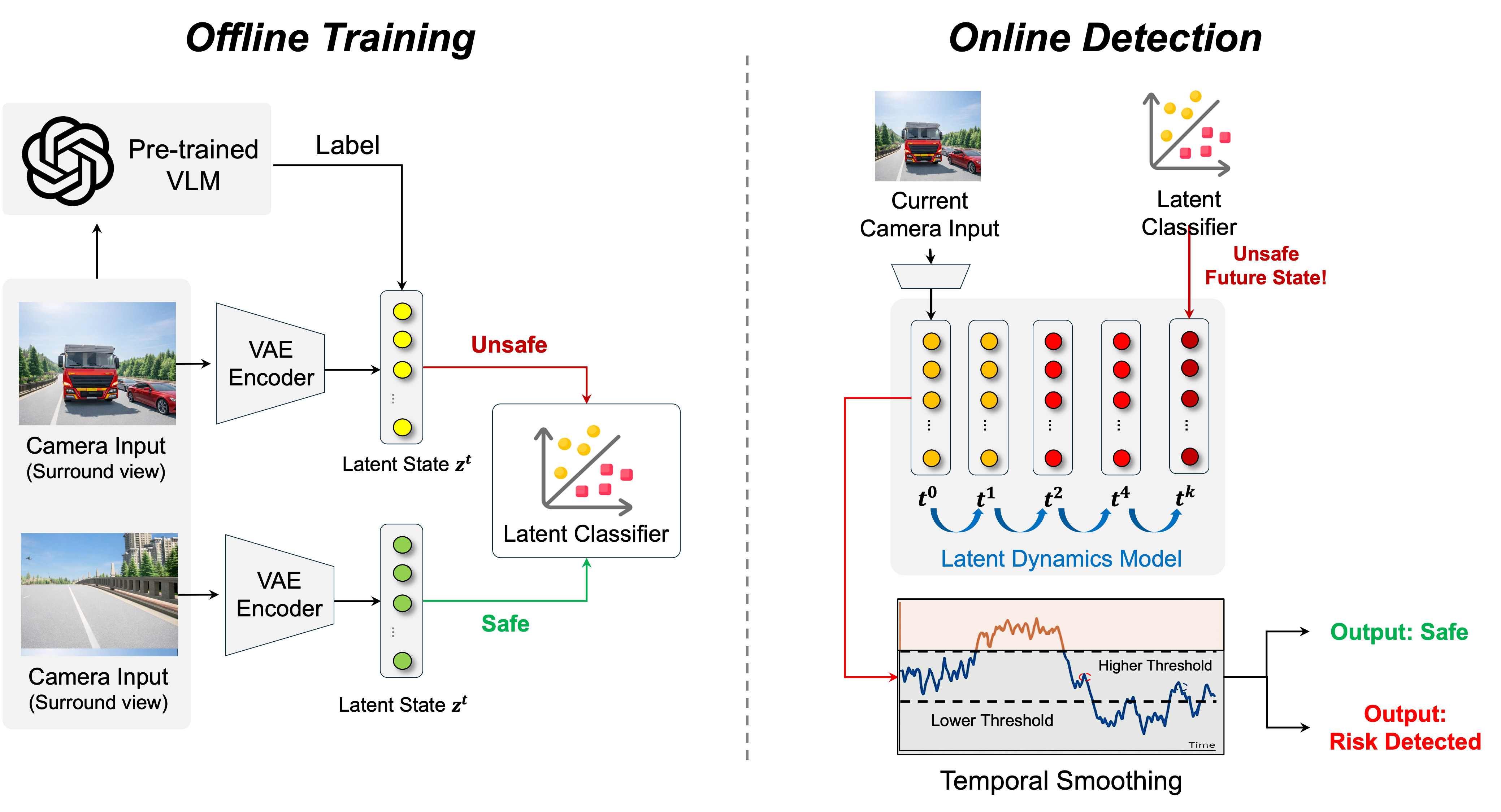
Real-world autonomous driving must adhere to complex human social rules that extend beyond legally codified traffic regulations. Many of these semantic constraints, such as yielding to emergency vehicles, complying with traffic officers gestures, or stopping for school buses, are intuitive for humans yet difficult to encode explicitly. Although large vision-language models (VLMs) can interpret such semantics, their inference cost makes them impractical for real-time deployment. This work proposes LSRE, a Latent Semantic Rule Encoding framework that converts sparsely sampled VLM judgments into decision boundaries within the latent space of a recurrent world model. By encoding language-defined safety semantics into a lightweight latent classifier, LSRE enables real-time semantic risk assessment at 10 Hz without per-frame VLM queries. Experiments on six semantic-failure scenarios in CARLA demonstrate that LSRE attains semantic risk detection accuracy comparable to a large VLM baseline, while providing substantially earlier hazard anticipation and maintaining low computational latency. LSRE further generalizes to rarely seen semantic-similar test cases, indicating that language-guided latent classification offers an effective and deployable mechanism for semantic safety monitoring in autonomous driving.

paper research
Online Estimation and Manipulation of Articulated Objects

Online Estimation and Manipulation of Articulated Objects

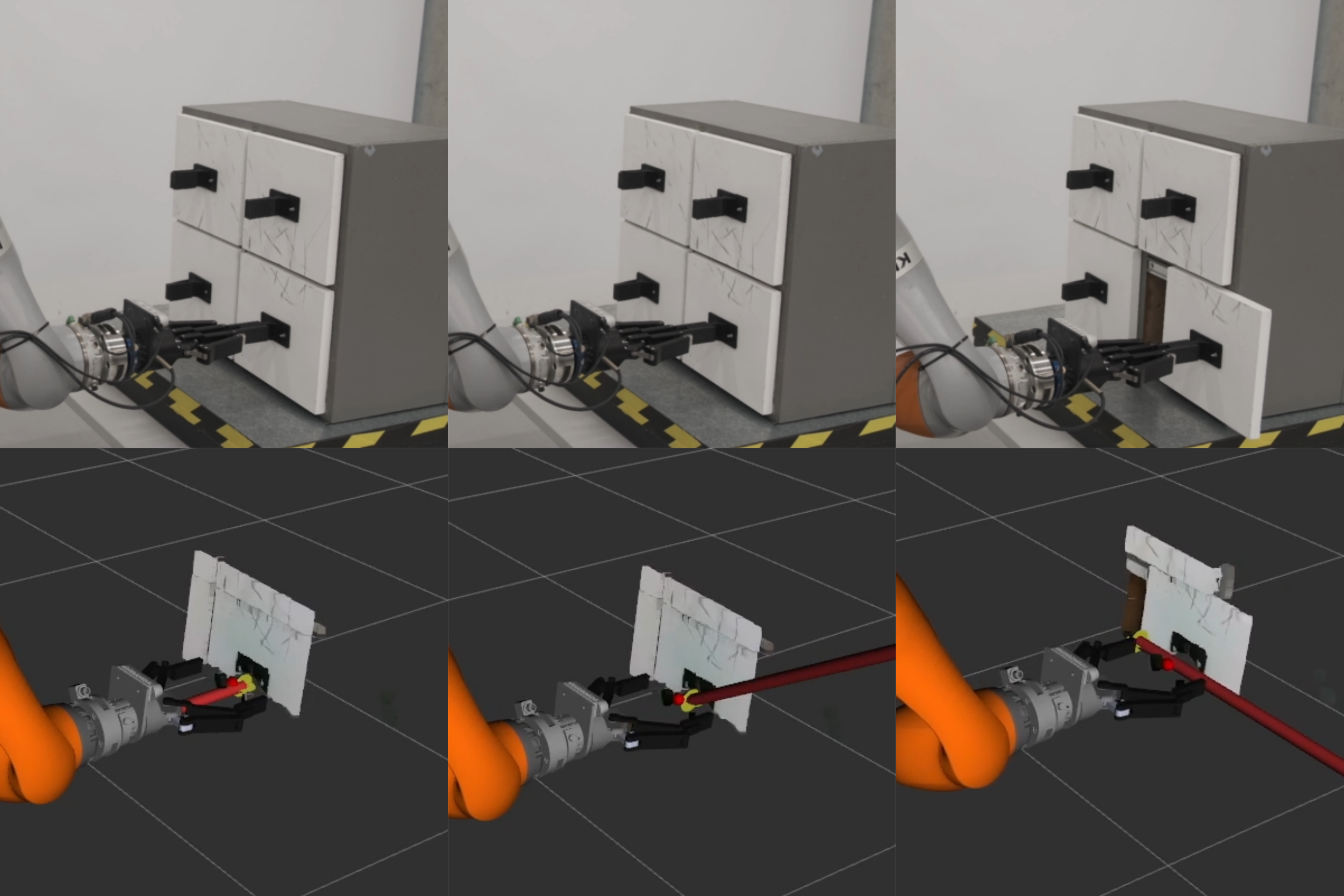
From refrigerators to kitchen drawers, humans interact with articulated objects effortlessly every day while completing household chores. For automating these tasks, service robots must be capable of manipulating arbitrary articulated objects. Recent deep learning methods have been shown to predict valuable priors on the affordance of articulated objects from vision. In contrast, many other works estimate object articulations by observing the articulation motion, but this requires the robot to already be capable of manipulating the object. In this article, we propose a novel approach combining these methods by using a factor graph for online estimation of articulation which fuses learned visual priors and proprioceptive sensing during interaction into an analytical model of articulation based on Screw Theory. With our method, a robotic system makes an initial prediction of articulation from vision before touching the object, and then quickly updates the estimate from kinematic and force sensing during manipulation. We evaluate our method extensively in both simulations and real-world robotic manipulation experiments. We demonstrate several closed-loop estimation and manipulation experiments in which the robot was capable of opening previously unseen drawers. In real hardware experiments, the robot achieved a 75% success rate for autonomous opening of unknown articulated objects.

paper research
Priority-Aware Multi-Robot Coverage Path Planning

Priority-Aware Multi-Robot Coverage Path Planning

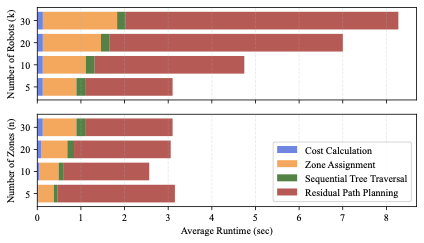
Multi-robot systems are widely used for coverage tasks that require efficient coordination across large environments. In Multi-Robot Coverage Path Planning (MCPP), the objective is typically to minimize the makespan by generating non-overlapping paths for full-area coverage. However, most existing methods assume uniform importance across regions, limiting their effectiveness in scenarios where some zones require faster attention. We introduce the Priority-Aware MCPP (PA-MCPP) problem, where a subset of the environment is designated as prioritized zones with associated weights. The goal is to minimize, in lexicographic order, the total priority-weighted latency of zone coverage and the overall makespan. To address this, we propose a scalable two-phase framework combining (1) greedy zone assignment with local search, spanning-tree-based path planning, and (2) Steiner-tree-guided residual coverage. Experiments across diverse scenarios demonstrate that our method significantly reduces priority-weighted latency compared to standard MCPP baselines, while maintaining competitive makespan. Sensitivity analyses further show that the method scales well with the number of robots and that zone coverage behavior can be effectively controlled by adjusting priority weights.

paper research
SingingBot  An Avatar-Driven System for Robotic Face Singing Performance

SingingBot An Avatar-Driven System for Robotic Face Singing Performance

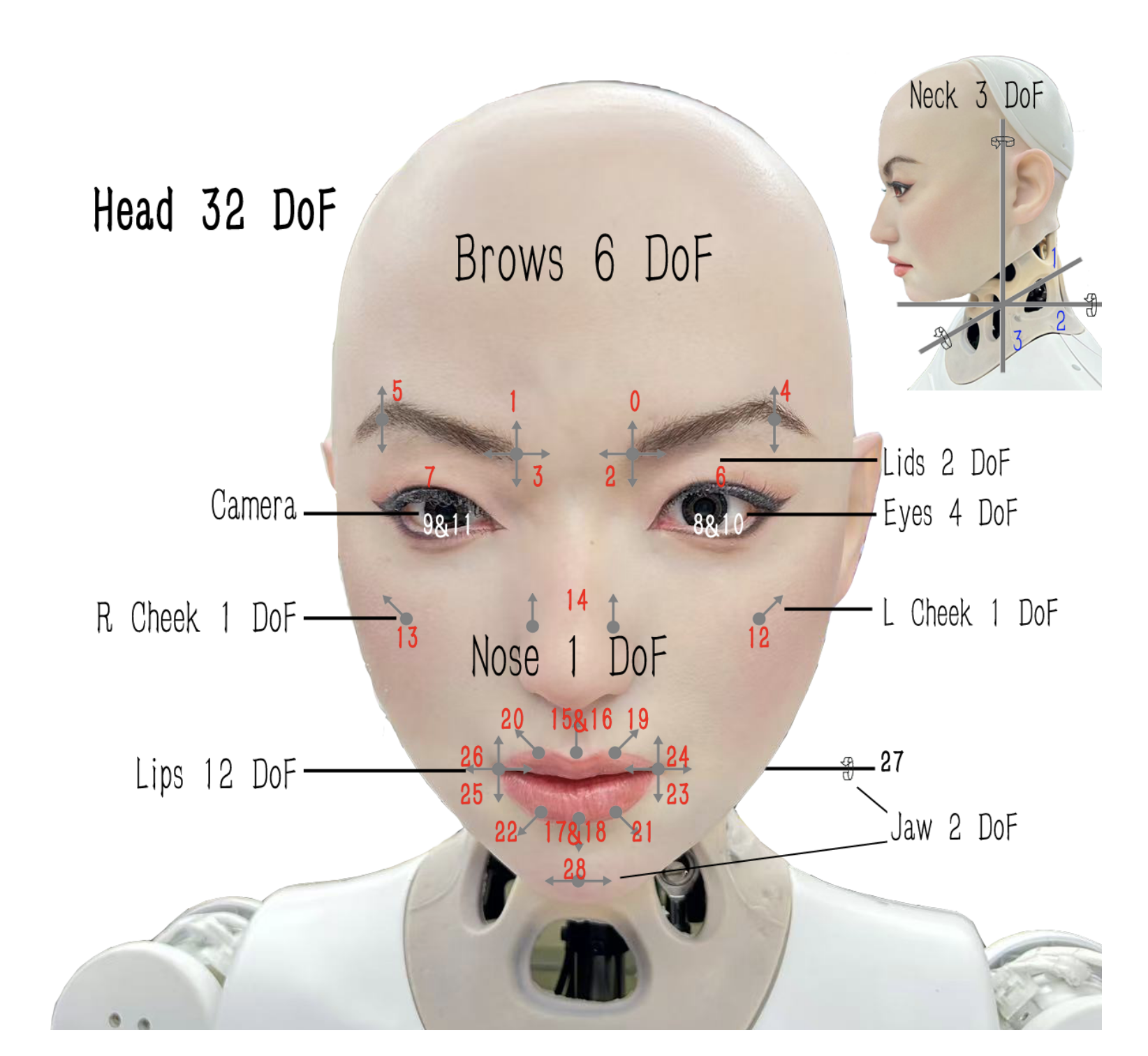
Equipping robotic faces with singing capabilities is crucial for empathetic Human-Robot Interaction. However, existing robotic face driving research primarily focuses on conversations or mimicking static expressions, struggling to meet the high demands for continuous emotional expression and coherence in singing. To address this, we propose a novel avatar-driven framework for appealing robotic singing. We first leverage portrait video generation models embedded with extensive human priors to synthesize vivid singing avatars, providing reliable expression and emotion guidance. Subsequently, these facial features are transferred to the robot via semantic-oriented mapping functions that span a wide expression space. Furthermore, to quantitatively evaluate the emotional richness of robotic singing, we propose the Emotion Dynamic Range metric to measure the emotional breadth within the Valence-Arousal space, revealing that a broad emotional spectrum is crucial for appealing performances. Comprehensive experiments prove that our method achieves rich emotional expressions while maintaining lip-audio synchronization, significantly outperforming existing approaches.

paper research
Value Vision-Language-Action Planning & Search

Value Vision-Language-Action Planning & Search

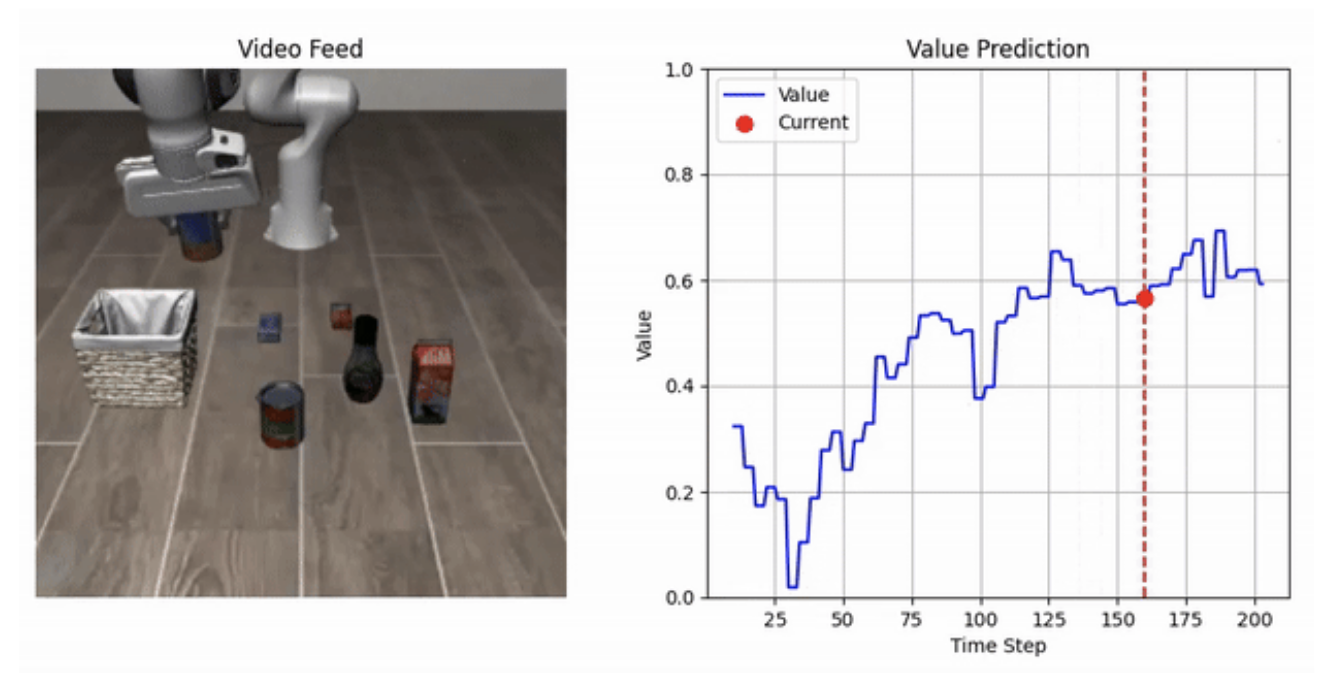
Vision-Language-Action (VLA) models have emerged as powerful generalist policies for robotic manipulation, yet they remain fundamentally limited by their reliance on behavior cloning, leading to brittleness under distribution shift. While augmenting pretrained models with test-time search algorithms like Monte Carlo Tree Search (MCTS) can mitigate these failures, existing formulations rely solely on the VLA prior for guidance, lacking a grounded estimate of expected future return. Consequently, when the prior is inaccurate, the planner can only correct action selection via the exploration term, which requires extensive simulation to become effective. To address this limitation, we introduce Value Vision-Language-Action Planning and Search (V-VLAPS), a framework that augments MCTS with a lightweight, learnable value function. By training a simple multilayer perceptron (MLP) on the latent representations of a fixed VLA backbone (Octo), we provide the search with an explicit success signal that biases action selection toward high-value regions. We evaluate V-VLAPS on the LIBERO robotic manipulation suite, demonstrating that our value-guided search improves success rates by over 5 percentage points while reducing the average number of MCTS simulations by 5-15 percent compared to baselines that rely only on the VLA prior.

paper research
Vision-Based Early Fault Diagnosis and Self-Recovery for Strawberry Harvesting Robots

Vision-Based Early Fault Diagnosis and Self-Recovery for Strawberry Harvesting Robots

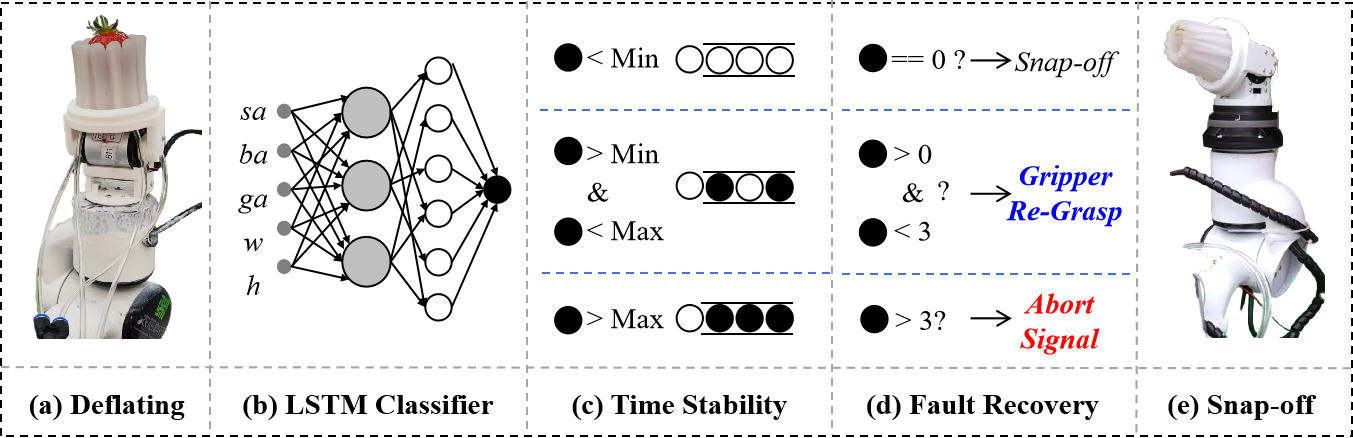
Strawberry harvesting robots faced persistent challenges such as low integration of visual perception, fruit-gripper misalignment, empty grasping, and strawberry slippage from the gripper due to insufficient gripping force, all of which compromised harvesting stability and efficiency in orchard environments. To overcome these issues, this paper proposed a visual fault diagnosis and self-recovery framework that integrated multi-task perception with corrective control strategies. At the core of this framework was SRR-Net, an end-to-end multi-task perception model that simultaneously performed strawberry detection, segmentation, and ripeness estimation, thereby unifying visual perception with fault diagnosis. Based on this integrated perception, a relative error compensation method based on the simultaneous target-gripper detection was designed to address positional misalignment, correcting deviations when error exceeded the tolerance threshold. To mitigate empty grasping and fruit-slippage faults, an early abort strategy was implemented. A micro-optical camera embedded in the end-effector provided real-time visual feedback, enabling grasp detection during the deflating stage and strawberry slip prediction during snap-off through MobileNet V3-Small classifier and a time-series LSTM classifier. Experiments demonstrated that SRR-Net maintained high perception accuracy. For detection, it achieved a precision of 0.895 and recall of 0.813 on strawberries, and 0.972/0.958 on hands. In segmentation, it yielded a precision of 0.887 and recall of 0.747 for strawberries, and 0.974/0.947 for hands. For ripeness estimation, SRR-Net attained a mean absolute error of 0.035, while simultaneously supporting multi-task perception and sustaining a competitive inference speed of 163.35 FPS.

paper research
VLA-RAIL  A Real-Time Asynchronous Inference Linker for VLA Models and Robots

VLA-RAIL A Real-Time Asynchronous Inference Linker for VLA Models and Robots

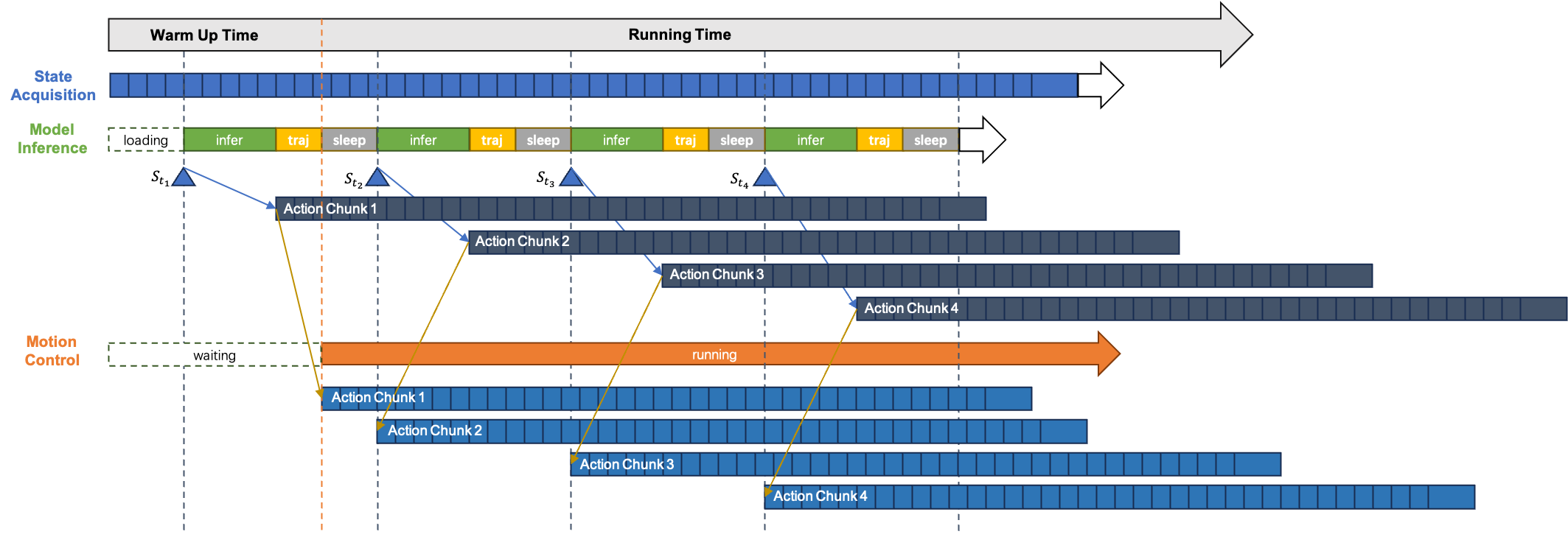
Vision-Language-Action (VLA) models have achieved remarkable breakthroughs in robotics, with the action chunk playing a dominant role in these advances. Given the real-time and continuous nature of robotic motion control, the strategies for fusing a queue of successive action chunks have a profound impact on the overall performance of VLA models. Existing methods suffer from jitter, stalling, or even pauses in robotic action execution, which not only limits the achievable execution speed but also reduces the overall success rate of task completion. This paper introduces VLA-RAIL (A Real-Time Asynchronous Inference Linker), a novel framework designed to address these issues by conducting model inference and robot motion control asynchronously and guaranteeing smooth, continuous, and high-speed action execution. The core contributions of the paper are two fold a Trajectory Smoother that effectively filters out the noise and jitter in the trajectory of one action chunk using polynomial fitting and a Chunk Fuser that seamlessly align the current executing trajectory and the newly arrived chunk, ensuring position, velocity, and acceleration continuity between two successive action chunks. We validate the effectiveness of VLA-RAIL on a benchmark of dynamic simulation tasks and several real-world manipulation tasks. Experimental results demonstrate that VLA-RAIL significantly reduces motion jitter, enhances execution speed, and improves task success rates, which will become a key infrastructure for the large-scale deployment of VLA models.

paper research

Start searching

Enter keywords to search articles

↑↓
↵
ESC
⌘K Shortcut