Computer Vision

All posts under category "Computer Vision"

40 posts total
Sorted by date
A Comparative Study of Custom CNNs, Pre-trained Models, and Transfer Learning Across Multiple Visual Datasets

A Comparative Study of Custom CNNs, Pre-trained Models, and Transfer Learning Across Multiple Visual Datasets

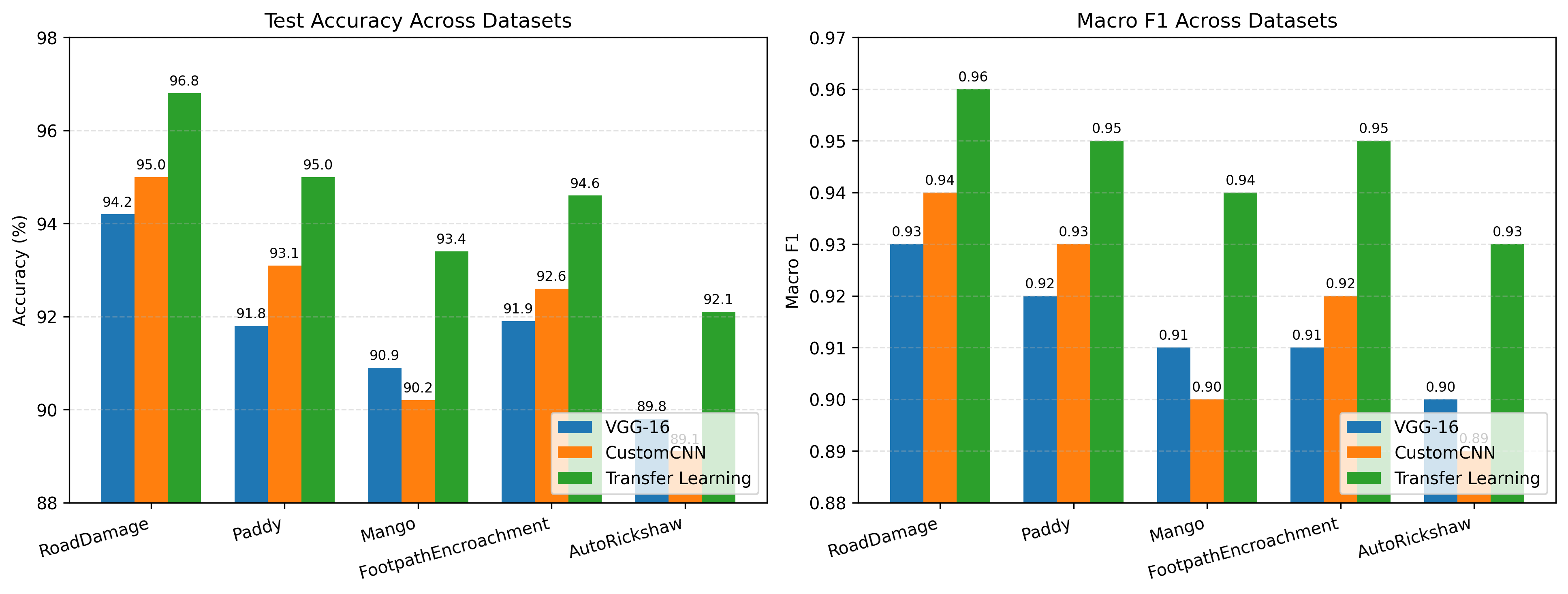
Convolutional Neural Networks (CNNs) are a standard approach for visual recognition due to their capacity to learn hierarchical representations from raw pixels. In practice, practitioners often choose among (i) training a compact custom CNN from scratch, (ii) using a large pre-trained CNN as a fixed feature extractor, and (iii) performing transfer learning via partial or full fine-tuning of a pre-trained backbone. This report presents a controlled comparison of these three paradigms across five real-world image classification datasets spanning road-surface defect recognition, agricultural variety identification, fruit/leaf disease recognition, pedestrian walkway encroachment recognition, and unauthorized vehicle recognition. Models are evaluated using accuracy and macro F1-score, complemented by efficiency metrics including training time per epoch and parameter counts. The results show that transfer learning consistently yields the strongest predictive performance, while the custom CNN provides an attractive efficiency--accuracy trade-off, especially when compute and memory budgets are constrained.
paper research
A Comprehensive Dataset for Human vs. AI Generated Image Detection

A Comprehensive Dataset for Human vs. AI Generated Image Detection

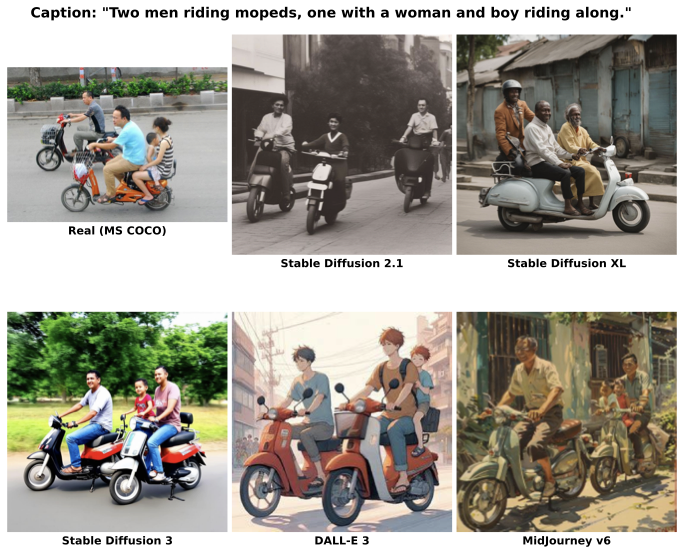
Multimodal generative AI systems like Stable Diffusion, DALL-E, and MidJourney have fundamentally changed how synthetic images are created. These tools drive innovation but also enable the spread of misleading content, false information, and manipulated media. As generated images become harder to distinguish from photographs, detecting them has become an urgent priority. To combat this challenge, We release MS COCOAI, a novel dataset for AI generated image detection consisting of 96000 real and synthetic datapoints, built using the MS COCO dataset. To generate synthetic images, we use five generators Stable Diffusion 3, Stable Diffusion 2.1, SDXL, DALL-E 3, and MidJourney v6. Based on the dataset, we propose two tasks (1) classifying images as real or generated, and (2) identifying which model produced a given synthetic image. The dataset is available at https //huggingface.co/datasets/Rajarshi-Roy-research/Defactify_Image_Dataset.
paper research
Adaptive Hybrid Optimizer-based Framework for Lumpy Skin Disease Identification

Adaptive Hybrid Optimizer-based Framework for Lumpy Skin Disease Identification

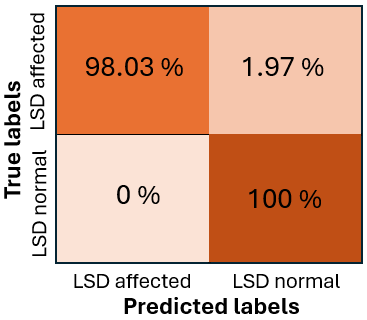
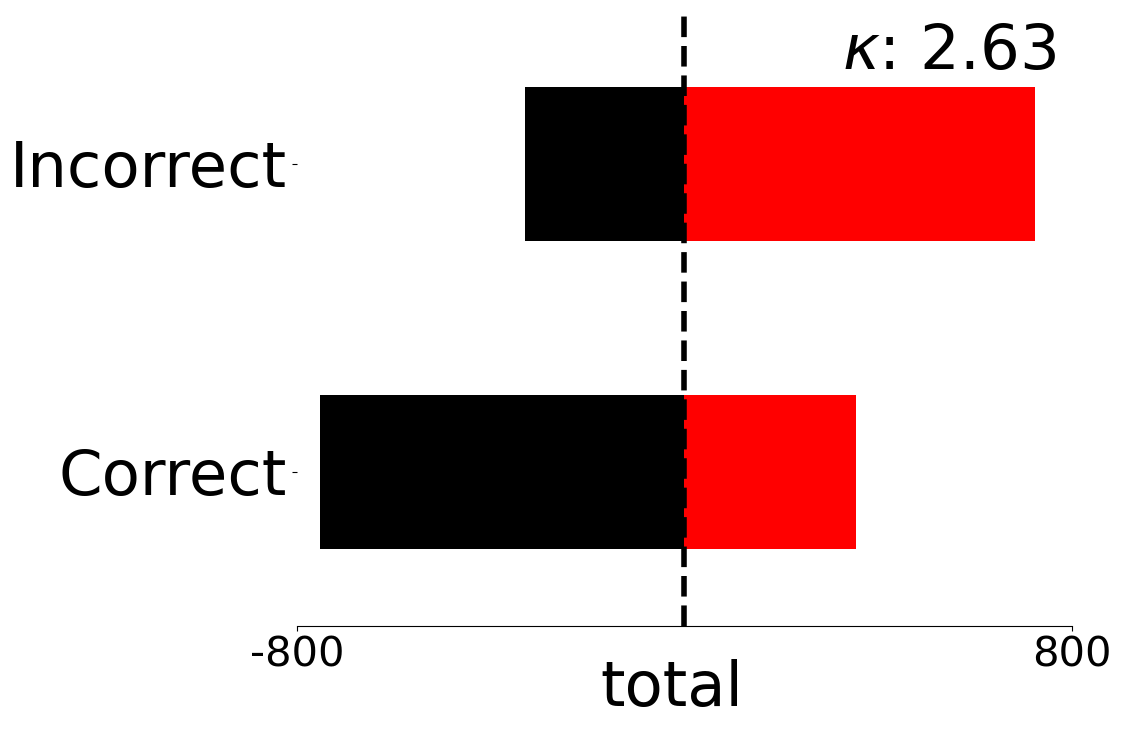
Lumpy Skin Disease (LSD) is a contagious viral infection that significantly deteriorates livestock health, thereby posing a serious threat to the global economy and food security. Owing to its rapid spread characteristics, early and precise identification is crucial to prevent outbreaks and ensure timely intervention. In this paper, we propose a hybrid deep learning-based approach called LUMPNet for the early detection of LSD. LUMPNet utilizes image data to detect and classify skin nodules -- the primary indicator of LSD. To this end, LUMPNet uses YOLOv11, EfficientNet-based CNN classifier with compound scaling, and a novel adaptive hybrid optimizer. More precisely, LUMPNet detects and localizes LSD skin nodules and lesions on cattle images. It exploits EfficientNet to classify the localized cattle images into LSD-affected or healthy categories. To stabilize and accelerate the training of YOLOv11 and EfficientNet hybrid model, a novel adaptive hybrid optimizer is proposed and utilized. We evaluate LUMPNet at various stages of LSD using a publicly available dataset. Results indicate that the proposed scheme achieves 99% LSD detection training accuracy, and outperforms existing schemes. The model also achieves validation accuracy of 98%. Moreover, for further evaluation, we conduct a case study using an optimized EfficientNet-B0 model trained with the AdamW optimizer, and compare its performance with LUMPNet. The results show that LUMPNet achieves superior performance.

paper research
Agentic Retoucher for Text-To-Image Generation

Agentic Retoucher for Text-To-Image Generation

Text-to-image (T2I) diffusion models such as SDXL and FLUX have achieved impressive photorealism, yet small-scale distortions remain pervasive in limbs, face, text and so on. Existing refinement approaches either perform costly iterative re-generation or rely on vision-language models (VLMs) with weak spatial grounding, leading to semantic drift and unreliable local edits. To close this gap, we propose Agentic Retoucher, a hierarchical decision-driven framework that reformulates post-generation correction as a human-like perception-reasoning-action loop. Specifically, we design (1) a perception agent that learns contextual saliency for fine-grained distortion localization under text-image consistency cues, (2) a reasoning agent that performs human-aligned inferential diagnosis via progressive preference alignment, and (3) an action agent that adaptively plans localized inpainting guided by user preference. This design integrates perceptual evidence, linguistic reasoning, and controllable correction into a unified, self-corrective decision process. To enable fine-grained supervision and quantitative evaluation, we further construct GenBlemish-27K, a dataset of 6K T2I images with 27K annotated artifact regions across 12 categories. Extensive experiments demonstrate that Agentic Retoucher consistently outperforms state-of-the-art methods in perceptual quality, distortion localization and human preference alignment, establishing a new paradigm for self-corrective and perceptually reliable T2I generation.

paper research
AI-Powered Deepfake Detection Using CNN and Vision Transformer Architectures

AI-Powered Deepfake Detection Using CNN and Vision Transformer Architectures

The increasing use of artificial intelligence generated deepfakes creates major challenges in maintaining digital authenticity. Four AI-based models, consisting of three CNNs and one Vision Transformer, were evaluated using large face image datasets. Data preprocessing and augmentation techniques improved model performance across different scenarios. VFDNET demonstrated superior accuracy with MobileNetV3, showing efficient performance, thereby demonstrating AI s capabilities for dependable deepfake detection.

paper research
Analyzing the Shopping Journey  Computing Shelf Browsing Visits in a Physical Retail Store

Analyzing the Shopping Journey Computing Shelf Browsing Visits in a Physical Retail Store

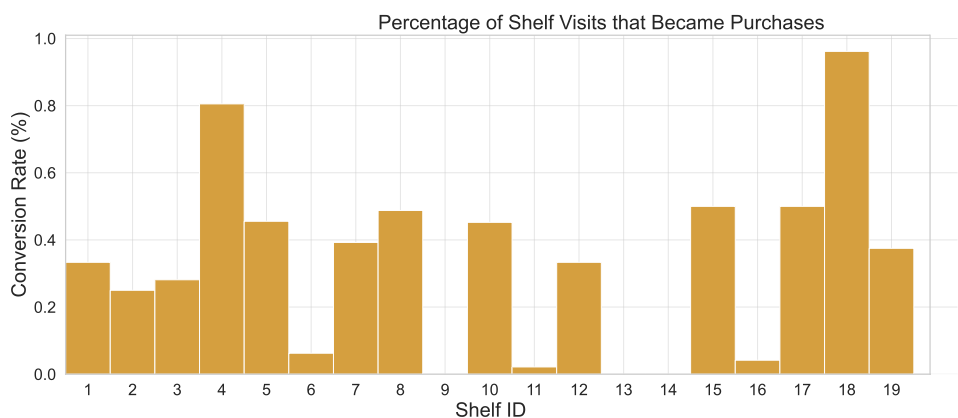
Motivated by recent challenges in the deployment of robots into customer-facing roles within retail, this work introduces a study of customer activity in physical stores as a step toward autonomous understanding of shopper intent. We introduce an algorithm that computes shoppers ``shelf visits -- capturing their browsing behavior in the store. Shelf visits are extracted from trajectories obtained via machine vision-based 3D tracking and overhead cameras. We perform two independent calibrations of the shelf visit algorithm, using distinct sets of trajectories (consisting of 8138 and 15129 trajectories), collected in different stores and labeled by human reviewers. The calibrated models are then evaluated on trajectories held out of the calibration process both from the same store on which calibration was performed and from the other store. An analysis of the results shows that the algorithm can recognize customers browsing activity when evaluated in an environment different from the one on which calibration was performed. We then use the model to analyze the customers ``browsing patterns on a large set of trajectories and their relation to actual purchases in the stores. Finally, we discuss how shelf browsing information could be used for retail planning and in the domain of human-robot interaction scenarios.

paper research
Application of deep learning techniques in non-contrast computed tomography pulmonary angiogram for pulmonary embolism diagnosis

Application of deep learning techniques in non-contrast computed tomography pulmonary angiogram for pulmonary embolism diagnosis

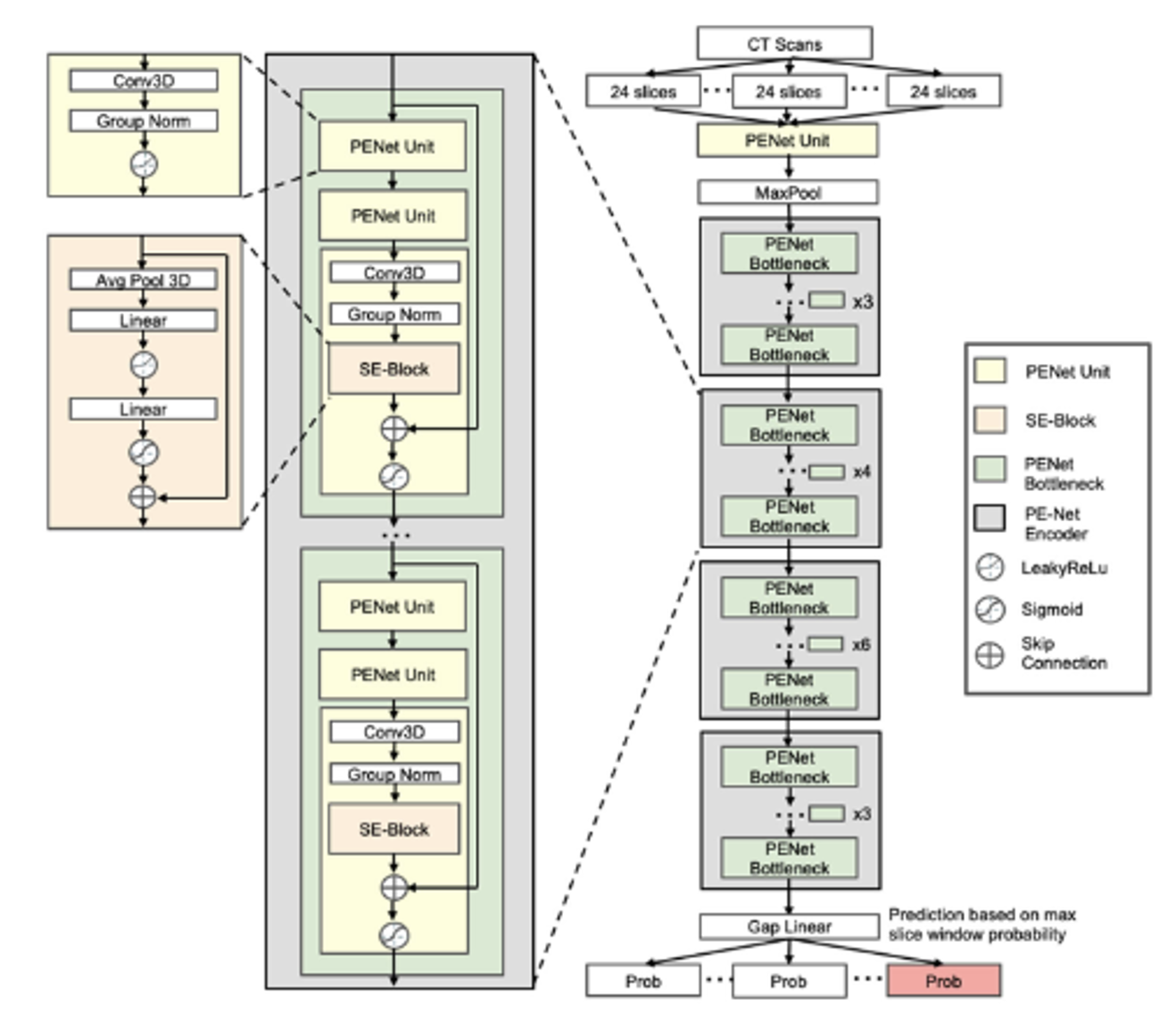
Pulmonary embolism is a life-threatening disease, early detection and treatment can significantly reduce mortality. In recent years, many studies have been using deep learning in the diagnosis of pulmonary embolism with contrast medium computed tomography pulmonary angiography, but the contrast medium is likely to cause acute kidney injury in patients with pulmonary embolism and chronic kidney disease, and the contrast medium takes time to work, patients with acute pulmonary embolism may miss the golden treatment time. This study aims to use deep learning techniques to automatically classify pulmonary embolism in CT images without contrast medium by using a 3D convolutional neural network model. The deep learning model used in this study had a significant impact on the pulmonary embolism classification of computed tomography images without contrast with 85 % accuracy and 0.84 AUC, which confirms the feasibility of the model in the diagnosis of pulmonary embolism.

paper research
CogFlow  Bridging Perception and Reasoning through Knowledge Internalization for Visual Mathematical Problem Solving

CogFlow Bridging Perception and Reasoning through Knowledge Internalization for Visual Mathematical Problem Solving

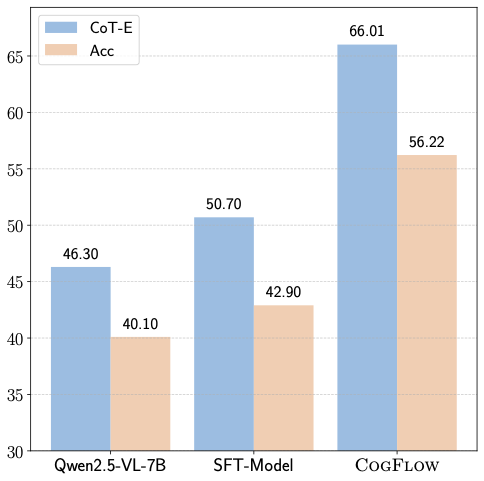
Despite significant progress, multimodal large language models continue to struggle with visual mathematical problem solving. Some recent works recognize that visual perception is a bottleneck in visual mathematical reasoning, but their solutions are limited to improving the extraction and interpretation of visual inputs. Notably, they all ignore the key issue of whether the extracted visual cues are faithfully integrated and properly utilized in subsequent reasoning. Motivated by this, we present CogFlow, a novel cognitive-inspired three-stage framework that incorporates a knowledge internalization stage, explicitly simulating the hierarchical flow of human reasoning perception$ Rightarrow$internalization$ Rightarrow$reasoning. Inline with this hierarchical flow, we holistically enhance all its stages. We devise Synergistic Visual Rewards to boost perception capabilities in parametric and semantic spaces, jointly improving visual information extraction from symbols and diagrams. To guarantee faithful integration of extracted visual cues into subsequent reasoning, we introduce a Knowledge Internalization Reward model in the internalization stage, bridging perception and reasoning. Moreover, we design a Visual-Gated Policy Optimization algorithm to further enforce the reasoning is grounded with the visual knowledge, preventing models seeking shortcuts that appear coherent but are visually ungrounded reasoning chains. Moreover, we contribute a new dataset MathCog for model training, which contains samples with over 120K high-quality perception-reasoning aligned annotations. Comprehensive experiments and analysis on commonly used visual mathematical reasoning benchmarks validate the superiority of the proposed CogFlow.

paper research
DarkEQA  Benchmarking Vision-Language Models for Embodied Question Answering in Low-Light Indoor Environments

DarkEQA Benchmarking Vision-Language Models for Embodied Question Answering in Low-Light Indoor Environments

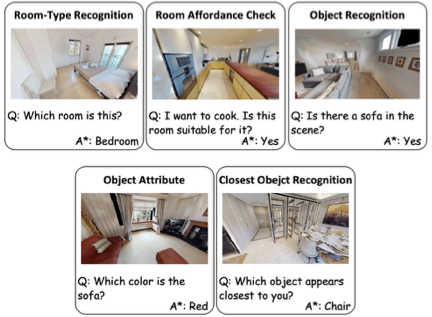
Vision Language Models (VLMs) are increasingly adopted as central reasoning modules for embodied agents. Existing benchmarks evaluate their capabilities under ideal, well-lit conditions, yet robust 24/7 operation demands performance under a wide range of visual degradations, including low-light conditions at night or in dark environments--a core necessity that has been largely overlooked. To address this underexplored challenge, we present DarkEQA, an open-source benchmark for evaluating EQA-relevant perceptual primitives under multi-level low-light conditions. DarkEQA isolates the perception bottleneck by evaluating question answering from egocentric observations under controlled degradations, enabling attributable robustness analysis. A key design feature of DarkEQA is its physical fidelity visual degradations are modeled in linear RAW space, simulating physics-based illumination drop and sensor noise followed by an ISP-inspired rendering pipeline. We demonstrate the utility of DarkEQA by evaluating a wide range of state-of-the-art VLMs and Low-Light Image Enhancement (LLIE) models. Our analysis systematically reveals VLMs limitations when operating under these challenging visual conditions. Project website https //darkeqa-benchmark.github.io/

paper research
Decoupling Amplitude and Phase Attention in Frequency Domain for RGB-Event based Visual Object Tracking

Decoupling Amplitude and Phase Attention in Frequency Domain for RGB-Event based Visual Object Tracking

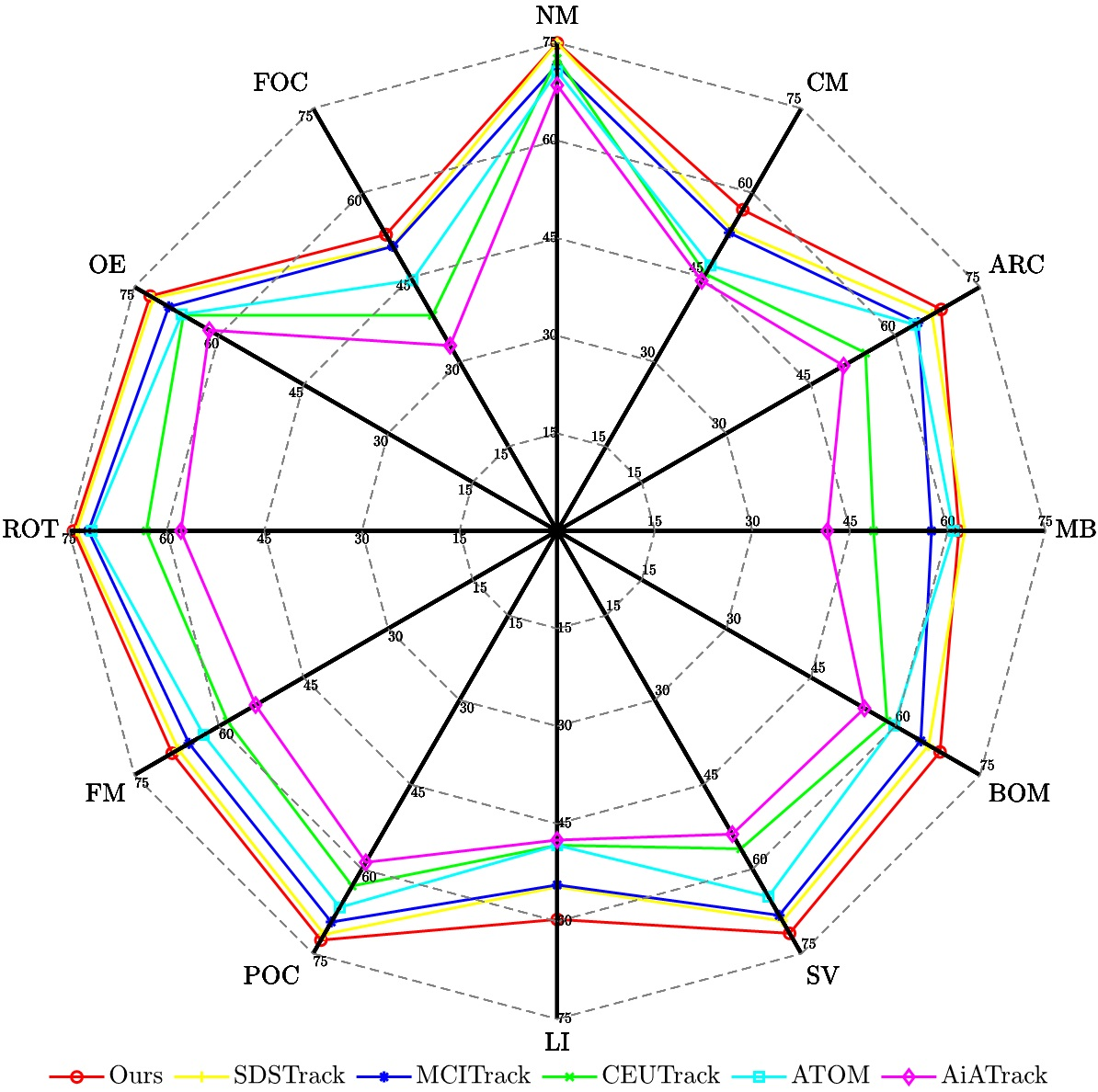
Existing RGB-Event visual object tracking approaches primarily rely on conventional feature-level fusion, failing to fully exploit the unique advantages of event cameras. In particular, the high dynamic range and motion-sensitive nature of event cameras are often overlooked, while low-information regions are processed uniformly, leading to unnecessary computational overhead for the backbone network. To address these issues, we propose a novel tracking framework that performs early fusion in the frequency domain, enabling effective aggregation of high-frequency information from the event modality. Specifically, RGB and event modalities are transformed from the spatial domain to the frequency domain via the Fast Fourier Transform, with their amplitude and phase components decoupled. High-frequency event information is selectively fused into RGB modality through amplitude and phase attention, enhancing feature representation while substantially reducing backbone computation. In addition, a motion-guided spatial sparsification module leverages the motion-sensitive nature of event cameras to capture the relationship between target motion cues and spatial probability distribution, filtering out low-information regions and enhancing target-relevant features. Finally, a sparse set of target-relevant features is fed into the backbone network for learning, and the tracking head predicts the final target position. Extensive experiments on three widely used RGB-Event tracking benchmark datasets, including FE108, FELT, and COESOT, demonstrate the high performance and efficiency of our method. The source code of this paper will be released on https //github.com/Event-AHU/OpenEvTracking

paper research
DeepInv  A Novel Self-supervised Learning Approach for Fast and Accurate Diffusion Inversion

DeepInv A Novel Self-supervised Learning Approach for Fast and Accurate Diffusion Inversion

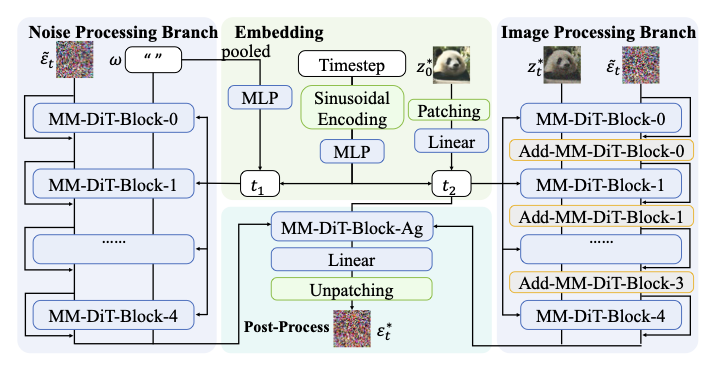
Diffusion inversion is a task of recovering the noise of an image in a diffusion model, which is vital for controllable diffusion image editing. At present, diffusion inversion still remains a challenging task due to the lack of viable supervision signals. Thus, most existing methods resort to approximation-based solutions, which however are often at the cost of performance or efficiency. To remedy these shortcomings, we propose a novel self-supervised diffusion inversion approach in this paper, termed Deep Inversion (DeepInv). Instead of requiring ground-truth noise annotations, we introduce a self-supervised objective as well as a data augmentation strategy to generate high-quality pseudo noises from real images without manual intervention. Based on these two innovative designs, DeepInv is also equipped with an iterative and multi-scale training regime to train a parameterized inversion solver, thereby achieving the fast and accurate image-to-noise mapping. To the best of our knowledge, this is the first attempt of presenting a trainable solver to predict inversion noise step by step. The extensive experiments show that our DeepInv can achieve much better performance and inference speed than the compared methods, e.g., +40.435% SSIM than EasyInv and +9887.5% speed than ReNoise on COCO dataset. Moreover, our careful designs of trainable solvers can also provide insights to the community. Codes and model parameters will be released in https //github.com/potato-kitty/DeepInv.

paper research
Detecting Performance Degradation under Data Shift in Pathology Vision-Language Model

Detecting Performance Degradation under Data Shift in Pathology Vision-Language Model

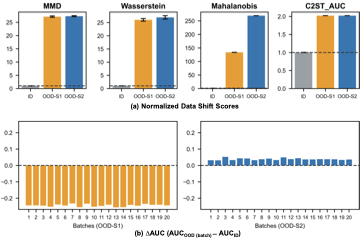
Vision-Language Models have demonstrated strong potential in medical image analysis and disease diagnosis. However, after deployment, their performance may deteriorate when the input data distribution shifts from that observed during development. Detecting such performance degradation is essential for clinical reliability, yet remains challenging for large pre-trained VLMs operating without labeled data. In this study, we investigate performance degradation detection under data shift in a state-of-the-art pathology VLM. We examine both input-level data shift and output-level prediction behavior to understand their respective roles in monitoring model reliability. To facilitate systematic analysis of input data shift, we develop DomainSAT, a lightweight toolbox with a graphical interface that integrates representative shift detection algorithms and enables intuitive exploration of data shift. Our analysis shows that while input data shift detection is effective at identifying distributional changes and providing early diagnostic signals, it does not always correspond to actual performance degradation. Motivated by this observation, we further study output-based monitoring and introduce a label-free, confidence-based degradation indicator that directly captures changes in model prediction confidence. We find that this indicator exhibits a close relationship with performance degradation and serves as an effective complement to input shift detection. Experiments on a large-scale pathology dataset for tumor classification demonstrate that combining input data shift detection and output confidence-based indicators enables more reliable detection and interpretation of performance degradation in VLMs under data shift. These findings provide a practical and complementary framework for monitoring the reliability of foundation models in digital pathology.

paper research
DrivingGen  A Comprehensive Benchmark for Generative Video World Models in Autonomous Driving

DrivingGen A Comprehensive Benchmark for Generative Video World Models in Autonomous Driving

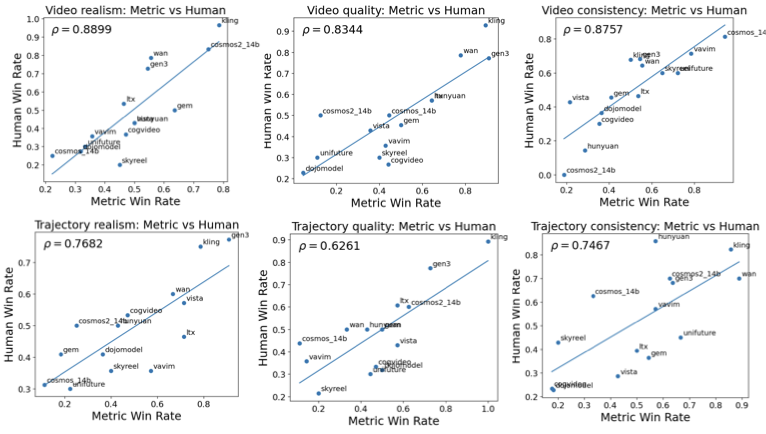
Video generation models, as one form of world models, have emerged as one of the most exciting frontiers in AI, promising agents the ability to imagine the future by modeling the temporal evolution of complex scenes. In autonomous driving, this vision gives rise to driving world models generative simulators that imagine ego and agent futures, enabling scalable simulation, safe testing of corner cases, and rich synthetic data generation. Yet, despite fast-growing research activity, the field lacks a rigorous benchmark to measure progress and guide priorities. Existing evaluations remain limited generic video metrics overlook safety-critical imaging factors; trajectory plausibility is rarely quantified; temporal and agent-level consistency is neglected; and controllability with respect to ego conditioning is ignored. Moreover, current datasets fail to cover the diversity of conditions required for real-world deployment. To address these gaps, we present DrivingGen, the first comprehensive benchmark for generative driving world models. DrivingGen combines a diverse evaluation dataset curated from both driving datasets and internet-scale video sources, spanning varied weather, time of day, geographic regions, and complex maneuvers, with a suite of new metrics that jointly assess visual realism, trajectory plausibility, temporal coherence, and controllability. Benchmarking 14 state-of-the-art models reveals clear trade-offs general models look better but break physics, while driving-specific ones capture motion realistically but lag in visual quality. DrivingGen offers a unified evaluation framework to foster reliable, controllable, and deployable driving world models, enabling scalable simulation, planning, and data-driven decision-making.

paper research
EgoGrasp  World-Space Hand-Object Interaction Estimation from Egocentric Videos

EgoGrasp World-Space Hand-Object Interaction Estimation from Egocentric Videos

We propose EgoGrasp, the first method to reconstruct world-space hand-object interactions (W-HOI) from egocentric monocular videos with dynamic cameras in the wild. Accurate W-HOI reconstruction is critical for understanding human behavior and enabling applications in embodied intelligence and virtual reality. However, existing hand-object interactions (HOI) methods are limited to single images or camera coordinates, failing to model temporal dynamics or consistent global trajectories. Some recent approaches attempt world-space hand estimation but overlook object poses and HOI constraints. Their performance also suffers under severe camera motion and frequent occlusions common in egocentric in-the-wild videos. To address these challenges, we introduce a multi-stage framework with a robust pre-process pipeline built on newly developed spatial intelligence models, a whole-body HOI prior model based on decoupled diffusion models, and a multi-objective test-time optimization paradigm. Our HOI prior model is template-free and scalable to multiple objects. In experiments, we prove our method achieving state-of-the-art performance in W-HOI reconstruction.

paper research
Enhancing Histopathological Image Classification via Integrated HOG and Deep Features with Robust Noise Performance

Enhancing Histopathological Image Classification via Integrated HOG and Deep Features with Robust Noise Performance

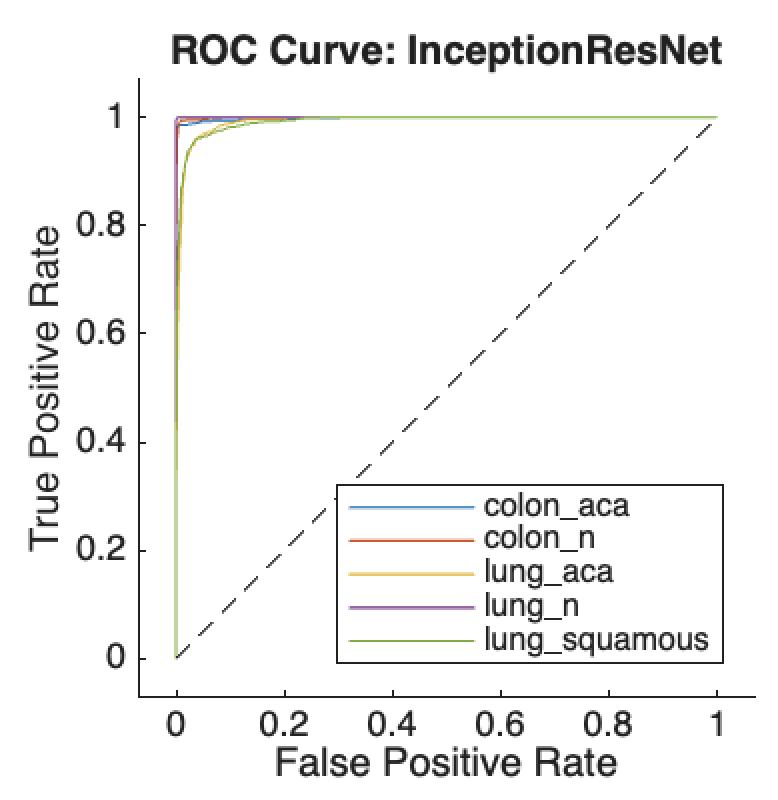
The era of digital pathology has advanced histopathological examinations, making automated image analysis essential in clinical practice. This study evaluates the classification performance of machine learning and deep learning models on the LC25000 dataset, which includes five classes of histopathological images. We used the fine-tuned InceptionResNet-v2 network both as a classifier and for feature extraction. Our results show that the fine-tuned InceptionResNet-v2 achieved a classification accuracy of 96.01 % and an average AUC of 96.8 %. Models trained on deep features from InceptionResNet-v2 outperformed those using only the pre-trained network, with the Neural Network model achieving an AUC of 99.99 % and accuracy of 99.84 %. Evaluating model robustness under varying SNR conditions revealed that models using deep features exhibited greater resilience, particularly GBM and KNN. The combination of HOG and deep features showed enhanced performance, however, less so in noisy environments.

paper research
Enhancing Object Detection with Privileged Information  A Model-Agnostic Teacher-Student Approach

Enhancing Object Detection with Privileged Information A Model-Agnostic Teacher-Student Approach

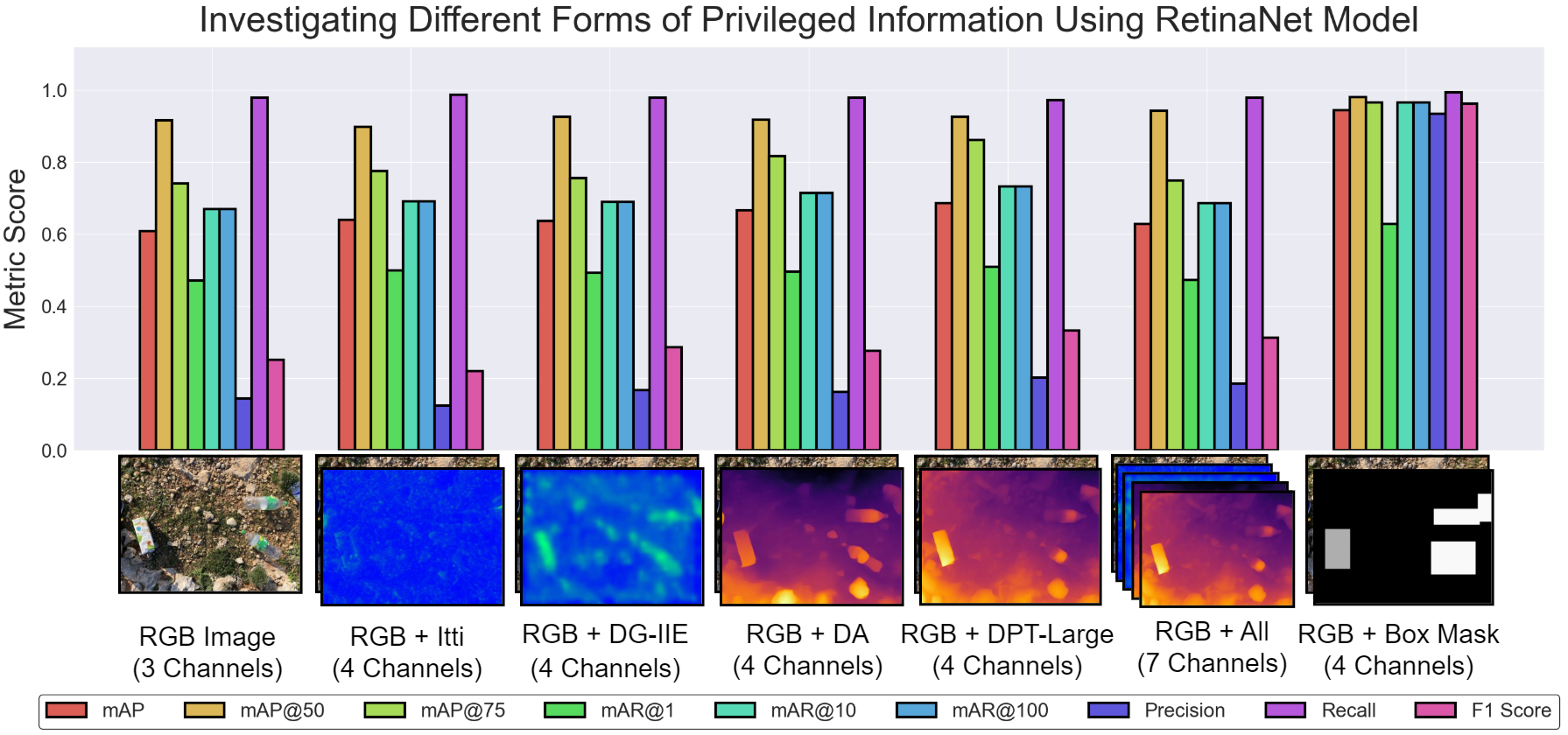
This paper investigates the integration of the Learning Using Privileged Information (LUPI) paradigm in object detection to exploit fine-grained, descriptive information available during training but not at inference. We introduce a general, model-agnostic methodology for injecting privileged information-such as bounding box masks, saliency maps, and depth cues-into deep learning-based object detectors through a teacher-student architecture. Experiments are conducted across five state-of-the-art object detection models and multiple public benchmarks, including UAV-based litter detection datasets and Pascal VOC 2012, to assess the impact on accuracy, generalization, and computational efficiency. Our results demonstrate that LUPI-trained students consistently outperform their baseline counterparts, achieving significant boosts in detection accuracy with no increase in inference complexity or model size. Performance improvements are especially marked for medium and large objects, while ablation studies reveal that intermediate weighting of teacher guidance optimally balances learning from privileged and standard inputs. The findings affirm that the LUPI framework provides an effective and practical strategy for advancing object detection systems in both resource-constrained and real-world settings.

paper research
EscherVerse  An Open World Benchmark and Dataset for Teleo-Spatial Intelligence with Physical-Dynamic and Intent-Driven Understanding

EscherVerse An Open World Benchmark and Dataset for Teleo-Spatial Intelligence with Physical-Dynamic and Intent-Driven Understanding

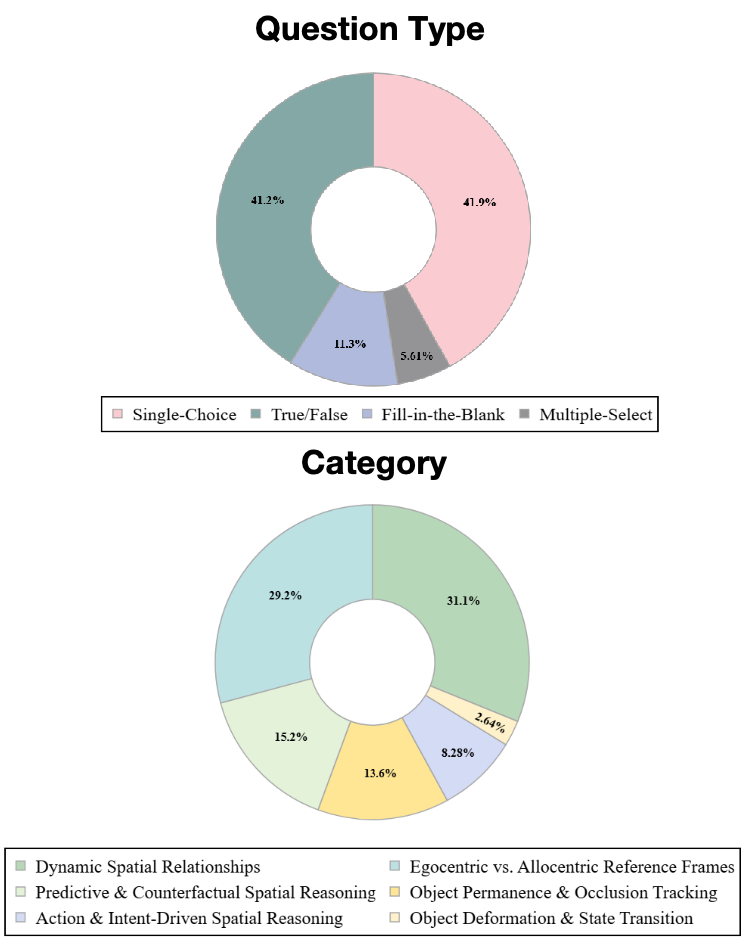
The ability to reason about spatial dynamics is a cornerstone of intelligence, yet current research overlooks the human intent behind spatial changes. To address these limitations, we introduce Teleo-Spatial Intelligence (TSI), a new paradigm that unifies two critical pillars Physical-Dynamic Reasoning--understanding the physical principles of object interactions--and Intent-Driven Reasoning--inferring the human goals behind these actions. To catalyze research in TSI, we present EscherVerse, consisting of a large-scale, open-world benchmark (Escher-Bench), a dataset (Escher-35k), and models (Escher series). Derived from real-world videos, EscherVerse moves beyond constrained settings to explicitly evaluate an agent s ability to reason about object permanence, state transitions, and trajectory prediction in dynamic, human-centric scenarios. Crucially, it is the first benchmark to systematically assess Intent-Driven Reasoning, challenging models to connect physical events to their underlying human purposes. Our work, including a novel data curation pipeline, provides a foundational resource to advance spatial intelligence from passive scene description toward a holistic, purpose-driven understanding of the world.

paper research
Evaluating Contextual Intelligence in Recyclability  A Comprehensive Study of Image-Based Reasoning Systems

Evaluating Contextual Intelligence in Recyclability A Comprehensive Study of Image-Based Reasoning Systems

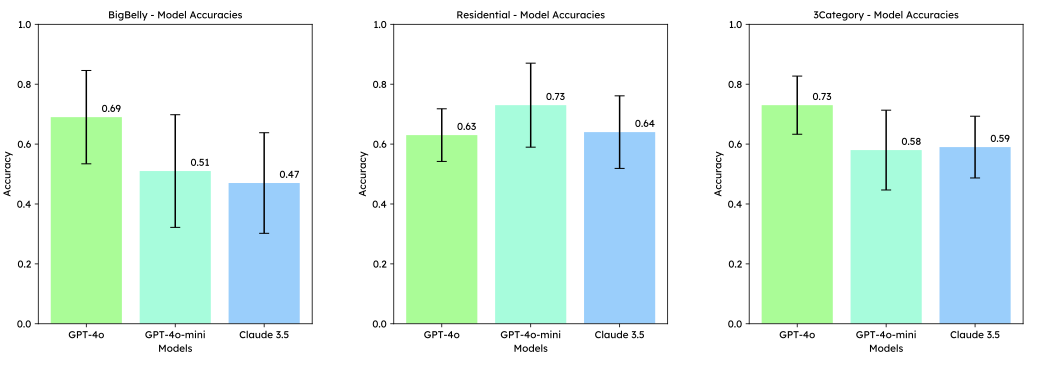
While the importance of efficient recycling is widely acknowledged, accurately determining the recyclability of items and their proper disposal remains a complex task for the general public. In this study, we explore the application of cutting-edge vision-language models (GPT-4o, GPT-4o-mini, and Claude 3.5) for predicting the recyclability of commonly disposed items. Utilizing a curated dataset of images, we evaluated the models ability to match objects to appropriate recycling bins, including assessing whether the items could physically fit into the available bins. Additionally, we investigated the models performance across several challenging scenarios (i) adjusting predictions based on location-specific recycling guidelines; (ii) accounting for contamination or structural damage; and (iii) handling objects composed of multiple materials. Our findings highlight the significant advancements in contextual understanding offered by these models compared to previous iterations, while also identifying areas where they still fall short. The continued refinement of context-aware models is crucial for enhancing public recycling practices and advancing environmental sustainability.

paper research
Evaluating the Impact of Compression Techniques on the Robustness of CNNs under Natural Corruptions

Evaluating the Impact of Compression Techniques on the Robustness of CNNs under Natural Corruptions

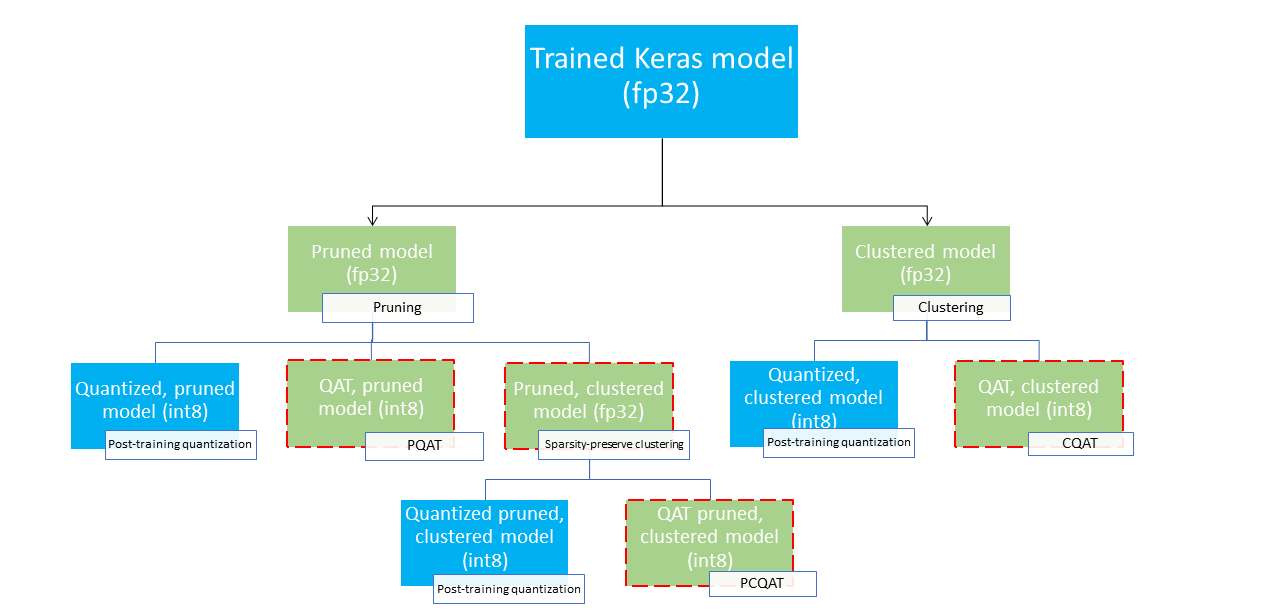
Compressed deep learning models are crucial for deploying computer vision systems on resource-constrained devices. However, model compression may affect robustness, especially under natural corruption. Therefore, it is important to consider robustness evaluation while validating computer vision systems. This paper presents a comprehensive evaluation of compression techniques - quantization, pruning, and weight clustering applied individually and in combination to convolutional neural networks (ResNet-50, VGG-19, and MobileNetV2). Using the CIFAR-10-C and CIFAR 100-C datasets, we analyze the trade-offs between robustness, accuracy, and compression ratio. Our results show that certain compression strategies not only preserve but can also improve robustness, particularly on networks with more complex architectures. Utilizing multiobjective assessment, we determine the best configurations, showing that customized technique combinations produce beneficial multi-objective results. This study provides insights into selecting compression methods for robust and efficient deployment of models in corrupted real-world environments.

paper research
Evolving CNN Architectures  From Custom Designs to Deep Residual Models for Diverse Image Classification and Detection Tasks

Evolving CNN Architectures From Custom Designs to Deep Residual Models for Diverse Image Classification and Detection Tasks

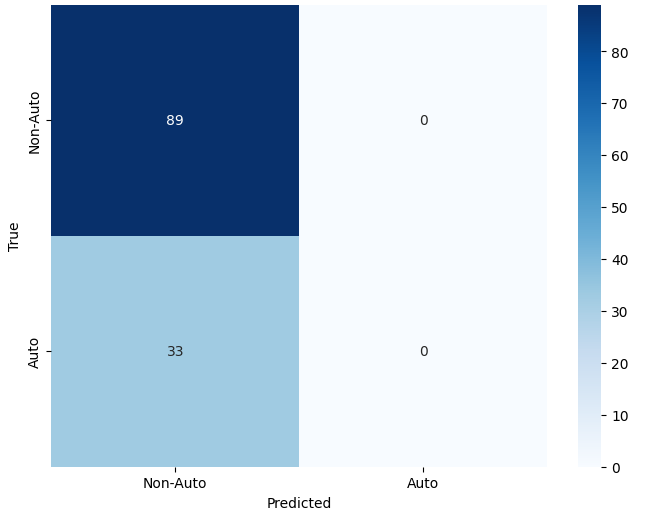
This paper presents a comparative study of a custom convolutional neural network (CNN) architecture against widely used pretrained and transfer learning CNN models across five real-world image datasets. The datasets span binary classification, fine-grained multiclass recognition, and object detection scenarios. We analyze how architectural factors, such as network depth, residual connections, and feature extraction strategies, influence classification and localization performance. The results show that deeper CNN architectures provide substantial performance gains on fine-grained multiclass datasets, while lightweight pretrained and transfer learning models remain highly effective for simpler binary classification tasks. Additionally, we extend the proposed architecture to an object detection setting, demonstrating its adaptability in identifying unauthorized auto-rickshaws in real-world traffic scenes. Building upon a systematic analysis of custom CNN architectures alongside pretrained and transfer learning models, this study provides practical guidance for selecting suitable network designs based on task complexity and resource constraints.

paper research
Evolving, Not Training  Zero-Shot Reasoning Segmentation via Evolutionary Prompting

Evolving, Not Training Zero-Shot Reasoning Segmentation via Evolutionary Prompting

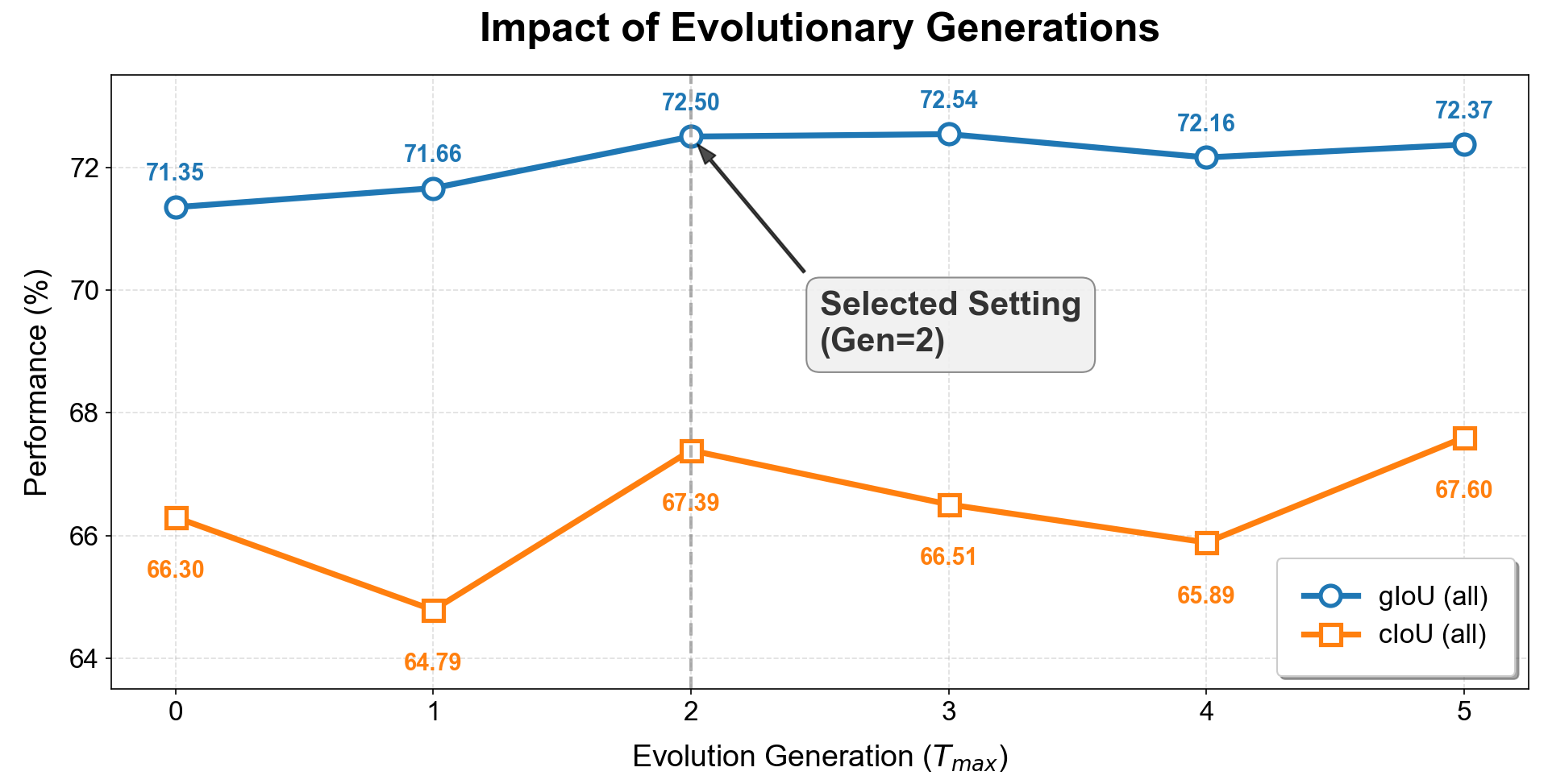
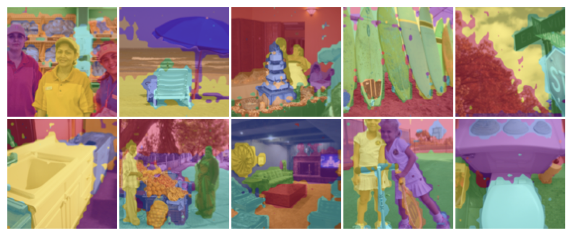
Reasoning Segmentation requires models to interpret complex, context-dependent linguistic queries to achieve pixel-level localization. Current dominant approaches rely heavily on Supervised Fine-Tuning (SFT) or Reinforcement Learning (RL). However, SFT suffers from catastrophic forgetting and domain dependency, while RL is often hindered by training instability and rigid reliance on predefined reward functions. Although recent training-free methods circumvent these training burdens, they are fundamentally limited by a static inference paradigm. These methods typically rely on a single-pass generate-then-segment chain, which suffers from insufficient reasoning depth and lacks the capability to self-correct linguistic hallucinations or spatial misinterpretations. In this paper, we challenge these limitations and propose EVOL-SAM3, a novel zero-shot framework that reformulates reasoning segmentation as an inference-time evolutionary search process. Instead of relying on a fixed prompt, EVOL-SAM3 maintains a population of prompt hypotheses and iteratively refines them through a Generate-Evaluate-Evolve loop. We introduce a Visual Arena to assess prompt fitness via reference-free pairwise tournaments, and a Semantic Mutation operator to inject diversity and correct semantic errors. Furthermore, a Heterogeneous Arena module integrates geometric priors with semantic reasoning to ensure robust final selection. Extensive experiments demonstrate that EVOL-SAM3 not only substantially outperforms static baselines but also significantly surpasses fully supervised state-of-the-art methods on the challenging ReasonSeg benchmark in a zero-shot setting. The code is available at https //github.com/AHideoKuzeA/Evol-SAM3.

paper research
F2IDiff  Real-world Image Super-resolution using Feature to Image Diffusion Foundation Model

F2IDiff Real-world Image Super-resolution using Feature to Image Diffusion Foundation Model

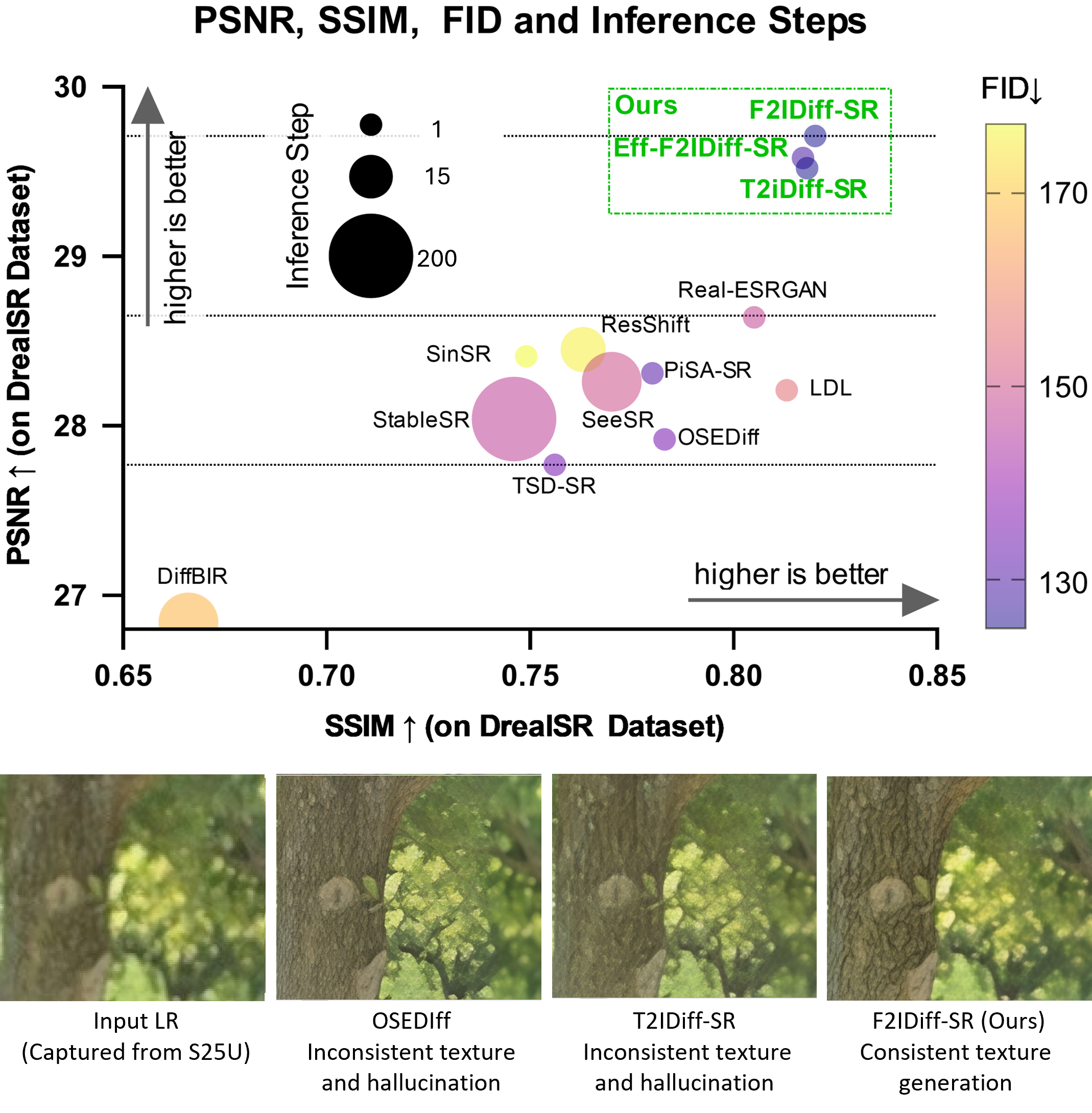
With the advent of Generative AI, Single Image Super-Resolution (SISR) quality has seen substantial improvement, as the strong priors learned by Text-2-Image Diffusion (T2IDiff) Foundation Models (FM) can bridge the gap between High-Resolution (HR) and Low-Resolution (LR) images. However, flagship smartphone cameras have been slow to adopt generative models because strong generation can lead to undesirable hallucinations. For substantially degraded LR images, as seen in academia, strong generation is required and hallucinations are more tolerable because of the wide gap between LR and HR images. In contrast, in consumer photography, the LR image has substantially higher fidelity, requiring only minimal hallucination-free generation. We hypothesize that generation in SISR is controlled by the stringency and richness of the FM s conditioning feature. First, text features are high level features, which often cannot describe subtle textures in an image. Additionally, Smartphone LR images are at least $12MP$, whereas SISR networks built on T2IDiff FM are designed to perform inference on much smaller images ($<1MP$). As a result, SISR inference has to be performed on small patches, which often cannot be accurately described by text feature. To address these shortcomings, we introduce an SISR network built on a FM with lower-level feature conditioning, specifically DINOv2 features, which we call a Feature-to-Image Diffusion (F2IDiff) Foundation Model (FM). Lower level features provide stricter conditioning while being rich descriptors of even small patches.

paper research
FALCON  Few-Shot Adversarial Learning for Cross-Domain Medical Image Segmentation

FALCON Few-Shot Adversarial Learning for Cross-Domain Medical Image Segmentation

Precise delineation of anatomical and pathological structures within 3D medical volumes is crucial for accurate diagnosis, effective surgical planning, and longitudinal disease monitoring. Despite advancements in AI, clinically viable segmentation is often hindered by the scarcity of 3D annotations, patient-specific variability, data privacy concerns, and substantial computational overhead. In this work, we propose FALCON, a cross-domain few-shot segmentation framework that achieves high-precision 3D volume segmentation by processing data as 2D slices. The framework is first meta-trained on natural images to learn-to-learn generalizable segmentation priors, then transferred to the medical domain via adversarial fine-tuning and boundary-aware learning. Task-aware inference, conditioned on support cues, allows FALCON to adapt dynamically to patient-specific anatomical variations across slices. Experiments on four benchmarks demonstrate that FALCON consistently achieves the lowest Hausdorff Distance scores, indicating superior boundary accuracy while maintaining a Dice Similarity Coefficient comparable to the state-of-the-art models. Notably, these results are achieved with significantly less labeled data, no data augmentation, and substantially lower computational overhead.

paper research
HaineiFRDM  Exploring Diffusion for Restoring Defects in High-Speed Films

HaineiFRDM Exploring Diffusion for Restoring Defects in High-Speed Films

Existing open-source film restoration methods show limited performance compared to commercial methods due to training with low-quality synthetic data and employing noisy optical flows. In addition, high-resolution films have not been explored by the open-source methods.We propose HaineiFRDM(Film Restoration Diffusion Model), a film restoration framework, to explore diffusion model s powerful content-understanding ability to help human expert better restore indistinguishable film defects.Specifically, we employ a patch-wise training and testing strategy to make restoring high-resolution films on one 24GB-VRAMR GPU possible and design a position-aware Global Prompt and Frame Fusion Modules.Also, we introduce a global-local frequency module to reconstruct consistent textures among different patches. Besides, we firstly restore a low-resolution result and use it as global residual to mitigate blocky artifacts caused by patching process.Furthermore, we construct a film restoration dataset that contains restored real-degraded films and realistic synthetic data.Comprehensive experimental results conclusively demonstrate the superiority of our model in defect restoration ability over existing open-source methods. Code and the dataset will be released.

paper research
Improved Object-Centric Diffusion Learning with Registers and Contrastive Alignment

Improved Object-Centric Diffusion Learning with Registers and Contrastive Alignment

Slot Attention (SA) with pretrained diffusion models has recently shown promise for object-centric learning (OCL), but suffers from slot entanglement and weak alignment between object slots and image content. We propose Contrastive Object-centric Diffusion Alignment (CODA), a simple extension that (i) employs register slots to absorb residual attention and reduce interference between object slots, and (ii) applies a contrastive alignment loss to explicitly encourage slot-image correspondence. The resulting training objective serves as a tractable surrogate for maximizing mutual information (MI) between slots and inputs, strengthening slot representation quality. On both synthetic (MOVi-C/E) and real-world datasets (VOC, COCO), CODA improves object discovery (e.g., +6.1% FG-ARI on COCO), property prediction, and compositional image generation over strong baselines. Register slots add negligible overhead, keeping CODA efficient and scalable. These results indicate potential applications of CODA as an effective framework for robust OCL in complex, real-world scenes.

paper research
ITSELF  Attention Guided Fine-Grained Alignment for Vision-Language Retrieval

ITSELF Attention Guided Fine-Grained Alignment for Vision-Language Retrieval

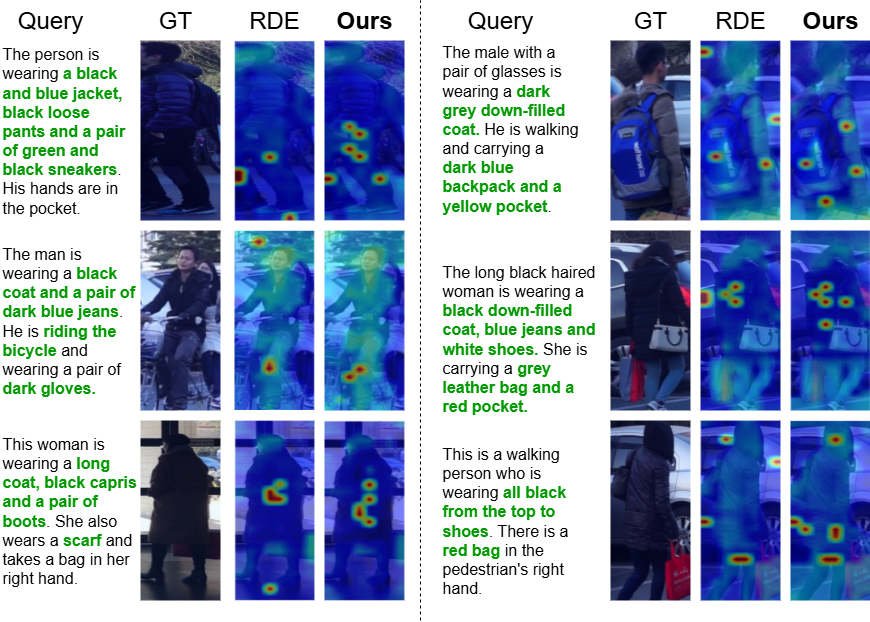
Vision Language Models (VLMs) have rapidly advanced and show strong promise for text-based person search (TBPS), a task that requires capturing fine-grained relationships between images and text to distinguish individuals. Previous methods address these challenges through local alignment, yet they are often prone to shortcut learning and spurious correlations, yielding misalignment. Moreover, injecting prior knowledge can distort intra-modality structure. Motivated by our finding that encoder attention surfaces spatially precise evidence from the earliest training epochs, and to alleviate these issues, we introduceITSELF, an attention-guided framework for implicit local alignment. At its core, Guided Representation with Attentive Bank (GRAB) converts the model s own attention into an Attentive Bank of high-saliency tokens and applies local objectives on this bank, learning fine-grained correspondences without extra supervision. To make the selection reliable and non-redundant, we introduce Multi-Layer Attention for Robust Selection (MARS), which aggregates attention across layers and performs diversity-aware top-k selection; and Adaptive Token Scheduler (ATS), which schedules the retention budget from coarse to fine over training, preserving context early while progressively focusing on discriminative details. Extensive experiments on three widely used TBPS benchmarks showstate-of-the-art performance and strong cross-dataset generalization, confirming the effectiveness and robustness of our approach without additional prior supervision. Our project is publicly available at https //trhuuloc.github.io/itself

paper research
LinMU  Simplifying Multimodal Understanding with Linearization

LinMU Simplifying Multimodal Understanding with Linearization

Modern Vision-Language Models (VLMs) achieve impressive performance but are limited by the quadratic complexity of self-attention, which prevents their deployment on edge devices and makes their understanding of high-resolution images and long-context videos prohibitively expensive. To address this challenge, we introduce LinMU (Linear-complexity Multimodal Understanding), a VLM design that achieves linear complexity without using any quadratic-complexity modules while maintaining the performance of global-attention-based VLMs. LinMU replaces every self-attention layer in the VLM with the M-MATE block a dual-branch module that combines a bidirectional state-space model for global context (Flex-MA branch) with localized Swin-style window attention (Local-Swin branch) for adjacent correlations. To transform a pre-trained VLM into the LinMU architecture, we propose a three-stage distillation framework that (i) initializes both branches with self-attention weights and trains the Flex-MA branch alone, (ii) unfreezes the Local-Swin branch and fine-tunes it jointly with the Flex-MA branch, and (iii) unfreezes the remaining blocks and fine-tunes them using LoRA adapters, while regressing on hidden states and token-level logits of the frozen VLM teacher. On MMMU, TextVQA, LongVideoBench, Video-MME, and other benchmarks, LinMU matches the performance of teacher models, yet reduces Time-To-First-Token (TTFT) by up to 2.7$ times$ and improves token throughput by up to 9.0$ times$ on minute-length videos. Ablations confirm the importance of each distillation stage and the necessity of the two branches of the M-MATE block. The proposed framework demonstrates that state-of-the-art multimodal reasoning can be achieved without quadratic attention, thus opening up avenues for long-context VLMs that can deal with high-resolution images and long videos.

paper research
Luminark  Training-free, Probabilistically-Certified Watermarking for General Vision Generative Models

Luminark Training-free, Probabilistically-Certified Watermarking for General Vision Generative Models

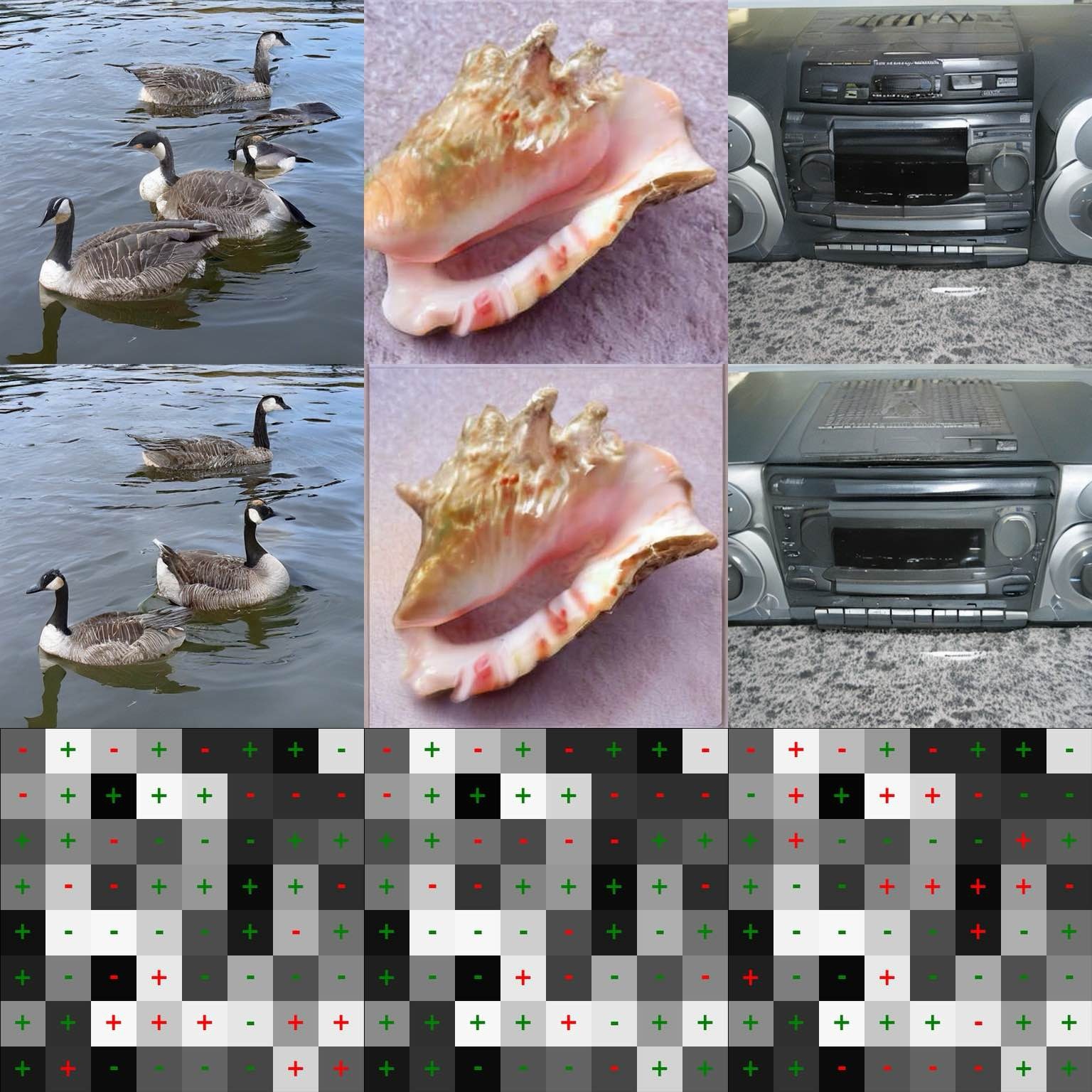
In this paper, we introduce emph{Luminark}, a training-free and probabilistically-certified watermarking method for general vision generative models. Our approach is built upon a novel watermark definition that leverages patch-level luminance statistics. Specifically, the service provider predefines a binary pattern together with corresponding patch-level thresholds. To detect a watermark in a given image, we evaluate whether the luminance of each patch surpasses its threshold and then verify whether the resulting binary pattern aligns with the target one. A simple statistical analysis demonstrates that the false positive rate of the proposed method can be effectively controlled, thereby ensuring certified detection. To enable seamless watermark injection across different paradigms, we leverage the widely adopted guidance technique as a plug-and-play mechanism and develop the emph{watermark guidance}. This design enables Luminark to achieve generality across state-of-the-art generative models without compromising image quality. Empirically, we evaluate our approach on nine models spanning diffusion, autoregressive, and hybrid frameworks. Across all evaluations, Luminark consistently demonstrates high detection accuracy, strong robustness against common image transformations, and good performance on visual quality.

paper research
Noise-Robust Tiny Object Localization with Flows

Noise-Robust Tiny Object Localization with Flows

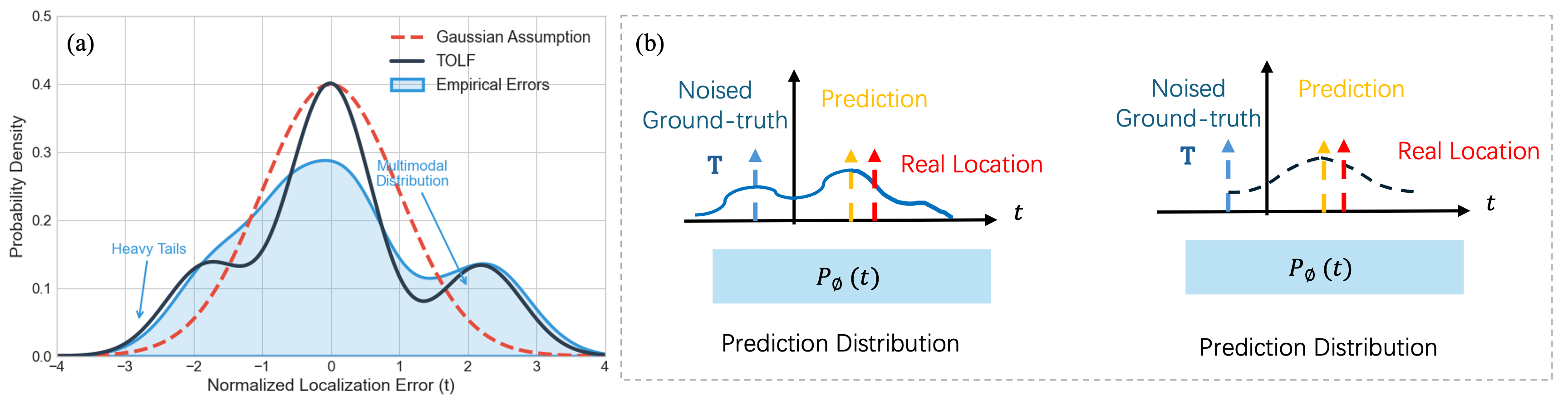
Despite significant advances in generic object detection, a persistent performance gap remains for tiny objects compared to normal-scale objects. We demonstrate that tiny objects are highly sensitive to annotation noise, where optimizing strict localization objectives risks noise overfitting. To address this, we propose Tiny Object Localization with Flows (TOLF), a noise-robust localization framework leveraging normalizing flows for flexible error modeling and uncertainty-guided optimization. Our method captures complex, non-Gaussian prediction distributions through flow-based error modeling, enabling robust learning under noisy supervision. An uncertainty-aware gradient modulation mechanism further suppresses learning from high-uncertainty, noise-prone samples, mitigating overfitting while stabilizing training. Extensive experiments across three datasets validate our approach s effectiveness. Especially, TOLF boosts the DINO baseline by 1.2% AP on the AI-TOD dataset.

paper research
PathoSyn  Imaging-Pathology MRI Synthesis via Disentangled Deviation Diffusion

PathoSyn Imaging-Pathology MRI Synthesis via Disentangled Deviation Diffusion

We present PathoSyn, a unified generative framework for Magnetic Resonance Imaging (MRI) image synthesis that reformulates imaging-pathology as a disentangled additive deviation on a stable anatomical manifold. Current generative models typically operate in the global pixel domain or rely on binary masks, these paradigms often suffer from feature entanglement, leading to corrupted anatomical substrates or structural discontinuities. PathoSyn addresses these limitations by decomposing the synthesis task into deterministic anatomical reconstruction and stochastic deviation modeling. Central to our framework is a Deviation-Space Diffusion Model designed to learn the conditional distribution of pathological residuals, thereby capturing localized intensity variations while preserving global structural integrity by construction. To ensure spatial coherence, the diffusion process is coupled with a seam-aware fusion strategy and an inference-time stabilization module, which collectively suppress boundary artifacts and produce high-fidelity internal lesion heterogeneity. PathoSyn provides a mathematically principled pipeline for generating high-fidelity patient-specific synthetic datasets, facilitating the development of robust diagnostic algorithms in low-data regimes. By allowing interpretable counterfactual disease progression modeling, the framework supports precision intervention planning and provides a controlled environment for benchmarking clinical decision-support systems. Quantitative and qualitative evaluations on tumor imaging benchmarks demonstrate that PathoSyn significantly outperforms holistic diffusion and mask-conditioned baselines in both perceptual realism and anatomical fidelity. The source code of this work will be made publicly available.

paper research
RefSR-Adv  Adversarial Attack on Reference-based Image Super-Resolution Models

RefSR-Adv Adversarial Attack on Reference-based Image Super-Resolution Models

Single Image Super-Resolution (SISR) aims to recover high-resolution images from low-resolution inputs. Unlike SISR, Reference-based Super-Resolution (RefSR) leverages an additional high-resolution reference image to facilitate the recovery of high-frequency textures. However, existing research mainly focuses on backdoor attacks targeting RefSR, while the vulnerability of the adversarial attacks targeting RefSR has not been fully explored. To fill this research gap, we propose RefSR-Adv, an adversarial attack that degrades SR outputs by perturbing only the reference image. By maximizing the difference between adversarial and clean outputs, RefSR-Adv induces significant performance degradation and generates severe artifacts across CNN, Transformer, and Mamba architectures on the CUFED5, WR-SR, and DRefSR datasets. Importantly, experiments confirm a positive correlation between the similarity of the low-resolution input and the reference image and attack effectiveness, revealing that the model s over-reliance on reference features is a key security flaw. This study reveals a security vulnerability in RefSR systems, aiming to urge researchers to pay attention to the robustness of RefSR.

paper research
Remote Sensing Change Detection via Weak Temporal Supervision

Remote Sensing Change Detection via Weak Temporal Supervision

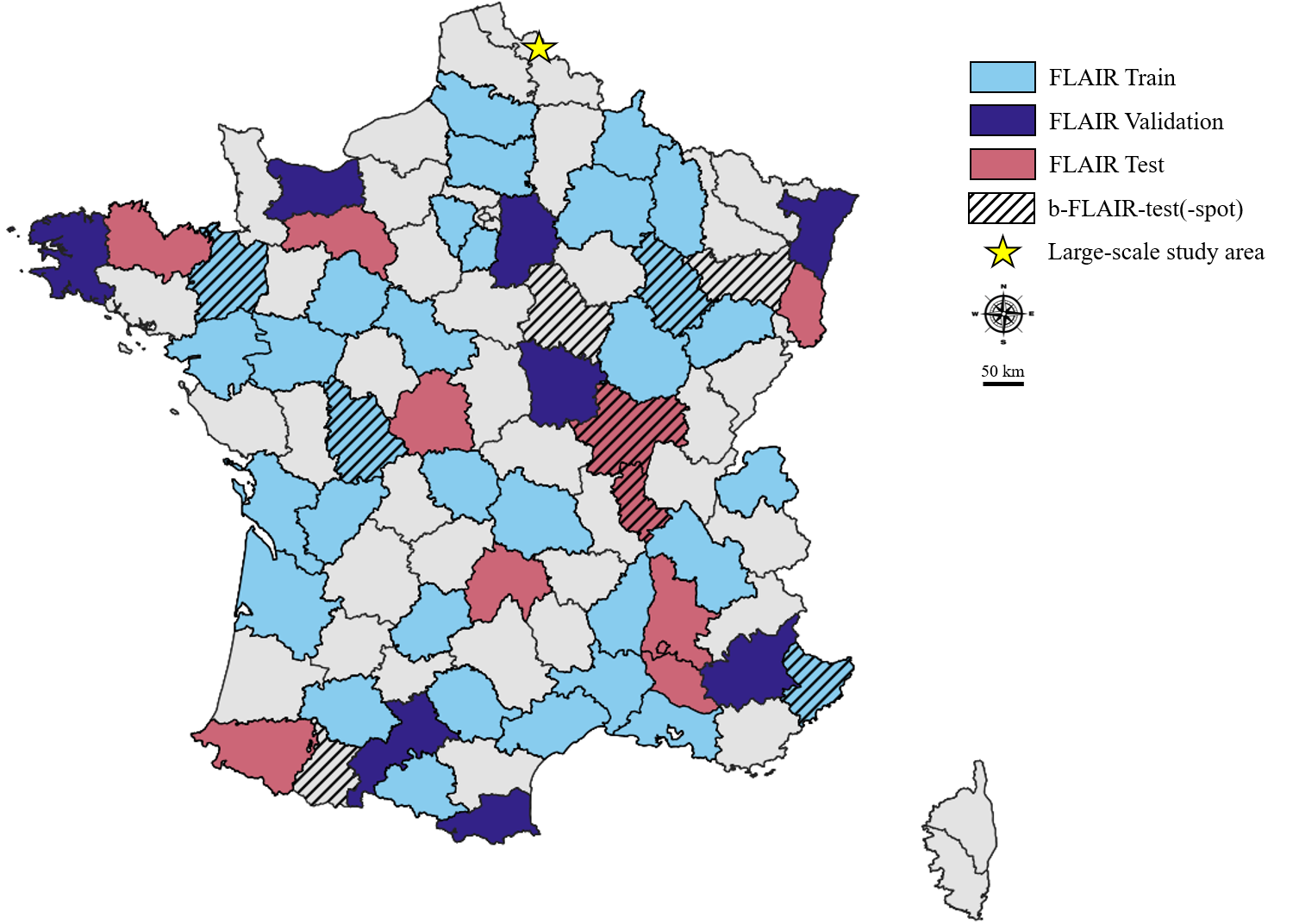
Semantic change detection in remote sensing aims to identify land cover changes between bi-temporal image pairs. Progress in this area has been limited by the scarcity of annotated datasets, as pixel-level annotation is costly and time-consuming. To address this, recent methods leverage synthetic data or generate artificial change pairs, but out-of-domain generalization remains limited. In this work, we introduce a weak temporal supervision strategy that leverages additional temporal observations of existing single-temporal datasets, without requiring any new annotations. Specifically, we extend single-date remote sensing datasets with new observations acquired at different times and train a change detection model by assuming that real bi-temporal pairs mostly contain no change, while pairing images from different locations to generate change examples. To handle the inherent noise in these weak labels, we employ an object-aware change map generation and an iterative refinement process. We validate our approach on extended versions of the FLAIR and IAILD aerial datasets, achieving strong zero-shot and low-data regime performance across different benchmarks. Lastly, we showcase results over large areas in France, highlighting the scalability potential of our method.

paper research
Slot-ID  Identity-Preserving Video Generation from Reference Videos via Slot-Based Temporal Identity Encoding

Slot-ID Identity-Preserving Video Generation from Reference Videos via Slot-Based Temporal Identity Encoding

Producing prompt-faithful videos that preserve a user-specified identity remains challenging models need to extrapolate facial dynamics from sparse reference while balancing the tension between identity preservation and motion naturalness. Conditioning on a single image completely ignores the temporal signature, which leads to pose-locked motions, unnatural warping, and average faces when viewpoints and expressions change. To this end, we introduce an identity-conditioned variant of a diffusion-transformer video generator which uses a short reference video rather than a single portrait. Our key idea is to incorporate the dynamics in the reference. A short clip reveals subject-specific patterns, e.g., how smiles form, across poses and lighting. From this clip, a Sinkhorn-routed encoder learns compact identity tokens that capture characteristic dynamics while remaining pretrained backbone-compatible. Despite adding only lightweight conditioning, the approach consistently improves identity retention under large pose changes and expressive facial behavior, while maintaining prompt faithfulness and visual realism across diverse subjects and prompts.

paper research
SpaceTimePilot  Generative Rendering of Dynamic Scenes Across Space and Time

SpaceTimePilot Generative Rendering of Dynamic Scenes Across Space and Time

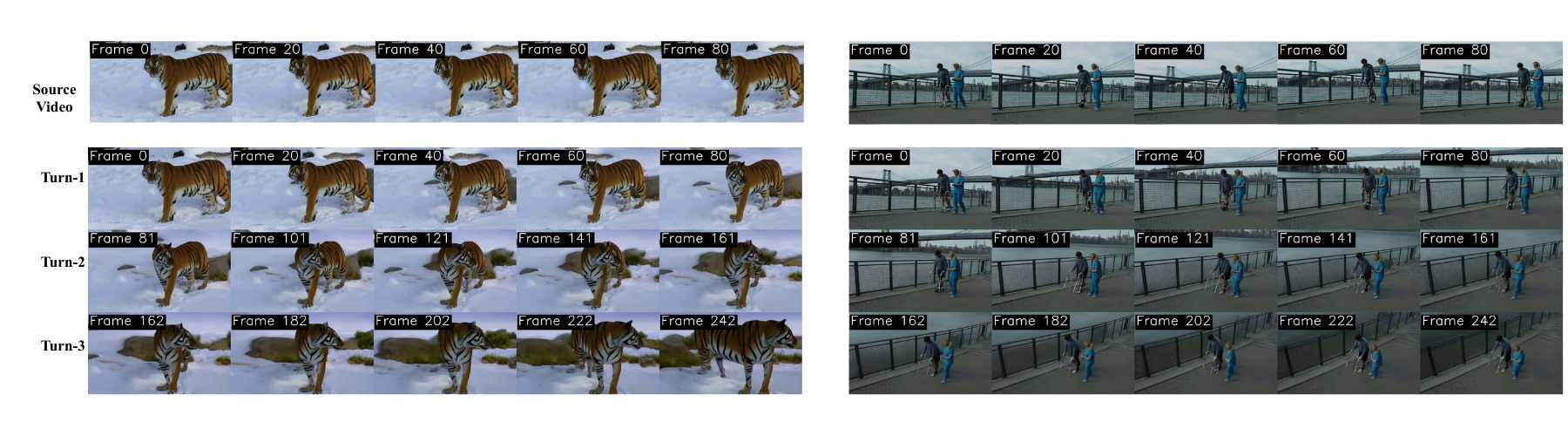
We present SpaceTimePilot, a video diffusion model that disentangles space and time for controllable generative rendering. Given a monocular video, SpaceTimePilot can independently alter the camera viewpoint and the motion sequence within the generative process, re-rendering the scene for continuous and arbitrary exploration across space and time. To achieve this, we introduce an effective animation time-embedding mechanism in the diffusion process, allowing explicit control of the output video s motion sequence with respect to that of the source video. As no datasets provide paired videos of the same dynamic scene with continuous temporal variations, we propose a simple yet effective temporal-warping training scheme that repurposes existing multi-view datasets to mimic temporal differences. This strategy effectively supervises the model to learn temporal control and achieve robust space-time disentanglement. To further enhance the precision of dual control, we introduce two additional components an improved camera-conditioning mechanism that allows altering the camera from the first frame, and CamxTime, the first synthetic space-and-time full-coverage rendering dataset that provides fully free space-time video trajectories within a scene. Joint training on the temporal-warping scheme and the CamxTime dataset yields more precise temporal control. We evaluate SpaceTimePilot on both real-world and synthetic data, demonstrating clear space-time disentanglement and strong results compared to prior work. Project page https //zheninghuang.github.io/Space-Time-Pilot/ Code https //github.com/ZheningHuang/spacetimepilot

paper research
SwinIFS  Landmark Guided Swin Transformer For Identity Preserving Face Super Resolution

SwinIFS Landmark Guided Swin Transformer For Identity Preserving Face Super Resolution

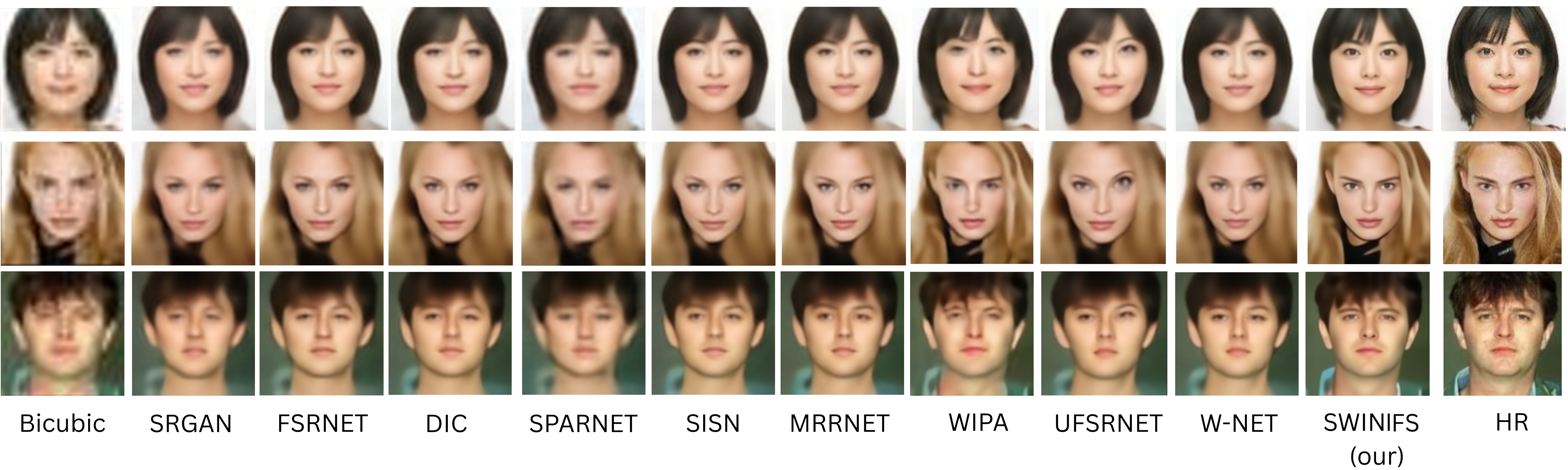
Face super-resolution aims to recover high-quality facial images from severely degraded low-resolution inputs, but remains challenging due to the loss of fine structural details and identity-specific features. This work introduces SwinIFS, a landmark-guided super-resolution framework that integrates structural priors with hierarchical attention mechanisms to achieve identity-preserving reconstruction at both moderate and extreme upscaling factors. The method incorporates dense Gaussian heatmaps of key facial landmarks into the input representation, enabling the network to focus on semantically important facial regions from the earliest stages of processing. A compact Swin Transformer backbone is employed to capture long-range contextual information while preserving local geometry, allowing the model to restore subtle facial textures and maintain global structural consistency. Extensive experiments on the CelebA benchmark demonstrate that SwinIFS achieves superior perceptual quality, sharper reconstructions, and improved identity retention; it consistently produces more photorealistic results and exhibits strong performance even under 8x magnification, where most methods fail to recover meaningful structure. SwinIFS also provides an advantageous balance between reconstruction accuracy and computational efficiency, making it suitable for real-world applications in facial enhancement, surveillance, and digital restoration. Our code, model weights, and results are available at https //github.com/Habiba123-stack/SwinIFS.

paper research
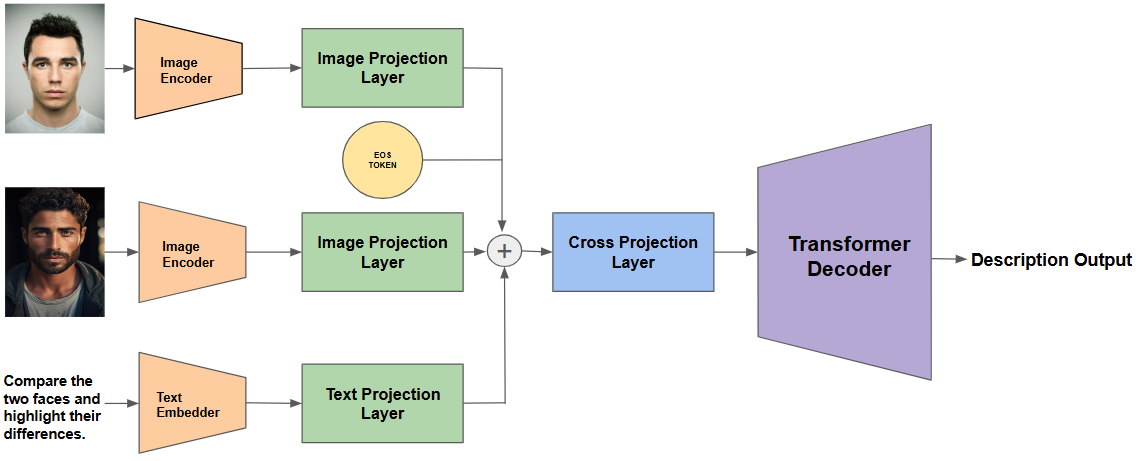
VerLM  Explaining Face Verification Using Natural Language

VerLM Explaining Face Verification Using Natural Language

Face verification systems have seen substantial advancements; however, they often lack transparency in their decision-making processes. In this paper, we introduce an innovative Vision-Language Model (VLM) for Face Verification, which not only accurately determines if two face images depict the same individual but also explicitly explains the rationale behind its decisions. Our model is uniquely trained using two complementary explanation styles (1) concise explanations that summarize the key factors influencing its decision, and (2) comprehensive explanations detailing the specific differences observed between the images. We adapt and enhance a state-of-the-art modeling approach originally designed for audio-based differentiation to suit visual inputs effectively. This cross-modal transfer significantly improves our model s accuracy and interpretability. The proposed VLM integrates sophisticated feature extraction techniques with advanced reasoning capabilities, enabling clear articulation of its verification process. Our approach demonstrates superior performance, surpassing baseline methods and existing models. These findings highlight the immense potential of vision language models in face verification set up, contributing to more transparent, reliable, and explainable face verification systems.

paper research
VIBE  Visual Instruction Based Editor

VIBE Visual Instruction Based Editor

Instruction-based image editing is among the fastest developing areas in generative AI. Over the past year, the field has reached a new level, with dozens of open-source models released alongside highly capable commercial systems. However, only a limited number of open-source approaches currently achieve real-world quality. In addition, diffusion backbones, the dominant choice for these pipelines, are often large and computationally expensive for many deployments and research settings, with widely used variants typically containing 6B to 20B parameters. This paper presents a compact, high-throughput instruction-based image editing pipeline that uses a modern 2B-parameter Qwen3-VL model to guide the editing process and the 1.6B-parameter diffusion model Sana1.5 for image generation. Our design decisions across architecture, data processing, training configuration, and evaluation target low-cost inference and strict source consistency while maintaining high quality across the major edit categories feasible at this scale. Evaluated on the ImgEdit and GEdit benchmarks, the proposed method matches or exceeds the performance of substantially heavier baselines, including models with several times as many parameters and higher inference cost, and is particularly strong on edits that require preserving the input image, such as an attribute adjustment, object removal, background edits, and targeted replacement. The model fits within 24 GB of GPU memory and generates edited images at up to 2K resolution in approximately 4 seconds on an NVIDIA H100 in BF16, without additional inference optimizations or distillation.

paper research
Video and Language Alignment in 2D Systems for 3D Multi-object Scenes with Multi-Information Derivative-Free Control

Video and Language Alignment in 2D Systems for 3D Multi-object Scenes with Multi-Information Derivative-Free Control

Cross-modal systems trained on 2D visual inputs are presented with a dimensional shift when processing 3D scenes. An in-scene camera bridges the dimensionality gap but requires learning a control module. We introduce a new method that improves multivariate mutual information estimates by regret minimisation with derivative-free optimisation. Our algorithm enables off-the-shelf cross-modal systems trained on 2D visual inputs to adapt online to object occlusions and differentiate features. The pairing of expressive measures and value-based optimisation assists control of an in-scene camera to learn directly from the noisy outputs of vision-language models. The resulting pipeline improves performance in cross-modal tasks on multi-object 3D scenes without resorting to pretraining or finetuning.

paper research
VIT-Ped  Visionary Intention Transformer for Pedestrian Behavior Analysis

VIT-Ped Visionary Intention Transformer for Pedestrian Behavior Analysis

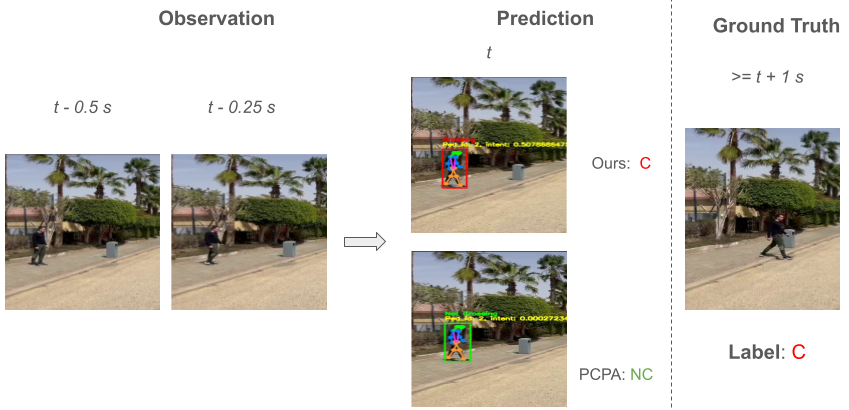
Pedestrian Intention prediction is one of the key technologies in the transition from level 3 to level 4 autonomous driving. To understand pedestrian crossing behaviour, several elements and features should be taken into consideration to make the roads of tomorrow safer for everybody. We introduce a transformer / video vision transformer based algorithm of different sizes which uses different data modalities .We evaluated our algorithms on popular pedestrian behaviour dataset, JAAD, and have reached SOTA performance and passed the SOTA in metrics like Accuracy, AUC and F1-score. The advantages brought by different model design choices are investigated via extensive ablation studies.

paper research
WildIng  A Wildlife Image Invariant Representation Model for Geographical Domain Shift

WildIng A Wildlife Image Invariant Representation Model for Geographical Domain Shift

Wildlife monitoring is crucial for studying biodiversity loss and climate change. Camera trap images provide a non-intrusive method for analyzing animal populations and identifying ecological patterns over time. However, manual analysis is time-consuming and resource-intensive. Deep learning, particularly foundation models, has been applied to automate wildlife identification, achieving strong performance when tested on data from the same geographical locations as their training sets. Yet, despite their promise, these models struggle to generalize to new geographical areas, leading to significant performance drops. For example, training an advanced vision-language model, such as CLIP with an adapter, on an African dataset achieves an accuracy of 84.77%. However, this performance drops significantly to 16.17% when the model is tested on an American dataset. This limitation partly arises because existing models rely predominantly on image-based representations, making them sensitive to geographical data distribution shifts, such as variation in background, lighting, and environmental conditions. To address this, we introduce WildIng, a Wildlife image Invariant representation model for geographical domain shift. WildIng integrates text descriptions with image features, creating a more robust representation to geographical domain shifts. By leveraging textual descriptions, our approach captures consistent semantic information, such as detailed descriptions of the appearance of the species, improving generalization across different geographical locations. Experiments show that WildIng enhances the accuracy of foundation models such as BioCLIP by 30% under geographical domain shift conditions. We evaluate WildIng on two datasets collected from different regions, namely America and Africa. The code and models are publicly available at https //github.com/Julian075/CATALOG/tree/WildIng.

paper research

Start searching

Enter keywords to search articles

↑↓
↵
ESC
⌘K Shortcut