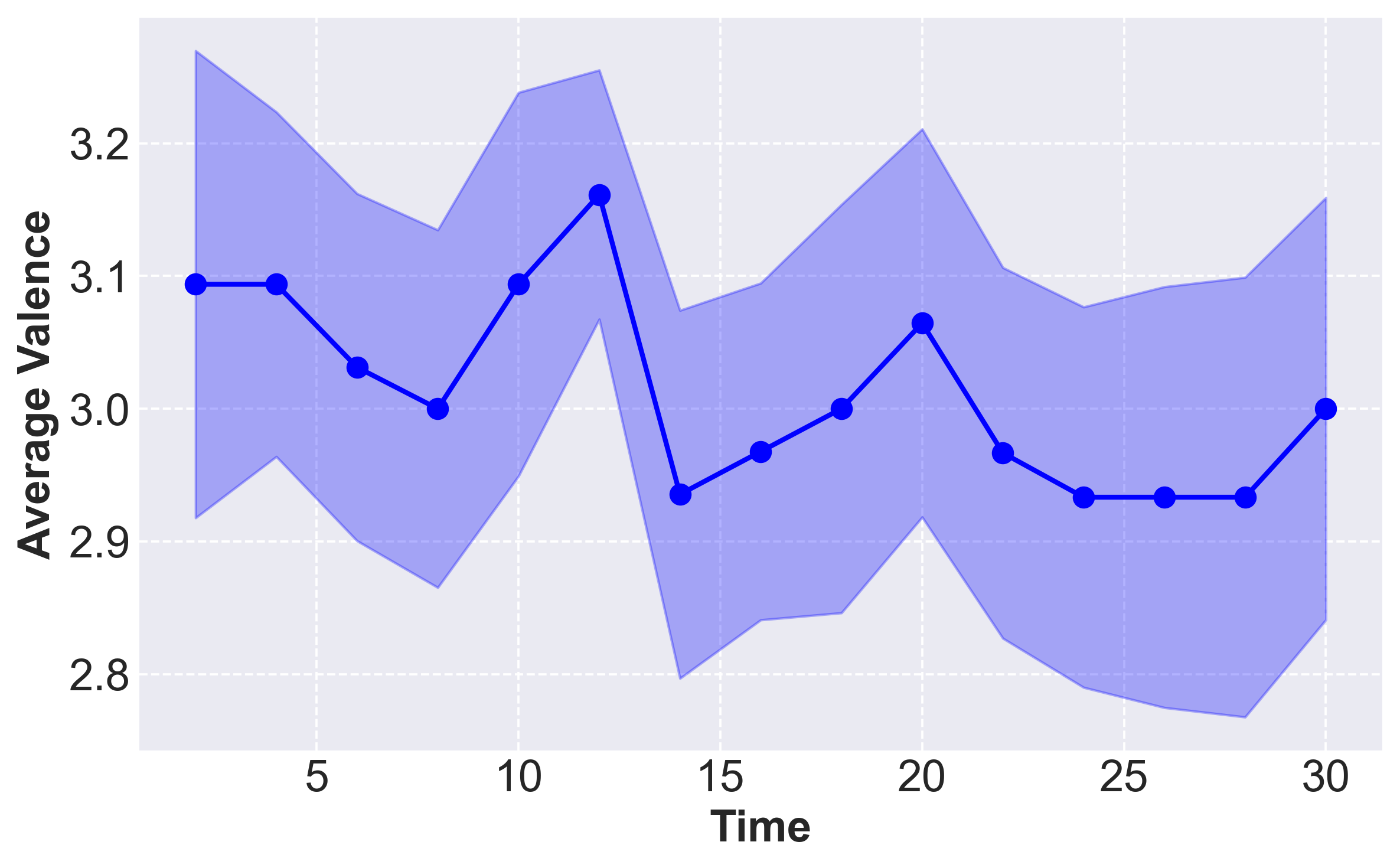
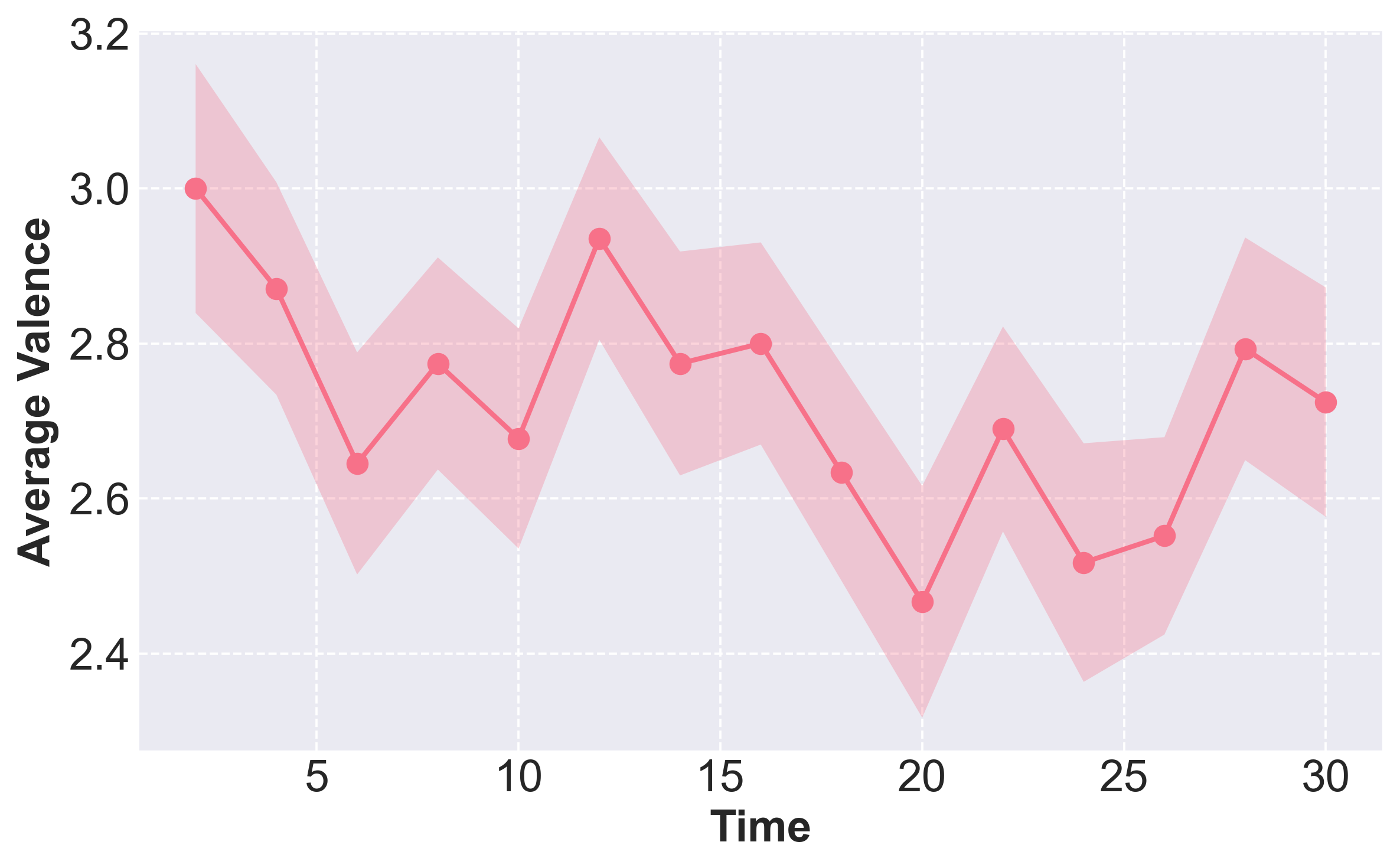
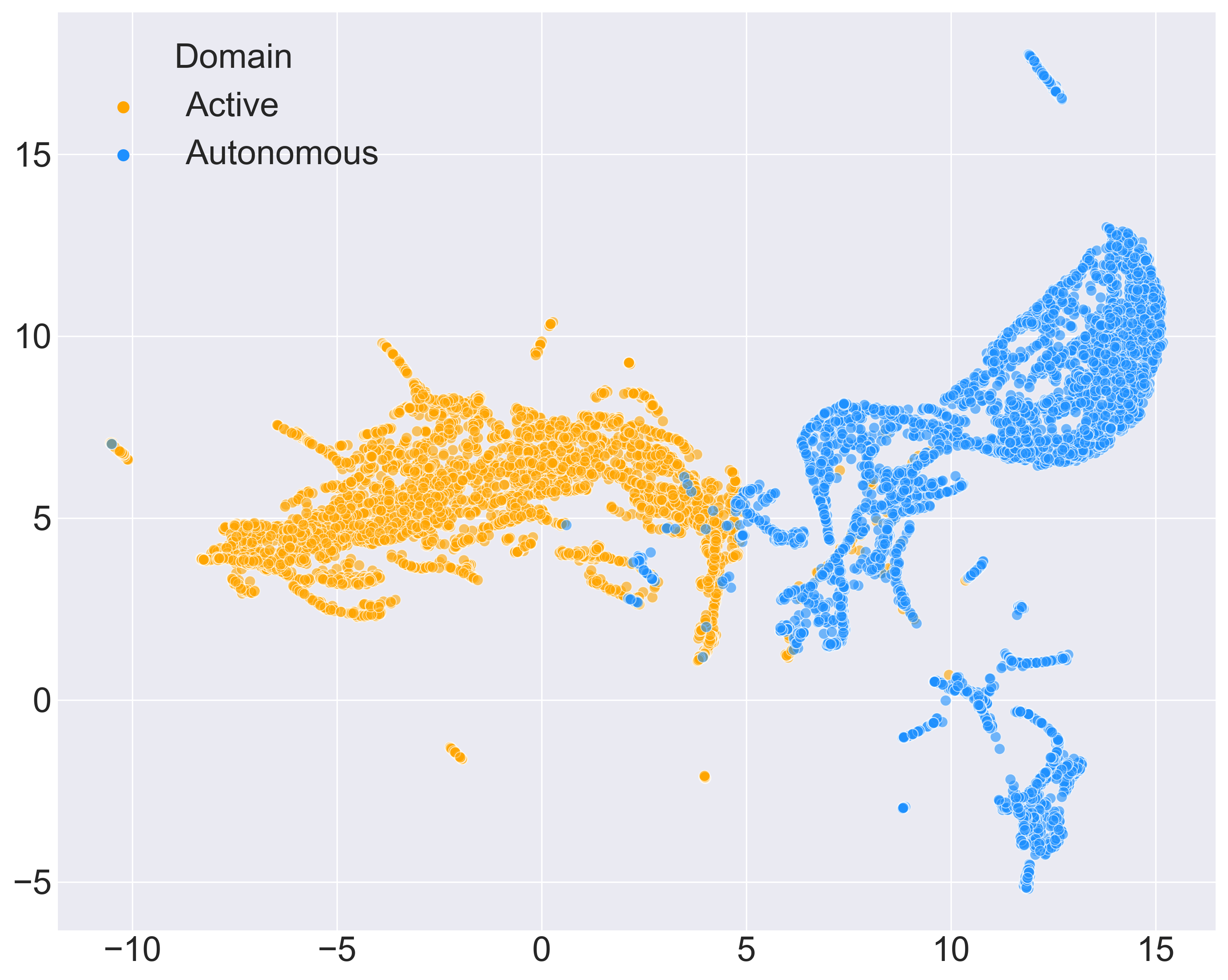
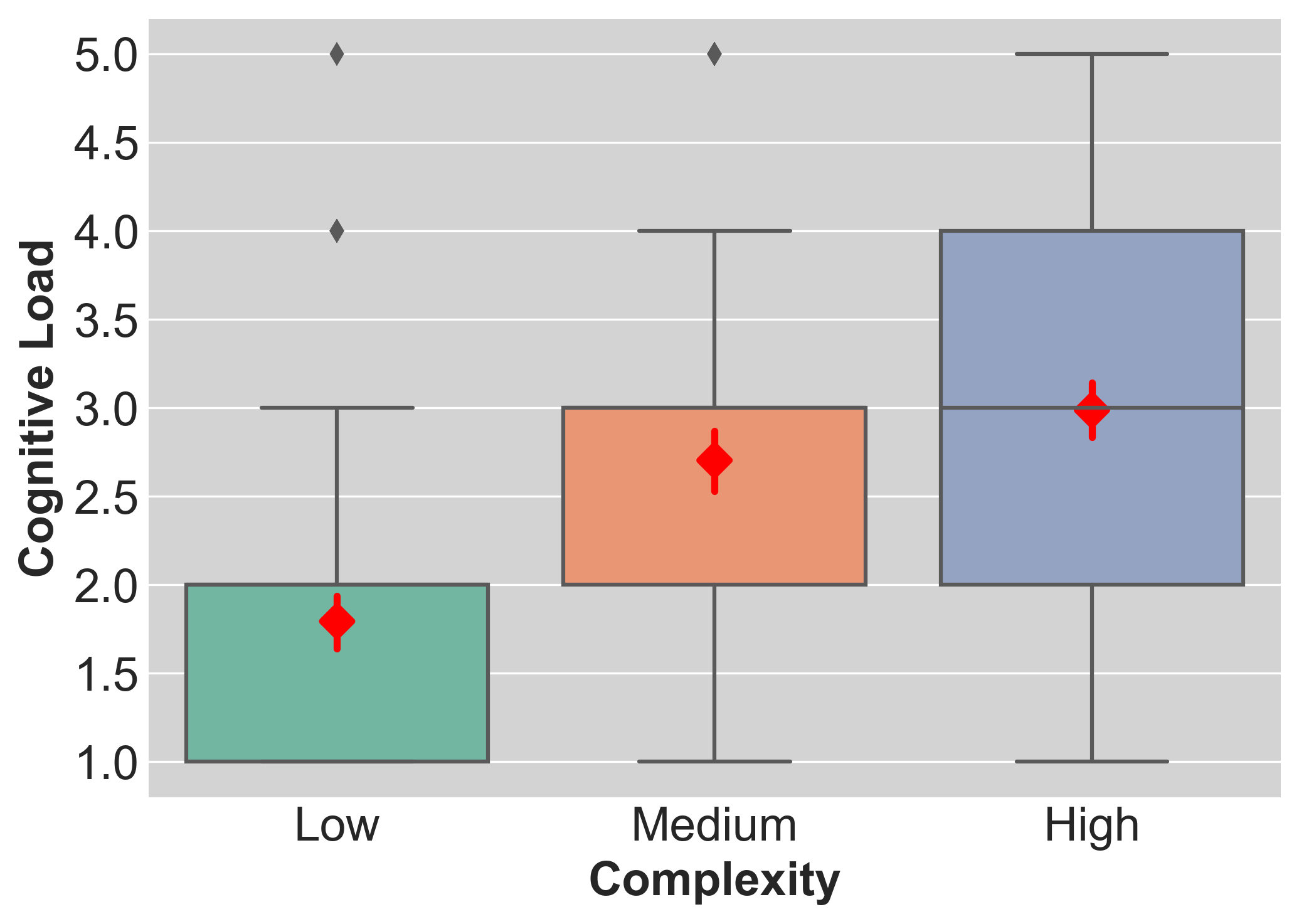
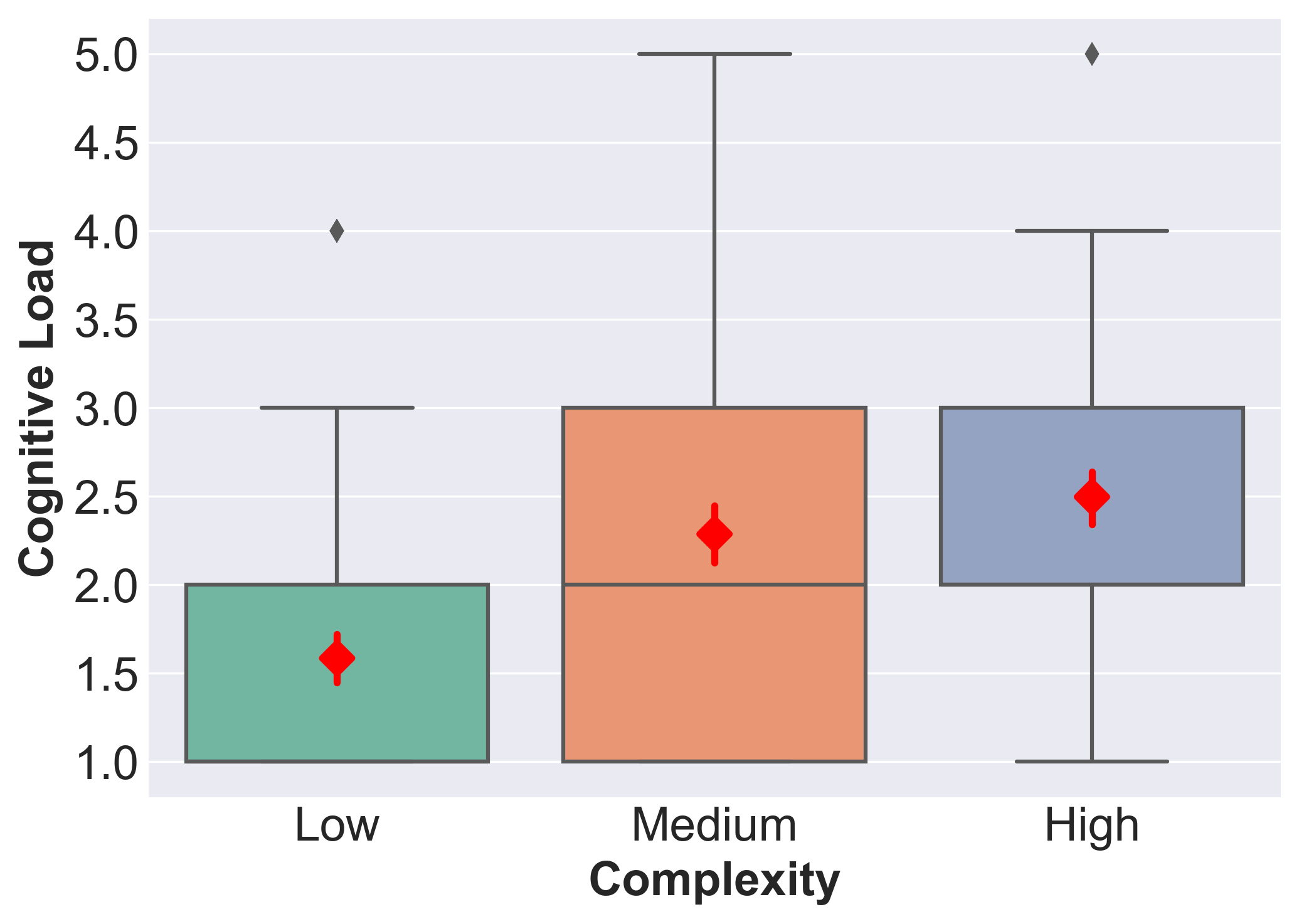
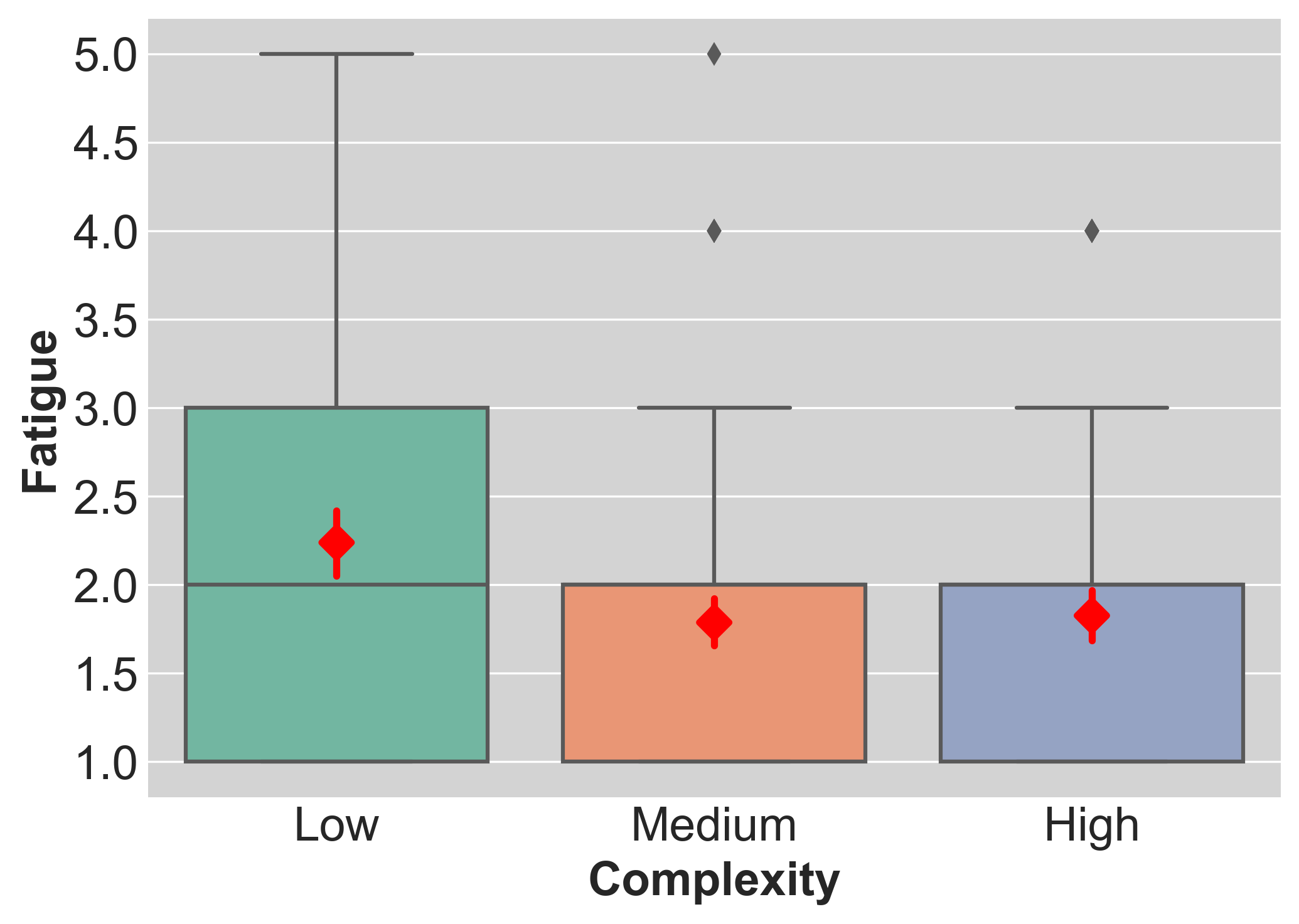
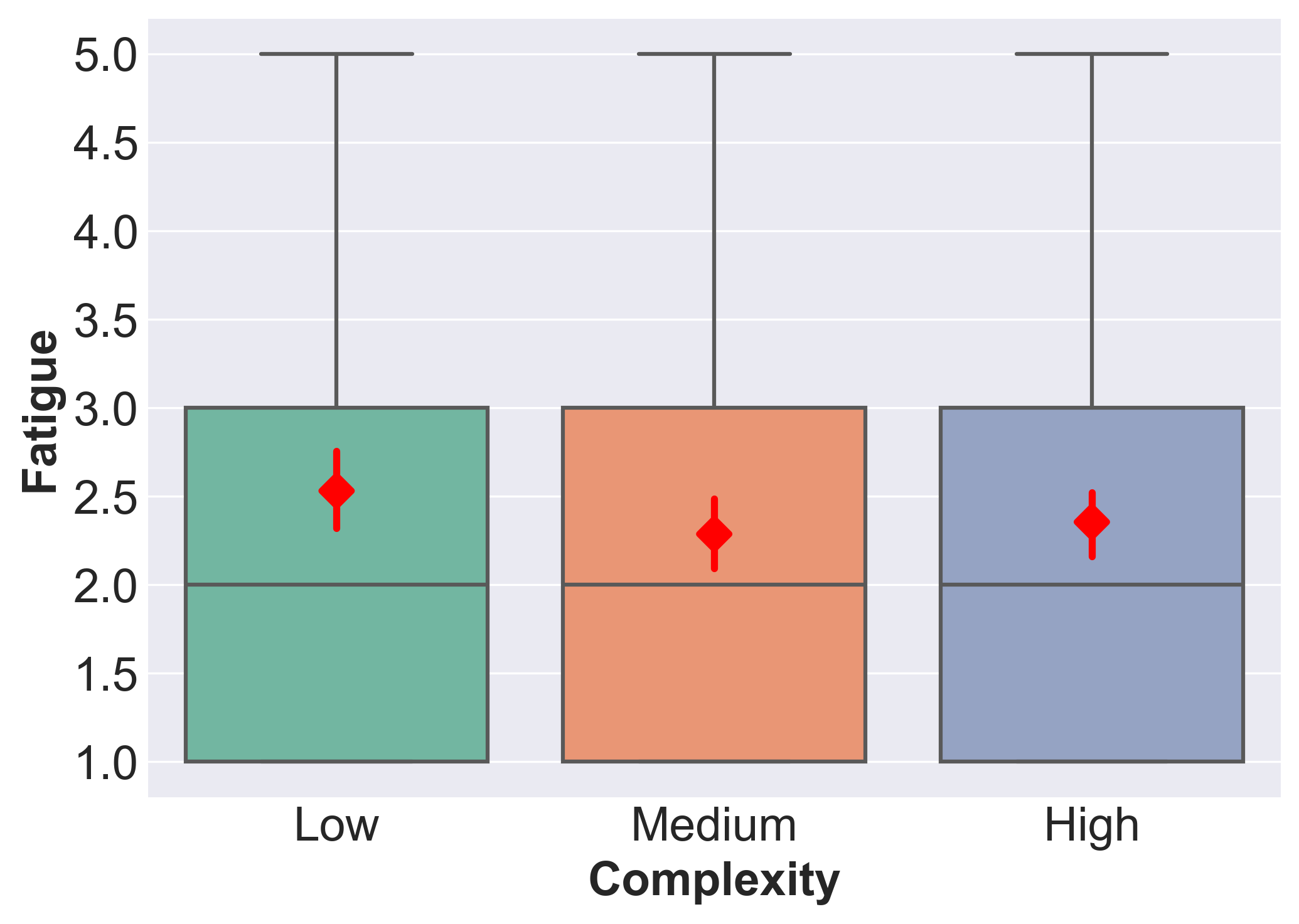
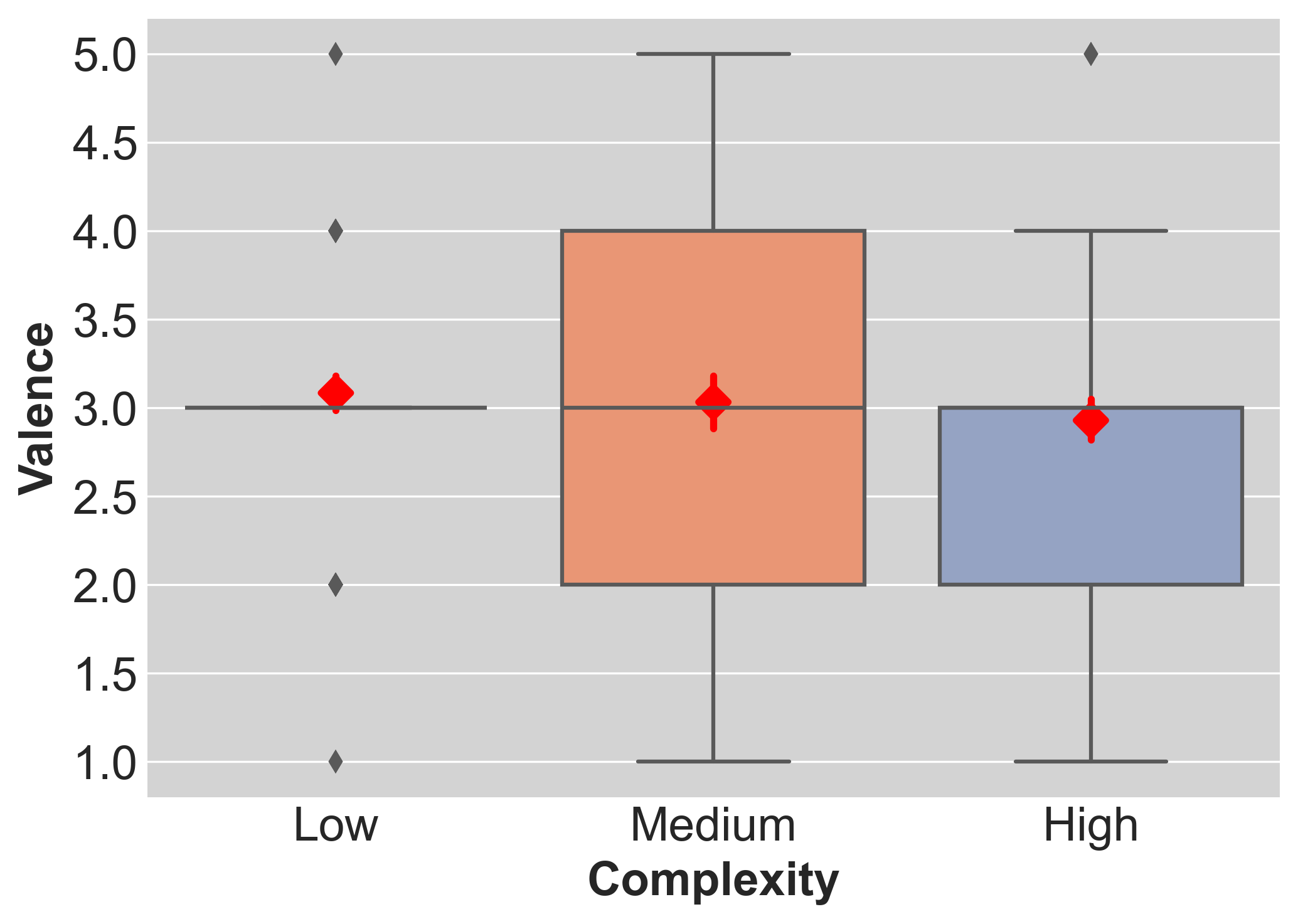
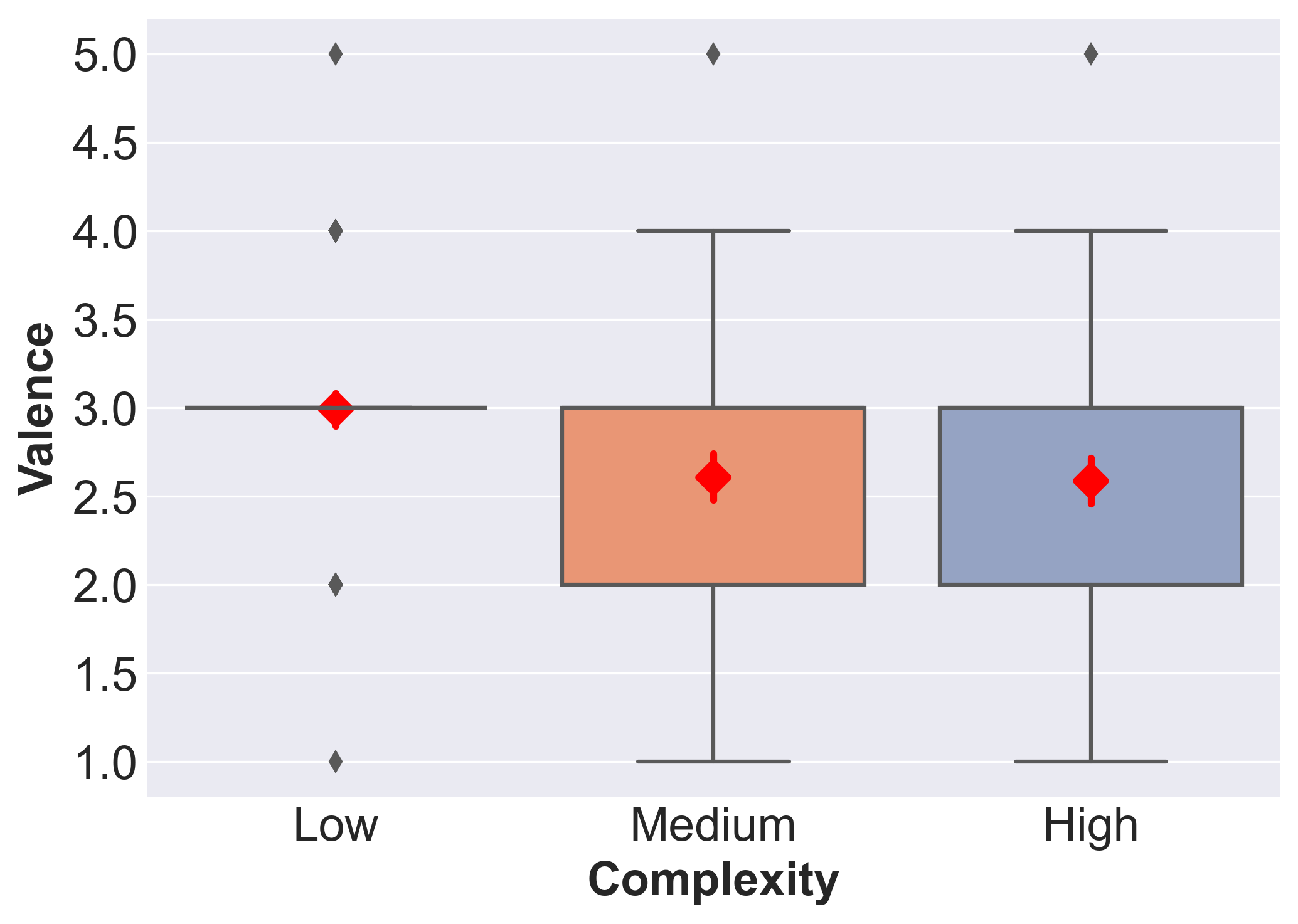
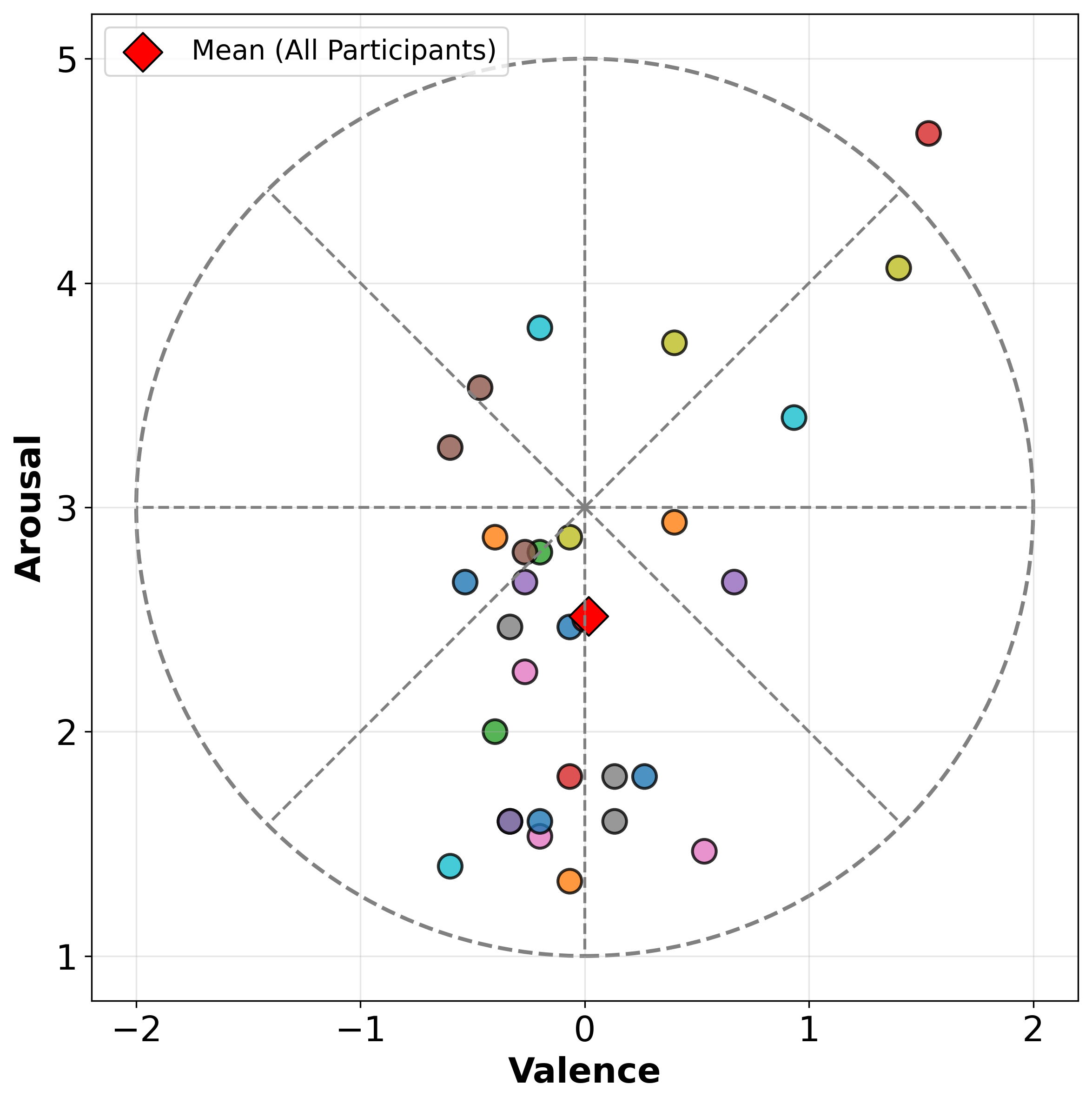
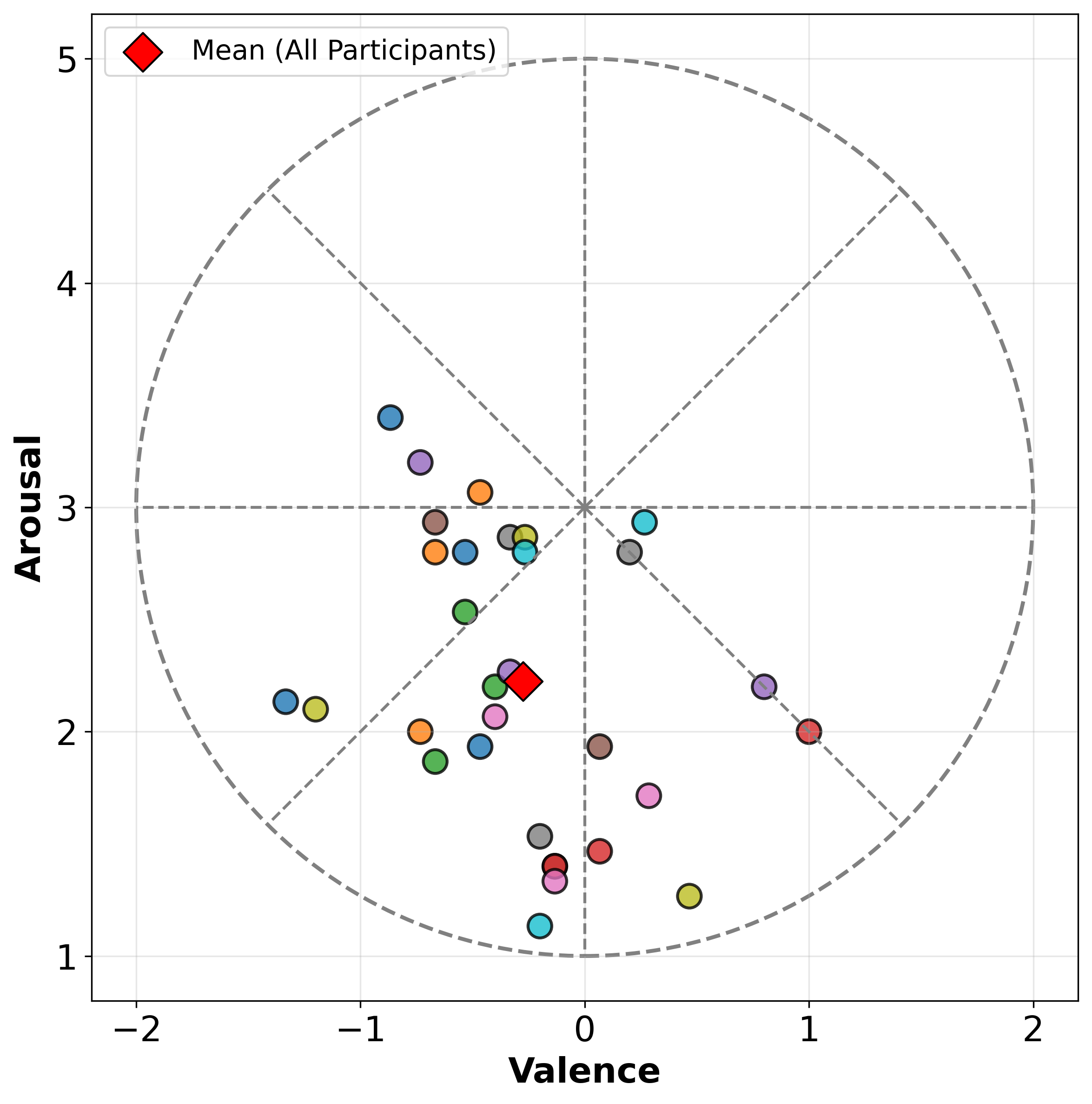
Understanding how driver mental states differ between active and autonomous driving is critical for designing safe human-vehicle interfaces. This paper presents the first EEG-based comparison of cognitive load, fatigue, valence, and arousal across the two driving modes. Using data from 31 participants performing identical tasks in both scenarios of three different complexity levels, we analyze temporal patterns, task-complexity effects, and channel-wise activation differences. Our findings show that although both modes evoke similar trends across complexity levels, the intensity of mental states and the underlying neural activation differ substantially, indicating a clear distribution shift between active and autonomous driving. Transfer-learning experiments confirm that models trained on active driving data generalize poorly to autonomous driving and vice versa. We attribute this distribution shift primarily to differences in motor engagement and attentional demands between the two driving modes, which lead to distinct spatial and temporal EEG activation patterns. Although autonomous driving results in lower overall cortical activation, participants continue to exhibit measurable fluctuations in cognitive load, fatigue, valence, and arousal associated with readiness to intervene, task-evoked emotional responses, and monotony-related passive fatigue. These results emphasize the need for scenario-specific data and models when developing next-generation driver monitoring systems for autonomous vehicles.
T HE advancement of autonomous driving has impacted the field of human and vehicle interaction. New challenges have developed in understanding driver mental states in autonomous settings, ranging from affect to cognitive load [1], [2]. As vehicles transition from active to semi-and fully-autonomous modes, drivers experience a shift in their emotional responses and cognitive load [3], [4]. Active driving requires consistent attention, sensorimotor coordination, and real-time decision making throughout the tasks, whereas autonomous driving lacks the motor engagement and continuous decision making. However, new challenges such as monitoring and readiness to intervene are introduced in autonomous driving scenarios [5]. The transition from active control to passive monitoring alters the neurophysiological engagement during driving, particularly in terms of situational awareness and the ability to resume control when necessary. This impacts attention allocation in the two different driving situations. Understanding these differences in neurophysiological demands is crucial for autonomous driving safety.
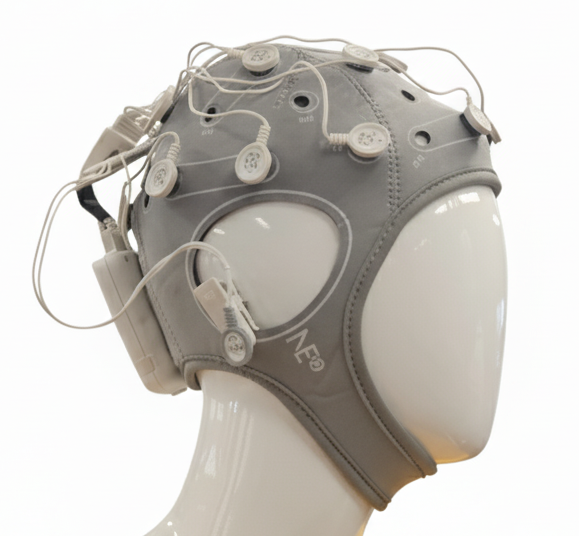
Electroencephalography (EEG) is a powerful tool for investigating mental states such as cognitive load, fatigue, and affect due to its high temporal resolution and ability to capture changes in brain activity [6]. Non-invasive EEG provides a huge advantage over other forms of monitoring, such as gaze, electrocardiogram (ECG), or electrodermal activity (EDA), due to its direct monitoring of the brain [7], [8]. The portability of modern EEG systems makes them particularly suitable for driving studies, allowing researchers to capture authentic neural responses in driving environments. Recent advances in dry electrode technology have further enhanced the feasibility of EEG-based driving research, enabling high-quality data collection even in the presence of movement artifacts and environmental noise typical of driving scenarios.
Prior EEG studies in the context of driving have focused on fatigue detection [9], vigilance [10], affect [11], and cognitive load [12] during active driving conditions. However, neural behaviors during autonomous driving due to the lack of motor engagement have not been investigated. Specifically, a significant gap exists in the literature regarding the neurophysiological differences between active and autonomous driving modes. Understanding such differences can eventually lead to the development of safety systems and protocols for autonomous vehicles.
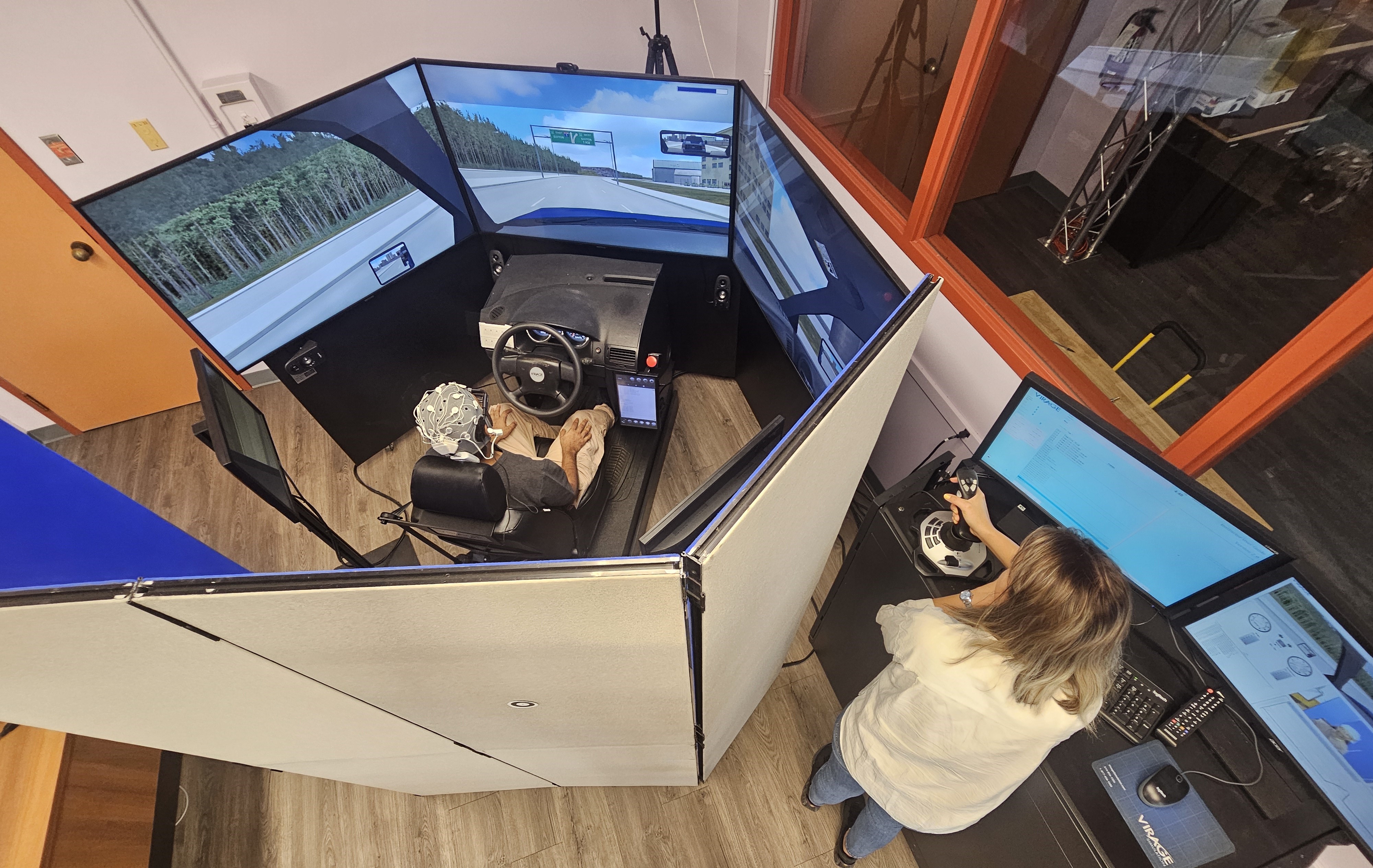
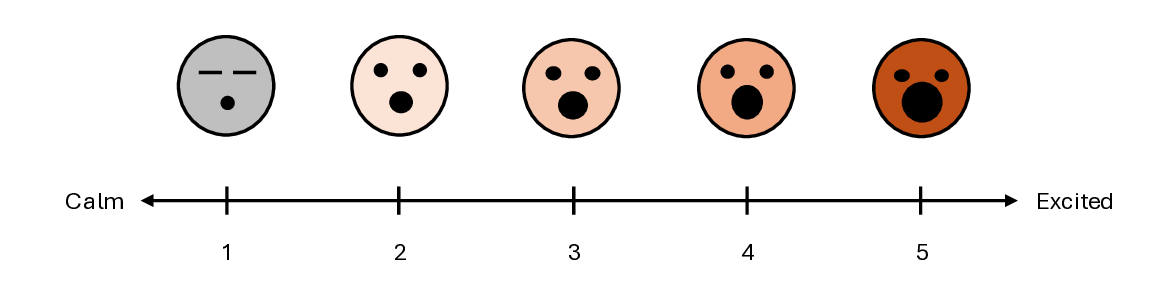
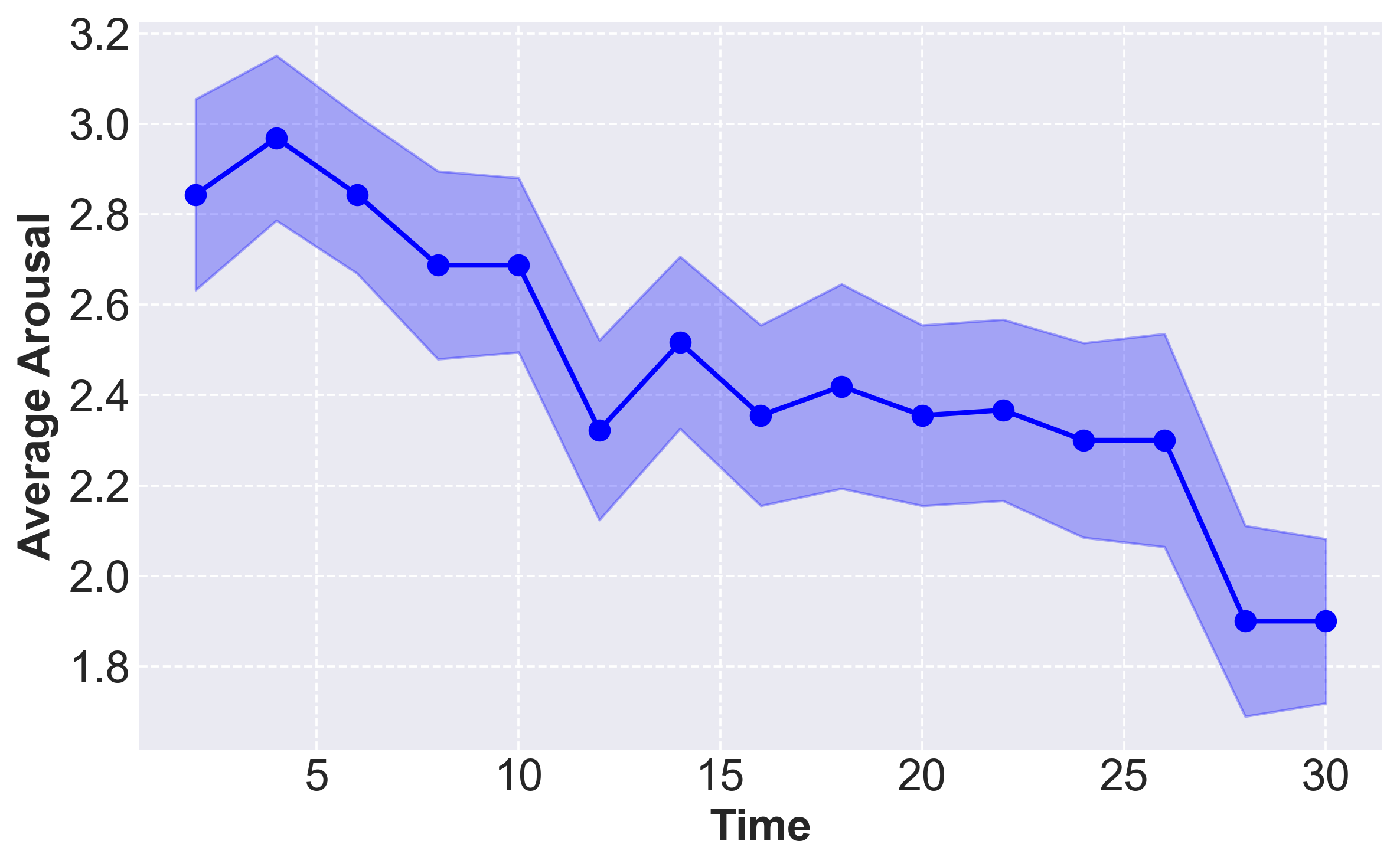
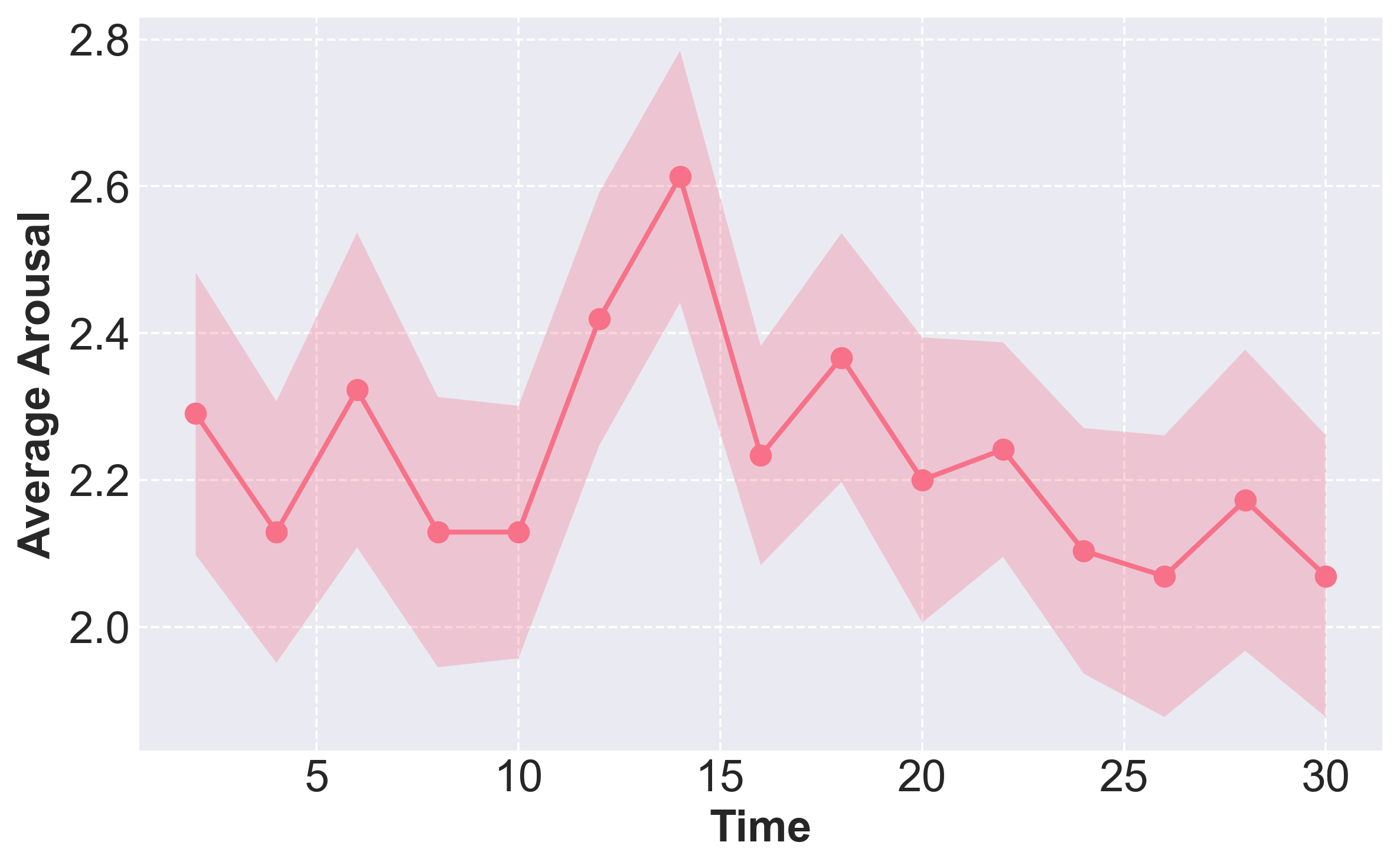
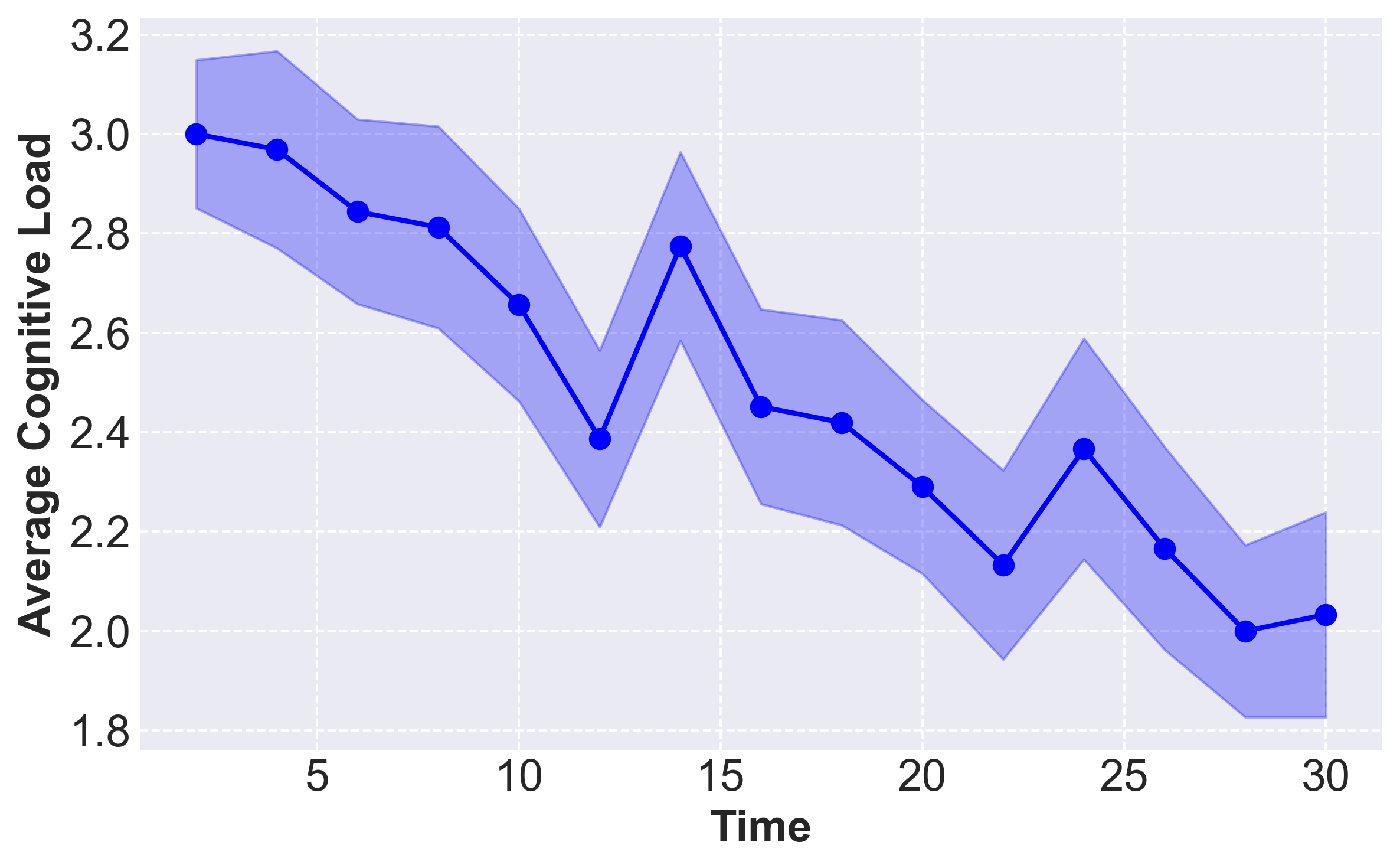
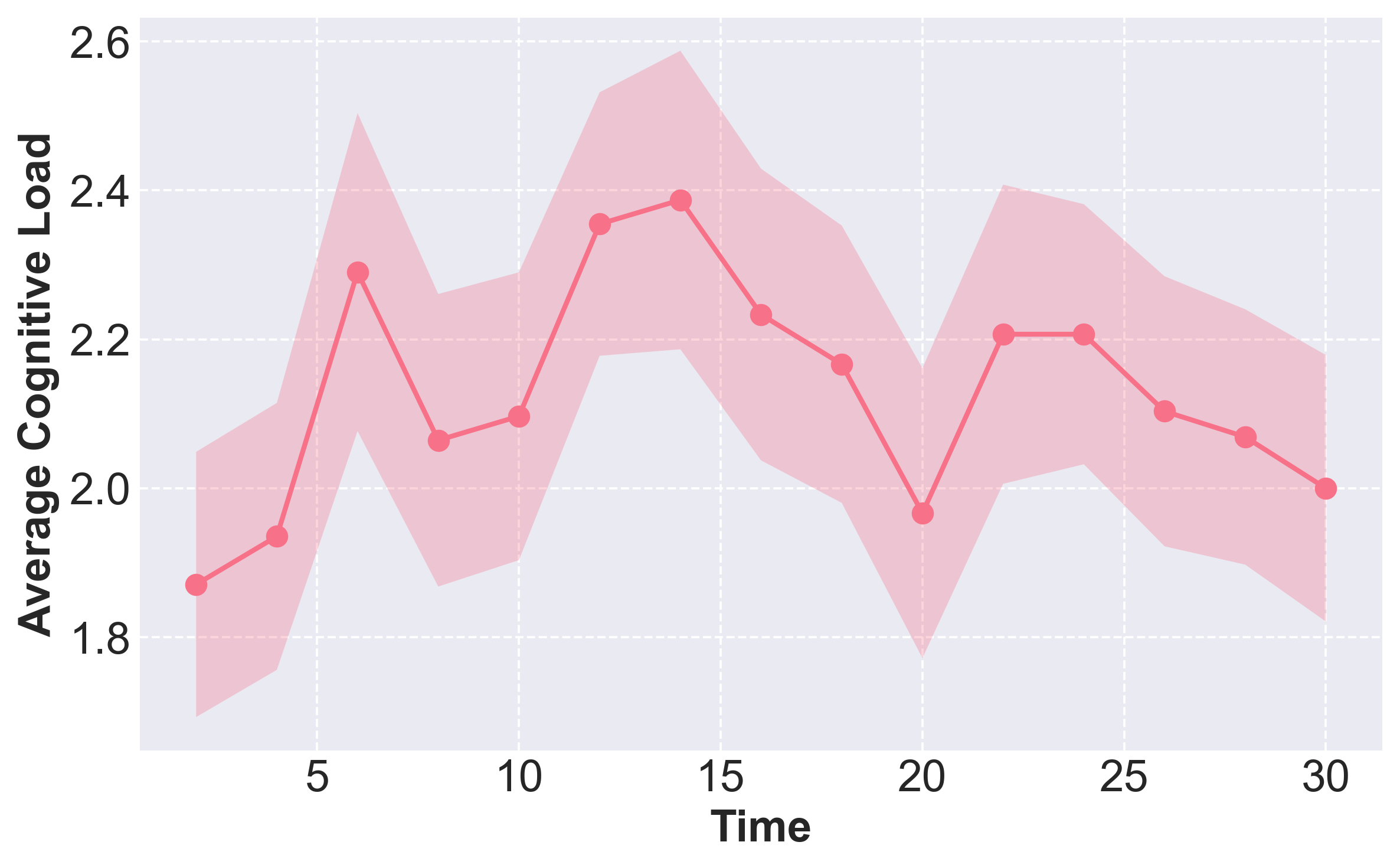
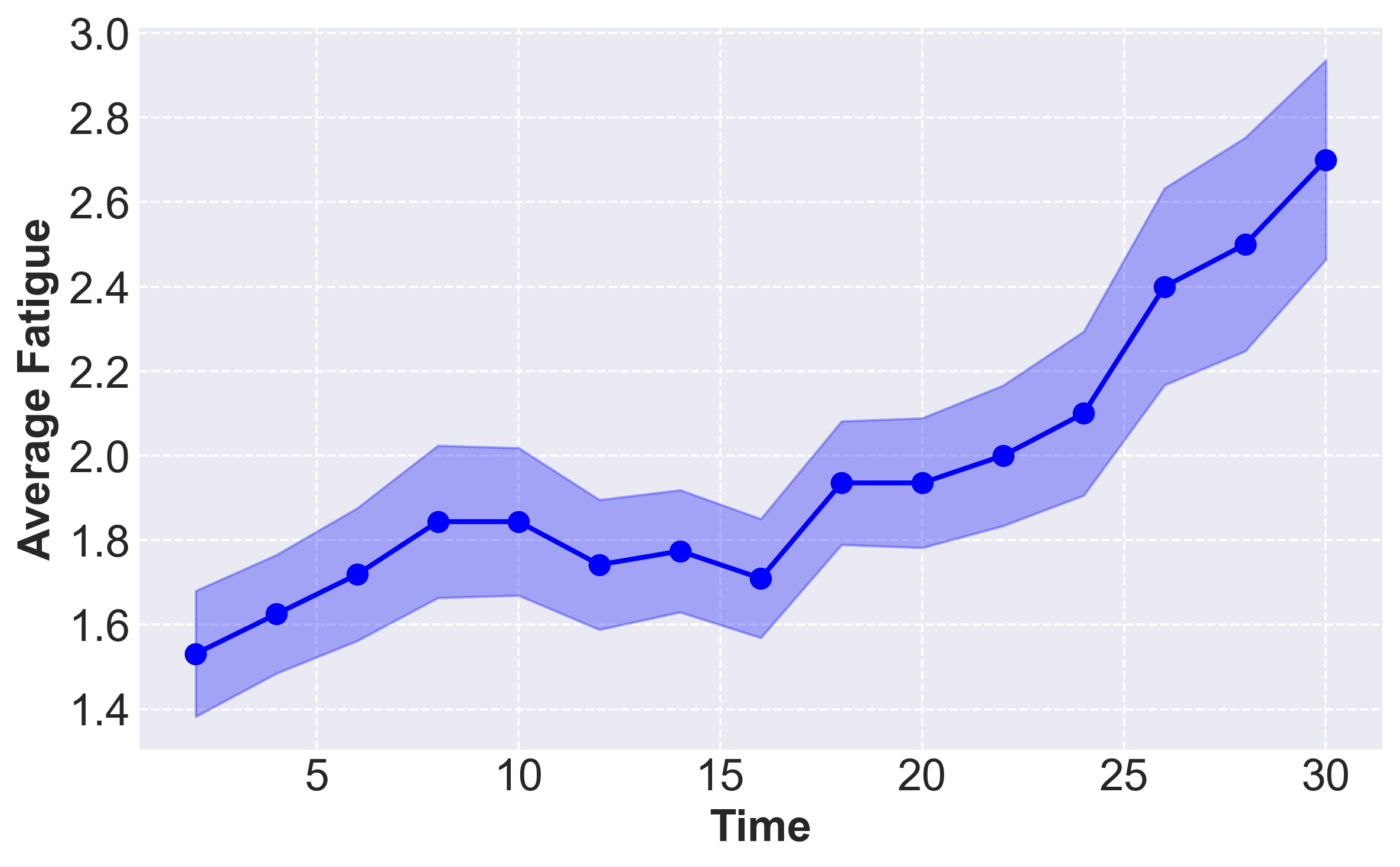
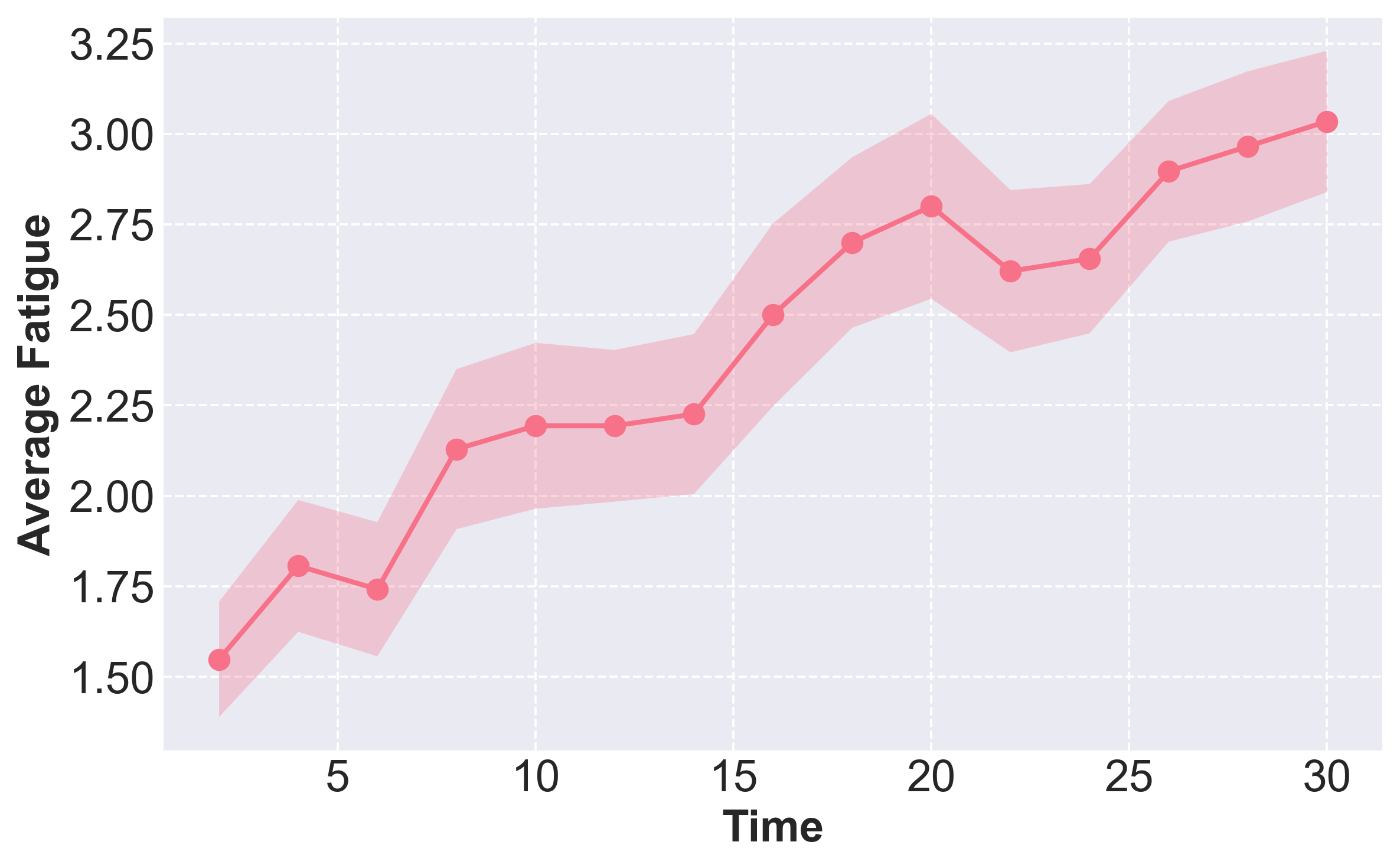
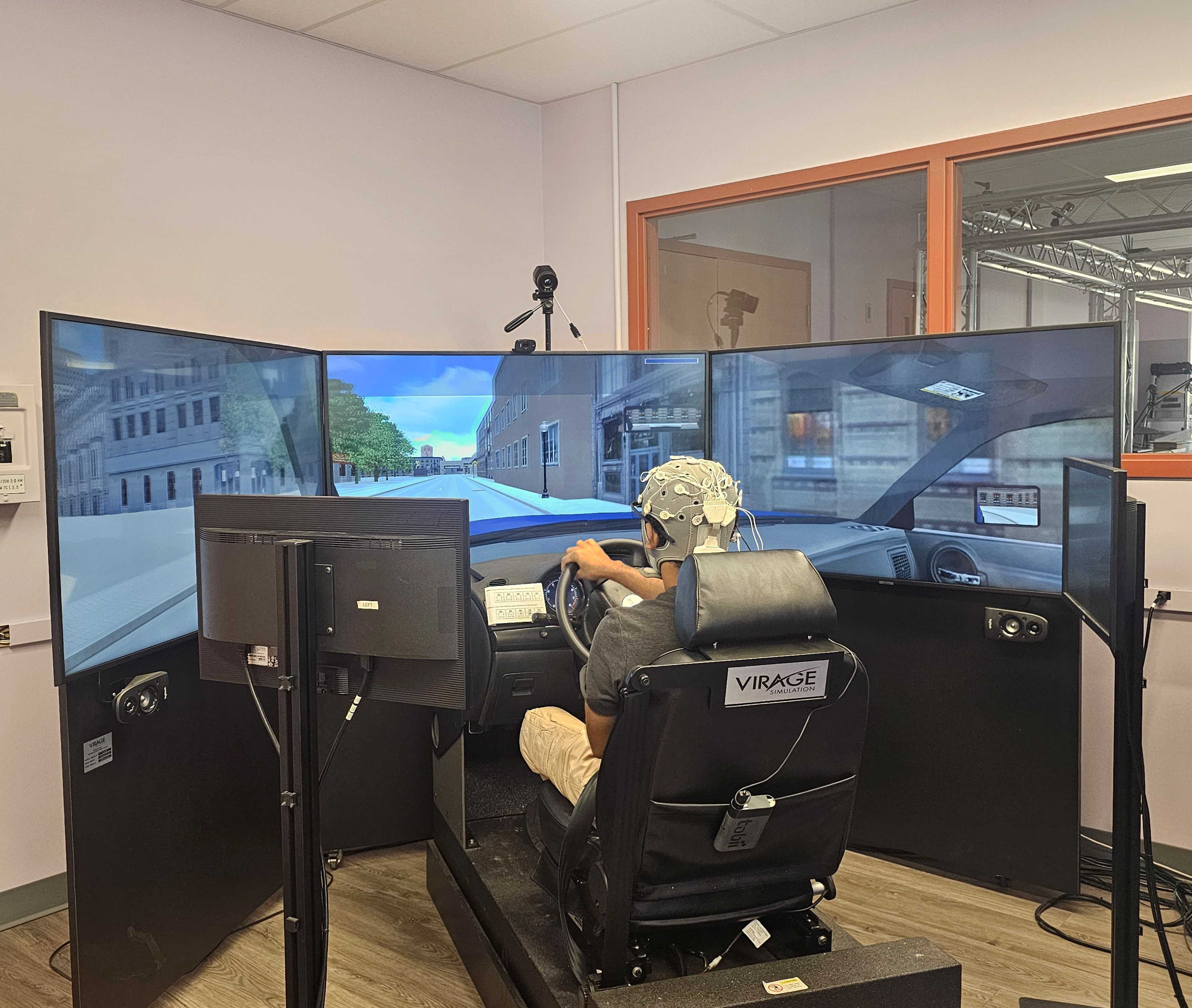
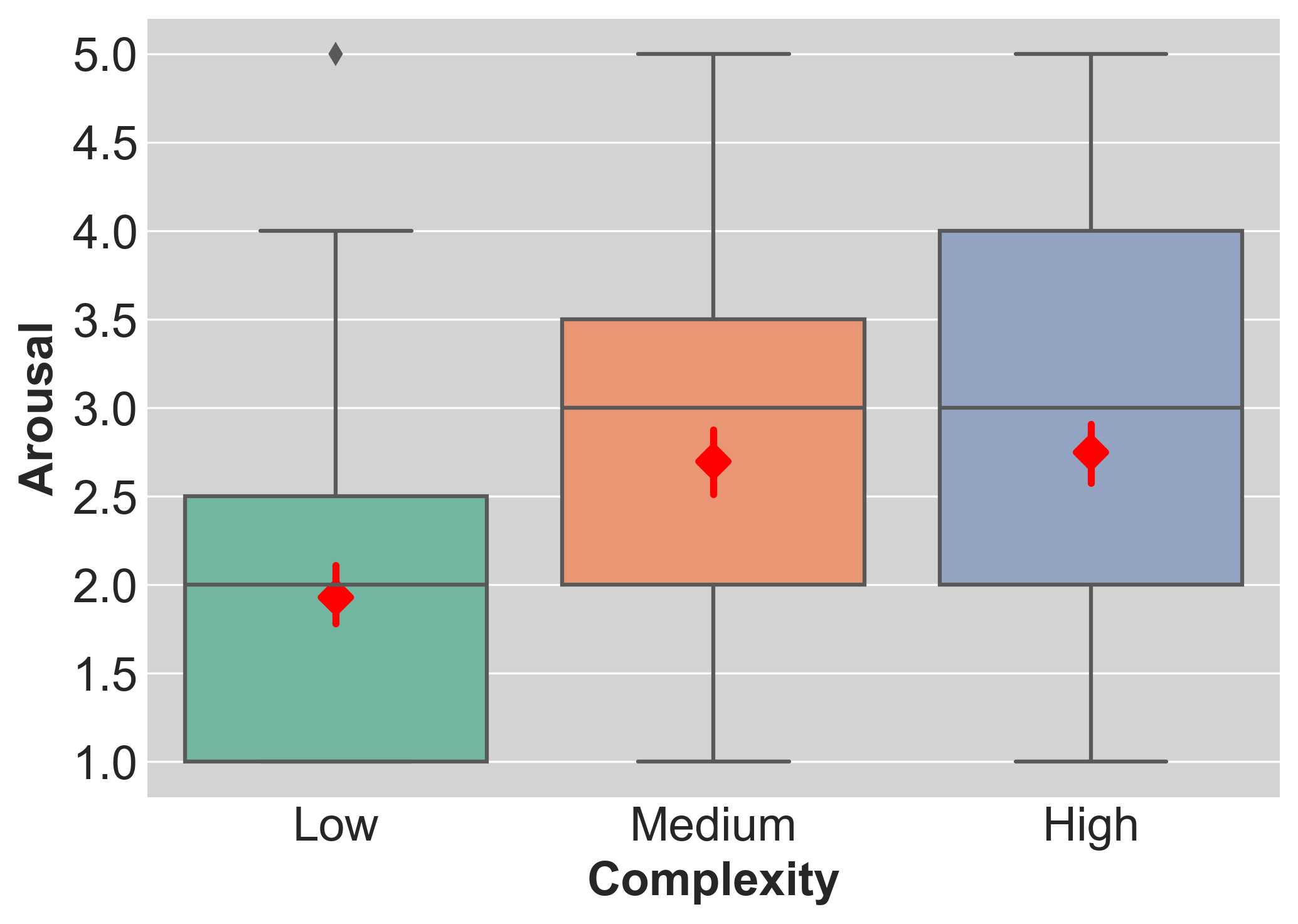
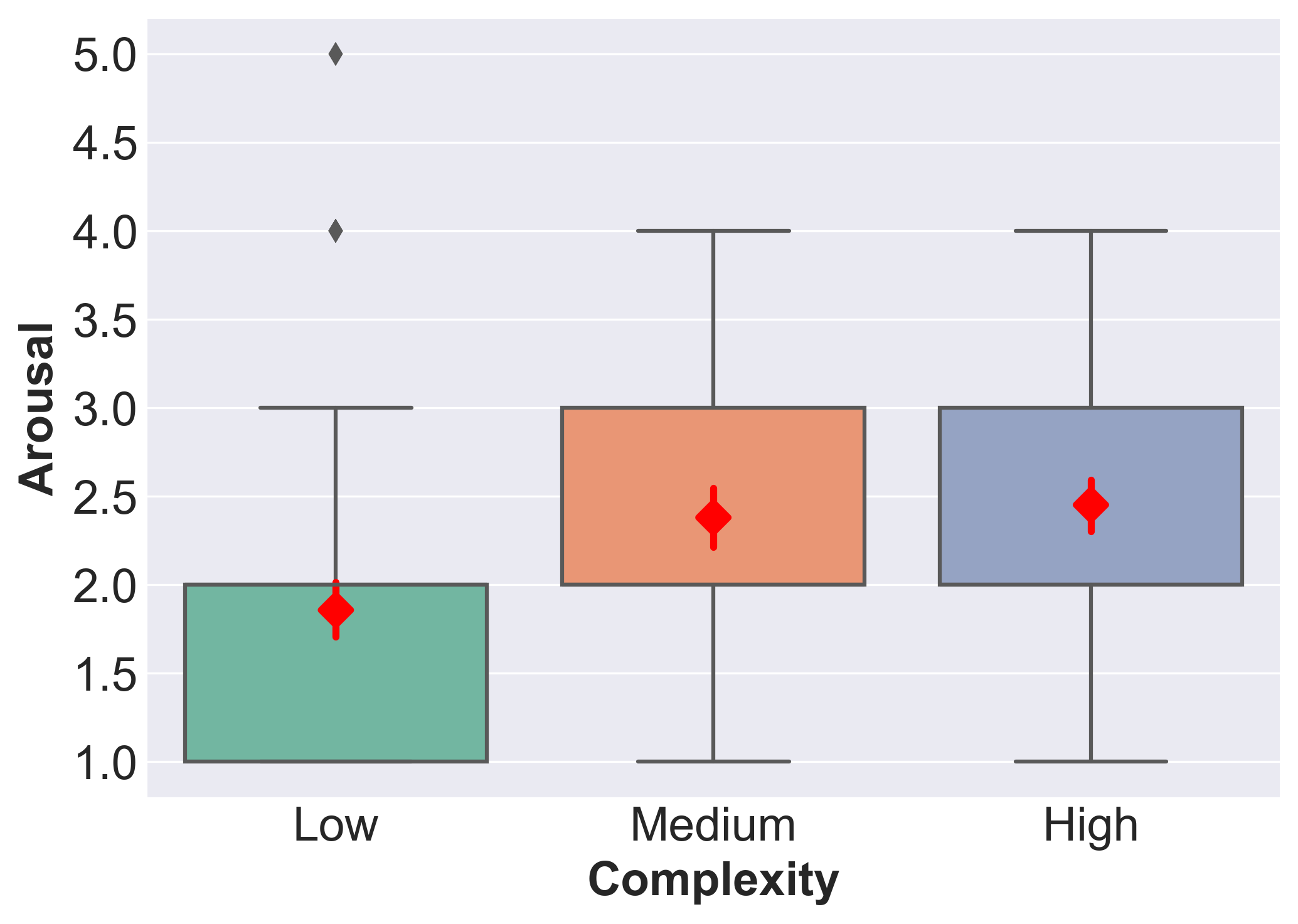
In this paper, we investigate driving under both active and autonomous scenarios using a vehicle simulator. We collect data from 31 participants in each scenario, where 29 participants are common in both the two scenarios. During active driving, the participants maintain full control of the vehicle when completing a series of driving tasks, while during the autonomous scenario, the vehicle operates in self-driving mode and the participant are in the role of passive drivers. In this case, they continuously monitor the road while being prepared to take over the control in unexpected circumstances. We collect EEG data throughout the experiments in order to study the difference in brain activity between the different driving scenarios. The participants also present their mental states in terms of cognitive load, fatigue, valence, and arousal throughout the experiments. We employ a Transformer model to classify the mental states of the drivers in both driving scenarios. Our temporal, complexity-wise, and channel-wise analyses reveal several important findings. First, the temporal pattern analysis reveals higher levels of fatigue during autonomous driving compared to active driving due to the reduced active engagement. Second, we observe that similar mental states are induced across different complexity levels; however, the intensity of the mental states varies between the two scenarios. Third, our topographical analysis identifies scenario-specific brain activation patterns. Finally, the distribution shift between the two scenarios reveals differences in brain activity between active and autonomous driving.
Our contributions in this paper are summarized as follows:
• We present the first EEG-based investigation into the comparison of driver mental states in active versus au-tonomous driving. Through temporal, complexity-wise, and statistical analyses, we reveal key findings. For instance, participants experience similar patterns of mental states as task complexity increases in both scenarios, but the intensity of these states differs significantly between active and autonomous modes. • We identify a clear distribution shift in EEG data between the two driving modes, which has important implications for transfer learning and model generalization in driver monitoring systems. Our transfer learning experiments confirm this domain shift and demonstrate that mental state monitoring systems trained on active driving data do not generalize well to aut
This content is AI-processed based on open access ArXiv data.