Physics-Informed Neural Networks for Real-Time Gas Crossover Prediction in PEM Electrolyzers: First Application with Multi-Membrane Validation
📝 Original Info
- Title: Physics-Informed Neural Networks for Real-Time Gas Crossover Prediction in PEM Electrolyzers: First Application with Multi-Membrane Validation
- ArXiv ID: 2511.05879
- Date: 2025-11-08
- Authors: 제공된 정보에 저자 명단이 포함되어 있지 않아 확인할 수 없습니다.
📝 Abstract
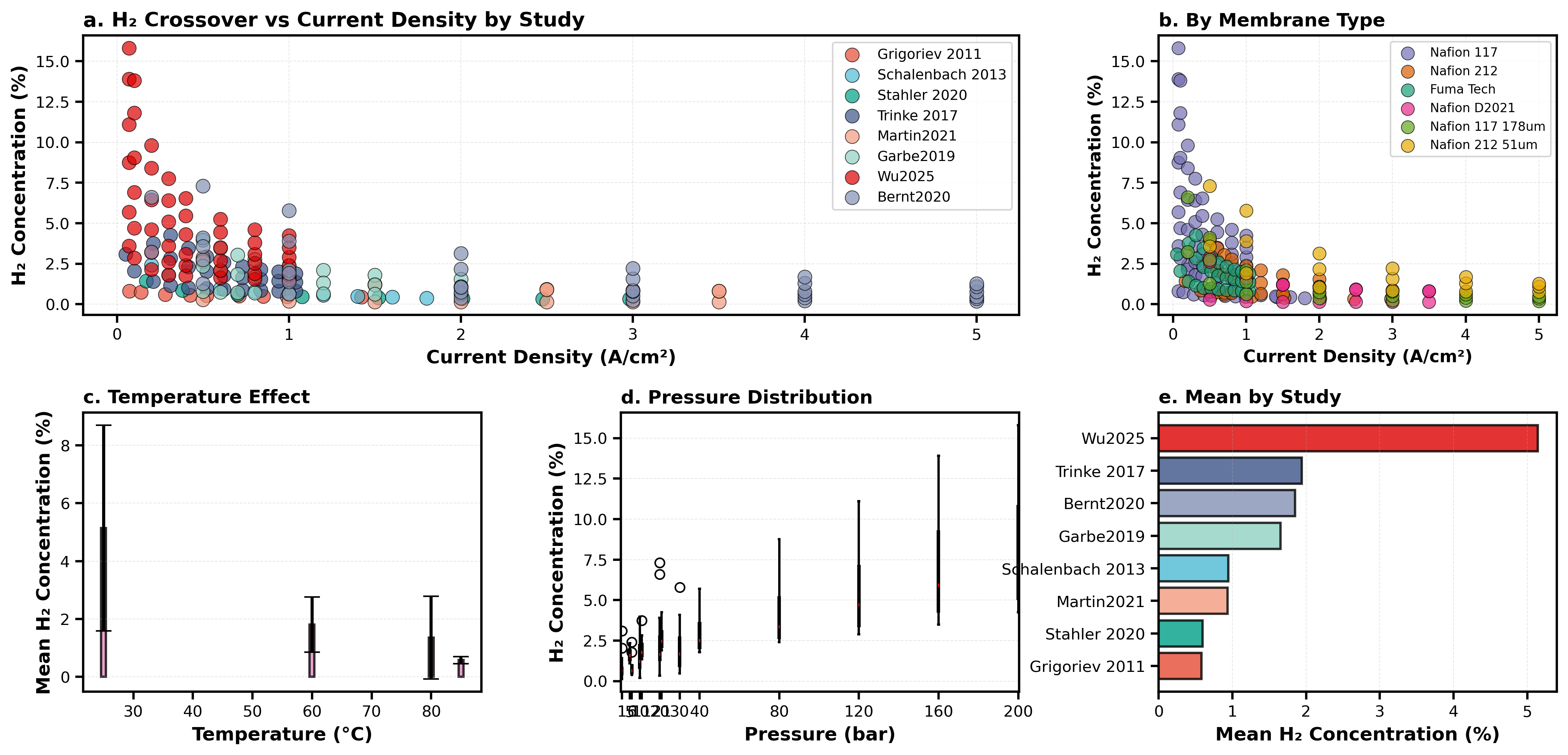
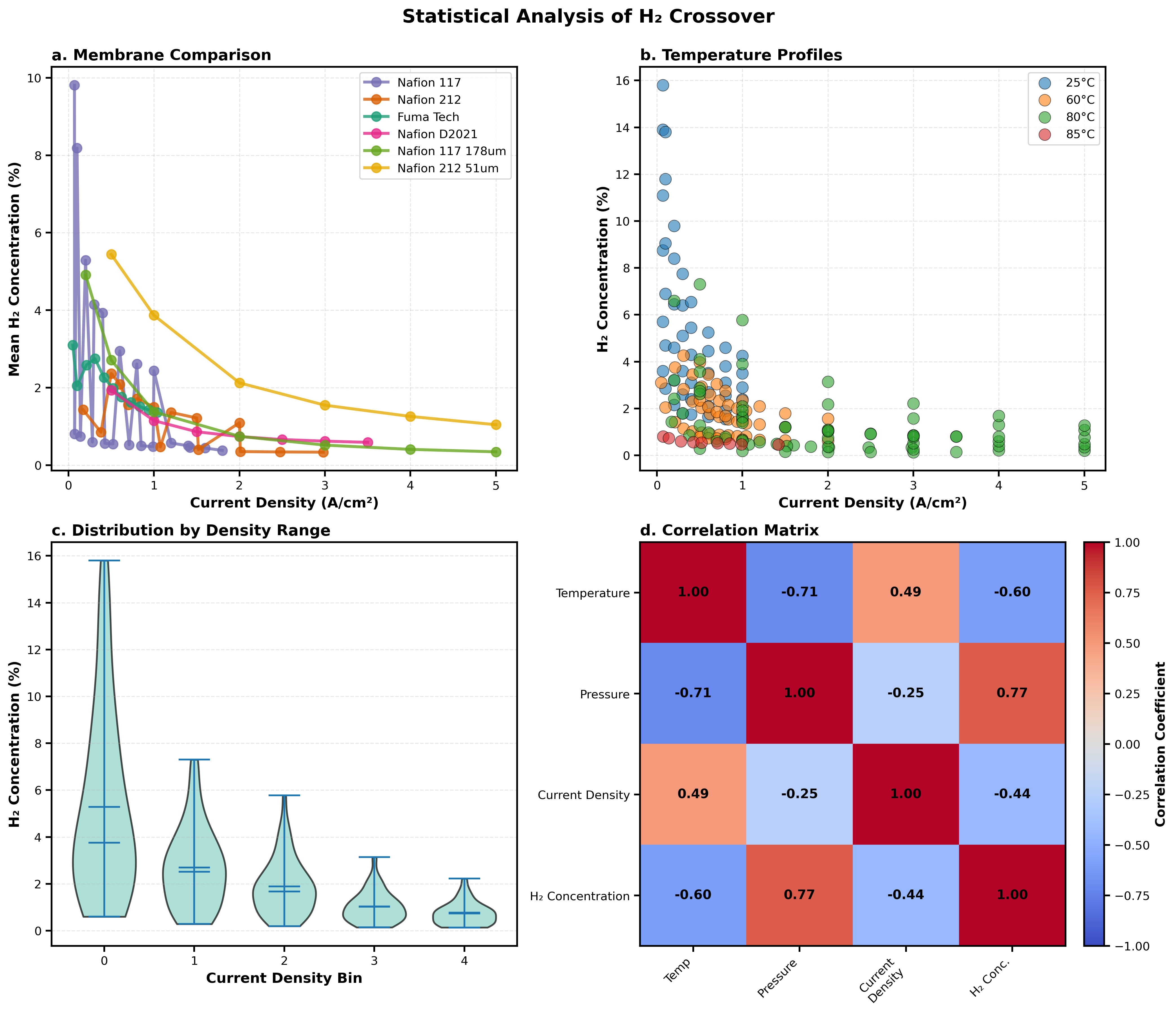
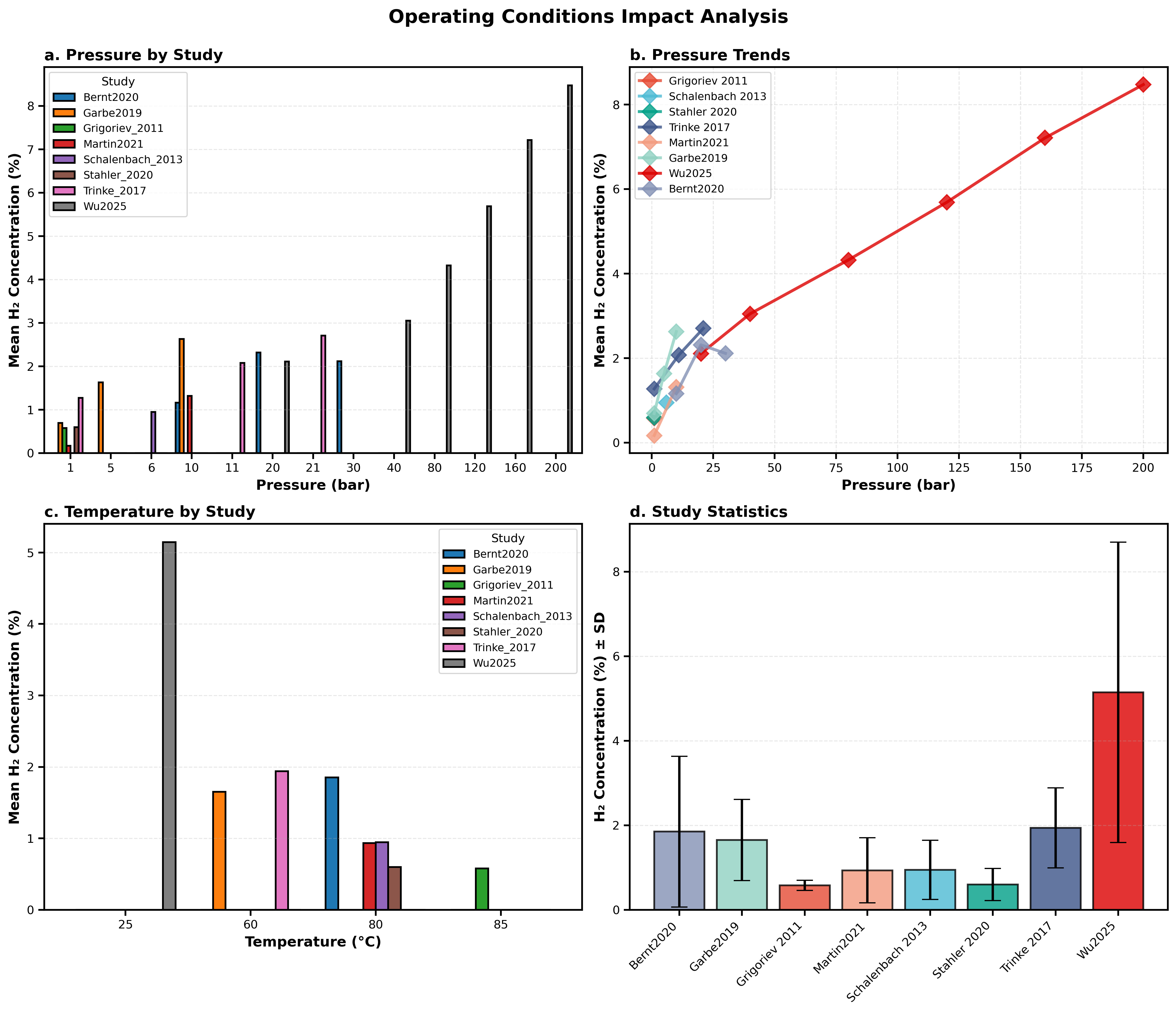
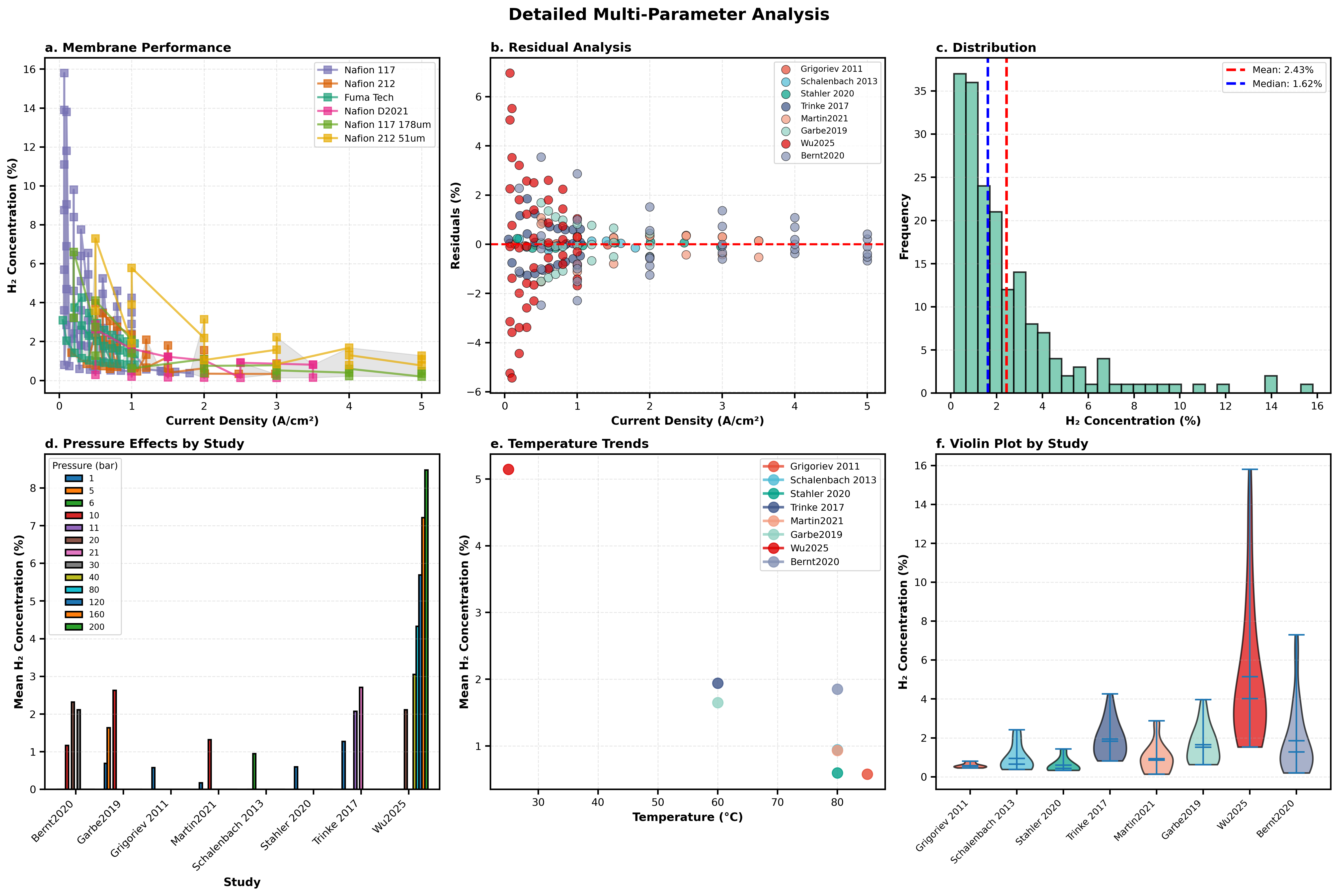
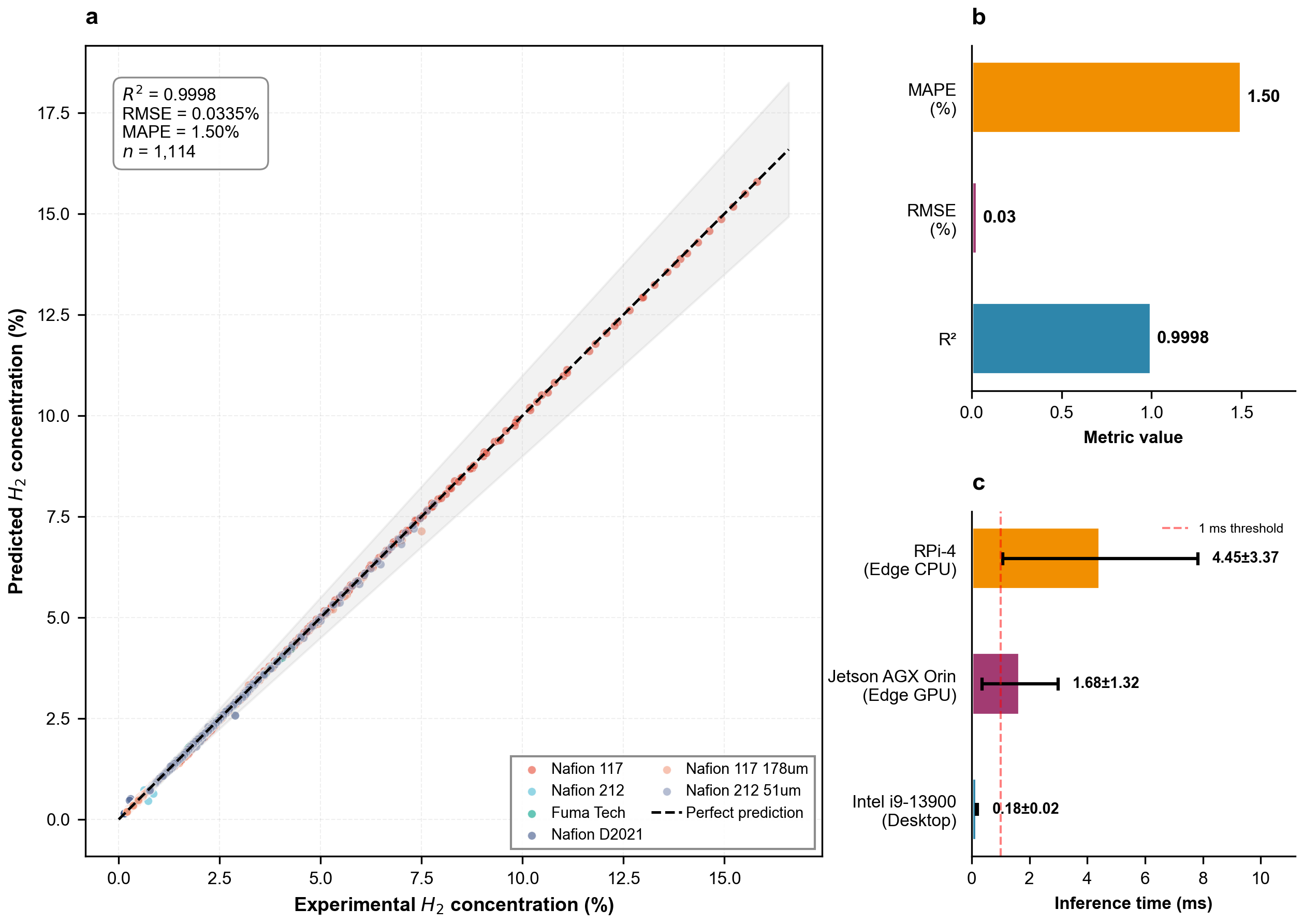
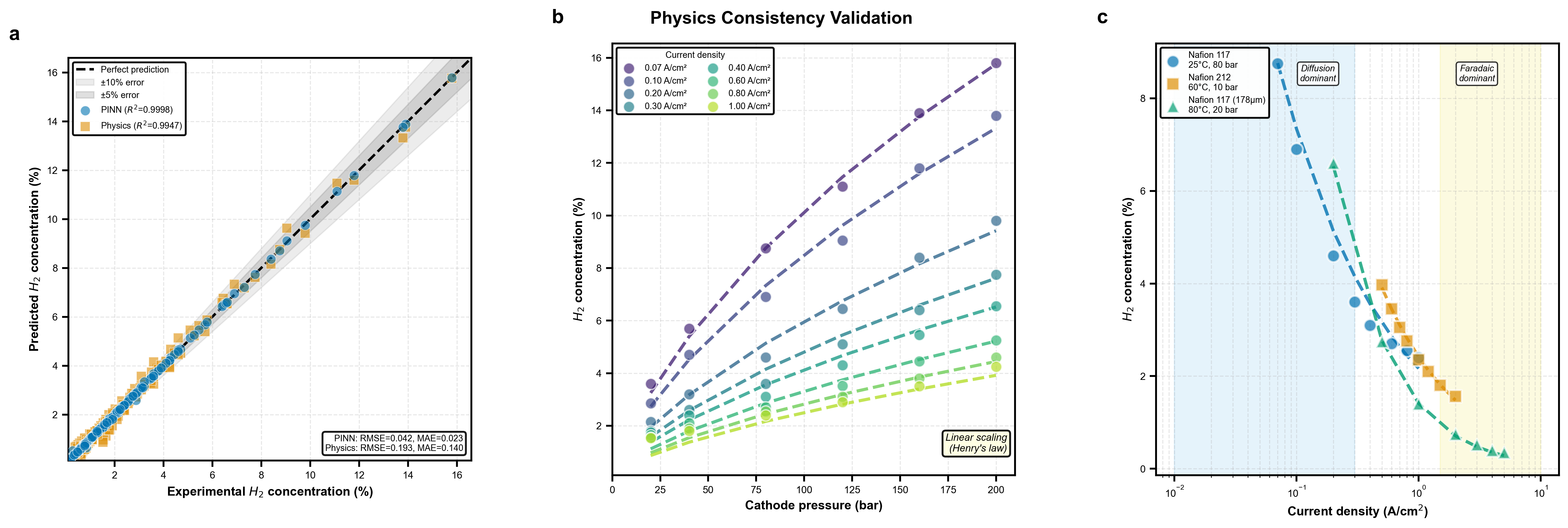
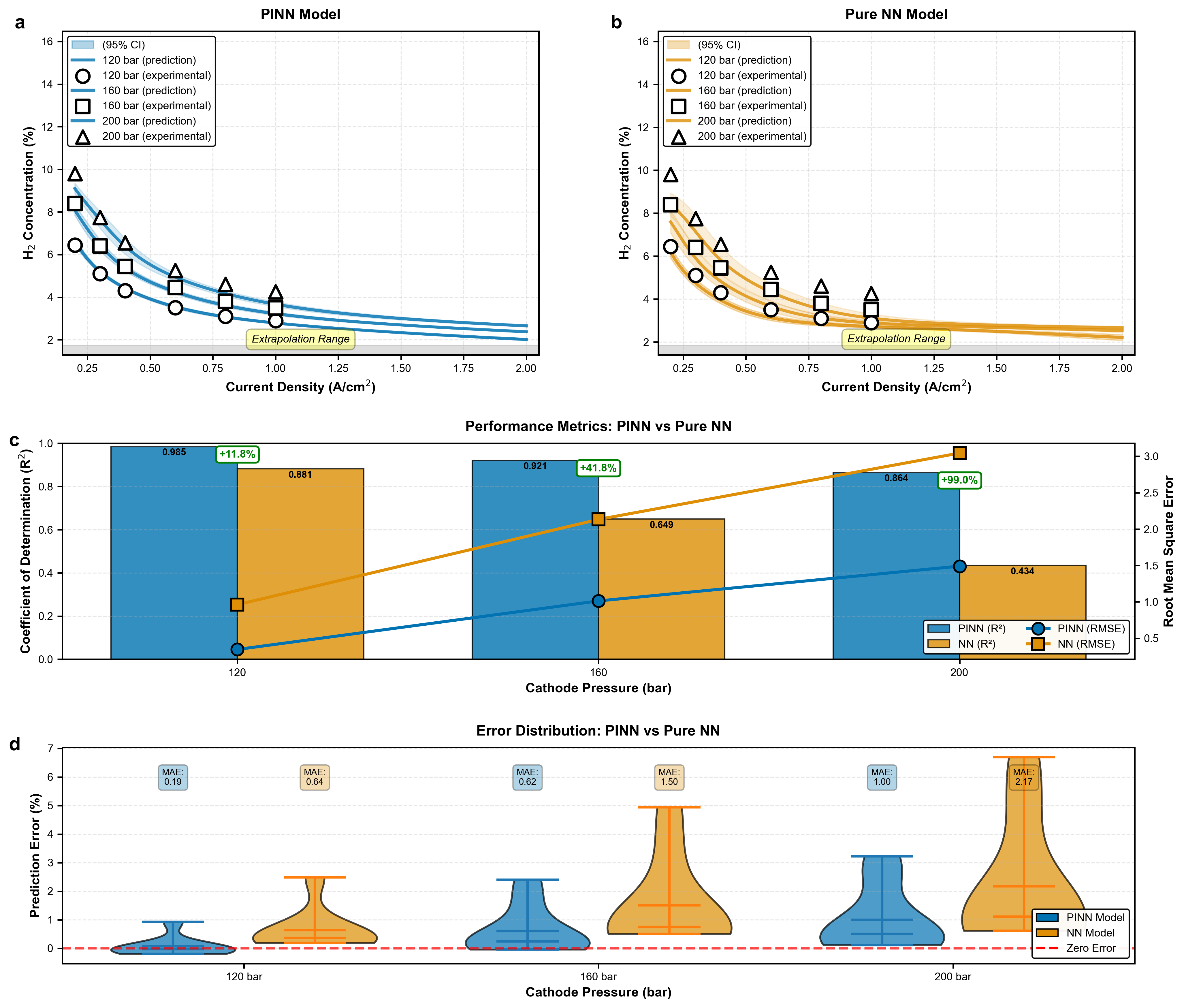
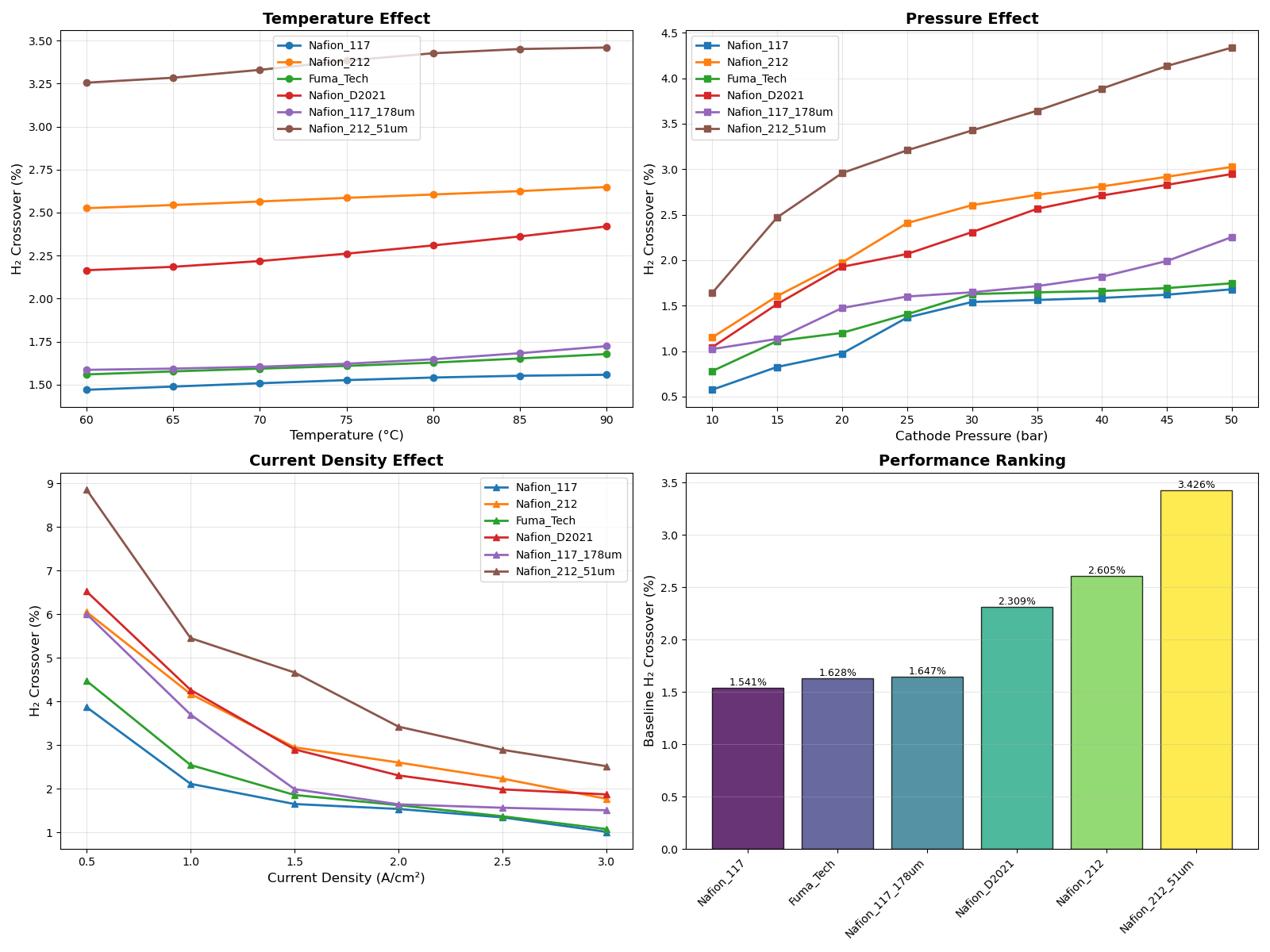
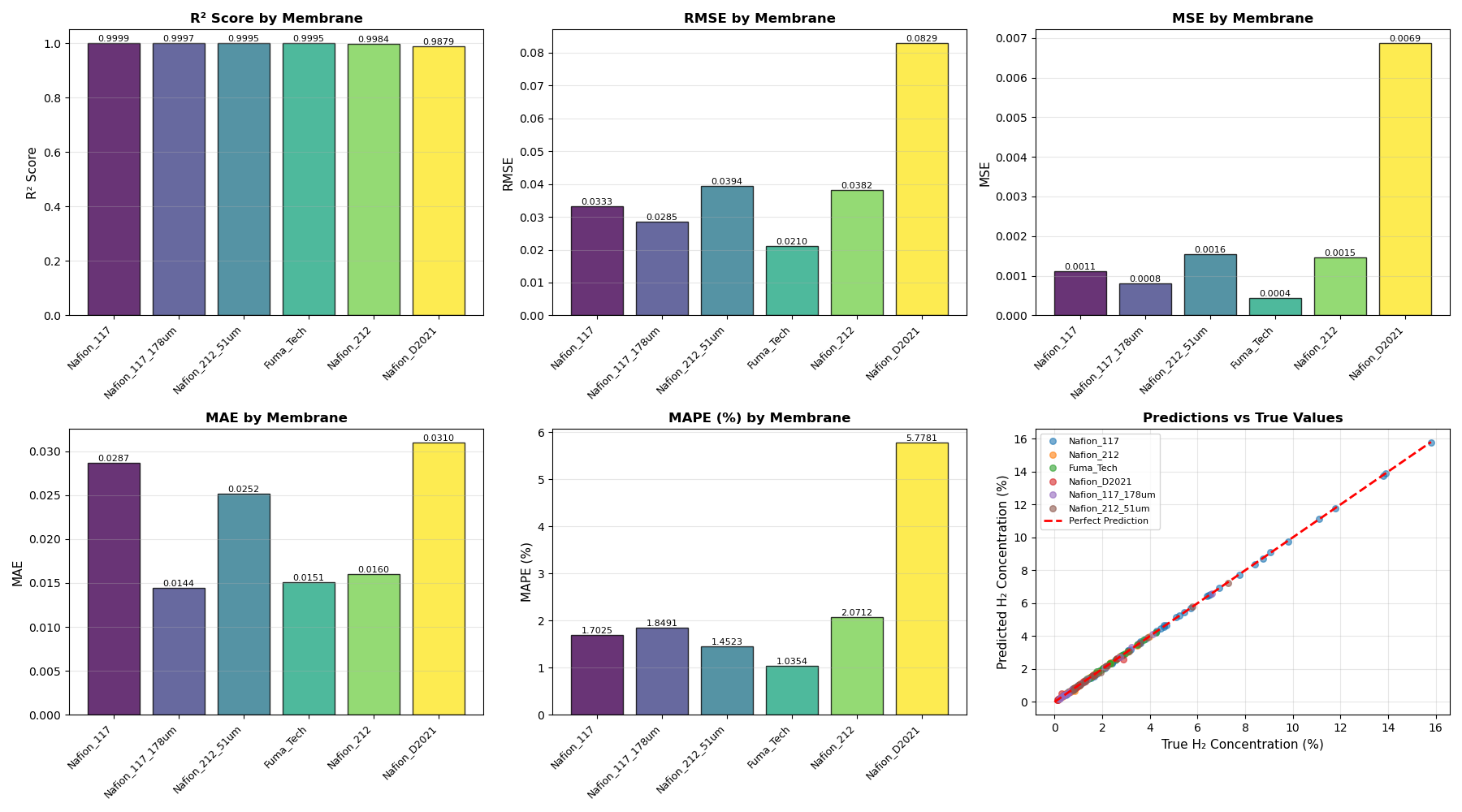
Green hydrogen production via polymer electrolyte membrane (PEM) water electrolysis is pivotal for energy transition, yet hydrogen crossover through membranes threatens safety and economic viability-approaching explosive limits (4 mol% H$_2$ in O$_2$) while reducing Faradaic efficiency and accelerating membrane degradation. Current physics-based models require extensive calibration and computational resources that preclude real-time implementation, while purely data-driven approaches fail to extrapolate beyond training conditions-critical for dynamic electrolyzer operation. Here we present the first application of physics-informed neural networks (PINNs) for hydrogen crossover prediction, trained on 184 published measurements augmented to 1,114 points and constrained by a constitutive physics model (Henry's law, Fick's diffusion, and Faraday-based gas production) embedded in the loss function. Our compact architecture (17,793 parameters), validated across six membranes under industrially relevant conditions (0.05-5.0 A/cm$^2$, 1-200 bar, 25-85°C), achieves exceptional accuracy (R$^2$ = 99.84% $\pm$ 0.15%, RMSE = 0.0932% $\pm$ 0.0438%) based on five-fold cross-validation, with sub-millisecond inference enabling real-time control. Remarkably, the model maintains R$^2$ > 86% when predicting crossover at pressures 2.5x beyond training range-substantially outperforming pure neural networks (R$^2$ = 43.4%). The hardware-agnostic deployment, from desktop CPUs to edge devices (Raspberry Pi 4), enables distributed safety monitoring essential for gigawatt-scale installations. By bridging physical rigor and computational efficiency, this work establishes a new paradigm for real-time electrolyzer monitoring, accelerating deployment of safe, efficient green hydrogen infrastructure crucial for net-zero emissions targets.💡 Deep Analysis
📄 Full Content
📸 Image Gallery
Reference
This content is AI-processed based on open access ArXiv data.