Extending the Joint Probability Method to Compound Flooding: Statistical Delineation of Transition Zones and Design Event Selection
Reading time: 2 minute
...
📝 Original Info
- Title: Extending the Joint Probability Method to Compound Flooding: Statistical Delineation of Transition Zones and Design Event Selection
- ArXiv ID: 2511.03871
- Date: 2025-11-05
- Authors: ** 논문에 명시된 저자 정보가 제공되지 않았습니다. (저자명 및 소속을 확인하려면 원문을 참고하십시오.) **
📝 Abstract
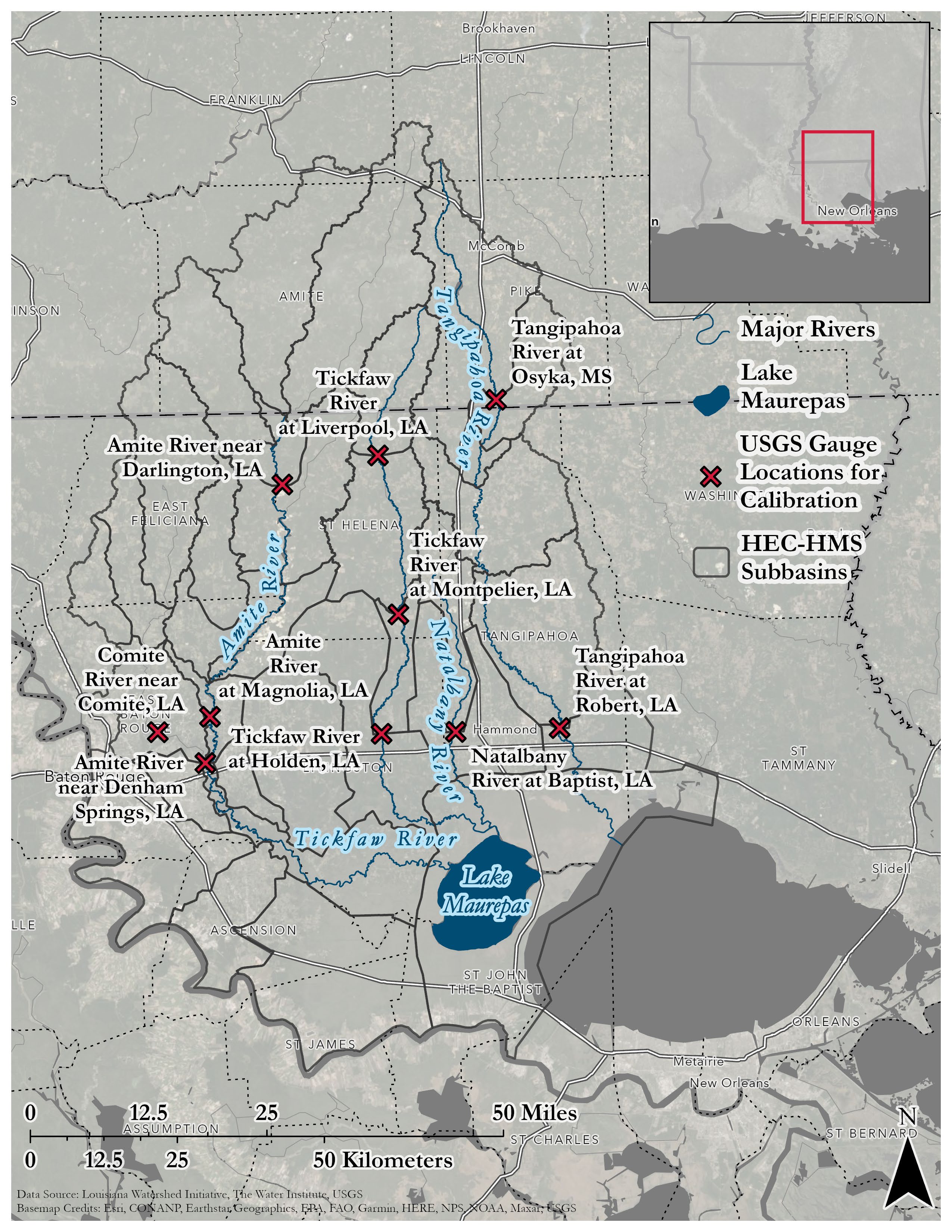
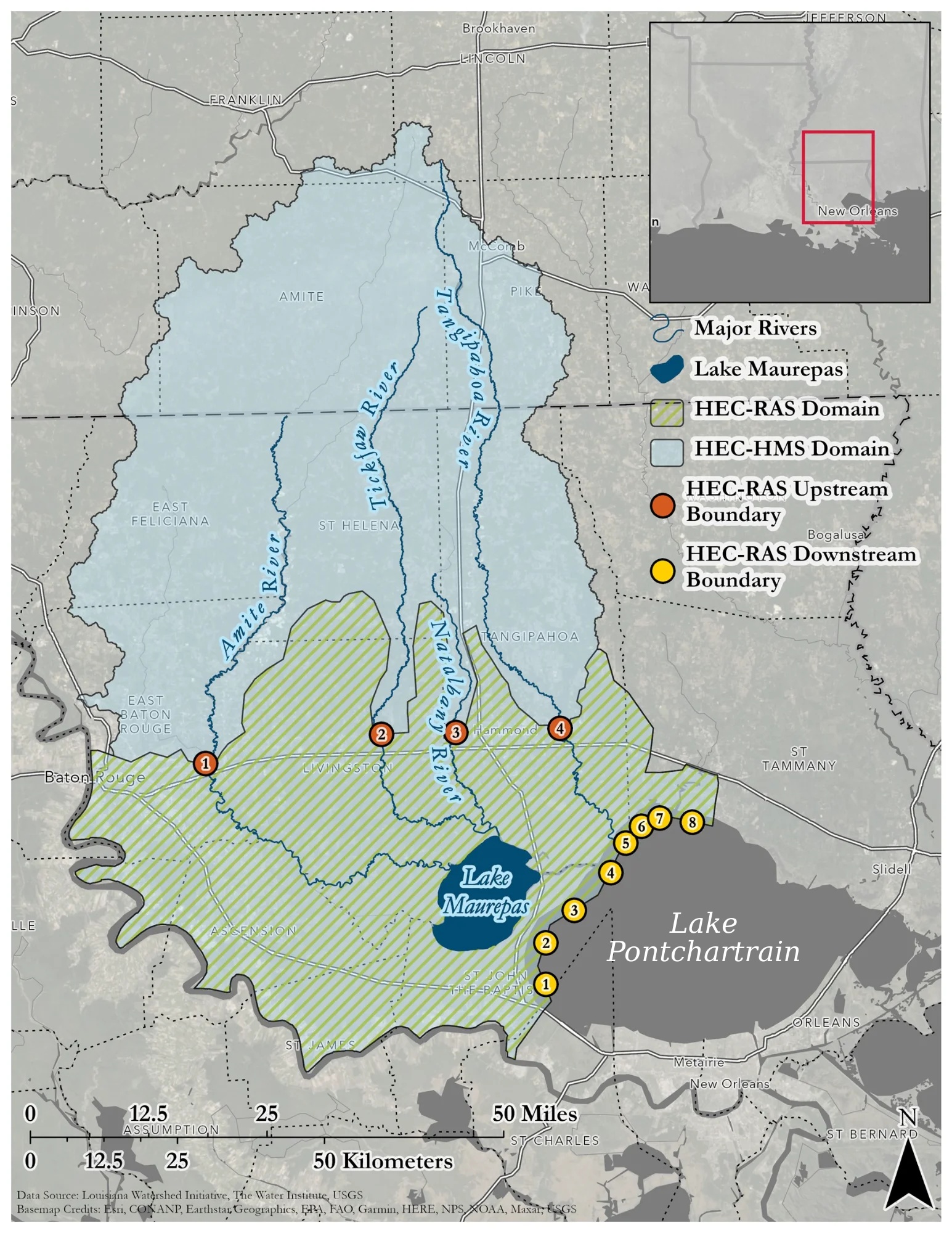
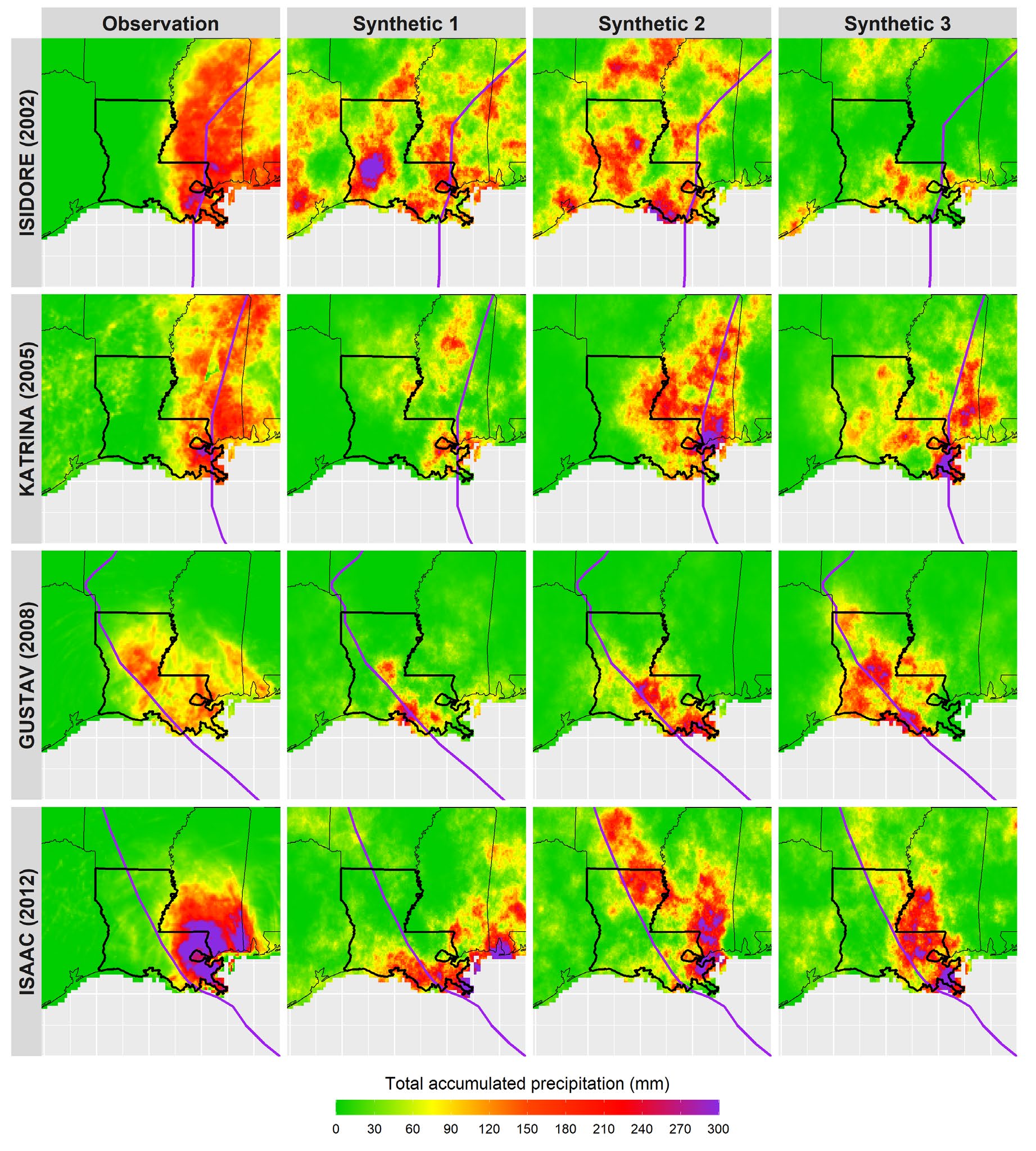
Compound flooding from the combined effects of extreme storm surge, rainfall, and river flows poses significant risks to infrastructure and communities -- as demonstrated by hurricanes Isaac and Harvey. Yet, existing methods to quantify compound flood risk lack a unified probabilistic basis. Copula-based models capture the co-occurrence of flood drivers but not the likelihood of the flood response, while coupled hydrodynamic models simulate interactions but lack a probabilistic characterization of compound flood extremes. The Joint Probability Method (JPM), the foundation of coastal surge risk analysis, has never been formally extended to incorporate hydrologic drivers -- leaving a critical gap in quantifying compound flood risk and the statistical structure of compound flood transition zones (CFTZs). Here, we extend the JPM theory to hydrologic processes for quantifying the likelihood of compound flood depths across both tropical and non-tropical storms. This extended methodology incorporates rainfall fields, antecedent soil moisture, and baseflow alongside coastal storm surge, enabling: (1) a statistical description of the flood depth as the response to the joint distribution of hydrologic and coastal drivers, (2) a statistical delineation of the CFTZ based on exceedance probabilities, and (3) a systematic identification of design storms for specified return period flood depths, moving beyond design based solely on driver likelihoods. We demonstrate this method around Lake Maurepas, Louisiana. Results show a CFTZ more than double the area of prior event-specific delineations, with compound interactions increasing flood depths by up to 2.25 feet. This extended JPM provides a probabilistic foundation for compound flood risk assessment and planning.💡 Deep Analysis
📄 Full Content
📸 Image Gallery
Reference
This content is AI-processed based on open access ArXiv data.