Preventing Shortcuts in Adapter Training via Providing the Shortcuts
Reading time: 2 minute
...
📝 Original Info
- Title: Preventing Shortcuts in Adapter Training via Providing the Shortcuts
- ArXiv ID: 2510.20887
- Date: 2025-10-23
- Authors: ** 논문에 명시된 저자 정보가 제공되지 않아 현재 알 수 없음. **
📝 Abstract
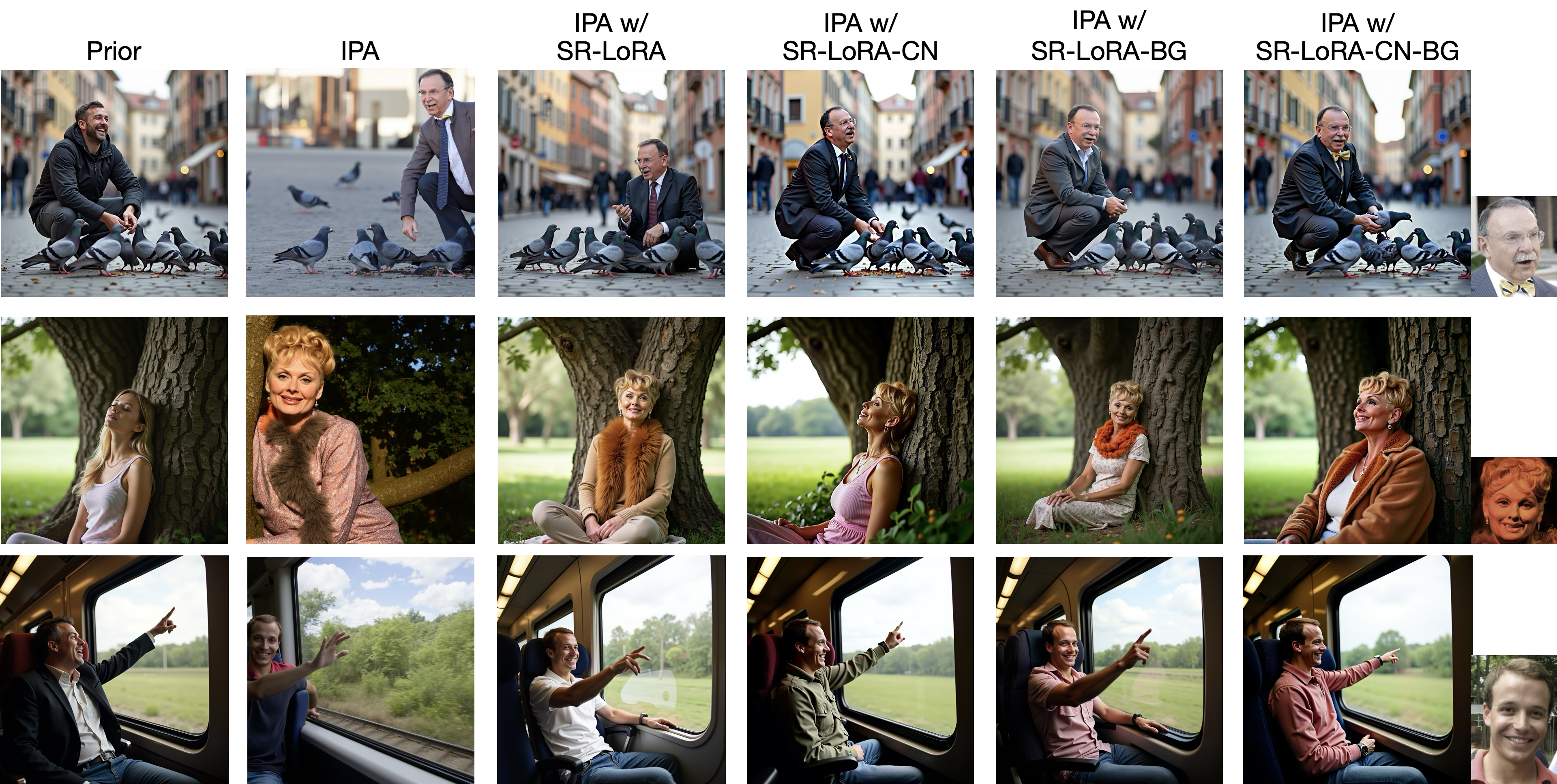
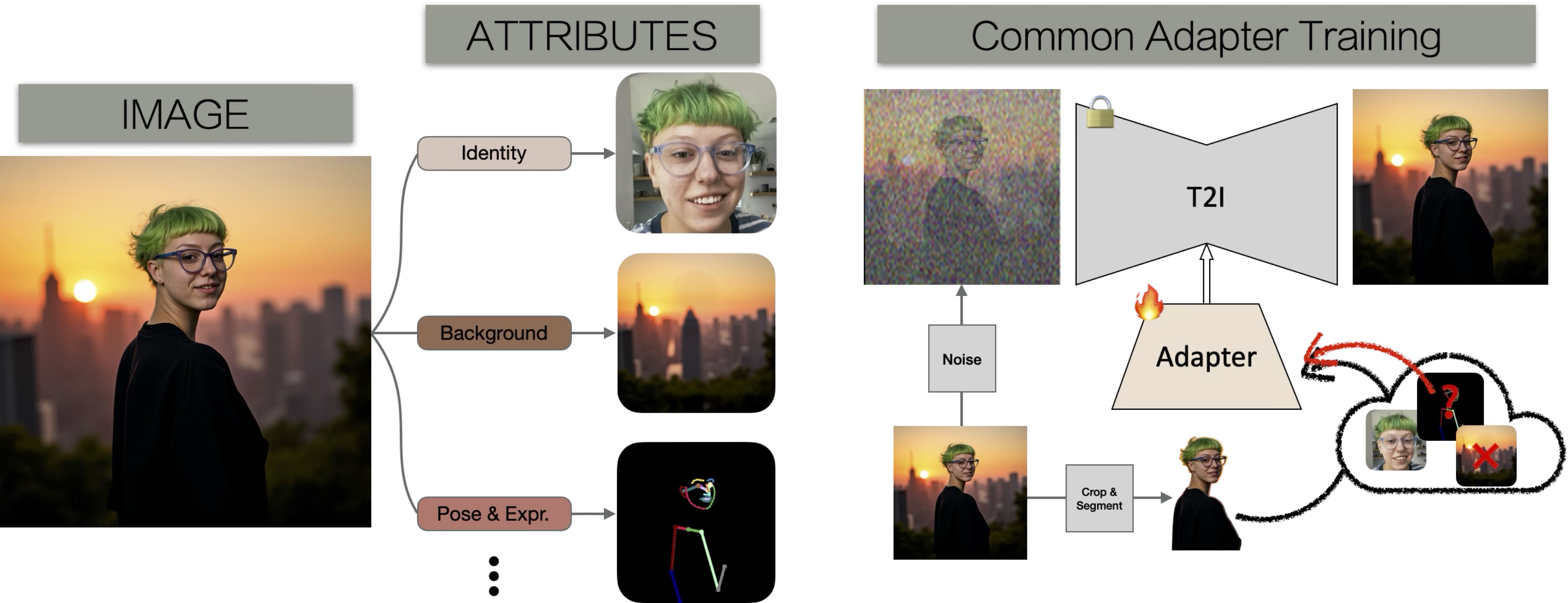
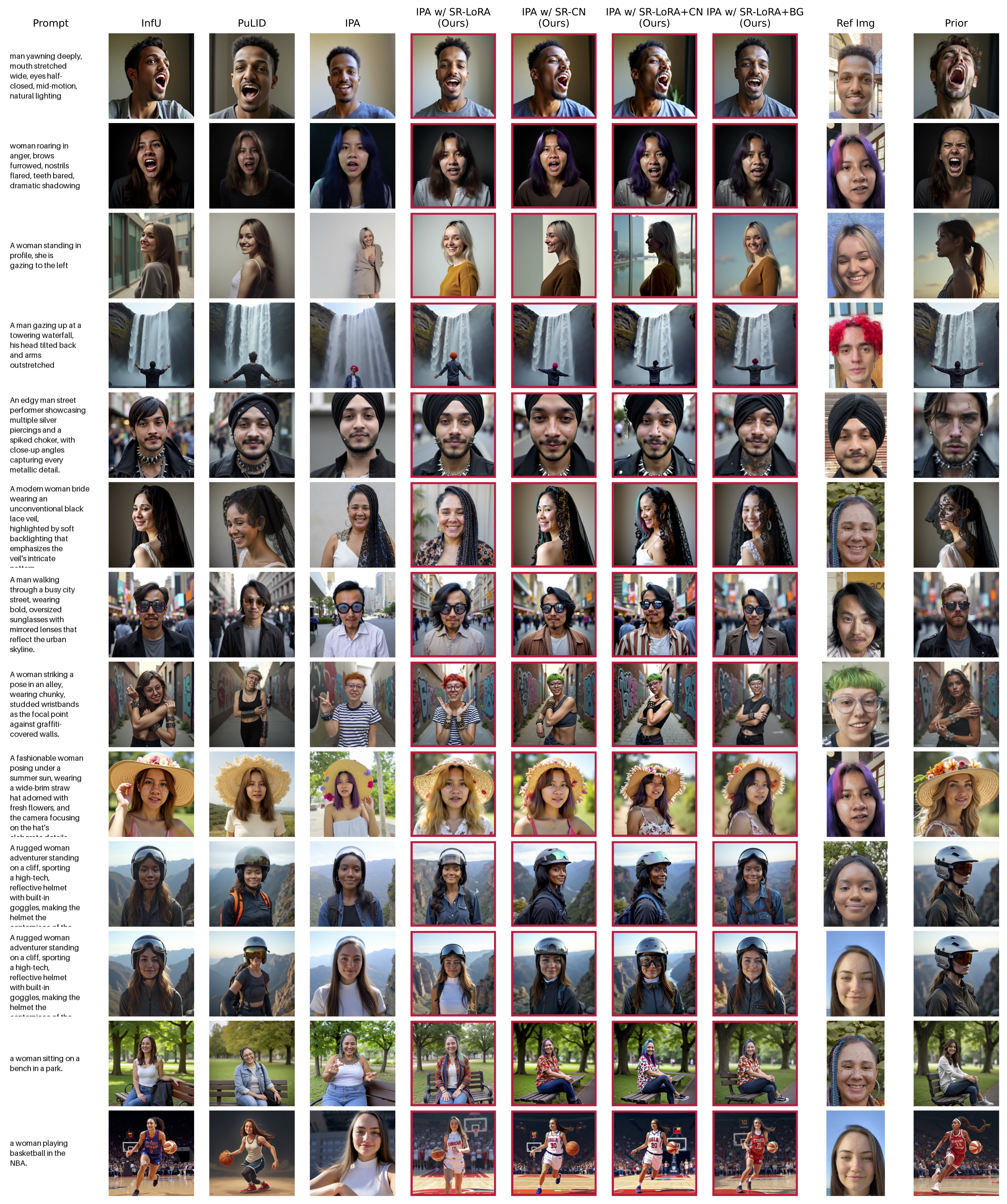
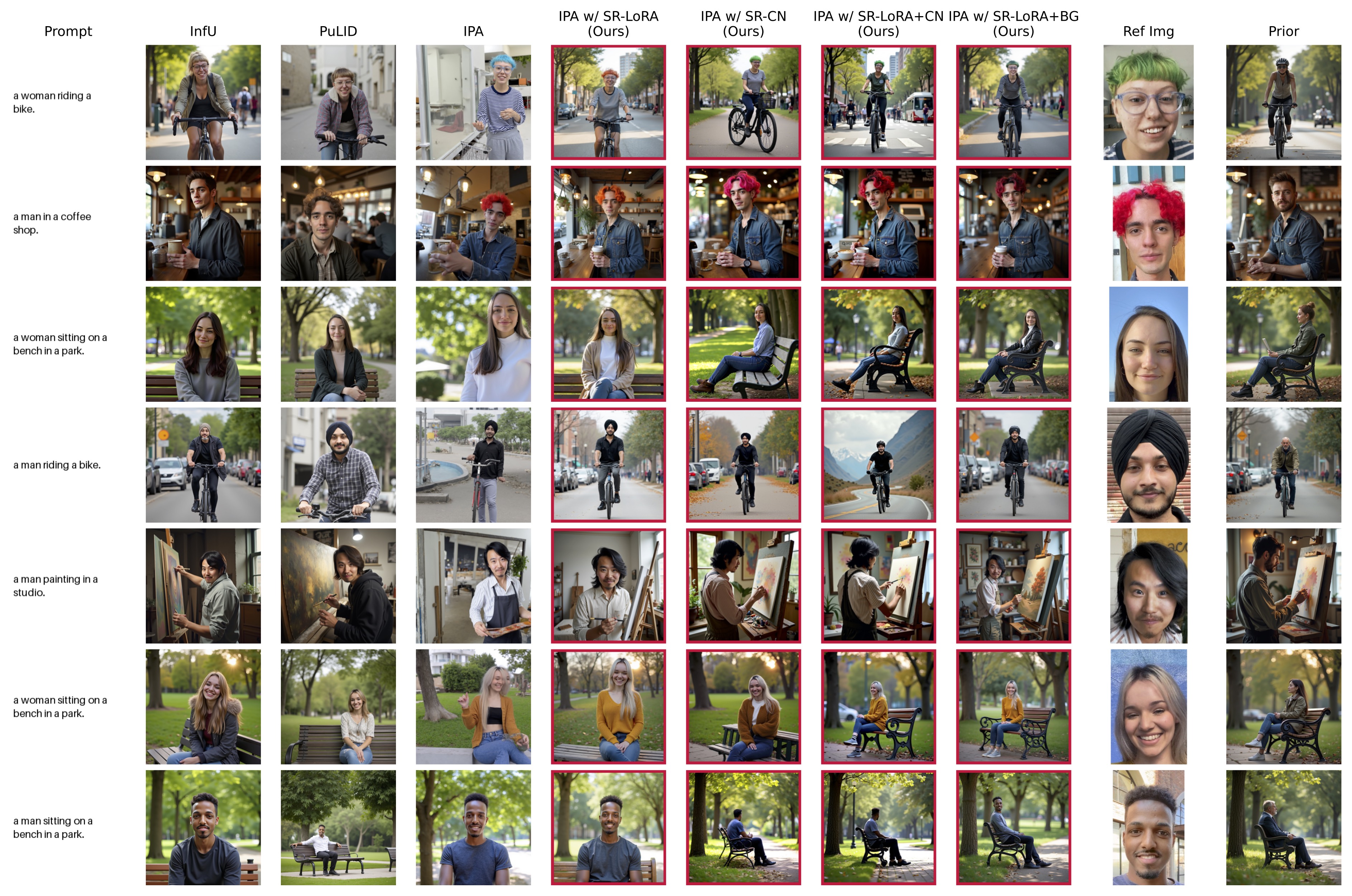
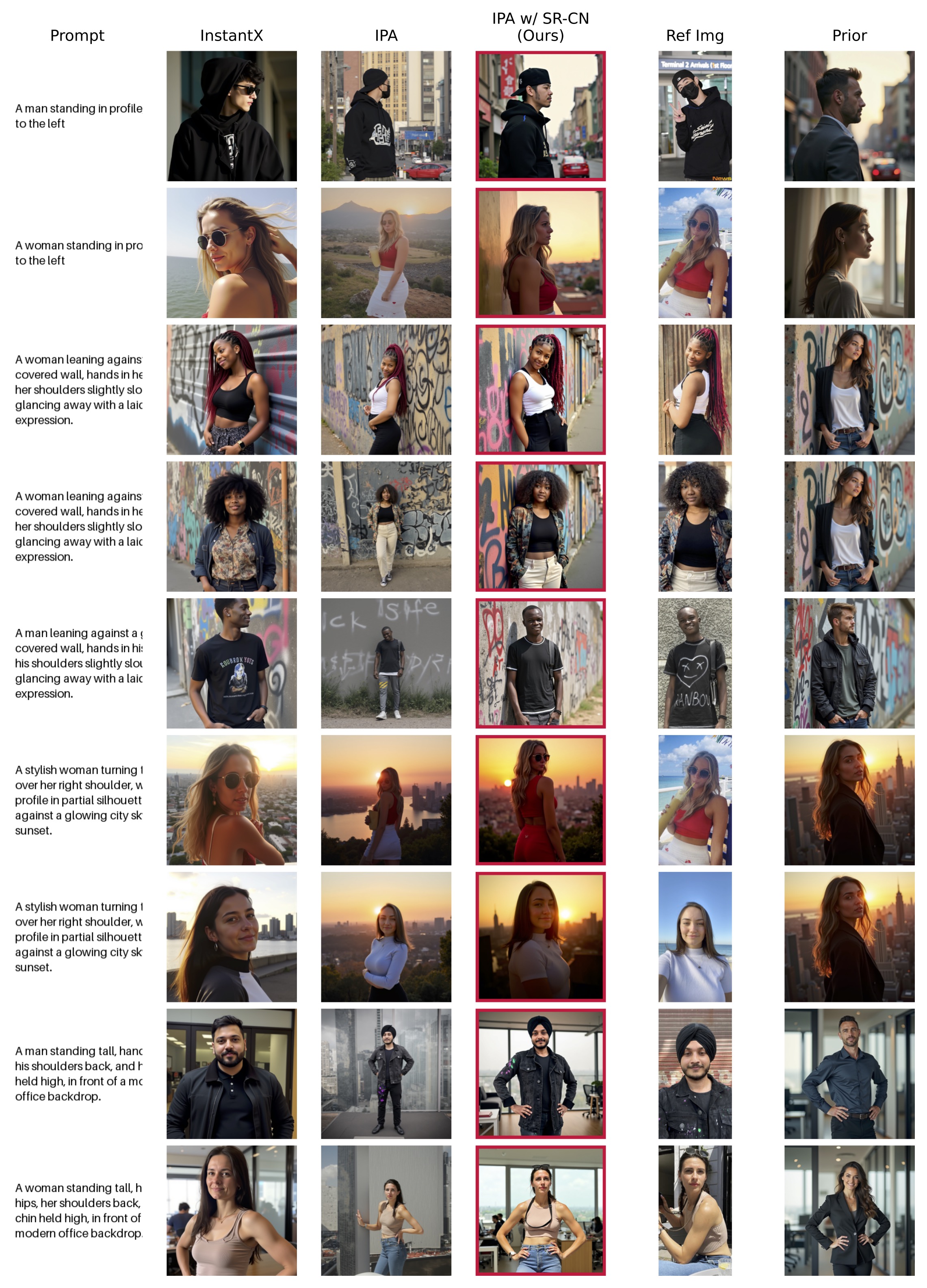
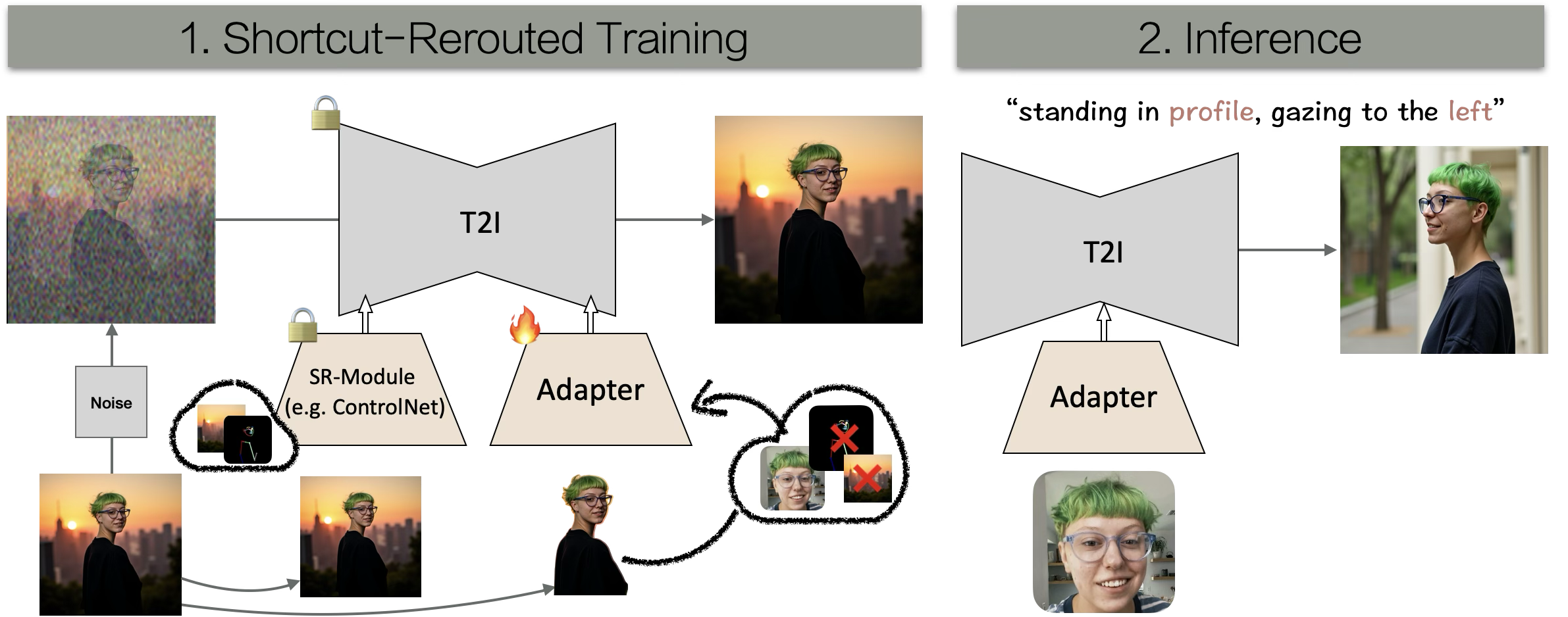
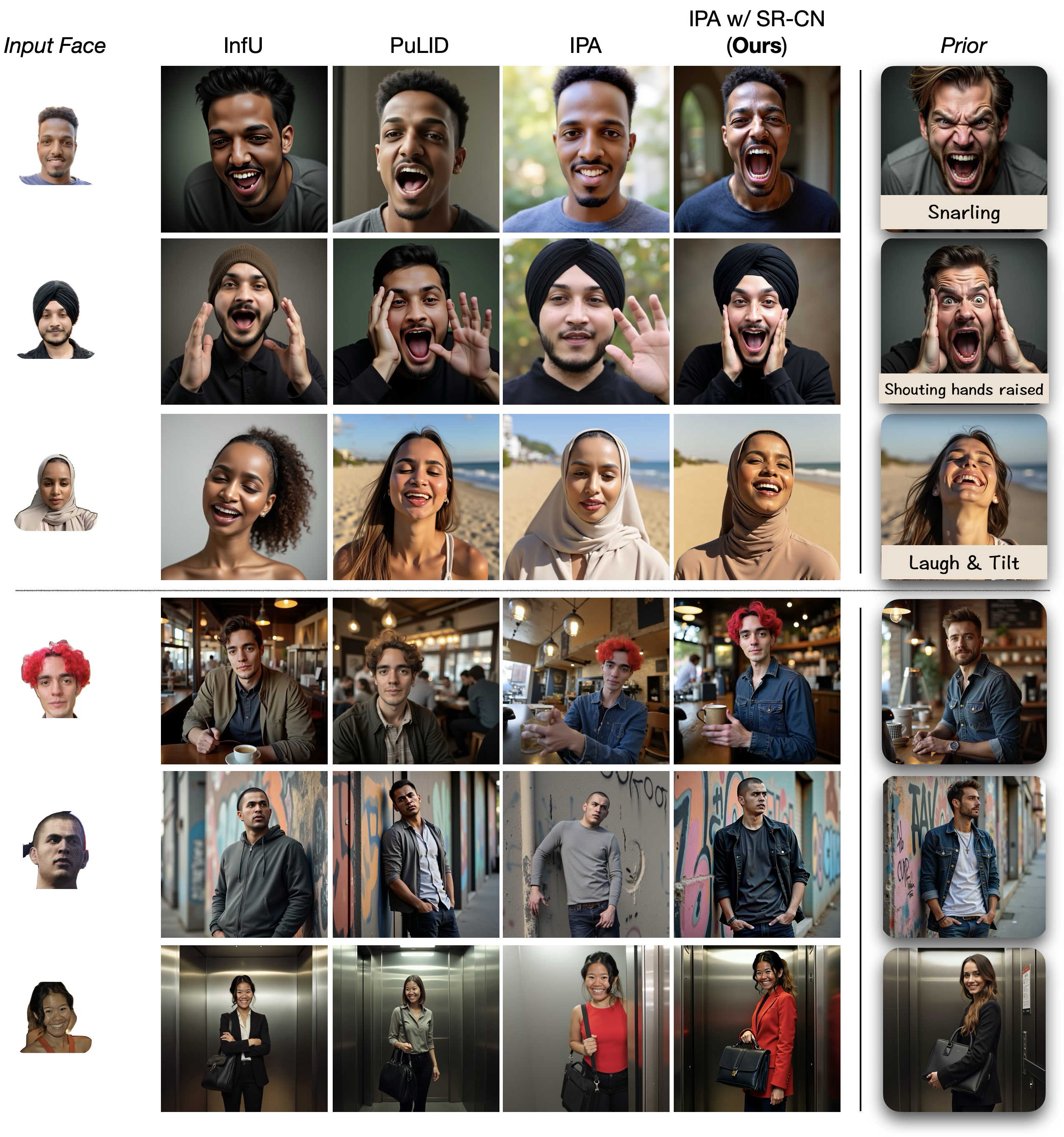
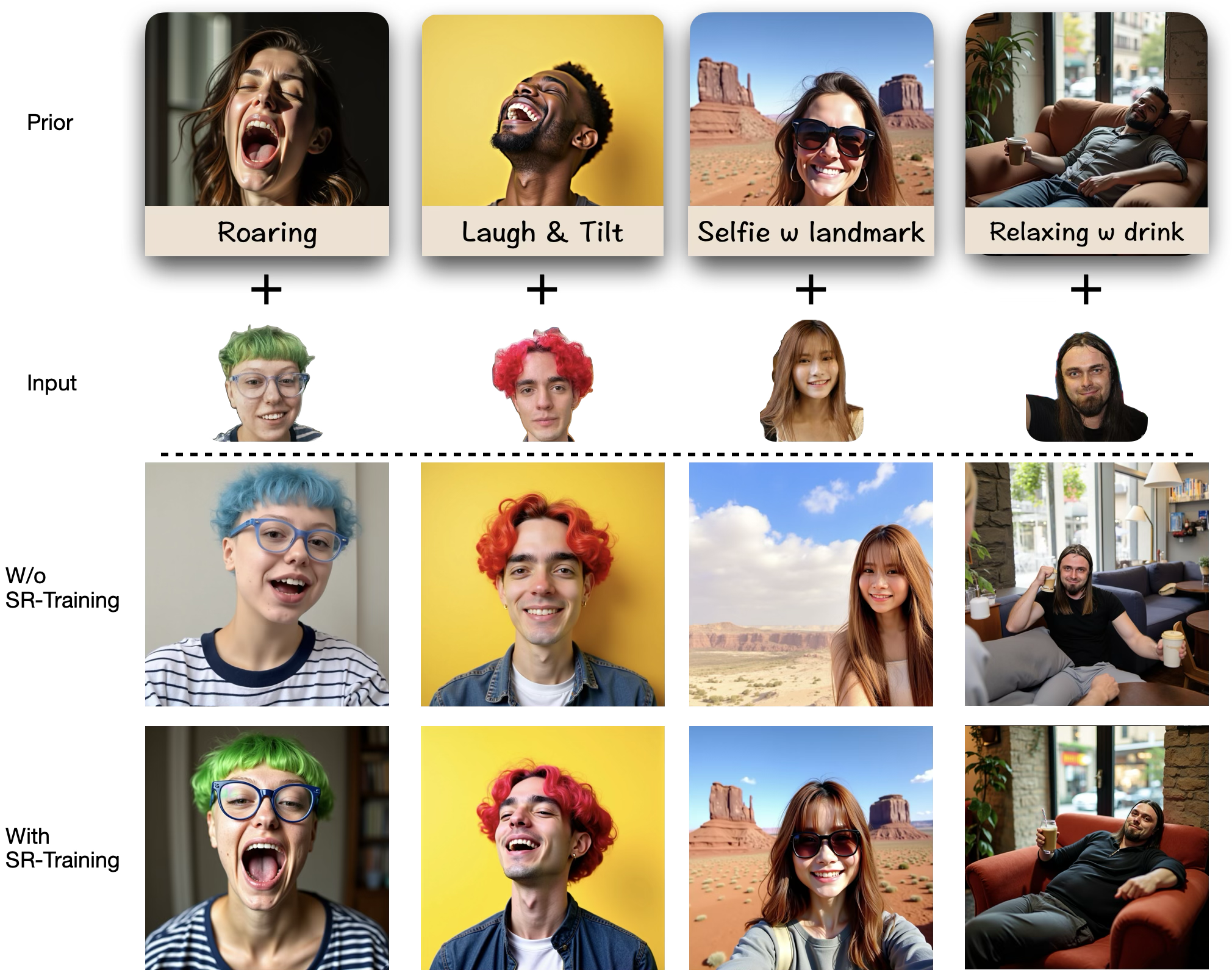
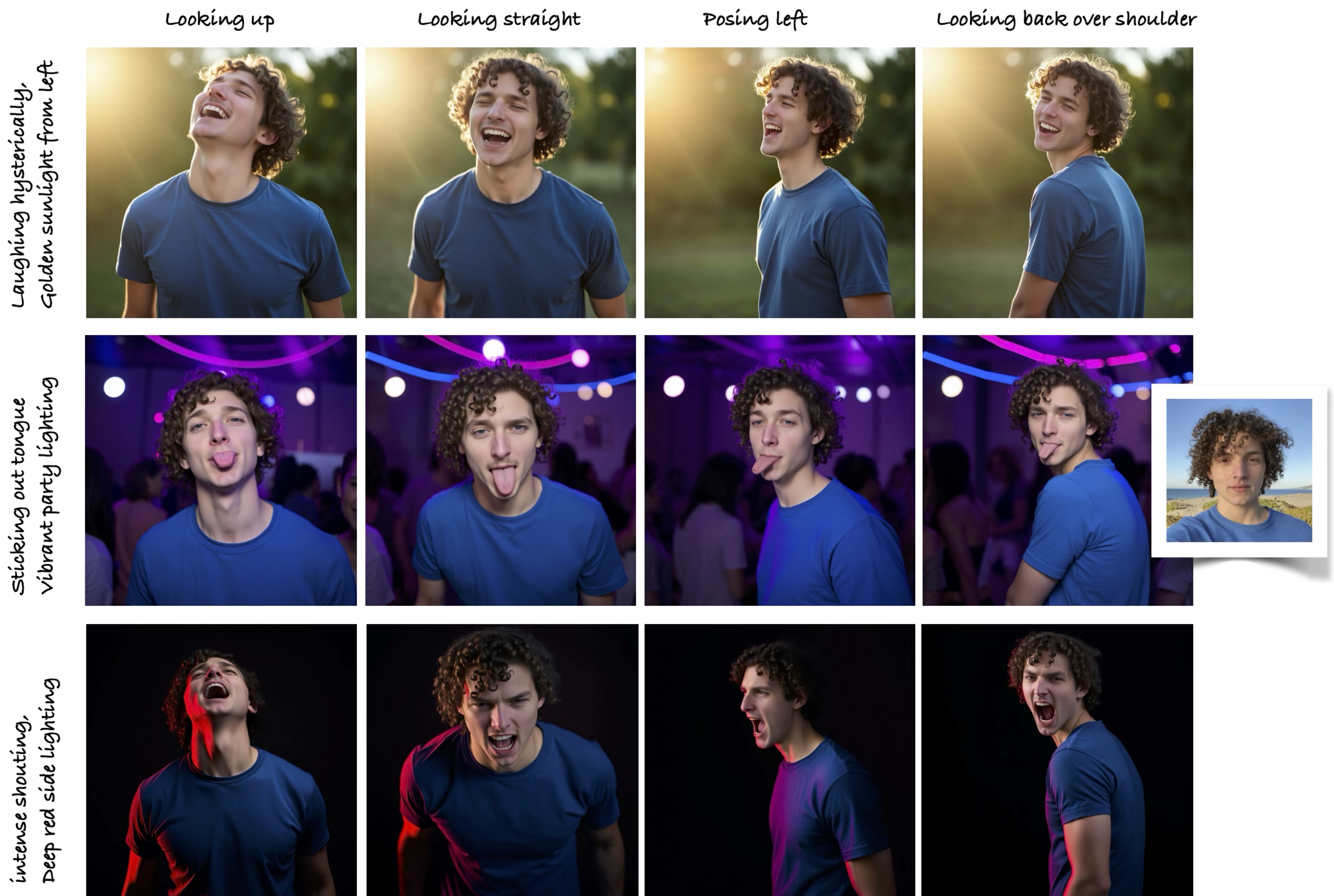
Adapter-based training has emerged as a key mechanism for extending the capabilities of powerful foundation image generators, enabling personalized and stylized text-to-image synthesis. These adapters are typically trained to capture a specific target attribute, such as subject identity, using single-image reconstruction objectives. However, because the input image inevitably contains a mixture of visual factors, adapters are prone to entangle the target attribute with incidental ones, such as pose, expression, and lighting. This spurious correlation problem limits generalization and obstructs the model's ability to adhere to the input text prompt. In this work, we uncover a simple yet effective solution: provide the very shortcuts we wish to eliminate during adapter training. In Shortcut-Rerouted Adapter Training, confounding factors are routed through auxiliary modules, such as ControlNet or LoRA, eliminating the incentive for the adapter to internalize them. The auxiliary modules are then removed during inference. When applied to tasks like facial and full-body identity injection, our approach improves generation quality, diversity, and prompt adherence. These results point to a general design principle in the era of large models: when seeking disentangled representations, the most effective path may be to establish shortcuts for what should NOT be learned.💡 Deep Analysis
📄 Full Content
📸 Image Gallery



Reference
This content is AI-processed based on open access ArXiv data.