Designing Tools with Control Confidence
Reading time: 2 minute
...
📝 Original Info
- Title: Designing Tools with Control Confidence
- ArXiv ID: 2510.12630
- Date: 2025-10-14
- Authors: ** 논문에 명시된 저자 정보가 제공되지 않았습니다. (코드 저장소
ajitham123를 기준으로 추정하면 Ajith A. M. 등일 가능성이 있습니다.) **
📝 Abstract
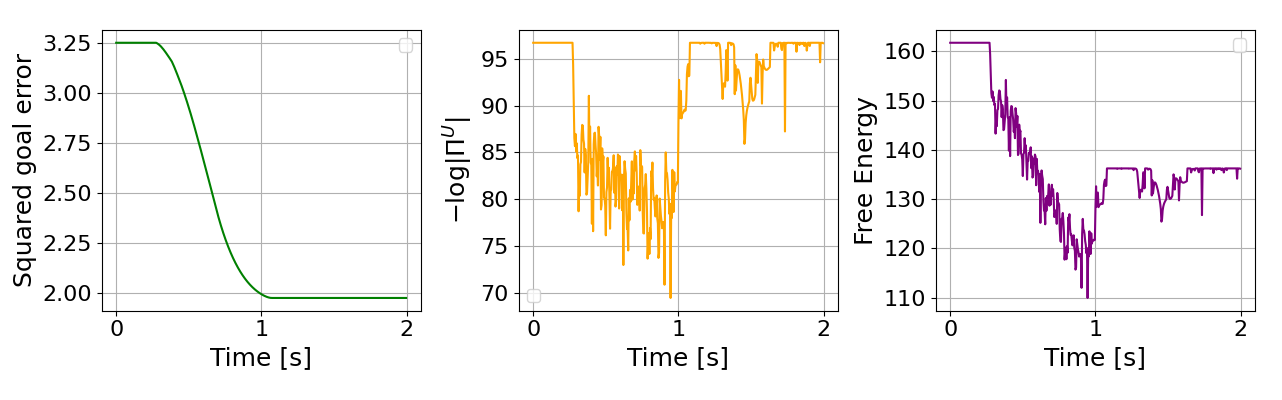
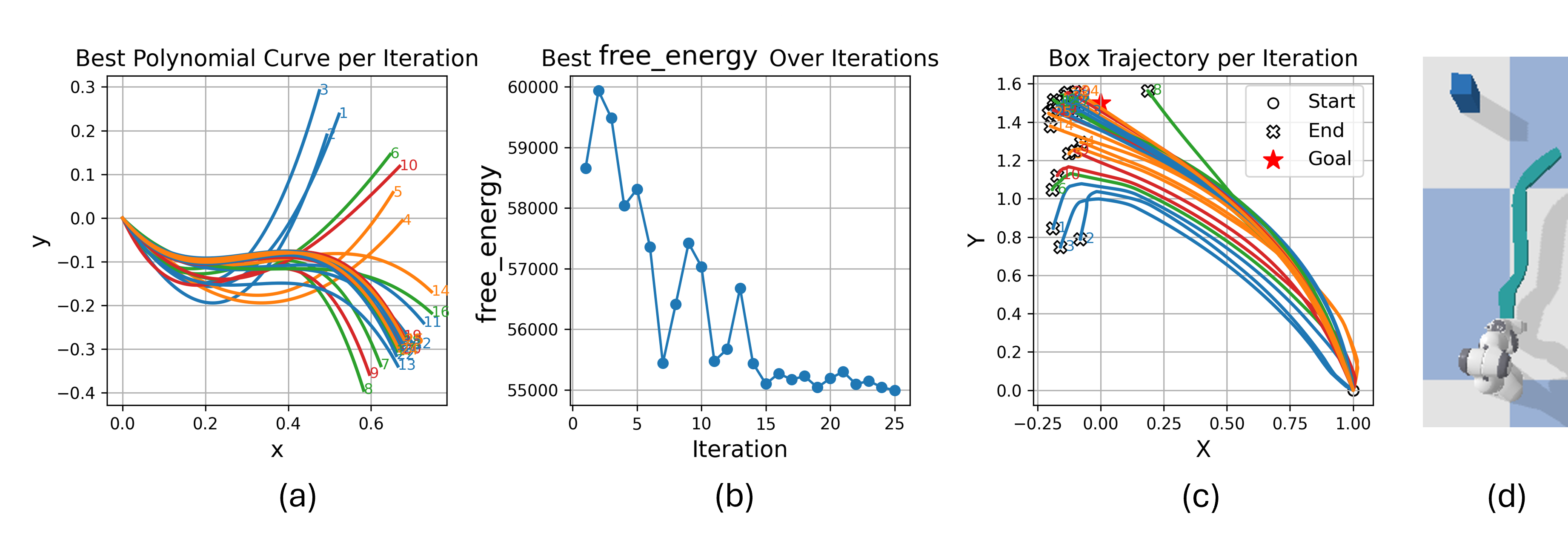
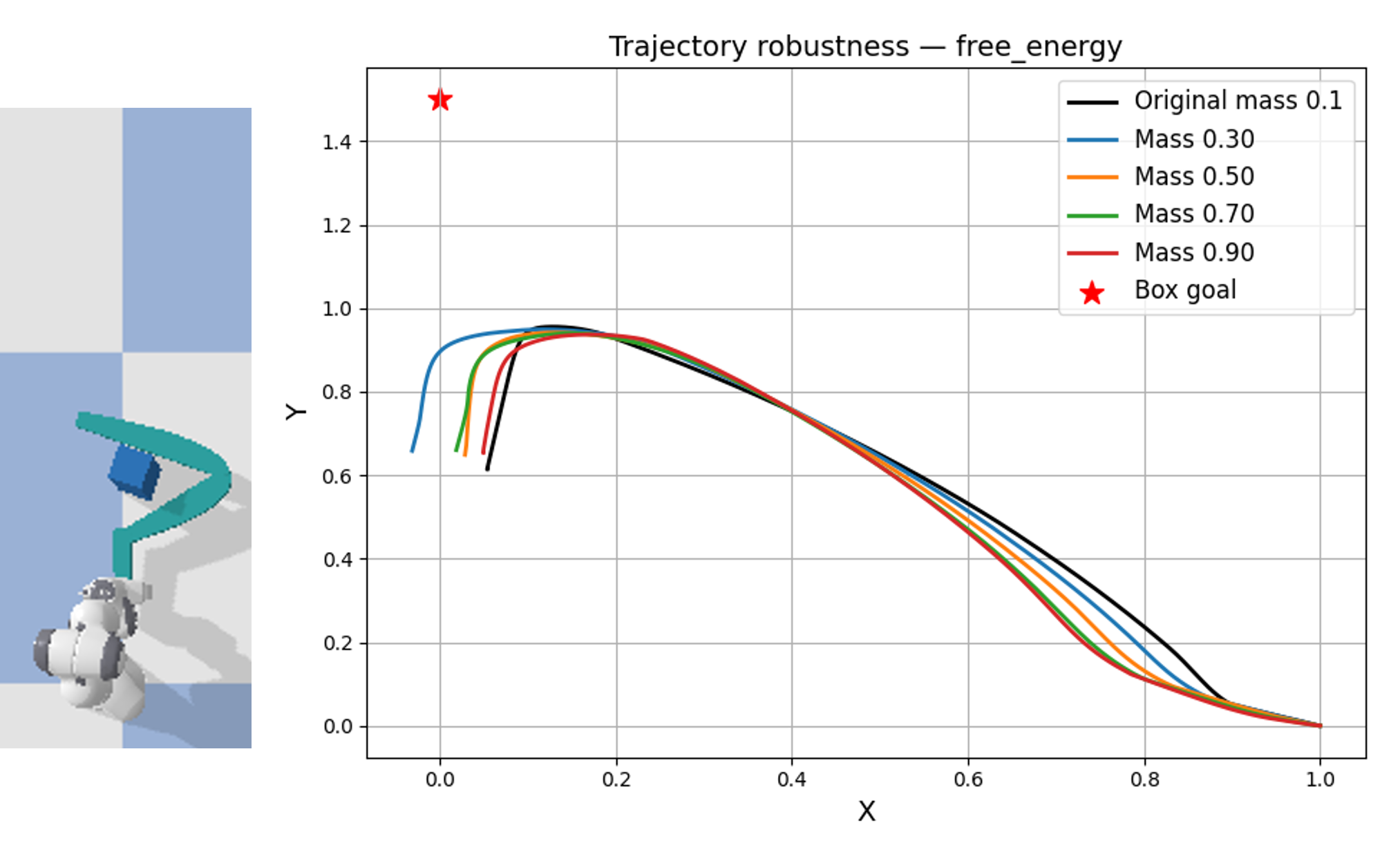
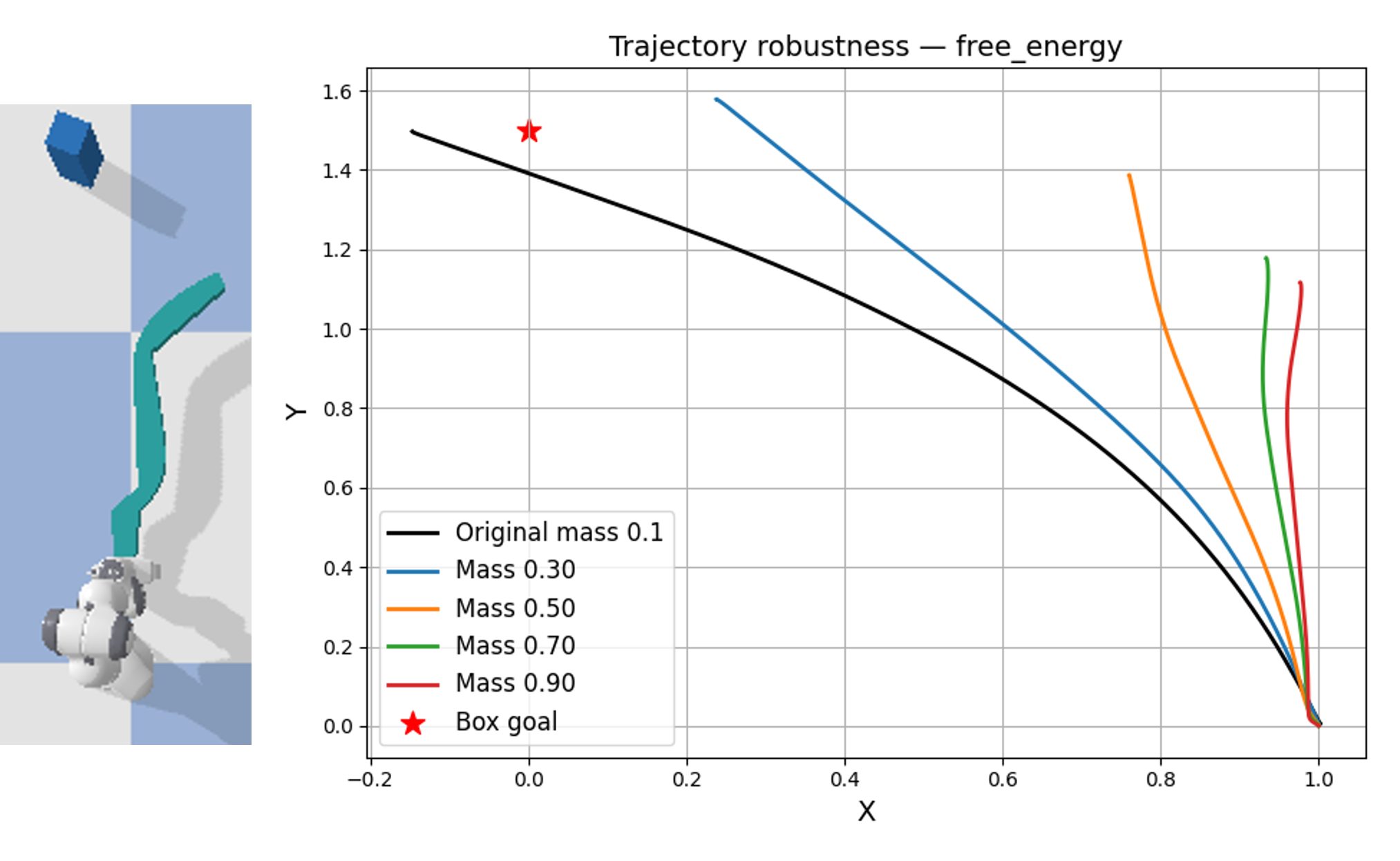
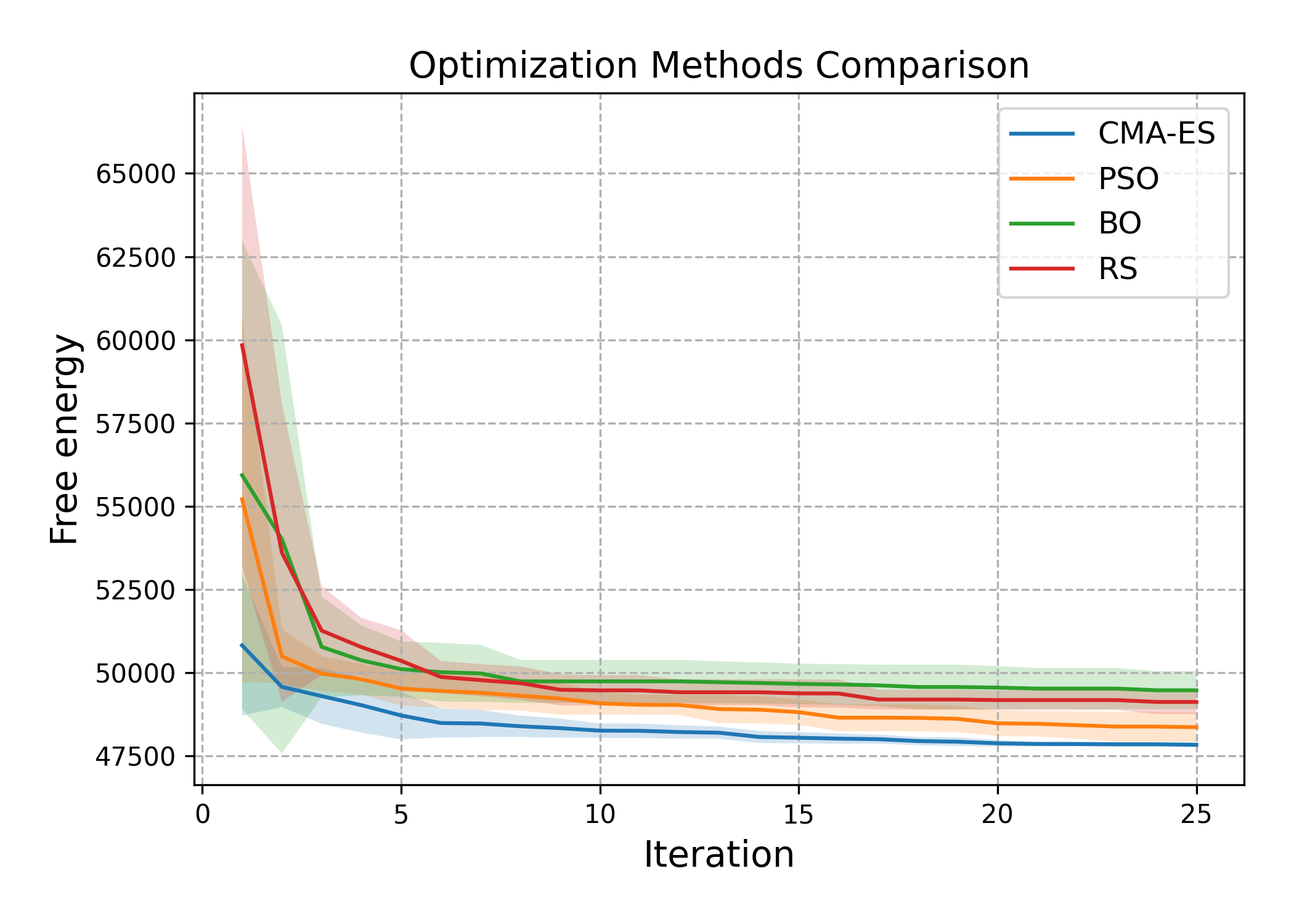
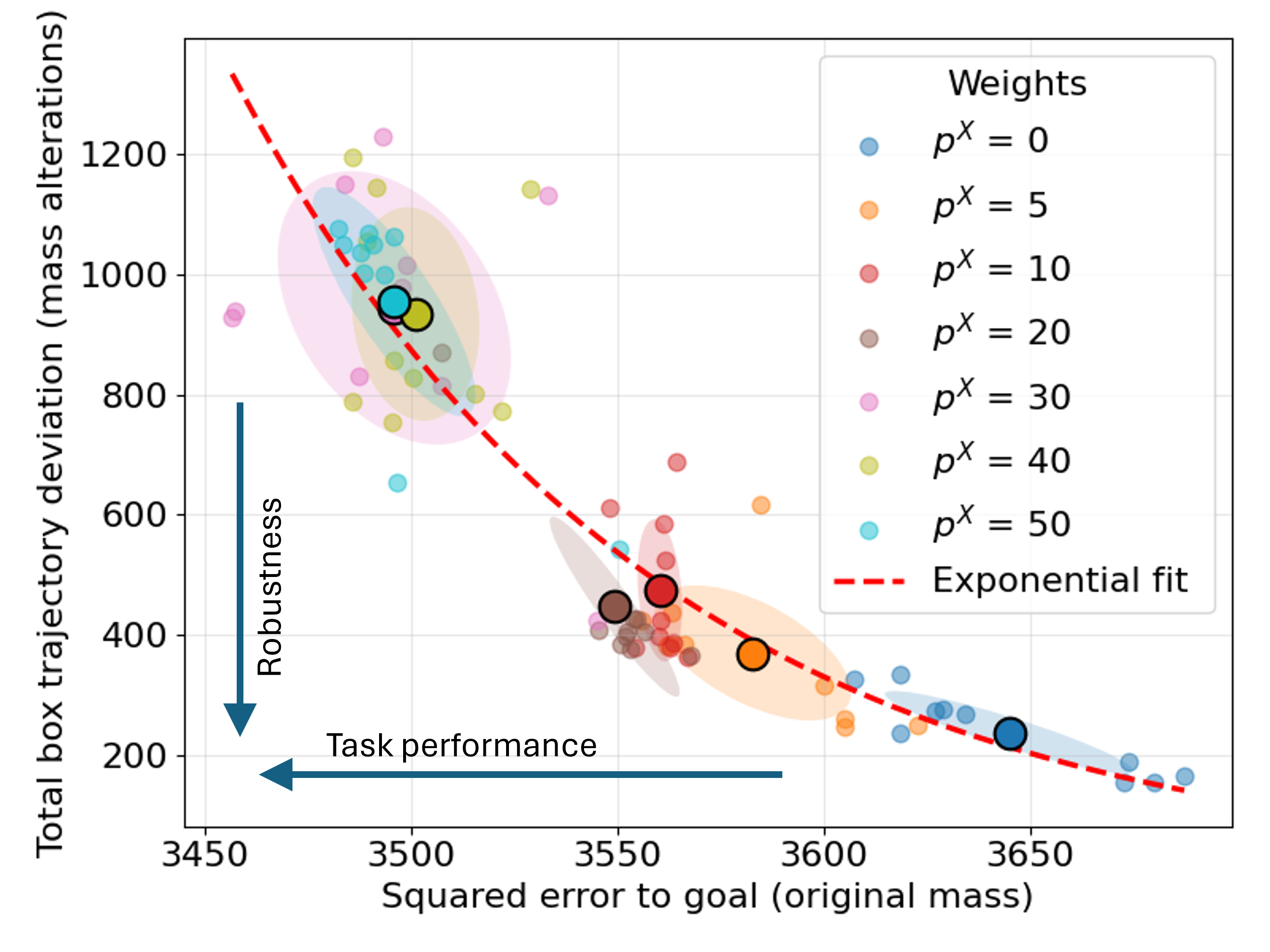
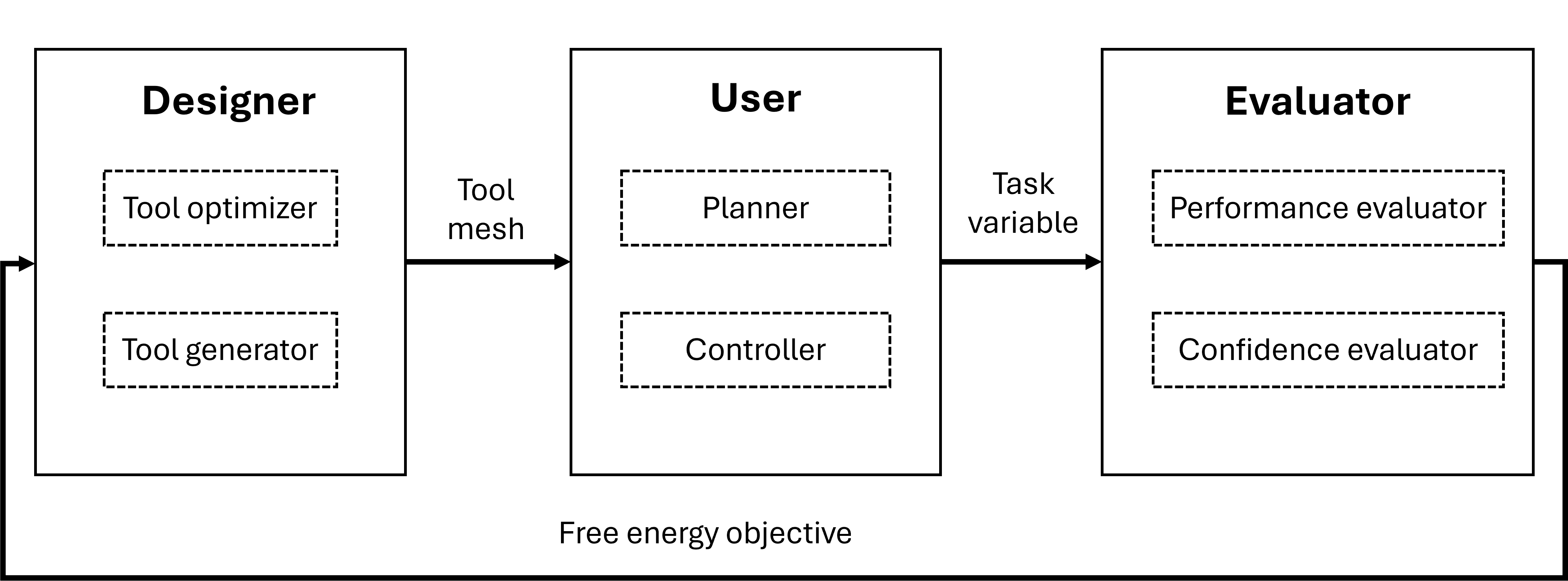
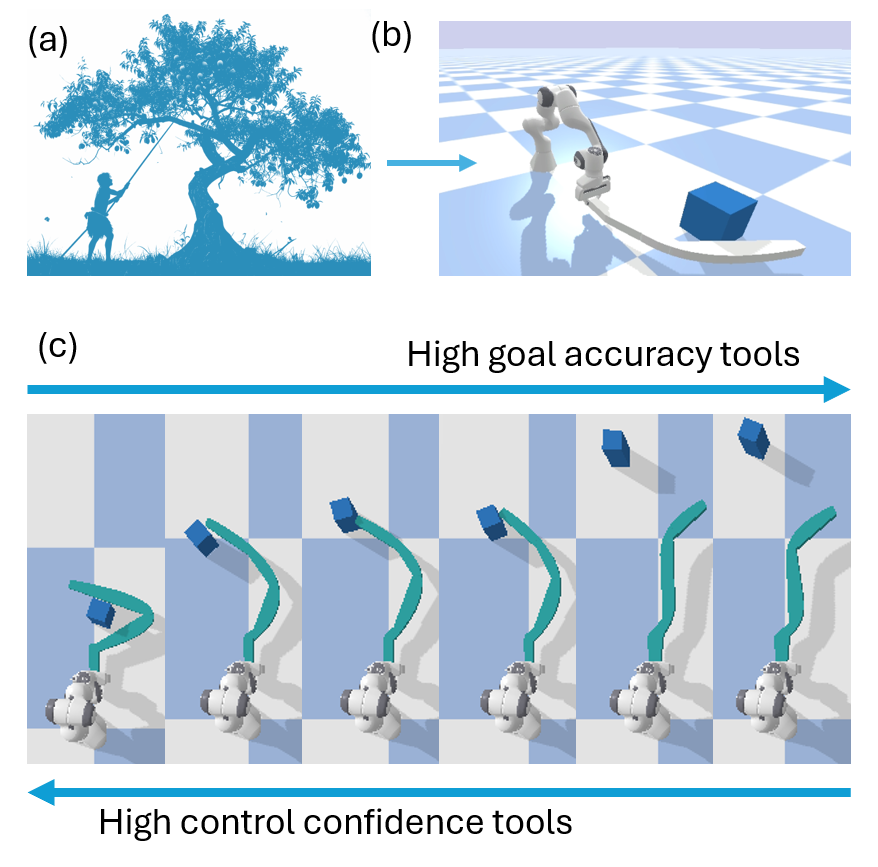
Prehistoric humans invented stone tools for specialized tasks by not just maximizing the tool's immediate goal-completion accuracy, but also increasing their confidence in the tool for later use under similar settings. This factor contributed to the increased robustness of the tool, i.e., the least performance deviations under environmental uncertainties. However, the current autonomous tool design frameworks solely rely on performance optimization, without considering the agent's confidence in tool use for repeated use. Here, we take a step towards filling this gap by i) defining an optimization framework for task-conditioned autonomous hand tool design for robots, where ii) we introduce a neuro-inspired control confidence term into the optimization routine that helps the agent to design tools with higher robustness. Through rigorous simulations using a robotic arm, we show that tools designed with control confidence as the objective function are more robust to environmental uncertainties during tool use than a pure accuracy-driven objective. We further show that adding control confidence to the objective function for tool design provides a balance between the robustness and goal accuracy of the designed tools under control perturbations. Finally, we show that our CMAES-based evolutionary optimization strategy for autonomous tool design outperforms other state-of-the-art optimizers by designing the optimal tool within the fewest iterations. Code: https://github.com/ajitham123/Tool_design_control_confidence.💡 Deep Analysis
📄 Full Content
📸 Image Gallery
Reference
This content is AI-processed based on open access ArXiv data.