A New Method for High-Resolution Dating of Radiocarbon Data: The Example of the First Three Centuries B.C
📝 Original Info
- Title: A New Method for High-Resolution Dating of Radiocarbon Data: The Example of the First Three Centuries B.C
- ArXiv ID: 2502.20211
- Date: 2025-02-27
- Authors: Researchers mentioned in the ArXiv original paper
📝 Abstract
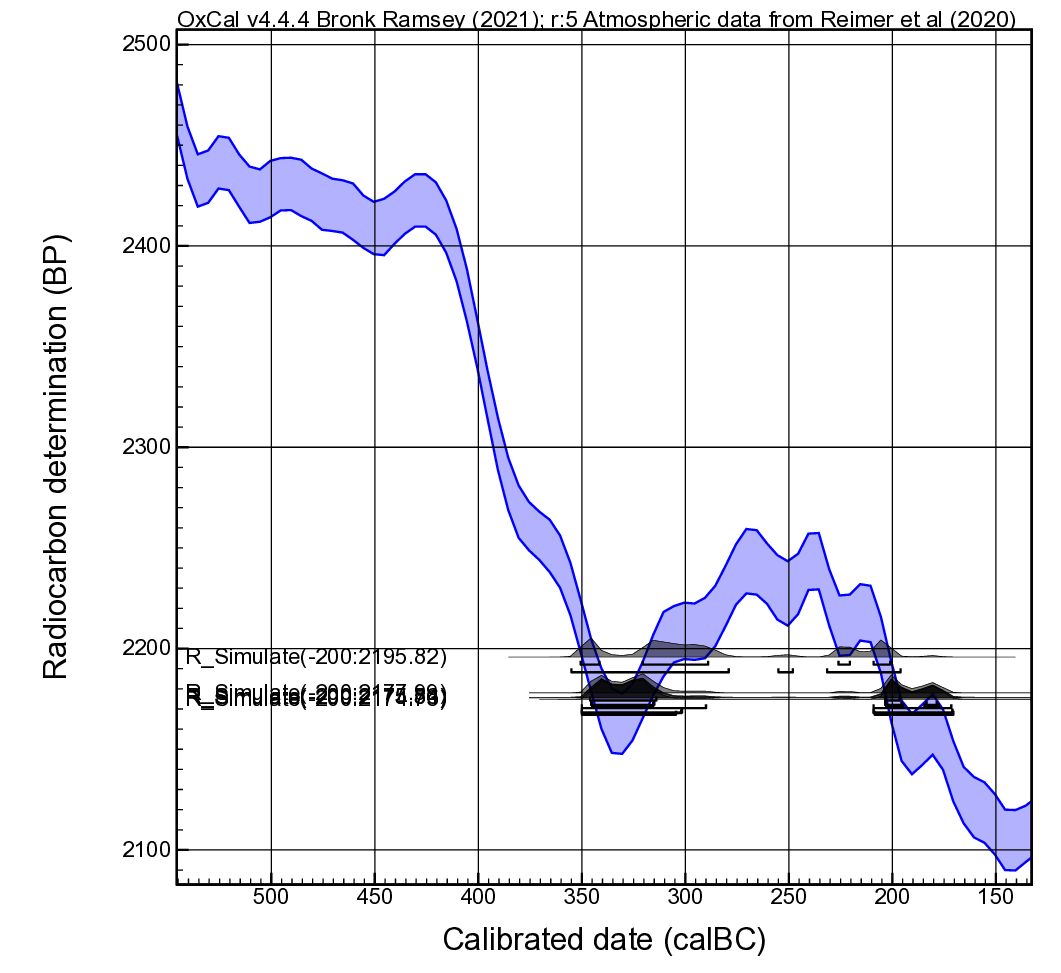
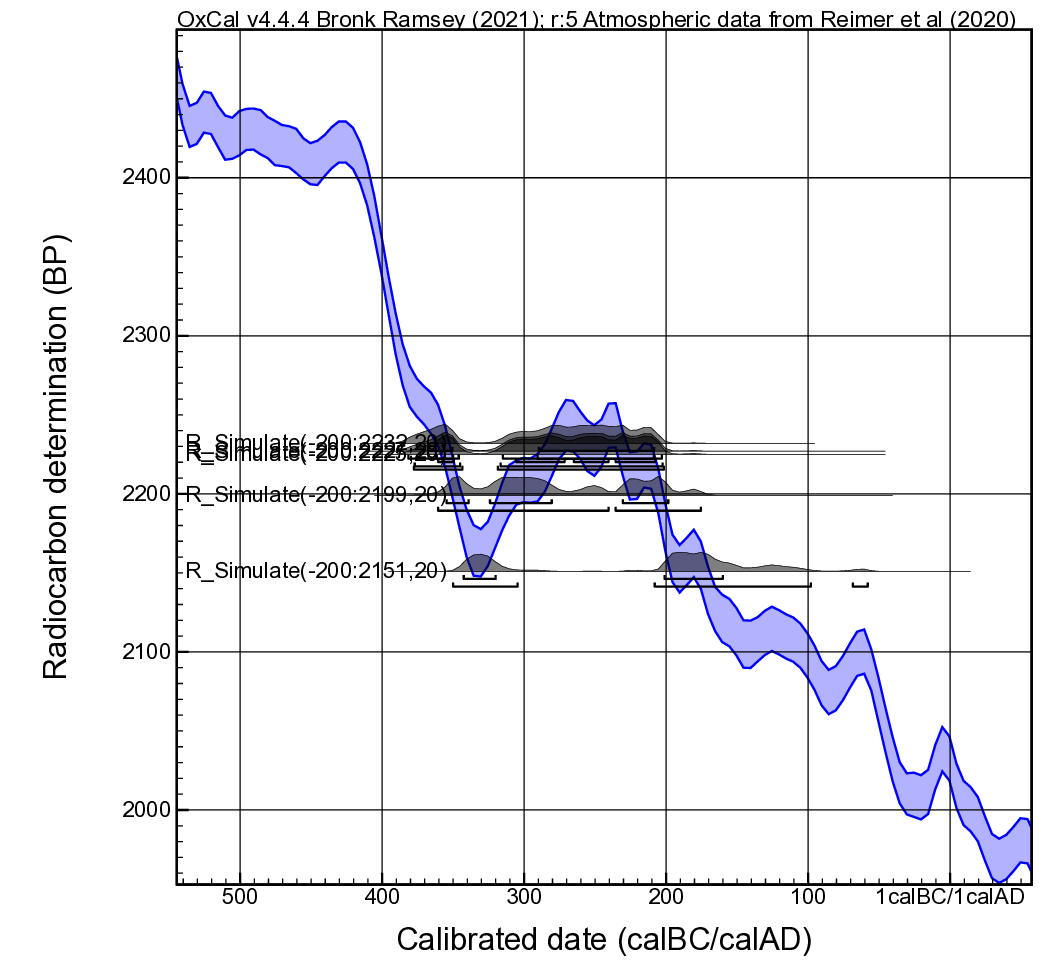
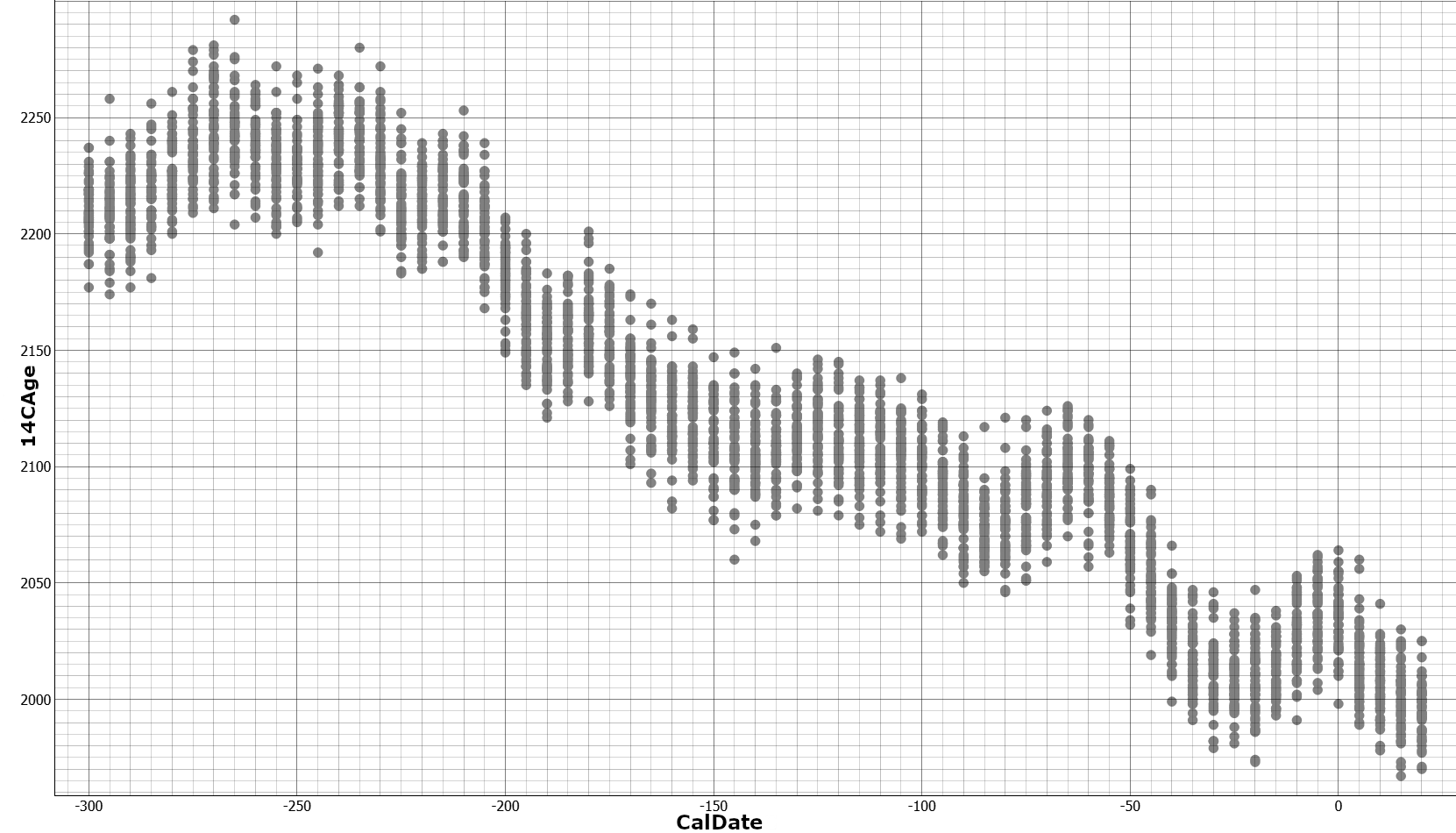
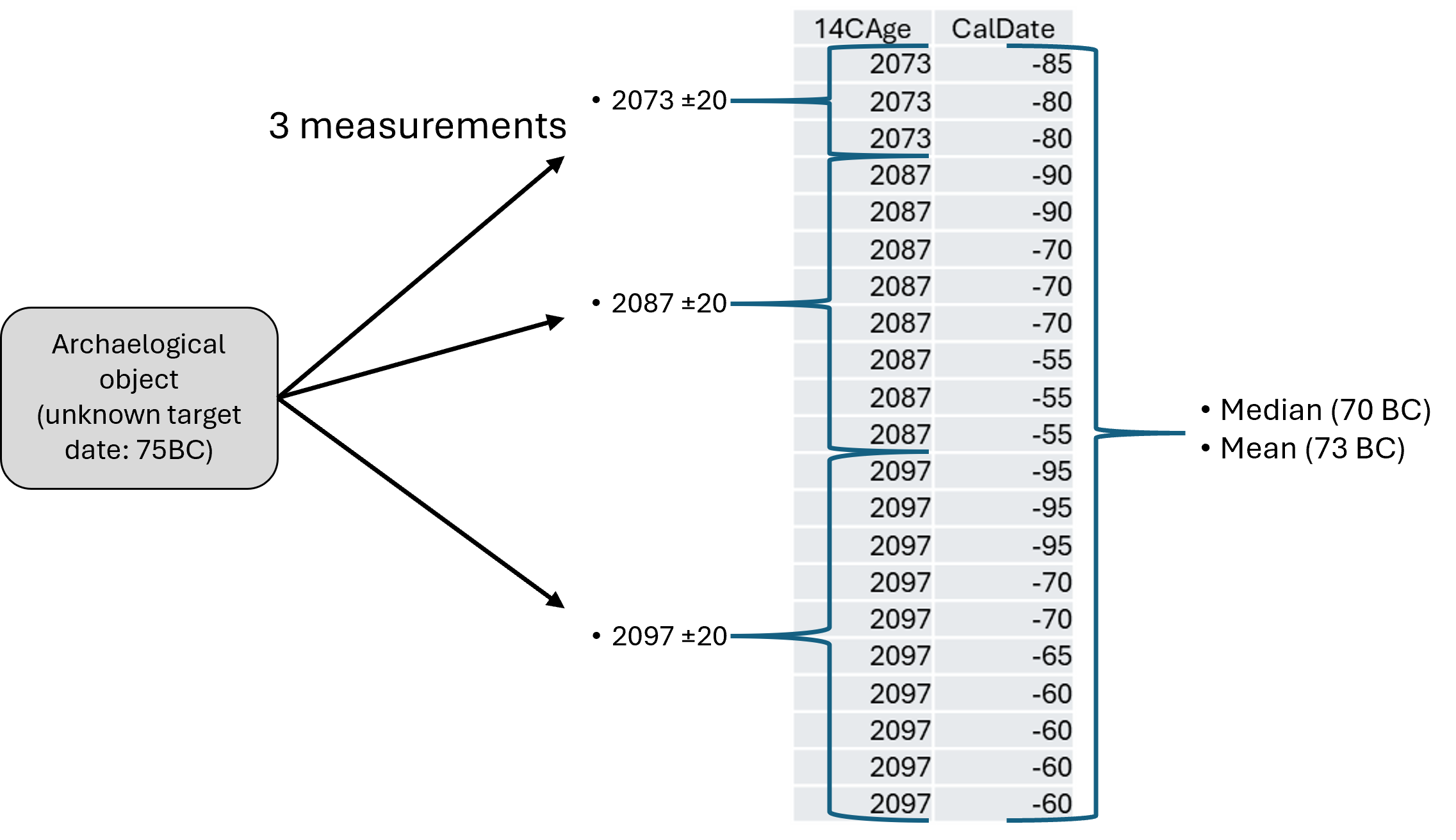
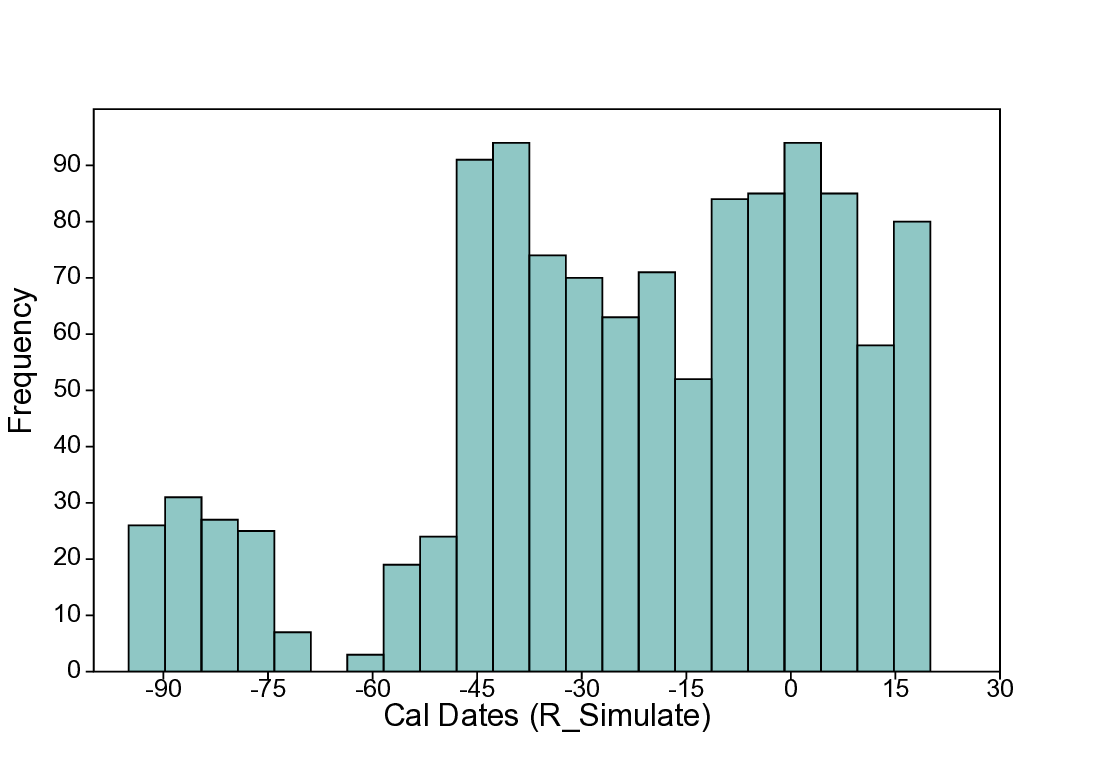
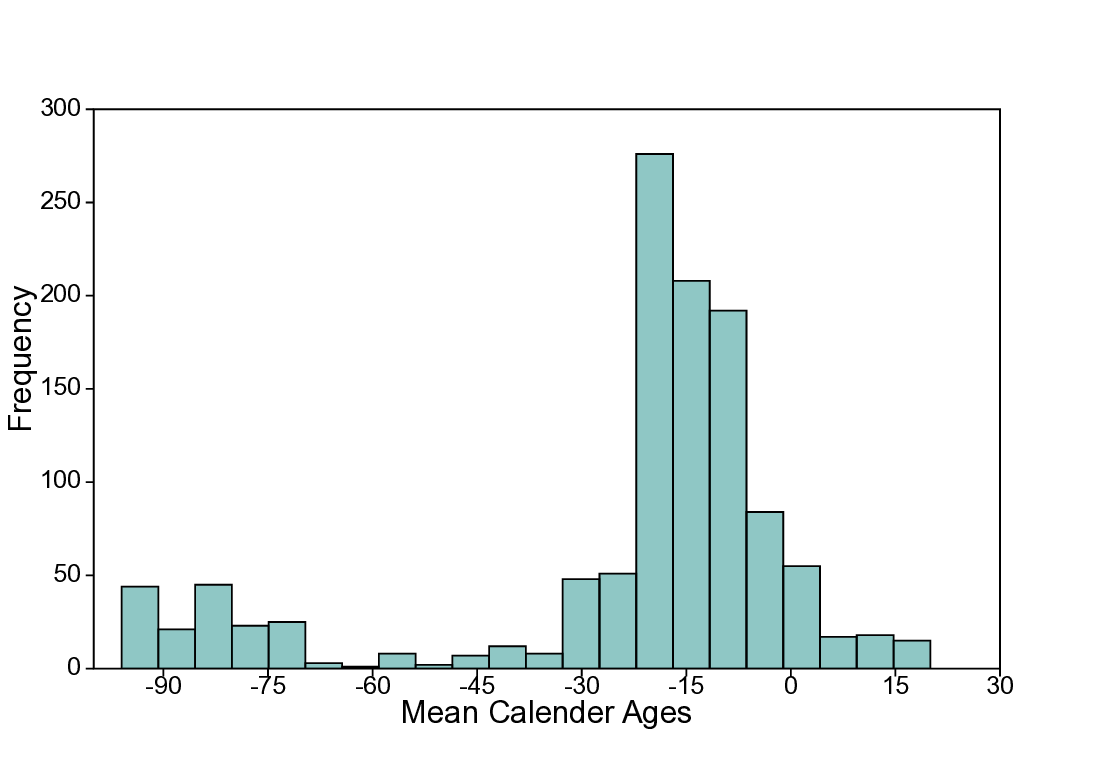
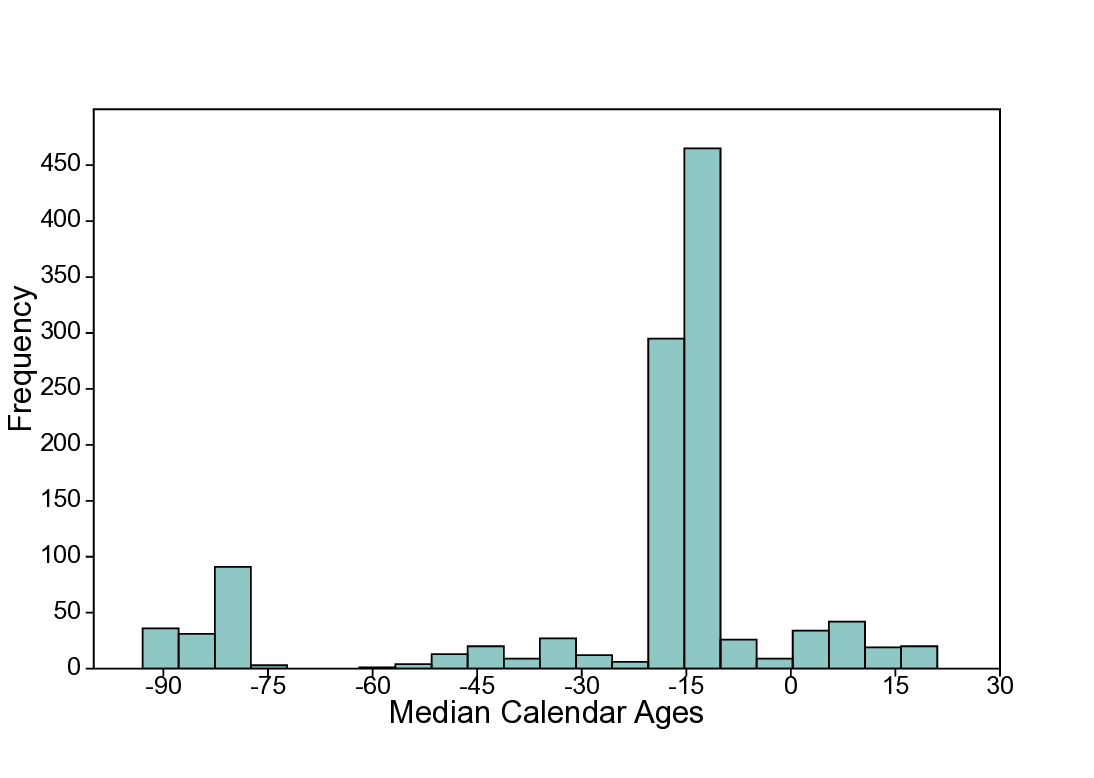
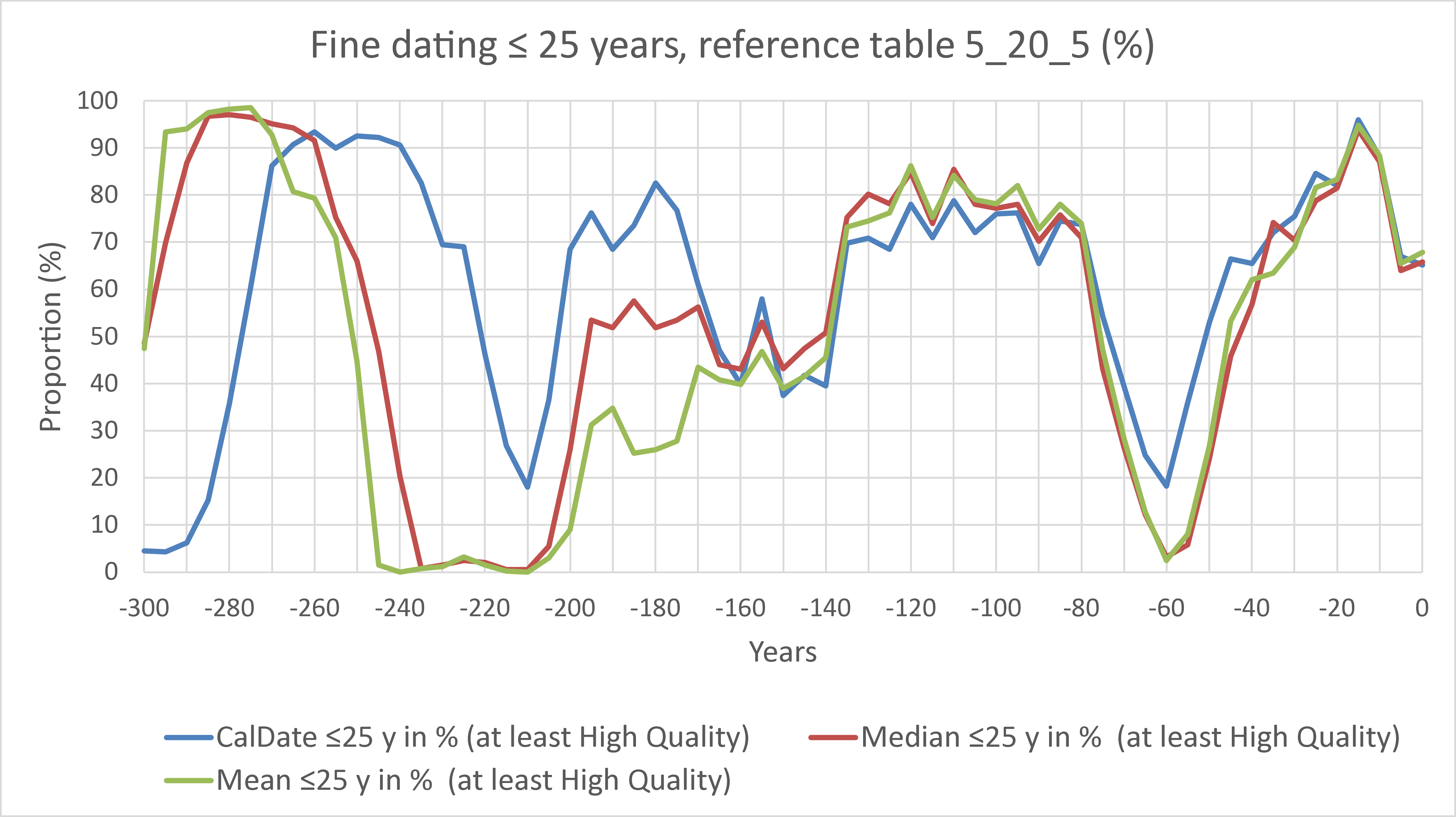
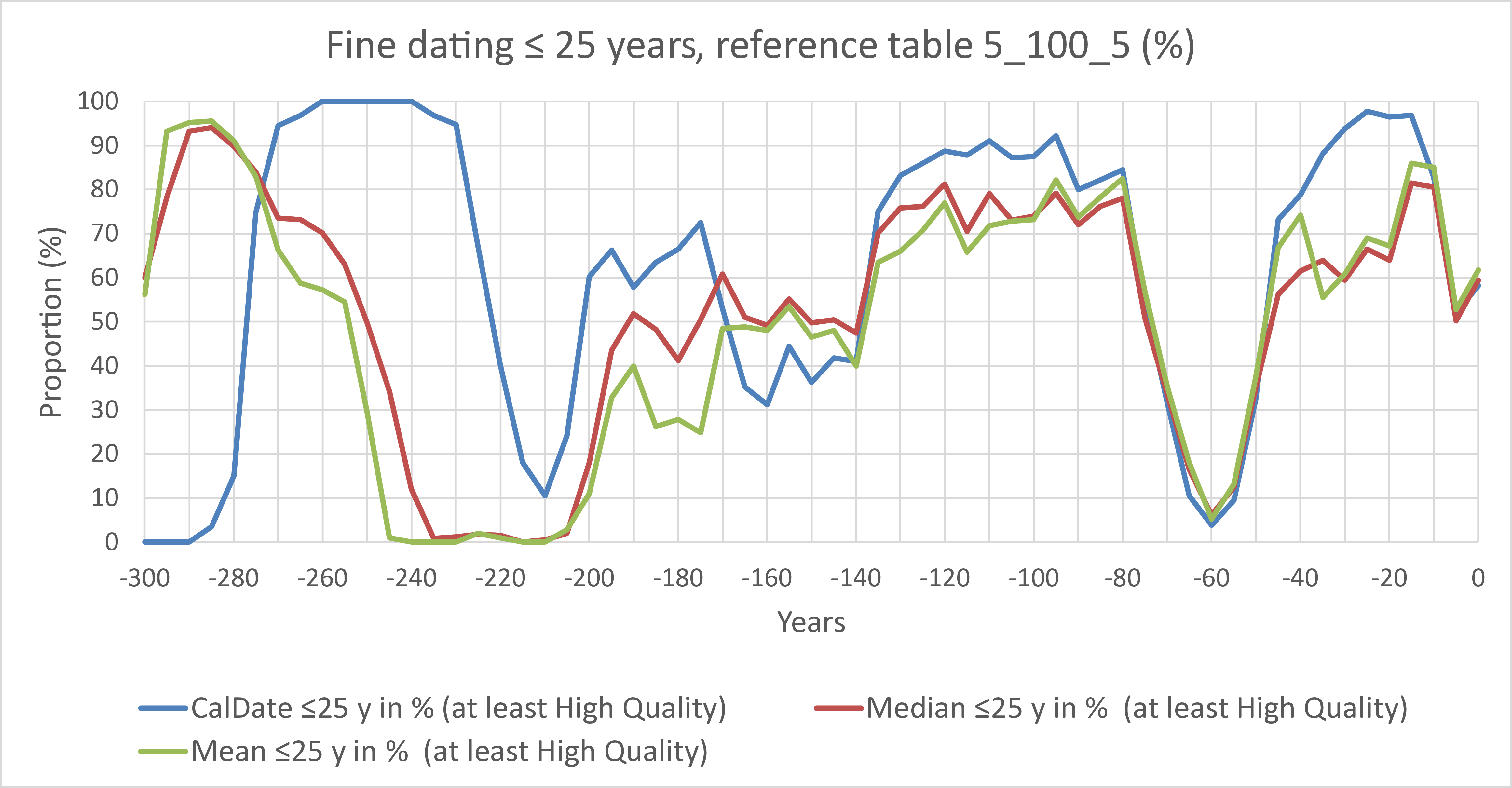
Radiocarbon dating poses a challenge in many archaeological contexts due to the limited precision of conventional calibration methods. In this study, we introduce a novel approach to fine-dating that is based on the repeated application of OxCal's R_Simulate function. By constructing extensive reference tables and aggregating measures of central tendency (means and medians), uncalibrated 14C measurements are directly mapped to calendar dates. The method is validated through comprehensive simulations and comparisons with dendrochronologically dated tree rings. Despite challenges in segments of the calibration curve with low gradients, the approach demonstrates that a significant improvement in dating precision is achievable. Limitations and potential avenues for further methodological optimisation are discussed.💡 Deep Analysis
This research explores the key findings and methodology presented in the paper: A New Method for High-Resolution Dating of Radiocarbon Data: The Example of the First Three Centuries B.C.Radiocarbon dating poses a challenge in many archaeological contexts due to the limited precision of conventional calibration methods. In this study, we introduce a novel approach to fine-dating that is based on the repeated application of OxCal’s R_Simulate function. By constructing extensive reference tables and aggregating measures of central tendency (means and medians), uncalibrated 14C measurements are directly mapped to calendar dates. The method is validated through comprehensive simulations and comparisons with dendrochronologically dated tree rings. Despite challenges in segments of the calibration curve with low gradients, the approach demonstrates that a significant improvement in dating precision is achievable. Limitations and potential avenues for further methodological optimisation are discussed.
📄 Full Content
📸 Image Gallery