Optimising Blockchain Scalability for Real-Time IoT Applications
The convergence of blockchain and the Internet of Things (IoT) enables secure, decentralised, and verifiable data exchange across distributed smart environments. However, traditional blockchain frameworks suffer from inherent scalability constraints,…
Authors: Hasan Mahmud Rhidoy, Mahdi H. Miraz, Iftekhar Salam
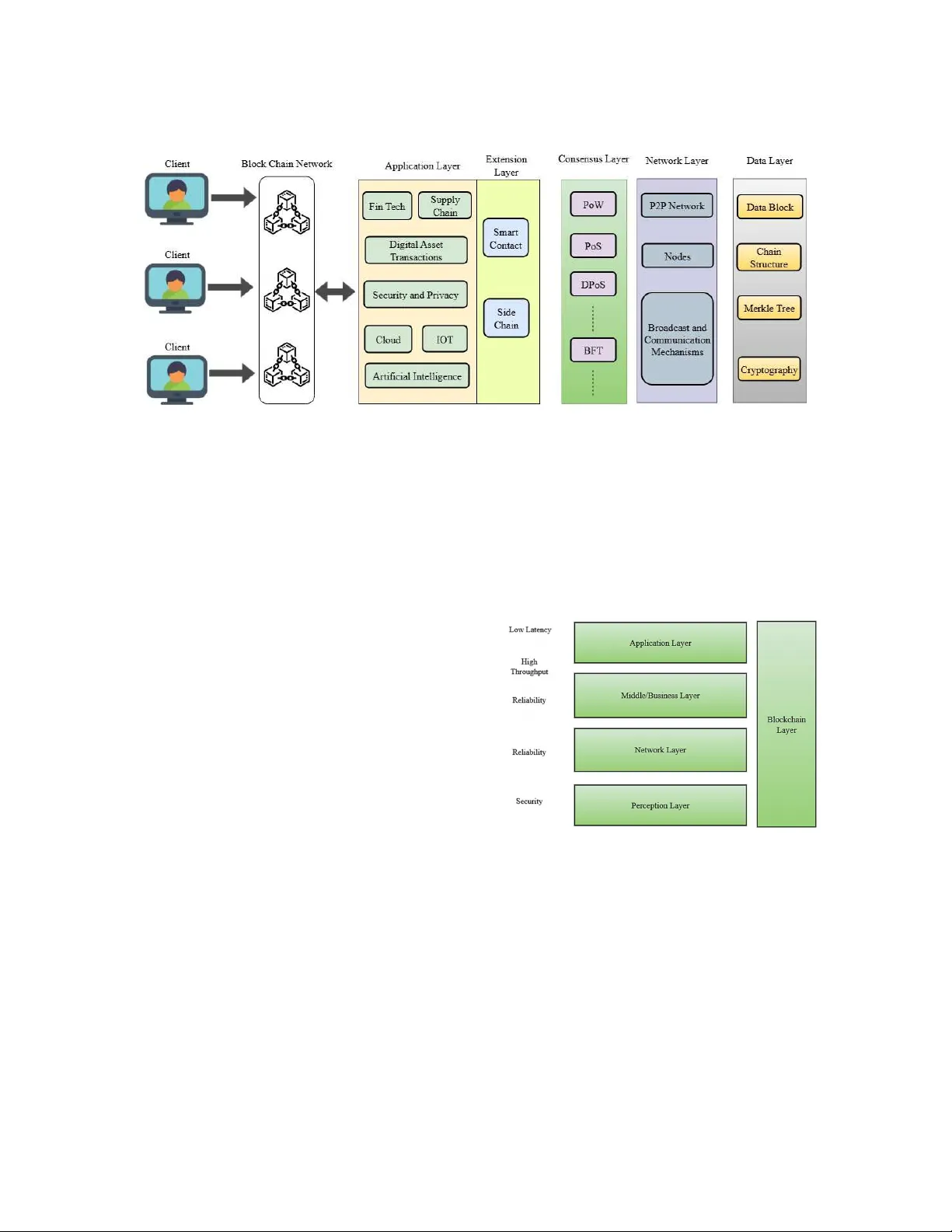
V o l . 1 6 ( 2 0 2 6 ) N o . 1 I S S N : 2 0 8 8 - 5 3 3 4 Optimi sing Blockchain Scala bility for Real-Time IoT Applications Ha san Mahmud Rhidoy a , Mahdi H. Miraz a,b,c, ∗ , Iftekhar Salam a,d a School of Computing and D ata Science, Xiamen University M alaysia, Malaysia b School of Computing, Wrexham University, United Kingdo m c Faculty of Computing, Engineering and Science, University of South Wales, United Kingdom d Faculty of Science and Informatio n Technology, Daffodil International University, Ba ngladesh Correspondence: * m.miraz@ieee.org Abstract — Th e convergence o f blockcha in and the Internet of Things ( IoT) enab les secure, d ecentralised, and verifiable data exchang e across distributed smart environments. However, traditional blockchain frameworks suffer from inherent scalability const raints, limited throughput, and high latency, which conflict wi th t he st ringent real-time requirements of IoT applications such a s in dustrial automa tion, intelligent heal thcare, and smart tr anspo rtation. Th ese systems demand ultra-low la tency, high transaction throughput, lightweight comp utation, and efficient resource utilisa tion. This rev iew provi des a comp rehensive, structured analysis of sta te-of-the- art scalability solutions specifically adapted to blockchain-enabled IoT. The discussion encompasses Layer 1 enhancements, Layer 2 off-chain p rocessing, sharding-based p arallelisation, in tegration of edg e and fog computing, and hybrid consensus mechanisms. Fo r each approach, t he review hi ghlights op erational principles, performa nce ben efits, trade-offs in decentralisation a nd s ecurity, a nd suitability for latency-sensitive deployments. Furthermore, real -time quality-of-service c onsiderations are examined to understand how scalabil ity s trategies impact system r esponsiv eness, ener gy efficiency, and data i ntegrity. K ey ope n challenges, including the scalability- security trade-off, p rivacy preservation, interoperability, a nd su stainable resource m anagement, hav e b een id entified as persistent barriers to large-scale adoption. Fi nally, the review outlines future research directions, emphasising adaptive and AI-drive n consensus algorithms, q uantum-safe cryptographic mod els, the convergence of blockcha in with 5G/6G networks, and ed ge intel ligence . By consolidating diverse technical insights and emerging trends, this work serves as a timely ref erence for developing scalable, sec ure, and sustainable blockcha in architectures for real-time IoT appli cations. Keywords — Bloc kch ain; con sen sus mec hanis ms; edg e comput ing ; h ybrid ar chi tec ture s; I nt erne t of T hin gs; re al-t ime sy stems ; sc alabi lit y. Manuscript received 1 Sep . 2025; revised 30 Nov. 2025; accepted 10 Jan. 2026. Date of public ation 28 Feb. 2026. IJ ASEIT is licensed under a Creative Commons Attrib ution-Share Alike 4.0 Internati onal License. I. I NTRODUCTION Internet of Things (IoT) is expandi ng at an ex ponential rate, connec ting b illions of devices in mu ltifaceted app lications, includ ing smart healthc are [1], indu strial automation, intelligent transpor t system s, and man y more [2], [3]. Th ese IoT applica tions often gen erate massive real-time data streams that must be proc essed with very low late ncy and h igh efficien cy to enable rapid decision -makin g and improved system pe rforma nce for both app lication s and u sers [4], [5]. Despite their potential, IoT systems fr equently face challen ges d ue to l imited resources and the absence of u nified standar ds, which lead to vulnerabilities in secu rity, dat a integrity , and trust. Integra ting blockchain tech nology o ffers promisin g solutions to these i ssues by prov iding decentra lised, immutab le, and tamper-proof led gers, with smart cont racts en abling autonom ous da ta exchange [6]. Th is combi nation enhances privacy and mitigates single p oints of failure tha t typic ally arise in centralised IoT framework s [7]. Howev er, the traditional blockch ain architecture has inheren t limitation s, in cluding scalability and l atency. The use of c onsensus mechani sms, such as Pr oof o f Work (PoW) and Proof of Stake (PoS), complicates matters by intro ducing latency and com putationa l costs, wh ich ar e unsu itable f or the latency-sen sitive, real-time nat ure of IoT applications [8], [ 9]. Moreov er, most IoT devices have limited computational power and stora ge capacity, whi ch p oses a major challen ge for deploying a full blockchain [10]. Re cent studies have proposed various scalability approaches specific to the integration of blockchain and IoT , including Layer-2 solutions, sha rding, lightwe ight consensu s p rotocols, and a hybrid b lockchain–edg e-computi ng paradigm , in which comput ation is moved clo ser t o devices to m itigate latency [11]-[14]. Nonethe less, although the se develop ments have already occur red, the authors are not aware of any compre hensive survey that directly ad dresses the optimisation 311 of blo ckchain scalab ility for r eal-time IoT applications. This review addresses t his gap by analysing st ate-of-the -art blockch ain scalabi lity solu tions with a specific focu s on real- time I oT constraints, including ultra-low laten cy, Qu ality of Service (QoS), and d eterministic responsiveness. Unlike existing surve ys, this study eval uates how scalability techniqu es affect latency -sensitive and time-cr itical IoT application s, positioning scalabi lity optimisation as a k ey enabler of real-time and QoS-aware IoT sy stems. II. M ATERIALS AND M ETHODS A. Literature Se arch Strat egy and Selection Criteria This review adop ts a sy stematic and stru ctured l iterature search stra tegy to ide ntify, analyse, and synt hesise state-of - the-art researc h on blockchain scalability opt imisation for real-time IoT applications. The primary objective of t he search p rocess was to iden tify p eer-reviewed studies th at explicitly address scala bility, laten cy, th roughput, a nd resource -efficiency challeng es arising from the integra tion of blockch ain with IoT systems. Relevant literature was c ollected fr om well-estab lished scientific data bases, includ ing IEE E Xplor e, Scopu s, Web of Science, ScienceDirect , and Google Scholar, which collectively cov er a b road spectrum of h igh-impact journ als and conference pro ceedings i n bl ockchain, distribut ed systems, and IoT research. The searc h was con ducted using combin ations of k eyword s such as “blockchain sc alability”, “blockch ain IoT integration”, “real-tim e IoT”, “low-laten cy blockch ain”, “edge computing bl ockchain”, “ sharding”, “Layer 2 s olutions ”, “consensus mechanisms”, and “QoS- aware I oT systems”. Boo lean oper ators and keyword variation s were applied to ensure com prehensive cover age of relevant studies. To ensur e the review's relevance and timelin ess, the search primaril y foc used on p ublication s f rom 2018 to 202 5, reflecting the p eriod durin g which blockch ain–IoT converg ence and sca lability optimisation gained significant research momen tum. Earlier foundational works were selectively inc luded where necessary to esta blish bac kground concep ts related to blockchain archit ecture and consensus mechani sms. A set o f inclusion and exclusion criteria was applied to filt er the re trieved stud ies. Included paper s were require d to: • E xplicitly add ress bloc kchain scalability, perfo rmance optim isation, or architectura l enhancem ents. • Cons ider IoT or cy be r– phys ic al sys te ms as a tar ge t ap pl icat i on do mai n, an d di sc us s pe rfo rma n ce met rics re l eva n t t o r eal- ti me s y st em s, s uc h as l at e ncy , t hr ou gh pu t , en er gy ef fic ien cy , or Q uali ty of Se rvic e (QoS ). Studies w ere ex clude d if they focused solely on cryptoc urrency trading, lacked technical depth, or did not consider scalability o r real-time c onstrain ts. Non-pe er- reviewed articles, tuto rial-only papers, and non-En glish publicat ions were a lso excluded to maintain academic r igor. Following the initial screening based on titles and abstracts, a full-text assessment was cond ucted t o e nsure alignment with the review objectives. The final set of selected studies was then analy sed and c ategorised acco rding to their propo sed scalability approaches, including Layer 1 enhancemen ts, Layer 2 off-chain mechanisms, sharding techniques, integr ation of edge a nd fog computin g, and hybrid consensus model s. Th is systema tic se lection process ensur es th at th e review provides a compreh ensive, balanced, and up -to-date perspec tive on scalabi lity optimisation strateg ies for blockc hain-ena bled real-time IoT systems. B. Literature Se arch St rategy and Selection Criteria The reviewed studies were categori sed into Layer 1 enhanc ements, La yer 2 off-ch ain solu tions, sh arding, edge/f og integratio n, and hybr id consensus mec hanisms based on th eir scalab ility approa ch. Each category was compa ratively an alysed using real-time Io T performan ce criteria, including latency, throughpu t, energy effici ency, and decen tralisation tra de-offs, as su mmarise d in Tabl e I. This frame work enables a systemat ic co mparison of opt imisation strategies und er real-time constraints. It also supp orts the identific ation o f open challenge s and rese arch g aps discussed in subsequ ent sections. The re mainder of this paper is org anised as follow s. Section III presen ts t he fundamen tal co ncepts of block chain and IoT, outlin ing thei r co re arch itectures and roles in support ing secure and efficient system operation. Section IV reviews and analyses b lockcha in scalabil ity techni ques, inc luding Layer 1 and Lay er 2 solu tions, sharding m echanism s, a nd edge compu ting integration, with e m ph asis on their applicability t o IoT environments. Section V discusses r eal-time conside rations, focu sing on latency, throughput, and Qual ity of Service (Qo S) requirements for time-c ritical IoT applica tions. C. Fund amentals of Blockchain and Io T Blockchai n is a distribute d, d ecentr alised, ledger- based techno logy th at records transactions sec urely, irrevocably, and auditably by c ombining cryptogr aphic protocols and consensu s mech anisms. It en ables pee r-to-peer interaction among u ntrusted parties by elimina ting the ne ed fo r a ce ntral authori ty, establishing trust through data structures, cryptog raphic a lgorithms, a nd co nsensus mechani sms. Blockch ain arch itecture consists of tw o interdepe ndent compon ents: dat a struct ures, whic h ens ure the integr ity and durab ility of data, a nd c onsensus alg orithms, whi ch facilitate agreeme nt among distributed nodes on the c urr ent state of the ledger [15]. From a data perspective, the block chain is a chain of blocks, each conta ining a l ist of verified transactions, a timestamp, and a cryptographic hash that links it to the previou s b lock [1 6]. The ha sh-chaining at tribute guarantees that ta mperin g with any blo ck will in validate all o ther blocks and require recomputing the c ryptogra phic hash of eac h block, mak ing such t ampering computat ionally i nfeasible. The transact ions in each block are organ ised in a Merkle tree, an efficient binary hash tree that enables verification and integr ity checks without duplica ting the data [17]. Beyond i ts stru ctural compo nents, blockchain ca n be und erstood as a t rust-ena bling coo rdination layer f or distribut ed system s. Instead of relying o n a central interme diary to validate and store informa tion, blockchain enables independen t partici pants to col lectively m aintain a shared, consistent system state. Th is shift is particularly valuab le in environm ents where stakeholde rs d o not fully tru st each other, yet must exchange data or value reliably. By embed ding verification, ord ering, a nd account ability directly 312 into the proto col, blo ckchain transfo rms trust f rom an organ izational assump tion into a technical prope rty. In practice, this m eans th at sy stem be havior becomes transpa rent, t raceabl e, a nd resilient to unilateral manip ulation. Such ch aracteristics ar e increasingly imp ortant in dat a-driven ecosystems, where account ability an d prov enance are as critical as per forma nce, esp ecially whe n systems scale acro ss organiz ational and geographical b oundaries [1 5], [16 ] . Fig. 1 Architecture of Blockchain Technology In this setup, lightweigh t clients, e .g., resourc e-constrai ned IoT devices, do not store the entire blockchain but can simply verify the existence of a transaction. Data im portant to the integrity of the b lock are inco rporated into t he bl ock header: the hash o f the p reviou s bl ock, the Merk le ro ot, a time stamp, and o ther parame ters specific to th e cho sen consensus algorith m. By adopting such a combination, the structural features provide tamper evidence, a uditabil ity, and distri buted verifica tion. Consensus algorith ms are r esponsib le for ensuring that all particip ants i n the network agree on the conten ts and ord ering of transactio ns, even in the p resence of faults or m alicious behavio ur [18] . Proof-of-work (PoW) is the e arliest and most widely recog nised c onsensus proto col, requiri ng p articipant s to solve co mputatio nal pu zzles before append ing a block t o the chai n. While o ffering robu st resistance to Sybil a ttacks [1 9], PoW is e nergy -inte nsive and exhibi ts low through put, making it less suitabl e fo r latency- sensitive IoT scena rios. Proof -of-Stake (PoS) addresses some of these limitations by s elect ing validators based on their econom ic stake in the netwo rk, thereby im provin g ef ficiency and reducing energy consumption [20], [21] . Practical Byzantin e Fault To lerance (PBFT) employs a leader-b ased voting approach t o achieve consensus with l ow latency in p ermissioned environme nts, a property ben eficial for industrial IoT systems but w ith scalab ility li mitations due to communication overhead. More recent approaches, such as Delegated Proof of Stake (DPoS) and P roof of Authority (PoA), enhance scalability by redu cing the number of nodes particip ating in block va lidation, whilst Directed Ac yclic Graph (DAG)- based protocols, such as IOTA’s Tangle, allow for parallel tra nsaction p rocessing, improving throughput for high-fre quency IoT data streams [ 22]. Figur e 1 illustrates th e fund amental arch itecture of bloc kchain tech nology. The combi nation of i mmutable, ver ifiable data structures and consensu s fault tol erance that block chain offe rs enable s trust, transpa rency, and resilience in d ecentra lised system s. D. IoT Archi tecture an d Real-Tim e Requirem ents The Internet of Thin gs ( IoT) is typically structured as a layered architec tures t hat coordinate interactions b etween physical dev ices and digi tal services. The p erceptio n layer compris es s ensors and a ctuators that capture env ironmental data but are co nstraine d in ener gy, computation , and sto rage [23]. The n etwork layer for wards thi s data using heterog eneous techn ologies such a s W i-Fi, 5G, Zigb ee, an d LoRaWAN, y et o ften e ncoun ters co ngestion and reliability issues. Above this, the middle ware (or business) layer handles data proc essing and service orc hestration , whilst the application layer d elivers domain-sp ecific function s a cross healthcare, industry, and transpo rtation [24 ]-[26]. Fig. 2 IoT Architecture and Real-T ime Requirements with B lockchain A definin g req uirement of IoT sy stems is rea l-time perform ance: applicatio ns such as autonomous driv ing, smart grids, and telemed icine demand ultra-low latency, high throughp ut, re liability, s calability, and robust security. Even minor de lays o r commu nication fa ults can jeopar dise safety or efficiency [27]. Whilst blockchain brings transparency, immutab ility, and decentralised trust, its c onsensus overhead and storage requirem ents oft en cl ash w ith th ese stric t constraints. Bridging blockchai n scalability with re al-time IoT th us remains a cen tral research challenge. The interpl ay amongst IoT la yers, blockchain inte gration , and rea l-time requirem ents is depicted in Figur e 2. E. Scalabi lity Challeng es of Blockcha in in IoT Scalability is one of the most critical obstacles when 313 applyin g b lockchain to IoT systems. Traditiona l b lockcha in platform s, such as Bitcoin and Ethere um, were not design ed to ha ndle the massive transaction volum e genera ted by billions of IoT devices. Their limited throughput , t ypically a few transactions p er second, contrasts sharp ly with the high- frequency data streams in real- time IoT environments, creating bottlenecks that hinder timely pro cessing and decision-m aking [28] . Fig. 3 Scalability Challen ges of Blockchain in IoT Anoth er key challenge arises from consensus mechanisms. Protocol s such as Proof-of-Work (PoW) o r Proof-of-Stake (PoS) introdu ce d elays in tr ansaction conf irmation that are incomp atible w ith t he m illisecond -level responsiven ess require d in many IoT applica tions. The co mput ational intensity and energy consumption o f these mechani sms al so exceed the cap abilities of resource-con strained IoT dev ices [29]. Storage and bandwidth requireme nts fu rther complicate the integration. As each block chain node is expected to maintain a f ull copy of the ledger, the continuo us data generati on from IoT devices can quickly o verwh elm both storage capac ity and commun ication networ ks. This becomes particular ly problem atic in large-scale deployments w here maintaining a sync hronised d istributed ledger dem ands substantial reso urces [3 0]. Fina ll y, heter ogene ity and inte rmit t ency in IoT envi ronme nts e xace rbate s calab ili ty iss ues. De vic es vary in proc ess ing powe r , conne cti vity, and ene rgy sup ply, whi le many oper ate inter mitt entl y to con serve re sourc es. Ensuri ng secu re, rea l-ti me bloc kch ain part icip ation acr oss su ch dive rse nodes is inhe rent ly diffi cult [31]. As ill ustr ated in Fi gure 3, th ese sca labi lity chal le nges can be groupe d i nto four main cat ego ries : tra nsa ction throug hput , con sen sus laten cy, stora ge and band widt h over head as well a s device heter ogene ity. Over comi ng thes e barrier s is essent ial befor e blockch ain can be wid ely adop ted for rea l-ti me IoT applic ations, motivat ing the rang e of opti mis ation te chni ques r evi ewed i n t he ne xt se ction . F. Scalabi lity Techni ques for Bl ockchain in Io T A variety of scalability tech niques hav e been prop osed to address the mismatch betwee n b lockchain pe rforman ce and the stringent req uirements of real-time IoT systems. These solutions can broadly be grouped into Layer 1 improvements, Layer 2 solutions, shard ing app roaches, edge and fog comput ing in tegration, and hybrid consensus m echan isms as illustrated in Figure 4 . Fig. 4 Taxonomy of Scala bility Techniques for Blockchain i n IoT G. Layer 1 Improvem ents However, t hese ap proaches o ften involve trade-offs between scalabilit y, dec entralisation, and security. For instance, incre asing blo ck size ca n improve throughp ut but also leng thens propa gation time, w hich risk s creating forks and w eaken ing consensus s ecurit y. Shortening block intervals similarly incre ases the likelihoo d of orphaned block s and und ermines stability. P ermissione d consen sus algorithms, such as PBFT and PoA, achieve low latency by limiting particip ation to trusted nodes, thereby reducing decen tralisation and openness. DAG-based protocols (e.g., IOTA’ s Tangle) en hance p arallelism, bu t their lighter consensu s a ssumptions may make t hem more vulnerable to certain attacks [32]. H. Layer 2 Solutio ns Layer 2 solu tions reduce the c omputatio nal a nd stor age burd en on the main blockchain by processing the transaction s off- chain. Examples inc lude pa ymen t channels such as the Lightn ing Network [33], state channels and sidechains. In these systems , freq uent m icrotr ansaction s are pr ocessed o ff- chain, an d only the final sta te is reco rded on-ch ain, thereby reduci ng l atency and significantly improving throughp ut. As illustrated in Figure 5, Layer 2 m echanisms enable off-chain micro transaction s whilst ensuring that final settlements are securely anchored to the mai n blockc hain. Fig. 5 Layer 2 Solutions usi ng Off-chain Channels and Sidechains in I oT This de sign is par ticularly suitable f or IoT sce narios involvi ng c ontinuou s data exchan ges or device-to-devi ce micro payments, su ch as en ergy trading in sma rt gr ids and dyn amic resourc e sharing in industri al IoT . The main advant age of L ayer 2 sol utions lie s in th eir ability to provide near-i nstant responses and high scalabi lity without altering the under lying b lockchain protoco l. Ho wever, they also introdu ce additional compl exity in dispute r esolution, as off- chain activities m ust be securely sync hronised with the main chain. Furthermor e, reliance on of f-chain ne tworks m ay expos e vulnerabil ities if those auxiliary systems are compro mised [3 4]. I. Sha rding Sharding divides the blockchai n into smaller groups of 314 nodes, known as shards, e ach of which proc esses its own set of transac tions in par allel. This partitioning signif icantly increases throu ghput because multiple shar ds can validate and store tra nsactions concurrently. For IoT en vironmen ts, sharding is m ore favourable beca use large-scale d evice networks c an be org anised by fun ction , r egion or ap plication domain , thereby distributi ng the computat ional load more evenly. The primary advantage of sharding lies in it s potential to a chieve near-linear scalability as the number of shards increases. However, it also introduc es new vu lnerabilities, particular ly in cro ss-shard commu nication , which is required for t ransaction s that span multiple shards. If not ca refully designed , this process can create synchr onisatio n delays and open avenues for ta rgeted attacks on in dividual shards [3 5]. Fig. 6 Sharding in Bloc kchain Networks for IoT Scalabili ty As shown in Figur e 6, sharding a llows the block chain network to proc ess transactio ns across multiple sh ards in parallel, while cross-shard coord ination ensures consisten cy. This ma kes shar ding a prom ising, though technic ally complex , solution for addressing the scalability n eeds of real- time IoT systems. J. Edge and Fog Co mputing In tegration Integra ting blockcha in with edge and f og com puti ng places comput ation and validation c loser to IoT devices, thereby reducin g relianc e o n remote clou d or cen tralised infrastru cture. E dge and fo g no des can e xecute lig htweight consensus , stor e p artial ledgers, and va lidate local transaction s b efore synchroni sing with the core blockchain. This design minim ises communication delay and improves responsiv eness, ma king i t highly s uited fo r tim e-critical I oT scenarios such as autonomous vehic les, in dustrial automation, and hea lthcare mo nitoring. The major advantage of t his approa ch is its ability to red uce latency a nd network congestio n by o ffloadi ng tasks fr om the central b lockchain. Moreov er, local pr ocessing supports scalab ility by distributing workload across multiple nodes near the data source. However, edge and fog computin g re sources rema in constrained relative to cloud systems, and the security of distributed edge node s remains a per sistent conc ern [36 ]. Fig. 7 Edge and Fog Compu ting Integration with Blockc hain for IoT As illustrated in Figur e 7, I oT devices i nteract with nearb y edge a nd f og node s, which perform preliminary v alidation and forward only essential data to the b lockcha in core . This layered approach effectively r educes latency and enhan ces real-time perform anc e whilst m aintainin g blockchain’s security a nd tr ansparency. K. Hybrid Con sensus Mec hanisms Hybrid consensus mechan isms c ombine the streng ths of multiple pro tocols to ba lance scalabili ty, secu rity and efficien cy in blockcha in systems. For exam ple, IoT-orien ted network s may employ Delegated Proof of Stake ( DPoS) to achieve fast t ransactio n validation, whilst using Byzantine Fault To lerance (BFT ) to ensure strong finality . Similarly, Proof of Authority (PoA) can be integr ated into permissioned settings to further reduce latency a nd energy consumption. The advantage of hybr id c onsensus lies i n its flexibility: it can be tailored to the h eterogeneous requ irements of IoT ecosystems, where som e application s demand ultr a-low latency while other s prioritise fault t olerance or decen tralisation. However, this app roach increases archite ctural co mplexi ty and may create govern ance challen ges in co ordinating multipl e pro tocols [37]. Fig. 8 Hybrid Consensus Mec hanisms for Scalable Block chain in IoT As depicted in Figur e 8, differ ent consensu s method s can be combined into a hybrid model that supports the bloc kchain network , provid ing scalability without f ully sacr ificing decen tralisation or secu rity. This ma kes h ybrid consensus a practic al and adap table optio n for rea l-time IoT sys tems. L. Real- Time Consideratio ns Real-time perfo rmance is a d efining requirem ent of many IoT applications , where e ven milliseco nd d elays can compro mise safety or efficiency. Blockchain integration introdu ces addition al latency thro ugh consensu s me chan isms and bloc k co nfirmation time s, which often confl ict with the strict respo nsiveness r equire d in dom ains, such as healthc are, smart grids and aut onomou s vehicles. Throughp ut limitations further hinde r th e abi lity to support massive device interac tions, whi lst network cond ition s, such as jitter a nd packe t loss, can aggravate delays. A ke y trade-off exists among st decentralisation , security, and speed : hi ghly sec ure consensu s p rotocols tend to be slower, wherea s ligh tweight mechan isms improve laten cy at the e xpense of robustne ss. Quality of Ser vice (Q oS) me trics—inclu ding l atency, reliability and fault tolerance—must, there fore, be ca refully balance d when ada pting bl ockchain to IoT [38, 39]. As illustrated in Figure 9 , the i ntegratio n o f blockcha in into real-time Io T requires balancing decentral isation, security, and speed. IoT systems na turally dem and low laten cy and high throughput, b ut withou t comprom ising trust and resilience. Achiev ing th is balan ce nec essitates pro tocol optim isations and arc hitectu ral enh ancem ents, as expl ored in the pr eceding section s. 315 Fig. 9 Blockchain Trilemma in Real-time I oT Systems: Latency, Security, and Decentralisation. III. R ESU LTS AND D ISCUSSION Despite signific ant progress in developi ng scalability solutions, several challenges remain before block chain can be seamlessly integrated in to real-time Io T environments. One critical issue is the tr ade-off between scalability and sec urity. Many l ightweigh t consen sus mechani sms or o ff-cha in solutions impr ove latency but m ay r educe fault tolera nce or introduc e vul nerabilities. Ensuri ng that op timisations do no t comprom ise security remains an open resear ch directio n. Anoth er m ajor challenge is interoperabi lity ac ross diverse blockch ain platforms and IoT ecosystems. Devic es an d networks oft en rely on heteroge neous comm unication protoco ls, mak ing stan dardisation essential for large-scale deploym ent [4 0]. On e po tential app roach to improving interop erability i s the use of atomic swaps, w hich allow direct cross-chain transactio ns w ithout in termedi aries. Ato mic swaps ensure trustless exc hange of assets across heterog eneous blockcha in platforms, re ducing reliance on centralised exchang es and im prov ing flexibi lity in I oT ecosystems [4 1]-[4 4] Dat a manag ement and privacy are als o pressi ng conc erns . Whi le blockch ain ensures transp arenc y and im mutab ilit y, sto ring sensi t ive I oT dat a dir ectl y on-c hain may vi olat e pri vacy requ irem ents and ove rwhe lm limit ed storage res ource s [45]. Mor eover , pri vacy re gula tio ns such as the EU’s Gener al Data Pr otec tion Re gulat ion (GDPR) conflict with blockcha in’s immu tab ilit y. This creat es tens ion bet ween regula tory com plia nce and the perma nent on-c hai n storag e of IoT dat a, nec essi tati ng pri vacy- prese rving solutio ns, such as off-c hain sto rage , e ncrypt ion , an d sel ective dis clos ure m echa nisms . Energy effi ci ency and sus tainabi li ty als o pr ese nt maj or obs tac les. Many IoT devices are energ y-co nstrai ned, and cons ens us protocol s often impose heavy comput atio nal loads. Des igni ng ene rgy-a ware blockc hain fr amew orks tai lored to reso urce -cons trai ned IoT nod es is therefor e esse ntia l to ensure sus taina ble depl oyme nt in large -sca le, real -tim e envi ronments. D om ai n-s pec if ic im p lic at io n s: The se cha l le ng es mani fest di ff ere nt ly ac ros s va ri ou s IoT dom a in s. In he al th ca r e , re al -t ime mo ni tori n g a nd t el em ed ic i ne i nt en si fy th e l at en c y–s ec ur it y t ra d e- of f: c on fi r ma tio n de la ys mus t be mini mi sed wh ils t pr es er ving da t a in te gr it y. St ri ct pri va cy and com pli an ce re qui re ment s l imi t on -c ha in sto ra ge , mo ti va ti ng s ele cti v e d is cl os ur e an d of f-c h ai n da t a h an dl in g t o rem ai n al i gne d wi th re gu l ato ry fra me wo rk s [45 ]. In te rope rab ili ty ac ros s he te r oge ne ou s me di ca l de vi ce s and s yst ems als o dema nd s co mm on in t er fa ces a nd s ta nda rds f or sa fe, la r ge -s ca le depl oym ent [4 0] . In Ind us tri al Io T (II oT ), p ro duc t io n cel ls and saf ety -c ri ti ca l co nt rol l oo ps r eq ui re p redi ct able lat enc y an d low ji tt er. S har ding or hie r arc hica l par ti ti on i ng ca n rai se th ro ughp ut but int roduc es cr os s- part i ti o n co or di n at io n t hat must be bou nd ed to mai nt ain de t er min isti c op er ati on [40 ]. C ons ort iu m- st yle g ove rn a nce (p er mi ss i on ed val id at or s) ca n ba la nc e dece nt rali sa t io n wi th au di tab ili ty, whi lst en erg y-aw a re co nse nsu s r ed uc es t he op er at i on al c os t of c o nti nuo usl y a ct iv e n ode s. In smart transpo rt, highly mobile V2X scena rios combine bursty , city-sca le work loads with fr equen t handove rs. Off- chain exchanges can red uce on- chain latency for micro payments and access con trol, whilst period ic settlement preserve s integrity . Interope rability across sub system s, such as traffi c ma nagemen t, charging, a nd toll ing, benefi ts from cross-ch ain me chanisms to avoid central b rokers and enable trustless value exchange [ 41]–[44 ]. Priva cy protection and minimal on-chain person al data are equally import ant for compl iance and scal ability [45]. Fig. 10 Challenges and Open Issues in Blockchain for Re al-Time IoT Overall, these domain-sp ecific i mplications highlig ht that achievi ng scalable and secure block chain integr ation in re al- time IoT re quires cont ext-aware o ptim isation str ategies tha t balance latency, throughput, energy efficie ncy, and decen tralisation withi n each application environm ent. TABLE I C OMPARATIVE EVALUA TION OF BLOCK CHAIN SCALABILITY TECHNIQUES F OR REAL - TIME I O T Scalability Technique Latency Reduction Throughput Improvement Energy Efficiency Decentralisation Trade-Off Layer 1 Enhancements (PoS, P BFT, DAG) [15], [21], [22] Moderate Moderate Moderate Moderate (limited validator set) Layer 2 Off - Chain Channels [9] - [33] High High High Medium (off - chain trust dependenc y) Sharding - Based Parallelisation [3 1], [35] Moderate Very High Moderate Medium (cross - shard co ordination risk) Edge / Fog Computin g Integration [12], [13], [36] Very High Moderate High Medium (permissioned edge n odes) Hybrid Con se nsus Mechanisms (DPoS + B FT / PoA) [15], [21], [37] High High Moderate– High Medium (governance comple xity) 316 IV. C ONCLUSIONS This review has examined the scalability challenges of blockch ain in rea l-time IoT envir onments and analyse d the main optimisation techn iques proposed to a ddress them. Layer 1 improv ements, Layer 2 solution s, sharding, edge and fog integration, and hybrid co nsensus mecha nisms e ach prov ide valuable strategies for enha ncing thro ughput and reducin g latency . How ever, non e of these a pproach es fully resolves the tension b etween scalability, decen tralisation, and the strict real-time requirements o f IoT applicati ons. As summar ised in Table 1, th ese scalability techniq ues exh ibit distinct trade-of fs am ong laten cy reduction, throughput, energy efficien cy, and decentralisation. As highligh ted in this study, the integr ation of blockchain into IoT must account n ot only for p erforma nce bu t also for device heterogen eity, resource limitations, and energy efficiency. Look ing forwar d, severa l promising rese arch direc tions emerge. First, lightwei ght and adap tive consensus protocols are need ed to redu ce computation al overhead whilst maintaining securit y guarantees. In tegration with n ext- generati on networks, such as 5G and 6G, combined with e dge intelligenc e, can furthe r reduce latenc y and improve scalability fo r large- scale deploy ments. Anothe r critical direction i s the development of i nterop erable frameworks and standard s to ensur e seamless interac tion b etween heterog eneous IoT devices and b lockc hain platforms. F inally, privacy -preserving and energy-aware blockchain architecture s must be designed to support sustainable and secure I oT ecosystems. In conclusion, achieving a scalab le blockch ain for real-time IoT w ill re quire hybrid and adaptive approa ches tha t balance performanc e, trust, an d e fficien cy. Collaborat ive efforts across research, industry, and standard isation bo dies a re essential to tran sform these concep tual solutions into practical, glo bally dep loyable systems that su pport the next gener ation of IoT applicatio ns. A CKNOWLEDGEMENT This research is financially supported by Xiamen University Malaysia (Project Codes: XMU MRF/20 21- C8/IECE/002 5 and X MUMRF/20 22-C10 /IECE/0043 ). R EFERENCES [1] A. M. Rahmani, S. B ayramov, and B . Kiani Ka lejahi, "Internet o f Things Applications: Opportunities and Th reats," Wirel. Pers. Commun. , vol. 122, no. 1 , pp. 451–476, Aug. 2021. doi:10.1007/s11277-021- 08907-0. [2] R. Hassan, F. Qamar, M. K . Hasa n, A. H. M . Am an, and A. S. A hmed, "Internet o f Things and Its Applications: A Comprehensive Survey," Symmetry , vol. 12, no . 1 0, p. 1674, Oct. 2020. doi:10.3390/sym12101674. [3] I. Zho u et al., " Internet of Things 2.0: Concepts, Ap plications, and Future Directions," IEEE Access , vol. 9, pp. 7 0961–71012, 2021. doi:10.1109/access.202 1.3078549. [4] E. Khaoula, B. Amine, and B. Mostafa, "Machine Learning and the Internet Of Things f or Smart Buildings: A s tate of the art survey," in 2022 2nd International Conference on Innovative Research in Applied Science, Engineering and Technology (IRASET) , Mar. 2022, pp. 1–10. doi: 10.1109/iraset5 2964.2022.9738256. [5] S. Porkod i an d D. Kesa varaja , "I ntegrat ion of Block cha in a nd Int erne t of Thin gs, " i n H and boo k o f R ese arc h o n Bloc kch ain Te ch nolo gy , E lsev ier , 202 0, pp. 61– 94. doi: 10. 1016 /b978 -0-1 2-8 1981 6-2.00 003- 4. [6] S. Singh, A. S. M. S . Hosen, and B. Y oon, " Blockchain Secu rity Attacks, Challenges, and S olutions fo r the Future Di stributed IoT Network," IEEE Access , vol. 9 , pp. 13938–13959, 2021. doi:10.1109/access.2021.3051602. [7] A. A. Sadawi, M. S. Hassan, an d M. Ndiaye, "A S urvey on t he Integration of Blockc hain With IoT to Enhance P erformance and Eliminate Challenges," IEEE Ac cess , vol. 9, p p. 54478–54497, 2 021. doi: 10.1109/access.2021.3070555. [8] H. Arshad, A. A . Bhutta, A. N. Mian, S. Fatima, S. Kumari, and C.-M. Chen, " DAGShare: a DAG- based personal fi le sh aring framework with off-chain IPFS and access control," J. Supercomput. , vol. 81, no. 16, Nov. 2025. doi: 10.1007/s11227-0 25-08011-1. [9] Q. Zhou, H. Huang, Z. Zheng, and J. Bi an, "Soluti ons to Sc alability of Blockchain: A Survey," IEEE Access , vol. 8, pp. 16440–16455, 2020. doi: 10.1109/access.2020.2967218. [10] D . Khan, L. T. Jung, and M. A. Hashmani, "Systematic Literature Review of Ch allenges in Blockch ain Scalability," Appl. Sci. , vo l. 11, no. 20, p. 9372, Oct. 2021. doi: 10.3390/app11209372. [11] L . Albshaier, A. Budokhi, and A. A ljughaiman, "A Review of S ecurity Issues When Integrating IoT Wi th Cloud C omputing a nd Blockchain," IEEE Access , vol. 12, pp. 109560–109595, 2024. doi:10.1109/access.2024.3435845. [12] M . J. C. S. Reis, "Blockchai n-Enhanced Security for 5G Edge Computing i n IoT," Computation , vol. 13, no. 4, p. 98, Apr. 2025. doi:10.3390/computation13040098. [13] W . V. Solis, J. Mar celo Parra-Ullauri, and A. Kertesz, "Exploring the Synergy of Fog Computing, B lockchain, and Federated Learning for IoT Applications: A Systematic Literature Re view," IEEE Access , vol . 12, pp. 68015–68060, 2024. d oi: 10.1109/access.2024.3398034. [14] X . Wang, A. Shankar, K. Li, B. D. Parameshachari, and J. Lv, "Blockchain-Enabled Decentralized Edge Intelligence for Trustworthy 6G Consumer Electronics," IEEE Trans. Consum. Electron. , vol. 70, no. 1, pp. 1214–1225, Feb. 20 24. doi: 10.1109/tce.2024.3 371501. [15] M . Ri fat Hossain, F. A. Nirob, A. Islam, T. M. Rakin, and M. Al-Amin, "A Co mprehens ive Analysis of Blockchain Technology and Consensus Protocols Across Multilayered Framework," IEEE Access , vol. 12, pp. 63087–63129, 2024. do i: 10.1109/access.2024.3395536. [16] C . Depoortère, "Exami ning the W ritings of Sa toshi Nak amoto: A Monetary Anal ysis of the Bitcoin Protocol," Rev. P olit. E con. , vol. 37, no. 2, pp. 39 2–411, Oct. 2024. doi: 10.1080/0953825 9.2024.2415413. [17] R. C . M erk le, "A D igi tal S igna ture B as ed on a Co nve nti onal Encr ypt io n Funct io n," in Le ct ure Note s in Co mput er Scien ce , Spri nger Berlin Heid elb erg, 1 988 , p p. 369– 37 8. d oi : 1 0.1 007/ 3- 540- 481 84-2_3 2. [18] F. Lalem, A. Laouid, M. Kara, M. Al-Khalidi, and A . Eleyan, "A Novel Digital Signature Scheme for Ad vanced Asymmetric Encryption Techniques," A ppl. Sci. , vol. 13, no. 8, p. 5172, Apr. 2023. doi: 10.3390/app13085172. [19] Y . We i, Q. Xu, and H. Peng, "An enhanced con sensus algorithm fo r blockchain," Sci. Rep. , vol. 14, no. 1, Jul. 2024. doi: 10 .1038/s41 598- 024-68120-4. [20] P. Wang, W. Chen, and Z. Sun, "Consensus algorithm based on verifiable random ness," Inf. Sci. , vol. 608, pp. 844–857, Aug. 2022. doi: 10.1016/j.ins.2022.07.024. [21] T . D istler, "B yzantine F ault-tolerant State-mach ine Replic ation fr om a Systems Perspective," ACM Comput. Surv. , vol. 54, no. 1, pp. 1–38, Feb. 2021. doi: 10.1145/3436728. [22] H . Lin and J . Du, "SP-DEWOA: An Evolutionary Distributed Witness Node Election Method for Delegated Proo f of Stake," IEEE Internet Things J. , vol. 12, no. 3 , pp. 3003–3016, Feb. 2025. doi:10.1109/jiot.2024.3476248. [23] S. Nasiri, F. Sad oughi, A. Deh nad, M. H. Tadayon, and H. Ahmadi, "Layered Architecture for Internet o f Thing s-based Healthcare System: A Systematic Lit erature Review," Informatica , vo l. 45, no. 4, Dec. 2021. doi: 10.31449/inf.v45i4.3 601. [24] C . Li, "Research on Cr oss Layer Congestion Delay T olerance Control Algorithm for Multi Priority Communication Networks," in 2024 4th International Confe rence on Electronic Information Engineering and Computer (EIECT) , N ov. 20 24, pp. 725–7 28. doi:10.1109/eiect64462.2024.1086 6470. [25] M . Islam, A. Razz aque, M. R. Bosu nia, A. A lamri, a nd M. M. Hass an, "Link failure and congestion-aware reliable data delivery mechanism for mobil e ad hoc networks," Ann. Telecommun. - Ann. Télécommunications , vo l. 68, no. 9–10, pp. 539–551, Nov. 2012. doi:10.1007/s12243-012-0339-2. [26] M . A. Talukder, S . Sharmin, M. A . Uddin, M. M . Islam, and S. Ar yal, "MLSTL-WSN: machine learning-based intrusion detection using SMOTETomek in WSNs," Int. J. Inf. Secur. , vol. 23, no. 3, pp . 2139– 2158, Mar. 2024. doi: 10.1007/s10207- 024-00833-z. 317 [27] T . Z schörnig, R. Wehlitz, and B. Franczyk, "IoT Analytics Architectures: Challenges, Solution Proposals and Future Research Directions," in Lecture Notes in Business Inform ation Processing , Springer International Publ ishing, 2020, pp. 76–92. doi: 10.1007 /978- 3-030-50316-1_5. [28] A. Adav oudi Jolfaei, S. F. Aghili, and D. Singelee, "A Survey on Blockchain-Based IoMT Systems: Towards Scal ability," IEEE Access , vol. 9, pp. 148948–1489 75, 2021. doi:10.1109/access.202 1.3117662. [29] Z . Auhl, N. Chilam kurti, R. Alhadad , and W. Heyne, "A C omparative Study of Consensus Mechanisms in Blockchain for IoT Networks," Electronics , vol. 11, no. 17, p. 2694, Aug. 2022. doi:10.3390/electronics1 1172694. [30] B. Yin, J. Li, Y. She, and X. Wei, " Reducing Storage Requirement in Blockchain via Node-Oriented Block Placement," IEEE Trans. Netw. Sci. Eng. , vol. 11, no. 1, pp. 64–76, Ja n. 2024. doi:10.1109/tnse.2023.328 9141. [31] S. Mathur, A. Kalla, G. Gür , M. K. B ohra, and M. Liyanage, " A Survey on Role of Blockchain for IoT : Applications and Technical Aspects," Comput. Netw. , vol. 227, p. 109726, May 2023. doi:10.1016/j.comnet.2023.109 726. [32] H. Song, Z. Qu, and Y. Wei, "Advancing Blockchain Scalability: An Introduction to Layer 1 and Layer 2 Solutions," in 2024 IEEE 2nd International Conference on Sensors, Electr onics and Computer Engineering (ICSECE) , Aug. 2024, p p. 71–76. doi:10.1109/icsece61636.202 4.10729396. [33] M. H. Miraz and D. C. Donald, "LApps," in Proceedings of the 2019 3rd International Conference on Information S ystem and Data Mining , Apr. 2019, pp. 185– 189. doi: 10.1145/3325917.3325942. [34] D. Tortola, A. Lisi, P. Mori, and L. Ricci, " Tethering Lay er 2 solutions to the blockchain: A survey on proving schemes," Comput. Commun. , vol. 225, pp. 289–310, Sep. 2024. doi:10.1016/j.comcom.2024.07.017. [35] Y. Liu, X. Xing, H. Cheng, D. Li, Z. Guan, J. Liu, and Q. Wu, "A Flexible Sharding Blockchain Protocol Based on Cross-Shard Byzantine Fault Tolerance," IEEE Trans. Inf. Forensics S ecur. , vol. 18, pp. 2276–2291, 2023. doi: 10. 1109/tifs.2023.3266628. [36] Y. I. Alzoubi, A. Al-Ahmad, and H. K ahtan, "Blockchain technology as a Fog computing security and privacy solution: An overview," Comput. Commun. , v ol. 182, p p. 129–152, Jan. 2022. doi:10.1016/j.comcom.2021.11.0 05. [37] A . Kumar Jha, "Hybrid Consensus M echanism (HCM) : Achieving Efficient and Secure C onsensus in Blockchain Networks," S SRN Electron. J. , 2023. doi: 10.2139/ssr n.4413290. [38] S. M. Alr ubei, E. A. B all, J. M. Rigelsf ord, and C. A . Willis, "Latency and Performan ce Analyses o f Real-World Wireless IoT-Blo ckchain Application," IEEE Sens. J. , vol. 20, no. 13, pp. 7 372–7383, Jul . 2020. doi: 10.1109/jsen.2020.2979031. [39] S. M. Alrubei, E. B all, and J. M . Rigelsford, "The U se of Blockchain to Support Distributed AI Implementation in IoT Systems," IEEE Internet Things J. , vol. 9, no . 16, pp. 14790–14802, Aug. 2022. doi:10.1109/jiot.2021.3064176. [40] S. Basudan, "A Scalable Blockchain Framework for Secure Transactions in IoT-Based Dynamic Applications," IEEE Open J . Commun. Soc. , vol. 4, pp. 1931–1945, 2023. doi:10.1109/ojcoms.2023.3307337 . [41] M . H. Miraz and D. C. Donald, "Atomic Cross-chain Swaps: Development, Trajectory and Pote ntial of Non-m onetary Digital Token Swap Facilities," Ann. Emerg. Technol. Comput. , vol . 3, no. 1, pp. 42–50, Jan. 2019. doi: 10.33166/a etic.2019.01.005. [42] L . Lys, A . Micoulet, and M. P otop-Butucaru, "R-SWAP: Relay Based Atomic Cross-Chain Swap Protocol," in Lecture Notes in Computer Science , Springer International Publishing, 2021, pp. 18–37. doi:10.1007/978-3-030-93043-1_2. [43] S. Imo to, Y. Sudo, H . Kakugawa, and T. Masuza wa, "Atomic cross- chain swaps with improved space, ti me and local t ime complexities," Inf. Comput. , v ol. 2 92, p. 105039, Jun. 2023. doi:10.1016/j.ic.2023.105039. [44] Y . X ue and M. Herlihy, "Hedging A gainst S ore Loser At tacks in Cross-Chain Transactions," in Proceedings of the 2021 ACM Symposium on Principles of Di stribut ed Computing , Jul. 2021, pp. 155–164. doi: 10.1145/3465084.34 67904. [45] T . Li, H. Wang, D. He, and J. Yu, "Blockchain-Based Privacy- Preserving and Rew arding Private Dat a S haring for I oT," IEEE Internet Things J. , vol. 9, no . 16, pp. 15138–15149, Aug. 2022. doi:10.1109/jiot.2022.3147925. 318
Original Paper
Loading high-quality paper...
Comments & Academic Discussion
Loading comments...
Leave a Comment