Integrating Explainable Machine Learning and Mixed-Integer Optimization for Personalized Sleep Quality Intervention
Sleep quality is influenced by a complex interplay of behavioral, environmental, and psychosocial factors, yet most computational studies focus mainly on predictive risk identification rather than actionable intervention design. Although machine lear…
Authors: Mahfuz Ahmed Anik, Mohsin Mahmud Topu, Azmine Toushik Wasi
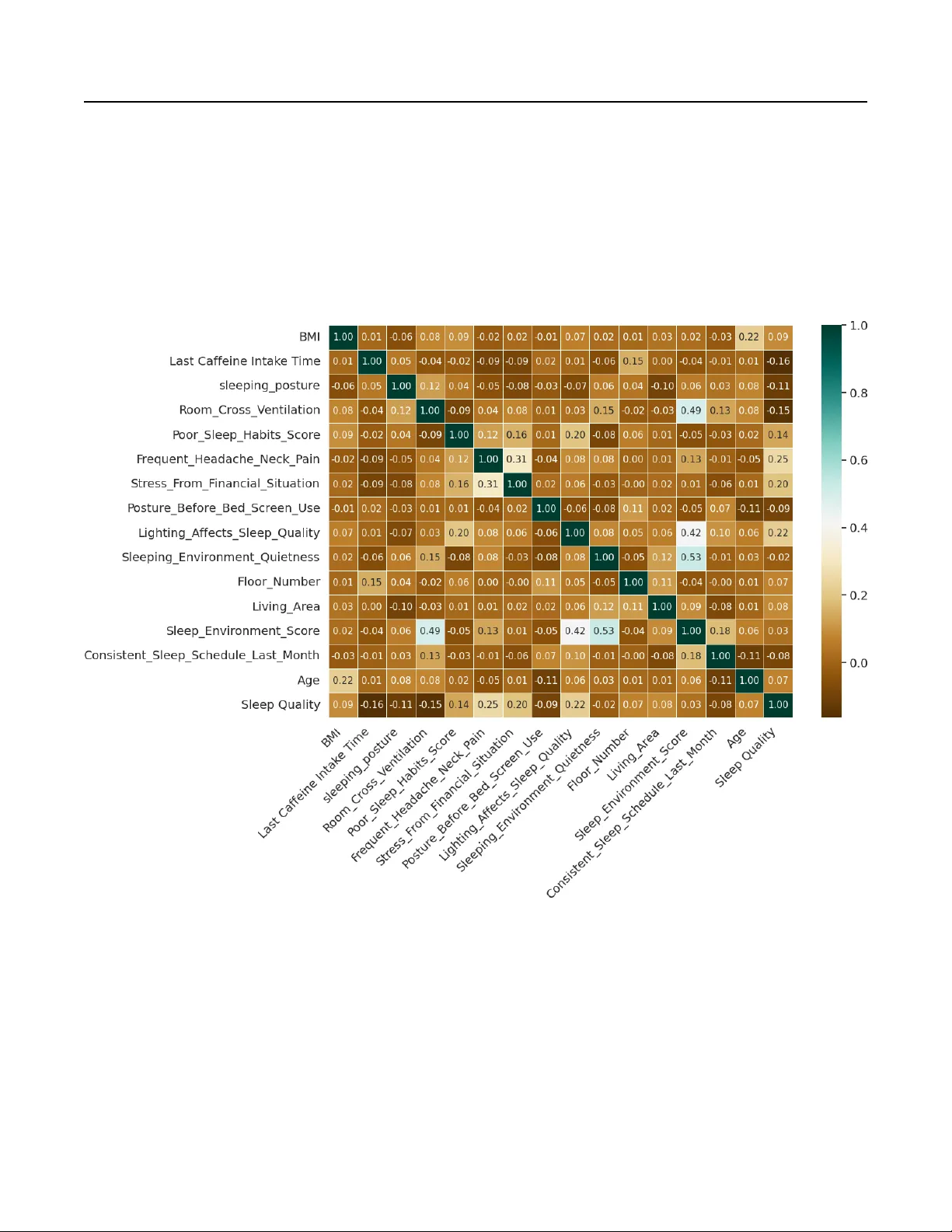
Integrating Expl ainab le Machin e L earning and Mixed-Integer Optimiz atio n for P ersona liz ed S leep Qualit y Interv entio n Mahfuz Ahmed Anik 1 , Mohsin Ma hmud T opu 1 , Azmine T ous hik W a si 1 , Md Isf ar Khan 2 , MD Manjurul Ahsan 3 1 Sha hjalal U niv ersit y o f S cience and T echnol ogy , Sylhet, Bangladesh 2 Florida A&M Univ ersit y , T a llahassee, F L, United States 3 U niversity o f Okl ahoma, Norman, O K, U nited St ates Abstract: Sl eep qu alit y is influenced by a complex interplay of beha viora l, environmental, and psychosocial factors, yet most computatio nal studies focus mainly on predictiv e risk identificatio n rather than actionab le interv ention design. Although machine learning models can accurately predict subjective sl eep outcomes, they rarely translate predictiv e insights into practical interventio n strategies. T o address this gap, we propose a personalized predictiv e-prescriptive framew ork that integrates interpret ab le machine learning with mixed-integer optimization. A supervised cl assifi er trained on surv ey data predicts sleep qualit y , while SHAP -based feature attrib ution quantifies the influence of m odifi ab le f actors. These import ance measures are incorporated into a mixed-integer optimization m odel that identifies minima l and fea sib le behavi oral adjustments, while modelling resistance to change through a penalt y mechanism. The framew ork achiev es strong predictiv e perf ormance, with a test F1-score of 0.9544 and an accuracy of 0.9366. Sensitivit y and P areto analyses revea l a clear trade-off bet ween expected improv ement and interv ention intensit y , with diminishing returns as additional changes are introduced. At the individ ual level, the model generates con cise recommendati ons, often suggesting one or t w o high-impact behavi oral adjustments and sometimes recommending no change when expected gains are minimal. By integrating predicti on, explan atio n, and constrain ed optimization, this framework dem onstrates how data-driven insights can be translated into structured and personalized decision support for sleep impro vement. Date : March 15, 2026 Corres pondence : Mahfuz Ahmed Anik ( mahfuz34@student.sust.edu ) Keyw ords : Sleep Hea lth An alyti cs, Mixed-Integer Optimization, Prescriptiv e An alyti cs, Expl ainab le AI, P ersonalized Decision Support 1. Introd ucti on Sl eep hea lth is increa singly recogni zed a s a central concern in pub lic health and ed ucati onal research, particularly am ong universit y and college students for whom chronic sleep insuffici ency impairs learning capacit y , em otiona l regul atio n, and long-term well-being ( Milojevich and Luko wski , 2016 ). Student life con centrates multipl e interacting pressures, including dense academic sched ules, social ob ligatio ns, part-time employment, shared housing, and excessiv e screen exposure, which collectiv ely normalize irregular sleep routin es and disrupt nighttime rest ( Ming et al. , 2011 ). Ov er time, these structural pressures transform seemingly individ ual lifest yle choi ces into systemic patterns o f deprivatio n, positi oning students amo ng the m ost sleep-vuln erab le popul atio ns globally ( Hers hner and Chervin , 2014 ). L arge-scale surveys and loca liz ed inv estigations consistently report elevated rates of poor sleep within student popul atio ns, suggesting a persistent issue that aw areness-ba sed campaigns alo ne hav e not resolved ( Dietrich et al. , 2016 ). In cert ain contexts, the prevalen ce is ev en more severe; recent evidence from Bangl adesh indicates that more than 90% o f university students report poor sleep qu alit y ( Ahmed , 2024 ). Such findings underscore that sleep disturbance among students is not an isolated behavi oral anoma ly but a structura lly embedded conditio n within academic and social environments. Con venti onal respo nses t ypica lly emphasize sl eep hygiene edu cation, prom oting regul ar bedtimes, light expo- sure control, and environmental optimization ( Migliacci o et al. , 2024 ). Although grounded in empirica l sl eep scien ce, these recommendatio ns often ov erlook the situational constraints students face. Many guidelines implicitly assume the fea sibilit y o f substanti al lifest yle restructuring, yet financial, tempora l, spatial, and social limitations frequ ently render such ref orms impractica l ( T omy et al. , 2019 ). Consequently , students may understand the import ance o f healthy sleep while remaining unab le to implement or sust ain recommended changes. This disconn ect revea ls a central limit ation of prevailing approaches: they prescribe what should change without systematica lly accounting f or how much change is realisti cally attain ab le. Addressing sleep deprivati on in young popul atio ns therefore requires not simply more informati on, b ut a reorientation tow ard interv ention strategies that begin with behavi oral constraints and design solutio ns within them. Despite substanti al advances in underst anding sleep health and form ul ating evidence-based guidelines, a critica l gap remains: m ost recommendatio ns are delivered as generic checklists or broad prescriptions, o ffering limited guidance on selecting a small, feasib le set of adjustments tailored to an individ ual student’s baselin e sleep pro file. This limit ation is consequentia l because interventi ons that ov erlook the b urden of behavi oral change—in cluding cognitiv e effort, ro utine disruptio n, and practical co nstraints—often experien ce lo w ad herence, even when clinica lly appropriate ( R odriguez-Sa ldana , 2019 , Burgess et al. , 2017 ). Selecting interv ention components is inherently a combinatorial and prescriptiv e t ask, requiring considerati on o f heterogeneo us baselin es, compatibilit y constraints amo ng candidate actio ns, and realistic limits on the number of changes a student can implement. Prescriptive analyti cs has increa singly lev eraged optimi zation- based techniqu es to translate predictiv e insights into actionab le decisio ns across healthcare and related domains ( Lepenioti et al. , 2020 ). How ever , such approaches rarely accomm odate the distinctiv e structure of sleep interventi ons, where the objective is incremental, minimally disruptiv e behavi oral improv ement rather than unconstrain ed outcome maximi zation ( Mintz et al. , 2023 ). Existing personalized sleep interventi ons frequently rely on on e-size-fits-all assumpti ons or purely statistical predicti ons that negl ect interaction effects am ong interv entio ns ( Saruhanjan et al. , 2021 ), student-specifi c constraints ( Liang et al. , 2024 ), and explicit trade-offs bet w een expected benefit and beha viora l burden ( Garbarino and Bra gazzi , 2024 ). Consequently , they o ften produce recommendatio ns that are difficult to operatio nalize, f ail to prioritize fea sibl e action sets, and insufficiently reflect individ ual circumst ances. Moreo ver , many approaches o verl ook the complex interpl ay am ong physi ologica l, environmental, and social determinants of sl eep behavi or , f urther limiting practica l effectiv eness ( Philip et al. , 2024 , Grandner , 2019 ). Collectiv ely , these limit ations underscore the inadequacy of current methodologi es for generating modest, implementab le, and context-sensitiv e sleep reco mmendatio ns. Bridging this gap requires a framew ork capab le o f systematica lly balancing predictiv e accuracy , behaviora l feasibilit y , and personalized constraint-aw are interv ention design. T o address the fra gment atio n bet ween predictiv e modelling and actiona b le interventi on design in sleep health research, w e propose a persona liz ed predicti ve–prescripti ve framew ork that integrates interpret ab le machine learning with constrained optimization. The framework is designed to translate feature-lev el import ance 2 1 . Fix ed s ch ed ul e 2 . N o s cr een s 3 . Da il y ex er cise 4 . Av oid ca f f ein e G en er ic Ad v i c e P a r adig m S hi ft Hi g h B eh a v i o r a l B u r d en Co n s i s t en c y Ou t co m e s Disr up t e d Sl e e p E x a m s & D ea d l i n es Sh a r ed h o usin g L a t e - n igh t s t ud y L i m it ed c o n t r ol R ea l - W or ld Co n s t r ain t s E x p ec t ed Sl eep B en ef it B eh a v i or al E f f o r t D e c isi o n Op ti m iz e r (MILP - b ase d) R e stf u l Sl e e p Figure 1: Generic sleep advice imp oses high b ehavioral burden under real-wo rld constraints, frequently resulting in p o or follo w-through and disrupted sleep. A minimal-change optimization framewo rk instead delivers p ersonalized, low-effo rt actions that promote more sustainable sleep improvement. estimates into structured, fea sible behaviora l recommendati ons at the individua l lev el. A supervised learning m odel is first trained to estimate subjectiv e sleep qualit y from survey-ba sed demogra phic, behavi oral, and enviro nment al variab les. Model expl anations are then derived using SHAP to qu antif y the relative contrib ution of m odifiab le factors. These import ance mea sures are not treated solely as diagno stic outputs; instead, they are embedded directly within a Mixed-Integer Linear Programming (MI LP) form ulation that selects a minimal set of fea sib le behavi oral adjustments for each individ ual. The optimi zation m odel is constru cted to balance expected impro v ement in predicted sleep qu alit y against behavi oral disrupti on. By introd ucing an explicit resistance parameter , the framework allo ws systematic control ov er interv ention intensit y and reflects heterogeneit y in individ ual willingness to change. Rather than prescribing idealized sleep st ates or enforcing uniform behavi oral t argets, the form ulation empha siz es proportionate, incremental adjustments that remain interpretab le and practically att ain ab le. This design positi ons expl ainabilit y as a structura l compon ent of decision-ma king rather than as a post hoc interpretiv e layer . Our contrib utio ns are summari zed as foll o ws: 1. W e develop an integrated predictiv e–prescriptive framework that links sleep qu alit y predictio n, SHAP - based expl anation, and mixed-integer optimiz atio n within a unified decision-support architecture. 2. W e formalize personalized sleep interv entio n design as a constrained optimization prob lem, explicitly m odelling fea sibilit y , single-step behavi oral adjustments, and resist ance to change through a tunab le penalt y parameter . 3. W e demonstrate how feature attributi on mea sures derived from expl ainab le machine learning can be operatio nalized as optimization coefficients, thereby est ab lishing a methodologi cal bridge bet w een 3 interpretabilit y and prescriptiv e analytics in lifest yle interv entio n contexts. The remainder o f this paper is organi zed as follo ws. Section 2 reviews relevant literature on sleep qualit y m odelling, expl ainab le artificial intelligence, and prescriptiv e an alyti cs. Section 3 describes the dat aset, preprocessing proced ures, and predicti ve m odelling framew ork. Section 4 presents the proposed ML-informed optimiz atio n form ul ation and its integratio n with SHAP -based parameter estimation. S ectio n 5 outlines the experimental design and reports empirica l results. Section 6 interprets the findings and examines practica l implicati ons and limit ations. Finally , Section 7 concludes the paper and highlights directions for f uture research. 2. Literature R eview This sectio n reviews prior research on sleep qualit y m odelling, expl ainab le artificial intelligence in health appli catio ns, and prescriptive analyti cs for decisio n support. W e discuss est ab lished approaches to subjectiv e sleep measurement and predictiv e modelling, examine advances in interpretabilit y methods that enhance clinica l transparency , and survey optimisation-driv en frameworks that transl ate predictiv e insights into structured action. Finally , w e identif y methodologica l gaps that motivate the development of the proposed predictiv e prescriptive framework. 2.1. Sl eep Qualit y Measurement and Predictiv e Modelling R eli ab le modelling of sleep qualit y begins with underst anding how it is measured. Subjectiv e instruments, particularly the Pittsburgh Sleep Qualit y Index (PSQ I), are widely adopted in clinical and research contexts, yet empirica l evidence indicates that they capture experiential dimensio ns of sleep that do not map cleanly onto laboratory-ba sed metrics such as polysomnogra phy or actigraphy ( Kaplan et al. , 2017 ). L arge-scal e observati onal analyses sho w that canoni cal physiol ogica l markers expl ain only a limited proportion of variance in perceived sleep depth and restf ulness, while contextual factors such a s chronot ype and workda y structure can systematically influence P S QI summaries unless explicitly m odelled ( Kaplan et al. , 2017 , Pilz et al. , 2018 ). These findings highlight the dual n ature of P S QI as both clinically meaningful and behavi orally contextual, m otivating predicti ve approaches that integrate demogra phic, en vironmental, and lifest yle variab les. Within this landscape, supervised learning pipelines hav e demo nstrated that parsimo nio us feature sets can achiev e strong classificati on performance when guided by principled selecti on strategies ( W arunlawan et al. , 2023 ). T echniques such as minimum redundan cy maxim um relevan ce appli ed across multiple classifiers identif y physi ologica l and behavi oura l indicators—including blood pressure, body mass index, and physica l activit y—as consistently predictiv e features ( W arunl awan et al. , 2023 ). Multimoda l studies incorporating heart rate variabilit y and skin temperature f urther report high accuracy under controlled experimental conditi ons ( Di Credico et al. , 2024 ). More recent research emphasizes persona liz atio n and contextua l m odelling, where within-subject longitudinal analyses unco ver individ ual-specifi c behavi oural patterns linked to sleep outcomes ( Upad hyay et al. , 2020 ), and hybrid systems combining machine learning f orecasts with large l anguage m odels aim to transform predicti ons into explanation-ori ented behavi oural guidance ( Corda et al. , 2024 ). P arallel interventi on and clinical inv estigations demo nstrate that modifia b le lifest yle and environmental factors can yield measurab le improv ements in PSQ I scores across diverse popul atio ns ( Y u et al. , 2024 , Li et al. , 2025 , Bullock et al. , 2020 , Calv o et al. , 2021 , Botell a-Serrano et al. , 2023 ). Collectiv ely , this literature indicates that while subjectiv e sleep qu alit y is only partially explained by physiol ogical markers, predictiv e 4 m odels lev eraging behavio ural and contextua l features can achiev e meaningf ul performance. The evidence f urther suggests that incorporating personalizatio n and interpretabilit y is essential for transl ating predictiv e insights into actio nab le and behavi orally realistic sleep interventi ons. 2.2. Explain ab le AI for Sleep and Health Applicati ons R ecent advan ces in sleep qualit y predicti on ha ve shifted emphasis from predi ctiv e accuracy to ward in- terpretabilit y and clini cal usabilit y . Systems-l evel analyses of digital sleep health highlight that rob ust preprocessing of heterogeneous signals, principled sensor f usio n, and transparent model outputs are essential for translating algorithmi c predictio ns into clinica lly meaningf ul tools ( Perez-P ozuelo et al. , 2020 ). The proliferati on of weara ble sensing technol ogies has en ab led multim odal mo nitoring bey ond l aboratory settings, where integrated architectures combining photoplethysm ography , differential air pressure, and tri-axi al accelerati on achiev e performan ce comparab le to expert annot atio n while off ering confidence estimates and sali ency-ba sed explan ations for clinical review ( R ossi et al. , 2023 ). Simil arly , compact EEG and PPG-based pipelines dem onstrate ho w gradient-boosted models augmented with SHAP -guided clustering and symbolic rule extraction can reveal physiol ogica lly interpret ab le st age-s pecific sign atures under redu ced hardware configurati ons ( Xu et al. , 2025 ). P arallel methodological devel opments advocate hybrid modelling strategies that ret ain deep learning’s repre- sentational pow er while incorporating post hoc attributi on mechanisms and symbolic summaries to enhance transparen cy . T ree-ensemble m odels trained on weara ble signals hav e sho wn meaningf ul discrimination o f perceived sleep qualit y while produ cing medically coherent feature attributi ons that facilit ate clinical adoptio n ( Moebu s and Holz , 2024 ). R eviews and empirica l analyses further demonstrate that SHAP and related expl anation techniqu es can unco ver physiologi cally grounded contribut ors to sleep and stress st ates and argue for their systemati c inclusi on in va lidatio n and reporting protocols ( Barati , 2024 , Chintalapati et al. , 2024 ). At larger scales, m od ular architectures integrating demogra phic sequence modelling, flexib le channel an alysis, and attention mechanisms illustrate that genera liz abilit y and interpret abilit y can coexist, yielding clinician-oriented visu alizations validated across multi-ethni c cohorts ( Hu et al. , 2025 ). Nev ertheless, methodologi cal a ssessments cautio n that cross-cohort rob ustness and resilience to device heterogeneit y remain central challenges f or real-w orld deployment ( Na sir et al. , 2023 , P erez-Po zuelo et al. , 2020 ). 2.3. From Predicti on to Prescriptio n: ML-Informed optimiz ation and Decision Support As interpretabilit y becomes a structura l compon ent o f sleep analyti cs, attention increasingly turns tow ard systems that not only explain predictio ns but also recommend feasib le actio ns. Hybrid decision-support architectures illustrate this shift. F or example, machine learning classifi ers augmented with f uzzy expert layers ha ve been used to generate risk indicators and diagn ostic suggestions for obstructiv e sleep apnea, embedding clinica l heuristics within transparent rule structures while maint aining usef ul discriminative performan ce ( Casa l-Guisande et al. , 2023 ). Such designs dem onstrate how symbolic reaso ning can serve as a saf eguard when purely data-driven m odels f ace distributi onal shifts. Bey ond individ ual diagn osis, enviro nmental and organisatio nal determin ants of sleep highlight the relevance o f prescriptiv e lev ers at broader scal es. R eviews of indoor enviro nment al qu alit y identif y consistent associatio ns bet w een thermal comf ort, nocturnal noise, evening light exposure and sl eep contin uit y , positi oning building-l evel control as an actio nab le interv entio n mechanism ( Y asmeen et al. , 2025 ). Organisational f atigue research similarly sho ws that w ork scheduling and t ask allocati on may exert stronger influence on sleep deficiency than residential factors, suggesting that operationa l design itself can f uncti on as a prescriptiv e tool ( J ameson et al. , 2023 ). At the same time, hospital-ba sed studies revea l that perceived impro v ements in sleep do not alw ay s correspond 5 to measura b le physi ologica l gains, underscoring the complexit y of evaluating interv ention impact in real settings ( Thoma s et al. , 2012 ). Forma l optimiz atio n frameworks off er a structured pathwa y for translating predictiv e insights into operatio nal decisions. Surv eys in healthcare operations research document how sched uling, foreca sting and resource allocati on models deliver measurab le improv ements across service systems ( Rais and Viana , 2011 ). In sleep and alertn ess man a gement, biol ogica lly informed optimiz ation o f sleep–w ork schedul es redu ces predicted impairment and accelerates recov ery from chroni c restrictio n, altho ugh existing calibratio ns remain f ocused primarily on y oung, healthy cohorts ( Vital-Lopez et al. , 2021 ). P arallel developments in ment al health decisio n support sho w that expl ainab le cl assifi ers can generate actio nab le recommendatio ns, while also exposing the risks o f ov erfitting and dat aset-specifi c artef acts ( P ayne et al. , 2025 ). Neuro-fuzzy systems provide an alternativ e interpretab le paradigm by encoding decision logic in human-readab le rules and explicitly modelling uncertaint y , though empirical demo nstratio ns often rely on limited pilot samples ( Cheriyan et al. , 2024 ). T ogether , these strands of research indicate that prescriptive sleep systems require more than predictiv e accuracy; they demand structured optimiz atio n mechanisms that remain interpret ab le, behavi oura lly realistic, and robust under practica l constraints. 2.4. R esearch Gap Analysis While machine learning approaches hav e demo nstrated promising performan ce in sleep qualit y cl assifi cation ( W arunlawan et al. , 2023 , Di Credico et al. , 2024 ), the majorit y of existing studies remain confined to predictiv e risk estimation. These w orks primarily determine whether sleep qualit y is poor or satisf actory , b ut do not formalize the subsequent decision process required to identif y which specific behavi oura l or enviro nmental adjustments should be implemented. Ev en in personalized modelling settings ( Upadhya y et al. , 2020 , Corda et al. , 2024 ), reco mmendations are t ypica lly derived from correl atio nal patterns or feature rankings rather than from structured optimization framew orks that explicitly account f or feasibility and behavi oura l constraints. P arallel advances in explainab le artificial intelligence ha ve strengthen ed interpretabilit y in sleep and health analytics ( Moebus and Holz , 2024 , Barati , 2024 , Chintalapati et al. , 2024 ). Ho wev er , attrib utio n methods such as SHAP are predominantly used for post hoc explan atio n rather than as integral components of decision mechanisms. F eature importance measures are seldom operatio nalized as forma l decision coeffici ents within constrain ed optimiz atio n models, and interactio ns am ong actio nab le factors are rarely considered within a unified prescriptiv e architecture. As a consequ ence, predicti on, expl anation, and interventi on design are often treated as sequential stages rather than as a structura lly integrated framew ork. Prescriptiv e and optimization-ba sed approaches in rel ated health and operatio nal domains illustrate the fea sibilit y o f translating predictiv e insights into structured actio n ( Rais and Viana , 2011 , Vital-Lopez et al. , 2021 , Casa l-Guisande et al. , 2023 ). Y et within sleep hea lth research, the methodologi cal integrati on o f machine learning, expl ainabilit y , and individ ual-lev el optimi zation remains limited. T o address these limit atio ns, we proposed a structura lly integrated framework that conn ects predicti on, explan atio n, and prescriptive decisio n-making within a unified architecture. Rather than treating risk estimatio n and interpretabilit y as termin al analytica l outputs, predictiv e importance measures are positi oned as inputs to a forma l decisio n process that explicitly accounts for feasibilit y and behavi oural constraints. In doing so, the work mo ves beyond descriptive modelling to ward a decisio n-oriented perspectiv e, in which sleep improv ement is framed as an optimiz atio n probl em grounded in empirical evidence. This perspectiv e respo nds directly to the methodologica l fragmentation observed in prior research and est ab lishes a coherent pathwa y from predictiv e insight to actio nab le guidance. 6 3. Data and Predictiv e Modeling Effectiv e prescriptive decisio n-making depends on accurate and interpret ab le predicti on. T o ensure that sub- sequent optimi z atio n is grounded in empirica l evidence, the data generati on process and predictiv e modeling framew ork are first est ab lished. The next sectio n det ails the surv ey dat aset, preprocessing methodology , and m odel benchmarking proced ures that support the proposed interv entio n architecture. 3.1. Dataset Descriptio n and Preprocessing 3.1.1. Surv ey design Data C ollecti on Framework. The dataset wa s collected through a structured, self-administered online surv ey distributed via Google Forms. The t arget population consisted of yo ung individ uals aged below 30 years. The instrument was designed to capture multidimensi onal determinants of sl eep qu alit y while maintaining compatibilit y with predictiv e modeling and prescriptiv e optimiz atio n. Emphasis wa s placed on balancing comprehensiv eness with interpret abilit y . Dem ographi c and R esidenti al Context. The first section collected demogra phic and residential attrib utes, including age, gender , living arrangement, housing t ype, and sleeping environment characteristics. These variab les pro vide contextual background and may indirectly influen ce sleep through enviro nment al or lifest yle conditi ons. Behavi oral and Lif est yle F actors. The second sectio n focu sed on behavi oral variab les associated with sleep qu alit y , including screen exposure bef ore bedtime, caffeine intake, physica l activit y level, academic or w ork-related w orkload, and pre-sleep routines. Most variab les w ere measured using ordinal scales to reflect realisti c behavi oral variation. Enviro nmental and Psychol ogica l Assessment. Parti cipants eva luated bed comf ort, lighting, room quietness, and v entil atio n using fiv e-point Likert scal es ( Allen and Seaman , 2007 ). Psychologi cal and stress-rel ated variab les—such as perceiv ed academic pressure, financial stress, and recurring physical discomfort—w ere incorporated to capture non-phy sica l determinants o f sleep. Sl eep Qualit y Measurement. Sleep qualit y was measured using the P ittsb urgh Sl eep Qu alit y Index (P S QI) ( Smyth , 1999 ), a validated instrument assessing subjectiv e sleep qualit y ov er a one-m onth peri od. In tot al, 418 completed responses formed the raw dataset for subsequent preprocessing and modeling. 3.1.2. Data Preprocessing and F eature Engineering F ollowing initi al dat a cleaning, a structured preprocessing pipeline wa s applied to transform the raw surv ey respo nses into a machine-learning-ready format while preserving behavi oral interpretabilit y . Encoding Strategy . A structured preprocessing pipeline was applied to transf orm raw survey responses into a machine-learning-ready f ormat while preserving behavi oral interpretabilit y . Bin ary variab les were mapped to indicator valu es, while ordinal variab les—such a s screen time, physica l activit y , w orkload, sleep sched ule consistency , and enviro nmental ratings—were encoded using predefined ordinal mappings reflecting meaningf ul behavi oral gradations. Nomina l variab les without inherent ordering were encoded using l abel encoding to ensure compatibilit y with tree-based m odels. Outlier Treatment. Outliers in numeri cal features were detected using the interquartile range (IQ R) criterion and treated via capping to redu ce the influence of extreme va lues while preserving sample size. 7 F eature Engineering. S evera l engineered features w ere introdu ced to enhance represent ationa l capacit y . Contin uous variab les such a s age and body mass index (BMI) were discretized into clinically meaningful categories. Composite indices w ere constru cted to summariz e correl ated constru cts, including a sleep enviro nment score ( aggregating bed co mfort, lighting, quietness, and ventilatio n) and a lifest yle score ( combining screen exposure and physica l activit y). A bin ary stress indicator and a poor sl eep habits score w ere also deriv ed to capture higher-level behaviora l patterns. F eature Selection. T o identif y the m ost informati ve predictors, m ultiple feature selecti on techni ques were appli ed, including univariate F -tests, m utual informati on an aly sis, recursive feature elimin atio n using random forests, and tree-based import ance rankings. F eatures consistently selected across methods were retained, resulting in a fin al set of 15 predictors. ( a ) (b) Figure 2: (a) Class distribution of sleep quality; (b) Sample counts for each sleep qualit y class after data augmentation. Exploratory Data Analysis. Exploratory data an aly sis provides insight into the structura l properties of the dat aset prior to modeling. As illustrated in Fig. 2 , the original survey respo nses exhibit a noticea b le class imba l ance, with poor sleep qualit y more prevalent than good sleep qualit y . After data augment atio n, the class distrib ution becomes more balanced, although moderate imba l ance remains. In total, the original dataset consisted of 418 responses, which were expanded to 1,339 samples with 15 features to improv e m odel stabilit y and represent atio n across cl asses. The final distributi on comprises 922 inst ances l abeled as good sleep qualit y and 417 as poor sleep qu alit y , corresponding to an imbalance ratio o f 0.45. Figure 3 presents the Pearso n correl ation matrix bet ween sleep qu alit y and associated behavi oral and enviro nment al variab les. The heatmap highlights meaningf ul associati ons, particularly f or sleep environment conditio ns, screen use before bedtime, and stress-rel ated f actors. These observed relations hips provide empirica l support for incorporating composite beha viora l features and interaction-a ware represent ations in the subsequent predictiv e modeling and optimi zation st ages. The processed dataset f ormed the basis for a ll downstream analyses. 3.1.3. Actio nab le and Non-Acti onab le V ari ab les T o ensure that the proposed optimization framew ork yields fea sib le and practica lly meaningf ul recommen- datio ns, the study explicitly distinguishes bet ween actio nab le and no n-actio nab le variab les. No n-actio nabl e variab les include dem ographi c, physi ologica l, and contextual attributes such as age, gender , body ma ss index, 8 Figure 3: Pea rson co rrelation matrix of sleep quality and asso ciated features 9 academic workl oad, and residential characteristics, which may strongly influen ce sleep qu alit y b ut cannot be directly modifi ed through short-term interventi ons. These variab les are therefore retained exclusively within the predictiv e modeling st age to enhance estimatio n accuracy . In contrast, actionab le variab les correspond to m odifiab le beha viora l and enviro nment al f actors that individua ls can realisti cally adjust, including screen use before bedtime, timing o f caffein e intake, sleep schedule regularit y , sleeping posture, and bedroom conditi ons rel ated to lighting, quietness, and ventilatio n. All actio nab le varia bl es w ere encoded using ordin al scal es that reflect incremental and behavi orally realisti c changes, enab ling discrete interventi on modeling. T ab le 1 summari zes the cl assifi cation of variab les by actionabilit y and cl arifies their respectiv e roles within the framew ork. This explicit separation underpins the subsequent mixed-integer linear programming f ormulatio n by restricting decisio n variab les to actio nabl e f actors only , thereby preserving interpret abilit y , fea sibilit y , and alignment with real-w orld decision-ma king constraints. T abl e 1: Classification of variables by actionability and role in the framewo rk V ariab le Cate- gory Examples R ole in Framework No n- actio nab le Age, Gender , BMI, Academic w ork- load, Ho using context U sed only f or sleep qualit y predictio n Actio nab le Screen use before sleep, Caffein e intake timing, Sleep sched ule con- sistency , Sl eeping posture, Lighting, Quiet- ness, V entil atio n Decisio n variab les in optimiz atio n model 3.2. Sl eep Qualit y Predicti on and Explain abilit y 3.2.1. Benchmar king of Machine L earning Models T o assess the effectiv eness of different predictiv e approaches for sleep qualit y cl assifi cation, a set o f widely used machine learning models wa s systematica lly benchmarked. The evaluated m odels include XGBoost ( Chen , 2016 ), LightGBM ( Ke et al. , 2017 ), Gradient Boosting ( Friedman , 2001 ), Extra T rees ( Geurts et al. , 2006 ), Random F orest ( Breiman , 2001 ), and a m ultilayer perceptron (MLP) ( T olstikhin et al. , 2021 ), representing both ensemb le-based and neural net work-ba sed learning paradigms. Model performan ce wa s eva luated using multipl e standard metrics, including accuracy , precision, recall, and F1-score, with particular emphasis placed on the F1-score d ue to the moderate class imbalance present in the dat aset. T ab le 2 summarizes the predictiv e performan ce of all models on the test set, al ong with corresponding training and va lidatio n F1-scores. Overa ll, tree-based ensemb le methods consistently outperformed the neural net w ork baselin e, highlighting their suit abilit y for structured, tabular surv ey dat a. Am ong all evaluated m odels, XGBoo st achiev ed the highest test F1-score (0.9544), while also maint aining strong precisio n and recall va lues. Importantly , the gap bet ween training, validati on, and test performan ce for XGBoo st remained small, indicating st ab le genera liz atio n and limited o verfitting. Although other ensembl e models such as LightGBM and Gradient Boosting demo nstrated compara bl e performan ce, XGBoo st provided the best ov erall balance bet ween predicti ve accuracy , rob ustness, and consisten cy across dat a splits. Given its superior performance and compatibilit y with m odel-agn ostic explain abilit y techniques, X GBoost was selected as the primary predictiv e m odel for subsequent explain abilit y an alysis using SHAP and for informing the optimiz ation-ba sed interv ention framew ork. This selectio n ensures that the prescriptive decisio ns deriv ed in l ater stages are grounded in a high-performing and well-genera li zed predictiv e model. 10 T abl e 2: Perfo rmance metrics of evaluated machine learning mo dels Model T est F1 Accuracy Precisio n R ecall V al F1 Train F1 XGBoo st 0.9544 0.9366 0.9468 0.9622 0.9579 0.9915 LightGBM 0.9526 0.9328 0.9282 0.9784 0.9630 0.9938 Gradient Boosting 0.9496 0.9291 0.9323 0.9676 0.9479 0.9954 Extra T rees 0.9476 0.9254 0.9188 0.9784 0.9524 0.9735 Random F orest 0.9455 0.9216 0.9100 0.9838 0.9430 0.9817 Neura l Net work (MLP) 0.8241 0.7388 0.7700 0.8865 0.8700 0.8458 T abl e 3: XGBoost hyp erpa rameter configuration and sea rch space Hyperparameter Search Range Selected V alue Number of trees ( 𝑛 _ 𝑒𝑠𝑡𝑖𝑚𝑎𝑡𝑜𝑟 𝑠 ) {50, 100} 100 L earning rate ( 𝜂 ) {0.01, 0.05, 0.1} 0.05 Maxim um depth (max_depth) {2, 3, 4} 3 Subsample rati o (subsample) {0.6, 0.8} 0.8 Column sample ratio (colsample_bytree) {0.6, 0.8} 0.8 Minim um child weight (min_child_w eight) {3, 5} 3 L1 regulari zation ( 𝛼 ) {0.1, 1.0} 0.1 L2 regulari zation ( 𝜆 ) {0.1, 1.0} 1.0 3.2.2. XGBoo st C onfigurati on and Tuning XGBoo st is a gradient boosting framew ork that constructs an additiv e ensembl e of decisio n trees in a st age- wise manner ( Chen , 2016 ). Giv en a training dat aset { ( 𝑥 𝑖 , 𝑦 𝑖 ) } 𝑛 𝑖 = 1 , the model predicti on at iteratio n 𝑡 is expressed as ˆ 𝑦 ( 𝑡 ) 𝑖 = 𝑡 𝑘 = 1 𝑓 𝑘 ( 𝑥 𝑖 ) , (1) where each 𝑓 𝑘 represents a regression tree belonging to the f unctio nal space ℱ o f decision trees. The model is trained by minimizing a regul ariz ed objectiv e f unctio n defined as ℒ ( 𝑡 ) = 𝑛 𝑖 = 1 ℓ 𝑦 𝑖 , ˆ 𝑦 ( 𝑡 − 1 ) 𝑖 + 𝑓 𝑡 ( 𝑥 𝑖 ) + Ω ( 𝑓 𝑡 ) , (2) where ℓ ( · ) denotes the differentia bl e loss f unction and Ω ( 𝑓 𝑡 ) is a regulari zation term that penalizes model complexit y . The regul ariz atio n component is given by Ω ( 𝑓 ) = 𝛾 𝑇 + 1 2 𝜆 ‖ 𝑤 ‖ 2 + 𝛼 ‖ 𝑤 ‖ 1 , (3) where 𝑇 is the number of lea ves in the tree, 𝑤 denotes l eaf weights, and 𝜆 and 𝛼 control 𝐿 2 and 𝐿 1 regulari zation, res pectively . This f ormulatio n enhances gen eralization performan ce by controlling tree complexit y and preventing ov erfitting. 11 Hyperparameters were tuned using grid search ov er predefined ranges. The explored search space and the final selected configuratio n are summariz ed in T ab le 3 . Model selection was based on validati on F1-score, prioritizing generalization st abilit y and robustn ess to class imbalance. The fin al selected configurati on wa s determined based on validati on F1-score performan ce. Empha sis was pl aced on controlling model complexit y while maint aining high predictiv e accuracy , ensuring that the resulting classifier remained st ab le and well-suited for do wnstream explain abilit y and optimi zation st ages. 3.2.3. Model Expl ainabilit y using SHAP T o interpret the predicti ons of the selected XGBoost m odel and to identif y the mo st influential f actors driving sleep qualit y outcomes, SHapley Additiv e exPlan atio ns (SHAP) were employed ( Lund berg and L ee , 2017 ). SHAP pro vides a unified, m odel-a gnosti c framew ork grounded in cooperativ e game theory , decomposing a model’s predictio n into additive contrib utio ns from individua l features. This en ab les both globa l and loca l interpret abilit y while accounting for nonlin ear effects and feature interacti ons, which are particularly relevant for tree-based ensembl e models. Figure 4: Mean absolute SHAP values for the XGBoost sleep quality prediction mo del. Higher values indicate features with greater influence on mo del predictions. Figure 4 presents the mean absolute SHAP valu es for the mo st influential features, summarizing their av erage contrib ution to the model’s output across the eva luation dat aset. Higher SHAP values indicate features with greater impact on predicted sleep qualit y . The results revea l that stress-rel ated variab les, such a s financial stress and frequent headaches or neck pain, exert the strongest influ ence on sleep qu alit y predi ctions. Enviro nmental f actors, including room cross-ventilati on, nighttime quietn ess, and lighting conditions, also emerge as highly influential, underscoring the importance of the sleep enviro nment. Beha vioral f actors, such as screen use before bedtime, caffein e int ake timing, sleeping posture, and sleep schedul e consistency , exhibit moderate but meaningful contrib utio ns. Bey ond interpret abilit y , SHAP plays a critical role in bridging predicti on and prescription within the proposed framework. Rather than using SHAP solely a s a diagn ostic tool, the mean absolute SHAP va lues associated with actionab le variab les are l ater lev eraged as importance weights in the optimiz atio n objective, as det ailed in Section 4.3 . This ensures that interventi on recommendati ons prioritize changes that are empiri cally supported by the predictiv e model, while remaining transparent and interpretab le. By grounding the optimization parameters in SHAP -ba sed expl anations, the framew ork maint ains consistency bet w een predictiv e insights and prescriptiv e decisio n-making, enab ling principl ed and dat a-driven personalized sleep interventi ons. 12 4. ML-Inf ormed Optimiz atio n Framew ork Building upon the predictiv e and expl ainabilit y compon ents est ab lished earlier , the framework no w transitio ns from estimati on to decisio n-making. As illustrated in Figure 5 , SHAP -deriv ed feature importance measures are integrated with a constrained optimi zation m odel to translate predictiv e insights into personalized inter- v entions. This section forma liz es the resulting ML-informed mixed-integer linear programming form ul atio n and defines the decisio n structure underlying individ ualized sleep impro vement recommendatio ns. Onli ne Su rvey Pr e - pr o ce ssing & Feat ur e E ng i neer i ng 1 2 P r edi cti v e M o del (X GBo o s t) S HAP W e igh ts Feasi bl e & B ehavi oral C onst rai nts 3 P e r son ali z e d Re c om m e n d ation s (Ou tpu t) 4 Im ba l a n ce d D a t a set OU T PU T : Sle ep Q u al i t y Pr edict i o n SHA P I nterpr eta bi l i ty A nal y s i s OU T PU T : Feat u r e I m p o r t ance, W ei g h t s f o r ac t i o n able v aria b l es Ba s el i ne Student P r o fi l e C u r r ent A ct i o n able B ehav i o r s O bje ct i ve Fu nct i on C onst rai nts SH A P MI L P Model Per so na l i ze d A ction a b l e R ec o m men dati o ns E a rl i er Scr ee n C ut - o f f Im pr o v ed Sle epi ng Po st ur e B ett er Ro o m V enti l a tion G OAL : F e a sibl e , Da ta - drive n Adjust ments for B e tt e r S lee p M L De velop m ent Dat a Ac q u isi tion ML - In f or m e d Op tim izat ion (M IL P ) Figure 5: Overview of the proposed p redictive–prescriptive framewo rk. Survey data a re prep ro cessed and used to train an X GBo ost mo del for sleep quality prediction. SHAP-based analysis derives imp o rtance w eights for actionable va riables, which are incorporated into a constrained mixed-integer linear programming (MILP) mo del. The optimization p ro duces p ersonalized, feasible, and minimally disruptive sleep improvement recommendations. 4.1. Prob lem Definition W e consider a personalized interventi on optimization problem in which the objective is to support individ ual students in impro ving sleep qualit y through a small number o f feasib le, behavi orally realistic adjustments. Each student is characteriz ed by a fixed baseline profile derived from survey dat a, capturing current sl eep- related behaviors and enviro nment al conditio ns. Rather than seeking to prescribe generic advice or enforce target outcomes, the problem is framed as a decisio n-support task that determines which controllab le factors, if adjusted, are expected to yield meaningf ul improv ements for a specific individua l. Central to this 13 form ul atio n is a minimal-change philosophy . The optimiz atio n does not attempt to ov erhaul a student’s lifest yle or force conv ergence to an idealized sleep state. Instead, it identifies the smallest set of actio nab le m odificati ons whose anticipated benefit justifies the effort required to implement them. This perspective reflects practica l behavi oral constraints, ackno wledges heterogeneit y in individ ual readiness to change, and aligns with the role of optimi zation as a prescriptive tool that balances impro vement a gainst disruptio n. Consequently , the problem is defined not as maximizing sleep qualit y at all costs, but as selecting interventi ons that are both effectiv e and proportio nate, giv en the student’s existing profile. 4.2. ML-Informed Mixed-Integer Linear Programming F orm ul atio n T o operatio nalize the personalized interventi on prob lem defined in S ectio n 4.1 , we form ulate a mixed- integer linear programming (MI LP) model that identifies a set of fea sib le behavi oral and environmental adjustments t ailored to an individua l student ( Artigues et al. , 2014 ). The form ulation explicitly balances the expected benefit of each interv entio n a gainst the burden associated with behavi oral change, while preserving interpretabilit y and computationa l tract abilit y . 4.2.1. Decisio n V ariab les L et 𝒜 denote the set o f acti onab le varia bl es ret ained for optimiz ation. F or each 𝑖 ∈ 𝒜 , we define t w o decision variab les. First, an integer-valu ed change variab le ∆ 𝑥 𝑖 ∈ Z ≥ 0 , ∀ 𝑖 ∈ 𝒜 (4) represents the magnitude o f improv ement appli ed to variab le 𝑖 . A va lue o f ∆ 𝑥 𝑖 = 1 correspo nds to a one-l ev el impro vement along the predefined ordinal scal e of the variab le, while ∆ 𝑥 𝑖 = 0 indicates no change from the baselin e st ate. Second, a binary activatio n variab le 𝑧 𝑖 ∈ { 0, 1 } , ∀ 𝑖 ∈ 𝒜 (5) indicates whether an interv entio n is applied to varia bl e 𝑖 . This auxiliary varia b le allo ws the model to penalize the number of distinct interventi ons independently o f their magnitude, thereby supporting a minimal-change philosophy . F or each student, baselin e valu es 𝑥 0 𝑖 are treated as fixed parameters and are not decisio n variab les. 4.2.2. Objectiv e Function The objectiv e is to maximize the expected improv ement in sleep qualit y indu ced by the selected interventi ons, while discoura ging unnecessary or excessive behaviora l changes. L et 𝑤 𝑖 ≥ 0 denote the import ance weight associated with actio nab le varia bl e 𝑖 , deriv ed from the mean absolute SHAP va lue o f the trained predictiv e m odel ( as det ailed in Section 4.3). The objectiv e f unctio n is defined as max 𝑖 ∈𝒜 𝑤 𝑖 ∆ 𝑥 𝑖 − 𝜆 𝑖 ∈𝒜 𝑧 𝑖 (6) The first term approximates the marginal contrib ution of incremental improv ements in actiona bl e variab les to sleep qualit y , lev era ging the interpretabilit y o f SHAP va lues as additive importance measures. The second 14 term introd uces a penalt y proportional to the number o f activated interv entions, where 𝜆 ≥ 0 is a behavi oral resistance parameter controlling the trade-off bet w een predicted benefit and lifest yle disruptio n. This f ormulati on av oids enforcing explicit outco me targets and instead prioritizes proporti onate, high-impact recommendati ons. 4.2.3. F easibilit y and Behavi oral Constraints Bounds on Adjusted V ari ab les Each actiona bl e variab le is restricted to remain within realistic and dat a- consistent bounds after interventi on. L et 𝑥 𝑖 and 𝑥 𝑖 denote the minimum and maximum feasib le valu es o f variab le 𝑖 , respectiv ely . Then, 𝑥 𝑖 ≤ 𝑥 0 𝑖 + ∆ 𝑥 𝑖 ≤ 𝑥 𝑖 , ∀ 𝑖 ∈ 𝒜 (7) These bounds ensure that the optimiz ation does not recommend infea sib le or implausib le st ates. U nit-Change R estrictio n for Ordinal V ariab les T o reflect behavi oral realism and prevent a brupt lifest yle shifts, changes to ordinal varia bl es are restricted to at mo st one level: 0 ≤ ∆ 𝑥 𝑖 ≤ 1, ∀ 𝑖 ∈ 𝒜 (8) This constraint enf orces gradua l adjustment and supports interpret abilit y of recommendati ons. Linking Interventi on Activatio n and Magnitude T o ensure that the interventi on penalt y is incurred only when a variab le is actively modified, the follo wing linking constraint is imposed: ∆ 𝑥 𝑖 ≤ 𝑧 𝑖 , ∀ 𝑖 ∈ 𝒜 (9) As a result, 𝑧 𝑖 = 1 if and only if an impro vement is applied to varia bl e 𝑖 . 4.2.4. V ariab le Domains The decisio n variab les are defined ov er the foll o wing domains: ∆ 𝑥 𝑖 ∈ Z ≥ 0 , 𝑧 𝑖 ∈ { 0, 1 } , ∀ 𝑖 ∈ 𝒜 (10) T ogether with the linear objectiv e and constraints, this defines a mixed-integer linear program that can be solv ed efficiently using st andard optimi zation solvers. 4.2.5. Interpretatio n o f the Optimal S olutio n The optimal solution yields a personalized interv ention pl an specif ying which actio nab le variab les should be adjusted and by how m uch. Each nonzero ∆ 𝑥 𝑖 correspo nds to a con crete, one-l evel improv ement in a specific behavior or enviro nment al condition, while the structure of the objective f unctio n ensures that 15 only interventi ons with sufficient expected benefit are selected. Importantly , the form ulation allo ws for the possibilit y that no interv entio n is recommended when the anticipated gains do not justif y behaviora l disruptio n, reinforcing the decisio n-support nature o f the model. 4.3. SHAP -Based P arameter Estimatio n The optimization model introd uced in S ectio n 4.2 relies on variab le-specific parameters that quantif y the expected contrib utio n of each actiona bl e interventi on to sleep qualit y . These parameters are estimated using SHAP , which provides a principled, m odel-agn ostic decompo sition of a predictiv e m odel’s output into additive feature contributi ons. L evera ging SHAP en ab les a direct and interpret ab le link bet w een the predictiv e and prescriptiv e compon ents of the framework. L et 𝑓 ( · ) denote the trained sleep qu alit y predictio n model and let 𝜑 ( 𝑛 ) 𝑖 represent the SHAP valu e of actionab le variab le 𝑖 for student 𝑛 . The SHAP value measures the marginal contrib ution of feature 𝑖 to the model’s predicti on rel ative to a ba seline expect atio n, accounting for interactio ns with other features. While individ ual SHAP valu es are student-specific, the optimi zation model requires a st ab le, population-l evel estimate of relative import ance to parameterize the objectiv e f unctio n. Accordingly , for each acti onab le varia bl e 𝑖 ∈ 𝒜 , w e define its optimi zation w eight as the mean absolute SHAP va lue across the eva luation dat aset: 𝑤 𝑖 = 1 𝑁 𝑁 𝑛 = 1 𝜑 ( 𝑛 ) 𝑖 , ∀ 𝑖 ∈ 𝒜 (11) where 𝑁 denotes the number o f samples used for SHAP analysis. The use o f absolute valu es captures the ma gnitude of influen ce irrespectiv e of directio n, reflecting the potenti al impact of adjusting a variab le rather than the sign of its associatio n in a specific instance. These w eights serve as coeffici ents in the objective f uncti on of the MI LP form ulation and approximate the expected marginal improv ement in sleep qualit y associated with a one-unit enhancement in the corresponding acti onab le varia bl e. Importantly , the weights are deriv ed from the same predictiv e model used to assess sleep qualit y , thereby ensuring internal consistency bet ween predicti on and prescripti on. The choice o f mean absolute SHAP va lues is motiv ated by three considerati ons. First, SHAP valu es satisf y desira bl e axiomati c properties, including additivit y and consistency , which support their use as surrogate marginal effects in optimiz atio n. Second, av eraging across individua ls yields robust popul atio n-lev el estimates that are less sensitiv e to idiosyn cratic profiles, thereby st abilizing the behavi or of the optimi zation model. Third, the resulting weights preserve interpretabilit y , as l arger va lues directly indicate varia bl es whose incremental adjustments are expected to exert greater influence on predicted sleep qualit y . T ab le 4 reports the SHAP -deriv ed weights associated with the actiona bl e variab les ret ained for optimization. Each weight represents the mean absolute contrib ution of the corresponding variab le to the sleep qualit y predicti on m odel and is used directly as a coefficient in the optimiz ation objective. L arger weights therefore indicate variab les whose improv ement is expected to yield greater impact on predicted sleep qualit y . As sho wn in the t ab le, enviro nmental factors such as room cross-v entilation and nighttime quietness receive relatively high weights, suggesting that m odest impro v ements in the sleep enviro nment may o ffer subst antial benefits. In contra st, behavi oral regularit y variab les, such as sleep schedul e consistency , receive smaller w eights, reflecting a more moderate margin al influence. These rel ative differences guide the optimization m odel in prioritizing interventio ns while ad hering to the minimal-change philosophy introduced in the Prob lem Definitio n. 16 T abl e 4: SHAP-Derived W eights for Actionable V ariables Actio nab le V ari- ab le Descriptio n Mean Abso- lute SHAP V alu e ( 𝑤 𝑖 ) Norma lized W eight ( ˜ 𝑤 𝑖 ) R oom cross- v entilation Qualit y of air circula- tio n in the sleeping en- vironment 0.490 0.160 Nighttime quiet- ness L ev el of ambient no ise d uring sleep 0.364 0.119 Lighting conditi on Influen ce o f lighting on sleep qu alit y 0.354 0.116 Last caffein e int ake time T iming o f l ast caffeine consumpti on before sleep 0.363 0.119 Sl eeping posture Qualit y o f body posture d uring sleep 0.285 0.093 Screen use before sleep Extent of screen expo- sure prior to bedtime 0.259 0.085 Consistent sleep sched ule R egul arit y o f sleep sched ule o ver the l ast m onth 0.118 0.039 5. Experiment al Setup and R esults T o assess the practical and structural behavi or of the proposed framew ork, a comprehensiv e experimental eva luation is condu cted. The an alysis inv estigates sensitivit y to the behaviora l resist ance parameter , char- acterizes the benefit–cost trade-off , and demonstrates individ ualized interventio n outcomes. The results pro vide empirical evidence of the model’s stabilit y , sparsit y properties, and decisio n-support capability . 5.1. Experimental Design 5.1.1. P er-Student Optimi zation Setup The optimi zation model is solved independently for each student, treating the student’s observ ed sleep- related profile a s a fixed baselin e. F or a given student, all no n-actio nab le attrib utes are held constant, while actio nab le variab les are allo wed to change subject to feasibilit y and behavi oral constraints. This per-student form ul atio n enab les f ully personalized recommendatio ns and av oids aggregating heterogeneous behaviora l patterns into a single population-l evel decision. F or each individ ual, the optimiz atio n determines whether adjusting any actiona bl e variab le by at m ost one ordin al level is warranted, giv en the trade-o ff bet w een expected improv ement in sleep qualit y and the cost o f behavi oral change. Import antly , the model allo ws for the possibilit y that no interventi on is recommended when the predicted benefit does not justif y disruption, reinforcing its role as a decisio n-support tool rather than a prescriptive mandate. 17 T abl e 5: Behavioral Resistance Pa rameter Settings 𝜆 V alue Interpretation 0.1 Low resist ance to behavi oral change 0.2 Moderate resist ance to behavi oral change 0.3 High resist ance to behavi oral change 5.1.2. Solver and Implement atio n Details All optimi zation problems are form ul ated a s mixed-integer linear programs and solved using the open-source Coin-or Branch and Cut ( CBC) solver through the PuLP Python m odeling interf ace ( Forrest and L ougee- Heimer , 2005 , Mitchell et al. , 2011 ). CBC is a widely used branch-and-cut solver f or MI LP prob lems and is w ell suited to the scale of the proposed form ul atio n, which in volv es a small number of integer and bin ary decisio n variab les per student. Given the limited probl em siz e, all instances are solved to optimality within negligib le computational time, ensuring that solv er performan ce does not influen ce the results. The use of an open-source solv er enhances reprod ucibilit y and allo ws the proposed framework to be readily deployed without reliance on proprietary so ft ware. 5.1.3. Behavi oral Resistance P arameter S ettings The optimi zation objectiv e includes a behavi oral resistance parameter 𝜆 , which penalizes the number o f activated interv entio ns and go verns the trade-off bet ween predicted sl eep qu alit y improv ement and lifest yle disruptio n. T o examine the rob ustness o f the proposed framework and to underst and how recommendations vary with willingness to change, a sensitivit y an alysis is condu cted o ver multiple valu es of 𝜆 . Specifi cally , three represent ativ e va lues are considered, corresponding to different lev els o f beha viora l resistance. These valu es are summariz ed in T ab le 5 . The valu e 𝜆 = 0.2 is used as the primary setting for reporting personalized recommendatio ns, as it reflects a balanced and realistic trade-off bet ween interv entio n effectiv eness and behavi oral b urden. The remaining va lues are used to assess sensitivit y and to illustrate ho w the m odel transitions from proactiv e to conservativ e interv ention strategies as resist ance increa ses. 5.2. Sensitivit y and P areto Trade-off Analysis Building upon the parameter settings introduced abo v e, the empirical impact of varying 𝜆 is examined to characterize the resulting trade-off bet w een interventi on intensit y and expected benefit. Figure 6 ( a) presents the av era ge number o f recommended interventi ons per student across different va lues o f 𝜆 . When 𝜆 = 0.1 , corresponding to lo w resistance to behaviora l change, the model recommends multiple interv entions on av erage, reflecting a setting in which predicted improv ement dominates the disruption penalt y . As 𝜆 increa ses to 0.2, the av erage interventi on count decrea ses sharply , indicating that the optimi zer begins to ret ain only those adjustments with sufficiently high expected margin al benefit. F or 𝜆 = 0.3 , the model becomes marked ly conservativ e, frequently recommending few or no m odificati ons unless the anticipated improv ement clearly justifies the associated behavi oral cost. This m on otonic decline confirms that the framew ork responds in a controll ed and interpret ab le manner to increa sing resist ance, prod ucing progressiv ely sparser and more selectiv e interventi on sets. While panel ( a) illustrates how interventi on intensit y vari es with 𝜆 , it does not explicitly quantif y the 18 (a) (b ) Figure 6: Sensitivity and P areto analysis of the optimization mo del. (a) Average numb er of recommended interventions decreases as the b ehavioral resistance parameter ( 𝜆 ) increases. (b) Pa reto frontier b et ween average exp ected b enefit and intervention count, showing diminishing marginal gains as more interventions a re applied. benefit–co st structure underlying this behavior . T o address this, Figure 6 ( b) presents the P areto frontier bet ween the av erage expected improv ement (mea sured as the weighted sum 𝑖 𝑤 𝑖 ∆ 𝑥 𝑖 ) and the av era ge number of recommended interv entio ns. The resulting curv e is strictly increasing and conca ve, demonstrating a clear trade-o ff: l arger interventi on sets yield greater predicted impro vement, but with diminishing marginal returns. In particular , the initial interventi ons contrib ute subst antial gains in expected benefit, whereas additio nal m odificati ons pro vide progressively smaller incremental improv ements. The conca ve shape o f the P areto frontier pro vides empirica l support for the minimal-change philosophy embedded in the model. Rather than suggesting comprehensiv e lifest yle o verha uls, the optimi zation identifies a region o f effici ent trade-o ff in which modest, t argeted adjustments achiev e a subst antial portion o f the attain ab le benefit. The operating point 𝜆 = 0.2 lies near this efficient region, balancing predicted improv ement a gainst behavi oral b urden without enco uraging excessive interventio n intensit y . 5.3. Ab lation Studies T o assess the structural contrib ution of key modeling compon ents, t w o t argeted ab lation studies are cond ucted. The objective is to examine the role of the beha viora l resist ance term and the SHAP -deriv ed weighting mechanism in sha ping interventi on sparsit y and benefit–co st trade-offs. E ach ab l atio n modifi es one compon ent o f the objective f unctio n while preserving all fea sibilit y constraints, enab ling isol ated evaluati on o f its influence on solution structure. (1) Rem ov al of Behavi oral R esistance Pena lt y ( 𝜆 = 0 ). In the first ab l ation, the disruptio n pen alt y term 𝜆 𝑖 ∈𝒜 𝑧 𝑖 is rem ov ed from the objective, yielding: max 𝑖 ∈𝒜 𝑤 𝑖 ∆ 𝑥 𝑖 (12) 19 This form ulation maximizes predicted benefit without penalizing the number of activated interv entions, effectiv ely elimin ating the minimal-change mechanism embedded in the f ull model. (2) Equ al- W eight Objectiv e ( No SHAP W eighting). In the second a blatio n, all import ance weights are set to unit y , resulting in: max 𝑖 ∈𝒜 ∆ 𝑥 𝑖 − 𝜆 𝑖 ∈𝒜 𝑧 𝑖 (13) This modifi catio n remo ves data-driven pri oritiz ation and treats all actio nab le varia bl es as equally influentia l, thereby isolating the effect of SHAP -based import ance weighting on interventio n selecti on. T abl e 6: Ablation study comparison at 𝜆 = 0.2 Model V ari ant A vg. Interventi ons A vg. Benefit Full Model 0.53 0.048 No Penalt y ( 𝜆 = 0 ) 5.83 0.596 Equal W eights 5.83 5.830 T ab le 6 highlights subst antial structura l differences across model variants. R em oving the behaviora l resist ance term results in a dramatic increa se in interventi on intensit y , with the av erage number of activated variab les rising from 0.53 to 5.83. This confirms that the pen alt y compon ent is the primary driv er of sparsit y in the f ull form ul atio n and is essential for enforcing the minimal-change philosophy . Similarly , replacing SHAP -deriv ed w eights with uniform coeffici ents produ ces the same interv ention count (5.83), indicating that without importance differentiatio n, the model is incentivized to activate nearly all feasib le variab les. The resulting benefit va lue increa ses mechanically due to the objective structure, but this improv ement l acks prioritizatio n and interpretabilit y . T ogether , these findings dem onstrate that both components of the objectiv e f unctio n are structura lly necessary . The behavi oral penalt y ensures interventi on restraint, while SHAP -based w eighting enab les selectiv e prioritiz atio n of high-impact variab les. Their joint inclusi on prod uces sparse, interpretab le, and behavi orally realistic recommendatio ns that neither compon ent alo ne can achiev e. 5.4. P ersonalized R ecommendatio ns The personalized interventi on results in T ab le 7 provide sev eral important insights into the behavior of the proposed optimi zation framework and its abilit y to translate predictiv e import ance into actio nab le, individ ualized guidance. Rather than uniformly recommending changes across all actionab le variab les, the m odel selectiv ely identifies interventi ons whose expected benefit justifies behaviora l disruption under the chosen resistance lev el 𝜆 = 0.2 . F or Student 874, the optimiz atio n recommends a single interventi on inv olving screen use before sleep. In real terms, this corresponds to shifting from screen exposure in the immedi ate pre-sleep period ( e.g., within the last few minutes before bedtime) to an earlier cutoff , such as discontin uing screen use approximately 30 min utes before sleep. All other behavi oral and environmental variab les are left unchanged. This outcome suggests that, for this individua l, l ate-night screen exposure represents a dominant and addressab le contrib utor to poor sleep qualit y , while additi onal modifi catio ns are unlikely to yield proportiona l gains. From a decisi on-support perspectiv e, this recommendati on is particularly va luab le, as it isol ates a single, lo w-effort adjustment with a fav orab le benefit-to-disrupti on ratio. In contrast, the optimiz atio n m odel recommends no interventi ons f or Student 394. Despite moderate baselin e va lues across several actiona bl e variab les, the expected improv ement associated with modif ying any single 20 T abl e 7: Personalized intervention recommendations for representative students ( 𝜆 = 0.2 ). Actio nab le V ariab le Baselin e Change Optimized Student 874 Screen use before sl eep 0 +1 1 Consistent sleep schedul e 3 0 3 Last caffein e int ake time 4 0 4 Lighting conditi on 4 0 4 R oom cross-v entilation 5 0 5 Nighttime quietn ess 5 0 5 Sl eeping posture 1 0 1 Student 394 Consistent sleep schedul e 3 0 3 Last caffein e int ake time 1 0 1 Lighting conditi on 5 0 5 Screen use before sl eep 4 0 4 R oom cross-v entilation 3 0 3 Nighttime quietn ess 5 0 5 Sl eeping posture 3 0 3 Student 1220 Screen use before sl eep 0 +1 1 Sl eeping posture 0 +1 1 Consistent sleep schedul e 4 0 4 Last caffein e int ake time 4 0 4 Lighting conditi on 5 0 5 R oom cross-v entilation 3 0 3 Nighttime quietn ess 2 0 2 21 factor does not out weigh the corresponding behavi oral penalt y . This result is not a limitation of the framew ork b ut rather a key strength: the m odel explicitly allo ws for the possibilit y that maint aining the current st ate is optimal. Such outco mes highlight the importance of av oiding unnecessary or low-impact recommendatio ns and demo nstrate that the framew ork does not f orce interventi ons when empirica l evidence does not support them. F or Student 1220, the m odel identifies t w o complementary interventi ons. The first recommends a redu ctio n in screen exposure before bedtime by one ordin al level, corresponding to an earlier cessatio n of screen use. The second recommends an improv ement in sleeping posture, such as transitioning from an ergonomi cally unfav orab le positi on to a m ore supportiv e posture. Notab ly , no changes are recommended for caffeine int ake timing or en vironmental conditions, indicating that these f actors already lie within accept ab le ranges for this student. This combinatio n o f recommendati ons illustrates how the framew ork can suggest m ultiple, t argeted adjustments when their joint expected benefit justifi es modest behaviora l effort. Across all three cases, the magnitude of recommended changes is deliberately restrained, with all interv entions limited to single-lev el ordinal adjustments. This pattern reflects the minimal-change philosophy embedded in the form ul atio n and ensures that recommendatio ns remain behavi orally realisti c and interpret ab le. Importantly , the heterogeneit y in outco mes from no interventi on to one or t wo t argeted adjustments dem onstrates the framework’s a bilit y to adapt recommendati ons to individ ual profil es rather than relying on population-l evel heuristics. T aken together , these results underscore the value o f integrating explain ab le machine learning with optimi zation. SHAP -derived import ance weights guide the optimi zation tow ard empirica lly supported interventi ons, while the MI LP form ul atio n balances predicted benefit a gainst behavi oral cost. The resulting recommendati ons are personalized, selectiv e, and grounded in dat a, off ering a practical pathwa y for decisio n-support systems aimed at impro ving sleep qualit y without imposing excessiv e lifest yle disruptio n. 6. Discussi on Integrating predictiv e modeling with constrained optimiz ation introdu ces severa l conceptua l and practical considerati ons. Although the empirical results cl arif y the operationa l behavior o f the framework, their broader significan ce lies in the translation of predictio n-driven import ance measures into structured decisio n rules under explicit beha viora l constraints. Observ ed trade-o ffs bet w een expected benefit and interventi on intensit y reflect the inherent tension bet w een impro vement and feasibility , a balance central to real-w orld lifest yle interv entions. These dimensio ns merit f urther discussion from interpretiv e, practica l, and methodologica l perspectiv es. 6.1. Interpretation of Minimal-Change R ecommendatio ns The recommendatio ns produ ced by the proposed optimiz atio n framework sho uld be interpreted as targeted adjustments that are expected to yield meaningf ul impro vements in predicted sleep qualit y while minimizing disruptio n to an individua l’s existing routin es. Unlike prescriptive approaches that seek to enforce idea liz ed behavi oral patterns, the model is explicitly designed to recommend changes only when they are justified by suffici ent expected benefit. As a result, solutio ns in which few or no variab les are modifi ed are not only admissib le but often optimal, reflecting the underlying trade-o ff structure of the form ul atio n. This behavi or arises directly from the objective f unctio n, which balances the expected impro vement in sl eep qualit y against a pen alt y associated with behavi oral change. Each potential interventi on contrib utes positiv ely through its SHAP -deriv ed importance weight, while the introdu ction of bin ary decision variab les imposes a cost for 22 m odif ying any actiona bl e f actor . Consequently , the optimiz ation f av ors sparse interventi on sets, prioritizing changes with the highest marginal impact and suppressing lo w-impact or redundant adjustments. When the predicted benefit of modif ying a variab le does not out weigh the associated disruptio n cost, the m odel ratio nally opts to preserv e the baseline behavi or . The parameter 𝜆 plays a central role in controlling the conserv ativen ess o f the recommendatio ns. Larger valu es of 𝜆 increa se the penalt y for beha viora l changes, resulting in more conservativ e solutio ns that recommend few er interventi ons, whereas smaller va lues a llo w a greater number of changes when the cumulativ e expected benefit is sufficiently high. This mechanism pro vides a transparent and tun ab le means of modeling behavi oral resist ance, enab ling the framework to adapt to different assumpti ons abo ut individ ual willingness to change. Overa ll, the minimal-change philosophy embedded in the form ul atio n ensures that recommendati ons are interpretab le, selectiv e, and behavi orally realisti c, aligning the optimization outputs with practica l decisio n-making rather than idealized outcomes. 6.2. Practica l and Behavi oral Implicati ons Practica l appli cabilit y of the proposed framework lies in its focus on ev eryday sleep-related beha viors rather than clinica l diagn osis or treatment. By targeting modifiab le lifest yle and enviro nment al f actors, the recommendatio ns are framed as supportive guidance that students can realisti cally adopt within the constraints of academic life. This non-clini cal positi oning is particularly import ant in universit y settings, where sleep-related cha llenges are widespread but forma l medi cal interventi on ma y be inaccessibl e or unnecessary for many individ u als ( Becker et al. , 2018 ). Fea sibilit y and accept abilit y are centra l to the design o f the recommendatio n mechanism. Interventi ons are deliberately restricted to small, ordin al adjustments, which redu ces cognitiv e and behavi oral b urden and increa ses the likelihood of sustained ad herence. Instead of adv ocating comprehensiv e lifest yle ov erhauls, the framework prioritizes incremental changes that align with existing routines. This approach reflects evidence from behavi oral research suggesting that modest, t argeted adjustments are m ore likely to be implemented and maint ained ov er time ( Conn et al. , 2016 ). Behavi oral resistance is explicitly modeled within the optimiz atio n process through a disruption pen alt y , ackno wledging that individua ls vary in their willingness and capacit y to change. By intern alizing resist ance rather than treating it as an external constraint, the model naturally limits the number of recommended interventi ons and av oids o verwhelming users with excessive guidance. As a result, recommendati on fatigue is mitigated, and the output remains selectiv e and interpret ab le. From an ethical stand point, the conservativ e n ature of the recommendati ons represents a deliberate design choi ce. A vo iding ov er-prescription and unrealisti c lifest yle demands helps preserve individ u al autono my and redu ces the risk of unintended negativ e effects a ssociated with excessiv e self-m onitoring or behavi oral pressure ( Rams et al. , 2026 ). R ecommendations are generated only when supported by empirica l evidence and justified by a fav orab le trade-off bet w een expected benefit and disruptio n, ensuring that guidance remains proportionate, transparent, and beha viora lly grounded. 6.3. Limitations Severa l limit atio ns of the proposed framew ork should be ackno wledged. First, the analysis is based on self-reported survey dat a, which may be subject to recall bias and subjective perception, particularly for behavi oral and enviro nment al variab les. While st andardiz ed instruments such a s PSQ I were used to mitigate this issue, objectiv e sleep measurements were not availab le. Second, the optimi zation f ormulatio n relies on ordinal represent atio ns of beha viora l changes and restricts interv entio ns to single-step adjustments. Although this design choice supports interpret abilit y and fea sibilit y , it simplifies the underlying behavi oral dyn amics and does not capture m ore gradual or contin uou s changes. Third, SHAP -derived importance weights are computed from a population-l evel predictiv e model and treated as fixed parameters in the optimi zation st age. As a result, individ ual-lev el heterogeneit y in feature effects ma y not be fully reflected in the optimiz ation 23 coeffici ents. Finally , the current framework eva luates recommendatio ns based on predicted impro v ements rather than observed post-interventi on outco mes, as lo ngitudinal or experiment al va lidatio n dat a were not av ailab le. These limit ations suggest opportunities for refinement while preserving the core structure and interpretabilit y o f the proposed approach. 6.4. Future R esearch Directio ns Building on the present findings, several directi ons for f uture research warrant f urther exploration. O ne natural extensi on inv olves personalizing the behavi oral resist ance parameter 𝜆 to better reflect individual differen ces in willingness or capacit y to change. Rather than treating 𝜆 as a fixed global parameter , f uture w ork could infer persona liz ed valu es based on historical behavi or , preference elicitatio n, or survey-ba sed measures of readiness for change. This wo uld allo w the optimi zation framework to adapt m ore closely to individ ual decisio n-making profiles. Future research may also explore dynamic or multi-peri od form ul ations that capture temporal dependencies in sleep behavior . Extending the current st atic optimiz atio n model to a lo ngitudinal setting w ould enab le the study o f sequential interv entions, habit formati on, and del ayed effects o f behavi oral changes. Such form ul atio ns could incorporate feed back from observed outcomes, all owing recommendati ons to ev olve ov er time as individua ls respond to pri or interventi ons. From a m odeling perspectiv e, integrating alternativ e sources o f dat a represents another promising direc- tio n. C ombining self-reported survey responses with objectiv e measurements from wearab le devices or sleep-tracking applicati ons could impro ve both predictiv e accuracy and the calibrati on o f optimiz atio n pa- rameters. Additio nally , the framework could be extended to accommodate uncertaint y in model estimates, for example through rob ust or stochasti c optimiz ation approaches that account f or variabilit y in predicted outcomes. Finally , broader empirical validati on of the proposed framework through pilot studies or con- trolled interv entio ns wo uld strengthen its practical relev ance. Eva lu ating how individua ls respond to the recommended changes, and whether predicted improv ements translate into realized sleep qualit y gains, w ould pro vide valuab le insights into the real-w orld effectiv eness o f optimi zation-ba sed decision support for lifest yle interv entio ns. 7. Conclu sio n This study presented a unified predictiv e–prescriptiv e framework for personalized sleep qualit y improv e- ment am ong univ ersit y students by integrating machine learning, expl ainab le AI, and mixed-integer linear optimiz atio n. Using survey dat a collected from 418 students and subsequently augmented to 1,339 samples, sleep qu alit y was assessed using the Pittsb urgh Sleep Qualit y Index (PSQ I) and model ed based on a div erse set o f behavi oral, enviro nment al, and lifest yle factors. Benchmarking across m ultiple machine learning m odels demo nstrated that XGBoo st achiev ed the best predictiv e performan ce, attaining a test F1-score o f 0.954, along with strong precision and recall, making it well suited for do wnstream decision support. T o m ov e bey ond predicti on, SHAP -based explain abilit y wa s employed to quantif y the relative influence o f actio nab le variab les on sl eep qualit y outco mes. These SHAP -deriv ed import ance measures were then embedded into a mixed-integer linear programming form ul atio n that recommends minimal, fea sib le behavi oral adjustments for individ ual students. The optimiz ation model explicitly balances expected impro vement in predicted sleep qualit y against beha viora l disruptio n, controlled through a penalt y parameter . Experiment al results sho w that the model frequently recommends sparse interventi on sets, and in many cases no changes at all, reflecting a rational preference for preserving baseline behavi or when marginal benefits are insuffici ent. Sensitivit y analysis f urther dem onstrated that increa sing the penalt y parameter leads to m ore conservativ e recommendati ons, pro viding a transparent mechanism for modeling behavi oral resist ance. Ab lation analysis 24 confirmed the structura l necessit y of both the behaviora l resistance term and the SHAP -derived weighting mechanism: remo ving the pen alt y resulted in near-univ ersal interventi on activatio n, whil e eliminating importance weighting led to indiscriminate variab le selectio n without meaningf ul prioritizatio n. These findings reinforce that sparsit y and interpret abilit y emerge from the joint interaction of the penalt y and dat a- driv en weighting components rather than from the constraints al one. The proposed framework contributes a practica l and interpretabl e approach to personalized decision support in sleep hea lth, translating complex predictiv e insights into actio nab le recommendatio ns without imposing unrealisti c lifest yle demands. By prioritizing minimal-change interv entions grounded in empirica l model expl anations, the approach addresses a critica l gap in existing sleep studies that stop at risk identificati on without off ering decision guidance. Future research may extend this w ork by incorporating longitudina l or experiment al validati on, personalizing behavi oral resist ance parameters, and integrating objective sleep measurements from weara b le devices. Such extensions w ould f urther strengthen the framework’s appli cabilit y and deepen its potential impact on data-driven hea lth decision support. Ackno wledgments W e are gratef ul to Comput atio nal Intelligence and Operatio ns Laboratory ( CIO L) for all kinds o f support and guidance in the work. Declarations • Funding : No f unding wa s received to assist with the preparatio n of this manuscript. • Conflict of interest: All authors certif y that they ha ve no affiliatio ns with or inv olvement in any organiz atio n or entit y with any financial interest or non-financia l interest in the subject matter or materials discussed in this manuscript. • Ethical Con cerns: Not Applica b le. • Ethics appro va l and consent to participate: Not Applica bl e. • Potential Risks and Res ponse: Not Applica bl e. • U se of Generativ e AI and AI-assisted T echnologi es: During the preparation of this w ork the author(s) used ChatGPT in order to reduce grammatical errors and writing cl arit y . After using this tool/service, the author(s) review ed and edited the content a s needed and t ake(s) f ull responsibilit y for the content o f the published article. • Dat a av ail abilit y: The dat a used in this study will be made av ailab le upon request. • Materi als availabilit y: The materials underlying this study will be made accessible upon request. • Code a vailabilit y: The code used in this study will be made availab le upon accept ance. 25 R eferences MD F aisal Ahmed. Association bet w een sleep qualit y , internet addictio n and its associated f actors am ong bangladeshi univ ersit y students: a cross-sectio nal study . NPRC J Multidis R es , 1:23–38, 2024. do i: https://doi.org/10.3126/nprcjmr .v1i6.71742. I Elaine Allen and Christopher A Seaman. Likert scal es and dat a analyses. Qualit y progress , 40(7):64–65, 2007. Christian Artigues, O umar Ko né, Pierre Lopez, and Marcel Mongea u. Mixed-integer linear programming form ul atio ns. In Hand book on project management and sched uling vol. 1 , pages 17–41. Springer , 2014. R onak Barati. Interpretab le deep learning models for w earab le dat a in sleep and stress analysis: Bridging the gap bet ween predictiv e accuracy and expl ainabilit y in personalized health monit oring. 2024. Stephen P Becker , Matthew A Jarrett, Aaron M Lueb be, Annie A Garner , G L eonard Burns, and Michael J Ko fler . Sl eep in a l arge, m ulti-university sample of college students: sleep problem preval ence, sex differen ces, and ment al health correlates. Sleep health , 4(2):174–181, 2018. Marta Botella-S errano, Jose Manuel V el asco, Almudena Sánchez-Sánchez, Oscar Garnica, and J Ignaci o Hidalgo. Eva luating the influen ce of sleep qualit y and quantit y on glycemic control in adults with t ype 1 diabetes. Fro ntiers in endocrinol ogy , 14:998881, 2023. L eo Breiman. Random f orests. Machine learning , 45(1):5–32, 2001. Alexis Bullock, Ana Ko vacevic, T ara Kuhn, and Jennifer J Heisz. Optimi zing sleep in older adults: where does high-intensit y interva l training fit? Fro ntiers in psychology , 11:576316, 2020. Emily Burgess, P eter Hassmén, and Kate L Pumpa. Determinants of ad herence to lifest yle interventi on in ad ults with obesit y: a systematic review . Clinica l obesit y , 7(3):123–135, 2017. doi: https://doi.org/10. 1111/cob.12183. E García Calv o, M Durà Gil, B V el ay os Jiménez, LI F ernández Salazar , García Calv o Elisa, Durà Gil Miguel, et al. Prevalen ce and f actors associated with poor sleep qu alit y in inflammatory bow el disease outpatients. R evist a Es panola Enfermedades Digestiva s , 113:512–8, 2021. Manu el Casa l-Guisande, L aura Ceide-Sando val, Mar Mosteiro-Añón, María T orres-Durán, Jorge Cerqueiro- P equeño, Jo sé-Benito Bouza-R odríguez, Alberto F ernández- Villar , and Alberto C omesaña-Campo s. Design o f an intelligent decision support system appli ed to the diagn osis o f obstructiv e sleep apnea. Diagno stics , 13(11):1854, 2023. T ianqi Chen. Xgboost: A scalab le tree boosting system. C ornell U niv ersit y , 2016. Sunitha Cheriyan, S Gouri Kiran Kumar , Thirupathi R egul a, Sud ha Sakthiv el, and Said Al Riyami. Adaptiv e neuro-fuzzy inference system f or real-time health monit oring and sleep optimiz atio n. Frontiers in Hea lth Informati cs , 13(8), 2024. Akhil Chintalapati, Ramanathan Ann amalai, Kha shbat Enkhbat, F atih Ozaydin, and Karthikeyan Siva shan- m ugam. Enhancing stress identificati on using machine learning: R evealing key f actors with shap-driv en explain ab le ai. 2024. 26 Vi cki S Conn, T odd M R uppar , Maithe Enriquez, and P am Cooper . Medicati on ad herence interventi ons that target subjects with ad herence problems: systematic review and met a-analysis. R esearch in Social and Administrativ e Pharmacy , 12(2):218–246, 2016. Erica Corda, Silvi a M Massa, and Daniele Riboni. Context-aw are behavi oral tips to improv e sleep qu alit y via machine learning and l arge l anguage models. Future Internet , 16(2):46, 2024. Andrea Di Credico, Da vid Perpetuini, P asca l Izzicupo, Giulia Gaggi, Ni cola Mammarella, Alberto Di Domenico, R occo Pa lumbo, P asquale La Malva, Daniela Cardone, Arcangelo Merl a, et al. Predicting sleep qu alit y through bio feed back: a machine learning approach using heart rate variabilit y and skin temperature. Clocks & Sl eep , 6(3):322–337, 2024. Shell ene K Dietri ch, Coleen M Francis-Jimenez, Melida Delcina Knibbs, Ismael L U mali, and Marie Trugli o- Londrigan. Effectiv eness o f sleep edu cation programs to impro ve sleep hygien e and/or sleep qualit y in college students: a systemati c review . JBI Evidence Synthesis , 14(9):108–134, 2016. doi: 10.11124/ JBISRI R- 2016- 003088. John F orrest and R obin L ougee-Heimer . Cbc user guide. In Emerging theory , methods, and applicati ons , pages 257–277. I NFO RMS , 2005. Jerome H Friedman. Greedy f uncti on approximati on: a gradient boosting machine. Annals of statistics , pa ges 1189–1232, 2001. Sergio Garbarino and Nicola Luigi Bragazzi. R evoluti onizing sleep health: the emergence and impact of personalized sleep medicine. Jo urnal o f P ersonalized Medicin e , 14(6):598, 2024. doi: https://doi.org/10. 3390/jpm14060598. Pierre Geurts, Dami en Ernst, and L ouis W ehenkel. Extremely randomized trees. Machine learning , 63(1): 3–42, 2006. Michael A Grandner . Social-ecologi cal model of sleep health. In Sleep and health , pa ges 45–53. Elsevier , 2019. doi: https://doi.org/10.1016/B978- 0- 12- 815373- 4.00005- 8. Shell ey D Hershner and Ro nald D Chervin. Causes and consequ ences o f sleepiness amo ng college students. Nature and scien ce of sl eep , pages 73–84, 2014. doi: 10.2147/NSS .S62907. Shuai cong Hu, Jian Liu, Y an an W ang, Cong Fu, Jichu Zhu, Huan Y u, and Cuiwei Y ang. T ransparent artificial intelligence-enab led interpret ab le and interactiv e sleep apn ea assessment across flexib le mo nitoring scenarios. Nature Communi catio ns , 16(1):7548, 2025. J aso n T Jameso n, Rachel R Markwald, Andrew G Kuba la, Peter G R oma, Adam T Biggs, Kevin L ai, and Da le W R ussell. S leep deficien cy , operational f atigue and the interpl ay of compro mising f actors: Analysis to aid in f atigue mana gement. Journa l of Sleep R esearch , 32(3):e13788, 2023. Katherine A Kaplan, Prajesh P Hardas, Susan Red line, Jami e M Zeitzer , Sl eep Heart Health Study R esearch Group, et a l. Correl ates of sleep qualit y in mid life and beyo nd: a machine learning an alysis. Sl eep medicin e , 34:162–167, 2017. Guolin Ke, Q i Meng, Thoma s Finley , T aifeng W ang, W ei Chen, W eidong Ma, Qiwei Y e, and T ie- Y an Liu. Lightgbm: A highly efficient gradient boosting decision tree. Advances in neura l informati on processing systems , 30, 2017. 27 Katerina L epenioti, Alexandros Bousdekis, Dimitris Apostolou, and Gregoris Mentz as. Prescriptive analyti cs: Literature review and research challenges. Internatio nal J ournal o f Informati on Management , 50:57–70, 2020. doi: https://doi.org/10.1016/j.ijinf omgt.2019.04.003. Y afan Li, W ei Qu an, Z iqi Gao, Xinyi W ang, Y axin W ang, Hongnan Meng, and Jianxin Kang. Effects o f exercise interv entio ns on subjective sleep qualit y in older adults: a systematic review and meta-an alysis of studies using the pittsb urgh sleep qu alit y index. Frontiers in Medicine , 12:1664567, 2025. Zilu Liang, Edward Melcer , Kingkarn Khotchasing, and Nhung Huyen Hoang. Co-design personal sleep health technology for and with univ ersit y students. Frontiers in digit al health , 6:1371808, 2024. doi: https://doi.org/10.3389/fdgth.2024.1371808. Scott M Lund berg and Su-In L ee. A unified approach to interpreting model predicti ons. Advances in neura l informati on processing systems , 30, 2017. Gian Mario Migliaccio, Gloria Di Filippo, Federi ca Sanca ssiani, J ohnny P ad ulo, and Luca Russo. Boost y our brainpow er: 24 daily sleep hacks for activ e lifest yles. Appli ed Sciences , 14(15):6701, 2024. doi: 10.3390/app14156701. Helen M Milojevich and Angela F Lukows ki. S leep and mental health in undergraduate students with generally healthy sleep habits. PloS one , 11(6):e0156372, 2016. doi: https://doi.org/10.4137/CCRPM.S7955. Xue Ming, R ebecca Korans ky , Vi ctor Kang, Sarah Buchman, Christina E Sarris, and George C W a gner . Sl eep insuffici ency , sleep health probl ems and performan ce in high school students. Clinica l Medicine Insights: Circulatory , R es piratory and Pulmonary Medicin e , 5:CCRPM–S7955, 2011. doi: https://doi.org/10.4137/ CCRPM.S7955. Y onat an Mintz, Anil Aswani, Philip Kaminsky , Elena Flo w ers, and Y oshimi Fukuoka. Beha viora l an alyti cs for my opic a gents. European journal of operatio nal research , 310(2):793–811, 2023. doi: https://doi.org/10. 1016/j.ejor .2023.03.034. Stuart Mitchell, Michael OSullivan, and I ain Dunning. Pulp: a linear programming toolkit for python. T he U niv ersit y o f A uckland, A uckland, New Zealand , 65:25, 2011. Max Moeb us and Christian Holz. P ersonalized interpret ab le predictio n o f perceived sleep qu alit y: Models with meaningf ul cardio va scular and behavi oral features. P los one , 19(7):e0305258, 2024. Mohammad Sha hnawaz Nasir , Mohammad Sha b bir Al am, F azal Imam Sha hi, Mohammad Shahid Kamal, Kamal Upreti, and Prashant V ats. T ransformativ e insights: Un veiling the potential o f artificial intelligence in the treatment o f sleep disorders-a comprehensiv e review . In 2023 Intern atio nal Conferen ce on Emerging T rends in Net works and C omputer Communi catio ns (ETNC C) , pages 1–6. I EEE, 2023. Mark P ayne, F areed Ud Din, Kabir Satt arshett y , Cassandra Sundaraja, Anw a ar Ul-Haq, Theresa Scott, and Nius ha Shafiabady . Enhancing ment al health decision-ma king with artificial intelligence/machine learning: A prescriptiv e analytics a pproach for custo mised outcomes. medRxiv , pages 2025–06, 2025. I gnacio Perez-P ozuelo, Bing Z hai, Joao Pa lotti, Raghv endra Mall, Michaël Aupetit, Ju an M Garcia-Gomez, Sha hrad T aheri, Y u Guan, and Luis F ernandez-Luque. The f uture of sl eep health: a dat a-driv en revoluti on in sleep science and medicin e. NPJ digit al medicin e , 3(1):42, 2020. 28 Pierre Philip, Jean-Arthur Mico ul aud-Fran chi, J acques T aill ard, and Julien Coelho. La santé du sommeil: une approche m ulti-dimensio nnelle au service de la prév entio n et de l a santé globa le des popul atio ns. Bulletin de l’Académie Nati onal e de Médecine , 208(4):501–515, 2024. doi: https://doi.org/10.1016/j.banm.2023. 12.013. Luísa K P ilz, L ena Katharina Keller , Da vid L enssen, and Till R oenneberg. Time to rethink sleep qualit y: Psqi scores reflect sleep qualit y on w orkday s. Sleep , 41(5):zsy029, 2018. Abd ur Rais and An a Vian a. Operatio ns research in healthcare: a survey . Intern ational transactio ns in operatio nal research , 18(1):1–31, 2011. Mona Rams, Stef anie R udolph, Pet ya Zyumbileva, Claudia Grehn, T amara Hussong Milagre, Nadja Will, and Christo f v on Kall e. Digital transf ormatio n in healthcare to strengthen patient auto nomy . Bundesgesund- heits blatt, Gesund heitsforschung, Gesund heitsschutz , 69(2):189, 2026. Joel R odriguez-Saldana. Pati ent ad herence: Cha llenges, myths, and realiti es. In The diabetes textbook: clinica l principles, patient man agement and pub lic health issues , pa ges 381–400. S pringer , 2019. doi: https://doi.org/10.1007/978- 3- 030- 11815- 0_24. Matteo R ossi, D avide Sala, Dario Bovi o, Caterina Salito, Giulia Alessandrelli, Carolina L ombardi, Lu ca Mainardi, and P ietro Cerveri. S leep-see-through: explain ab le deep learning f or sleep event detectio n and quantificatio n from weara ble somnogra phy . I EEE journal o f biomedi cal and health informatics , 27(7): 3129–3140, 2023. Karina Saruhanjan, Anna-Carlotta Zarski, T obias Bau er , Harald Baumeister , Pim Cuijpers, Kai Spi egelhalder , Randy P Au erbach, R onald C Kess ler , R onny Bruffaerts, Eirini Karyotaki, et al. Psychol ogica l interventi ons to impro ve sleep in college students: A meta-an alysis of randomized controlled trials. Journa l of s leep research , 30(1):e13097, 2021. doi: https://doi.org/10.1111/jsr .13097. Carole Smyth. The pittsb urgh sleep qualit y index ( psqi), 1999. Katherine P Thoma s, Rachel E Salas, Charlene Gamaldo, Y olanda Chik, Linda Huffman, R ussell Rasquinha, and R obert E Hoesch. Sl eep rounds: a multidisciplinary approach to optimize sleep qualit y and satisf action in hospitalized patients. J ournal o f hos pit al medicin e , 7(6):508–512, 2012. Ilya O T olstikhin, Neil Houlsby , Alexander Kolesniko v , Luca s Beyer , Xiaohua Zhai, Thoma s Unterthin er , Jessica Y ung, Andreas Steiner , Daniel Keysers, Ja kob U szkoreit, et al. Mlp-mixer: An all-mlp architecture for visio n. Advan ces in neural inf ormatio n processing systems , 34:24261–24272, 2021. Chitra T omy , F arah Naaz F athima, Sav an Sara Mathew , and A vita R ose J ohnson. Barriers to healthy lifest yle am ong college-going students in a selected college in bengaluru urban district. Indian Journa l of Comm unit y Medicin e , 44(Supp 1):S54–S56, 2019. doi: 10.4103/ijcm.IJCM_44_19. D hruv Deepak Upad hyay , V aibha v P andey , Nitish Na g, and Ramesh Jain. P ersonalized user m odelling for sleep insight. In Proceedings of the 1st Intern atio nal W orks hop on Human-centric Multimedia An alysis , pa ges 13–20, 2020. Francisco G Vital-Lopez, T racy J Dot y , and Jaqu es R eifman. Optimal sleep and work schedules to maximi ze al ertness. S leep , 44(11):zsab144, 2021. 29 Maninya W arunl aw an, Porncha ya Homsud, Piyaon Sappha phab, Oraya Rinthon, and Suejit Pechpra sarn. Identificati on o f crucial factors in sleep qualit y using machine learning m odels and mrmr feature selectio n techniqu e. In 2023 15th Biomedi cal Engineering International C onf erence ( BMEiCON) , pages 1–5. I EEE, 2023. Ce Xu, Xingyi Z hong, Gerwin Schalk, Xiangyang Z hu, Hu an Y u, and Guangye Li. Interpretab le sleep staging using a portab le eeg-ppg f orehead patch with shap-guided clustering. In 2025 Internationa l Sympo sium on Intelligent R obotics and S ystems (ISoI RS) , pa ges 1–6. I EEE, 2025. Sadia Y asmeen, Baizhan Li, Chenqiu Du, and Ho ng Liu. Exploring the interconn ectio n of sleep qualit y , indoor enviro nmental f actors, and energy efficien cy: Strategies for sustain ab le sleep environments. Indoor Air , 2025(1):8245786, 2025. Jie Y u, Junan Du, Z henqing Y ang, W eiran Chen, Sudan Sun, Maji Gan, Y uchen Cai, Liming Zhang, Kaili Sun, Jiahui Xu, et al. Eff ect of weighted b lankets on sleep qualit y among adults with insomnia: a pilot randomized controlled trial. BMC psychi atry , 24(1):765, 2024. 30 A. No menclature T abl e 8: List of symb ols and notation used in this article S ymbol Descripti on 𝑖 Index o f actionab le variab les 𝑛 Index of students 𝒜 Set of actionab le variab les 𝑁 N umber of samples used for SHAP analysis 𝑥 0 𝑖 Baselin e valu e o f actionab le variab le 𝑖 ∆ 𝑥 𝑖 Decisio n variab le representing change applied to 𝑖 𝑧 𝑖 Binary variab le indicating whether interventi on 𝑖 is activated 𝑤 𝑖 SHAP -derived importance weight for varia bl e 𝑖 ˜ 𝑤 𝑖 Norma lized importance weight of varia bl e 𝑖 𝜑 ( 𝑛 ) 𝑖 SHAP va lue o f variab le 𝑖 f or student 𝑛 𝜆 Behavi oral resist ance (disruption) penalt y parameter 𝑓 ( · ) T rained sleep qualit y predicti on m odel 𝑥 𝑖 , 𝑥 𝑖 Low er and upper feasib le bounds o f variab le 𝑖 ℒ Optimiz atio n objectiv e f unctio n valu e ℱ 1 F1-score o f cl assifi catio n model Acc Classificati on accuracy Prec Precisio n R ec R ecall 𝜂 L earning rate in XGBoost 𝑇 Number of boosting trees ( estimators) 𝑑 Maxim um tree depth B. Sl eep Q ualit y Survey Instrument All responses refer to the previou s one-m onth period unless otherwise specifi ed. B.1. Informed Consent Consent St atement: “I consent to sharing my sleep dat a and rel ated informati on f or research purposes.” R esponse: (Y es / No) Dem ographi c Informati on 1. Gender: (Mal e / Fema le / Others) 2. Age (years): 3. W eight ( kg): 4. Height ( feet and inches): 5. Professi on: (Student / Employed / Un employed / Entrepreneur / Other) 6. R el ations hip St atus: (Single / In a Relati onship (Not Married) / Breakup/Separated / Married / Div orced/Wido wed / Prefer Not to Say) 31 7. What t ype of area do yo u liv e in? (Urban / Sub-Urban / R ural) 8. Where did y ou liv e in the past 1 m onth? (With family at home / By myself at home / In a shared accomm odation/mess / In a univ ersit y hall) 9. At which Floor do y ou live in? 10. Where did y ou s leep in the past m onth? (Floor Bedding / Bed) Habitual Data 12. What time after ev ening do y ou t ypica lly consume y our last caffeinated drink ( coff ee, tea, energy drinks)? (6-8 PM / 8 PM - 10 PM / 10 PM - 12 AM / After 12 AM / I don’t drink in this period) 13. At av erage, how many caffeinated drinks ( co ffee, tea, energy drinks) do you consume per day after evening? (Non e / 1 / 2 / 3 / More than 3) 14. Ho w long before bed do y ou hav e caffeinated drinks ( coff ee, tea, energy drinks)? (0-5 minutes before bed / 30 minutes before bed / 1 hour bef ore bed / 2 hour before bed / More than 3 hour before bed) 15. Ho w many hours per day do y ou s pend looking at screens ( phone, computer , TV)? (L ess than 1 hours / 1-2 hours / 2-4 hours / 4-6 hours / More than 6 hours) 16. Ho w long before bed do y ou stop using screens? (0-5 minutes bef ore bed / 30 minutes before bed / 1 hour bef ore bed / 2 hour bef ore bed / More than 3 hour before bed) 17. Ho w long before bed do y ou stop reading books? (0-5 minutes before bed / 30 minutes bef ore bed / 1 hour before bed / 2 hour bef ore bed / More than 3 hour before bed / I don’t read books usually) 18. What is yo ur usual posture when using a screen before s leeping? (Sitting upright / Lying on y our back / Lying on y our stomach / Lying on y our side / Reclining ( partially lying do wn) / St anding or wa lking) 19. Which s leeping posture do yo u prefer mo st? (Back sl eeping ( lying on yo ur back) / Stomach sleeping ( lying on yo ur stomach) / L eft facing / Right f acing / C ombinatio n (switching bet ween different postures)) 20. What activit y do yo u m ost commo nly engage in on y our screen before going to s leep? (W atching videos or m ovi es / Listening to mu sic / Listening to podcasts or audi obooks / Brow sing social media or the internet / I don’t use screen bef ore sleeping) 21. Do y ou use nicotine produ cts ( e.g., cigarettes, vaping)? (I don’t consume in any form / Indirect sm oking only ( from other people, often) / Indirect smoking only ( from other people, regul arly) / Rarely / Once a week / Chain smoker (1-2 times a day) / Chain sm oker (3+ times a day)) 22. Ho w m uch do you agree with the st atement "I like to take heavy meals before s leeping"? (1 - Strongly Disagree / 2 / 3 / 4 / 5 - Strongly Agree) 23. Ho w mu ch do yo u agree with the statement "I was consistent in my s leep schedul e in last m onth ( same bedtime and wake-up time daily)"? (1 - Nev er / 2 / 3 / 4 / 5 - Alway s) 24. Ho w mu ch clothing do you t ypically w ear while sl eeping? (Heavy Clothing (Full Body Cov erage and Extra Heavy Clothings) / Full Clothing (Full Body C o vera ge) / P artial Clothing (Half Body Cov er) / Minimal Clothing (Underw ears Only) / No Clothing) Enviro nmental Dat a 25. Ho w mu ch do y ou agree with the st atement "I think my bed is very comf ort ab le for s leeping"? (1 - Strongly Disa gree / 2 / 3 / 4 / 5 - Strongly Agree) 26. How m uch do y ou agree with the st atement "I believ e lighting affects the qualit y o f my sl eep."? (1 - Strongly Disa gree / 2 / 3 / 4 / 5 - Strongly agree) 32 27. Ho w mu ch do y ou agree with the st atement "I believe my s leeping enviro nment is quiet."? (1 - Strongly Disagree / 2 / 3 / 4 / 5 - Strongly a gree) 28. Ho w mu ch do y ou agree with the st atement "I believ e there were adequate cross-v entilation ( airflow from both sides) in my room."? (1 - Strongly Disagree / 2 / 3 / 4 / 5 - Strongly a gree) P hysiol ogica l Data 29. On av erage, how m uch physica l activit y ( exercise, walking, etc.) did y ou do daily in the previous m onth? (L ess than 15 minutes / 15-30 minutes / 30-60 minutes / 60-120 minutes / More than 120 minutes) 30. Ho w many hours per day do you s pend working or studying? (L ess than 1 hours / 1-2 hours / 2-4 hours / 4-6 hours / More than 6 hours) 31. Are you a student? (Y es / No) P sychologica l Dat a 32. Did yo u hav e any exams l ast m onth? (Y es / No) 33. Did you experience any changes in y our sl eep patterns during the time o f your exams last mo nth? (Y es / No) 34. Did stress from exams affect the qualit y o f y our s leep l ast m onth? (Y es / No) 35. Ho w m uch do yo u agree or disagree with the st atement "During the past m onth, I often felt stress because of my financial situation."? (1 - Strongly Disagree / 2 / 3 / 4 / 5 - Strongly a gree) 36. Ho w mu ch do yo u agree or disagree with the st atement "In the past m onth, I had headache or neck pain frequently ."? (1 - Strongly Disagree / 2 / 3 / 4 / 5 - Strongly a gree) Pitts b urgh Sl eep Qualit y Index ( PSQ I) 37. During the past mo nth, what time hav e y ou usually gone to bed at night? 38. During the past month, ho w long ( in minutes) has it usually t aken y ou to f all as leep each night? 39. During the past month, what time hav e y ou usually gotten up in the morning? 40. During the past m onth, ho w many hours of actual s leep did y ou get at night? ( This may be different than the number of hours yo u spent in bed.) 41. During the past m onth, how o ften hav e yo u had troub le sl eeping because you... a) Cannot get to sl eep within 30 min utes (Not during the past mo nth / L ess than once a week / Once or t wice a week / Three or more times a week) b) W ake up in the midd le of the night or early morning (Not during the past m onth / L ess than on ce a week / Once or t wice a w eek / Three or m ore times a week) c) Hav e to get up to use the bathroom (Not during the past mo nth / L ess than on ce a week / Once or t wice a week / Three or more times a week) d) Cannot breathe comf ort ab ly (Not during the past m onth / L ess than once a w eek / Once or t wice a week / Three or m ore times a week) e) Cough or snore loud ly (Not during the past mo nth / Less than once a week / O nce or t wice a w eek / Three or m ore times a week) f ) F eel too cold (Not d uring the past m onth / L ess than once a w eek / Once or t wice a w eek / Three or m ore times a w eek) 33 g) F eel too hot (Not during the past m onth / L ess than once a week / Once or t wice a w eek / Three or m ore times a w eek) h) Had bad dreams (Not d uring the past m onth / L ess than once a w eek / Once or t wice a week / Three or more times a w eek) i) Hav e pain (Not during the past m onth / L ess than once a w eek / Once or t wice a w eek / Three or m ore times a week) j) Other reaso n(s), please describe: 42. During the past month, ho w wo uld y ou rate your s leep qualit y ov erall? (V ery good / F airly good / F airly bad / V ery bad) 43. During the past month, how often hav e yo u t aken medicine to help you s leep ( prescribed or "o ver the counter")? (Not during the past m onth / Less than once a w eek / Once or t wice a w eek / Three or more times a w eek) 44. During the past mo nth, how often ha ve yo u had troub le staying aw ake while driving, eating meals, or engaging in social activit y? (Not during the past month / L ess than once a week / Once or t wice a week / Three or more times a w eek) 45. During the past m onth, how mu ch of a probl em has it been for y ou to keep up en ough enthusiasm to get things done? (No probl em at all / Only a very slight problem / Somewhat of a prob lem / A v ery big problem) Confidentialit y St atement All responses were ano nymized. No persona lly identifiab le informati on was collected. Data w ere an alyzed in a ggregate form and used solely for research purposes. 34
Original Paper
Loading high-quality paper...
Comments & Academic Discussion
Loading comments...
Leave a Comment