On the non-uniformity of the 2026 FIFA World Cup draw
The group stage of a sports tournament is often made more appealing by introducing additional constraints in the group draw that promote an attractive and balanced group composition. For example, the number of intra-regional group matches is minimise…
Authors: László Csató, Martin Becker, Karel Devriesere
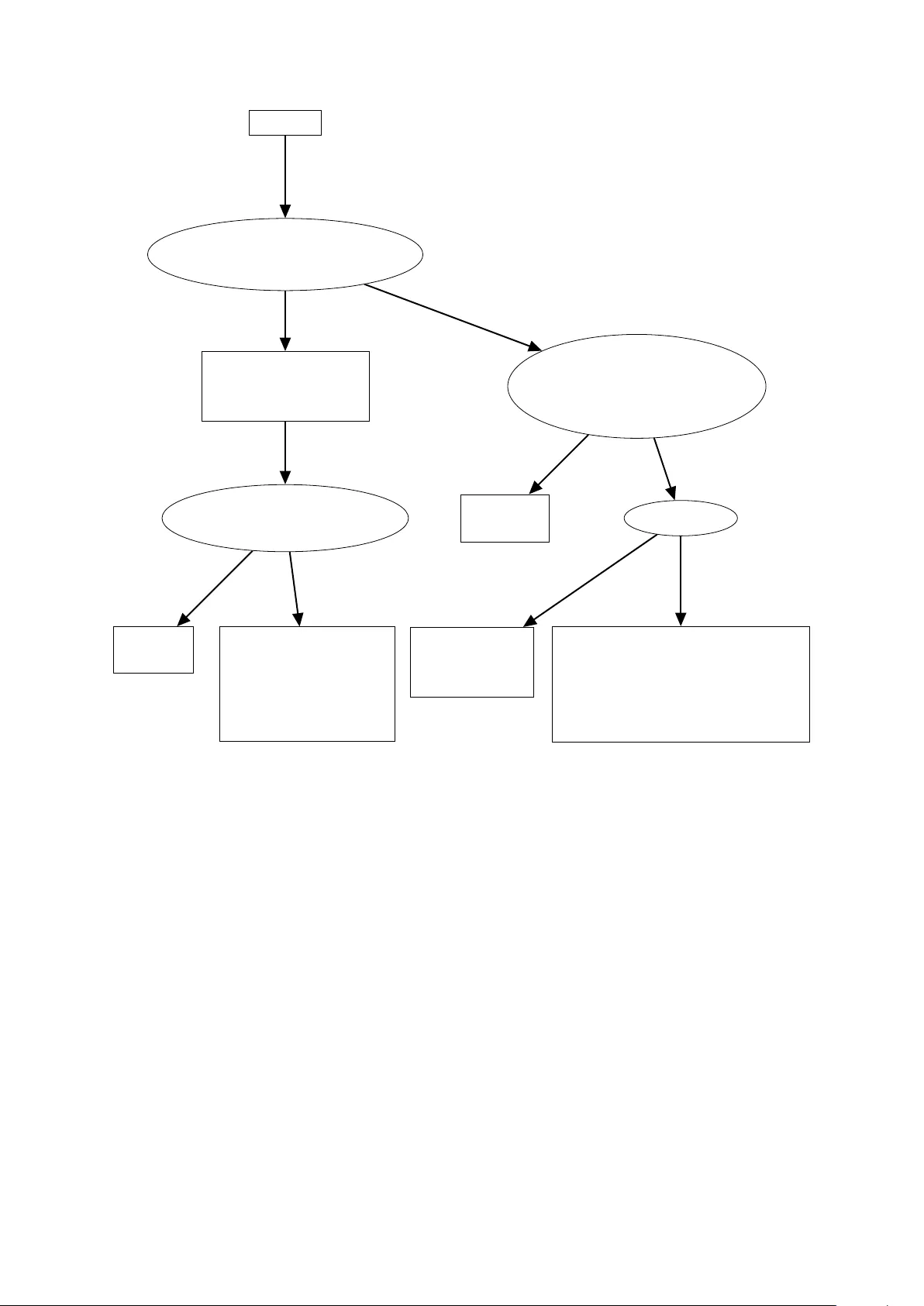
On the non-uniformit y of the 2026 FIF A W orld Cup dra w L´ aszl´ o Csat´ o a Martin Bec k er b Karel Devriesere c Dries Go ossens d 25th F ebruary 2026 “ The fol lowing dr aw principles have b e en establishe d to ensur e a c omp etitive b alanc e – b oth in the gr oup stage and, dep ending on sp orting r esults, into the kno ckout stage – while r etaining, insofar as p ossible, the r andom element inher ent in tournament dr aws ( FIF A , 2025 ). ” Abstract The group stage of a sp orts tournamen t is often made more app ealing by in tro ducing additional constraints in the group draw that promote an attractive and balanced group composition. F or example, the num b er of intra-regional group matches is minimised in sev eral W orld Cups. How ev er, under suc h constraints, the traditional dra w pro cedure may b ecome non-uniform, meaning that the feasible allocations of the teams in to groups are not equally lik ely to o ccur. Our pap er quan tifies this non-uniformit y of the 2026 FIF A W orld Cup dra w for the official dra w pro cedure, as well as for 47 reasonable alternativ es implied b y all permutations of the four p ots and tw o group lab elling p olicies. W e show why sim ulating with a recursiv e bac ktracking algorithm is in tractable, and p ropose a w orkable implemen tation using in teger programming. The official dra w mechanism is found to be optimal based on four measures of non-uniformity . Nonetheless, non-uniformity can b e more than halv ed if the organiser aims to treat the b est teams drawn from the first p ot equally . K eywor ds : draw pro cedure; integer programming; probability; tournament design; uniform distribution MSC class : 62-08, 90-10, 90B90, 91B14 JEL classification n umber : C44, C63, Z20 a Corresp onding author. Email: laszlo.csato@uni-c orvinus.hu Institute for Computer Science and Control (SZT AKI), Hungarian Research Netw ork (HUN-REN), Lab oratory on Engineering and Management Intelligence, Research Group of Op erations Researc h and Decision Systems, Budap est, Hungary Corvin us Universit y of Budapest (BCE), Institute of Op erations and Decision Sciences, Department of Op erations Research and Actuarial Sciences, Budap est, Hungary b Email: martin.b e cker@mx.uni-saarland.de Saarland Univ ersity , Saarbr ¨ uc k en, Germany c Email: kar el.devrieser e@ugent.b e Ghen t Univ ersity , Department of Business Informatics and Op erations Management, Belgium FlandersMak e@UGen t – core lab CV AMO, Ghen t, Belgium d Email: dries.go ossens@ugent.b e Ghen t Univ ersity , Department of Business Informatics and Op erations Management, Belgium FlandersMak e@UGen t – core lab CV AMO, Ghen t, Belgium 1 In tro duction The fundamen tal principle of a group stage draw in sp orts tournamen ts is to incorp orate a random mec hanism that treats all teams equally ex an te to the extent possible. In order to ensure balance, namely , to exclude groups of different o verall strength ex post, usually additional draw constrain ts are designed, which imply equal treatmen t only for teams of comparable strength. T o enhance the attractiv eness of the tournamen t, further draw constrain ts can be imposed to guaran tee that teams face opp onen ts they w ould rarely encoun ter outside the tournament ( Csat´ o , 2022 ). Draw constrain ts ma y also b e required o wing to securit y reasons ( Kobierec ki , 2022 ). Ho wev er, enforcing all draw constrain ts with a tractable and transparen t random mechanism is far from straightforw ard ( Bo czo ´ n and Wilson , 2023 ; Guy on , 2015 ; Rob erts and Rosen thal , 2024 ). The go verning bo dy of (asso ciation) fo otball, FIF A (F ´ ed ´ eration Internationale de F o otball Asso ciation), announced the rules of the 2026 FIF A W orld Cup draw on 25 No vem b er 2025. The dra w to ok place on 5 Decem b er 2025. Although the regulation ( FIF A , 2025 )—similar to the 2018 ( FIF A , 2017 ) and 2022 ( FIF A , 2022 ) editions—do es not sp ecify how the dra w constrain ts (see Section 3.1 ) are enforced, the video of the even t unco vers that the so-called Skip mec hanism (see Section 3.2 ) is used for this purp ose. The Skip mechanism is surprisingly c hallenging to sim ulate with a computer program ( Rob erts and Rosenthal , 2024 ). While neither FI F A, nor UEF A pro vides an algorithm for this purpose, Rob erts and Rosen thal ( 2024 ) and Csat´ o ( 2025a ) give recursive bac ktrac king algorithms that do w ork w ell for the 2018 and 2022 FIF A W orld Cups. Our first main con tribution is connected to simulating the 2026 FIF A W orld Cup dra w. W e sho w that, in con trast to previous editions of the tournament, a recursiv e bac ktracking algorithm remains hop elessly slow—or requires some non-trivial and case- sensitiv e pre-filtering—for the 2026 ev ent due to the more restrictive constrain ts and the greater n umber of groups (see Section 3.3 ). Therefore, a more efficien t identification of deadlo c ks in adv ance is presen ted, through an integer program, enabling a w orkable implemen tation of the Skip mec hanism (see Section 3.4 ). As far as w e kno w, our paper offers the first implemen tation of the Skip mec hanism by an integer program. Although an in teger programming approac h has recen tly b een suggested to simulate the UEF A Champions League league phase dra w ( Devriesere et al. , 2025b ; Guy on et al. , 2025 ), its dra w pro cedure differs from the Skip mec hanism. The Skip mec hanism is known to distort the assignment probabilities compared to a uniform draw, whic h might b enefit some teams at the exp ense of others ( Csat´ o , 2025a ; Rob erts and Rosen thal , 2024 ). Indeed, as the official description of the dra w pro cedure ( FIF A , 2025 ) admits, the 2026 FIF A W orld Cup dra w “retains the random element” only insofar as p ossible , see the citation ab ov e. W e consider five measures to quantify this non-uniformit y (see Section 3.5 ). Our second main con tribution resides in in vestigating whether the dra w pro cedure of the 2026 FIF A W orld Cup can b e improv ed with resp ect to these ob jective functions. W e examine using a different order of the four p ots from whic h the teams are dra wn, as well as an alternative group labelling p olicy . Indeed, the non-uniformity of the Skip mec hanism dep ends on the order of the p ots ( Csat´ o , 2025a ), and the pre-assignment of the host(s) can b e a source of non-uniformit y , to o ( Rob erts and Rosenthal , 2024 ). These adjustmen ts pro vide 47 reasonable alternativ e draw procedures, which are compared in terms of their non-uniformit y (see Section 4 ). 2 2 Related literature F airness has sev eral different in terpretations in the design of sp orts rules. F or instance, a sho oting sequence is fair if identical teams hav e the same c hance of winning a sho otout ( Lam b ers and Spieksma , 2021 ), and a single-elimination tournamen t is fair if stronger teams are more lik ely to reac h every stage of the tournamen t ( Prince et al. , 2013 ). Regarding a group dra w, Guyon ( 2015 ) calls a procedure fair if it is not biased against an y team, that is, no team has a greater c hance to end up in a tough group than its peers. Both empirical ( Lapr ´ e and Amato , 2025 ; Lapr ´ e and P alazzolo , 2022 , 2023 ) and theoretical ( Cea et al. , 2020 ; Laliena and L´ opez , 2019 , 2025 ) pap ers characterise the FIF A W orld Cup dra w as fair if the groups are balanced. Indeed, if the groups are p erfectly balanced, the pro cedure cannot b e biased against any team (although the conv erse do es not necessarily hold). Another plausible in terpretation of the fairness of a group dra w is uniformity , when all feasible outcomes of the dra w should o ccur with equal probability . In the following, w e adopt the terminology of the recen t survey b y Devriesere et al. ( 2025a ), which addresses uniformit y under the heading fairness of the dra w, and calls a dra w pro cedure fair if it has uniform distribution o ver all v alid assignments. Jones ( 1990 ) analysed the fairness of the 1990 FIF A W orld Cup dra w. Here, the t wo seeded South American teams—Argen tina and Brazil—were automatically assigned to G roup B and Group C, resp ectiv ely . Pot 2 con tained t wo South American teams (Colom bia, Urugua y) that were not allo wed to pla y in these groups, as well as four UEF A teams (Czec hoslo v akia, Ireland, Romania, Sweden). Eac h of these Europ ean teams has a probabilit y of 1/4 (1/4) to b e assigned to Group B (C) in a uniform draw. In addition, since there were t wo South American and tw o UEF A teams from P ot 2 for Groups A and D–F, containing the four seeded UEF A teams, a seeded UEF A team should hav e a c hance of 1/4 (1/8) to pla y against a giv en South American (UEF A) team from P ot 2. Ho wev er, FIF A decided to assign the six teams from Pot 2 to Group A, containing the seeded team Italy , with an equal probability of 1/6. If a South American team from P ot 2 had b een placed in the same group as Argen tina or Brazil, it would hav e b een automatically reallocated to the next group without a South American team. Hence, W est German y (P ot 1)—automatically assigned to Group D—pla yed against UEF A teams from P ot 2 with a cum ulated probability of only 4 / 6 · 3 / 5 · 2 / 4 · 1 / 3 + 2 / 6 · 4 / 5 · 3 / 4 · 2 / 3 = 1 / 5, instead of the fair 1 / 4 + 1 / 4 = 1 / 2 in a uniform draw. The 2006 FIF A W orld Cup dra w used an analogous procedure to ensure geographic div ersity in the group stage. A ccording to Rathgeb er and Rathgeb er ( 2007 ), the seeded German y had a chance of 64.29% to play against one of the tw o South American teams (Ecuador, P araguay) dra wn from Pot 2, in con trast to all other seeded UEF A teams suc h as Italy , whic h had a c hance of only 27.14%, although these probabilities should b e equal in a uniform dra w. This w as a serious flaw because the tw o South American teams were considered to b e stronger than the other six teams in Pot 2. In Section 3.1 , we will see a similar issue regarding P ot 4 in the 2026 FIF A W orld Cup draw. After Guy on ( 2015 ) identified several problems in the 2014 FIF A W orld Cup dra w, including non-uniform distribution, FIF A decided to reform the draw b y allo cating the teams in to p ots based on the FIF A W orld Ranking, and using the Skip mec hanism to enforce dra w constraints ( Guy on , 2018 ). Nonetheless, the rules of the 2018 FIF A W orld Cup draw still implied that some feasible allo cations o ccur with a higher probability . Csat´ o ( 2025a ) computed this non-uniformit y under the 24 p ossible orders of the four p ots via Mon te Carlo simulations. Even though the official draw order (P ot 1, P ot 2, 3 P ot 3, Pot 4) was the b est according to the sum of absolute differences in assignmen t probabilities for all team pairs, it c hanged the probability of qualification by more than one p ercen tage point for tw o countries. Analogously , Rob erts and Rosenthal ( 2024 ) calculated the deviation from a uniform dra w for the 2022 FIF A W orld Cup draw, but the authors did not in v estigate the role of dra w order. Guy on ( 2015 ) prop oses a new tractable pro cedure for the 2014 FIF A W orld Cup dra w that creates eigh t random, balanced, and geographically diverse groups, is not biased against an y team, and mak es all outcomes equally likely . Rob erts and Rosen thal ( 2024 ) presen t tw o uniformly distributed draw procedures using balls and b o wls to guarantee a nice television sho w that can b e tried at http://probability.ca/fdraw/ . How ev er, in con trast to the method of Guy on ( 2015 ), they inv olv e computer sim ulations at some p oint, whic h threatens transparency . F or the draw of sp orts tournamen ts, an integer programming approac h has b een used to sim ulate the UEF A Champions League league phase dra w in tw o recen t w orking pap ers, Devriesere et al. ( 2025b ) and Guyon et al. ( 2025 ). But this dra w employs a different pro cedure, the Drop mechanism, that has already received serious atten tion in the case of the UEF A Champions League Round of 16 dra w ( Kiesl , 2013 ; Kl¨ oßner and Bec ker , 2013 ; W allace and Haigh , 2013 ; Boczo ´ n and Wilson , 2023 ; Csat´ o , 2025c ). 3 Metho dology Section 3.1 presen ts the draw constrain ts used in the 2026 FIF A W orld Cup. Section 3.2 in tro duces the Skip mechanism, the traditional pro cedure for a group draw in sp orts tournamen ts, and illustrates its sensitivit y to the group lab els. The challenges that emerge in sim ulating the 2026 FIF A W orld Cup draw are discussed in Section 3.3 . W e prop ose an in teger programming implemen tation of the Skip mec hanism in Section 3.4 . Last but not least, Section 3.5 defines our measures of non-uniformity . 3.1 The 2026 FIF A W orld Cup dra w The 2026 FIF A W orld Cup is the first edition of this competition contested b y 48 national teams, allo cated in to 12 groups of four teams eac h. Group balance is ensured by seeding the teams in to four p ots based on the FIF A W orld Ranking of 19 No vem b er 2025. The comp osition of the four p ots is sho wn in T able 1 , together with the confederations of the teams. The three hosts and the nine strongest teams are placed in P ot 1, the next 12 highest-rank ed teams are placed in P ot 2, the next 12 are placed in P ot 3, while the six lo west-rank ed teams are placed in P ot 4. P ot 4 also con tains the four winners of UEF A pla y-offs and the t w o winners of in tercon tinental pla y-offs that are sc heduled to b e pla yed only in Marc h 2026, after the dra w on 5 Decem b er 2025. T able 1 unco vers that four teams are likely to be m uch stronger than the other teams in P ot 4: if the highest-rank ed teams win the UEF A pla y-offs, they w ould fit in to Pot 2 or the top of P ot 3 based on the FIF A W orld Ranking, whic h could create some strong groups ( Johnson , 2025 ). Indeed, seeding the winners of play-offs in the weak est Pot 4 w as suboptimal in the 2022 FIF A W orld Cup dra w with resp ect to group balance ( Csat´ o , 2023 ). Eac h group m ust consist of exactly one team from eac h p ot. F urthermore, three t yp es of dra w constraints are imp osed ( FIF A , 2025 ): 4 T able 1: The seeding for the 2026 FIF A W orld Cup dra w Coun try Confederation Coun try Confederation P ot 1 P ot 2 United States (14) CONCA CAF Croatia (10) UEF A Mexico (15) CONCA CAF Moro cco (11) CAF Canada (27) CONCA CAF Colom bia (13) CONMEBOL Spain (1) UEF A Urugua y (16) CONMEBOL Argen tina (2) CONMEBOL Switzerland (17) UEF A F rance (3) UEF A Japan (18) AF C England (4) UEF A Senegal (19) CAF Brazil (5) CONMEBOL Iran (20) AF C P ortugal (6) UEF A South K orea (22) AF C Netherlands (7) UEF A Ecuador (23) CONMEBOL Belgium (8) UEF A Austria (24) UEF A German y (9) UEF A A ustralia (26) AF C P ot 3 P ot 4 Norw ay (29) UEF A Jordan (66) AF C P anama (30) CONCA CAF Cap e V erde (68) CAF Egypt (34) CAF Ghana (72) CAF Algeria (35) CAF Cura¸ cao (82) CONCACAF Scotland (36) UEF A Haiti (84) CONCA CAF P araguay (39) CONMEBOL New Zealand (86) OF C T unisia (40) CAF UEF A P ath A (12/32/69/71) UEF A Iv ory Coast (42) CAF UEF A P ath B (28/31/43/63) UEF A Uzb ekistan (50) AF C UEF A P ath C (25/45/47/80) UEF A Qatar (51) AF C UEF A P ath D (21/44/59/65) UEF A Saudi Arabia (60) AF C IC P ath 1 (56/70/149) Three South Africa (61) CAF IC P ath 2 (58/76/123) Three The n umbers in parenthesis indicate the rank of the coun tries according to the No vem b er 2025 FIF A W orld Ranking, underlying the seeding. In the case of play-off winners, the ranks of all countries in v olved are given. The winner of IC P ath 1 ma y come from CAF, CONCACAF, or OF C. This team is not allo wed to b e in the same group as an y nation from these confederations. The winner of IC Path 2 may come from AFC, CONCACAF, or CONMEBOL. This team is not allo w ed to b e in the same group as an y nation from these confederations. • A l lo c ation of hosts : Mexico is automatically assigned to Group A, Canada to Group B, and the United States to Group D. • Balanc e d distribution of the highest-r anke d te ams : The top four seeds, Spain, Argen tina, F rance, and England, are treated differently from the other teams dra wn from Pot 1. Spain and Argentina, as w ell as F rance and England, should pla y in opp osite path w ays in order to guaran tee that, if they win their groups, they can only meet in the final. These four teams should also pla y in differen t quarters; if they win their resp ective groups, they can only meet in the semifinals. The quarters and pathw ays are determined b y the lab els of the groups. The first path wa y consists of the first quarter { 𝐸 , 𝐹 , 𝐼 } and the second quarter { 𝐷 , 𝐺, 𝐻 } . 5 The second pathw ay consists of the third quarter { 𝐴, 𝐶 , 𝐿 } and the fourth quarter { 𝐵 , 𝐽, 𝐾 } . • Ge o gr aphic sep ar ation : No group could hav e more than one team from the same confederation, except for UEF A, which has 16 teams in the 2026 FIF A W orld Cup. Eac h group needs to con tain at least one, but no more than t wo UEF A teams. The placeholders of the play-offs are considered for eac h confederation from whic h the winner ma y come. 3.2 The Skip mec hanism T ournament organisers traditionally use the so-called Skip mec hanism to create a v alid group assignmen t ( Csat´ o , 2025c ). This works as follo ws: • The order of the p ots from which the teams are dra wn is chosen; • The groups are lab elled; • The team dra wn curren tly is assigned to the first a v ailable group in alphab etic order suc h that at least one feasible assignment remains for the teams still to b e dra wn; • The abov e pro cedure is rep eated until all p ots are sequentially emptied in the giv en order. A sim ulator of the Skip mec hanism for the 2018 and 2022 FIF A W orld Cup dra ws is a v ailable at http://p robability .ca/fdraw / . The video of the 2026 FIF A W orld Cup dra w can b e found at https://www.youtube.com/watch?v=9HX_tQBA- Iw . Let us see an example illustrating when a group is skipp ed. Example 1. Belgium is dra wn first from P ot 1, and assigned to Group C since Group A is o ccupied b y Mexico and Group B b y Canada. Argen tina is drawn second from P ot 1, and assigned to Group E since Group D is o ccupied b y the United States. Then Spain is dra wn third from P ot 1, and assigned to Group J: even though Groups F, G, H, I still hav e an empt y slot for a team from P ot 1, Spain cannot play in the same pathw ay as Argen tina. Naturally , the problem is not alw ays as simple to solve as in Example 1 , since the dra w needs to a void an y deadlo ck, when it is no longer possible to complete the dra w. Example 2. Con tinue Example 1 . P ortugal is dra wn fourth, and assigned to Group F. Brazil is drawn fifth, and assigned to Group G. Germany is dra wn sixth, and assigned to Group I—ev en though Group H also has an empt y slot. Why? The remaining teams in P ot 1 are F rance, England, and the Netherlands. Slots are av ailable in Groups H, I, L, and K. F rance and England cannot b e assigned to Group I since they are not allo wed to pla y in the same quarter with Argen tina (whic h plays in Group E). Analogously , they cannot b e assigned to Group K b ecause Spain is in Group J. Consequently , the team drawn first (second) from the set of F rance and England should be in Group H (L); th us, Germany cannot b e placed in Group H. The assignmen t probabilities of the Skip mechanism depend on the order of the pots ( Csat´ o , 2025a ). Ev en though the increasing order P ot 1, P ot 2, P ot 3, P ot 4 is follow ed in the 2026 FIF A W orld Cup dra w ( FIF A , 2025 ), an y p erm utation of the four p ots can be 6 implemen ted with minimal mo difications to the dra w pro cedure. F or instance, a reversed order was c hosen for the 2020/21 ( UEF A , 2020 ) and the 2022/23 ( UEF A , 2021 ) UEF A Nations League league phase dra ws, while the quite arbitrary order Pot 4, P ot 3, P ot 1, P ot 2 w as used in the 2025 W orld Men’s Handball Championship ( IHF , 2020 ). The following example sho ws that the Skip mec hanism is also sensitive to the lab els of the groups. Example 3. Consider a dra w where Pot 1 con tains teams 1–3 and Pot 2 con tains teams 4–6. There is one restriction: teams 2 and 5 cannot b e assigned to the same group. In the absence of the draw constraint, 3! · 3! = 36 feasible assignments exist if the group lab els are taken in to account. Ho wev er, teams 2 and 5 are in the same group in 3 · 2! · 2! = 12 assignments, whic h is prohibited. Among the 24 v alid assignments, team 1 is placed in the same group as teams 4 and 6 in six cases eac h (one case eac h if group lab els are ignored), and in the same group as team 5 in 12 cases (tw o cases if group labels are ignored), since no constraint applies to the remaining four teams 2, 3, 4, and 6. Hence, team 1 pla ys against team 5 with a probability of 1/2, and against teams 4 and 6 each with a probabilit y of 1/4 in a uniform dra w. If team 1 is pre-assigned to Group A, then it has a probability of 1/3 to pla y against eac h of teams 4, 5, 6 in the group stage under the Skip mechanism. No w see the case when team 1 is dra wn from Pot 1 randomly . It is drawn first and placed in Group A with a probabilit y of 1/3. It is drawn second and placed in Group B with a probabilit y of 1/3. If team 2 is in Group A, whic h has an o v erall probability of 1/6, team 1 is assigned to the same group as team 5 with a probabilit y of 2/3 (if team 5 is dra wn first or second from P ot 2). Analogously , if team 2 is in Group C, team 1 is assigned to the same group as team 5 with a probability of 2/3 (if team 5 is dra wn second or third from P ot 2). Finally , if team 1 is drawn third and placed in Group C, team 2 is in Group A (B) with an o v erall probability of 1/6 (1/6), and team 1 is assigned to the same group as team 5 with a probability of 1/3 (2/3). Therefore, teams 1 and 5 are assigned to the same group with a c hance of 1 / 3 · 1 / 3 + 1 / 6 · (2 / 3 + 2 / 3) + 1 / 6 · (1 / 3 + 2 / 3) = 1 / 9 + 2 / 9 + 1 / 6 = 1 / 2. T o summarise, the Skip mec hanism is non-uniform if team 1 is pre-assigned to Group A, but uniform if team 1 is drawn randomly from P ot 1. A ccording to Example 3 , pre-assigning a team to a group—or, more generally , imp osing constrain ts that dep end on the group lab els—can influence the non-uniformit y of the dra w. Ho wev er, the groups could be labelled accordingly ev en after the group draw. F or instance, if the organiser wan ts to guaran tee the assignment of Mexico to Group A, then the group of Mexico is simply called Group A once the group comp osition is obtained. Based on these argumen ts, the official draw procedure for the 2026 FIF A W orld Cup has 47 reasonable alternatives b y changing the order of the p ots and lab elling the groups ex-an te (b efore the dra w) or ex-post (after the dra w). They will be compared and ev aluated in Section 4 with resp ect to their non-uniformit y , quan tified b y the five measures that will b e defined in Section 3.5 . 3.3 Challenges of sim ulating the 2026 FIF A W orld Cup dra w A uniform draw selects an y feasible allocation of the teams into groups with equal probabilit y , whic h can b e ac hieved b y a r eje ction sampler ( Rob erts and Rosenthal , 2024 , Section 2.1). In the first step, a dra w is generated uniformly and randomly without the dra w constraints. In the second step, this assignmen t is accepted if all restrictions are satisfied, and rejected if at least one restriction is violated. 7 Note that c hecking all possible cases in the 2026 FIF A W orld Cup is hop eless as the n umber of draws equals 9! · (12!) 3 ≈ 3 . 99 · 10 31 . Therefore, the rejection sampler is used rep eatedly un til the required num b er of draws is obtained. In the case of the 2018 FIF A W orld Cup, ab out one out of 161 random dra ws is accepted ( Csat´ o , 2025a ). The analogous ratio for the 2022 FIF A W orld Cup dra w is one out of 560 ( Rob erts and Rosen thal , 2024 ). The constrain ts of the 2026 FIF A W orld Cup dra w are substantially more restrictiv e. In P ot 4, the placeholders of the UEF A pla y-offs are treated analogously as UEF A teams in the other pots. The winner of the first in ter-continen tal play-off cannot b e assigned to a group with a CAF, CONCA CAF, or OFC team. The first three pots contain sev en CAF and four CONCA CAF teams; hence, at least one group remains a v ailable for this placeholder ev en if all constraints related to IC P ath 1 are ignored until P ot 3 is emptied. Ho wev er, the winner of the second inter-con tinental pla y-off can come from AF C, CONCA CAF, or CONMEBOL, whic h giv es 7 + 4 + 6 = 17 deadlocking nations in Pots 1–3, while there are 12 groups. Th us, the dra w can be completed only if the placeholder of IC Path 2 is assigned to a group with one CAF and t wo UEF A countries ( Johnson , 2025 ). As a result, the rejection sampler accepts ab out one out of 1 million random draws for the 2026 FIF A W orld Cup. W e generated 100 million uniformly distributed v alid assignmen ts, using R ( R Core T eam , 2025 ) with the additional pac kages doRNG ( Gaujoux , 2025 ) and kableExtra ( Zh u , 2024 ). This to ok just under 11 da ys on 100 parallel threads. The Skip mechanism should consider 9! · (12!) 3 ≈ 3 . 99 · 10 31 scenarios for each order of the p ots with ex-an te group lab elling, and (12!) 4 ≈ 5 . 26 · 10 34 scenarios for eac h order of the p ots with ex-p ost group lab elling. Therefore, only a simulation remains feasible. Based on our exp erience with the 2018 ( Csat´ o , 2025a ) and 2022 ( Csat´ o , 2023 ) FIF A W orld Cup dra ws, this computation was exp ected to b e trivial. Indeed, both Roberts and Rosen thal ( 2024 ) and Csat´ o ( 2025a ) suggested recursiv e backtrac king algorithms to sim ulate the Skip mec hanism, which produces one million random dra ws for any order of the p ots in ab out 1-2 hours for these examples. Definition 1. R e cursive b acktr acking algorithm : Giv en a partial dra w and a random order in whic h the teams are drawn from the p ots, it assigns the next team to the next av ailable slot, and chec ks al l p erm utations of the remaining teams to see whether the dra w can b e completed. If yes, the randomly selected team is assigned accordingly . If not, it attempts to assign this team to the subsequent a v ailable slot, and so on. Figure 1 sho ws a recursiv e bac ktrac king algorithm. It can reliably detect an y subsequen t conflict, no matter where the conflict o ccurs—but requires trying all p ossible permutations of the teams still to b e dra wn in case of a conflict. A recursiv e bac ktracking algorithm is attractiv e b ecause it can b e easily implemented in an y program, without any other tool suc h as a linear programming solv er. How ever, it struggles with the 2026 FIF A W orld Cup draw due to the placeholder of IC P ath 2. Claim 1. Simulating the 2026 FIF A W orld Cup is intr actable with a r e cursive b acktr acking algorithm. In order to verify Claim 1 , w e show that a recursiv e backtrac king algorithm is extremely unlik ely to generate a sufficien t num b er of random dra ws for the 2026 FIF A W orld Cup. Consider the situation presen ted in T able 2 , a possible assignment of the teams from P ots 1–2 to the 12 groups b y ignoring all restrictions that apply to the teams dra wn from P ots 3–4. This dra w cannot b e completed since no group con tains either tw o UEF A teams, 8 ST AR T Can team 𝑖 of p ot 𝑗 be assigned to group 𝑘 ? T eam 𝑖 of pot 𝑗 is assigned to group 𝑘 𝑘 = 1 Is 𝑖 smaller than the n umber of teams 𝑛 ? 𝑖 = 𝑖 + 1 ST AR T The feasible allo cation implied b y the Skip mec hanism is found Is 𝑘 smaller than the n umber of groups a v ailable for p ot 𝑗 ? 𝑘 = 𝑘 + 1 ST AR T Is 𝑖 = 1? There exists no feasible allo cation 𝑘 = [group of team ( 𝑖 − 1)] + 1 All teams ℓ ≥ 𝑖 are remo ved from their groups 𝑖 = 𝑖 − 1 ST AR T Y es Y es No No Y es No Y es No Figure 1: A recursive bac ktracking algorithm that finds the feasible group comp osition corresp onding to a giv en random order of the teams or one CAF and one UEF A team. A recursiv e backtrac king algorithm is able to recognise the problem only after c hecking all p ossible orders of the 24 teams dra wn from Pots 3–4. This requires (12!) 2 ≈ 2 . 29 · 10 17 steps, whic h is roughly the total n umber of dra ws in the 2018 and 2022 FIF A W orld Cups. Hence, recursiv e backtrac king is guaranteed to get stuc k, even on a sup ercomputer, if it encoun ters a situation analogous to T able 2 . By sim ulating random draws from P ots 1–2, w e hav e estimated the probabilit y of suc h a scenario that turns out to b e ab out 𝑝 = 0 . 2315%. Therefore, a recursiv e backtrac king algorithm can a v oid the problem of T able 2 with a chance of merely (1 − 𝑝 ) 10 , 000 ≈ 8 . 6 · 10 − 11 if the draw is sim ulated only 10 thousand times, but this is insufficien t for a robust appro ximation of the assignmen t probabilities. This barrier can p erhaps be solv ed b y devising appropriate constrain ts that can recognise a deadlo c k analogous to T able 2 earlier. How ever, suc h a manual modification w ould b e burdensome and dep end on the given set of dra w constraints. Consequently , sim ulating the 2026 FIF A W orld Cup draw calls for a differen t approach. 9 T able 2: A p ossible start of the 2026 FIF A W orld Cup draw if the constrain ts for the teams dra wn from Pots 3–4 are ignored Group P ot 1 P ot 2 Coun try Confederation Coun try Confederation A Mexico CONCA CAF Moro cco CAF B Canada CONCA CAF A ustria UEF A C Belgium UEF A A ustralia AF C D United States CONCA CAF Croatia UEF A E England UEF A Iran AF C F F rance UEF A Japan AF C G Argen tina CONMEBOL Switzerland UEF A H Brazil CONMEBOL Senegal CAF I German y UEF A South K orea AF C J Netherlands UEF A Colum bia CONMEBOL K Portugal UEF A Ecuador CONMEBOL L Spain UEF A Urugua y CONMEBOL 3.4 A no v el implemen tation using in teger programming Let 𝑇 b e the set of teams, 𝐺 b e the set of groups, 𝑃 b e the set of p ots, and 𝐶 b e the set of confederations. Let 𝑇 𝑐 b e the set of teams from confederation 𝑐 ∈ 𝐶 , and let 𝑇 𝑝 b e the set of teams dra wn from P ot 𝑝 ∈ 𝑃 . W e define the follo wing sets based on Section 3.1 : • 𝑄 1 = { 𝐸 , 𝐹 , 𝐼 } , 𝑄 2 = { 𝐷 , 𝐺, 𝐻 } , 𝑄 3 = { 𝐴, 𝐶, 𝐿 } , 𝑄 4 = { 𝐵 , 𝐽, 𝐾 } ; • 𝐻 1 = 𝑄 1 ∪ 𝑄 2 , 𝐻 2 = 𝑄 3 ∪ 𝑄 4 ; • 𝑇 ⋆ = { Spain , Argen tina , F rance , England } ; • ℱ = { Spain , Argentina } , { F rance , England } . Set 𝑄 𝑘 represen ts the 𝑘 th quarter of the kno c k out brac ket. Set 𝐻 1 ( 𝐻 2 ) is the first (second) pathw ay , consisting of the first and second (third and fourth) quarters. The four highest-rank ed national teams are giv en by set 𝑇 ⋆ . An y draw is determined b y 48 · 12 = 576 binary v ariables 𝑥 𝑖,𝑔 , whic h equals 1 if team 𝑖 ∈ 𝑇 is assigned to group 𝑔 ∈ 𝐺 , and 0 otherwise. A feasible dra w should satisfy the follo wing integer program: 10 𝑖 ∈ 𝑇 𝑐 𝑥 𝑖,𝑔 ≤ 1 ∀ 𝑔 ∈ 𝐺, ∀ 𝑐 ∈ 𝐶 ∖ { UEF A } (1) 𝑖 ∈ 𝑇 UEF A 𝑥 𝑖,𝑔 ≥ 1 ∀ 𝑔 ∈ 𝐺 (2) 𝑖 ∈ 𝑇 UEF A 𝑥 𝑖,𝑔 ≤ 2 ∀ 𝑔 ∈ 𝐺 (3) 𝑔 ∈ 𝐺 𝑥 𝑖,𝑔 = 1 ∀ 𝑖 ∈ 𝑇 (4) 𝑖 ∈ 𝑇 𝑝 𝑥 𝑖,𝑔 = 1 ∀ 𝑔 ∈ 𝐺, ∀ 𝑝 ∈ 𝑃 (5) 𝑔 ∈ 𝐻 𝑘 𝑥 𝑖,𝑔 + 𝑔 ∈ 𝐻 𝑘 𝑥 𝑗,𝑔 ≤ 1 ∀{ 𝑖, 𝑗 } ∈ ℱ , ∀ 𝑘 ∈ { 1 , 2 } (6) 𝑔 ∈ 𝑄 𝑘 𝑖 ∈ 𝑇 ⋆ 𝑥 𝑖,𝑔 ≤ 1 ∀ 𝑘 ∈ { 1 , 2 , 3 , 4 } (7) 𝑥 Mexico , A = 𝑥 Canada , B = 𝑥 United States , D = 1 (8) 𝑥 𝑖,𝑔 ∈ { 0 , 1 } ∀ 𝑖 ∈ 𝑇 , ∀ 𝑔 ∈ 𝐺 (9) Constrain ts ( 1 ) state that no group contains more than one team from the same con- federation, except for UEF A. Constraints ( 2 ) – ( 3 ) enforce that every group contains at least one and at most t w o teams from UEF A. Constrain ts ( 4 ) ensure that ev ery team is assigned to exactly one group, and constraints ( 5 ) guaran tee that each group con tains exactly one team from each pot. Constraints ( 6 ) imply that, for every pair in ℱ , the tw o teams should b e in opp osite pathw ays. Constraints ( 7 ) enforce that the four teams in 𝑇 ⋆ pla y in different quarters. Constraints ( 8 ) sho w the pre-assignment of the three host nations. Finally , expressions ( 9 ) giv e the domains of the v ariables. If the official ex-an te group labelling is used, w e directly follo w the Skip mec hanism describ ed in Section 3.2 . An unallo cated team is drawn randomly from the actual p ot. It is c heck ed whether assigning this team to the first a v ailable group, in alphab etical order, allo ws a solution to constrain ts ( 1 ) – ( 9 ) . If y es, the giv en team is assigned to this group (the corresp onding v ariable is set to 1), and w e draw a new team from the set of unassigned teams. If no feasible solution exists b y assigning the given team to this group, the draw cannot be completed without violating a constraint now or later. Then, it is c hec k ed whether assigning the given team to the next a v ailable group results in a feasible solution. Analogously to the Skip mechanism, this procedure is rep eated until the given team can be assigned to a group such that the draw can b e completed—whic h should b e possible, since the assignmen t of the previous team was v erified to leav e at least one feasible outcome. Hence, the corresp onding binary v ariable is fixed at 1, and the next unallocated team is dra wn according to the fixed order of the p ots, un til all teams are assigned to a group. If the group lab elling is done only ex-p ost, constraints ( 6 ) and ( 7 ) are ignored b ecause they can b e satisfied by appropriately lab elling the groups con taining the four teams in set 𝑇 ⋆ . Similarly , there is no need for constrain ts ( 8 ) , and the three hosts are treated similarly to the other nine teams drawn from P ot 1. With eac h order of the p ots and group lab elling policy , 1.2 million random dra ws w ere sim ulated. W e used a GNU/Lin ux-based system with an AMD EPYC 7532 32-Core Pro cessor running at 3.3GHz, pro vided with 8 threads and 64GB of RAM. The in teger programming mo dels w ere solv ed b y Gurobi 12.0 ( ht t ps :/ / ww w. g ur ob i .c om / ). This 11 resulted in a computation time of ab out 14 hours on av erage for each of the 48 dra w pro cedures. 3.5 Quan tifying the non-uniformit y of a dra w pro cedure In the absence of dra w constraints, each team has 36 possible opp onents in the group stage, whic h leads to 864 team pairs with a p ositiv e probability of occurring. If a confederation (except for UEF A) has 𝑝 and 𝑞 teams in t wo p ots, resp ectiv ely , 𝑝 · 𝑞 team pairs are prohibited. Therefore, the n umber of team pairs that cannot pla y against each other in the group stage is 4 · 3 + 4 · 2 + 3 · 2 = 26 for AF C, 1 · 5 + 1 · 3 + 5 · 3 = 23 for CAF, 3 · 1 + 3 · 4 + 1 · 4 = 19 for CONCA CAF, and 2 · 3 + 2 · 1 + 2 · 1 + 3 · 1 + 3 · 1 + 1 · 1 = 17 for CONMEBOL. It is zero for OF C since the only OFC team and the winner of the first in tercontinen tal play-off are b oth assigned to Pot 4. Finally , an y t w o UEF A teams can b e assigned to the same group if they are drawn from differen t p ots. Let 𝑝 𝑈 𝑖𝑗 b e the probabilit y of assigning teams 𝑖 and 𝑗 to the same group under a uniform dra w 𝑈 . 𝑖 < 𝑗 is assumed in the follo wing to av oid double counting. The num b er of team pairs with a non-zero probability , 𝑃 > 0 = # { 𝑝 𝑖𝑗 : 𝑝 𝑈 𝑖𝑗 > 0 } , equals 864 − 26 − 23 − 19 − 17 = 779. A dra w procedure 𝐷 c hanges 𝑝 𝑈 𝑖𝑗 to 𝑝 𝐷 𝑖𝑗 ; these differences need to be aggregated to measure the non-uniformit y of 𝐷 . Denote the set of all teams b y 𝑇 = { 𝑖 : 1 ≤ 𝑖 ≤ 48 } , the set of teams in P ot 1 by 𝑇 1 = { 𝑖 : 1 ≤ 𝑖 ≤ 12 } , the set of teams in P ots 1–3 b y 𝑇 123 = { 𝑖 : 1 ≤ 𝑖 ≤ 36 } , and the set of UEF A teams drawn from P ot 4 by 𝑇 4 𝑈 = { 𝑖 : 43 ≤ 𝑖 ≤ 46 } , resp ectiv ely . Denote the 𝑘 th highest elemen t of a set b y sup erscript ( 𝑘 ). W e consider fiv e different metrics to quan tify the non-uniformit y of a dra w pro cedure: • The mean of absolute differences in assignmen t probabilities for all team pairs with a non-zero probabilit y: 𝑀 1 = | 𝑝 𝐷 𝑖𝑗 − 𝑝 𝑈 𝑖𝑗 | : 𝑖, 𝑗 ∈ 𝑇 𝑃 > 0 ; • The highest absolute difference in assignment probabilities for all team pairs: 𝑀 2 = | 𝑝 𝐷 𝑖𝑗 − 𝑝 𝑈 𝑖𝑗 | : 𝑖, 𝑗 ∈ 𝑇 (1) ; • The mean of the eigh t highest differences in assignment probabilities for all team pairs: 𝑀 3 = 8 𝑘 =1 | 𝑝 𝐷 𝑖𝑗 − 𝑝 𝑈 𝑖𝑗 | : 𝑖, 𝑗 ∈ 𝑇 ( 𝑘 ) 8 ; • The mean of absolute differences in assignmen t probabilities for all team pairs con taining a UEF A team drawn from P ot 4: 𝑀 4 = | 𝑝 𝐷 𝑖𝑗 − 𝑝 𝑈 𝑖𝑗 | : 𝑖 ∈ 𝑇 123 and 𝑗 ∈ 𝑇 4 𝑈 36 · 4 ; • The mean of absolute differences in assignmen t probabilities for all team pairs con taining a team dra wn from Pot 1 and a UEF A team drawn from P ot 4: 𝑀 5 = | 𝑝 𝐷 𝑖𝑗 − 𝑝 𝑈 𝑖𝑗 | : 𝑖 ∈ 𝑇 1 and 𝑗 ∈ 𝑇 4 𝑈 12 · 4 . 12 All measures 𝑀 1 – 𝑀 5 are m ultiplied by 100 to get them in p ercen tage p oints. 𝑀 1 is p erhaps the most conv enien t wa y of aggregation, but the av erage may mask large c hanges for individual teams. 𝑀 2 fo cuses on the largest deviation from a uniform dra w, while 𝑀 3 considers the eight largest differences in assignmen t probabilities. Finally , 𝑀 4 and 𝑀 5 are motiv ated b y the strange p olicy of assigning the four winners of UEF A pla y-offs to the w eak est P ot 4. As a result, eac h team in P ots 1–3 has a strong preference to a void a UEF A team from Pot 4. An y difference in these assignmen t probabilities may b e substan tially more costly for the organiser than one affecting other team pairs, which motiv ates the use of 𝑀 4 . Analogously , 𝑀 5 restricts atten tion to the teams in P ot 1 and P ot 4, b y assuming that the strongest teams and the hosts should primarily be “defended” against the im balance existing in P ot 4. In the form ulas of 𝑀 4 and 𝑀 5 , no difference in assignmen t probabilities equals zero by definition, since ev ery team in P ots 1–3 can play against a UEF A team in P ot 4 with a non-zero probabilit y . 4 Results T able 3 sho ws the non-uniformity of the Skip mechanism with the 24 p ossible dra w orders and ex-ante group lab elling for the 2026 FIF A W orld Cup draw, according to the five measures. Usually , all metrics remain similar if only the first t wo p ots are exc hanged. Crucially , the official draw order of P ot 1, P ot 2, P ot 3, P ot 4 performs b est with resp ect to 𝑀 1 and 𝑀 3 , and the possible impro vemen t is quite limited for measures 𝑀 2 and 𝑀 4 . The order of the p ots plays a non-negligible role: the v alue of 𝑀 1 can b e doubled by c ho osing another v ersion of the Skip mec hanism, and the situation is even w orse for the other three measures. The maximal difference 𝑀 2 can exceed 20 percentage p oints under the dra w order 4-2-1-3, when the assignment probabilit y of P araguay (the only CONMEBOL team in Pot 3) and the winner of the first inter-con tinen tal pla y-off (IC Path 1) equals 18.2% in a uniform dra w but 39.1% under the Skip mechanism. Ho wev er, the official draw pro cedure is sub optimal with resp ect to measure 𝑀 5 ; it is dominated b y 10 dra w orders, in some cases b y more than 40%. The non-uniformit y of the 2026 FIF A W orld Cup draw seems to b e more fa v ourable than in the case of the previous tw o editions, where the same dra w pro cedure w as used. The v alue of 𝑀 1 is ab out 0.82 and 1.43 for the 2018 and 2022 W orld Cups, resp ectiv ely , while the maximal difference 𝑀 2 reac hes 10.24 and 10.49, resp ectively ( Csat´ o , 2025b ). The latter is decreased to roughly one-third of what is seen for eigh t groups. The reason is partially the 50% increase in the n umber of groups that reduces all assignment probabilities b y one-third in an unconstrained dra w. In addition, having 12 groups instead of eigh t decreases the role of prohibited pairs imp osed b y the constrain ts for all confederations except for UEF A. T o conclude, the expansion to 48 teams with the same structure of dra w restrictions has greatly improv ed the non-uniformity of the group draw, at least for the 2026 FIF A W orld Cup with its given set of geographic (and comp etitiv e balance) restrictions. T able 4 presen ts the differences in assignmen t probabilities compared to a uniform dra w for all pairs of coun tries if the official draw procedure is used. The largest v alues can b e seen for Mexico and the t wo African nations dra wn from P ot 4: their assignmen t probabilit y equals 9.1% in a uniform draw, but remains only 5.3% in the actual dra w. The non-Europ ean teams in Pot 1, esp ecially the t wo South American nations, Argentina and Brazil, are more likely to play against the winners of UEF A play-offs; the c hance is ab out 14% instead of 11.3% for eac h of the four teams. This is caused b y the short-sigh tedness 13 T able 3: Measures of non-uniformity in the 2026 FIF A W orld Cup dra w under all dra w orders of the Skip mec hanism: ex-an te group lab elling Measure A verage ( 𝑀 1 ) Maximal ( 𝑀 2 ) Maximal 8 ( 𝑀 3 ) Pot 4 ( 𝑀 4 ) P ots 1/4 ( 𝑀 5 ) Order V alue Chg. V alue Chg. V alue Chg. V alue Chg. V alue Chg. 1-2-3-4 0.64 — 3.85 — 3.51 — 0.70 — 1.64 — 1-2-4-3 0.97 K 50% 15.83 K 351% 8.70 K 148% 0.97 K 311% 1.36 L 17% 1-3-2-4 0.71 K 10% 4.52 K 29% 4.05 K 15% 0.73 K 17% 1.68 K 2% 1-3-4-2 1.09 K 69% 8.70 K 148% 6.62 K 89% 0.98 K 126% 1.64 K 0% 1-4-2-3 1.18 K 83% 16.52 K 371% 9.06 K 158% 1.59 K 329% 3.19 K 94% 1-4-3-2 1.23 K 91% 6.40 K 82% 6.21 K 77% 1.59 K 66% 3.19 K 94% 2-1-3-4 0.64 K 0% 3.92 K 12% 3.52 K 0% 0.72 K 2% 1.62 L 1% 2-1-4-3 0.95 K 48% 15.38 K 338% 8.79 K 150% 0.99 K 299% 1.39 L 15% 2-3-1-4 0.71 K 11% 3.92 K 12% 3.42 K 3% 0.78 K 2% 1.68 K 2% 2-3-4-1 0.71 K 11% 4.40 K 25% 3.75 K 7% 0.67 L 14% 0.97 L 41% 2-4-1-3 1.13 K 76% 19.38 K 452% 9.68 K 176% 1.49 K 403% 1.61 L 2% 2-4-3-1 1.23 K 91% 17.47 K 398% 9.63 K 174% 1.35 K 354% 1.61 L 2% 3-1-2-4 0.72 K 11% 4.53 K 29% 4.07 K 16% 0.74 K 18% 1.68 K 2% 3-1-4-2 1.08 K 68% 8.72 K 148% 6.68 K 90% 0.97 K 126% 1.62 L 2% 3-2-1-4 0.74 K 15% 3.69 L 4% 3.46 K 1% 0.73 K 4% 1.65 K 1% 3-2-4-1 0.79 K 23% 4.17 K 19% 3.61 K 3% 0.77 K 8% 0.96 L 42% 3-4-1-2 1.01 K 57% 8.79 K 150% 6.91 K 97% 1.15 K 128% 1.54 L 6% 3-4-2-1 1.11 K 73% 8.79 K 150% 7.66 K 118% 0.97 K 128% 1.40 L 15% 4-1-2-3 1.18 K 84% 16.39 K 367% 9.02 K 157% 1.59 K 326% 3.20 K 95% 4-1-3-2 1.24 K 92% 6.40 K 82% 6.20 K 77% 1.59 K 66% 3.20 K 95% 4-2-1-3 1.24 K 92% 20.91 K 495% 10.01 K 185% 1.65 K 443% 2.09 K 28% 4-2-3-1 1.35 K 110% 19.12 K 445% 10.07 K 187% 1.53 K 396% 2.09 K 28% 4-3-1-2 1.18 K 84% 6.40 K 82% 6.16 K 75% 1.47 K 66% 2.09 K 28% 4-3-2-1 1.31 K 103% 8.94 K 155% 7.75 K 121% 1.25 K 132% 2.09 K 28% In columns Chg., the arro w/num b er shows the direction/size of the c hange in the non-uniformit y of the draw compared to the official draw order 1-2-3-4 with ex-an te group lab elling (see the first row). of the Skip mec hanism, whic h considers the upp er b ound for UEF A nations only after t wo UEF A teams are assigned to the same group, in con trast to a uniform dra w that “kno ws” the presence of four UEF A teams in P ot 4. Since the eigh t non-UEF A teams in Pot 4 are w eaker than the four UEF A teams, the seven strongest Europ ean teams benefit from using the Skip mec hanism. Argentina and Brazil hav e a lo wer probabilit y to pla y against the fiv e Europ ean teams drawn from P ots 2 and 3 in the actual dra w. The three host nations are treated differen tly due to their pre-assignment to the groups b ecause the Skip mechanism is not indep endent of the group lab els. Mexico—assigned automatically to Group A—has a higher c hance to pla y against a strong opp onen t drawn from Pot 4 (4 · 19 . 3%) than Canada (4 · 18%), and, esp ecially , the United States (4 · 17 . 2%). This source of non-uniformit y can b e a voided b y lab elling the groups only after their comp osition is determined. Th us, T able 5 rep orts the results with ex-p ost group lab elling. Unsurprisingly , the highest difference(s) in assignment probabilities is (are) lo wer compared to the official dra w (see 𝑀 2 and 𝑀 3 ) as Mexico, Canada, and the United States hav e only 17.4% chance to pla y against a given winner of the UEF A pla y-offs. On the other 14 T able 4: The differences of assignmen t probabilities in the 2026 FIF A W orld Cup draw for all pairs of national teams Croatia Morocco Colombia Uruguay Switzerland Japan Senegal Iran South Korea Ecuador Austria Australia Norwa y Panama Egypt Algeria Scotland Paragua y T unisia Ivory Coast Uzbekistan Qatar Saudi Arabia South Africa Jordan Cape V erde Ghana Cura¸ cao Haiti New Zealand UEF A Path A UEF A Path B UEF A Path C UEF A Path D IC Path 1 IC Path 2 Canada -0.10 0.28 0.14 0.12 -0.09 -0.15 0.28 -0.18 -0.14 0.12 -0.11 -0.17 -1.22 0.05 0.05 -1.24 1.19 0.04 0.04 0.33 0.33 0.35 0.07 -2.06 -2.38 -2.41 1.83 1.28 1.26 1.25 1.24 Mexico -0.10 0.28 0.11 0.12 -0.10 -0.17 0.28 -0.16 -0.14 0.13 -0.10 -0.15 0.82 0.03 0.02 0.83 0.53 0.02 0.00 -0.75 -0.75 -0.76 0.01 -3.62 -3.83 -3.82 0.81 2.62 2.59 2.62 2.62 United States -0.62 -0.23 1.63 1.63 -0.60 -0.65 -0.21 -0.67 -0.66 1.64 -0.58 -0.69 -1.48 -0.02 -0.03 -1.45 0.63 -0.06 -0.01 0.82 0.79 0.82 -0.02 -0.13 -0.96 -0.97 0.04 0.50 0.51 0.51 0.50 Spain 1.16 -0.44 -0.91 -0.91 1.16 0.02 -0.42 0.06 0.03 -0.96 1.17 0.05 1.45 -0.66 -0.26 -0.29 1.43 -0.27 -0.27 -0.25 -0.21 -0.23 -0.17 -0.27 0.58 1.36 1.36 0.16 0.18 0.08 -1.31 -1.30 -1.30 -1.30 0.75 0.73 Argentina -2.88 2.14 -2.88 1.11 2.08 1.08 1.10 -2.87 1.12 -3.35 2.42 0.94 0.98 -3.32 0.96 0.96 -0.18 -0.18 -0.20 0.95 -0.08 -1.32 -1.33 -1.63 -1.60 -1.65 2.76 2.77 2.77 2.76 -3.45 F rance 0.87 -0.74 -0.03 -0.05 0.86 -0.25 -0.72 -0.25 -0.26 -0.03 0.85 -0.25 1.18 -0.77 -0.29 -0.30 1.19 -0.22 -0.30 -0.29 0.04 0.04 0.02 -0.29 0.93 1.49 1.51 0.29 0.25 0.16 -1.36 -1.38 -1.38 -1.37 0.95 -0.09 England 0.85 -0.72 -0.04 -0.02 0.87 -0.25 -0.71 -0.26 -0.26 -0.07 0.86 -0.26 1.18 -0.77 -0.30 -0.27 1.18 -0.24 -0.30 -0.30 0.05 0.03 0.05 -0.30 0.95 1.49 1.48 0.26 0.28 0.16 -1.39 -1.38 -1.37 -1.37 0.95 -0.08 Brazil -2.84 2.11 -2.89 1.10 2.10 1.12 1.10 -2.88 1.08 -3.38 2.37 0.98 0.99 -3.39 1.01 0.99 -0.19 -0.18 -0.20 1.00 -0.06 -1.39 -1.38 -1.46 -1.47 -1.69 2.71 2.71 2.70 2.71 -3.37 Portugal 0.91 -0.66 -0.23 -0.22 0.92 -0.18 -0.68 -0.17 -0.19 -0.20 0.91 -0.20 1.20 -0.64 -0.29 -0.28 1.19 -0.40 -0.29 -0.28 0.02 0.04 0.01 -0.27 0.86 1.38 1.40 0.63 0.60 0.06 -1.46 -1.44 -1.44 -1.45 1.03 -0.15 Netherlands 0.91 -0.68 -0.22 -0.22 0.93 -0.18 -0.66 -0.19 -0.20 -0.23 0.92 -0.17 1.20 -0.64 -0.27 -0.30 1.20 -0.41 -0.27 -0.29 0.02 0.03 0.03 -0.29 0.87 1.41 1.39 0.56 0.59 0.06 -1.45 -1.45 -1.46 -1.45 1.06 -0.13 Belgium 0.91 -0.68 -0.20 -0.23 0.92 -0.19 -0.66 -0.21 -0.20 -0.19 0.91 -0.18 1.19 -0.67 -0.29 -0.28 1.21 -0.42 -0.26 -0.29 0.02 0.03 0.03 -0.28 0.88 1.37 1.39 0.60 0.58 0.06 -1.45 -1.45 -1.44 -1.45 1.05 -0.14 Germany 0.92 -0.66 -0.23 -0.22 0.91 -0.21 -0.67 -0.17 -0.19 -0.21 0.92 -0.18 1.21 -0.64 -0.29 -0.27 1.19 -0.40 -0.28 -0.30 0.02 0.04 0.02 -0.31 0.88 1.39 1.39 0.58 0.59 0.06 -1.45 -1.44 -1.45 -1.46 1.04 -0.14 Croatia 1.12 1.41 -0.90 -0.91 1.13 1.39 -0.88 -0.89 -0.16 -0.19 -0.22 -0.90 -0.77 0.99 1.01 -0.38 -0.35 0.13 -0.26 -0.26 -0.26 -0.26 1.18 -0.75 Morocco -0.38 -0.78 -0.34 -0.35 0.60 0.62 0.63 -1.32 -0.36 -0.37 0.37 0.14 0.16 0.15 0.17 1.07 Colombia 0.55 -1.21 0.17 0.13 0.53 0.17 0.15 -0.22 -0.23 -0.20 0.16 1.67 0.08 0.10 0.05 0.07 -0.68 -0.31 -0.31 -0.32 -0.31 -0.03 Uruguay 0.56 -1.21 0.15 0.16 0.55 0.13 0.15 -0.22 -0.21 -0.23 0.17 1.66 0.09 0.10 0.05 0.06 -0.67 -0.32 -0.32 -0.30 -0.32 -0.03 Switzerland 1.13 1.41 -0.88 -0.91 1.13 1.38 -0.89 -0.90 -0.18 -0.19 -0.22 -0.89 -0.77 0.99 0.97 -0.36 -0.35 0.11 -0.26 -0.27 -0.25 -0.25 1.16 -0.71 Japan -1.06 0.23 0.54 0.57 -1.09 -0.87 0.53 0.56 0.58 -0.81 -0.81 0.40 0.42 0.24 0.35 0.36 0.36 0.34 -0.85 Senegal -0.35 -0.80 -0.38 -0.35 0.63 0.62 0.64 -1.33 -0.37 -0.37 0.38 0.15 0.15 0.14 0.15 1.10 Iran -1.09 0.26 0.58 0.56 -1.08 -0.86 0.56 0.52 0.55 -0.82 -0.82 0.45 0.42 0.23 0.35 0.36 0.34 0.34 -0.84 South Korea -1.07 0.23 0.56 0.53 -1.04 -0.87 0.56 0.58 0.52 -0.78 -0.78 0.42 0.39 0.20 0.37 0.32 0.37 0.37 -0.88 Ecuador 0.55 -1.20 0.14 0.16 0.54 0.17 0.17 -0.25 -0.22 -0.21 0.16 1.66 0.08 0.08 0.05 0.05 -0.66 -0.29 -0.31 -0.32 -0.30 -0.03 Austria 1.12 1.41 -0.92 -0.87 1.14 1.39 -0.90 -0.89 -0.19 -0.19 -0.20 -0.90 -0.79 1.00 0.96 -0.38 -0.36 0.12 -0.26 -0.25 -0.25 -0.24 1.17 -0.71 Australia -1.09 0.26 0.56 0.56 -1.08 -0.86 0.55 0.55 0.56 -0.80 -0.81 0.43 0.39 0.25 0.35 0.37 0.34 0.33 -0.85 Norwa y 0.01 -0.37 -0.38 -0.23 -0.23 0.12 -0.14 -0.14 -0.14 -0.15 0.56 1.08 Panama 0.27 0.65 0.64 -0.28 -0.34 -0.30 -0.31 -0.33 Egypt -0.24 0.26 0.25 0.50 -0.09 -0.09 -0.06 -0.08 -0.45 Algeria -0.26 0.26 0.24 0.49 -0.07 -0.07 -0.07 -0.08 -0.43 Scotland 0.02 -0.35 -0.39 -0.25 -0.24 0.10 -0.14 -0.13 -0.15 -0.14 0.56 1.09 Paragua y 0.89 0.22 0.22 -0.53 -0.53 -1.05 0.15 0.16 0.18 0.17 0.12 T unisia -0.23 0.25 0.24 0.47 -0.05 -0.09 -0.10 -0.09 -0.41 Ivory Coast -0.23 0.26 0.22 0.48 -0.07 -0.07 -0.08 -0.08 -0.44 Uzbekistan -0.03 -0.01 -0.08 -0.09 -0.41 0.26 0.25 0.27 0.27 -0.42 Qatar -0.07 -0.05 -0.09 -0.05 -0.44 0.27 0.28 0.28 0.29 -0.41 Saudia Arabia -0.06 -0.03 -0.09 -0.06 -0.44 0.27 0.28 0.27 0.27 -0.42 South Africa -0.22 0.24 0.25 0.48 -0.07 -0.09 -0.08 -0.06 -0.45 Empty cells represent pairs of teams that could not b e assigned to the same group. The numbers show the changes of assignment probabilities in p ercentage p oints rounded to two decimal places. Green (Red) colour means that the official draw pro cedure (Skip mechanism with the draw order 1-2-3-4) implies a higher (lower) probability than a uniform draw. Darker colour indicates a greater change in absolute value. The three hosts are pre-assigned to a particular group: Mexico to Group A, Canada to Group B, and the United States to Group D. 15 T able 5: Measures of non-uniformity in the 2026 FIF A W orld Cup dra w under all dra w orders of the Skip mec hanism: ex-p ost group lab elling Measure A v erage ( 𝑀 1 ) Maximal ( 𝑀 2 ) Maximal 8 ( 𝑀 3 ) P ot 4 ( 𝑀 4 ) P ots 1/4 ( 𝑀 5 ) Order V alue Chg. V alue Chg. V alue Chg. V alue Chg. V alue Chg. 1-2-3-4 0.76 K 19% 3.44 L 11% 3.15 L 10% 0.78 K 12% 1.35 L 18% 1-2-4-3 0.96 K 50% 15.51 K 303% 6.94 K 98% 1.02 K 47% 1.23 L 25% 1-3-2-4 0.78 K 22% 4.53 K 18% 3.90 K 11% 0.87 K 25% 1.49 L 9% 1-3-4-2 1.04 K 61% 6.13 K 59% 5.55 K 58% 1.05 K 51% 1.82 K 11% 1-4-2-3 1.15 K 78% 16.13 K 319% 7.96 K 127% 1.65 K 138% 3.20 K 95% 1-4-3-2 1.11 K 73% 6.31 K 64% 5.96 K 70% 1.62 K 133% 3.20 K 95% 2-1-3-4 0.77 K 20% 3.41 L 12% 3.13 L 11% 0.78 K 12% 1.31 L 20% 2-1-4-3 0.97 K 51% 15.53 K 303% 6.99 K 99% 1.04 K 49% 1.25 L 24% 2-3-1-4 0.91 K 41% 3.66 L 5% 3.60 K 2% 0.85 K 22% 1.34 L 18% 2-3-4-1 0.85 K 33% 4.93 K 28% 4.41 K 25% 0.69 L 0% 0.79 L 52% 2-4-1-3 1.05 K 64% 17.10 K 344% 9.04 K 157% 1.38 K 99% 0.82 L 50% 2-4-3-1 1.03 K 60% 8.70 K 126% 7.11 K 103% 1.18 K 70% 1.17 L 29% 3-1-2-4 0.79 K 23% 4.57 K 19% 3.88 K 11% 0.86 K 24% 1.46 L 11% 3-1-4-2 1.04 K 62% 6.23 K 62% 5.60 K 59% 1.06 K 53% 1.82 K 11% 3-2-1-4 0.91 K 42% 3.67 L 5% 3.62 K 3% 0.87 K 25% 1.36 L 17% 3-2-4-1 0.84 K 30% 4.71 K 22% 4.33 K 23% 0.69 L 1% 0.83 L 49% 3-4-1-2 1.00 K 55% 5.98 K 55% 5.06 K 44% 1.38 K 99% 1.79 K 9% 3-4-2-1 0.82 K 28% 3.37 L 12% 3.17 L 10% 1.13 K 63% 1.14 L 31% 4-1-2-3 1.15 K 79% 15.64 K 306% 7.87 K 124% 1.66 K 139% 3.20 K 95% 4-1-3-2 1.13 K 75% 6.30 K 63% 5.99 K 71% 1.62 K 133% 3.20 K 95% 4-2-1-3 1.04 K 62% 16.94 K 340% 8.94 K 155% 1.35 K 94% 0.74 L 55% 4-2-3-1 1.02 K 59% 8.61 K 124% 7.03 K 100% 1.20 K 73% 1.25 L 24% 4-3-1-2 0.99 K 54% 5.92 K 54% 5.01 K 43% 1.37 K 97% 1.70 K 3% 4-3-2-1 0.83 K 30% 3.50 L 9% 3.25 L 7% 1.16 K 67% 1.26 L 23% In columns Chg., the arro w/num b er shows the direction/size of the c hange in the non-uniformit y of the draw compared to the official draw order 1-2-3-4 with ex-an te group lab elling (see the first row in T able 3 ). hand, the v alue of 𝑀 1 increases b y almost 20%, and ex-post group labelling is not effectiv e under an y dra w order with resp ect to measure 𝑀 1 . The maximal reduction of ab out 10% in 𝑀 2 and 𝑀 3 probably do es not compensate for the w orsening a verage difference in all assignmen t probabilities. Ho wev er, the original v alue of 𝑀 4 can b e retained, and 𝑀 5 — the mean difference in the assignmen t probability of a team in P ot 1 and a UEF A team in Pot 4—can be more than halved b y c ho osing the dra w order 2-3-4-1 or 3-2-4-1. Ex-p ost group labelling is w orth using with one of these draw orders if the organiser is willing to accept a decline of 25–30% in measures 𝑀 1 – 𝑀 3 in order to mitigate the impact of the im balanced Pot 4 on the seeded teams in P ot 1. Ev en though draw orders 2-4-3-1 and 4-2-3-1 also lead to a comparable reduction in 𝑀 5 , they greatly increase 𝑀 3 and, esp ecially , 𝑀 2 , b y distorting at least eigh t assignmen t probabilities by 9–17 percentage points compared to a uniform dra w. 16 5 P olicy implications and conclusions The organisers of sp orts tournamen ts app ear to pay limited atten tion to the non-uniformity of the group draw, despite its non-negligible sp orting effects ( Csat´ o , 2025a ). This is sub optimal since the Skip mec hanism, whic h is curren tly the most popular pro cedure used to enforce v arious constrain ts in a group dra w ( Csat´ o , 2025c ), has sev eral v ariants with p ossibly differen t lev els of non-uniformity . In the case of the 2026 FIF A W orld Cup draw, the decision-makers can c ho ose 48 reasonable designs—dep ending on the order of the four p ots and the group lab elling p olicy—that require only marginal mo difications in the dra w pro cedure. The framew ork prop osed ab ov e allo ws finding the optimal mechanism according to the giv en ob jectiv e function. In particular, while the official draw pro cedure can barely b e impro ved with respect to most measures of non-uniformity , it systematically fav ours the UEF A teams and punishes the non-UEF A teams, including the three hosts, dra wn from P ot 1. The degree of non-uniformit y can b e reduced b y more than 50% using a different order of the p ots and switc hing to ex-post group labelling. As it has turned out during our researc h, the 2026 FIF A W orld Cup draw is substan tially more difficult to sim ulate than the 2018 and 2022 FIF A W orld Cup dra ws due to the higher n um b er of teams and the complexity of the dra w restrictions. Hence, the previously suggested recursiv e bac ktracking algorithms b ecome in tractable even on a sup ercomputer. W e hav e dev elop ed a no vel implemen tation of the Skip mec hanism via integer programming to solv e this problem. These challenges suggest that a stronger collab oration b etw een p olicy-makers and the academic comm unity is indispensable to optimise the rules of group dra ws in sp orts tournamen ts. Hop efully , the current paper will inspire future pro jects with this aim. A c kno wledgemen ts The researc h w as supported by the National Research, Developmen t and Inno v ation Office under Gran ts A dv anced 152220 and FK 145838, the J´ anos Bolyai Researc h Sc holarship of the Hungarian Academ y of Sciences, and the Sp ecial Research F und [BOF/24J/2021/188] of Ghen t Univ ersity . References Bo czo ´ n, M. and Wilson, A. J. (2023). Goals, constrain ts, and transparen tly f air assignments: A field study of randomization design in the UEF A Champions League. Management Scienc e , 69(6):3474–3491. Cea, S., Dur´ an, G., Gua jardo, M., Saur ´ e, D., Sieb ert, J., and Zamorano, G. (2020). An analytics approac h to the FIF A ranking pro cedure and the World Cup final draw. A nnals of Op er ations R ese ar ch , 286(1-2):119–146. Csat´ o, L. (2022). The effects of dra w restrictions on kno c kout tournamen ts. Journal of Quantitative A nalysis in Sp orts , 18(4):227–239. Csat´ o, L. (2023). Group draw with unknown qualified teams: A lesson from the 2022 FIF A World Cup. International Journal of Sp orts Scienc e & Co aching , 18(2):539–551. 17 Csat´ o, L. (2025a). The fairness of the group dra w for the FIF A World Cup. International Journal of Sp orts Scienc e & Co aching , 20(2):554–567. Csat´ o, L. (2025b). How to optimise tournamen t dra ws: The case of the FIF A World Cup. Man uscript. DOI: 10.48550/arXiv.2505.13106 . Csat´ o, L. (2025c). Random matching in balanced bipartite graphs: The (un)fairness of dra w mechanisms used in sp orts. Man uscript. DOI: 10.48550/arXiv.2303.09274 . Devriesere, K., Csat´ o, L., and Go ossens, D. (2025a). T ournamen t design: A review from an operational research p ersp ectiv e. Eur op e an Journal of Op er ational R ese ar ch , 324(1):1–21. Devriesere, K., Goossens, D., and Spieksma, F. (2025b). Ev aluating comp etitiv eness in UEF A’s new Champions League format. Manuscript. DOI: 10.48550/arXiv.2508.08290 . FIF A (2017). Close-up on Final Draw procedures. 27 No vem b er. https://insi d e.fif a.c o m/to urnam ents/ mens /worl dcup /2018 russi a/ne ws/cl ose- up- on- fin al- draw - procedures- 2921440 . FIF A (2022). Dr aw pr o c e dur es. FIF A World Cup Qatar 2022 TM . https://digitalhub.f ifa.com/m/2ef762dcf5f577c6/original/Portrait- Master- Template.pdf . FIF A (2025). Dr aw Pr o c e dur es for the FIF A World Cup 2026 TM . https://digitalhub.f ifa. com/m /2d1a 1ac7b ab789 95/or igina l/Draw - Pro cedur es- f o r- t he- F IFA- Worl d- Cup- 2026.pdf . Gaujoux, R. (2025). doRNG: Generic R epr o ducible Par al lel Backend for ‘for e ach’ L o ops . R pac kage version 1.8.6.2. https://CRAN.R- project.org/package=doRNG . Guy on, J. (2015). Rethinking the FIF A World Cup TM final dra w. Journal of Quantitative A nalysis in Sp orts , 11(3):169–182. Guy on, J. (2018). Pourquoi la Coupe du monde est plus ´ equitable cette ann´ ee. The Conversation . 13 June. h tt p s :/ / t h ec o n ve r s a t i o n .c o m /p o u r q u oi - la - c o u pe - du - monde- est- plus- equitable- cette- annee- 97948 . Guy on, J., Ben Salem, A., Buchholtzer, T., and T anr ´ e, M. (2025). Drawing and sc heduling the UEF A Champions League league phase. Manuscript. URL: https://papers.ssrn. com/sol3/papers.cfm?abstract_id=5413142 . IHF (2020). Egypt 2021 draw details confirmed. 25 August. https://www.ihf.info/med ia- center/news/egypt- 2021- draw- details- confirmed . Johnson, D. (2025). The World Cup draw is here - this is ho w it will work. BBC . 4 Decem b er. https://www.bbc.com/sport/football/articles/c997y4l20jgo . Jones, M. C. (1990). The World Cup dra w’s fla ws. The Mathematic al Gazette , 74(470):335– 338. Kiesl, H. (2013). Matc h me if y ou can. Mathematische Gedank en zur Champions-League- Ac htelfinalauslosung. Mitteilungen der Deutschen Mathematiker-V er einigung , 21(2):84– 88. 18 Kl¨ oßner, S. and Beck er, M. (2013). Odd o dds: The UEF A Champions League Round of 16 dra w. Journal of Quantitative A nalysis in Sp orts , 9(3):249–270. K obierecki, M. M. (2022). P olitics of the group draws in football. The case of restricted team clashes. International Journal of Sp ort Policy and Politics , 14(2):321–336. Laliena, P . and L´ op ez, F. J. (2019). F air draws for group rounds in sport tournamen ts. International T r ansactions in Op er ational R ese ar ch , 26(2):439–457. Laliena, P . and L´ op ez, F. J. (2025). Dra w pro cedures for balanced 3-team group rounds in sp orts comp etitions. A nnals of Op er ations R ese ar ch , 346(3):2065–2092. Lam b ers, R. and Spieksma, F. C. R. (2021). A mathematical analysis of fairness in sho otouts. IMA Journal of Management Mathematics , 32(4):411–424. Lapr ´ e, M. A. and Amato, J. G. (2025). The impact of imbalanced groups in UEF A Euro 1980–2024 and comparison with the FIF A World Cup. Journal of Quantitative A nalysis in Sp orts , in press. DOI: 10.1515/jqas-2024-0151 . Lapr ´ e, M. A. and P alazzolo, E. M. (2022). Quan tifying the impact of im balanced groups in FIF A Women’s World Cup tournamen ts 1991–2019. Journal of Quantitative A nalysis in Sp orts , 18(3):187–199. Lapr ´ e, M. A. and Palazzolo, E. M. (2023). The ev olution of seeding systems and the impact of im balanced groups in FIF A Men’s World Cup tournamen ts 1954–2022. Journal of Quantitative A nalysis in Sp orts , 19(4):317–332. Prince, M., Cole Smith, J., and G eunes, J. (2013). Designing fair 8- and 16-team kno ck out tournamen ts. IMA Journal of Management Mathematics , 24(3):321–336. R Core T eam (2025). R: A L anguage and Envir onment for Statistic al Computing . R F oundation for Statistical Computing, Vienna, A ustria. https://www.R- project.org/ . Rathgeb er, A. and Rathgeber, H. (2007). Wh y Germany was supposed to b e dra wn in the group of death and wh y it escap ed. Chanc e , 20(2):22–24. Rob erts, G. O. and Rosenthal, J. S. (2024). F o otball group dra w probabilities and corrections. The Canadian Journal of Statistics , 52(3):659–677. UEF A (2020). UEF A Nations League 2020/21 – league phase draw pro cedure. ht t ps: // ww w. ue fa .c om /M ul ti me di aF il e s/ Do wn lo ad /c om pe ti ti on s/ Ge ne ra l/ 02 /6 3/ 5 7/ 88/2635788_DOWNLOAD.pdf . UEF A (2021). UEF A Nations League 2022/23 – league phase draw pro cedure. ht t ps: // edi to ria l. uef a. com /r eso ur ces /0 26f - 1 3c 241 51 5097 - 67 a9c 87 ed1 b2- 1 000 /u nl _2022- 23_league_phase_draw_procedure_en.pdf . W allace, M. and Haigh, J. (2013). F o otball and marriage – and the UEF A draw. Signific anc e , 10(2):47–48. Zh u, H. (2024). kableExtr a: Construct Complex T able with ’kable’ and Pip e Syntax . R pac kage version 1.4.0. https://CRAN.R- project.org/package=kableExtra . 19
Original Paper
Loading high-quality paper...
Comments & Academic Discussion
Loading comments...
Leave a Comment