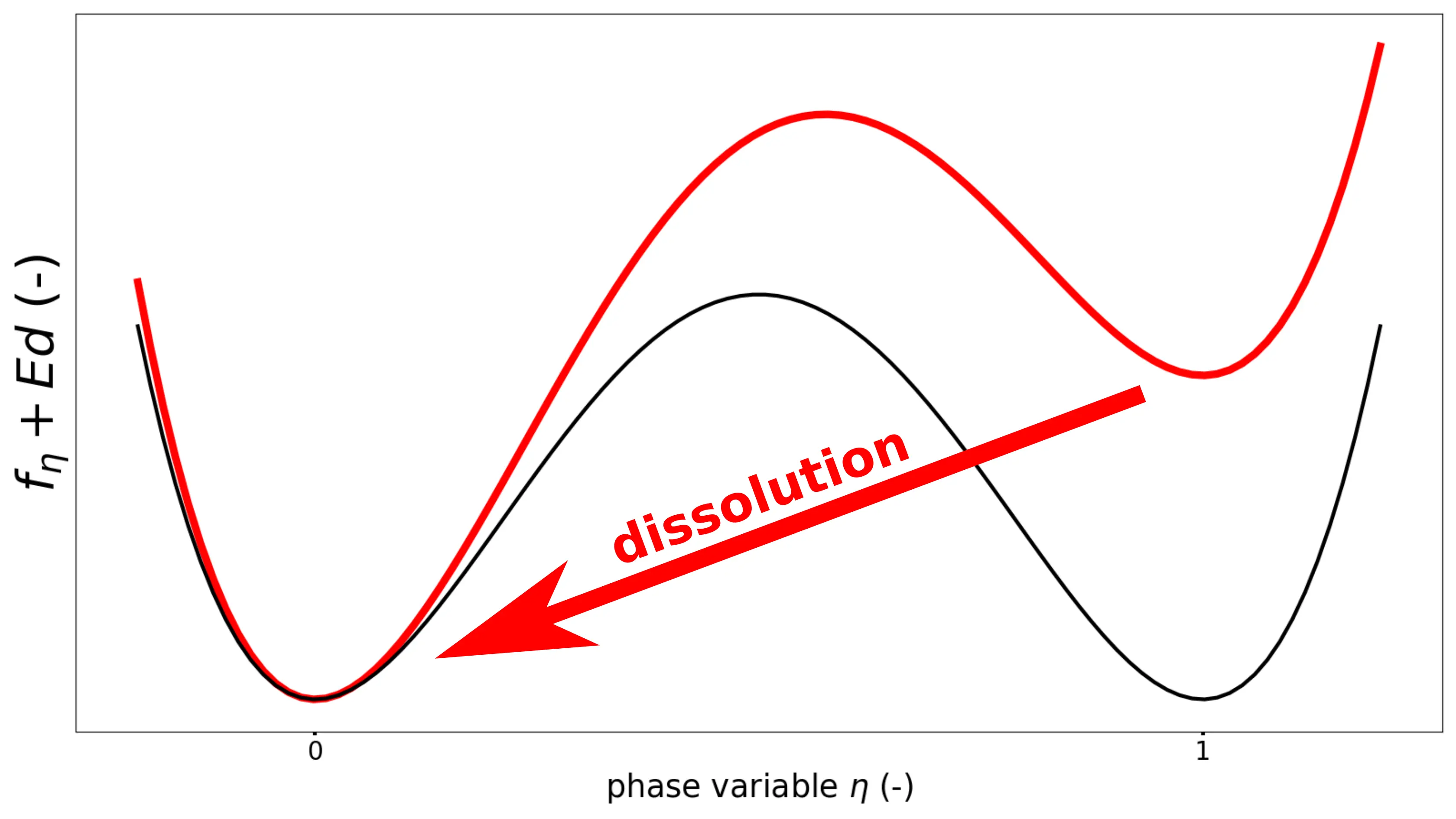
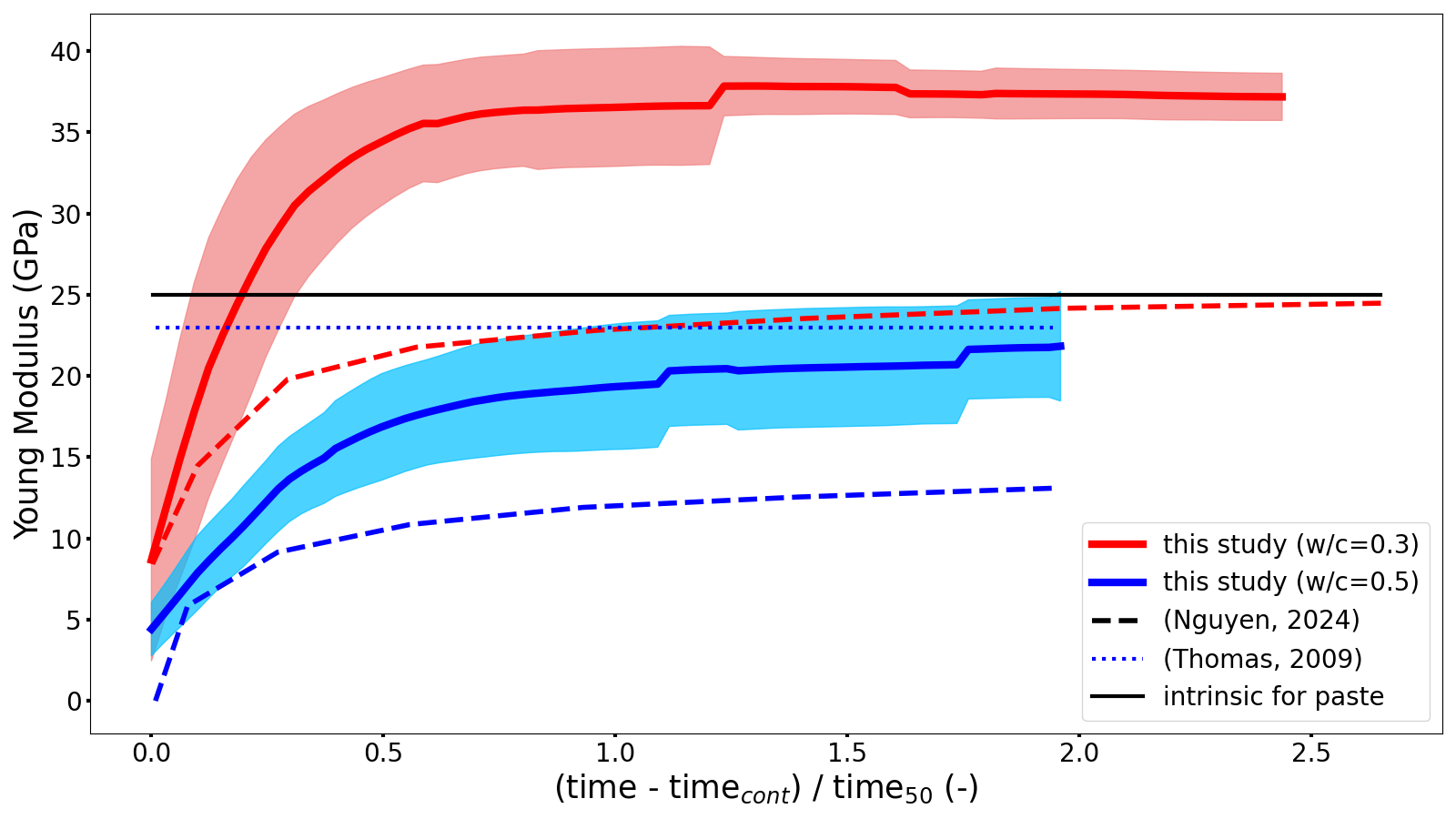
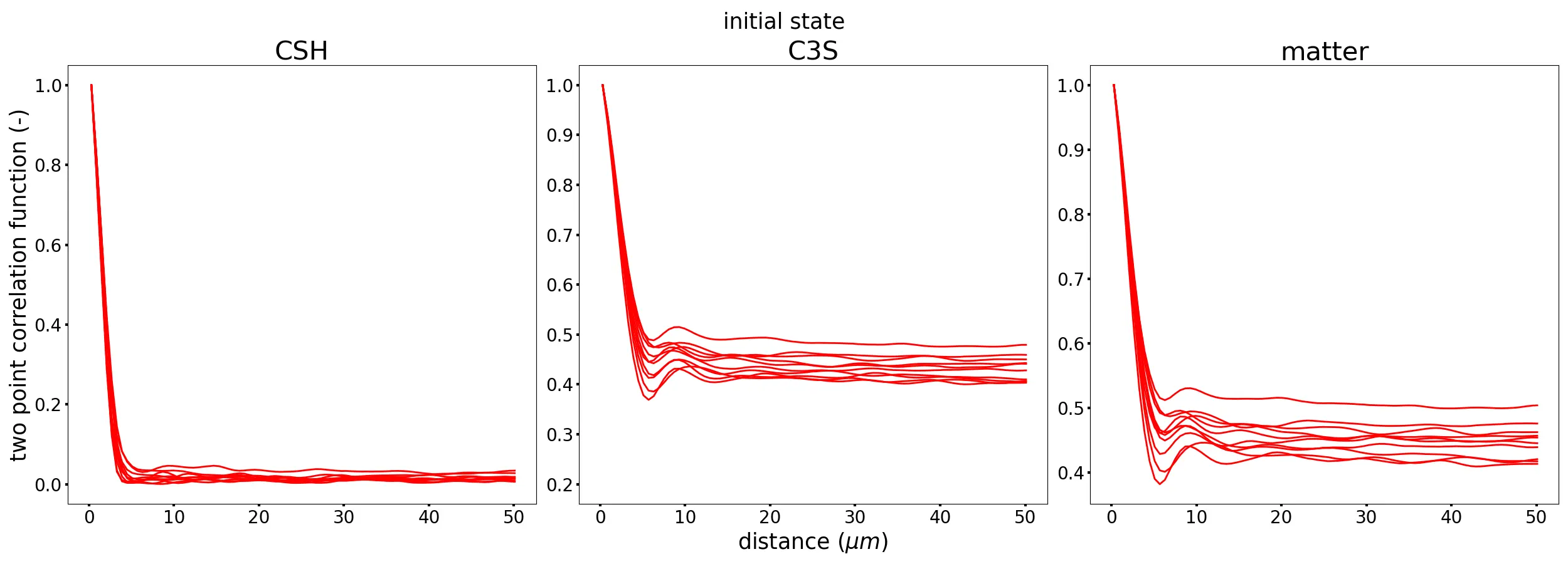
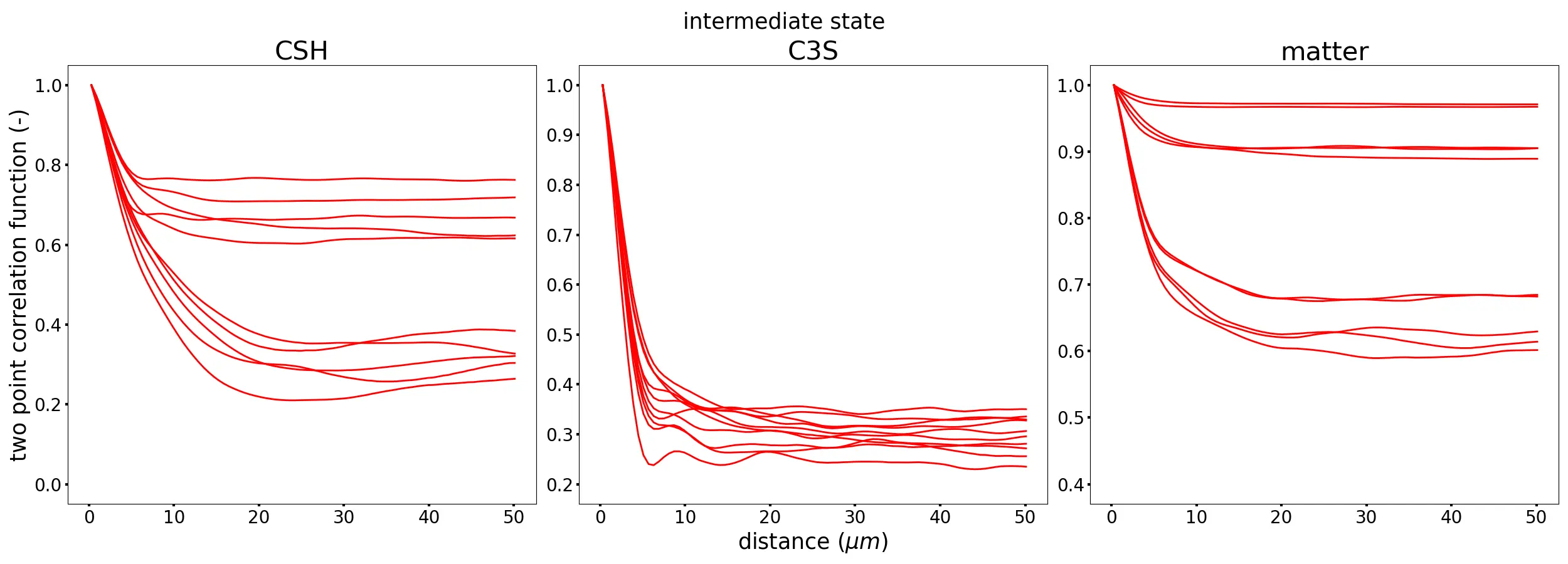
Predicting the evolving microstructure of hydrating cement is essential for understanding and modeling its mechanical property development. Physicsbased continuum approaches offer a rigorous framework for capturing the thermodynamics of dissolution and precipitation processes at the microstructural scale. In this work, we present an adapted Phase-Field (PF) model for cement hydration that resolves key physical inconsistencies in existing PF formulations by introducing a revised free-energy potential and distinct equilibrium constants for clinker dissolution and hydrate precipitation. The
Deep Dive into 수화 시멘트 미세구조 진화를 위한 개량형 위상장 모델.
Predicting the evolving microstructure of hydrating cement is essential for understanding and modeling its mechanical property development. Physicsbased continuum approaches offer a rigorous framework for capturing the thermodynamics of dissolution and precipitation processes at the microstructural scale. In this work, we present an adapted Phase-Field (PF) model for cement hydration that resolves key physical inconsistencies in existing PF formulations by introducing a revised free-energy potential and distinct equilibrium constants for clinker dissolution and hydrate precipitation. The
A central objective in the study of cement-based materials is to elucidate and predict their mechanical behavior [1], in order to enable the optimization of existing formulations or the development of alternative binders [2], particularly those with reduced environmental impact. Over the past decades, numerous analytical and empirical models have been proposed to capture the wide range of factors governing the mechanical performance of cementitious systems [3,4,1]. These factors include, among others, the water-to-cement mass ratio (w/c), raw material properties, particle size distribution, and the presence of chemical or mineral additives [5,6,7,8,9]. Beyond these empirical formulations, foundational physical models were developed to describe the evolution of the hydrate microstructure. The Powers-Brownyard model [10] provided the first quantitative framework for the structure of hydrated cement paste, distinguishing between gel pores and capillary pores. Later, idealized microstructures were described using homogenization approaches, involving three steps-description, localization, and upscaling-to relate microscale phase morphology to macroscale mechanical properties [11,12]. A variety of homogenization schemes have been proposed [13,14,15,16,17], with the dilute [18], self-consistent [19], and Mori-Tanaka [20] approaches being the most widely adopted. Such schemes can be concatenated across multiple scales-from hydrate foam (20 µm) to cement paste (0.7 mm), and from cement paste to mortar (1 cm) [21,22,23]. Coupling these approaches with hydration kinetics enables the prediction of evolving mechanical properties throughout hydration [24]. These efforts established the conceptual link between hydration degree, porosity, and mechanical performance-a relationship modern computational models now aim to simulate explicitly [25]. Nonetheless, these homogenization methods rely on idealized or simplified microstructures.
To overcome such limitations, microstructure-explicit hydration models were developed. One of the earliest is HYMOSTRUC [26], where reactants and products are idealized as continuum spheres whose sizes evolve during dissolution or precipitation. This framework was later extended to voxelbased microstructures in CEMHYD3D [27], where hydration is simulated through Cellular Automata (CA). Although widely used, CA approaches are constrained by voxel resolution. To alleviate this limitation, alternative solvers such as HydratiCA [28], µic [29], and the Integrated Particle Kinetics Model [30] were introduced. However, all those methods are based on semiempirical reaction coefficients.
More recently, level-set based approaches were proposed to describe microstructure evolution using continuous fields and physics-based dissolution-precipitation laws [31]. Although these methods incorporate fundamental hydration kinetics, the underlying Kooi law [32] is formulated at the macroscale and does not strictly satisfy local physical constraints at the microstructural scale.
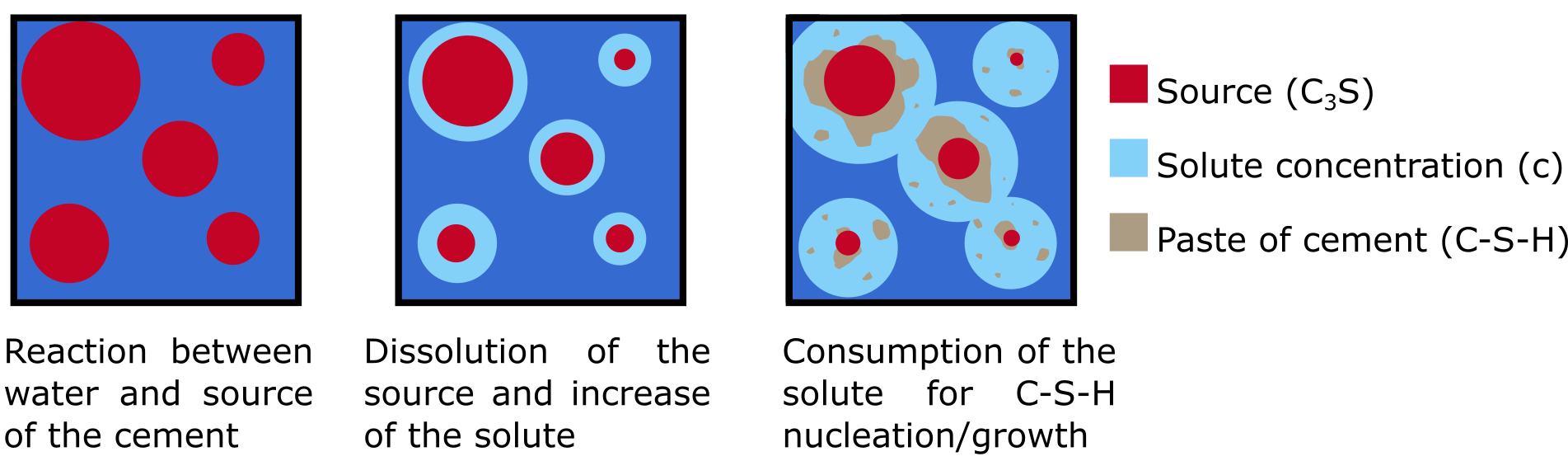
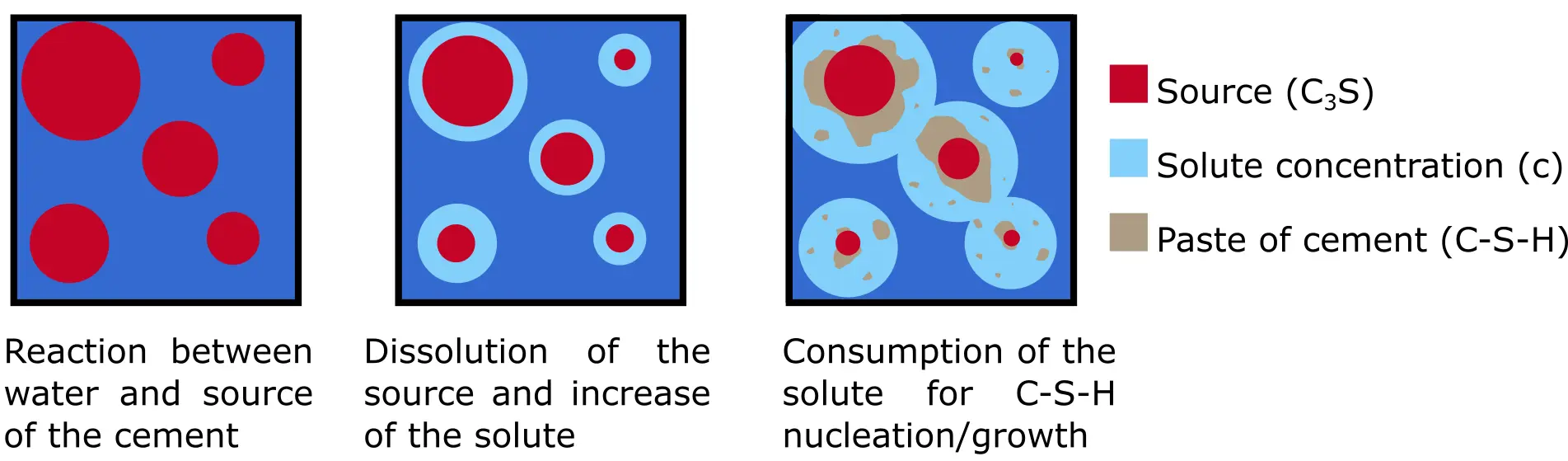
To address this issue, Phase-Field (PF) methods have emerged as a promising alternative [33]. PF formulations naturally describe interface evolution based on local thermodynamic principles and have been successfully applied to various dissolution/precipitation [34,35,36,37,38,39] and fracture problems [40,41,42]. When coupled with diffusion equations for dilute species, PF models enable dissolution and precipitation to occur whenever local solute concentrations deviate from their equilibrium values, thus ensuring thermodynamic consistency at the microstructural scale.
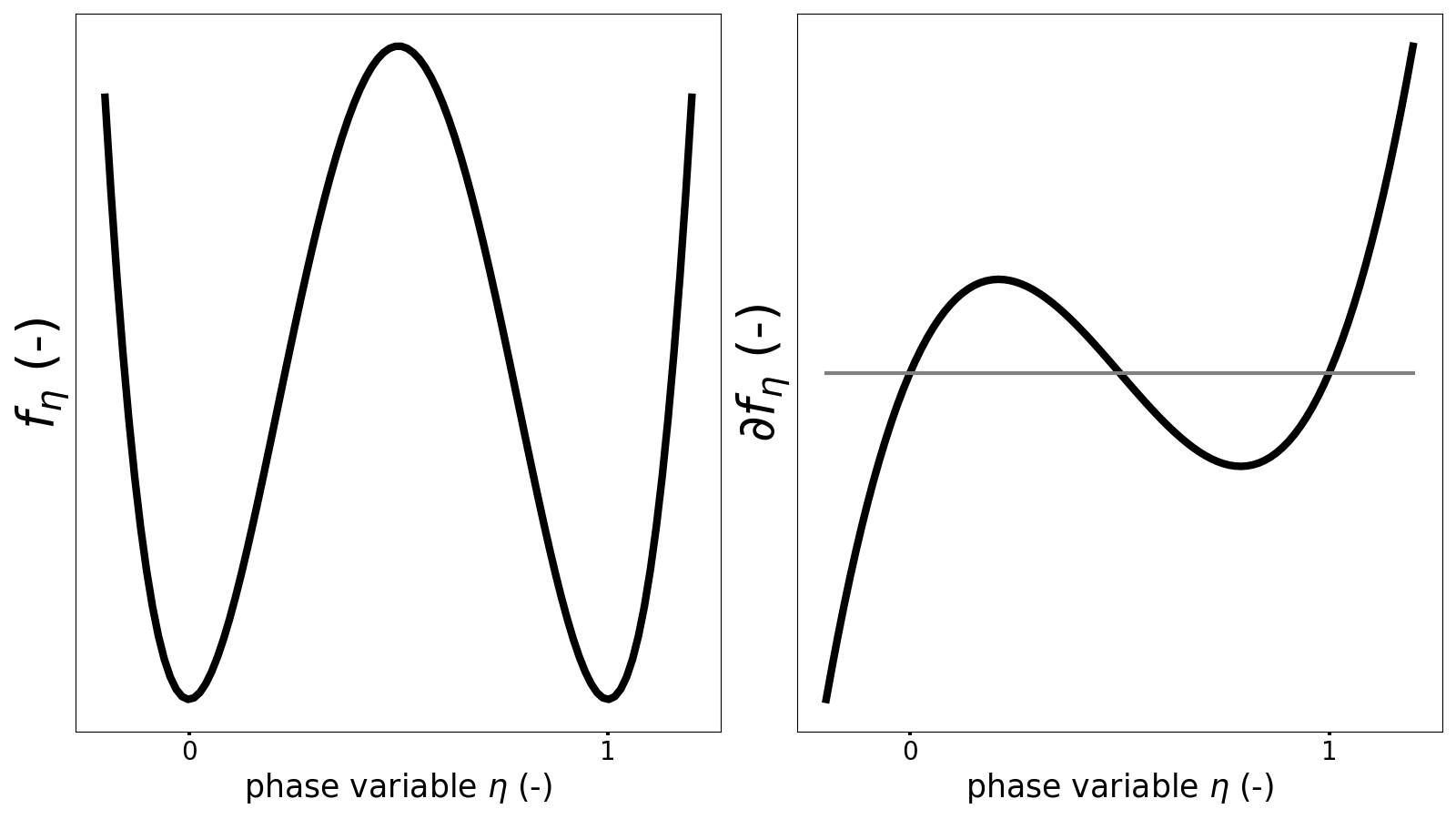
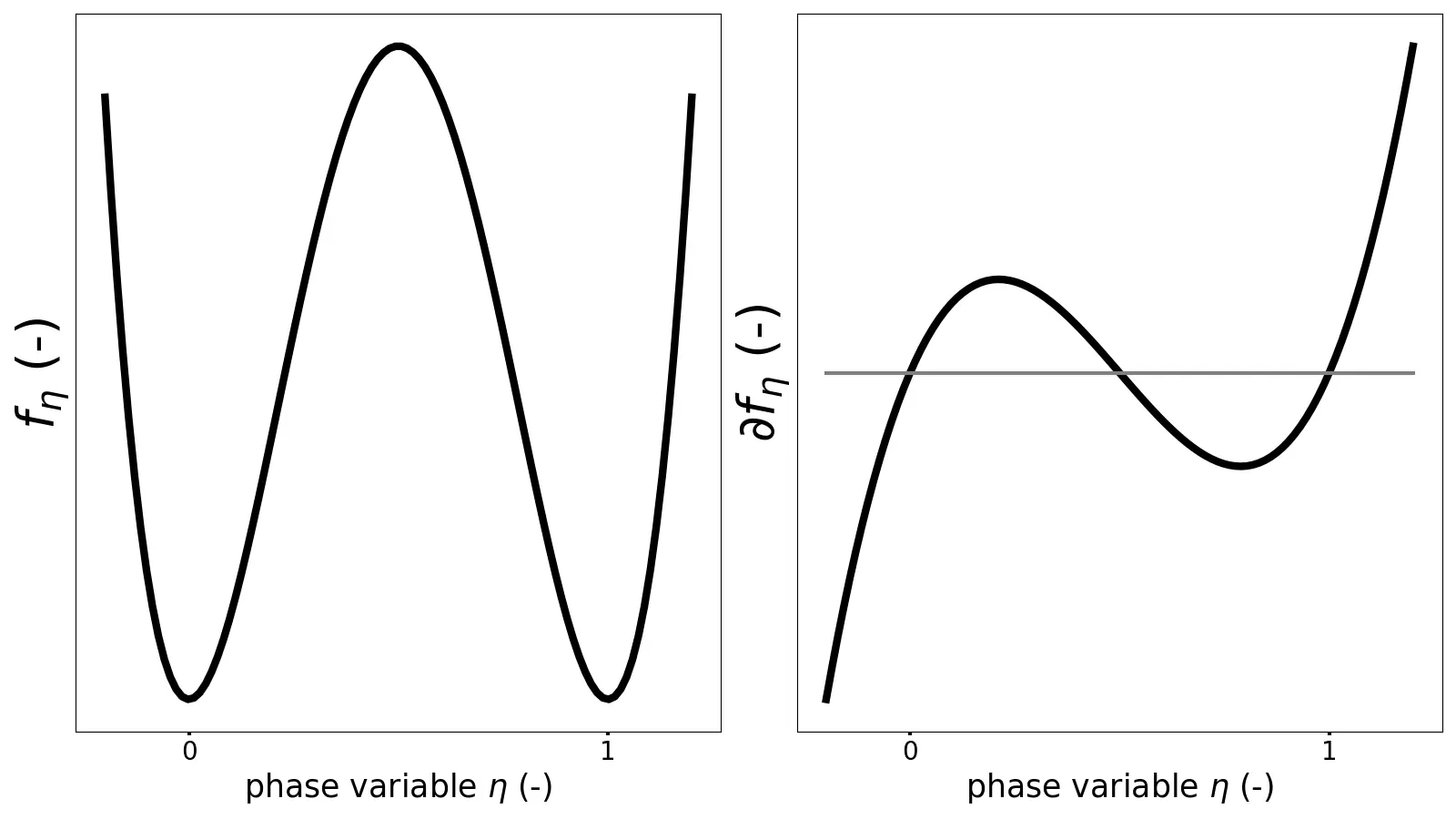
However, the formulation introduced in [33] presents two limitations that motivate the present work. First, the free-energy functional employed permits spontaneous gel precipitation even when the system is at equilibrium. Second, the equilibrium concentrations associated with source-solute (dissolution) and solute-gel (precipitation) reactions are assumed equal, whereas they are known to be distinct according to established hydration theory [43,44]. These inconsistencies hinder the model’s physical fidelity and predictive capability. To address these issues, the present work proposes an adapted Phase-Field formulation in which the free-energy landscape and equilibrium relationships are revised to better reflect the thermodynamics of cement hydration.
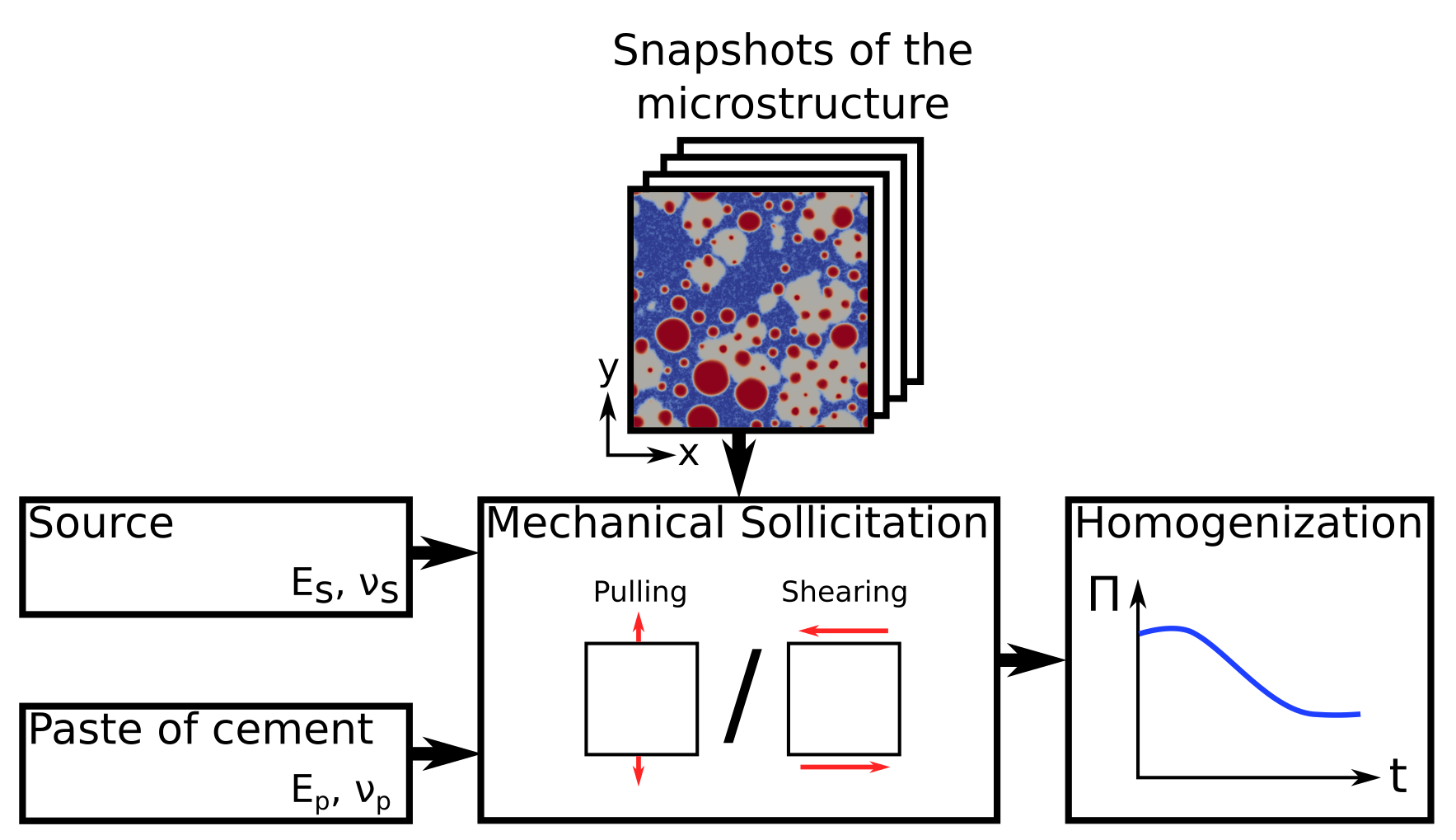
Once the hydrated microstructure has been computed, the mechanical behavior of the hardened cement-based material can be determined using computational homogenization. This permits the calculation of properties such as Young’s modulus, shear modulus, Poisson’s ratio, bulk modulus, and strength parameters, which depend explicitly on microstructural morphology and hydration state [45,46]. The phases (pore, skeleton, binder) can be distinguished and characterized based on their intrinsic properties. The composite microstructure is then subjected to a Finite Element or Fast Fourier Transform-based homogenization scheme to infer m
…(Full text truncated)…
This content is AI-processed based on ArXiv data.