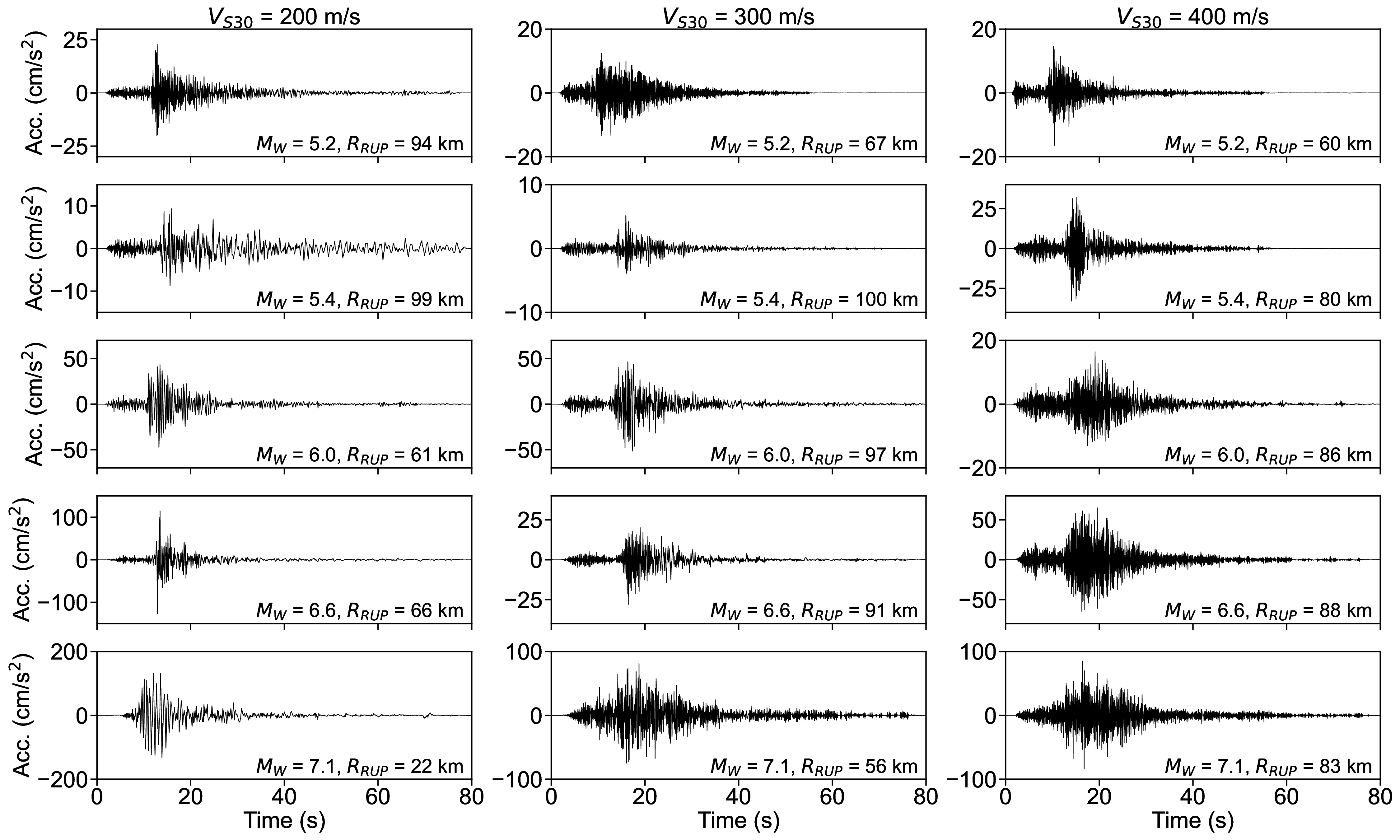
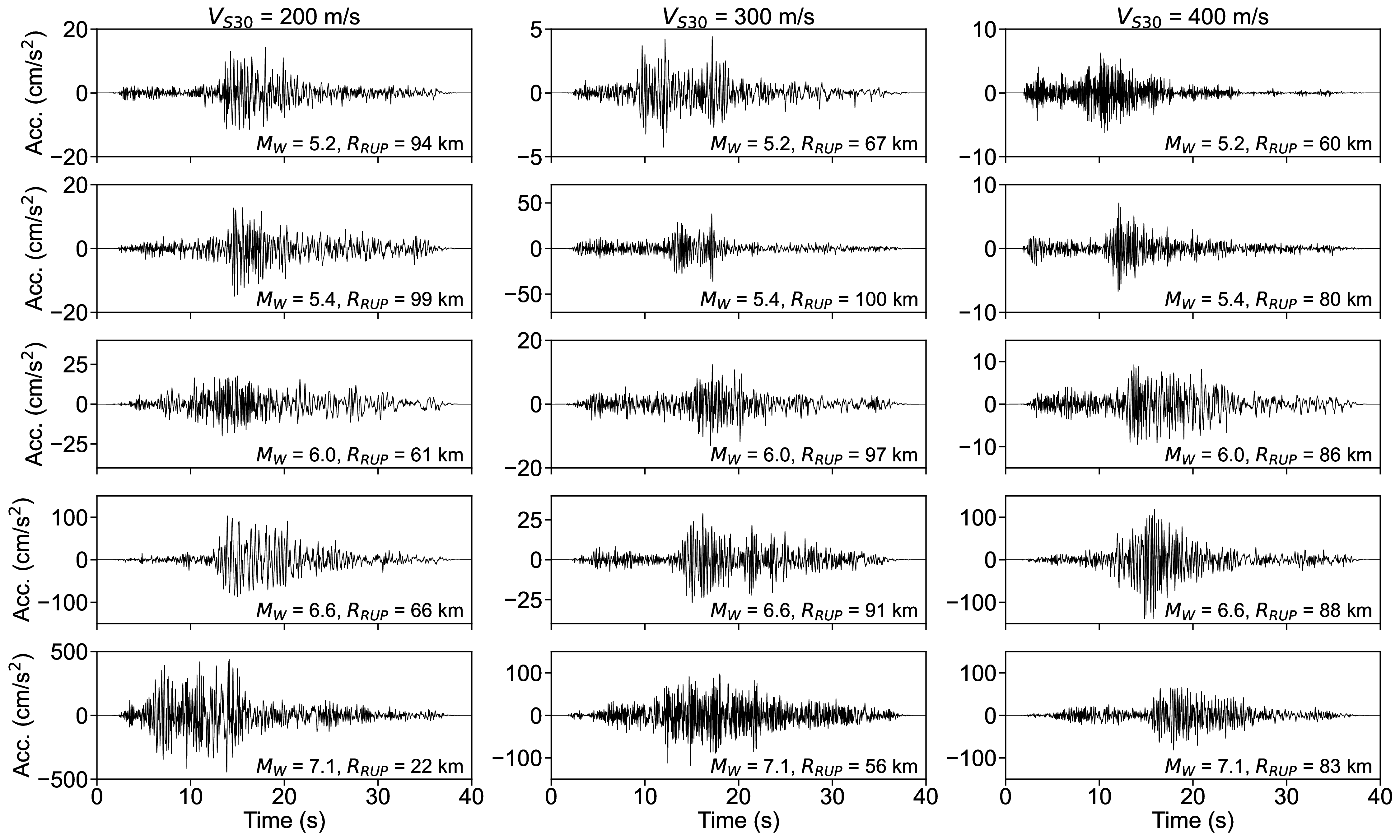
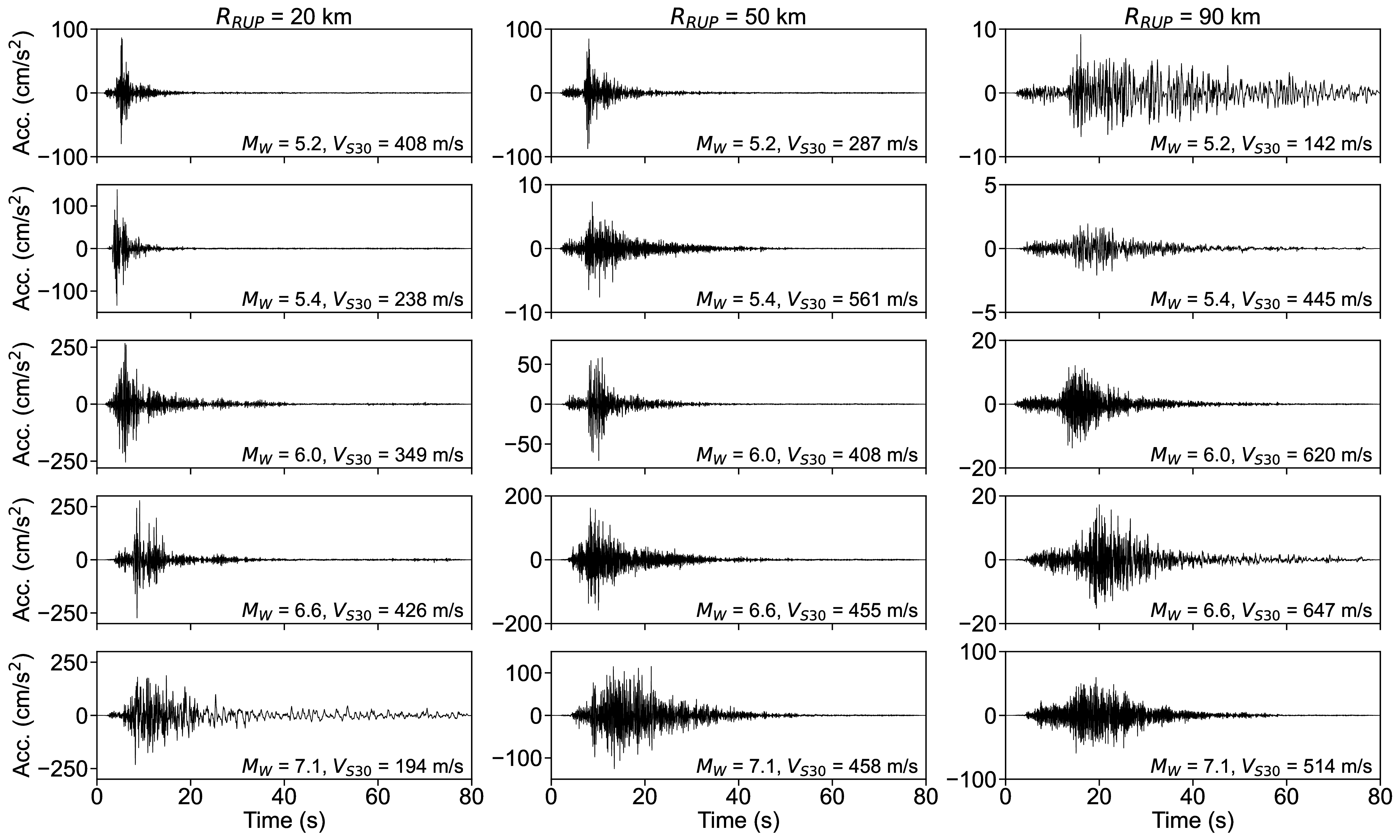
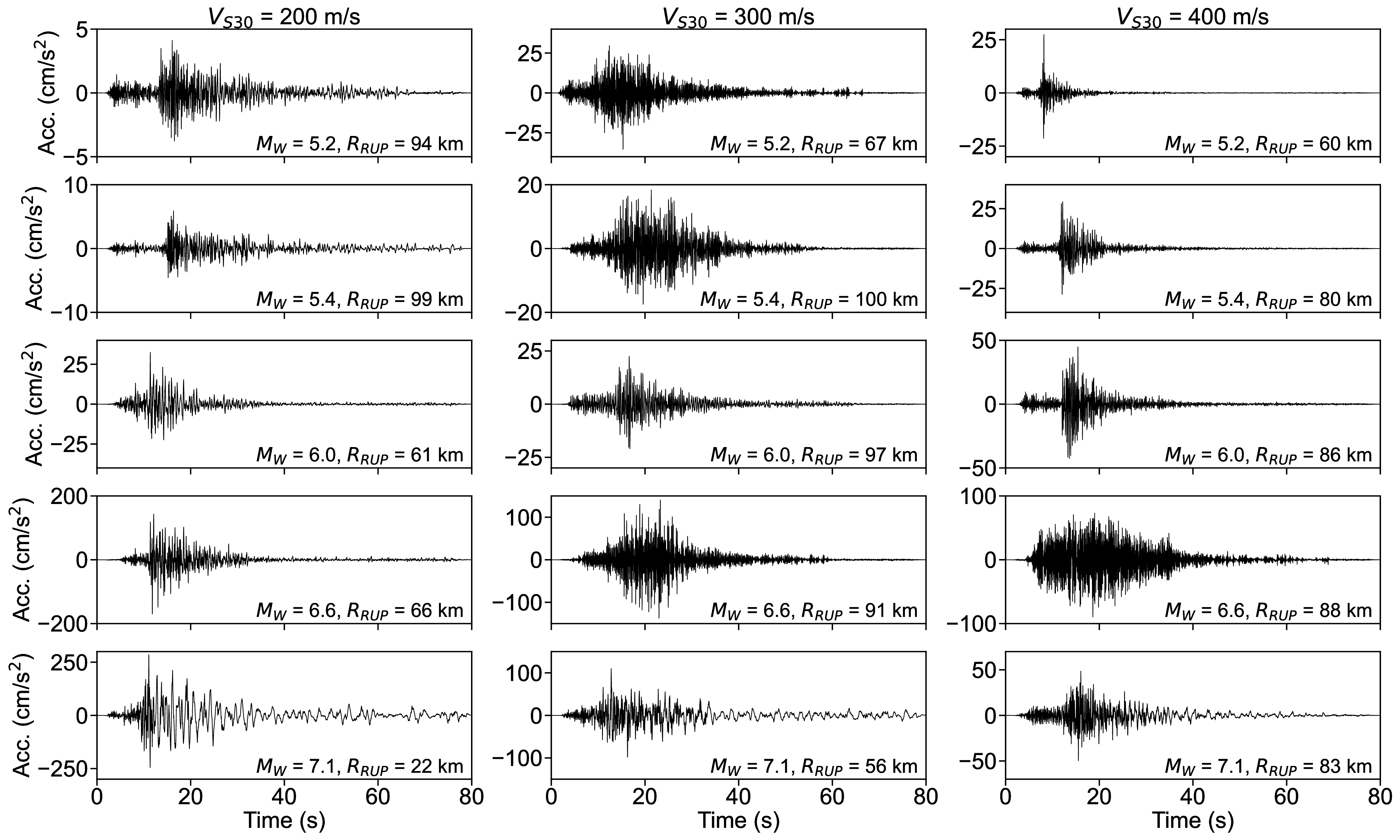
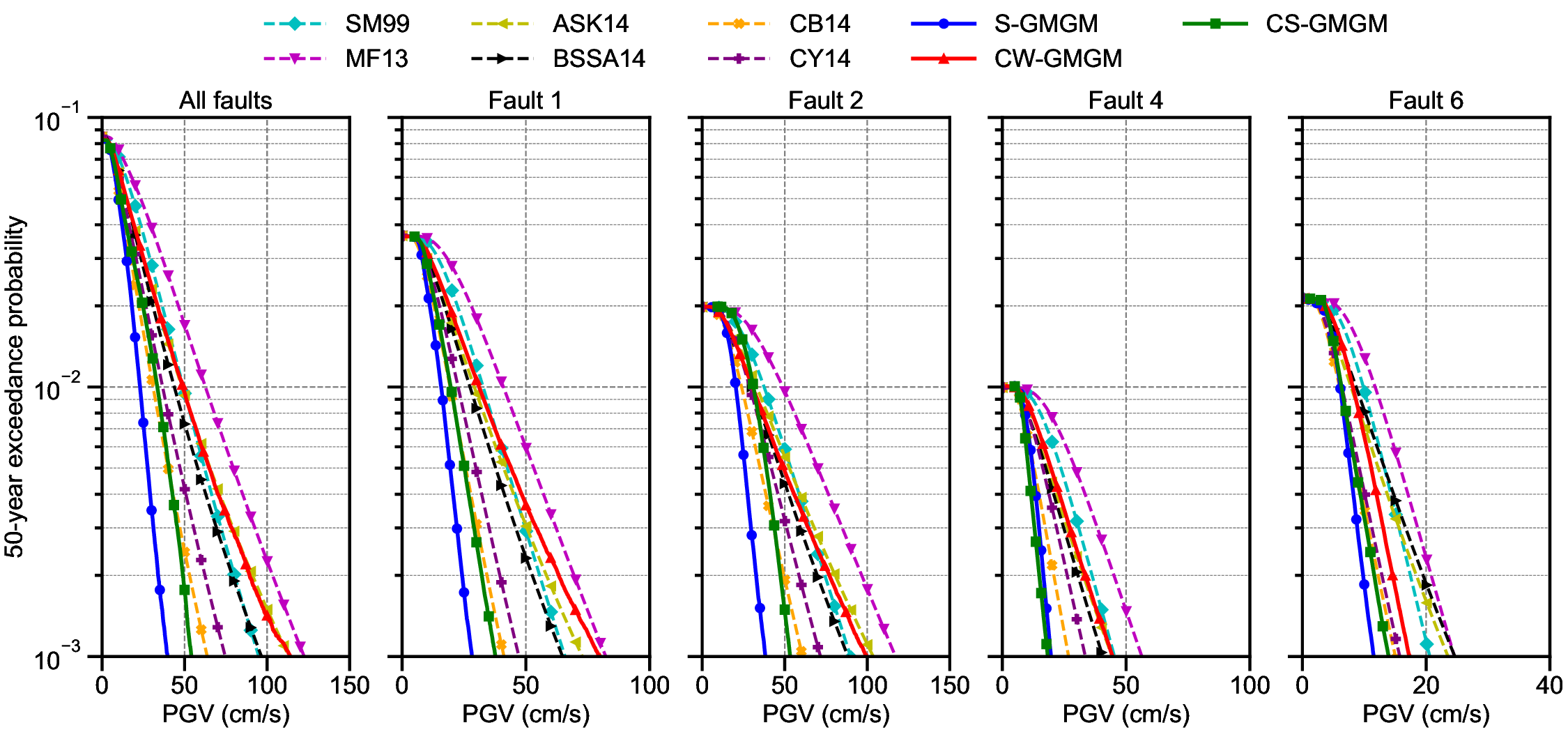
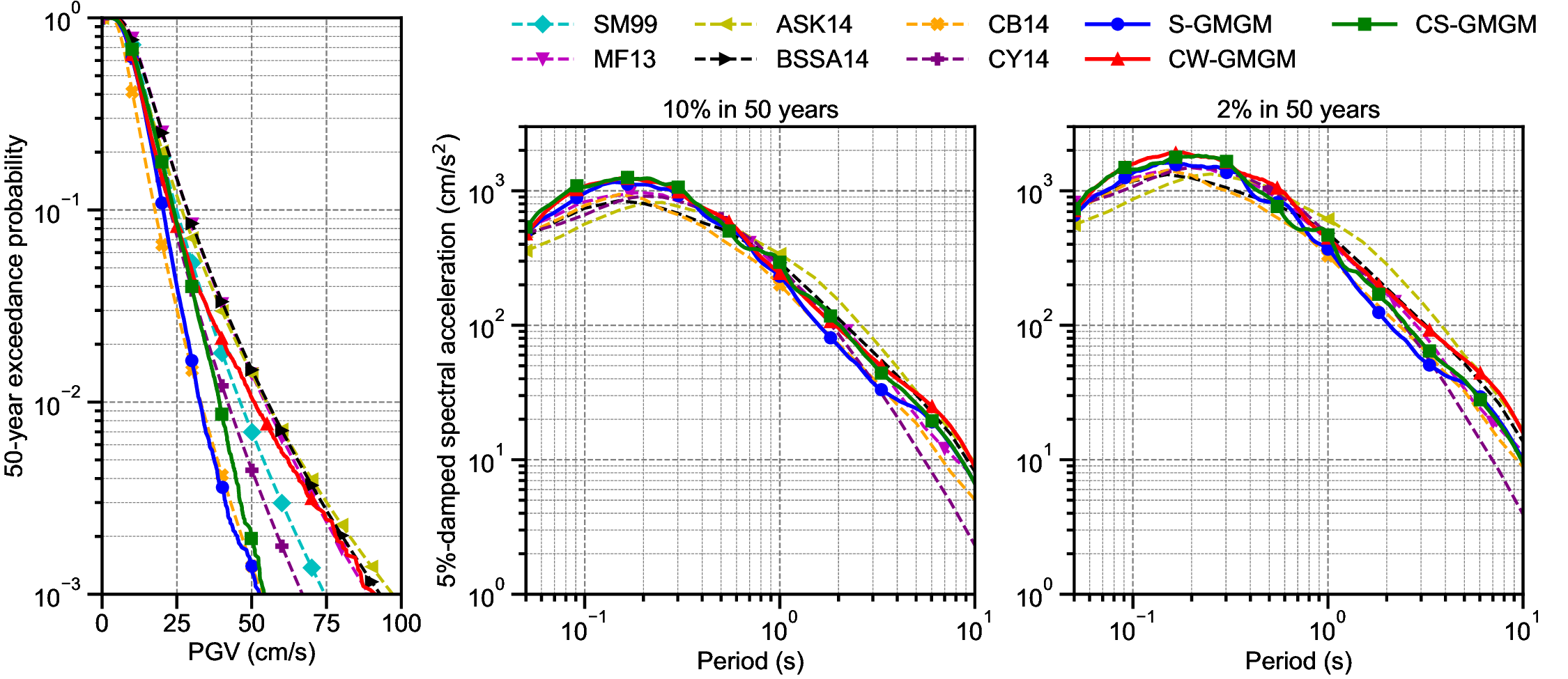
In probabilistic seismic hazard analysis (PSHA), the exceedance probability of a ground-motion intensity measure (IM) is typically evaluated. However, in recent years, dynamic response analyses using ground-motion time histories as input have been increasingly common in seismic design and risk assessment, and thus there is a growing demand for representing seismic hazard in terms of ground-motion waveforms. In this study, we propose a novel PSHA framework, referred to as waveform-based PSHA, that enables the direct evaluation of the probability distribution of groundmotion waveforms by introducing ground-motion models (GMMs) based on deep generative models (ground-motion generative models; GMGMs) into the PSHA framework. In waveform-based PSHA, seismic hazard is represented, in a Monte Carlo sense, as a set of ground-motion waveforms. We propose the formulation of such a PSHA framework as well as an algorithm for performing the required Monte Carlo simulations. Three different GMGMs based on generative adversarial networks (GANs) are constructed. After verifying the performance of each GMGM, hazard evaluations using the proposed method are conducted for two numerical examples: one assuming a hypothetical area source and the other assuming an actual site and source faults in Japan. We demonstrate that seismic hazard can be represented as a set of ground-motion waveforms, and that the IM-based hazard obtained from these waveforms is consistent with the results of conventional PSHA using GMMs. Finally, nonlinear dynamic response analyses of a building model are performed using the evaluated seismic hazard as input, and it is shown that exceedance probabilities of engineering demand parameters (EDPs) as well as hazard disaggregation with respect to EDPs can be carried out in a straightforward manner within the proposed framework.
Deep Dive into Waveform-Based Probabilistic Seismic Hazard Analysis Using Ground-Motion Generative Models.
In probabilistic seismic hazard analysis (PSHA), the exceedance probability of a ground-motion intensity measure (IM) is typically evaluated. However, in recent years, dynamic response analyses using ground-motion time histories as input have been increasingly common in seismic design and risk assessment, and thus there is a growing demand for representing seismic hazard in terms of ground-motion waveforms. In this study, we propose a novel PSHA framework, referred to as waveform-based PSHA, that enables the direct evaluation of the probability distribution of groundmotion waveforms by introducing ground-motion models (GMMs) based on deep generative models (ground-motion generative models; GMGMs) into the PSHA framework. In waveform-based PSHA, seismic hazard is represented, in a Monte Carlo sense, as a set of ground-motion waveforms. We propose the formulation of such a PSHA framework as well as an algorithm for performing the required Monte Carlo simulations. Three different GMGMs ba
Probabilistic seismic hazard analysis (PSHA) is an essential methodology for seismic design and seismic risk assessment, and it has been widely applied in the field of earthquake engineering. In conventional PSHA, seismic hazard is evaluated in terms of the exceedance probability that a ground-motion intensity measure (IM) exceeds a specified intensity level. The distribution of IM is typically modeled as a lognormal distribution based on ground-motion models (GMMs).
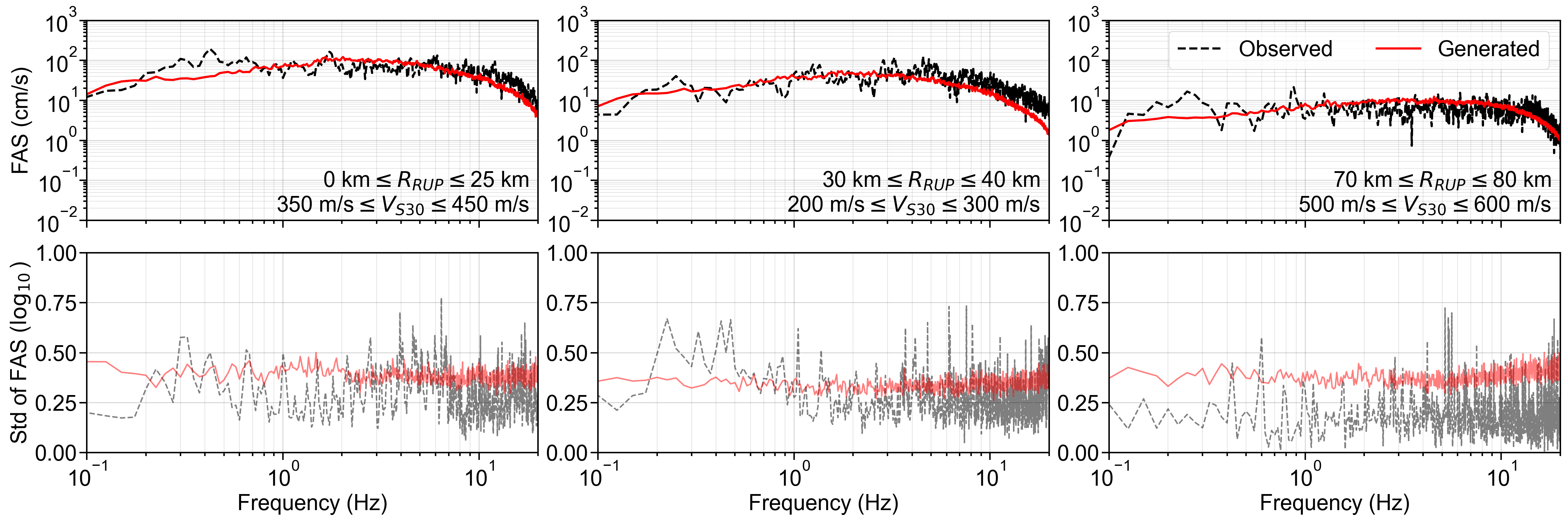
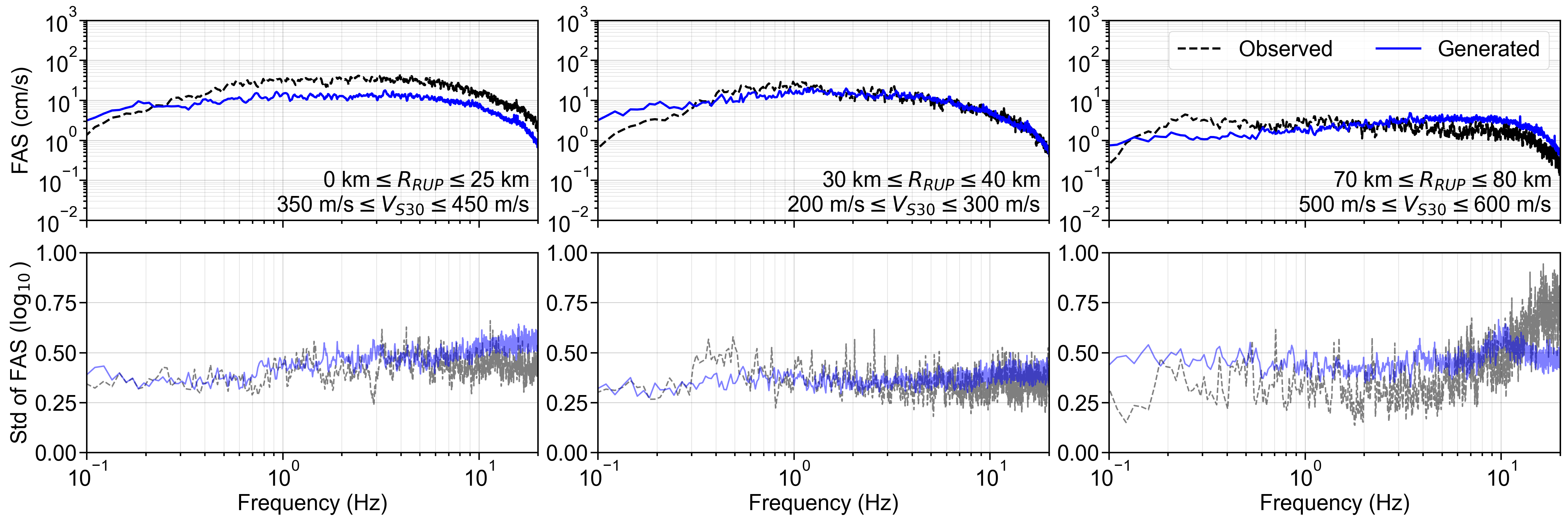
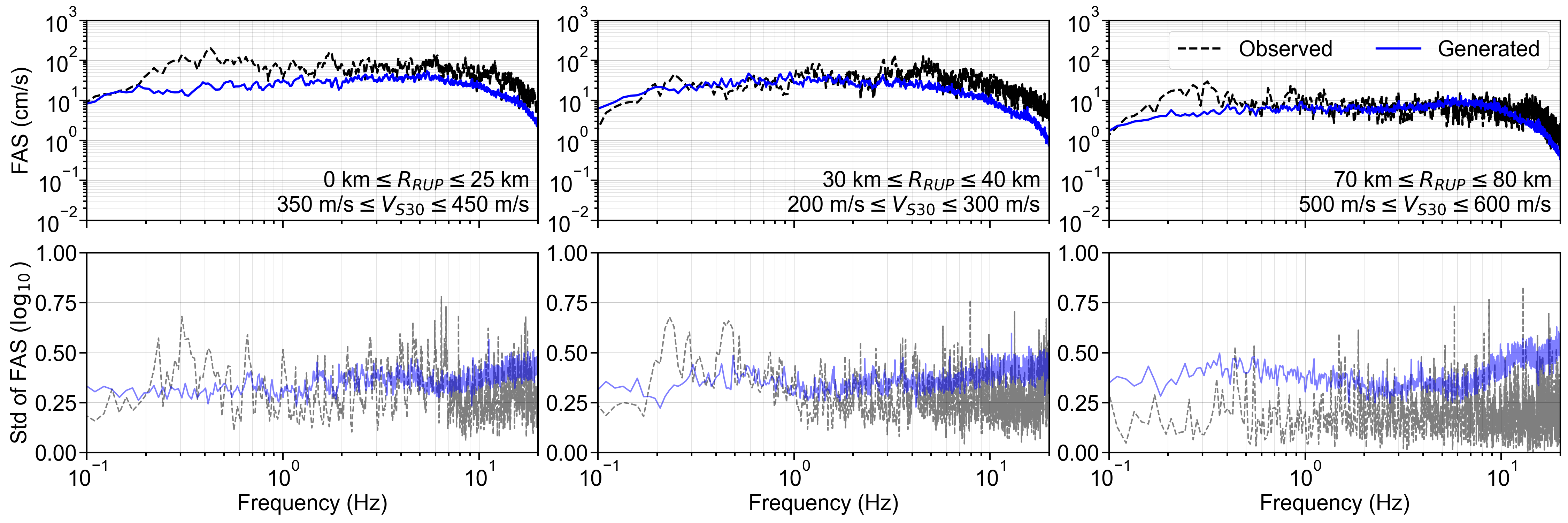
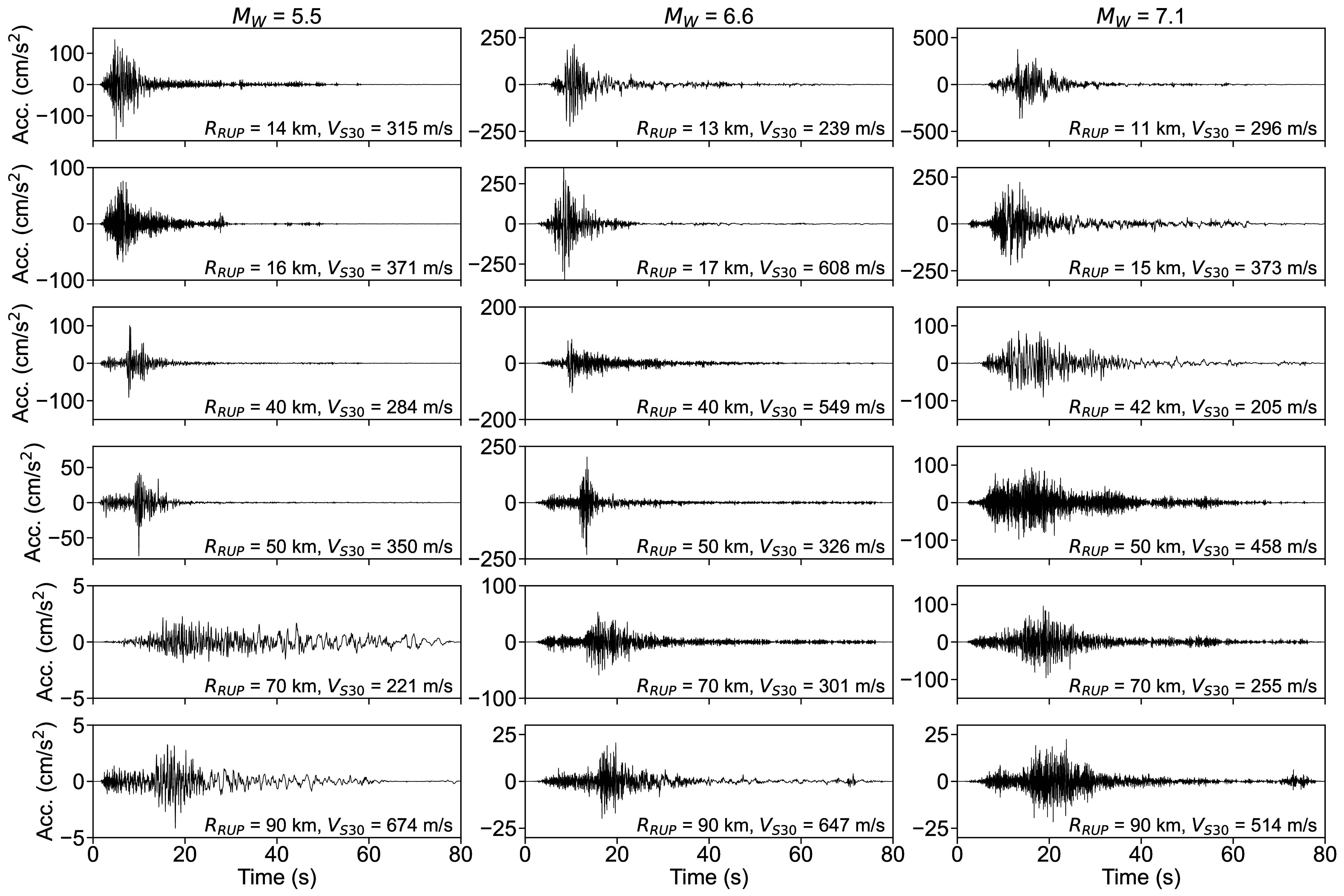
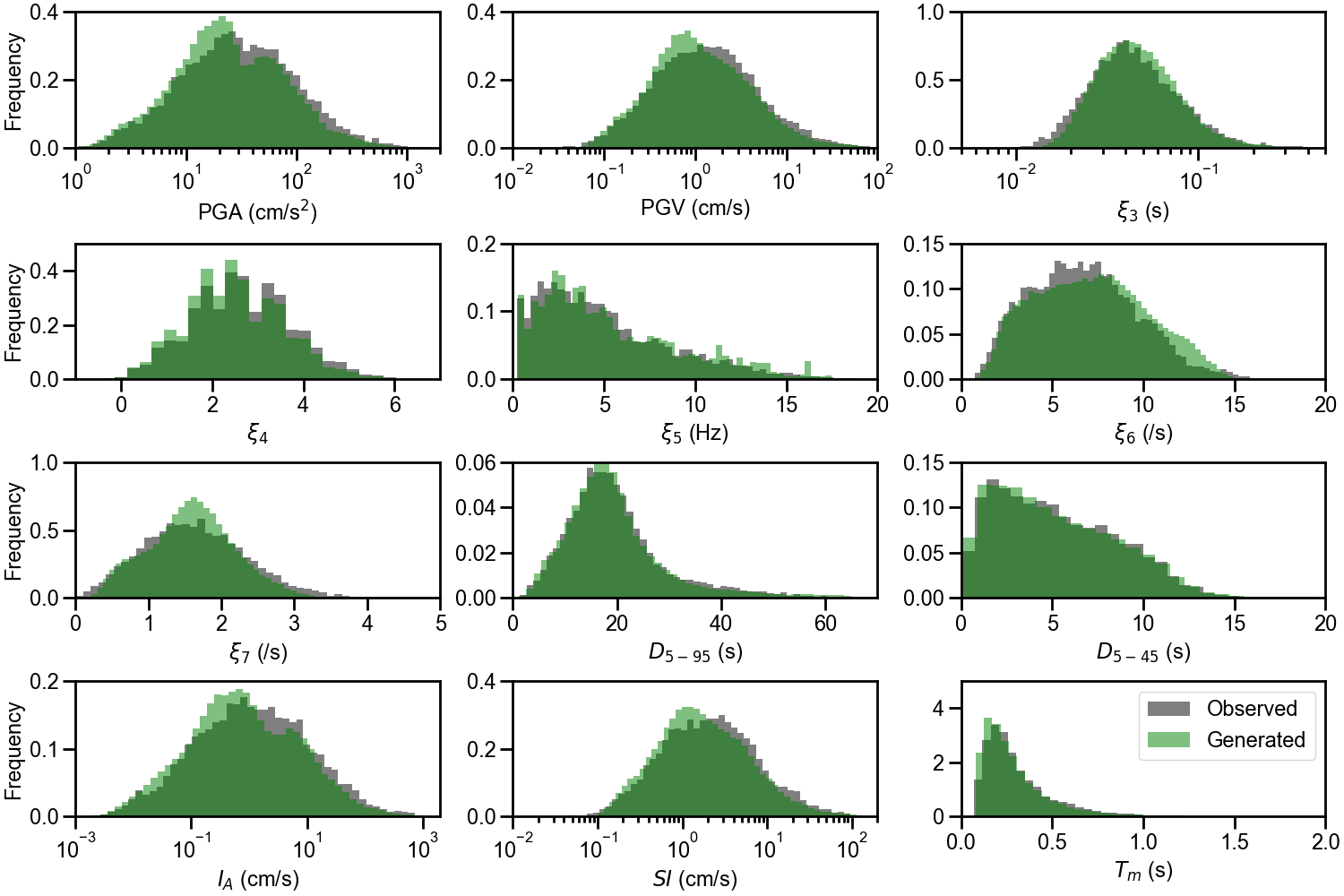
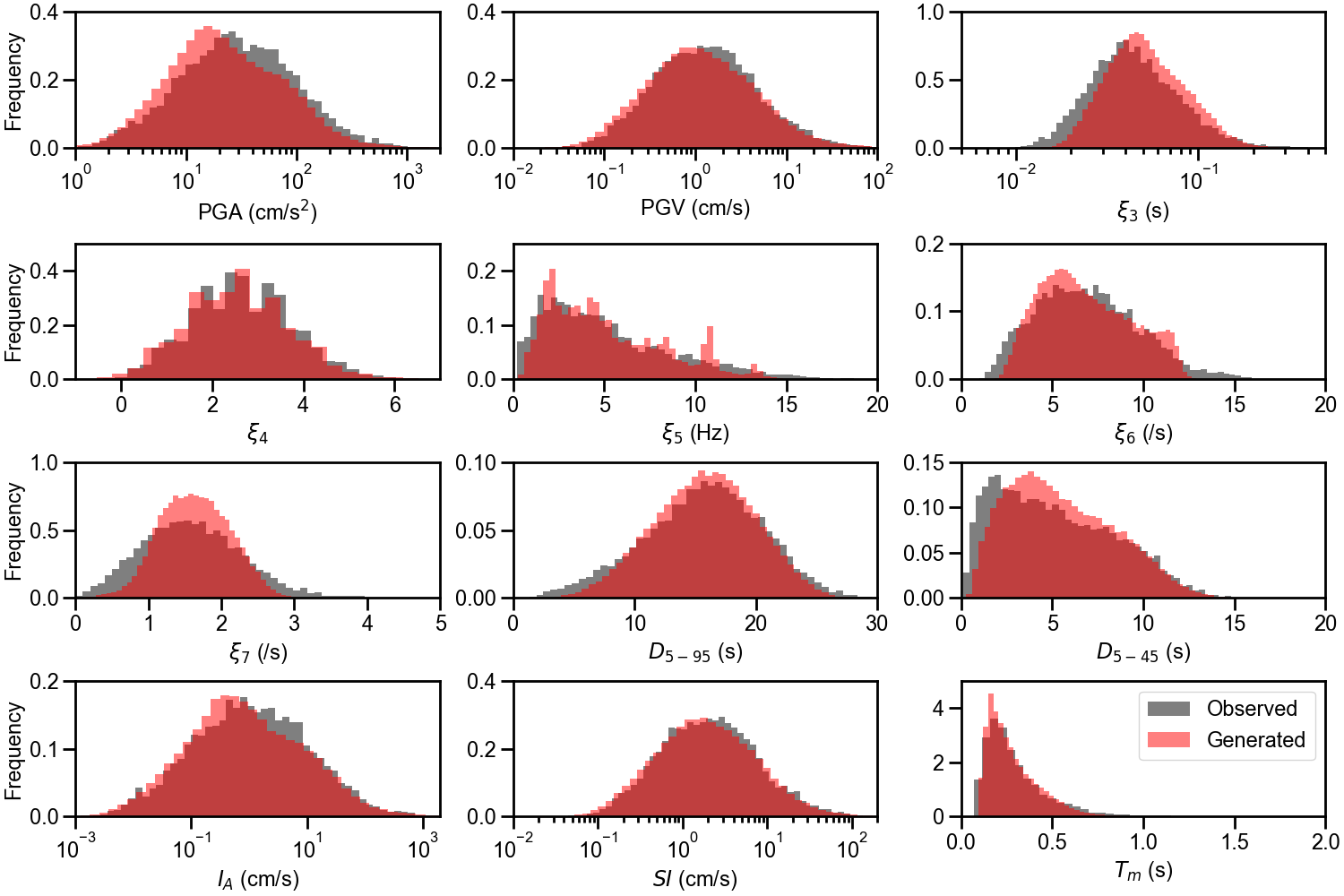
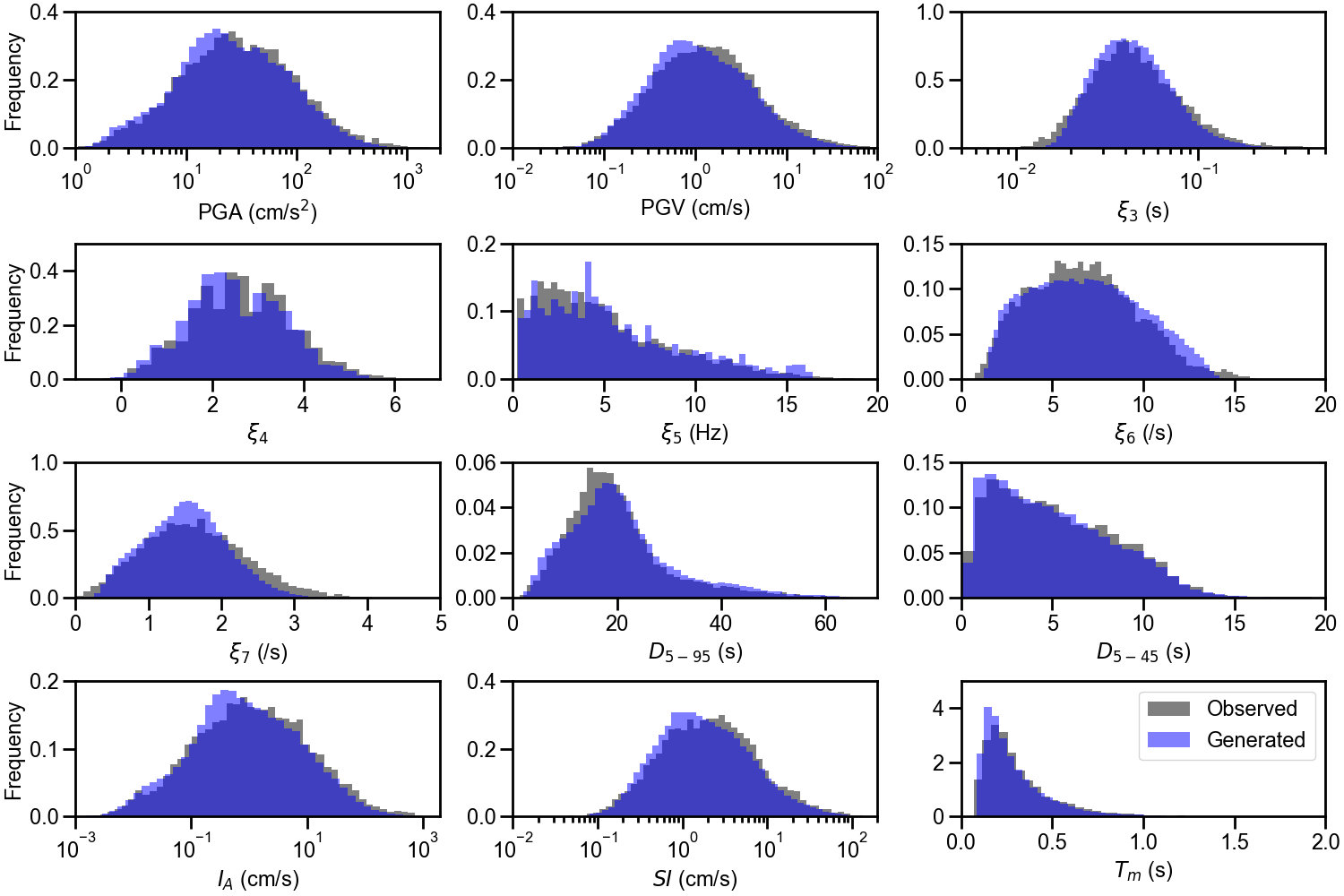
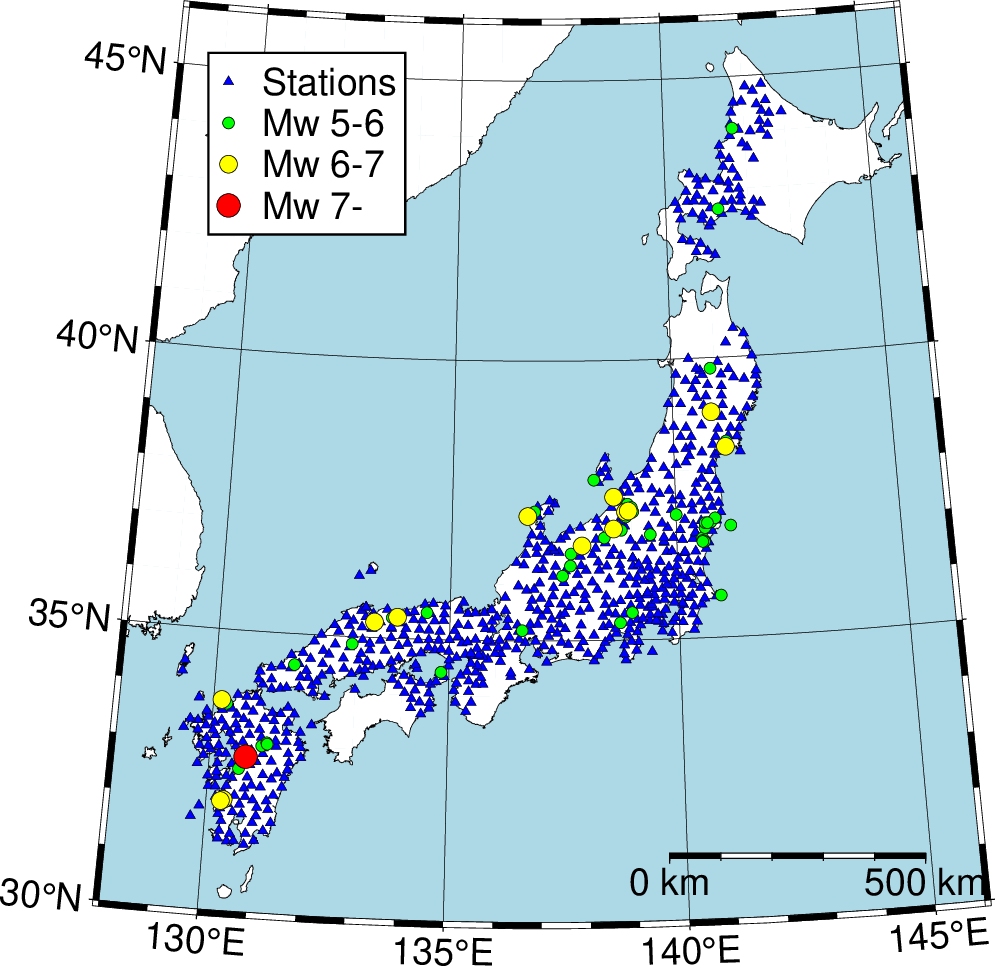
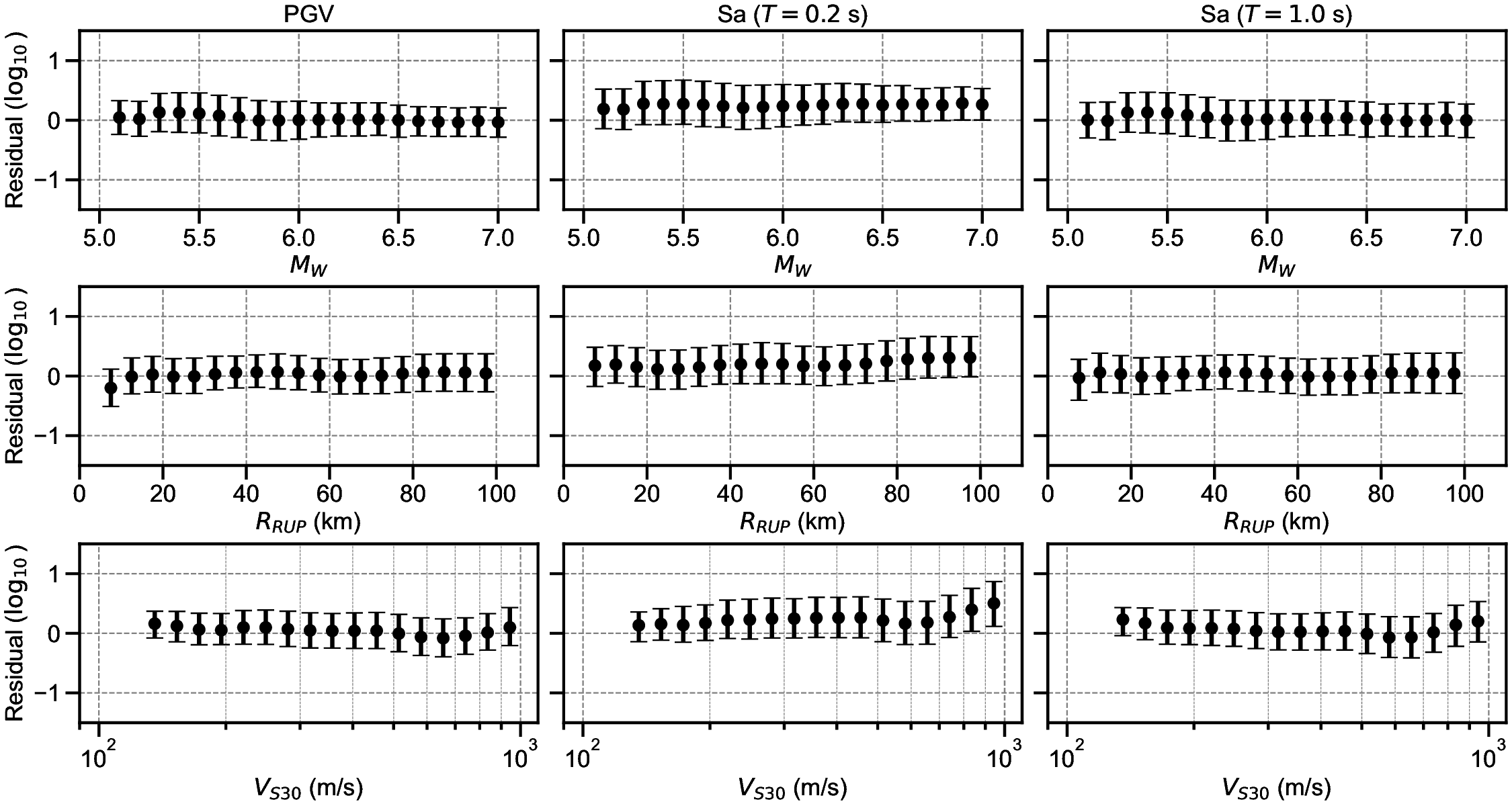
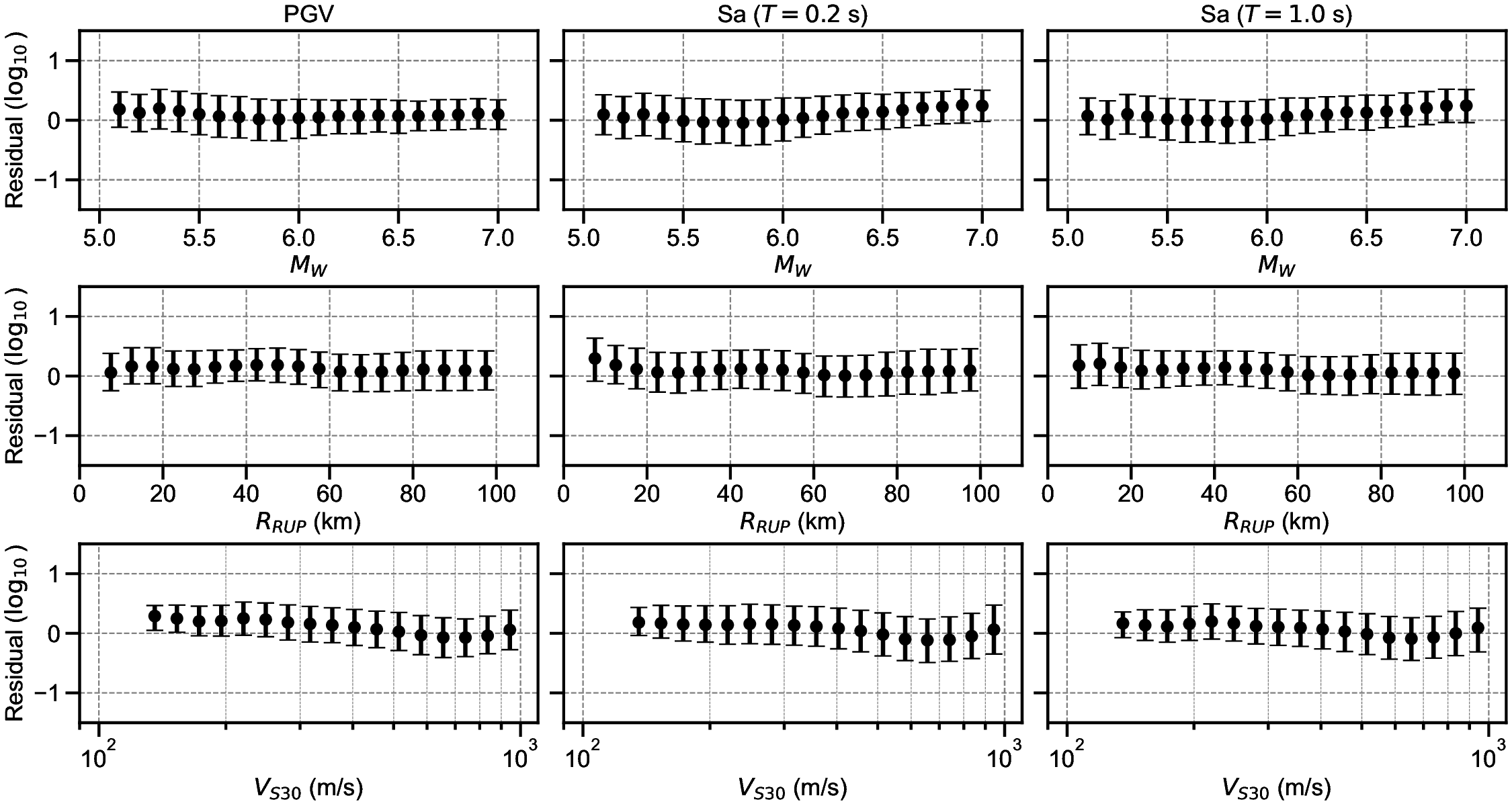
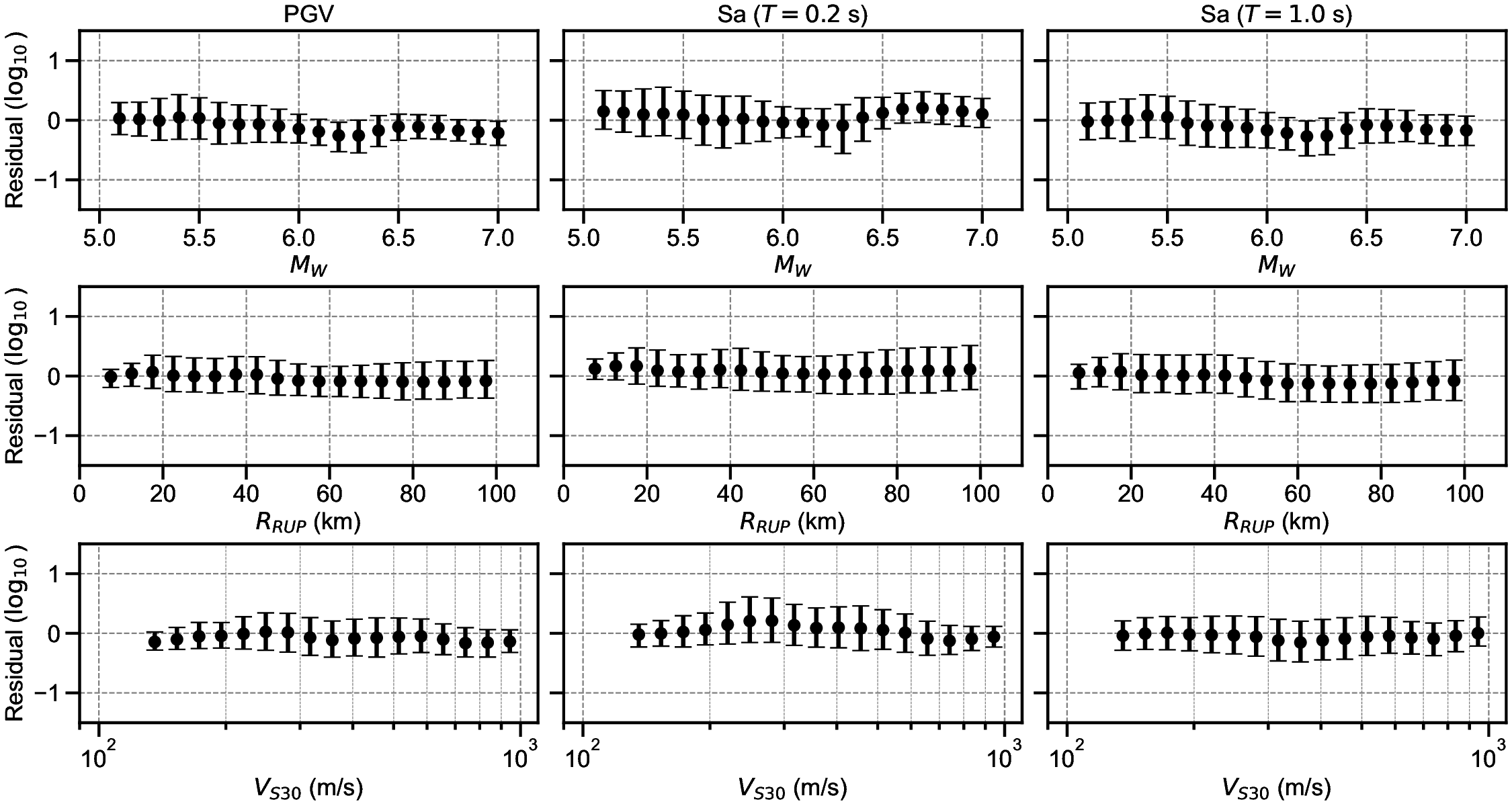
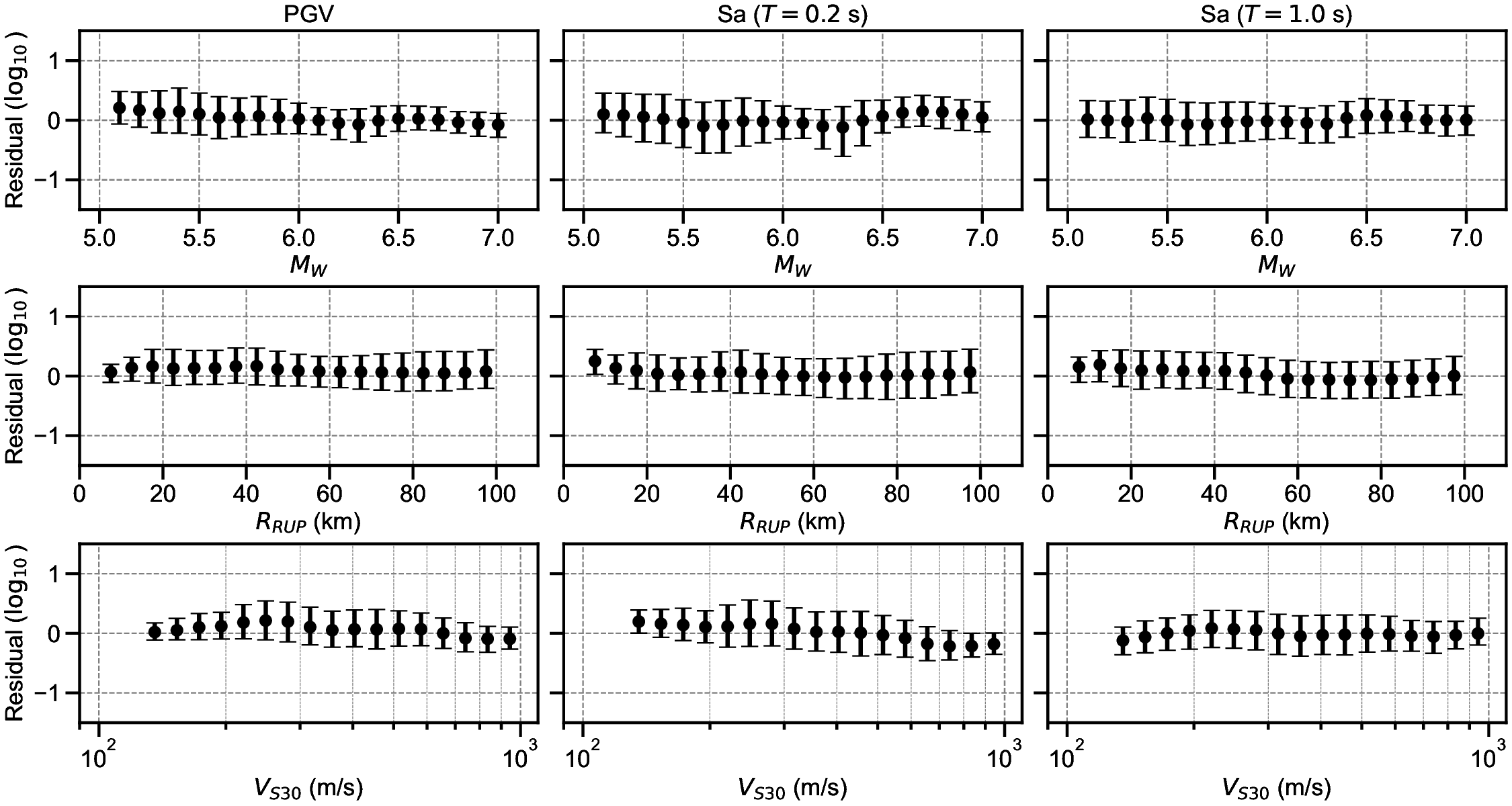
Within this framework, numerous studies have been conducted on each of its major components, including seismic source characterization (SSC; e.g., Field et al. (2014); Morikawa and Fujiwara (2016); Papadopoulos et al. (2021)), ground-motion characterization (GMC; e.g., Morikawa and Fujiwara (2013); Bozorgnia et al. (2014); Abrahamson et al. (2018)), and aleatory variability and epistemic uncertainty (e.g., Senior Seismic Hazard Analysis Committee (SSHAC) Florez et al. (2022). Florez et al. (2022) developed a cGAN model based on the Wasserstein GAN (WGAN) framework (Gulrajani et al., 2017), which we hereafter refer to as the conditional Wasserstein GAN-based GMGM (CW-GMGM). As the third GMGM, we develop a model by modifying the S-GMGM into a cGAN framework, utilizing a DNN architecture similar to that of Florez et al. (2022). This model is referred to as the conditional StyleGAN-based GMGM (CS-GMGM). These three GMGMs are trained on the same dataset based on the strong-motion observed records in Japan compiled in our previous study (Matsumoto et al., 2024), and their performance is evaluated by checking the waveforms as well as the distributions of generated data. We also propose a method for objectively determining the optimal number of training epochs based on quantitative evaluation metrics. Then, numerical experiments of PSHA using the trained three GMGMs are conducted. We demonstrate that the proposed methods can represent the seismic hazard as a set of ground-motion waveforms, and the hazard curves of IMs calculated from the evaluated waveforms are consistent with those of the PSHA results based on conventional GMMs. Furthermore, to demonstrate the engineering applicability of the proposed PSHA framework, we perform nonlinear dynamic response analyses of a building inputting ground-motion waveforms evaluated through the proposed method. In addition to demonstrating that the exceedance probabilities of EDPs can be evaluated in a straightforward manner, by applying hazard disaggregation (Bazzurro and Cornell, 1999) to the hazard curves of the EDPs, we show that the relationship between the EDPs and the seismic sources can be clearly analyzed.
In this section, we first present the proposed waveform-based PSHA formulation for evaluating the distribution of ground-motion waveforms. We then describe the computational methods used to perform the integration in waveformbased PSHA. Furthermore, we demonstrate a method for calculating the exceedance probabilities of IMs from the hazard analysis results.
In conventional PSHA, seismic hazard is expressed in terms of exceedance probability. However, defining the exceedance probability of ground-motion waveforms is challenging, as the target level for exceedance cannot be clearly specified. We propose to evaluate the seismic hazard in the form of probability distribution of ground-motion waveforms as follows:
in which g ∈ R M ×L is an M -component ground-motion waveform with L sampled time steps. m, r, and s are vectorvalued random variables representing information regarding source, path, and site, respectively. In conventional PSHA, magnitude and distance are used as the source and path characteristics, respectively. Here, to provide a more general formulation, we define m and r as vectors of random variables that include multiple attributes to be considered, for example, m = [magnitude, hypocenter coordinates, focal mechanism]. Although the feasibility of actually modeling such probability distributions is uncertain, this issue is not considered here, as the focus is on presenting a generalized formulation.
In equation 1, the probability distribution p(g | s) represents the distribution of ground-motion waveforms at a site of interest. The vector of random variables s is assumed to include not only site characteristics such as V S30 , but also deterministic information such as the geographic location of the site. Accordingly, p(m | s) represents the seismicity around the site, and p(r | m, s) represents information related to attenuation properties and geographic relationships between the sources and the site. The term p(g | m, r, s) represents the distribution of ground-motion waveforms conditioned on the source, path, and site characteristics. This can be modeled by constructing a GMGM whose conditional labels include m, r, and s. It should be noted that a GMGM is not the only possible approach; for example, simulation-based models capable of representing ground-motion variability could also b
…(Full text truncated)…
This content is AI-processed based on ArXiv data.