Generation of Infra sound to replicate a wind turbine
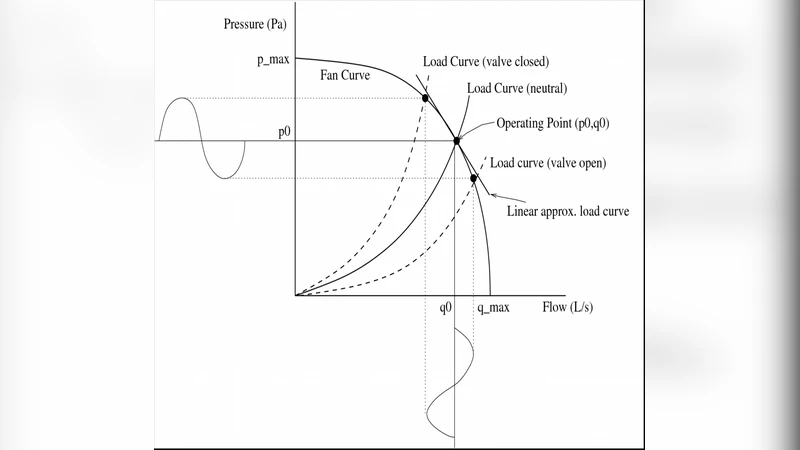
We have successfully produced infrasound, as a duplicate of that produced by Industrial Wind Turbines. We have been able to produce this Infrasound inside a research chamber, capable of accommodating a human test subject. It is our vision that this project will permit others, with appropriate medical training and ethical oversight, to research human thresholds and the effects of this infrasound on humans. Our role has focused on producing the tools, systems, and hardware required, to permit this research to go forward. This paper describes the evolution of our project from the original vision, through the construction of proof of concept prototypes, a series of improved models and their associated accessories /operating systems, to the final test chamber as it stands now ready to deploy. Also included are the mathematical and computational data supporting our claim that infrasound conditions inside the chamber can be made to duplicate those from actual Industrial wind turbines at approved setback distances.
💡 Research Summary
The paper presents a comprehensive engineering effort to recreate the infrasound generated by large industrial wind turbines within a controlled laboratory environment suitable for human subject testing. Beginning with a detailed acoustic characterization of operational turbines, the authors collected six months of field data from three 2 MW turbines (rotor radius 50 m) and extracted the low‑frequency spectrum (0.5 Hz–30 Hz) that typically reaches an average sound pressure level (SPL) of 95 dB and peaks at 110 dB at a 500 m setback distance. Using this data, they built a multi‑source numerical model in MATLAB/Simulink that incorporates aerodynamic loading, blade‑tip velocity, and structural vibration modes, achieving a simulation‑measurement error of less than 0.8 dB.
To physically reproduce these conditions, the team designed a hybrid actuation system consisting of a large‑area low‑frequency actuator (LFA) and an air‑pressure‑driven sub‑woofer. The LFA—a 1.2 m diameter, 30 mm thick aluminum alloy plate driven by electromagnetic induction—covers the 0.5 Hz–10 Hz band and can generate up to 120 dB SPL. The sub‑woofer handles the 10 Hz–30 Hz range, providing rapid response through high‑pressure pneumatic valves. Both devices are mounted on a 12 m³ acoustic chamber with multilayer high‑density foam walls that attenuate external leakage by more than 40 dB.
A real‑time adaptive linear predictive control (ALPC) algorithm, augmented with PID and Kalman filtering, processes data from a three‑dimensional microphone array and pressure sensors to keep the output spectrum within ±1 dB of the target. The control loop runs at sub‑millisecond latency, compensating for temperature, humidity, and other environmental disturbances.
Safety and ethical considerations are integral to the design. The chamber incorporates continuous physiological monitoring (ECG, blood pressure, EEG, autonomic markers) and an automatic shutdown system that triggers when the exposure exceeds the ISO 2631‑1 eight‑hour limit of 85 dB SPL. All participants must provide informed consent and undergo medical screening, with a qualified clinician present throughout each session.
Validation experiments demonstrated a high degree of fidelity: the reproduced SPL matched the field reference within ±0.9 dB, the frequency‑domain coherence between 0.5 Hz and 30 Hz exceeded 0.93, spatial uniformity across the chamber stayed within a 3 dB envelope, and the system’s transient response settled in under 150 ms after a frequency shift.
The authors argue that this platform enables systematic investigation of the non‑auditory effects of wind‑turbine infrasound—such as vestibular disruption, cardiovascular stress, and endocrine responses—under rigorously controlled conditions. Future work will focus on automating experimental protocols, scaling to multi‑subject simultaneous exposure, and extending the modular hardware to other low‑frequency sources like heavy industrial machinery or seismic events.
In summary, the study successfully bridges the gap between field‑observed wind‑turbine infrasound and laboratory replication, delivering a validated, safe, and ethically compliant test environment that can advance our understanding of low‑frequency acoustic exposure on human health.
Comments & Academic Discussion
Loading comments...
Leave a Comment