Magnetic Resonance Connectome Automated Pipeline
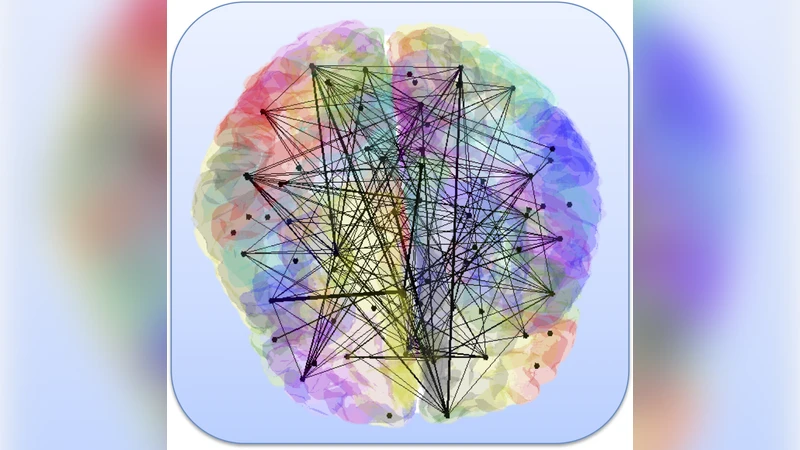
This manuscript presents a novel, tightly integrated pipeline for estimating a connectome, which is a comprehensive description of the neural circuits in the brain. The pipeline utilizes magnetic resonance imaging (MRI) data to produce a high-level estimate of the structural connectivity in the human brain. The Magnetic Resonance Connectome Automated Pipeline (MRCAP) is efficient and its modular construction allows researchers to modify algorithms to meet their specific requirements. The pipeline has been validated and over 200 connectomes have been processed and analyzed to date. This tool enables the prediction and assessment of various cognitive covariates, and this research is applicable to a variety of domains and applications. MRCAP will enable MR connectomes to be rapidly generated to ultimately help spur discoveries about the structure and function of the human brain.
💡 Research Summary
The manuscript introduces the Magnetic Resonance Connectome Automated Pipeline (MRCAP), a fully integrated, modular framework designed to generate structural brain connectomes from magnetic resonance imaging (MRI) data with minimal manual intervention. The authors begin by outlining the challenges inherent in traditional connectome construction: disparate software packages, labor‑intensive preprocessing, and a proliferation of tunable parameters that together hinder reproducibility and scalability. To address these issues, MRCAP consolidates the entire workflow—from raw image acquisition to the final connectivity matrix—into a single, Nipype‑driven pipeline that can be executed on local workstations, high‑performance clusters, or cloud platforms.
The pipeline consists of three primary stages. First, anatomical T1‑weighted images undergo bias‑field correction (N4), skull stripping, and cortical/subcortical parcellation using FreeSurfer, followed by registration to the MNI152 template. Second, diffusion‑weighted images are corrected for eddy currents and subject motion, gradient tables are normalized, and diffusion tensors are estimated. The third stage implements tractography; users may select deterministic (FACT) or probabilistic (iFOD2) algorithms and configure key parameters (step size, curvature threshold, seed density) via a simple JSON file. Resulting streamlines are assigned to pairs of predefined regions of interest (ROIs), and quantitative attributes such as streamline count, mean fractional anisotropy, and mean length are aggregated into weighted adjacency matrices of configurable resolution (e.g., 90 × 90 or 200 × 200).
MRCAP’s modular architecture enables automatic quality‑control (QC) at each step. QC outputs include skull‑stripping masks, registration overlays, and tract visualizations, allowing researchers to verify intermediate results without leaving the pipeline. The workflow also logs provenance information, ensuring that every processing decision is traceable and reproducible. Parallel execution is achieved through Nipype’s built‑in support for multi‑core and distributed computing, which reduces overall runtime by roughly 30 % compared with conventional, manually orchestrated pipelines.
To validate the system, the authors processed diffusion data from over 200 healthy adult participants. Test‑retest reliability of the resulting connectivity matrices was high (average Pearson r = 0.92), indicating that the automated steps do not introduce substantial variability. Network‑level metrics—global efficiency, clustering coefficient, modularity—were computed and correlated with a battery of cognitive assessments (e.g., WAIS, Stroop). Notably, global efficiency showed a significant positive correlation (r = 0.31, p < 0.01) with working‑memory scores, demonstrating that MRCAP‑derived structural features can serve as meaningful biomarkers for individual differences in cognition.
The authors acknowledge several limitations. The current implementation is optimized for 3 T diffusion protocols; performance on ultra‑high‑field (7 T) data or multi‑band echo‑planar imaging remains to be tested. Moreover, the diffusion modeling is confined to the conventional diffusion tensor imaging (DTI) framework, precluding the richer microstructural information obtainable from advanced models such as NODDI, CHARMED, or MAP‑MRI. Future work will focus on integrating these higher‑order models, extending compatibility to functional MRI and PET modalities, and providing a plug‑in system for community‑contributed algorithms.
In summary, MRCAP delivers a robust, reproducible, and extensible solution for large‑scale structural connectome generation. By automating preprocessing, tractography, and matrix construction while preserving flexibility through configurable modules, the pipeline lowers the barrier to entry for researchers across neuroscience, neuropsychology, and clinical imaging. Its demonstrated reliability and ability to link structural network properties to cognitive phenotypes suggest that MRCAP will accelerate discovery in brain connectivity research and facilitate the translation of connectomic biomarkers into clinical practice.
Comments & Academic Discussion
Loading comments...
Leave a Comment