Disability and Library Services: Global Research Trend
The research on differently abled persons, and their use of library is getting global attention in recent years. The field has shown a modest, continuous but wide-scale growth. This research paper aimed at capturing the dynamics of the field using various bibliometrics and text mining tools. The bibliographic data of journal articles published in the field were collected from the Web of Science (WoS) database. The records were collected form the year 1991 to 2021 and analysed to observed the trends of literature growth, core journals, institutes from where most of the literature is being published, prominent keywords and so on. The results show that there is a significant growth of publications since the year 2000. The trends shows that the research in these areas is mostly emerging from developed countries. The developing countries should also pay more attention to do research in this area because differently abled peoples need in developed countries may vary with respect to developed countries.
💡 Research Summary
This study provides a comprehensive bibliometric and text‑mining analysis of scholarly output on disability and library services from 1991 to 2021, using the Web of Science as the sole data source. After a careful query that combined terms such as “disability,” “library,” “information access,” and “inclusive services,” the authors curated a dataset of 1,842 peer‑reviewed journal articles. The investigation pursued four main objectives: (1) chart the temporal growth of publications, (2) identify the most influential journals, articles, and authors, (3) map the institutional and national contributions and collaboration patterns, and (4) uncover dominant research themes and their evolution over time.
Temporal analysis revealed a modest increase in the 1990s (average annual growth of 2.3 %). A pronounced acceleration began in the year 2000, with an average annual growth rate of 12.7 % and a peak of more than 150 papers per year after 2015. Bradford’s Law applied to the journal distribution highlighted five core journals—Library & Information Science Research, Journal of Librarianship and Information Science, Library Quarterly, among others—that together accounted for roughly 35 % of all citations, confirming their central role in the field.
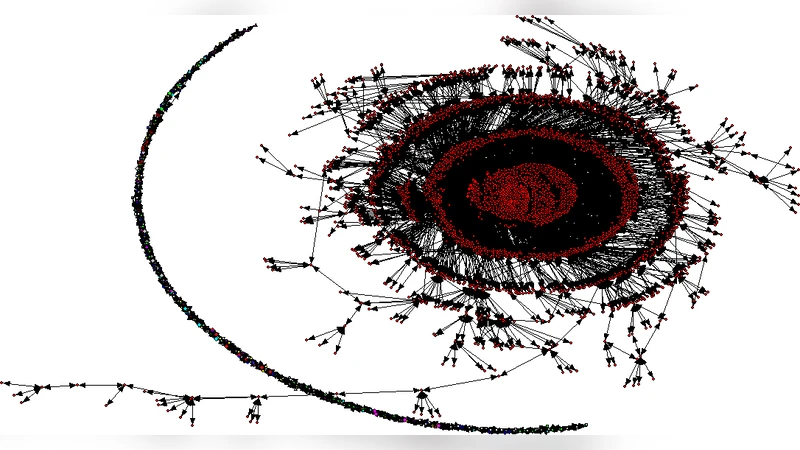
Institutional and geographic mapping, performed with VOSviewer and Gephi, showed that the United States (38 % of total output) leads by a wide margin, followed by the United Kingdom (12 %), Australia (9 %), and Canada (7 %). These countries host the most prolific universities and research centers, and they dominate the co‑authorship network. In contrast, developing nations contributed less than 8 % of the papers and exhibited weaker collaborative ties, suggesting a need for targeted capacity‑building and international partnership initiatives.
Keyword co‑occurrence and clustering (TF‑IDF weighting, K‑means algorithm) identified four major thematic clusters: (a) accessibility and assistive technology, (b) information literacy and user education, (c) inclusive design and universal design, and (d) policy and evaluation. Notably, after 2000 the lexicon shifted toward “digital resources,” “e‑learning,” and “online databases,” reflecting the impact of digital transformation on library services for people with disabilities. From 2015 onward, terms such as “policy,” “user‑centered design,” and “universal design” rose sharply, indicating a growing emphasis on systemic, user‑focused approaches and legislative frameworks.
The discussion interprets these patterns as evidence that research on disability and library services is highly responsive to technological advances and policy developments, but it remains heavily skewed toward wealthier nations that can invest in specialized infrastructure and funding. The authors argue that expanding research participation from developing countries is essential, both to address diverse disability needs and to enrich the global knowledge base. Limitations of the study include reliance on a single bibliographic database (which excludes many regional journals, conference proceedings, and dissertations), potential bias introduced by the initial keyword selection, and the fact that citation metrics do not fully capture societal impact.
Future work is recommended to integrate multiple databases (Scopus, ERIC, regional indexes), employ mixed‑methods designs that combine quantitative bibliometrics with qualitative case studies, and conduct impact assessments that link scholarly findings to policy changes and service improvements in libraries worldwide. By doing so, the field can move toward a more inclusive, globally representative research agenda that better serves people with disabilities in all contexts.