Using Eye Tracker To Evaluate Cockpit Design -- A Flight Simulation Study
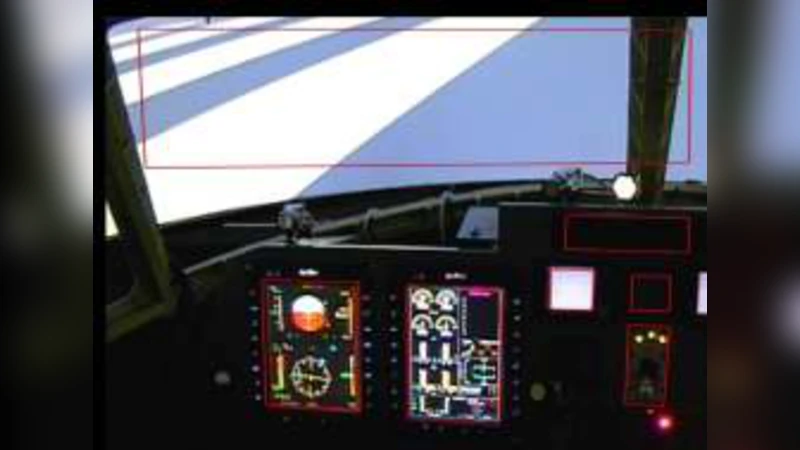
This paper investigates applications of eye tracking in transport aircraft design evaluations. Piloted simulations were conducted for a complete flight profile including take off, cruise and landing flight scenario using the transport aircraft flight simulator at CSIR National Aerospace Laboratories. Thirty-one simulation experiments were carried out with three pilots and engineers while recording the ocular parameters and the flight data. Simulations were repeated for high workload conditions like flying with degraded visibility and during stall. Pilots visual scan behaviour and workload levels were analysed using ocular parameters; while comparing with the statistical deviations from the desired flight path. Conditions for fatigue were also recreated through long duration simulations and signatures for the same from the ocular parameters were assessed. Results from the study found correlation between the statistical inferences obtained from the ocular parameters with those obtained from the flight path deviations. The paper also demonstrates an evaluators console that assists the designers or evaluators for better understanding of pilots attentional resource allocation.
💡 Research Summary
The paper presents a comprehensive investigation into the use of eye‑tracking technology for evaluating transport‑aircraft cockpit design. Using the flight simulator at CSIR National Aerospace Laboratories, the authors conducted 31 simulated flight experiments that covered the full flight profile—take‑off, cruise, and landing. Three professional pilots and two aerospace engineers participated, and each flight was performed under a variety of workload conditions, including degraded visibility, simulated stalls, and engine‑failure scenarios. In addition, long‑duration runs of more than two hours were used to recreate fatigue, allowing the researchers to capture both ocular metrics (fixation duration, saccade frequency, pupil diameter) and conventional flight performance data (altitude deviation, speed error, control inputs).
Data processing began with high‑frequency (250 Hz) eye‑tracker recordings, from which fixations and saccades were identified and mapped onto specific cockpit instrument zones. Pupil diameter was treated as a proxy for mental workload and fatigue, while fixation duration served as an indicator of visual attention allocation. Multivariate regression analysis revealed strong, statistically significant relationships: shorter fixation durations (i.e., more frequent gaze shifts) correlated with larger deviations from the intended flight path (p < 0.01), and increased pupil diameter was positively linked to altitude‑hold and speed‑hold errors (correlation coefficient r ≈ 0.62). Under high‑workload conditions pilots tended to divert gaze from central flight‑instrument clusters toward peripheral warning lights, reducing the time spent on critical information. During fatigue simulations the gaze pattern broadened, fixation durations fell, and the pupil dilated, all of which coincided with measurable performance degradation.
A key contribution of the study is the development of an evaluator console that visualizes real‑time heat‑maps of gaze distribution, histograms of fixation duration, and time‑series plots of pupil size. This interface enables designers to see at a glance how a particular instrument layout influences pilot attention, facilitating data‑driven redesign of cockpit ergonomics.
The authors acknowledge limitations, notably the modest sample size and the inherent differences between simulator and real‑world flight environments. Calibration drift and the physical presence of the eye‑tracker may also affect data quality. Future work is planned to expand the participant pool, incorporate a broader set of flight scenarios, and validate the findings against in‑flight eye‑tracking data.
In conclusion, the research demonstrates that ocular metrics can serve as reliable, real‑time indicators of pilot workload and fatigue, and that these metrics correlate tightly with conventional flight‑performance measures. By integrating eye‑tracking into the cockpit design evaluation workflow, engineers can objectively assess and optimise visual‑attention allocation, ultimately improving safety and reducing pilot strain in transport aircraft operations.