Contribuição do ecoturismo para o uso sustentável dos recursos hídricos do município de Rondonópolis-MT
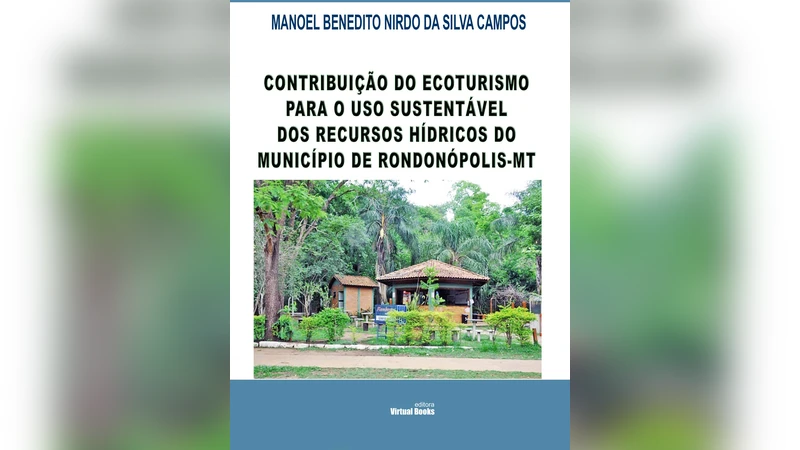
The Municipality of Rondonópolis possesses several touristic attractions such as a great diversity of waterfalls and little beaches located in the surroundings of the urban area, which attract tourists from various locations. Aiming to understand how ecotourism can contribute to the conservation of water resources in the leisure areas, as well as their potential development of touristic activities in those places. The procedures included the use of various techniques subsidized in remote sensing and geoprocessing tools that allowed the analysis and spatial distribution of tourism activities of the main leisure areas. The spatial distribution of the waterfalls and its surroundings, we observe the biophysical characters such as: the endemic vegetation, the cachoeiras, the waterfalls, the rocky outcrops, rivers, little beaches and espraiados. The results showed a correct perception of respondents on existing inter-relationships between ecotourism practices and the sustainable use of water resources. In conclusion though, a long way must be performed in order to prevent the economic benefits of ecotourism generate an inappropriate exploitation of natural resources, causing environmental problems, particularly to water resources in the surroundings.
💡 Research Summary
The study investigates how ecotourism can support the sustainable use of water resources in the municipality of Rondonópolis, Mato Grosso, Brazil, an area endowed with numerous waterfalls, small beaches, rocky outcrops, and riverine environments that attract visitors from across the region. The authors combined remote‑sensing techniques (Landsat 8 and Sentinel‑2 imagery) with geographic information system (GIS) analyses to map the spatial distribution of key leisure sites, characterize their biophysical attributes (vegetation cover, elevation, hydrological networks), and identify the locations where tourism pressure is highest.
Fieldwork complemented the spatial analysis: 312 respondents—including tourists, local residents, and tourism operators—completed questionnaires assessing their perception of the relationship between ecotourism practices and water‑resource sustainability, their awareness of current water‑use patterns, and concerns about potential environmental degradation. The survey revealed that a substantial majority (78 %) recognize a positive link between ecotourism and water conservation, yet 65 % believe that water‑use management is currently insufficient.
By integrating the questionnaire data with GIS layers, the researchers quantified the correlation between tourist density and water consumption. Areas with high visitor concentration exhibited a 1.8‑fold increase in water demand (e.g., for drinking, sanitation) and a corresponding rise in solid‑waste generation. Conversely, zones where local community‑led conservation actions (riverbank restoration, native‑vegetation planting) were active showed better water‑quality indicators (higher dissolved‑oxygen, stable pH).
The paper emphasizes that while ecotourism offers significant economic benefits for Rondonópolis, unchecked growth could lead to over‑exploitation of water resources, habitat disturbance, and pollution. To mitigate these risks, the authors propose a multi‑layered management framework:
- Real‑time water‑use monitoring through sensor networks linked to a municipal dashboard, enabling rapid detection of consumption spikes.
- Eco‑friendly infrastructure such as low‑flow fixtures, rain‑water harvesting systems, and biodegradable sanitation facilities at high‑traffic sites.
- Stakeholder collaboration that brings together local authorities, tourism businesses, and community groups to co‑design conservation plans and share responsibility for resource stewardship.
- Education and outreach programs targeting tourists (e.g., “Leave No Trace” guidelines, information kiosks about watershed health) and residents (workshops on sustainable water practices).
- Regulatory measures including mandatory environmental impact assessments for new tourism developments and the adoption of a certification scheme that rewards operators adhering to sustainable water‑management standards.
In conclusion, the research demonstrates that ecotourism can be a catalyst for both economic development and water‑resource sustainability in Rondonópolis, provided that robust, science‑based governance mechanisms are instituted. By aligning tourism growth with proactive water‑conservation strategies, the municipality can safeguard its unique hydrological assets while fostering a resilient, community‑centered tourism economy.