QUALINET White Paper on Definitions of Immersive Media Experience (IMEx)
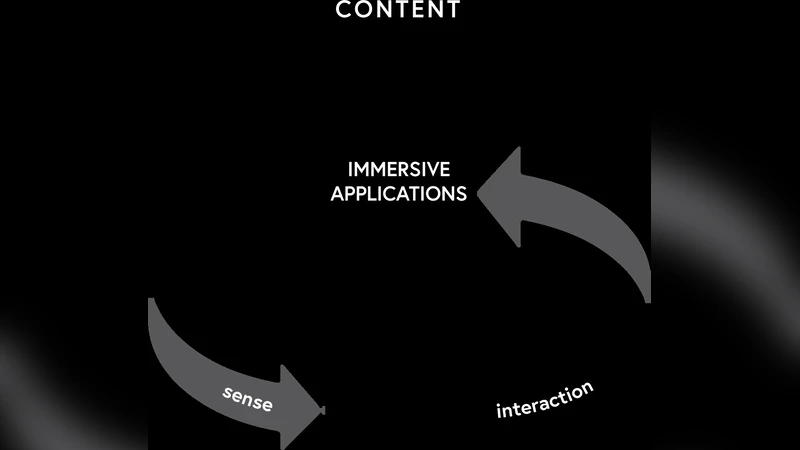
With the coming of age of virtual/augmented reality and interactive media, numerous definitions, frameworks, and models of immersion have emerged across different fields ranging from computer graphics to literary works. Immersion is oftentimes used interchangeably with presence as both concepts are closely related. However, there are noticeable interdisciplinary differences regarding definitions, scope, and constituents that are required to be addressed so that a coherent understanding of the concepts can be achieved. Such consensus is vital for paving the directionality of the future of immersive media experiences (IMEx) and all related matters. The aim of this white paper is to provide a survey of definitions of immersion and presence which leads to a definition of immersive media experience (IMEx). The Quality of Experience (QoE) for immersive media is described by establishing a relationship between the concepts of QoE and IMEx followed by application areas of immersive media experience. Influencing factors on immersive media experience are elaborated as well as the assessment of immersive media experience. Finally, standardization activities related to IMEx are highlighted and the white paper is concluded with an outlook related to future developments.
💡 Research Summary
The QUALINET white paper tackles the fragmented landscape of immersion and presence definitions that have emerged alongside the rapid growth of virtual, augmented, and interactive media. It begins by cataloguing discipline‑specific meanings: computer graphics focuses on display resolution, field‑of‑view and frame‑rate; cognitive psychology emphasizes attention, sensory integration and schema transfer; literary studies stress narrative and emotional involvement; telecommunications highlights latency and bandwidth. Presence, in contrast, is framed as the subjective feeling of “being there” in a virtual space, rooted in spatial continuity, self‑location and social co‑presence. Recognising that immersion and presence are complementary—one leaning toward technical‑sensory factors, the other toward cognitive‑affective acceptance—the authors synthesize them into a unified construct called Immersive Media Experience (IMEx). IMEx is defined as the overall Quality of Experience (QoE) that arises when both immersion and presence are simultaneously achieved.
A multi‑layer QoE model is proposed. The lowest layer aggregates physical attributes such as display brightness, tracking accuracy, and network delay. The middle layer captures interaction design, storytelling, user expectations, and cultural background. The top layer reflects holistic outcomes: satisfaction, duration of engagement, and intention to reuse. This hierarchical structure clarifies how improvements in any layer can propagate upward, enabling quantitative assessment of trade‑offs.
Application domains are mapped to four major sectors: entertainment (high‑fidelity VR games, 360° video, metaverse social platforms), education and training (simulation‑based labs, virtual classrooms, occupational skill rehearsal), healthcare (rehabilitation, mental‑health therapy, surgical simulation), and industry (design verification, remote collaboration, digital twins). Each sector demands distinct immersion depths and QoE metrics, underscoring the need for tailored measurement frameworks.
Influencing factors are grouped into hardware performance, network conditions, content design, user characteristics (age, culture, prior experience), and environmental context (lighting, ambient noise). The paper highlights the “expectation‑reality gap” as a pivotal moderator: users with high prior expectations may report lower presence even with superior hardware, suggesting that psychological calibration is as critical as technical optimization.
For assessment, a multimodal methodology is advocated. Subjective questionnaires (e.g., SSQ, SUS, Presence Questionnaire) are combined with physiological signals (EEG, heart‑rate variability, skin conductance) and behavioral logs (eye‑tracking, motion trajectories, interaction frequency). The integration of qualitative interviews with quantitative data is recommended to uncover deeper causal mechanisms behind IMEx.
Standardisation efforts are reviewed, noting existing ISO/IEC 23005 (multimedia framework), ITU‑T V.191 (VR QoE), and MPEG‑V specifications, while pointing out the absence of dedicated IMEx metrics for interaction latency, haptic feedback, and subjective presence. The authors call for an international consensus on measurement protocols and benchmark datasets.
Finally, the outlook envisions AI‑driven adaptive content, seamless metaverse integration, multi‑user collaborative spaces, and robust ethical, privacy, and security frameworks. The paper concludes that IMEx will shape not only technological trajectories but also cultural and societal practices, and that interdisciplinary collaboration, standardisation, and user‑centred research are essential to realise its full potential.