Care Robots with Sexual Assistance Functions
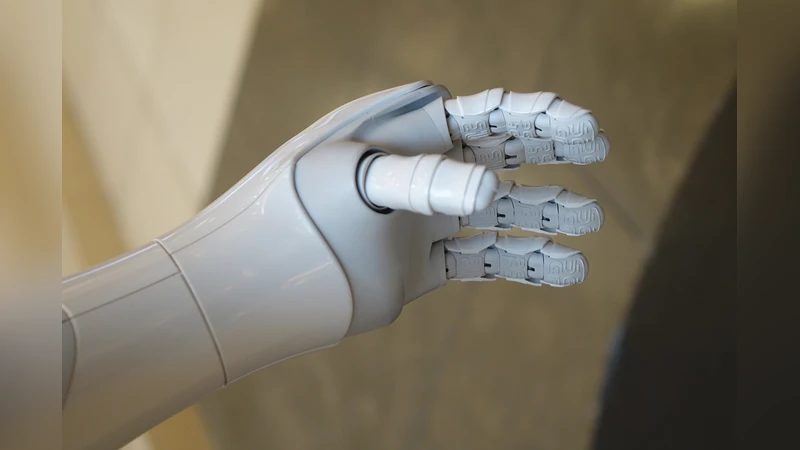
Residents in retirement and nursing homes have sexual needs just like other people. However, the semi-public situation makes it difficult for them to satisfy these existential concerns. In addition, they may not be able to meet a suitable partner or find it difficult to have a relationship for mental or physical reasons. People who live or are cared for at home can also be affected by this problem. Perhaps they can host someone more easily and discreetly than the residents of a health facility, but some elderly and disabled people may be restricted in some ways. This article examines the opportunities and risks that arise with regard to care robots with sexual assistance functions. First of all, it deals with sexual well-being. Then it presents robotic systems ranging from sex robots to care robots. Finally, the focus is on care robots, with the author exploring technical and design issues. A brief ethical discussion completes the article. The result is that care robots with sexual assistance functions could be an enrichment of the everyday life of people in need of care, but that we also have to consider some technical, design and moral aspects.
💡 Research Summary
The paper investigates the emerging concept of care robots equipped with sexual assistance functions, focusing on elderly and disabled individuals living in retirement homes, nursing facilities, or private residences. It begins by establishing sexual health as a component of overall well‑being and, more importantly, as a human right recognized by the WHO, UN, IPPF, and other international bodies. The authors argue that, despite this recognition, older adults and people with disabilities often lack access to sexual expression due to semi‑public living environments, limited mobility, social stigma, and the absence of suitable partners.
The literature review distinguishes two existing categories of robotic devices. “Sex robots” and “love dolls” (e.g., Rooxxy, Rocky, various silicone or thermoplastic elastomer dolls) are designed primarily for adult male consumers, feature limited mobility, and are marketed in private, often controversial contexts such as brothels. Their design is overtly sexual, they lack robust safety certifications for medical settings, and they are not age‑ or disability‑friendly.
In contrast, a wide range of “care robots” already exists in research labs and early commercial deployments. Examples include the nurse‑assistant prototypes Help‑Mate and Pearl, the assistive arm JACO, the multi‑purpose Care‑O‑Bot, the bear‑shaped Robear, the monkey‑themed P‑Care, and socially interactive platforms such as Pepper and Nao. These systems provide functionalities such as object transport, vital‑sign monitoring, natural‑language interaction, emotional display, and limited physical assistance (e.g., two‑armed manipulation). Most are modular, allowing hardware extensions and software upgrades.
The core contribution of the paper is a systematic exploration of how these care‑robot platforms could be repurposed or upgraded to deliver sexual assistance. The authors map the “concern C” (enjoying sexual activities) and three of Owens’ (2015) identified needs—being hugged, sharing a bed, and partnered sex—onto robot capabilities. They propose concrete technical pathways: (1) implementing warm, pressure‑controlled embraces using dual‑arm robots; (2) enabling safe bedside assistance (positioning, transferring) through existing mobility and gripping mechanisms; (3) adding specialized end‑effectors (soft, hygienic grippers) that can hold or manipulate sex toys, or even provide direct stimulation under strict safety constraints. The paper cites the Somnox sleep robot as an example of bio‑feedback‑driven comfort and suggests similar bio‑feedback loops could be used to monitor arousal or stress.
Technical challenges are identified in detail: high‑resolution tactile and pressure sensing, compliant artificial skin, safe force control for intimate contact, real‑time physiological monitoring (heart rate, skin conductance) to adapt robot behavior, and secure, privacy‑preserving data handling (local processing, encryption, minimal logging). Design considerations stress the need for neutral or customizable aesthetics to avoid overt sexualization that could provoke discomfort among staff, relatives, or other residents. The authors recommend modular outer shells, optional clothing, and the ability for users to select gender‑neutral or gender‑specific appearances.
Ethical and legal issues receive a dedicated discussion. The paper emphasizes informed, ongoing consent, safeguards against exploitation of vulnerable adults, compliance with age‑restriction laws, and the necessity of clear institutional policies. It warns of potential stigma, family opposition, and the psychological risk of over‑attachment to a robot, advocating for continuous oversight by healthcare professionals and ethicists. The authors argue that sexual‑assistance robots should be positioned as supplements—not replacements—for human intimacy, and that multidisciplinary collaboration (engineers, clinicians, ethicists, legal scholars) is essential for responsible deployment.
In conclusion, the authors assert that care robots with sexual assistance functions could meaningfully enrich the lives of people in need of care, provided that technical robustness, user‑centered design, stringent privacy safeguards, and comprehensive ethical‑legal frameworks are simultaneously realized. Only under such conditions can societal acceptance be achieved and the promised benefits to sexual well‑being be responsibly delivered.
Comments & Academic Discussion
Loading comments...
Leave a Comment