From Artificial Neural Networks to Deep Learning for Music Generation -- History, Concepts and Trends
📝 Abstract
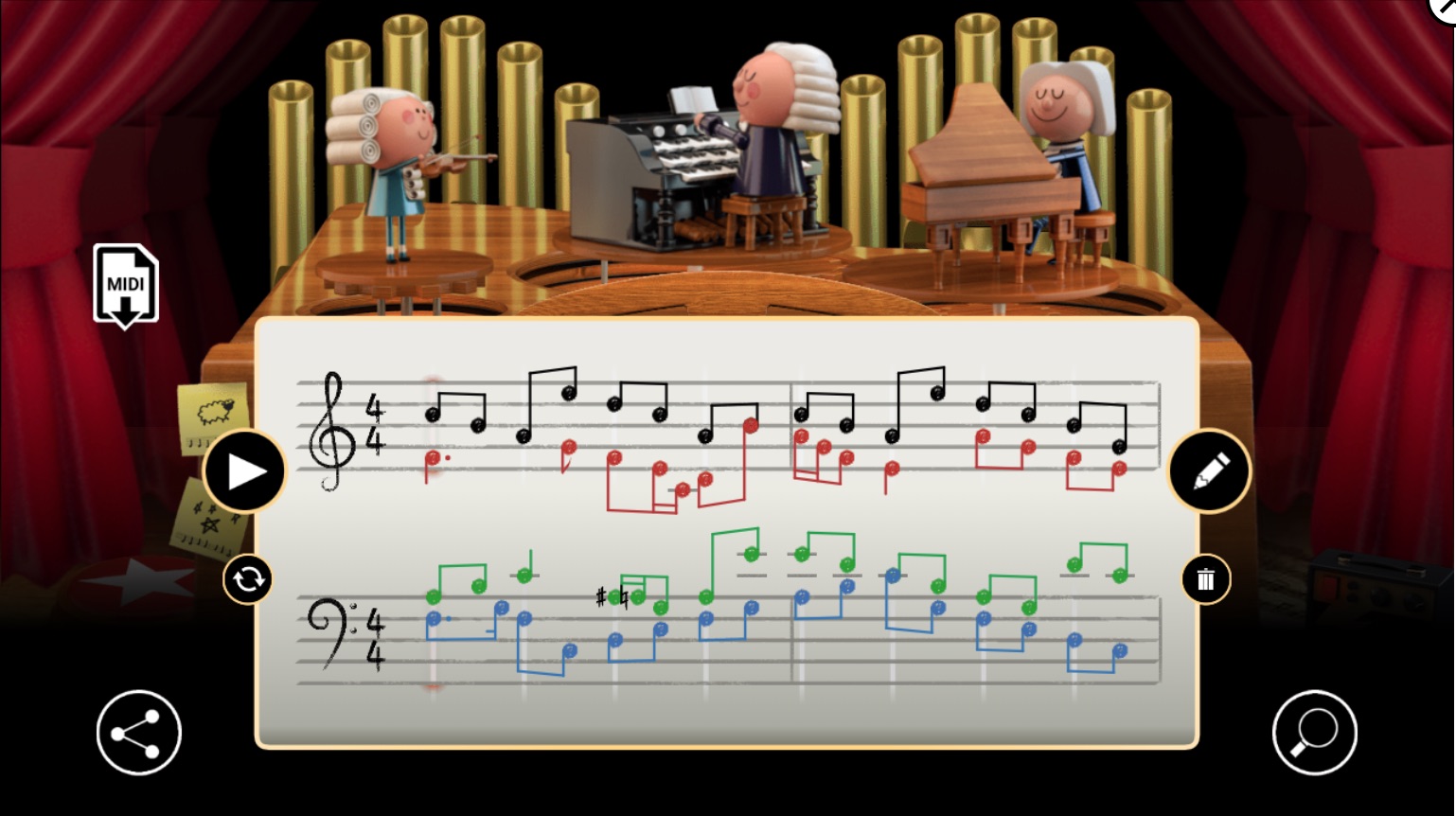
The current wave of deep learning (the hyper-vitamined return of artificial neural networks) applies not only to traditional statistical machine learning tasks: prediction and classification (e.g., for weather prediction and pattern recognition), but has already conquered other areas, such as translation. A growing area of application is the generation of creative content, notably the case of music, the topic of this paper. The motivation is in using the capacity of modern deep learning techniques to automatically learn musical styles from arbitrary musical corpora and then to generate musical samples from the estimated distribution, with some degree of control over the generation. This paper provides a tutorial on music generation based on deep learning techniques. After a short introduction to the topic illustrated by a recent exemple, the paper analyzes some early works from the late 1980s using artificial neural networks for music generation and how their pioneering contributions have prefigured current techniques. Then, we introduce some conceptual framework to analyze the various concepts and dimensions involved. Various examples of recent systems are introduced and analyzed to illustrate the variety of concerns and of techniques.
💡 Analysis
The current wave of deep learning (the hyper-vitamined return of artificial neural networks) applies not only to traditional statistical machine learning tasks: prediction and classification (e.g., for weather prediction and pattern recognition), but has already conquered other areas, such as translation. A growing area of application is the generation of creative content, notably the case of music, the topic of this paper. The motivation is in using the capacity of modern deep learning techniques to automatically learn musical styles from arbitrary musical corpora and then to generate musical samples from the estimated distribution, with some degree of control over the generation. This paper provides a tutorial on music generation based on deep learning techniques. After a short introduction to the topic illustrated by a recent exemple, the paper analyzes some early works from the late 1980s using artificial neural networks for music generation and how their pioneering contributions have prefigured current techniques. Then, we introduce some conceptual framework to analyze the various concepts and dimensions involved. Various examples of recent systems are introduced and analyzed to illustrate the variety of concerns and of techniques.
📄 Content
현재 진행 중인 딥러닝 물결, 즉 인공 신경망이 과다하게 비타민을 맞은 듯 다시 부활한 현상은 전통적인 통계적 머신러닝 작업—예측과 분류—에만 국한되지 않는다. 기상 예측이나 패턴 인식과 같은 전형적인 응용 분야뿐만 아니라, 이미 번역과 같은 언어 처리 영역에서도 그 영향력을 확립했다. 특히 최근에는 창의적 콘텐츠를 생성하는 분야가 급속히 확장되고 있으며, 그 중에서도 음악 생성은 본 논문이 집중하고 있는 핵심 주제이다. 이러한 흐름의 근본적인 동기는 현대 딥러닝 기법이 제공하는 강력한 표현 학습 능력을 활용하여, 임의의 음악 코퍼스에서 음악적 스타일을 자동으로 학습하고, 학습된 확률 분포로부터 새로운 음악 샘플을 생성함과 동시에 생성 과정에 일정 수준의 제어를 가할 수 있는 가능성을 탐구하는 데 있다.
본 논문은 딥러닝 기반 음악 생성에 관한 포괄적인 튜토리얼을 제공한다. 먼저, 최근에 발표된 구체적인 사례를 통해 주제에 대한 직관적인 소개를 진행하고, 이어서 1980년대 후반에 인공 신경망을 이용해 음악을 생성하려는 초기 연구들을 되짚어 본다. 이 초기 작업들은 당시에는 제한된 계산 자원과 단순한 네트워크 구조에도 불구하고, 오늘날 널리 사용되는 모델들의 기본 아이디어를 미리 제시했으며, 그 선구적인 기여는 현재의 기술적 흐름을 예견하는 역할을 했다.
다음으로 우리는 음악 생성에 관련된 다양한 개념과 차원을 체계적으로 분석하기 위한 개념적 프레임워크를 제시한다. 여기에는 데이터 전처리 방식, 모델 아키텍처 선택, 학습 목표 설정, 생성 과정에서의 조건부 제어 메커니즘, 그리고 생성된 음악의 평가 방법 등에 대한 논의가 포함된다. 이러한 프레임워크를 바탕으로 최근에 발표된 여러 시스템들을 사례 연구 형태로 소개하고, 각각이 어떤 문제 의식을 가지고 어떤 기술적 선택을 했는지 상세히 분석한다. 이를 통해 현재 연구 커뮤니티가 직면하고 있는 다양한 관심사—예를 들어 스타일 전이, 즉흥성 부여, 구조적 일관성 유지, 실시간 인터랙션 지원 등—와 이를 해결하기 위해 사용되는 기술—예를 들어 변분 오토인코더, 생성적 적대 신경망, 트랜스포머 기반 모델, 강화 학습 기반 정책 등—의 폭넓은 스펙트럼을 조명한다.
마지막으로, 본 논문은 앞으로의 연구 방향에 대한 전망을 제시한다. 보다 정교한 음악 이론과 인간 청각 인지를 모델에 통합하는 방법, 대규모 멀티모달 데이터와의 연계, 그리고 창작자와의 협업을 지원하는 인터페이스 설계 등이 향후 중요한 과제로 떠오르고 있다. 이러한 논의를 종합함으로써, 독자들이 딥러닝을 활용한 음악 생성 분야의 전반적인 흐름을 이해하고, 자신만의 연구 혹은 실용적인 프로젝트에 적용할 수 있는 기반 지식을 습득하도록 돕는 것이 본 논문의 궁극적인 목표이다.
요약하면, 딥러닝 기술은 기존의 통계적 방법이 제공하지 못했던 고차원적 패턴 인식과 복합적인 구조 학습을 가능하게 함으로써, 음악이라는 복합 예술 형태를 데이터 기반으로 모델링하고 새로운 창작물을 자동으로 생산할 수 있는 새로운 패러다임을 제시한다. 이와 같은 기술적 진보는 음악 이론가, 작곡가, 그리고 인공지능 연구자들 사이의 협업을 촉진하고, 궁극적으로는 인간의 창의성을 보조하거나 확장하는 도구로서의 인공지능의 역할을 재정의한다.