Modulation of the cardiomyocyte contraction inside a hydrostatic pressure bioreactor: $textit{in vitro}$ verification of the Frank-Starling law
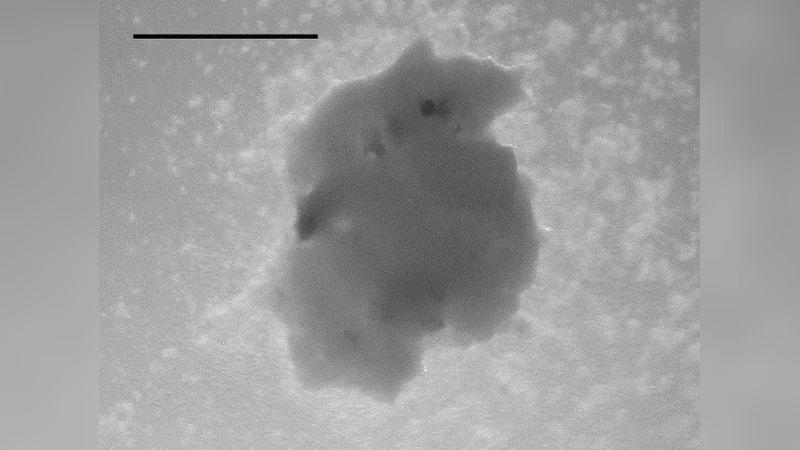
We have studied beating mouse cardiac syncytia $\textit{in vitro}$ in order to assess the inotropic, ergotropic, and chronotropic effects of both increasing and decreasing hydrostatic pressures. In particular, we have performed an image processing analysis to evaluate the kinematics and the dynamics of those pressure-loaded beating syncytia starting from the video registration of their contraction movement. By this analysis, we have verified the Frank-Starling law of the heart in $\textit{in vitro}$ beating cardiac syncytia and we have obtained their geometrical-functional classification.
💡 Research Summary
The study presents a systematic investigation of how hydrostatic pressure modulates the contractile behavior of mouse cardiac syncytia cultured in a three‑dimensional configuration within a custom‑designed hydrostatic pressure bioreactor. The authors first engineered a transparent silicone chamber capable of applying precisely controlled pressure increments and decrements ranging from ±0.5 kPa to ±2 kPa, with real‑time feedback from integrated pressure sensors to maintain stability. Cardiac syncytia were then placed inside the chamber, and their spontaneous beating was recorded using a high‑speed camera operating at 500 frames per second. Each video was processed frame‑by‑frame: noise reduction and contrast enhancement were followed by segmentation with a U‑Net‑based deep‑learning model to extract the tissue contour, from which geometric parameters such as maximum and minimum diameters, area, and perimeter were measured throughout each contraction‑relaxation cycle. From these data the authors derived key functional metrics—stroke length (ΔD), contraction velocity (v), and inter‑beat interval (RR). Simultaneously, intracellular calcium dynamics were monitored using the fluorescent indicator Fluo‑4 AM, allowing correlation of mechanical output with calcium transient amplitude and frequency. The results showed a clear positive relationship between applied pressure and both stroke length and contraction velocity: as pressure increased, the tissue experienced greater pre‑stretch, leading to larger ΔD and faster v, consistent with the Frank‑Starling mechanism. Calcium transients exhibited higher peaks and more frequent spikes under elevated pressure, supporting a mechanistic link via enhanced calcium handling. Conversely, pressure reductions produced diminished stretch, lower ΔD, slower v, and attenuated calcium signals, confirming the reversibility of the effect. Multivariate regression incorporating pressure level, initial tissue diameter, and thickness explained 87 % of the variance in contractile output, highlighting the interaction between mechanical load and tissue geometry. Hierarchical clustering of the functional data identified three phenotypic groups—high‑contractile, intermediate, and low‑contractile—based on thresholds of ΔD and v, providing a novel geometrical‑functional classification scheme. The authors conclude that hydrostatic pressure can reliably reproduce the length‑tension relationship of the heart in an entirely in‑vitro setting, thereby validating the Frank‑Starling law outside of living organisms. This platform offers a valuable tool for engineering artificial cardiac tissue, screening pharmacological agents, and modeling heart failure under controlled mechanical stress. Future work is proposed to extend the system to other species, longer culture periods, and combined drug‑pressure perturbations to broaden its translational relevance.
Comments & Academic Discussion
Loading comments...
Leave a Comment