Relationship between cellular response and behavioral variability in bacterial chemotaxis
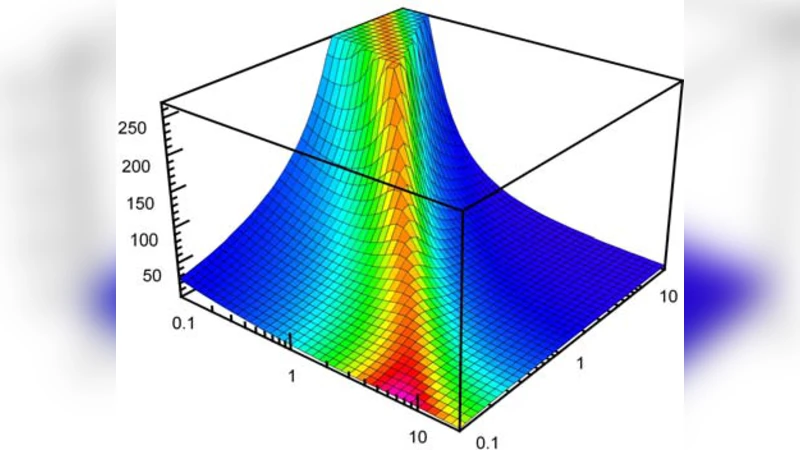
Bacterial chemotaxis in Escherichia coli is a canonical system for the study of signal transduction. A remarkable feature of this system is the coexistence of precise adaptation in population with large fluctuating cellular behavior in single cells (Korobkova et al. 2004, Nature, 428, 574). Using a stochastic model, we found that the large behavioral variability experimentally observed in non-stimulated cells is a direct consequence of the architecture of this adaptive system. Reversible covalent modification cycles, in which methylation and demethylation reactions antagonistically regulate the activity of receptor-kinase complexes, operate outside the region of first-order kinetics. As a result, the receptor-kinase that governs cellular behavior exhibits a sigmoidal activation curve. This curve simultaneously amplifies the inherent stochastic fluctuations in the system and lengthens the relaxation time in response to stimulus. Because stochastic fluctuations cause large behavioral variability and the relaxation time governs the average duration of runs in response to small stimuli, cells with the greatest fluctuating behavior also display the largest chemotactic response. Finally, Large-scale simulations of digital bacteria suggest that the chemotaxis network is tuned to simultaneously optimize the random spread of cells in absence of nutrients and the cellular response to gradients of attractant.
💡 Research Summary
The paper investigates why individual Escherichia coli cells display large fluctuations in their swimming behavior even though the population as a whole adapts precisely to chemical stimuli. Using a stochastic description of the chemotaxis signaling pathway, the authors focus on the reversible covalent modification cycle that controls the activity of the receptor‑kinase complexes (MCP‑CheA). This cycle consists of methylation by CheR and demethylation by phosphorylated CheB, both of which operate in a regime far from first‑order (linear) kinetics and instead follow Michaelis‑Menten‑type saturation. As a consequence, the steady‑state activity of the receptor‑kinase as a function of the input (external attractant concentration) is sigmoidal rather than linear.
A sigmoidal activation curve has two crucial effects. First, it amplifies intrinsic stochastic fluctuations in the modification reactions, because small random changes in the number of methyl groups can push the system across the steep part of the curve, producing large variations in kinase activity. Second, the same steepness lengthens the system’s intrinsic relaxation time (τ): after a perturbation, the return to baseline activity is slower when the operating point lies on the steep portion of the sigmoid. The authors show mathematically that τ and the slope of the activation curve are inversely related, and they confirm this relationship with Gillespie simulations of the full signaling network.
The model predicts that cells exhibiting the greatest behavioral variability—i.e., the widest distribution of run‑and‑tumble intervals in the absence of stimulus—will also have the longest τ and therefore the strongest chemotactic response to small gradients. This prediction matches experimental observations reported by Korobkova et al. (2004), where non‑stimulated cells showed both large run‑time fluctuations and heightened sensitivity to weak attractant gradients.
To explore the population‑level consequences, the authors construct a “digital bacteria” simulation in which thousands of virtual cells move in a two‑dimensional arena. When the methylation/demethylation parameters are tuned to place the operating point on the sigmoid’s steep region, the simulated population spreads more rapidly in a nutrient‑free environment (enhanced random exploration) while simultaneously exhibiting a pronounced drift toward an introduced attractant gradient. If the parameters are shifted away from this region, either random spread diminishes or chemotactic drift weakens, indicating a trade‑off that the real chemotaxis network appears to have resolved optimally.
Overall, the study provides a unified mechanistic explanation for two seemingly paradoxical features of bacterial chemotaxis: (1) large single‑cell behavioral variability in a steady state and (2) precise, robust adaptation at the population level. The key insight is that the architecture of the reversible covalent modification cycle—operating in a non‑linear, saturated regime—creates a built‑in amplifier of molecular noise while also setting the timescale of response. This dual role allows E. coli to maintain a high degree of exploratory randomness when nutrients are absent, yet to react swiftly and strongly when even subtle chemical cues appear. The work has broader implications for understanding how biological signaling networks can harness stochasticity rather than merely suppress it, and it suggests design principles for synthetic circuits that need to balance noise amplification with rapid, sensitive output.
Comments & Academic Discussion
Loading comments...
Leave a Comment