The Determinants For User Intention To Adopt Web Based Early Childhood Supplementary Educational Platform
Education is defined as the fundamental key for the success and development for any given society. Hence, the forming of a strong basic educational foundation is crucial to ensure the children to stay competitive and achieve extraordinary in the changing world. I-zLink Sdn. Bhd. is a partnership company that formed by four individuals with the commitment to develop an early childhood learning solution named i-Future. The system, i-Future is a Supplementary Educational Platform that designs specially for children that fall between the age categories of two to six years which integrate with the latest technology to increase the engagement and flexibility in learning process as well as the effectiveness of study. In order to ensure that the system has a market value, an empirical study was conducted to determine the acceptance level and also the variables that would affect the user’s intention to adopt i-Future. The variables used in the study include Perceived Ease of Use (PEU), Perceived Usefulness (PU), System Quality (SQ) and Social Norm (SN). Through the quantitative study, the relationship between these variables and user’s intention to adopt i-Future was determined. Those variables which have significant impact on user’s intention to adopt i-Future will be used to design i-Future.
💡 Research Summary
The paper investigates the factors influencing Malaysian parents’ intention to adopt i‑Future, a web‑based supplementary educational platform designed for children aged two to six. Recognizing the nation’s declining student outcomes (e.g., lower TIMSS scores and a low OECD ranking) and the importance of early childhood education, the authors propose i‑Future as a technology‑enhanced solution to improve pre‑literacy, cognitive skills, and engagement.
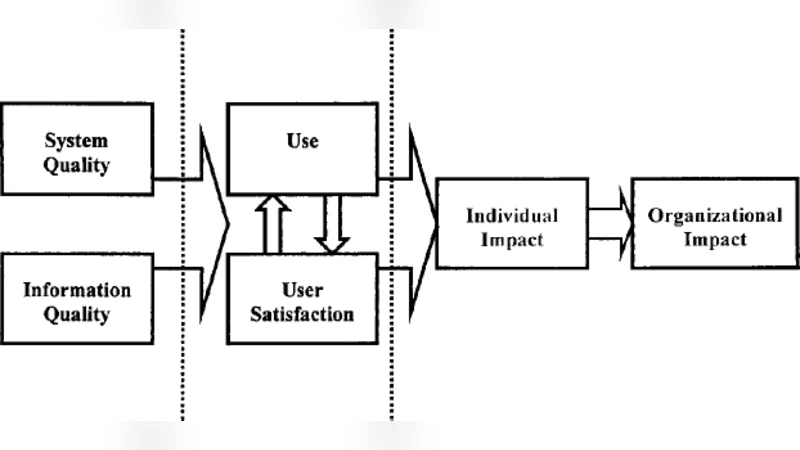
A literature review situates the study within three dominant theoretical frameworks: the Technology Acceptance Model (TAM), which posits Perceived Usefulness (PU) and Perceived Ease of Use (PEU) as primary drivers of behavioral intention; the Theory of Planned Behavior (TPB), which adds Social Norm (SN) as a social influence factor; and the DeLone‑McLean Information Systems Success Model, which contributes System Quality (SQ) as a technical performance indicator. Based on these models, four hypotheses (H1‑H4) are formulated, asserting positive effects of PEU, PU, SQ, and SN on Behavioral Intention (BI) to use i‑Future.
Data were collected via an online questionnaire administered to 104 married adults who have children, the target market for i‑Future. The instrument employed a 7‑point Likert scale (1 = Strongly Disagree, 7 = Strongly Agree) and captured demographic variables, device ownership, and subscription attitudes. Reliability analysis yielded Cronbach’s α values ranging from 0.821 (SN) to 0.898 (BI), confirming strong internal consistency for all constructs. Descriptive statistics showed mean scores above 5.4 for every construct, indicating overall agreement with the platform’s perceived benefits.
Correlation analysis revealed significant positive relationships between each independent variable and BI (r = 0.578–0.679, p < 0.01). Simple linear regressions supported all four hypotheses individually, with R² values between 0.334 and 0.461. However, a multiple regression model including all four predictors demonstrated that PEU (β = 0.276, p < 0.01), PU (β = 0.250, p < 0.01), and SN (β = 0.307, p < 0.01) remained significant, while SQ’s coefficient (β = 0.112) was not statistically significant. The overall model explained 57.6% of the variance in BI (Adjusted R² = 0.559) and passed the Durbin‑Watson test for autocorrelation (1.850).
The discussion interprets these findings as evidence that perceived ease of use, perceived usefulness, and social influence are the primary levers for encouraging early‑childhood educational technology adoption among Malaysian parents. The lack of a direct effect from system quality is attributed to the early‑stage perception of the product; quality may become more salient in long‑term satisfaction and continued use, which were not measured in this cross‑sectional study.
In conclusion, the authors assert that i‑Future has strong market potential, as indicated by positive intention scores. They recommend that the forthcoming beta version prioritize enhancements that improve usability, demonstrable learning benefits, and community endorsement (e.g., testimonials, social media campaigns). Future research should incorporate longitudinal usage data, objective learning outcomes, and deeper exploration of system quality’s role in post‑adoption satisfaction. The study contributes to the limited body of knowledge on early‑childhood e‑learning adoption in developing contexts and offers a practical roadmap for designers and policymakers aiming to elevate the quality of pre‑school education through digital innovation.
Comments & Academic Discussion
Loading comments...
Leave a Comment