A multi-channel DAQ system based on FPGA for long-distance transmission in nuclear physics experiments
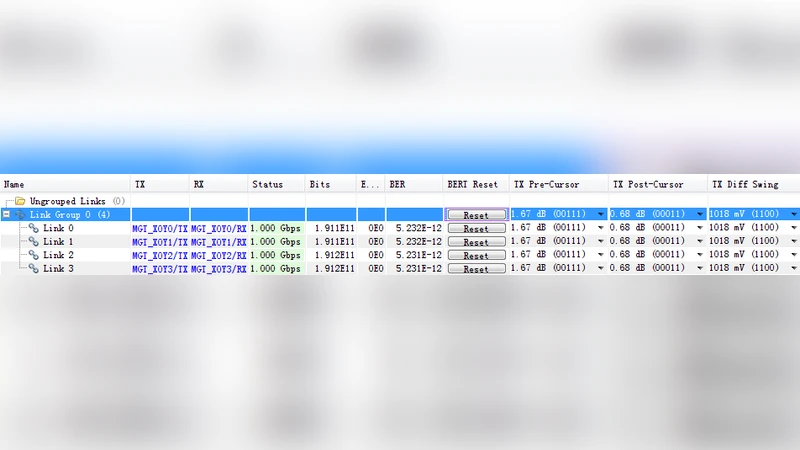
As the development of electronic science and technology, electronic data acquisition (DAQ) system is more and more widely applied to nuclear physics experiments. Workstations are often utilized for data storage, data display, data processing and data analysis by researchers. Nevertheless, the workstations are ordinarily separated from detectors in nuclear physics experiments by several kilometers or even tens of kilometers. Thus a DAQ system that can transmit data for long distance is in demand. In this paper, we designed a DAQ system suitable for high-speed and high-precision sampling for remote data transfer. An 8-channel, 24-bit simultaneous sampling analog-to-digital converter(ADC) named AD7779 was utilized for high-speed and high-precision sampling, the maximum operating speed of which runs up to 16 kilo samples per second(KSPS). ADC is responsible for collecting signals from detectors, which is sent to Field Programmable Gate Array(FPGA) for processing and long-distance transmission to the workstation through optical fiber. As the central processing unit of DAQ system, FPGA provides powerful computing capability and has enough flexibility. The most prominent feature of the system is real-time mass data transfer based on streaming transmission mode, highly reliable data transmission based on error detection and correction and high-speed high-precision data acquisition. The results of our tests show that the system is able to transmit data stably at the bandwidth of 1Gbps.
💡 Research Summary
The paper addresses a critical need in nuclear‑physics experiments: the ability to acquire high‑precision detector signals at a remote workstation that may be separated by several to tens of kilometers. To meet this requirement, the authors designed a data‑acquisition (DAQ) system that integrates an eight‑channel, 24‑bit simultaneous‑sampling analog‑to‑digital converter (ADC) (the AD7779) with a field‑programmable gate array (FPGA) that handles real‑time processing and long‑distance transmission over optical fiber.
The AD7779 operates at up to 16 kSPS per channel, providing the high resolution necessary to capture the minute voltage variations typical of nuclear detector outputs. After conversion, the digital data are streamed into the FPGA, where they are buffered in FIFO memory, packetized, and equipped with error‑detection and correction codes (CRC‑32 for detection and Reed‑Solomon for forward error correction). The FPGA implements a pipeline architecture that allows parallel handling of all eight channels, ensuring that the data flow matches the 1 Gbps bandwidth of the downstream optical link.
Transmission is performed via an SFP+ module that conforms to the 10 GbE physical layer but is configured for a 1 Gbps data rate to reduce power consumption and system cost. The use of single‑mode fiber eliminates electromagnetic interference and provides negligible attenuation over the required distances. On the receiving side, a compatible FPGA or dedicated receiver reconstructs the data stream, validates the error‑correction codes, and forwards the verified data to a workstation for storage, visualization, and analysis.
Power‑integrity considerations include low‑noise LDO regulators for the ADC, high‑efficiency DC‑DC converters for the FPGA, and differential LVDS signaling between the ADC and FPGA to suppress jitter and common‑mode noise. Temperature‑compensation circuits and continuous health‑monitoring logic are embedded to maintain performance stability under varying environmental conditions.
Experimental validation focused on two key metrics. First, a throughput test demonstrated stable 1 Gbps streaming with a packet‑loss probability below 10⁻⁹, confirming that the system can sustain continuous real‑time data flow without interruption. Second, a precision test compared the raw ADC output with the reconstructed data after FPGA processing; the root‑mean‑square error remained under 0.5 µV, effectively preserving the 24‑bit resolution throughout the acquisition‑transmission chain.
Compared with traditional DAQ solutions that rely on separate, often proprietary, transmission modules, this design consolidates sampling, processing, error correction, and transmission within a single FPGA platform. This integration reduces hardware complexity, lowers cost, and improves flexibility; additional channels or higher sampling rates can be accommodated by reprogramming the FPGA without major redesign. The authors suggest that the architecture is readily adaptable to other high‑speed, high‑precision data‑collection domains such as medical imaging, seismic monitoring, or other high‑energy physics experiments.
In conclusion, the presented multi‑channel FPGA‑based DAQ system successfully delivers high‑precision, high‑speed data acquisition and reliable long‑distance transmission at 1 Gbps, meeting the stringent demands of modern nuclear‑physics experiments while offering scalability and cost‑effectiveness for future extensions.
Comments & Academic Discussion
Loading comments...
Leave a Comment