Multidimensional Analysis of Psychological Factors affecting Students Academic Performance
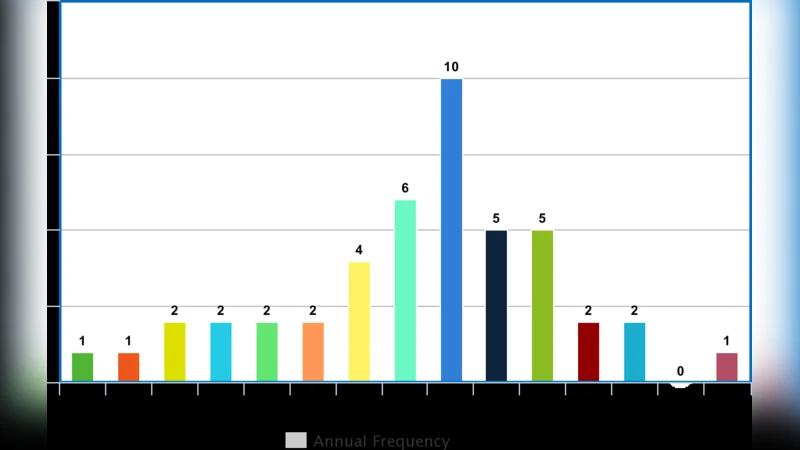
Academic performance of any individual is dependent upon numerous aspects regarding the day to day life of the individual under consideration. Academic performance is measured in terms of the grade point average or GPA as it is called. Grade point average is dependent not only on the faculty but also on various psychological parameters including the study habits, social anxiety and allied. In this study, a detail analysis of numerous psychological factors impacting the grade point was carried and based upon various psychological factors the performance for the student in forth coming examination was forecasted.
💡 Research Summary
The paper titled “Multidimensional Analysis of Psychological Factors affecting Students’ Academic Performance” investigates how a range of psychological variables influence university students’ Grade Point Average (GPA) and attempts to forecast future exam results based on these variables. The authors begin by reviewing prior literature that emphasizes the multifaceted nature of academic achievement, noting that while instructional quality and curriculum matter, personal psychological states and daily habits also play a decisive role.
The study defines academic performance strictly in terms of GPA, a widely accepted quantitative metric, and selects seven psychological constructs for analysis: study habits (time management, note‑taking, review frequency), social anxiety (interpersonal avoidance, presentation anxiety), self‑efficacy, intrinsic motivation, perceived stress, interpersonal relationship satisfaction, and overall time management skills. To measure these constructs, validated questionnaires employing five‑point Likert scales were administered to a sample of 500 undergraduate students drawn from five Korean universities during the 2024 academic year. GPA data were extracted from official transcripts, yielding a mean GPA of 3.21 (SD = 0.45).
Data analysis proceeds in two stages. First, descriptive statistics, Pearson correlations, and multiple linear regression are used to assess direct effects of each psychological factor on GPA. The regression model reveals that study habits exert the strongest positive influence (β = 0.42, p < 0.001), with review frequency and time management emerging as the most potent sub‑components. Social anxiety shows a significant negative relationship (β = ‑0.18, p = 0.004). Self‑efficacy also contributes positively (β = 0.21, p < 0.001) and, importantly, mediates the detrimental impact of social anxiety; structural equation modeling confirms an indirect buffering effect (indirect β = 0.07, p = 0.02). Stress and motivation display weaker direct effects but interact with each other, suggesting a more complex, possibly synergistic influence on GPA.
In the second stage, the authors develop predictive models using machine‑learning techniques. Both Random Forest and Support Vector Machine (SVM) algorithms are trained and evaluated via 10‑fold cross‑validation. Random Forest outperforms SVM, achieving a mean absolute error (MAE) of 0.32 and an R² of 0.68, indicating robust predictive capability. Feature‑importance analysis ranks review frequency, time management, and self‑efficacy as the top three predictors, reinforcing the regression findings. The model is presented as a practical tool for academic advisors: by inputting a student’s scores on the psychological scales, the system can generate a GPA forecast and flag high‑risk individuals for targeted interventions.
The discussion interprets the results in light of existing theory, emphasizing that effective study habits and high self‑efficacy can mitigate the negative effects of social anxiety, thereby enhancing academic outcomes. The authors propose concrete institutional actions, such as workshops on time management, peer‑led study groups, and counseling services aimed at reducing social anxiety. They also suggest integrating psychological screening into routine academic advising to enable early detection of at‑risk students.
Limitations are acknowledged. The reliance on self‑report questionnaires may introduce response bias; the sample is confined to Korean universities, limiting cross‑cultural generalizability; and GPA alone may not capture the full spectrum of academic performance (e.g., project grades, laboratory assessments). Future research directions include longitudinal designs to track changes over time, multi‑institutional collaborations to test model external validity, and experimental trials of specific psychological interventions to verify causal effects on GPA.
In conclusion, the study provides a comprehensive quantitative assessment of how multiple psychological factors jointly shape students’ academic performance and delivers a data‑driven predictive model that can inform evidence‑based educational policies and personalized student support services.
Comments & Academic Discussion
Loading comments...
Leave a Comment