CCP: Conflicts Check Protocol for Bitcoin Block Security
In this work, we present our early stage results on a Conflicts Check Protocol (CCP) that enables preventing potential attacks on bitcoin system. Based on the observation and discovery of a common symptom that many attacks may generate, CCP refines the current bitcoin systems by proposing a novel arbitration mechanism that is capable to determine the approval or abandon of certain transactions involved in confliction. This work examines the security issue of bitcoin from a new perspective, which may extend to a larger scope of attack analysis and prevention
💡 Research Summary
The paper introduces a novel “Conflicts Check Protocol” (CCP) aimed at mitigating a class of attacks on the Bitcoin network that share a common symptom: multiple transactions attempting to spend the same input. Traditional Bitcoin nodes follow a “first‑seen” flood algorithm, automatically approving the earliest transaction and lacking any mechanism to report or resolve later conflicting transactions. This design leaves the system vulnerable to double‑spending, classic forking attacks, and a newly described “custom block attack” where an adversary mines a secret block containing conflicting transactions from any user, not just the attacker, potentially reversing thousands of payments with a single block.
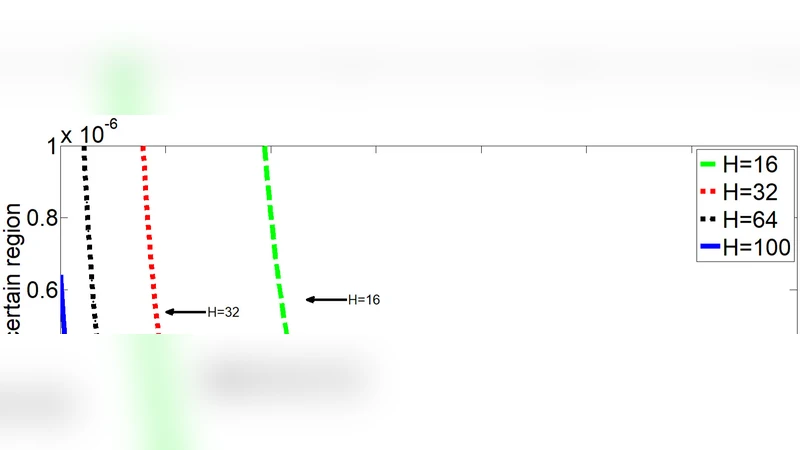
CCP augments the Bitcoin protocol by splitting transaction approval into two stages: tentative approval and final approval. When a node receives a transaction, it tentatively approves it. If another transaction with the same input arrives, the node detects a conflict and forwards it to an arbitrator. The arbitrator selects a fixed subset of connected peers (size H) and initiates a multi‑round voting process. In each round, peers report whether they tentatively approve each conflicting transaction or choose to abandon all of them. The arbitrator compares the vote counts h
Comments & Academic Discussion
Loading comments...
Leave a Comment