Grand Technologies for Grand Energy Challenges: A Futuristic Scenario for Solar Energy in the Age of Information
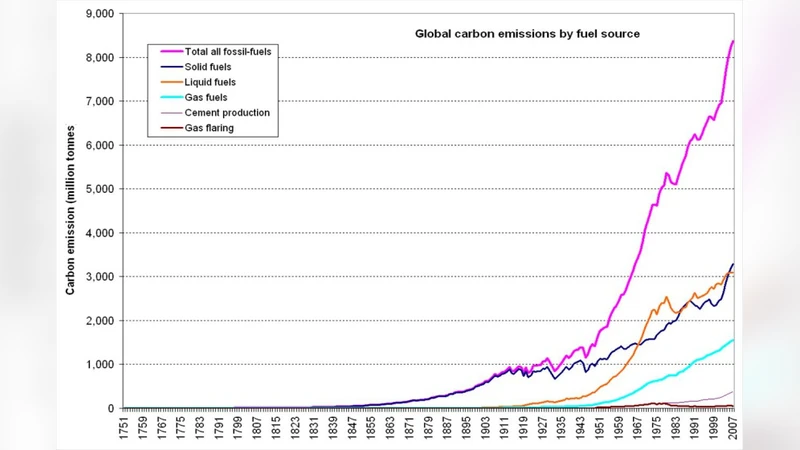
Instead of getting involved in either extremes of dispute around climate change as one of our grand challenges, we opened the space of potential policy responses from a systemic view and showed why current climate change mitigation policies are not successful as planned. Further, as a potential futuristic scenario, neither a projection nor a prediction, that attracts further discussions, we showed how solar based energy systems are different than other current energy systems and how we can conceive of them as grand technologies which dissolve the whole landscape of energy management in the age of information.
💡 Research Summary
The paper begins by critiquing the dominant climate‑mitigation policy framework that relies on top‑down carbon‑budget targets and supply‑side incentives. Using a system‑dynamics model, the authors demonstrate how the feedback loops between target setting, regulatory enforcement, market response, and technological adoption often produce a mismatch that limits actual emissions reductions. They argue that this “goal‑budget” approach is too static to cope with the rapid socio‑technical changes of the 21st century.
In response, the authors propose a new paradigm grounded in the “Age of Information.” They contend that the dramatic cost reductions and latency improvements in information and communication technologies (ICT) enable a fundamental re‑architecturing of the electricity system—from a centralized, hierarchical grid to a decentralized, digital, and autonomous network of micro‑grids. Central to this vision is the reconceptualization of solar photovoltaics (PV) as a “grand technology.” The term captures three distinctive attributes: (1) the near‑infinite, geographically diffuse resource base; (2) the steep decline in module and balance‑of‑system costs; and (3) the intrinsic compatibility of PV installations with sensors, edge computing, and AI‑driven forecasting.
The paper outlines how PV‑enabled smart sensors can stream high‑frequency generation data to a blockchain ledger, creating immutable “energy tokens.” These tokens serve as tradable digital assets that allow households, communities, and enterprises to engage in peer‑to‑peer (P2P) energy transactions without relying on traditional wholesale markets or long‑term power purchase agreements. Smart contracts automatically match supply and demand, settle payments, and enforce grid‑code compliance in real time.
To operationalize this vision, the authors design an “information‑energy convergence infrastructure” composed of five interlocking layers: (a) a high‑resolution meteorological and irradiance forecasting engine that updates PV output predictions every few minutes using satellite, ground‑based, and AI data streams; (b) distributed energy storage (batteries, hydrogen, thermal) coordinated by an optimization algorithm that charges during surplus generation and discharges during deficits; (c) a low‑latency 5G/6G communication backbone that links all nodes for instantaneous data exchange; (d) a blockchain‑based P2P trading platform that records token transfers, ensures transparency, and prevents double‑spending; and (e) a policy‑API layer that lets regulators inject real‑time policy parameters—such as carbon pricing, subsidy rates, or curtailment rules—directly into the market algorithm, thereby dynamically shaping price signals.
The authors argue that this architecture dissolves the traditional separation between energy production, consumption, and market settlement. By embedding digital identity, data provenance, and automated settlement into the physical flow of electricity, the system creates “energy sovereignty” at the local level, allowing communities to become net exporters or importers of clean power on their own terms.
Policy implications are profound. Rather than expanding carbon taxes or renewable portfolio standards, the paper recommends three pillars: (1) guaranteeing open access to high‑quality energy data; (2) directing public investment toward digital grid infrastructure and standard‑setting for smart contracts; and (3) fostering a regulatory sandbox that encourages private‑sector experimentation with tokenized energy markets. These measures aim to lower entry barriers for innovators, accelerate the diffusion of PV‑plus‑ICT solutions, and align economic incentives with real‑time system needs.
In conclusion, the manuscript positions solar PV not merely as a renewable source but as a grand, information‑enabled technology capable of reshaping the entire energy ecosystem. By integrating solar generation with AI forecasting, blockchain‑based tokenization, and decentralized storage, the proposed scenario offers a pathway to overcome the structural shortcomings of current climate policies and to build a resilient, low‑carbon energy future driven by data, autonomy, and market transparency.
Comments & Academic Discussion
Loading comments...
Leave a Comment