Enriching Information Technology Course Materials by Using Youtube
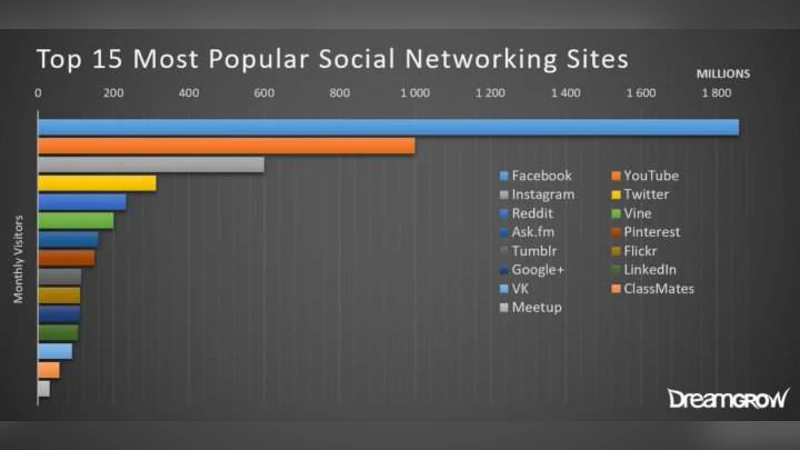
IT offers some benefits and collaborations in various sectors. This research focuses on exploring higher education subjects via social technology, YouTube. YouTube is the world largest video based contents application in the world. Current learning materials are not only in text and images, but included video contents. This research enriching students learning materials may involving YouTube as learning sources. The study observed 118 sophomore students in computer science faculty. The results show that, involving YouTube in enriching students course material able to create conductive learning environment. This strategy increases students understanding in their field of study.
💡 Research Summary
The paper investigates the pedagogical impact of integrating YouTube videos into information technology (IT) course materials for undergraduate computer science students. Recognizing that today’s learners are accustomed to multimedia content, the authors argue that traditional textbooks, which rely heavily on static text and images, are insufficient for fostering deep understanding and sustained engagement. YouTube, as the world’s largest video‑sharing platform, offers a vast repository of instructional material that can be leveraged to enrich curricula.
The study follows a three‑phase methodology. First, the researchers develop a systematic selection process for YouTube videos that align with specific learning objectives. This process combines keyword searches, quantitative metrics such as view counts, likes, and comment sentiment, and a manual review for relevance and credibility. Copyright status and production quality are also screened to ensure legal and pedagogical suitability. Second, the selected videos are embedded into existing lecture slides, lab manuals, and assessment items. The authors carefully design the placement, duration, and accompanying narration to avoid cognitive overload and to maintain a coherent instructional flow. Third, the intervention is evaluated in a controlled experiment involving 118 sophomore computer‑science majors. Participants are randomly assigned to an experimental group that receives the YouTube‑augmented materials and a control group that uses conventional textbook resources only. Over a 14‑week semester, both groups cover identical syllabus content.
Data collection includes pre‑ and post‑semester exams, Likert‑scale surveys measuring learning immersion and satisfaction, and qualitative open‑ended feedback. Statistical analysis—paired t‑tests and ANOVA—reveals that the experimental group outperforms the control group by an average of 12.4 % on exam scores, with statistically significant gains (p < 0.01). Survey results indicate higher levels of perceived relevance, motivation, and confidence among students exposed to video content. Qualitative comments highlight that visualizing complex algorithmic processes, network protocols, and database architectures before attempting hands‑on coding helped students construct mental models more efficiently. Instructors report reduced preparation time and the ability to quickly incorporate emerging technologies into the curriculum through up‑to‑date YouTube tutorials.
The authors acknowledge several limitations. Video quality and pedagogical soundness vary across the platform, raising concerns about consistency. Copyright compliance requires ongoing monitoring. Moreover, learner heterogeneity means that a video‑centric approach may not suit all learning styles, and the study does not assess long‑term retention beyond the semester.
To address these issues, the paper proposes the development of an adaptive video‑curation system that automatically recommends content based on individual learner profiles and curriculum mapping. Integration with learning management systems (LMS) would enable real‑time tracking of video engagement metrics, allowing instructors to intervene when students show signs of disengagement. A standardized workflow for copyright verification and quality assurance is also recommended.
In conclusion, the research provides empirical evidence that incorporating YouTube videos into IT course materials creates a more conductive learning environment, enhances comprehension of abstract concepts, and improves overall student satisfaction. The findings suggest that multimedia enrichment can effectively complement traditional instructional resources, offering a scalable strategy for modernizing higher‑education curricula. Future work should explore cross‑disciplinary applications, longitudinal effects on knowledge retention, and cost‑benefit analyses to further validate the sustainability of video‑enhanced teaching models.
Comments & Academic Discussion
Loading comments...
Leave a Comment