Optimization of Production Protocol of Alkaline Protease by Streptomyces pulvereceus
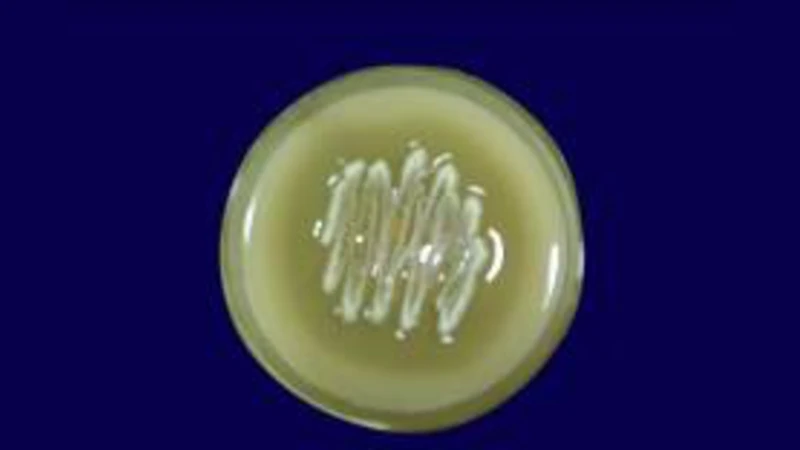
Extra cellular alkaline protease producing species is an isolate from soil which was characterized and identified as Streptomyces pulvereceus MTCC 8374. Studies on submerged fermentation revealed that maximum level of enzyme production was during early stationary phase. Optimum pH, inoculum and temperature were 9.0, 3 percent and 33 C respectively. Among carbon sources 0.3 peccent starch gave a maximum production followed by maltose, xylose and fructose. High yield of protease production was reported with 1.0 percent casein followed by soybean meal, yeast extract and malt extract. Further, it was optimized with 0.5 percent, 1.0 percentand 1.5 percent of NaCl among which 1 percent NaCl resulted in maximum level of protease. The protease profile of the isolate shows its potential as a good source for industrial application.
💡 Research Summary
The study focuses on optimizing the production of an extracellular alkaline protease from a soil‑derived isolate identified as Streptomyces pulvereceus MTCC 8374. After confirming the taxonomic identity through morphological observation and 16S rRNA sequencing, the researchers cultivated the strain in submerged (liquid) fermentation and monitored both growth and enzyme activity over time. They observed that maximal protease accumulation occurs during the early stationary phase of growth, indicating that enzyme synthesis is decoupled from active cell division and peaks when nutrients become limited.
A series of one‑factor‑at‑a‑time experiments were conducted to define the optimal physicochemical and nutritional parameters. pH profiling revealed a clear optimum at pH 9.0, consistent with the alkaline nature of the enzyme. Temperature scans identified 33 °C as the temperature that balances cellular metabolism and enzyme stability, delivering the highest specific activity. An inoculum size of 3 % (v/v) provided the best compromise between rapid colonization and avoidance of excessive cell density that could limit nutrient diffusion.
Carbon source screening demonstrated that 0.3 % (w/v) soluble starch supported the greatest protease yield, outperforming other monosaccharides and disaccharides such as maltose, xylose, and fructose. The superiority of starch likely reflects its gradual hydrolysis, which supplies a steady carbon flux for both growth and secondary metabolite production. Among nitrogen sources, 1 % (w/v) casein was the most effective, delivering the highest protease titres, followed by soybean meal, yeast extract, and malt extract. The high protein content of casein presumably supplies the necessary amino acid precursors directly for protease biosynthesis.
Salt tolerance was examined by adding NaCl at 0.5 %, 1.0 %, and 1.5 % (w/v). The protease activity peaked at 1 % NaCl, suggesting that a moderate ionic strength enhances enzyme stability and possibly influences membrane transport without imposing osmotic stress.
Integrating these findings, the authors propose a set of optimal fermentation conditions: pH 9.0, 33 °C, 3 % inoculum, 0.3 % starch as the primary carbon source, 1 % casein as the nitrogen source, and 1 % NaCl as the optimal salt concentration. Under these parameters, the strain produces a robust alkaline protease during the early stationary phase, exhibiting properties suitable for industrial applications.
The paper discusses the industrial relevance of the enzyme, highlighting its potential use in detergent formulations (where high pH stability is essential), leather processing, textile de‑proteinization, and food processing where controlled protein hydrolysis is required. The authors argue that the relatively simple medium composition and moderate cultivation conditions make scale‑up feasible. They also suggest that further improvements could be achieved through genetic engineering of regulatory pathways or by employing fed‑batch strategies to maintain optimal substrate concentrations.
In conclusion, this work provides a comprehensive, experimentally validated protocol for maximizing alkaline protease production from Streptomyces pulvereceus, positioning the organism as a promising candidate for cost‑effective, large‑scale enzyme manufacturing.
Comments & Academic Discussion
Loading comments...
Leave a Comment