A project-based course about outreach in a physics curriculum
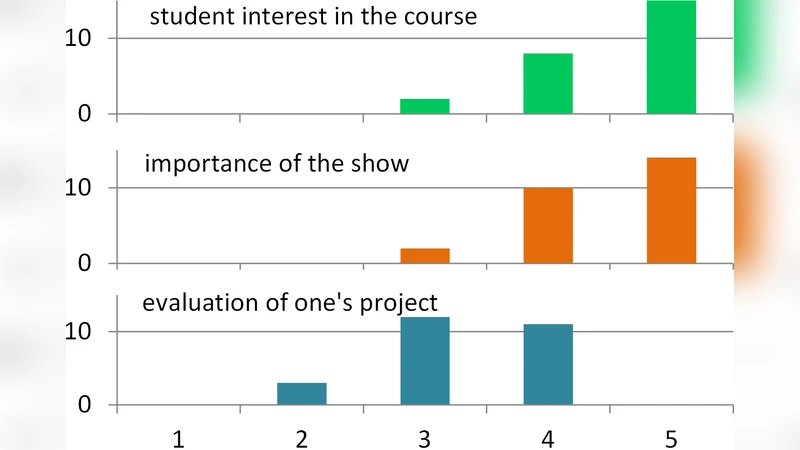
We describe an undergraduate course where physics students are asked to conceive an outreach project of their own. The course alternates between the project conception and teachings about pedagogy and outreach, and ends in a public show. We describe its practical implementation and benefits. Through a student survey and an analysis of their projects, we discuss the merits and flaws of this “learning-by-doing” teaching approach for physics.
💡 Research Summary
The paper reports on the design, implementation, and evaluation of an undergraduate physics course that centers on student‑driven outreach projects. Recognizing the limitations of conventional lecture‑heavy curricula in fostering motivation and real‑world communication skills, the authors introduced a 15‑week, project‑based module that alternates between hands‑on project development and instruction in pedagogy and science communication. Each week consists of two two‑hour sessions: one dedicated to conceptualizing and building an outreach product (using experiments, simulations, visual media, performances, etc.) and another focused on teaching storytelling, visual design, audience analysis, and feedback techniques, delivered jointly by physics and education faculty.
Students form small teams (typically three to four members), select a physics topic of interest, and create a public‑facing artifact that explains the concept to a lay audience. Mid‑semester checkpoints allow teams to present progress and receive mentor feedback. The semester culminates in a public showcase where all teams demonstrate their projects to an audience of peers, faculty, and community members, gathering direct reactions that serve as formative assessment.
Evaluation combines multiple criteria: the technical quality of the physics content, the degree to which educational theory is applied, the effectiveness of the presentation, and peer assessments. Although a rubric was drafted, the authors note residual subjectivity and call for further refinement.
Data were collected through a post‑course survey (response rate >90 %) and a qualitative analysis of the final projects. Survey results indicate high levels of engagement—92 % found the course interesting, 85 % reported increased motivation compared with traditional lectures, and 70 % felt they achieved a deeper understanding of the physics concepts. Moreover, 78 % perceived improvements in teamwork and communication skills. Project analysis revealed a spectrum of outcomes: many teams successfully integrated rigorous physics explanations with creative outreach formats, while some struggled to align their freely chosen topics with the course’s learning objectives, highlighting a tension between autonomy and curricular coherence.
The discussion emphasizes that the “learning‑by‑doing” cycle simultaneously nurtures content mastery and communication competence, preparing students for diverse career paths in research, industry, and education. Identified challenges include limited class time for extensive prototyping, occasional misalignment of project scope with learning goals, and the need for a more objective assessment framework. Proposed enhancements involve clearer project guidelines, tighter alignment of topics with defined learning outcomes, a more detailed rubric, and the inclusion of external expert feedback sessions.
In conclusion, the authors argue that this outreach‑focused, project‑based course offers a viable model for modernizing physics curricula. By embedding communication practice within the physics learning process, the course boosts student motivation, deepens conceptual understanding, and equips graduates with transferable skills. Ongoing refinements and broader adoption could generate substantial positive shifts in undergraduate physics education.
Comments & Academic Discussion
Loading comments...
Leave a Comment