Correlation between amygdala BOLD activity and frontal EEG asymmetry during real-time fMRI neurofeedback training in patients with depression
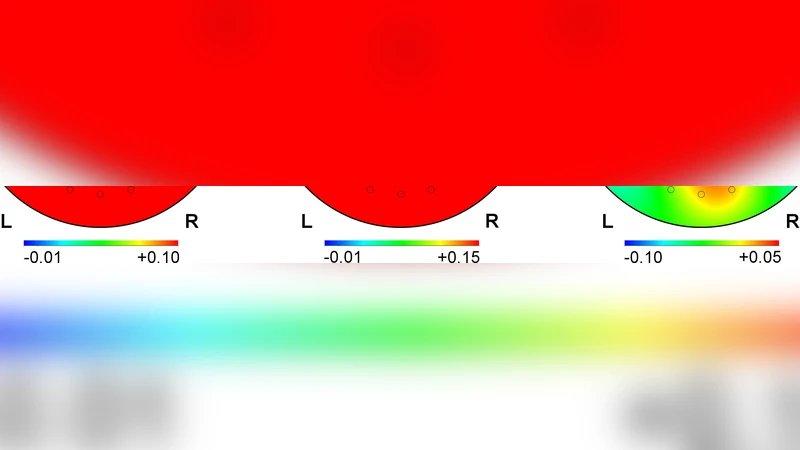
Real-time fMRI neurofeedback (rtfMRI-nf) is an emerging approach for studies and novel treatments of major depressive disorder (MDD). EEG performed simultaneously with an rtfMRI-nf procedure allows an independent evaluation of rtfMRI-nf brain modulation effects. Frontal EEG asymmetry in the alpha band is a widely used measure of emotion and motivation that shows profound changes in depression. However, it has never been directly related to simultaneously acquired fMRI data. We report the first study investigating electrophysiological correlates of the rtfMRI-nf procedure, by combining rtfMRI-nf with simultaneous and passive EEG recordings. In this pilot study, MDD patients in the experimental group (n=13) learned to upregulate BOLD activity of the left amygdala using an rtfMRI-nf during a happy emotion induction task. MDD patients in the control group (n=11) were provided with a sham rtfMRI-nf. Correlations between frontal EEG asymmetry in the upper alpha band and BOLD activity across the brain were examined. Average individual changes in frontal EEG asymmetry during the rtfMRI-nf task for the experimental group showed a significant positive correlation with the MDD patients’ depression severity ratings, consistent with an inverse correlation between the depression severity and frontal EEG asymmetry at rest. Temporal correlations between frontal EEG asymmetry and BOLD activity were significantly enhanced, during the rtfMRI-nf task, for the amygdala and many regions associated with emotion regulation. Our findings demonstrate an important link between amygdala BOLD activity and frontal EEG asymmetry. Our EEG asymmetry results suggest that the rtfMRI-nf training targeting the amygdala is beneficial to MDD patients, and that alpha-asymmetry EEG-nf would be compatible with the amygdala rtfMRI-nf. Combination of the two could enhance emotion regulation training and benefit MDD patients.
💡 Research Summary
This pilot study investigates the electrophysiological correlates of real‑time functional magnetic resonance imaging neurofeedback (rt‑fMRI‑nf) in patients with major depressive disorder (MDD) by acquiring simultaneous electroencephalography (EEG) during the neurofeedback training. Thirteen participants in the experimental group were instructed to up‑regulate the blood‑oxygen‑level‑dependent (BOLD) signal of the left amygdala while viewing happy emotional stimuli, receiving a visual feedback display that reflected their real‑time amygdala activity. Eleven control participants received an identical visual display that was generated from sham (random) BOLD data, thereby controlling for expectancy and visual engagement. Both groups performed the same “happy‑emotion induction” task across multiple runs, and clinical severity was assessed before and after training using the Hamilton Depression Rating Scale (HDRS) and the Beck Depression Inventory (BDI).
EEG was recorded with an MR‑compatible 64‑channel system. Gradient and ballistocardiographic artifacts were removed using a combined average‑template subtraction and independent component analysis pipeline, ensuring high‑quality data despite the concurrent scanner environment. Frontal alpha power (8‑12 Hz) was extracted from electrodes F3 and F4, and an asymmetry index was computed as (Right − Left)/(Right + Left). Positive values indicate relatively lower left‑hemisphere alpha power, which is interpreted as greater left frontal cortical activation—a pattern previously linked to approach motivation and positive affect.
The primary findings are threefold. First, the experimental group showed a significant increase in frontal upper‑alpha asymmetry during the neurofeedback runs, and the magnitude of this increase correlated positively with baseline HDRS scores (r ≈ 0.55, p < 0.05). In other words, patients with more severe depression exhibited smaller asymmetry gains, mirroring the well‑documented inverse relationship between resting‑state frontal asymmetry and depressive severity. Second, a sliding‑window correlation analysis revealed that, only in the experimental group, the temporal coupling between frontal asymmetry and BOLD activity was markedly enhanced during the task. This enhancement was not limited to the left amygdala; it extended to a network of regions implicated in emotion regulation, including the dorsolateral prefrontal cortex, anterior cingulate cortex, and ventromedial prefrontal cortex. These results suggest that successful amygdala‑focused rt‑fMRI‑nf engages broader top‑down control circuits, synchronizing cortical electrophysiological signatures with subcortical hemodynamic responses. Third, clinical outcomes showed a modest but clinically relevant reduction in HDRS scores (average decrease of ~4 points) in the experimental group, whereas the sham group displayed negligible change. Although the sample size (n = 24) limits statistical power, the observed effect sizes (Cohen’s d ≈ 0.7) indicate a potentially meaningful therapeutic impact.
Methodologically, the study’s strength lies in its simultaneous multimodal acquisition, which allows direct testing of the hypothesis that EEG frontal asymmetry—a widely used, inexpensive biomarker—reflects the neurophysiological consequences of rt‑fMRI‑nf. The use of a double‑blind sham control further safeguards against placebo effects. However, several limitations must be acknowledged. The small cohort restricts generalizability and precludes robust subgroup analyses (e.g., medication status, comorbid anxiety). The training consisted of a limited number of sessions, preventing assessment of long‑term retention or transfer to everyday emotional regulation. Additionally, the alpha band was defined broadly (8‑12 Hz); finer spectral decomposition (e.g., separating low‑alpha from high‑alpha) might yield more nuanced insights.
In conclusion, the study provides the first empirical evidence that up‑regulating left amygdala activity via rt‑fMRI‑nf is associated with concurrent increases in left‑frontal cortical activation as indexed by EEG alpha asymmetry, and that this electrophysiological shift is coupled with enhanced BOLD responses across a distributed emotion‑regulation network. These findings support the feasibility of integrating EEG‑based frontal asymmetry neurofeedback with amygdala‑targeted rt‑fMRI‑nf, potentially creating a synergistic hybrid protocol that leverages the temporal precision of EEG and the spatial specificity of fMRI. Future work should involve larger, multisite randomized trials, extended training schedules, and longitudinal follow‑up to determine whether combined neurofeedback yields durable clinical remission and whether the observed brain‑behavior relationships mediate therapeutic change.
Comments & Academic Discussion
Loading comments...
Leave a Comment