A Conversation with Nan Laird
Nan McKenzie Laird is the Harvey V. Fineberg Professor of Biostatistics at the Harvard T. H. Chan School of Public Health. She has made fundamental contributions to statistical methods for longitudinal data analysis, missing data and meta-analysis. I…
Authors: Louise Ryan
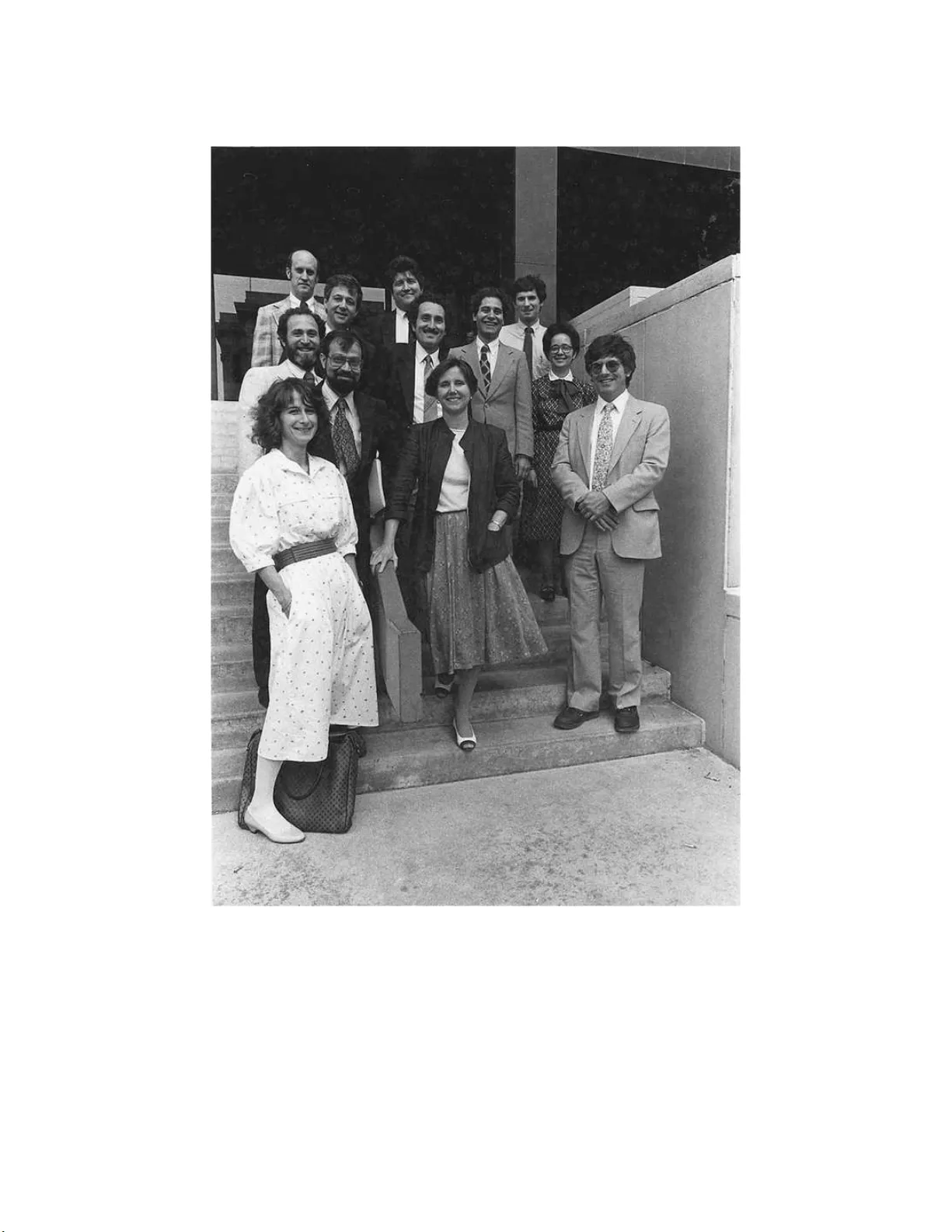
Statistic al Scienc e 2015, V ol. 30, No. 4, 582– 596 DOI: 10.1214 /15-STS528 c Institute of Mathematical Statisti cs , 2015 A Conversation with Nan Laird Louise Ry an Abstr act. Nan McKenzie Laird is the Harve y V. Fineb erg Professor of Biostatistics at the Harv ard T. H. Chan School of Pu blic Health. She has made fund amen tal contributions to statistica l metho ds for longitudinal data analysis, missin g data and meta-analysis. I n addition, she is w idely known for her wo rk in statistical genetics and in statistic al meth- o ds f or p syc hiatric epidemiology . Her 1977 p ap er with Dempster and Rubin on the EM algorithm is among the top 100 most highly cited pap ers in science [ Natur e 524 (2014 ) 550–5 53]. Her applied w ork on medical pr actice errors is widely cited among the medical malpractice comm unity . Nan was b orn in Gainesville, Florida, in 1943. Shortly thereafter, her paren ts Angus McKenzie Laird and Myra Adelia Do yle, mov ed to T a llahassee, Florida, with Nan and her sister Victoria Mell. Nan started college at Rice Un iv ersit y in 196 1, bu t then transferred to the Univ ersit y of Georgia wh ere she receiv ed a B.S. in Statistics in 1969 and wa s elected to Ph i Beta Kappa. After graduation Nan work ed at the Massac husetts Institute of T echnolog y Drap er Lab oratories wh ere sh e w ork ed on Kalman fi ltering for the Ap ollo Man to th e Mo on Program. She enrolled in the Statistics Departmen t at Harv ard Univ ersit y in 1971 and receiv ed h er Ph .D. in 1975. Sh e joined the facult y of Harv ard S c ho ol of Public Health up on receiving her Ph.D., an d remains there as researc h professor, after her retiremen t in 2015. In the 40 y ears that Nan M. Laird sp ent at Harv ard she authored or co-authored o ver 300 pap ers and three b o oks, and mento red n umerous graduate stud en ts, p ostdo ctoral fel- lo w s and junior facult y . According to Go ogle sc holar, h er wo rk has b een cited ov er 111,000 times. Sh e has receiv ed m any a wa rds f or her v aried contributions to statistical science. Some highligh ts include the Samuel S . Wilks Award, her election as F ello w of the Am er ican Asso ciation for the Adv ancement of Science, h er elect ion as F ello w of the American Sta- tistical Asso ciation, the Janet Norwoo d Prize, the F. N. Da vid Aw ard and, most recen tly , the Marvin Zelen Leadership Award in Statisti cal Science. Professor Laird h as served on man y panels and editorial b oards in cluding a National Academ y of Science P anel on Air- liner Cabin Environmen t, whic h led to the eli mination of smoking on airplanes. Professor Laird c h aired the Departmen t of Biostatistics at the Harv ard Sc ho ol of Public Health from 1990 –1999 where she w as the Henry Pic k ering W alcott Professor of Biostatistics. I n this inte rview s he talks ab out her career, including her p assion for mentoring studen ts. She offers s ome helpful advice ab out b alancing work and family life, ac kno wledging the p ow erful encouragement and supp ort that her own family has giv en her ov er the y ears. The in terview w as conducted in Boston, Massac husetts, in Ju ly 2014. A link to Nan’s full CV can b e found at www.hsp h.harv ard.edu /nan-laird/ . Key wor ds and phr ases: EM algorithm, longitudinal d ata, meta-analysis, missing data, statistica l genetics. L ouise Ryan is Distinguishe d Pr ofessor of Statistics at University of T e chnolo gy Sydney, Austr alian R ese ar ch Council Centr e of Exc el lenc e in Mathematic al and Statistic al F r ont iers, UTS Scho ol of Mathematic al and Physic al Scienc es, PO Box 123, Br o adway, NSW 20 07, Austr alia e-mail: louise.m.ryan@uts.e du.au . This is an electronic r eprint o f the original article published by the Institute of Mathematica l Statistics in Statistic al Scienc e , 20 15, V ol. 30, No. 4, 582 –596 . This reprint differ s from the original in pagination and t yp ogr aphic detail. 1 2 L. R Y A N 1. EARL Y LIFE Ryan : T ell us ab ou t y our early life. L air d : I had a conv ent ional southern childhoo d in T al lahassee, Florida. My mother w as a sc ho ol teac her, who stay ed home to care for my sister and m yself. My father was briefly a professor of p olitical science, b ut tur ned to state go vernmen t and p olitics shortly after my sister and I w ere b orn. Mu c h of m y father’s job was stressful and not so inte resting to him; most of his energy w en t to bu ying and im- pro ving small p arcels of rural land. Our life cen tered around the ch ur c h and f amily , gardenin g and my fa- ther’s pro jects. W e liv ed in a small neigh b orho o d in T allahassee, full of kids, and I recall sp en ding our da ys roaming free on the hea vily w o o ded lo cal golf course. W e had a great deal of ind ep endence. My c h ildho o d was a h ap py time and I am still close to man y of my c hildh o o d neighbors and friends. Ryan : W ere y ou in terested in math as a kid? L air d : I alw ays lo ve d math and in h igh school it w as m y fav orite su b ject. My sister and I wen t to the lo cal pub lic high sc h o ol and some of the teac hers w ere ou tstand ing. My c hoice of und ergraduate col- lege, Rice Universit y in Houston, w as a mism atc h. A t th e time it wa s a bit of a bac kw ater; w omen we re not encouraged in mathematics nor in the sciences in general. W omen w ere suc h a m inorit y that I wa s alw a ys the only girl in m y math section. I switc h ed m y ma jor to F rench, b ut then I got married to a f el- lo w Rice studen t, d ropp ed out after m y j u nior yea r, mo v ed to New Y ork Cit y and had m y fir st child, Ric h ard. W e mo ve d to Georgia a few y ears later, and I we nt bac k to und ergraduate studies at the Universit y of Georgia. I wan ted to study something p r actical, so I decided on compu ter science. This wa s in the late sixties, and computers w ere ju st b ecoming main- stream. F ortunately Computer S cience and Statis- tics w ere in the s ame d ep artmen t and the depart- men t c hair, Carl Kossack, told me th at S tatistics w as so m uc h more in teresting, so I studied statis- tics. I to ok a course from Kossac k in S tatistical De- cision Th eory that used Herman Chernoff ’s b o ok. I lov ed this course! Wh at app ealed to me w as th e idea that one could use math form ulas to mak e m un- dane life decisions, lik e whether or not to tak e y our um brella to work. O f course, in retrosp ect I r ealize the course w as really ab out d ecision th eory and not m uc h ab out statistics at all, but still fascinating. It w as s till one of the exp eriences that p ersuaded me to ma jor in statistics. Ryan : What did y ou do at first when yo u gradu- ated from college and what motiv ated you to go to graduate sc ho ol? I und erstand that at s ome p oint y ou had a b r ief stin t as a fashion mo del? L air d : Y es, I did b riefly try mo deling and it w as a lot of fun! But I figur ed it was n ot a go o d long- term career path. After gradu ating from Unive rsity of Georgia w ith a B.S. in statistics, w e m ov ed to Boston and I work ed at MIT with the impr essiv e title of “engineer.” It wa s actually a prett y excit- ing pro j ect at MIT’s Drap er Labs working on tec h - nology to su pp ort the Ap ollo Mo on P r ogram. My role was to deve lop computer programs to test the Kalman filtering u sed for the inertial guidance sys- tem. The main thing I learned w as that to wo rk in a creativ e en vironmen t I needed more education, so after a couple of ye ars, I wen t to grad sc ho ol in statistics at Harv ard. 2. EARL Y DA YS A T HARV ARD Ryan : What was it like b eing a graduate student in the Harv ard statistics departmen t in the 1970s? L air d : I really lo v ed m y y ears in graduate sc ho ol. I had great colleag ues among my fello w stud ents, and I alw a ys felt that I was treated wel l. I did hear stories ab out the lac k of wome n facult y in the de- partmen t and I also heard a r umor that I w as not of- fered fund ing w h en I app lied b ecause it w as though t that I w ould just b ecome a “housewife” after grad- uation. I knew that this (the part ab out my b ecom- ing a h ou s ewife) w as n ot true b ecause I had already tried that. Although I b eliev ed the tru th of the sto- ries, I do not feel that it detracted from m y o v erall p ositiv e exp erience in the department. I felt treate d lik e an ind ividual. That b eing said, the atmosphere in the statistics department could b e difficult at times. It was a ve ry small department and if fac- ult y w ere feuding, it came across to the students. W e had a great department admin istrator, Louisa V an Baalen, wh o wa s influenti al in k eeping th e at- mosphere p ositiv e. Ryan : T ell us more ab out th e p eople in the depart- men t in those d ays? W ere there an y other w omen? What w as the atmospher e lik e? L air d : When I arriv ed in the Departmen t, I w as one of four in the en tering Ph .D. class (the others w ere George Cobb , Diek Kryut and S haron And er- son). P ersi Diaconis had en tered the previous Jan- uary , so he w as taking some courses with our cohort. The facult y were Bill Co chran, F red Mostelle r, Art A CONV ERSA TION WITH NAN L A IRD 3 Fig. 1. Nan L air d wi th her Ph.D. advisor, Pr ofessor Art hur Dempster, in the Harvar d Stat istics Dep artment, cir c a 1975. Dempster and Paul Holland. W e were informed th at since it was Co c hran ’s last y ear of teac hing at Har- v ard, w e had to take all h is courses s traigh ta wa y . So w e to ok Samp le Su rv eys and Design of Exp eri- men ts. I recall th at the fi rst da y of class in Sample Surveys, Co chran sto o d at the b oard and s aid (in a kind of ind istin ct m um ble) that this was the most b oring topic in the world and h e could n ot imagine wh y any one w ould tak e the class. I also recall that I we nt to his office to ask him questions ab out the class. The first time wa s OK, but on the second o c- casion, h e said to me “yo u are getting to b e a bit of a n uisance.” Ha ving Co chran in the department w as r eally sp ecial and eve ryone treated him w ith the utmost resp ect. P aul Holland w as an other facult y memb er wh o w as v ery inv olv ed in teac h in g and engaged with stu- den ts. I r eally admired his teac hing st yle. F red Mosteller was th ere and I work ed on his grant with Da v e Hoaglin, as I d id not ha v e an y fu nding b e- sides w orking as a teac hing assistan t. F r ed w as in- v olv ed in a lot of activities, national panels, teac h ing and collab orating in other departments and schools. He had so man y in terests and pro jects going on; he sho w ed me that statistics was imp ortan t ev erywhere and statisticians could ha v e a big impact in man y fields. Ryan : Th at m ust ha v e b een a great exp erience w orking with F red. T ell us more. L air d : It wa s wonderful w orking with F r ed . He treated all of his gradu ate students like team mem- b ers. Y ou got to kno w ab out the pro jects he wa s w orking on, and sometimes got to w ork w ith him on them. He w as v ery inv olv ed in a lot of activities and not so a v ailable as other facult y , y et it was a privi- lege to w ork w ith him. Lo oking bac k on it, I realize it w as lik e b eing a part of a statistics “lab.” One imp ortant lesson I learned from F r ed wa s ab out criticism. I su bmitted th e fir st pap er f rom m y th esis to Biometrik a. It came bac k asking for c h anges. I th ough t it wa s a negativ e rejectio n so I ju st put it in a draw er. After a while F red aske d me ab out it and I said it w as a n egativ e review. He ask ed to read th e reviews, and on doing so said, “This is not a bad review, this is a go o d review.” Of course, he was right; it w as easy to get the pap er published after minor c hanges. Y ears late r I sa w genuine bad reviews and I w as grateful to F r ed for teac hing me the difference. Ryan : No w I know that Art Dempster w as your Ph.D. sup ervisor. T ell us ab out that. L air d : Art Dempster was the departmen t c hair at the time and w as basically the m ain “go to” advi- sor for all the studen ts until y ou started y our the- sis. F or m e, he w as a great source of stabilit y in the department. He taugh t quite a few of our b a- sic courses and I found him accessible eve n though some studen ts did not. I wan ted to work w ith Art b ecause I lik ed the w ay he thought and I lik ed his approac h to statistics. He was in terested in mo dels and suggested that w e work on mo dels w ith ran- dom effects and v ariance comp onents. He w as not a v ery “hands on” thesis advisor. I r ecall that close to the end , within a few w eeks of finish ing my thesis, I ask ed him a question ab out the last c h apter. He resp ond ed b y saying that h e really had not follo wed m y w ork v ery closely so he d id not thin k h e could help! I got a b ig kic k out of that. Ryan : How did the EM pap er (Dempster, Laird and Rubin ( 1977 )) come ab out? What was it lik e to w ork with Art Dempster and Don Rub in on th at? Did y ou hav e any idea of just h o w famous that p ap er w ould b ecome? L air d : T he idea of the EM algorithm came ab out during the last year of m y graduate studies. I wa s w orking with Art on a rand om effects approac h to smo oth t w o-w a y con tin gency tables. I h ad a log- linear m o del for the coun ts, then pu t a normal prior distribution on th e log parameters with zero mean 4 L. R Y A N Fig. 2. Junior faculty memb ers fr om the Bi ostatistics Dep artment at the Harvar d Scho ol of Public He al th, cir c a 1984. Back r ow: David Harrington, Ste phen L agakos, Colin Be gg; Se c ond to Back r ow: Richar d Gelb er, David Scho enfeld, Michael F eldstein, Thomas L oui s, R eb e c c a Gelman; F r ont r ow: C hristine W aternaux, Cyrus Mehta, Nan L air d, Henry F eldman. and a single v ariance comp onen t. But I w as strug- gling with the problem of how to estimat e the v ari- ance comp onen t—no w it seems trivial, bu t at the time, computations w ere difficu lt and messy (w e w ere still in the p unch card era). I asked Art about estimating the v ariance comp onen t; he said, “Why don’t y ou just us e that subs titution algorithm?” I had neve r heard of the su b stitution alg orithm, but after reading some pap ers and further discuss ion with Art, I wen t off and work ed on the application of this idea to my random effects prob lem. I disco v ered that the maximum likeli ho o d esti- mate of the v ariance comp onent w as a fixed p oin t of the substitution algorithm, where th e lik eliho o d w as obtained b y in tegrating out the random effects. So I r ep orted this bac k to Art. After a charact eris- A CONV ERSA TION WITH NAN L A IRD 5 Fig. 3. Senior faculty m emb ers fr om the Bi ostatistics Dep artment at the H arvar d Scho ol of Publi c He alth when Nan to ok over as Chair in 1990. Back r ow: David Harrington, Stephen L agakos, James War e, Butch Tsiatis, Mar c el lo Pagano, Bernar d R osner. F r ont r ow: L. J. Wei, Nan L air d, Marvin Zelen. tic short silence, Art said, “W ell, this deriv ation will w ork for any exp onential family likelihoo d with an y kind of missing data.” That w as the origin of the EM for me. A t the time Art w as also w orking on missing data with Don Rubin, who w as at the Educational T esting S ervice (ETS). Don receiv ed h is Ph.D. from Harv ard a couple of y ears b efore I came, so I d id not kno w h im. Art suggested that the thr ee of us write a pap er together. Art and I dro v e to Princeton early on to work with Don. That w as the first time I recall meeting Don. I did realize that the EM was a very im p ortant con tribution, and lik ely to b e a famous pap er. But the EM pap er w as to b e one of my first real pap ers and I didn’t wan t to trade on that m y whole life, so I w as pr ett y in ten t on branc hing out into other areas as wel l. Ryan : I remem b er fr om w hen I started there in 1979 th at yo u were still somewhat inv olv ed in the statistics d epartmen t then, but grad u ally y our activ- ities all mo ve d o v er to the Harv ard Sc ho ol of Public Health (HSPH). Ho w d id that come ab out? L air d : I completed m y Ph.D. in 1975 and to ok a p osition as an assistan t professor in the Biostati s- tics Department at HSPH. I n itially , I w as secondary with s tatistics so I taugh t an d advised student s there for a few y ears, but ev entually found my work at HSPH w as very engag ing. Ryan : Y ou w ere there during a time of ma j or c h ange and transition, not just for the departmen t, but I think for the field of biostatistics as well. Y ou w ould h av e b een there when F red Moste ller b ecame c h air and in those f amous (or should I sa y inf a- mous?) da ys when Marvin Z elen arriv ed en masse from Buffalo. What was the Departmen t lik e in those early days? L air d : My first f ew y ears in the Biostatistics De- partmen t w ere inte resting. T here actually were quite a few wome n there when I came—Jane W orcester w as c hair and b oth Marge Drolette and Yv onn e 6 L. R Y A N Bishop we re on the facult y . Bob Reed w as th e other senior faculty p erson. I think most p eople like to do something that matters to the live s of others, but p erh ap s w omen more so and this is why w e are dra wn to app lication areas suc h as health. The departmen t w as pr ett y sleep y in those days, with the facult y ha ving heavy teac hing loads or in vo lv e- men t in col lab orativ e p ro jects. When I joined, Jane W orcester was ve ry close to retiremen t and there w as a lot of sp eculation ab out who would b e the next c h air. Ho ward Hiatt wa s a n ew Dean then, and he w as in terested in strengthening Biostatistics. Much to my su rprise, F red Mostelle r took on the job for a few s hort y ears, and r eally did c h ange things. One thing he did wa s to giv e offices to all of the Bio- statistics facult y . An other wa s to hire a lot of junior facult y— J im W are, Larry Thib o deau, T om Louis, Christine W aternaux were some that I recall. This w as great for me b ecause I had colleag ues wh o w ere con temp orary in age and had similar concerns and career goals. O f course, the really big r ecru itmen t w as Marvin Zelen and his team from Buffalo. Ryan : T ell us more ab out that. I und erstand that he brought along quite a few p eople with h im, in- cluding a num b er of y oung u p-and-coming statisti- cians such as Stev e Laga ko s, Ric hard Gelber, Colin Begg and Reb ecca Gelman, to name a few. I n an in terview for the Department newsletter in 1997, y ou said that some referred to “Marvin’s Baseball T eam.” Marvin’s arr iv al w as also the start of a strong conn ection b et we en the departmen t and the Dana-F arb er Cancer In stitute, wh ic h still exists to- da y . I imagi ne this m u st ha v e b een a time of rather mixed feelings—excitemen t at all the new p ossibil- ities, along with the natural anxiet y ab out c hange. Ho w did the dep artment and the sc ho ol as a whole react? Ho w did the department c h an ge as a r esult of these dev elopment s? L air d : W ell, there were many discussions b efore he came, b oth in the Department and within the Sc ho ol. Y es, th ere w as anxiet y ab out their coming. F acult y outside the department w ere worried that Biostatist ics w ould “tak e o ver the school.” F aculty inside the departmen t w ere w orried ab out their fu- tures and that the rew ard system migh t b e differ- en t. But Marvin’s group came, and they assimilated. Some p eople left, but there w ere losses on b oth sides, and ev en tually gains on eac h side. Marvin to ok o ver as d epartmen t c hair a f ew y ears later. I thought he w as a great c h air b ecause he made it clear that the academic program b elonged to the facult y and he exp ected all of us to participate. He set v ery concrete ac h iev ab le goals for the departmen t, lik e strength- ening th e do ctoral program and obtaining training gran ts. T h ese w ere goals th at ev eryo ne could unite b ehind . He also was very pr incipled, esp ecially ab out salary equity . I r eceiv ed big raises after Marvin to ok o ver as c h air, b ecause m y salary wa s far b elo w that of m y colleagues at the same rank. 3. LONGITUDINAL Ryan : I’m inte rested in y our comment ab out most p eople likin g to work on something that matters. F or man y of u s, that translates to working on ap- plications. But I h a ve alw a ys admired your abilit y to take a sligh tly more abstract approac h and come up with to ols and metho ds that ha v e broad applica- tion. I think it tak es confi dence to b eliev e th at one’s metho ds will matter (as opp osed to solving a sp ecific real w orld problem). The EM is a great example, but so is y our work in the early 80s with Jim W are. In particular, your gro wth cur v e p ap er (Laird and W are ( 1982 )) has h ad ma jor impact. T ell u s more ab out that. L air d : Y es, I h a v e alw a ys b een inte rested in lo ok- ing for a general framew ork, r ather than wo rking on a series of smaller “one-off ” p roblems. In a wa y , w orking on some theory is easier b ecause y ou can sa y ho w the metho d will b eha ve un der sp ecific con- ditions. With app lications inv olving data, so often the d ata refuses to coop erate. The answ ers you get can dep end more on c haracteristics of the data and not the statisti cal metho d. I’v e alw a ys like d d ev el- oping method s th at others can apply . In the case of the gro w th curve mo deling, I had started working with Jim b ecause of his int erest in applying rand om effects mo dels in a longitudinal cohort called the “Six Cities Study .” 1 These w ere the da ys when lon- gitudinal d ata analysis wa s just starting to b ecome p opular. The Six Cities Study had a lot of unbal- anced data and some missin g data as w ell, whereas all th e textb o oks w ere provi ding solutions for bal- anced complete data. Using the rand om effect struc- ture w as a natural and it tied in well with the EM algorithm. 1 This was a prospective cohort mortali ty study in volving 8111 randomly selected residen ts of six U.S. cities. The ob jec- tive w as to estimate th e effects of air p ollution on mortalit y and lung function while controlling for other risk factors such as the individ u als’ smoking status and age (Do ck ery et al. ( 1993 )). A CONV ERSA TION WITH NAN L A IRD 7 Fig. 4. Nan L air d with F r e d Mostel ler (l eft) on the awar ding of his Honor ary Do ctor ate at Harvar d, 1991. Jim and I w ork ed on lots of in teresting pr oblems with colleag ues su c h as T om Louis and Ch ristine W aternaux, and w e also co-advised sev eral do ctoral student s (F ong W ang, Nic k Lange, Ch ristl Donnelly , Rob Stiratelli, Masahiro T akeuc hi) on longitudinal metho ds. I think one reason our 1982 pap er was so p opular was b ecause Jim had a really go o d fix on issues that applied statisticia ns w ere grappling with. Jim has alw ays had a great sense of where a fi eld is headed and has an excellen t eye for go o d problems. Christl Donnelly had an in teresting thesis, sh e ap- plied the mixed mo d el to estimate the sp atial dis- tribution of ai r p ollution, using an appr oac h closely related to Kriging. This col lab oration with Jim w as really imp ortant for me. I learned ab out applying for grant s from the National Institutes of Health (NIH). No one had ev er mentioned gran t supp ort to me b efore, let alone encouraged me to get m y o wn. Jim had b een at the NIH b efore coming to HSP H, so he had go o d idea ab out ho w things w ork ed. I learned so muc h by w orking with Jim. Our families also b ecame close and we sp ent a lot of time toge ther outside of w ork. Ryan : I recall r eading the Laird and W are pap er man y ye ars ago and struggling to un d erstand the w a y you w ere applying the EM. In fact, it was only after attending Xiao-Li Meng’s thesis defense that I realized that you we re actually using a tec hnique that hadn’t b een in ve nte d ye t, namely , the ECM (Meng and Rubin ( 1993 )). L air d : Y es, when w e applied the EM strictly in the mixed m o del regression con text, estimating the r egression and v ariance parameters together, the algorithm did not take adv antag e of the we ll- kno wn closed form for th e regression parameters, whic h is a v ailable if the v ariance parameters are kno wn. W e did something that seemed really nat- ural, namely , estimating the regression parameters through weigh ted least squares, assuming the v ari- ance parameters were known, then estimating the v ariance parameters via an EM, but assuming the regression coefficients were kno wn. This mo difica- tion w ork ed w ell, and w as, as y ou sa y , an example of the y et to b e in v en ted ECM. Ryan : Y ou cont inued w orking on longitudin al data analysis for many y ears. L air d : In ad d ition to the w ork on rep eated mea- sures that Jim and I did , I wa s also in terested in mo dels for rep eated categorical data. I had sev eral student s wh o w ork ed in this area. S tu art Lipsitz and Garrett Fitzmaurice b oth w ork ed on parame- terizatio ns for rep eated categorical outcomes, and the int erplay b et we en the mean effects and the co- v ariance parameters, u s ing the so-called m arginal mo dels. Jarek Harezlak w as one of m y students who v ery ind ep endently found his o wn topic on applied functional an alysis in the longitudinal data setting. I think I learned more from him than he did from me! S kip Olsen lo ok ed at adjus tin g for the baseline measure when the interest is c h ange o v er time. 4. MET A -ANAL YSIS Ryan : I enjo ye d r eadin g y our accoun t in the re- cen t CO PSS b o ok (Laird ( 2014 )) of w riting y our pap ers w ith Reb ecca DerSimonian on meta-analysis ( DerSimonian and Laird , 1983 , 1986 ). T ell us a bit more ab out this. L air d : Y es, the p ap er w ith Reb ecca in Clinic al T ri- als is one of my most cited. T hat has b een a big surpr ise for me, in part b ecause it is suc h a sleep er. The citati ons are no w gro wing exp onen tially , but it came ab out something b y acciden t. F red Mosteller ask ed me to ha v e a lo ok at a pap er (Slac k and Porter ( 1980 )) that combined a series of 23 studies on the impact of coac hing to improv e SA T (Sc holastic Ap- titude T est) scores. T hey concluded that coac hin g help ed, thereb y con tradicting the principle that the SA T measured in n ate abilit y , but w ere advised to consult w ith a biostatistic ian. I read the pap er and w as str uc k b y th e amount of v ariabilit y in th e stud- ies as well as ho w muc h the results v aried by study . There wa s also v ariation in study design: some s tu d- ies had no con trol group, some w ere observ ational, a 8 L. R Y A N few w ere rand omized and a few in volv ed m atc hin g. The degree of cont rol in the coac h ed group seemed to b e inv ersely related to the magnitude of effect. F or example, s ome stud ies only ev aluated coac hed student s, comparing th eir scores b efore and after coac hing. So all this got me thinking that it would b e useful to dev elop a formal statistica l framew ork for the analysis. Reb ecca Dersimonian wa s m y graduate student at the time, w orking on rand om effects mo d- eling. I got her w orking on a mo d eling framework f or meta-analysis that allo wed for study -to-study v ari- ation in effect sizes through the in clusion of random effects. W e reanalyzed Slac k and P orter’s data, con- cluding that any effects of coac hing w ere to o small to b e of practical imp ortance. While our pap er in the Harvar d Educ ation R eview n ev er got that many citatio ns in the scien tific literature, it got a lot media atten tion. A few yea rs later, Reb ecca and I publish ed a follo w-up pap er in Contr ol le d Clinic al T rials , apply- ing the metho d to the clinical trial setting and this pap er has b een v ery highly cited. It is sometimes cited as “the s tandard” approac h to m eta-analysis. A nice feature of our approac h w as that it yielded a closed-form estimator and I think this is one of the reasons why the pap er got so m uc h interest. Another feature is that it shows how to do the analysis ju st b y using data su mmaries. Ryan : Bac k in the 90s, I remem b er talking with y ou ab out a study I w as d oing with Lew Holmes from Massac h usetts General Hospital on a meta- analysis of adverse effects asso ciated with c horionic villus s ampling (CVS ). W e w ant ed yo ur advice on the wisdom of going after individu al lev el data ver- sus w orking with s u mmary statistics b ased on p ub- lished pap er s . L air d : W ell, I don’t really remember the d etails of that. Dan yu L in (Lin and Zeng ( 2010 )) sa ys th at it shouldn’t really matter—if the mo dels are the same, then the results should b e the same w h ether y ou use individual lev el data or data summaries. But I find researc h ers often o v eremphasize the imp ortance of individual lev el data. I think that is a “case stud y” rather than a statistical p ersp ectiv e. I n practice, it is probably more imp ortan t to fo cus on what study c h aracteristics help to explain study-to-study v ari- ation in the observ ed effects. In addition, it can b e v ery hard to get individual lev el data. Ryan : Y es, I agree! In the case of our CVS study , w e did manage to get individual lev el data f or a few studies, bu t they tended to b e the studies where nothing at all interesting wa s happ ening . . . . Per- haps an in v erse of pub lication bias? What are y our though ts ab out trying to tak e accoun t of study qual- it y in the con text of meta-analysis? L air d : In m y pap er with R eb ecca, w e originally stratified by study design an d th en lo ok ed at the distribution of effect sizes. Study design generally explains a lot. 5. PSYCHIA TRIC-EPIDEMIOLOGY Ryan : Let’s talk ab out some of your other wo rk from the 1980s an d 1990s. I kn o w yo u con tinued y our wo rk on missing d ata, but y ou also got very in terested in metho d s for applicatio n in psyc hiatric epidemiology . Ho w did that come ab out? L air d : Ch ristine W aternaux mov ed her main ap- p ointmen t to McLean Hospital, one of Harv ard ’s teac hing hospitals sp ecializing in psy chiatric d isor- ders. Christine wa s interested in submitting a tr ain- ing gran t application to the National Institutes of Men tal Health. The Departmen t of Ep idemiology had one for a long time, bu t it h ad lapsed. Chris- tine and I collab orated with the epid emiology de- partmen t, successfully b ringing in a new training gran t from the National Institute of Men tal Health (NIMH) that sup p orted b oth epidemiology and bio- statistics students and p ostdo ctoral fello ws. Ryan : T ell us m ore ab out how the gran t work ed . It can b e a c h allenge to ha v e a grant that crosses t w o departmen ts lik e that. What were some of the in teresting pr oblems that arose for yo u and your s tu- den ts? L air d : The gran t ga ve us the resources and the con tacts to get inv olve d in a num b er of excit- ing pro jects. What to d o with m ultiple informan ts comes up a lot in the p syc hiatric setting, wh ere as- sessmen ts of stu d y participants ma y b e provided by the ind ividual themselv es, their care-giv er or a rela- tiv e. Garrett Fitzmaurice and Nic k Horton b oth h ad a bac kgroun d in psyc hology which made their work on the NIMH training gran t very v aluable. Garrett’s thesis work on rep eated categorical outcomes ex- tended naturally to this m u ltiple informan t setting. The in teresting fact ab out his app roac h w as that it could apply to either the outcome or to the co v ari- ate, or b oth, and this comes in hand y in the multiple informant s setting as w ell. Nic k Horton also w ork ed on multiple informants and the three of u s , p lu s Stuart L ip sitz and Sharon-Lise Normand, deve lop ed a nice set of to ols for h an d ling multiple informan t A CONV ERSA TION WITH NAN L A IRD 9 Fig. 5. Nan L air d with her famil y in 2009. F r om left to right, Nan, Richar d Hughes, Lily Altst ein and Jo el Altstein. Lil y i s a biostatistician at Massachusetts Gener al Hospital and marrie d to Cory Zigler who is an assistant pr ofessor of Biostatistics at the Harvar d T. H. Chan Scho ol of Public He alth. Richar d i s a che f i n Conc or d, Massach usetts, and Jo el is a R e al Estate Develop er in Cambridge, M assachuset ts. problems, esp ecially for applications in psychiat ry and health services researc h. My backg round with metho ds for longitudinal data led to an inv olv emen t in the S tirling Coun t y Study lo oking at depression and anxiet y , with d ata collect ed in three cross-sectional wa v es as w ell as longitudinally . Nic k Horton and Heather Litman b oth wo rked on Stirlin g Count y Study data as a part of their do ctorates. Kr istin Ja v aras and J im Hud- son were b oth great p ostdo cs wh o were later su p- p orted by th e NIMH tr aining gran t. The psyc hiatric- epidemiology w ork led n aturally to lots of in terest- ing prob lems with missing data, esp ecially drop out. Often, the dr op out w as thought to b e informativ e. 6. MISSING D A T A Ryan : Y es, tell us more ab out that. Giv en y our bac kground with the EM, it seems lik e a natural area for y ou. L air d : Y es, missing data is a big issue in longi- tudinal studies, bu t happ en s just as wel l in cross- sectional studies. Certainly the EM algorithm is a natural w ay to handle missing data in lots of settings, but it can b e problematic w h en miss- ingness is in formativ e. Man y p eople at that time w ere in terested in the so-called selectio n mo del ap- proac h, whic h r equired sp ecifying the probability of drop out, conditional on b oth observ ed and unob- serv ed data. The appr oac h is very app ealing b ecause it allo ws y ou to sp ecify familiar mo d els, bu t it is highly p arametric and it is not really p ossible to test it empirically , nor to u nderstand th e limitations of the mo del. S tu art Bak er and I work ed on a selec- tion mo del for categorical data in the logistic re- gression framew ork, and obtained some interesting results ab out mo del id en tifiabilit y . Bob Glynn also w ork ed on nonignorable nonresp onse in the sample surve y setting. Jo e Hogan w orke d on nonignorable drop outs in longitudinal studies, but using a com- pletely d ifferen t mo deling str ategy , one r elated to the pattern-mixture m o dels. The idea w as to re- v erse the conditioning to lo ok at the distrib ution of observ ed data giv en eac h particular pattern of missingness, and then to inte grate o ver the v arious patterns to get the marginal distribution of int erest. With this appr oac h it is easier to exp ose the mo del assumptions. 7. BECOMING CHAIR Ryan : Y ou b ecame Chair of the Harv ard Biostatis- tics Departmen t in 1990. In a tribute to your ac- 10 L. R Y A N complishmen ts during y our nine y ears as c hair, Jim W are noted ho w muc h the d epartmen t grew und er y our leadership. A lot of inno v ations happ ened in that nine y ear p er io d: the Center for Biostatistics in AIDS Researc h (CBAR) was established u nder Stev e Lagak os’ leadership, the De partment’s minor- it y trainin g p rogram got started. T ell us more ab out those y ears, in particular, what y ou feel w ere y our biggest accomplishmen ts. L air d : I w as excited to b e department c hair. Of course, Marvin Z elen w as a v er y difficult act to fol- lo w , but I h ad a very different p ersonalit y and dif- feren t wa ys of d oing things, so I nev er felt th at I wa s trying to replicate what h e did. Marvin had a lot of little “tric ks” that were part of what made him su c h an effectiv e c h air, and I u sed a lot of those myself. One thing he did wa s turn o v er the ru nning of the departmen t to the facult y b y setting up a series of committees that did all the department w ork. W e had the degree program committee that set p olicy ab out requirements for degrees, the curr iculum com- mittee that decided what courses we re taugh t, the student ad v isin g committee that set p olicy ab out student s, lik e stip ends, and assigned advisors . This mean t th at Marvin did not h a ve to mak e all the d a y to day decisions ab ou t operations. But more imp or- tan tly , it ga ve the f acult y p o we r ov er ru n ning the de- partmen t. Marvin rarely inte rfered w ith department business, but if there was an issu e h e cared ab out, he let the facult y vo te; he just s et up his vo tes in adv ance with lobbying so ev ery one knew what he w an ted! I though t these w ere great strategies and did m y b est to apply them as w ell. My goals were broadening our r esearch agenda and strengthening facult y hires, esp ecially since w e w er e expanding at a rapid r ate w ith the initiation of CBAR and the AIDS w ork. I felt we needed to impro v e the envi- ronment for new facult y . O ne thing I in itiated wa s the p olicy that ev ery new jun ior faculty hire h av e supp ort for at least 40% of their time in their fir st 3 yea rs to d ev elop their own researc h agenda. Ov er the years th e 40% has fluctuated, b ut the p rinciple remains. I also increased the Department’s activit y in sta- tistical genetics. This was ab out the time of the com- pletion of the Hum an Genome Pro ject and the field w as highly visible and c hanging r apidly . As d epart- men t c hair I br ough t in a lot of outside sp eak ers in the area, obtained gran t supp ort for genetic meth- o ds and d ev elop ed s everal imp ortant collab orations. Initiating the 40% researc h p olicy for ju nior fac- ult y that allo w ed them to s tr engthen their own re- searc h agenda, and devel oping statistical genetics as a r esearc h area for the departmen t w ere m y t wo main con tributions as departmen t c hair. 8. ST A TISTICAL GENETICS Ryan : Y ou also got very in v olv ed p ersonally in statistica l genetics researc h. T ell m e ab out that, in particular, what motiv ated that mo ve for yo u? L air d : I w as in trigued b y genetics ev er since writ- ing th e EM pap er b ecause man y of th e earliest ap- plications of EM were in genetics. I t is only natur al b ecause, un til relativ ely recent ly , one could not di- rectly observ e DNA. I h ad a sabbatical at the end of m y fi r st fiv e years as department c h air and decided to sp end it learning more ab out problems in genet- ics; this pro ve d to b e very fruitful. O n e problem that caugh t m y eye was using family data to test wh ether or n ot a p articular genetic lo cus w as in vo lv ed in causing disease. A t that time, p eople we re us in g th e TDT (T rans ition Disequilibriu m T est) that required genetic data on paren ts and their d iseased child. But the question arose as to how to generalize this to u s- ing siblings and other family mem b ers when parents w ere n ot av ailable. This w as common in late onset disease such as Alzheimer’s. I collaborated with s ev- eral talente d students, p ostdo ctoral fello ws and f ac- ult y to dev elop a general framewo rk for family de- signs an d develo p ed the FBA T soft w are which has b een quite p opular. Stev e Horv ath, Stev e Lak e and Christoph Lange extended the theory and the pro- gram, add ing a lot of regression ideas for measured disease outcomes. T om Hoffmann extended the wo rk that Stev e Lak e d id on gene–en vironment in terac- tion studies. I had quite a few other students o v er the years working in genetics: Xiaolin W ang, w ho w as my fir st student in th is area, Ronnie Sebr o, who also work ed with Neil Risc h , C y r il Rako vski, Xiao Ding, Gourab De. Cu rrently , Christina McIn tosh is lo oking at design issues in family stud ies with m u l- tiple affected ind ividuals. Christoph Lange and I we re actually inv olv ed in one of the earliest genome-wide studies. W e w ere lo oking at the f amily comp onen t of the F raming- ham Stu dy w ith a view to id en tifying genes asso- ciated with ob esit y . W e had data fr om a chip with 100,00 0 S NPs (single neucleotide p olymorp hisms). Christoph had an id ea for a metho d that exploited the indep endence of within and b et w een family in- formation. W e used the b et we en family information A CONV ERSA TION WITH NAN L A IRD 11 to estimate the p ow er of eac h SNP test, then c hose only the top ten for testing. This enabled us to a void the loss of p o wer asso ciated with the multiple test- ing problem. W e foun d a SNP near the INSIG2 gene asso ciated with ob esit y . The results were contro v er- sial and many in vestiga tors attempted r eplications. Some replicated our resu lts, w hile others did not. A follo w-up meta-analysis sh o w ed that the asso ci- ation is present in studies of general p opulations, but th at the r ev erse asso ciation is seen in studies in v olving p opulations selected to b e health y . I had a somewhat similar exp erience wh en I was in v olv ed in a study th at identified a p oten tial Alzheimer’s gene. Th ere were a num b er of follo w- up studies, s ome that replicated, some that didn ’t. Genetic data are tricky . I t is easy to find lots of as- so ciated SNPs, bu t r eally h ard to pin d o wn causal mec h anisms in the DNA sequence. With complex diseases it is very difficult to attribute ma j or effects to one small disrup tion in the DNA. A f ew dramatic cases (Mend elian disorders) h a v e influenced p eople to think they will find a v ariation in the DNA co d ing that explains what’s going on. In realit y , it’s m ost lik ely a complex interpla y b et we en m ultiple genetic v arian ts and en vironm en tal factors. There is a lot of v ariation in the qu alit y of p ap ers app earing in the genetics and statistical genetics lit- erature and, truth b e told, th er e’s not a lot of qualit y con trol. P eople are under a lot of pressure to pu b- lish, and referees are under pr essure to d o fast r e- views, but there are so man y pitfalls. Genes are v ery complex—y ou can lo ok at gene expression, DNA, exons, introns, meth ylation sites etc.—and there is h uge p otentia l for false p ositiv es. The problem is ex- acerbated b y the fact that environmen tal exp osures are n otoriously h ard to measure accurately , even when we know what the r elev ant ones are. I think it is imp ortan t to bu ild genetic inv estigations around a theory , as we co mmonly do in epidemiology . Ryan : It seems these days that b ecause of tec h- nologies like GW AS, p eople d on’t wan t to pin do wn their h yp otheses in adv ance any more. L air d : I agree—the general null h yp othesis of no genetic v ariant affects the outcome is not so useful. There are alwa ys adjustments su c h as Bonferr oni or FDR appr oac hes, split sample etc., but p o we r is often low. P eople are also no w starting to impute SNPs in an effort to b o ost p o w er b y increasing co v- erage. I th ink these issues n eed a lot more statistical atten tion. Fig. 6. F ong Wang-Clow with Nan at her r etir ement c ele- br ation, May 2015. But I think a b igger problem is that p eople don’t tak e accoun t of design. P eople ha v e d one a lot of con v enience sampling, obtaining b iological samples from pr eexisting studies designed for different pur- p oses. 9. WHA T’ S NEXT W ORKWISE? L air d : Lo oking bac k, I think that v en turin g into the genetics area to ok ov er my career. But I enjo y ed w orking in the area. I t is exciting when y ou can us e kno wledge of ho w the b iology of inheritance works to driv e the analysis. My other work hasn’t h ad those strong biologica l und erpinnings. Ryan : So do you think you’ll k eep working in ge- netics? L air d : I’m lo oking forw ard to working on whatev er I lik e. Th at ma y or ma y not include genetics. Ryan : Y es, I had a coup le more questions ab out that. Random effects mo deling f eatures very promi- nen tly in your work. W ere you ev er tempted to b e- come a Ba y esian? L air d : No, I was n ot. The business of the p rior alw a ys seemed to get in the w a y . Ryan : Ev en w orking with Ar t Dempster? L air d : Is Art a Ba y esian? Certainly when I w orke d with him I w ould not h a v e called him strictly Ba y es. I w ould say he emphasized the like liho o d , but if he used priors, it was usually flat prior and often empirical Ba yes. My early wo rk was alwa y s ab out lik eliho o d-based m etho ds. I su pp ose a lot of my w ork could b e describ ed as empir ical Ba yes b ecause w e w ere dealing with hierarc hical mo dels. But we 12 L. R Y A N nev er sp ecified hyp er p riors, just u s ed the data to es- timate unkno wn parameters such as v ariance com- p onents. My work in genetics, ho w ev er, has b een largely score-based tests. In this setting we could obtain the distribution of the data under H0 using Mendel’s la ws, so it w as a natural approac h . Ryan : What ab out su r viv al analysis? L air d : Y es, I did one pap er with Don Olivier (Laird and Olivier ( 1981 )). W e formulate d the prob- lem as piecewise exp onen tial and made a link to log- linear mo dels. It was a fun pap er and provided a wa y to fi t mo dels to surviv al d ata in the da ys w hen gen- eral surviv al soft wa re w asn’t a v ailable. It also pro- vided a simp le w ay to test for nonprop ortional h az- ards. Ryan : Y es, that pap er w as very u seful. I remem b er reading it and using some of the ideas with one of m y stud en ts who wa s working on th e analysis of carcinogenicit y data. On e of the m an y things I ha ve admired ab out you o ver the yea rs Nan is that you don’t “t weak”—y our pap ers all ha ve real impact. L air d : Tweaking? Oh, I’ve t wea k ed, Louise! When- ev er I felt that I w as starting to t we ak, that’s when I mo v ed to a new area. It’s part of the reason wh y I think it’s time for me to start to wind do wn, re- searc h wise. But really , I’d like to explore other wa ys to sta y engaged p rofessionally . Ryan : T ell us more. L air d : W ell I’v e al wa ys really enjoy ed teac hing and wo rking with studen ts. I lik e collaborating as w ell. I h av e also greatly enjo y ed m y collaborations. I will con tinue to w ork with colleagues at the Chan- ning Labs (Harv ard Medical Sc ho ol) where we are lo oking at the genetics of Ch ronic Ob s tructiv e L ung Disease. In the early 1980s I started collaborating w ith col- leagues at Harv ard ’s S PH, Medical School, School of Go vernmen t and the Law Sc ho ol. New Y ork State w an ted an empir ical basis for establishing reform of their la ws on medical malpractice , and w e u nderto ok a samp le sur v ey of hospitalizations in New Y ork to determine the r ate of adverse eve nts, the p ercen t due to negligence, and the p ercen tage of adv erse ev en ts that are neve r rep orted. It was a land mark stu dy and the firs t rigorous one of its kind. It s till serv es as a mo del for tort r eform. Russ Lo calio, a former student now at U. P enn, and I were the statistici ans in v olv ed. I w ould lik e to get inv olv ed again w ith some Na- tional Academ y or Ins titute of Medicine p anels. One panel I w orke d w ith in 1986 w as The Airliner Cabin En vironment, headed b y T om Chalmers. I remem- b er this as one of the most fun and rewarding panels I w as on. T he senate had ask ed for an in v estigation of the qualit y of air on planes. It w as the era of smoking sections in the bac k, and , d ue to econom y measures, airlines were starting to use recirculated air in the cabins. I recall thin king righ t at th e b e- ginning that the simplest solution w as to eliminate smoking, b ut it took slogging th rough a lot of data to get to that recommendation. I recall Dimitri T ri- c h op oulos (then future c hair of HSPH Ep idemiology Departmen t) talking about h is wo rk on the v ery small b ut imp ortant risks of side s tr eam cigarette smok e, and Brian MacMa hon’s (then current c hair of HSPH Epidemiology Department) b elief that an y o dds ratio less than 2 w as to o sm all to b e of any relev ance. In the end, all of u s on the committee w ere con vinced that a smoking ban w as in order. The senate w as also con vinced, and it was enacted in to law shortly thereafter. Th is w as certainly one of my most s ignal public health con tributions. Al- though w e did not do a formal meta-analysis of the health effects of s id e-stream smok e, this exp erience influenced b oth me and T om Chalmers ab out the imp ortance of meta-analysis f or public health. 10. BOOKS Ryan : Y ou’v e co- authored sev eral already , includ - ing one on longitudinal data (Fitzmaurice, Laird and W are ( 2004 )) and one on statistical geneti cs (Laird and Lange ( 2011 )). Are there like ly to b e more? L air d : I am very p r oud of the b o oks and enjo y ed those collab orations a great deal, bu t writing a b o ok is v ery demandin g. Th ere is also an IMS Monograph on Longitudinal and clustered data. Th e b o ok with Christoph is ab out statistica l genetics, but written from the p ersp ectiv e of a statistician. It la ys out some of the fund amen tal id eas that drov e statisti- cal genetics, starting w ith link age, then moving in to family-based designs and GW AS, b ut stopping sh ort of s equ ence analysis. It’s written for the graduate lev el, but is fairly applied and has b een used by a lot of p eople for teac hing. Ryan : T he b o ok on longitudinal is m ore classically statistica l, righ t? How did that one come ab out? L air d : After wo rking w ith Jim for a few yea rs, b oth on r esearc h and on teac h ing short courses mostly outside of Harv ard , I decided to teac h a reg- ular course for the graduate s tudent s here in th e d e- partmen t on longitudinal data analysis. The course A CONV ERSA TION WITH NAN L A IRD 13 w as r igorous, bu t pitc h ed at a lev el accessible to b oth biostati stics and epidemiology stud en ts. After I’d taught it a couple of times, Jim and then Gar- rett to ok o ver teac hing the cour se. The b o ok evo lve d from the course notes and it is very p opular. I think Garrett d eserv es a lot of credit for the b o ok’s suc- cess. He is a wonderful co-author. He’s a v ery goo d writer and put in a huge amoun t of wo rk on the b o ok, b uilding in lots of d etailed examples as we ll as SAS and R co de. He alw a ys to ok J im’s and my in- put constru ctiv ely . The b o ok is m uc h br oader than gro w th curve mod eling, including GEEs as w ell as clustered data and m ultiple informan ts. T h e b o ok is v ery p edagogic al and comprehensiv e. It captures a lot of my professional life and I su pp ose that’s another reason why I feel v ery proud of the b o ok. Ryan : So many of y our stu den ts ha v e done s p ec- tacularly well . Y ou m ust f eel proud. I recall a sp eec h that Garrett ga ve a f ew years back at a dinner in y our honor, where he talk ed ab out what a fantastic men tor yo u are. What do y ou think it tak es to b e a goo d men tor? Did y ou hav e go o d men tors? What are some of yo ur s ecrets? L air d : Y es, my students ha v e done b eautifully , some sp ectacularly , and I am very proud of them all. I s upp ose I alw a ys try to b e s tr aigh t with m y student s. When they are fi rst starting out, I try to giv e them a lot of h elp if they need it, but gradually I step back, letting them tak e more of a lead. I think that’s imp ortan t if they are to b ecome in d ep end ent researc h ers ev entual ly . I alw a ys tried to put aside an h our a we ek to talk with students and I like to mak e them feel connected to the researc h area. So I stress reading pap ers not only clearly related, bu t p eriph erally relat ed also, or going to seminars. Men toring stu den ts has alwa ys b een one of the fa- v orite parts of my w ork. This is one reason that I c hose to ha ve m y r ecen t retirement celebration fo cused en tirely on m y stud en ts. It was organized b y Garrett Fitz maurice and Ch r istoph Lange, b oth of whom sp ok e, as did Reb ecca DerSimonian, Jo e Hogan and Kristin Jav aras. The h ighligh t w as F ong W ang-Clo w, wh o with her husband Eric, d onated $1,000 ,000 to the department to establish the F ong Clo w Do ctoral F ello wship in m y h onor. I was v ery surpr ised and h onored! The Biostatistics and Epi- demiology Psychiatric Semin ar Group also h eld a sp ecial semin ar h onoring my retirement and S tev e Lak e sp ok e there. In terms of my o w n ment ors, I’v e certainly b een influenced by some p o w erful senior statistici ans, suc h as F red Mostelle r, Art Dempster and Marvin Zelen. Bu t other than th e EM with Ar t, and one meta-analysis review article with F red, th ey we re not collab orators. I think I lea rned differen t sorts of things from eac h one of them. Strictly sp eaking, J im W are was a p eer rather than a men tor, bu t I learned a lot from working closely with him o v er the y ears. While of course neither of them w as my stud en t, b oth m y daughter Lily and her husband Cory Zigler ha v e their P h.D.’s in Biostatistics (from UCLA). While I don’t feel I can tak e muc h credit f or their professional develo pment, I am v ery p roud and happy to hav e t wo other b iostatisticians in the fam- ily! 11. BALANCING W ORK AND F AMIL Y LIFE Ryan : Man y of y our colleagues, for example, J im W are, T om Louis and Butc h Tsiatis, w ere quite ac- tiv e in the pr ofessional societies, for example, serv- ing as President of ENAR or the ASA. Y ou never seemed to do muc h of that. Ho w come? L air d : I had to mak e c hoices early in my career. My first husband and I separated wh en I en tered graduate school, and, as a sin gle mother, I j ealously guarded m y time for the sak e of m y s on . Th is feel- ing sta yed with me throughout m y career and after I remarried. I felt my family deserved m y atten tion and I tried to b e a 9 to 5 p erson. I was not very suc- cessful with th is, esp ecially when I was c hair, but I though t it w as imp ortan t to try . Ryan : I’m impressed and even a little surp rised since I’ve neve r heard y ou express those thoughts, ev en after all these y ears that we’v e kno wn eac h other! So do y ou think it is p ossible to b alance the demands of career and family? L air d : I hav e alwa ys b een a bit priv ate ab out p er- sonal things at w ork. I f elt that I came to the of- fice to w ork, n ot so cialize. It was alwa ys a surp rise to me that man y men do s o cialize at work. If y ou ha v e small c hildr en , you ha v e a big resp onsibilit y and I f elt it was imp ortan t to clarify the b oun d- aries b etw een w ork and family . Lo oking around at m y colleagues o v er the yea rs, most of them were out of to wn a lot, sometimes wo rking, b ut often giv- ing seminars and pr esen ting at conferences. Th rough F red Mosteller, I w as in v olv ed in sev er al National Researc h Council Panels. This take s a lot of time in terms of tra v el and p reparation. I had to make h ard c h oices, and , und er s tandably , I decided to eliminate activitie s that did n ot lead to academic publications 14 L. R Y A N or teac h ing success. All it tak es is s a y in g “No” a few times, but I do regret that I wa sn’t able to get more in v olv ed in p r o-b ono statistics wo rk . . . . I’d lik e to do more of that now. I understand that no w, in order to b e an elected fello w of the ASA, you need to hav e a trac k record of service to the ASA—I would nev er qualify no w, but I do feel I hav e made con tributions to our profession. Ryan : W ell, of course, it helps when y ou are really smart and when yo ur w ork is so outstanding that it still gets recognized, even without y our d oing the kinds of pr omotional th ings (talks, conferences etc.) that most of us need to do to get ou r n ames ou t there! But seriously , I think your story is a touc h- ing one and p oin ts to the real c hallenges that face w omen wh o hav e family resp onsibilities, y et wa nt to pursu e a career as w ell. A ttend in g conferences and giving talks are goo d examples of some of the tradi- tional mark ers of su ccess that are very “male.” L air d : Y es, I agree. I fin d it hard to b e comfortable with self-promotion, but sometimes y ou just h a v e to do it. I t can b e w orse to b e silen t w h en y ou are passed o v er. I rememb er early on in my career I had applied f or a grant from the National Science F ou n - dation. Nancy Flournoy called me up to s ay that I hadn’t su ggested any suitable r eview er s . It didn’t ev en o ccur to me that one could do th at! So I really appreciated Nancy’s call. And I really admire ho w forthrigh t Nancy is. I think also that there are different ph ases of yo ur career. Careers are long, and last m u c h longer than a c hildho o d. Y ou need to pic k and c ho ose wh at you w an t an d when y ou wan t it. When I tell this to grad- uate stud en ts to d a y , they can b e horrified that y ou migh t need to cut b ac k on certain activitie s for 10– 15 y ears if y ou wan t to ha v e kids. That seems imp os- sibly long for a young p erson starting out in their career, but of course, it is really sh ort. But I think it do es p oint to the d ifficult y with the tenure clock coinciding with the b iologica l one. I also think the situation is c hanging a lot for men as w ell. T hey are exp ected to b e equal partners in paren ting, and this will c hange their attitude to ward careers. I was luc ky to h a v e a h u sband w ho to ok on a v ery large sh are of paren ting that allo wed me to pursu e a career. And h e w as prou d of my career. I think this is more common no w than it was f orty y ears ago. Ryan : Did yo u try to connect with other w omen scien tists o v er th e y ears? W as this something imp or- tan t for yo u? L air d : Y es, bu t it just happ ened naturally w ith- out m y trying h ard to mak e it happ en. I w as go o d friends with several female faculty m em b ers here at HS P H. There are times y ou n eed to talk with another w oman, though there weren’t that many around, and certainly not man y with children. It wa s prett y difficult, esp ecially as a sin gle mother when I w as in grad s chool. Ryan : Y es, I can’t b egin to imagine. Y our story will b e inspiring for a lot of young wo men starting out in their careers. I thin k y our advice ab out j u st sa ying “No” is really p o w erful. I need to remem b er that m yself ! I h ad plann ed to ask yo u wh y y ou had sta yed at Harv ard all these yea rs instead of mo v- ing around like s o man y p eople do. W as that also influenced by your family circumstances? L air d : Y es, a lot of the reason for sta ying at Har- v ard w as p ersonal. I never felt it w as fair to disr upt the family . On the other hand , Harv ard is a prett y amazing en vironm en t. I alw a ys felt a lot of freedom to explore new id eas. Plus, my family has alwa ys b een a tremendously p ositiv e source of supp ort in m y career. When I got ten ure and wa s interview ed for th e HSPH newsletter, it was really imp ortant to me to ac kno wledge the role of my family . Th e editor questioned p utting this in the newsletter, I think b e- cause men d id not usually do this sort of thing, but I insisted. I rememb er b eing struc k b y the commen ts from a y oung woman faculty mem b er y ears ago at a panel d iscussion on the c hallenges of balancing ca- reer and family . Th is yo un g w oman said that to h er, it wa sn’t a challe nge, bu t rather a real plus since her family ga v e her th e supp ort and encouragement she needed to su cceed. I’ve alw a ys felt that w a y to o. It probably help ed, though, that Jo el was in a differ- en t fi eld. I know there are lot s of couples w ho are in similar fields and that can complicat e things. 12. WRAPPING UP Ryan : So, let’s mov e to w ard wrapp ing up no w. T ell u s ab out some more of the things y ou lik e to do outside of wo rk. L air d : I lo ve b eing with friends and family , esp e- cially my t wo granddaughte rs, Margaret and Gene- viev e. I lo ok forw ard to sp endin g more time with them and watc hing th em gro w. It is amazing ho w eac h c hild is so differen t. I can see wh y studies on the effect of en vironmental infl uences on c hildr en ’s dev elopmen t are so hard to do. I am a p assionate gardener and I h a v e though t ab out learning more ab out landscap e design. I w an t A CONV ERSA TION WITH NAN L A IRD 15 to tra ve l and see some places for pleasure rather than just for work I lik e to s ew, esp ecially quilts. Quilt design is v ery app ealing to me b ecause it is so geometric and colorful. Ryan : Let’s finish u p sp ending just a bit of time talking ab out where y ou see our field h eading. A lot seems to b e h app enin g th ese d a ys and I ’ve heard man y p eople sa y that statisticians are getting left b ehind by data miners, data scien tists and th e lik e. What are yo ur th ough ts? L air d : O ne of th e things I see, and this is esp e- cially so for s tatistical genetics and bioinformatics, is that p eople from fields like p h ysics and co mpu ter science are taking o ver the compu tations. S tatisti- cians can sometimes b e hamp ered by their desire to get metho d s exactly r igh t in terms of their p r op- erties. In cont rast, p eople in other fi elds are happy to get an appr oximate answer. W e statisticians ha v e suc h a tradition of b asin g our pu blications on s trong theory . I am impressed with the rigor, but the result is that m uc h of our w ork is not immediately prac- tical. W e are also slo w. As a result, w e are getting left b ehin d. Ryan : Are there any s olutions? L air d : W ell, certainly w e need to mak e sure that an y metho d s we pu blish are accompanied b y pub lic- access soft w are that can b e used to r eplicate the results and apply the metho ds easily in other set- tings. S oft w are also needs to b e w ell d o cumente d. Some p eople d o this r eally wel l, b ut most don’t. O f course, it is a dou b le-edged s w ord since there is not a lot of q u alit y control. Also, it is difficult and time consuming to write go o d soft w are. Ryan : Is there an ything we can do to make things easier? L air d : It w ould b e go o d to close the gap b et ween classical academic success and con tr ib utions more broadly . Rigorous work in statistics is exp ected for promotion in most academic departments, b ut that w ork ma y h a v e little relev ance outside of academia. W e need to broaden our criteria for success so that p eople whose wo rk has b een in leadership in apply- ing s tatistics at a br oader lev el can b ecome inv olv ed in academia, and vice-v ersa. Ryan : But isn’t that a b it tric ky ? P eople can gro w a v ery long C V compr ising second and higher au- thorship pap ers, but without having the kind of leadership I think you are talking ab out. L air d : W e sh ould b e training our students to b e leaders and encouraging them to think ab out first authorship pap ers in sub ject matter areas. Christl Donnelly , S tev e Horv ath, Nic k Horton, Stev e Lak e, F ong W ang-Clo w and Bob Glynn are just a few ex- amples of m y former student s that come to mind who ha v e h ad creativ e, out-of-the-b o x careers. Ryan : So h o w do w e do that? S hould w e b e train- ing p eople differently? L air d : It is hard to train stud ents b r oadly and deeply at the same time. Th ey need so muc h , so it’s a question of trade-offs. But something n eeds to giv e b ecause the w a y w e are teac h ing no w, our students get channeled into a v ery narro w base. T hat is OK when career lifetimes are long and w e ha v e opp or- tunit y for growth and change after the P h .D. But in academia w e pu sh p eople so strongly to do great w ork in only a f ew y ears. It do es not promote d iv er- sit y of th inking. I also think computing is really im- p ortant. It is a rare p erson who can do b oth comput- ing and statistics, but we sh ould b e at least trying to pro du ce such p eople. W e need to train our stu- den ts to think algorithmically: ho w w ould I compute that? They also n eed to u n derstand data and data structures. P erh ap s first and foremost, they need to kno w w ho will b e r eading their p ap ers and wh y , and who will b e usin g their metho ds . Ryan : I lo ve that phrase, “think algorithmically .” I think y ou are right on target here, Nan. Y ou’ve set a great example, w ith so m uch of y our work either directly fo cu s ed on alg orithms or pr oviding analysis strategies that lend themselves to effect ive compu- tation. In fact, y ou’v e had a s tellar career, seemingly to imagine th e futu re and pu sh statistics in the right directions. Ho w did you manage that? Do y ou ha ve an y final though ts or advice for y oun g p eople start- ing out? L air d : I think it is r eally imp ortant to lik e w hat y ou do, and enjo y your w ork. If y our job requires y ou to d o things that do not bring you p leasure, y ou are n ot going to b e su ccessful. If y ou wa nt to write researc h pap ers, y ou n eed to enj o y d oing the researc h and writing the pap ers. If yo u w ant to b e a successful teac her, you hav e to enjo y w orking with the student s. So many young p eople ask me what y ou n eed to do to succeed. The really hard question is how to fi nd something that y ou lo v e doing. Th at y ou hav e to answer for y ou r self, but it is what yo u need to do if you are to succeed. Ryan : Nan, it’s b een a pleasure and a privilege to hav e this con ve rsation with yo u. Thanks for y our time. 16 L. R Y A N REFERENCES Dempster, A. P. , Laird, N. M. and Rubin, D. B. (197 7). Maxim um likelihood from incomplete data v ia th e EM al- gorithm. J. R oy. Statist. So c. Ser . B 39 1–38. MR0501537 DerSimonian, R. and Laird, N. M. (1983). Ev aluating th e effect of coaching on S A T scores: A meta-analysis.” Har- var d Educ ational R eview 53 1–15. DerSimonian, R. and Laird, N . M. (1986). Meta-analysis in clinical trials. Contr ol le d C linic al T rials 7 177–188. Docker y , D. W. , Po pe, C. A. , Xu , X. , Spen gler, J. D. , W are, J. H. , F a y, M. E. , Ferris, B . G. Jr. and Speize r, F. E. (1993). An association b etw een air pollu- tion and mortalit y in six U.S. cities. New England Jour nal of Me dicine 329 1753–1759. Fitzmaurice, G. M. , Laird , N. M. and W are, J. H. (2004). Applie d L ongitudinal Analysis . Wiley , Hob oken, NJ. MR2063401 Laird, N. M. (2014). Meta-analyses: H eterogeneit y can b e a goo d thing. In Past, Pr esent, and F utur e of St atistic al Scienc e 381–389. Laird, N. M. and Lange, C. (2011). The F undamen- tals of Mo dern Statistic al Genetics . Springer, New Y ork. MR2762582 Laird, N. and Olivier, D. ( 1981). Co vari ance analysis of censored surviv al data using log-linear analysis tec hniq u es. J. Amer. Statist. Asso c. 76 231–24 0. MR0624329 Laird, N. M. and W are, J. H . (1982). R andom-effects mod- els for longitudinal data. Biometrics 38 963–974. Lin, D. Y. and Zeng, D. (2010). Meta-analysis of genome- wide association studies: No efficiency gain in u sing indi- vidual participant d ata. Genet. Epidemiol. 34 60–66. Meng, X.-L. and Rubin, D. B. (1993). Maximum likelihood estimation via the ECM algorithm: A general framewo rk. Biometrika 80 267–278. MR1243503 Slack , W. V. and Por ter, D. (1980). The Scholastic Ap ti- tude T est: A critical appraisal. Harvar d Educ ational R eview 50 154–175. V an Noorden, R. , M aher, B. and Nuzzo, R. (2014). The top 100 pap ers. Natur e 524 550–553.
Original Paper
Loading high-quality paper...
Comments & Academic Discussion
Loading comments...
Leave a Comment