Applying CMM Towards an m-Learning Context
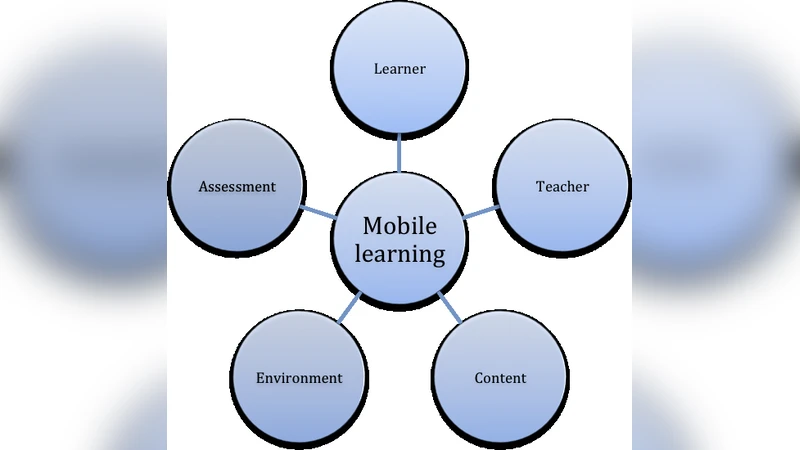
In the era of m-Learning, it is found that educational institutions have onus of incorporating the latest technological innovations that can be accepted and understood widely. While investigating the important theme of fast-paced development of emerging technologies in mobile communications, it is important to recognize the extent influence of these innovations using which society can communicate, learn, access information, and, additionally, interact. In addition, the usage of mobile technology in higher education needs not only the pervasive nature of the technology but also its disruptive nature that offers several challenges while incorporation in the area of teaching and learning. Therefore, recently, higher education institutions are looking at various ways of implementing m-Learning strategies, in order to offer solutions, which, in turn, can standardize the process of education and, additionally, replace those traditional didactic courses, focusing on m-Learning endless benefits. Some of the benefits are: the process of learning itself could be self-paced, whereas information could be easier accessed, adding to independent, discovery-oriented learning that becomes more engaging. Applying CMM successfully to design effective incorporation strategies of m-Learning, this research targets formulation of such a maturity model by which the process of m-Learning can be more effective and efficient.
💡 Research Summary
The paper addresses the growing prevalence of mobile learning (m‑Learning) in higher education and the need for a systematic framework that moves institutions beyond mere technology adoption toward sustainable pedagogical transformation. Recognizing that mobile communications enable learners to access information anytime and anywhere, the authors argue that the disruptive nature of mobile devices also introduces challenges in management, security, and instructional design. To provide a structured pathway for institutions, the study adapts the Capability Maturity Model (CMM) from software engineering and proposes a five‑level Mobile Learning Maturity Model (ML‑MM).
The five levels are:
- Initial – Mobile devices are sporadically deployed; learning activities are ad‑hoc and lack formal processes.
- Managed – Basic policies, support structures, and device‑management procedures are established; minimal security measures are in place.
- Defined – Institutional guidelines for instructional design, content standards, and integration with Learning Management Systems (LMS) are documented and disseminated. Data‑collection mechanisms for usage and performance are set up.
- Quantitatively Managed – Formal metrics (e.g., engagement rates, learning outcomes, satisfaction scores) are collected, analyzed, and used to drive continuous improvement of courses and mobile services.
- Optimizing – Advanced analytics, AI‑driven personalization, real‑time feedback, and emerging technologies (AR/VR) are integrated. The organizational culture emphasizes experimentation, external partnerships, and ongoing innovation.
Each stage includes a detailed checklist and assessment tool, enabling institutions to diagnose their current maturity, set realistic targets, and map concrete actions for progression. To validate the model, the authors conducted surveys and in‑depth interviews across eight Korean universities. Findings reveal that most institutions reside at Levels 1–2: they have deployed mobile hardware but lack coherent instructional design, content management, and analytics capabilities. Key barriers identified are fragmented device ecosystems, network instability, insufficient security/privacy policies, and limited faculty competence in mobile pedagogy.
Technical considerations discussed include cross‑platform compatibility, network reliability, secure data handling, and standardised integration between LMS and mobile applications. Organizational factors encompass leadership vision, dedicated governance bodies, professional development programs for staff, budget allocation, and performance‑based incentives. The authors caution against over‑reliance on quantitative metrics, advocating a blended evaluation approach that incorporates qualitative feedback and contextual insights.
In conclusion, the proposed CMM‑based maturity model offers a practical roadmap and diagnostic instrument for higher‑education institutions seeking to transform mobile learning from a peripheral technology into a core strategic capability. Future research directions include longitudinal case studies to track model adoption over time, adaptation of the framework to diverse cultural contexts, and extension of the model to incorporate next‑generation technologies such as artificial intelligence, augmented reality, and immersive learning environments.