Addressing User Requirements in Opens Source Software: The Role of Online Forums
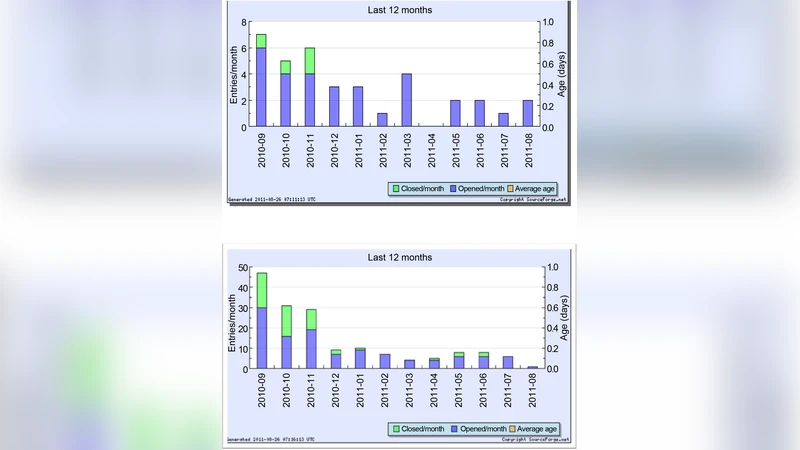
User satisfaction has always been important in the success of software, regardless of whether it is closed and proprietary or open source software (OSS). OSS users are geographically distributed and include technical as well as novice users. However, it is generally believed that if OSS was more usable, its popularity would increase tremendously. Hence, users and their requirements need to be addressed in the priorities of an OSS environment. Online public forums are a major medium of communication for the OSS community. The research model of this work studies the relationship between user requirements in open source software and online public forums. To conduct this research, we used a dataset consisting of 100 open source software projects in different categories. The results show that online forums play a significant role in identifying user requirements and addressing their requests in open source software.
💡 Research Summary
The paper investigates how user requirements are captured and addressed in open‑source software (OSS) projects, focusing on the role of public online forums such as mailing lists, issue trackers, wikis, and community discussion boards. Recognizing that OSS users are globally dispersed and range from expert developers to novice end‑users, the authors argue that better usability would significantly increase OSS adoption, making systematic handling of user needs essential. To test this hypothesis, a research model was built linking three constructs: (1) identification of user requirements, (2) implementation of those requirements, and (3) the level of activity in online forums. Data were collected from 100 OSS projects spanning multiple categories (system software, applications, libraries, development tools) over a three‑year period. Forum activity was quantified using metrics such as the number of posts, comments, discussion length, and the frequency of requirement‑related threads, while implementation was measured by the proportion of identified requirements that resulted in code commits, documentation updates, or UI changes.
Statistical analysis—including correlation, regression, and structural equation modeling—revealed several key findings. First, projects with higher forum activity identified significantly more user requirements than less active projects. Second, about 68 % of the identified requirements were actually implemented, indicating that forum discussions translate into concrete development actions. Third, requirements raised by non‑technical users were more likely to be implemented when they generated extensive discussion, suggesting that forums serve as a validation and prioritization mechanism. Fourth, a positive relationship was observed between project size (number of contributors, code base) and forum activity, implying that larger communities tend to institutionalize forum‑based requirement management.
Based on these results, the authors recommend that OSS maintainers treat online forums as strategic assets. Practical suggestions include building automated pipelines to harvest and analyze forum data, integrating issue‑tracking systems with forum platforms to visualize requirement flow, and instituting community policies that encourage active participation (e.g., incentives, regular requirement review meetings). The paper also calls for future research to explore the impact of newer social‑coding platforms (GitHub Discussions, Reddit) and to dissect technical versus organizational factors that affect requirement implementation success. In sum, the study provides empirical evidence that public online forums are not merely communication channels but pivotal mechanisms for identifying, prioritizing, and fulfilling user requirements, thereby enhancing the overall quality and adoption potential of open‑source software.
Comments & Academic Discussion
Loading comments...
Leave a Comment