Cadherin-Based Intercellular Adhesions Organize Epithelial Cell-Matrix Traction Forces
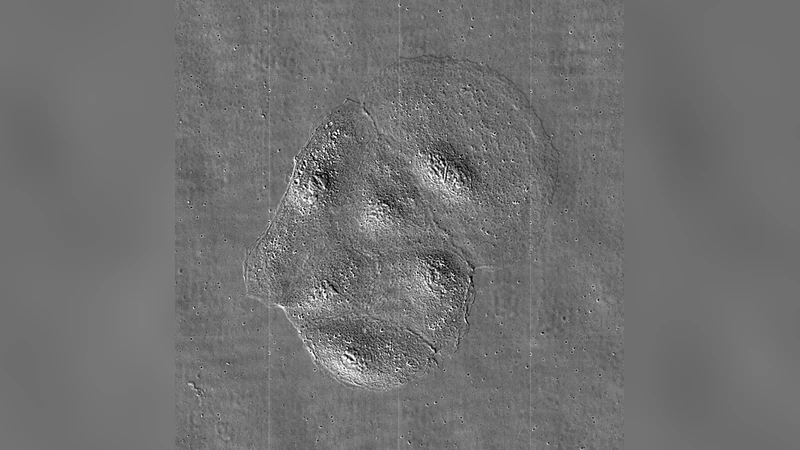
Cell–cell and cell-matrix adhesions play essential roles in the function of tissues. There is growing evidence for the importance of crosstalk between these two adhesion types, yet little is known about the impact of these interactions on the mechanical coupling of cells to the extracellular-matrix (ECM). Here, we combine experiment and theory to reveal how intercellular adhesions modulate forces transmitted to the ECM. In the absence of cadherin-based adhesions, primary mouse keratinocytes within a colony appear to act independently, with significant traction forces extending throughout the colony. In contrast, with strong cadherin-based adhesions, keratinocytes in a cohesive colony localize traction forces to the colony periphery. Through genetic or antibody-mediated loss of cadherin expression or function, we show that cadherin-based adhesions are essential for this mechanical cooperativity. A minimal physical model in which cell–cell adhesions modulate the physical cohesion between contractile cells is sufficient to recreate the spatial rearrangement of traction forces observed experimentally with varying strength of cadherin-based adhesions. This work defines the importance of cadherin-based cell–cell adhesions in coordinating mechanical activity of epithelial cells and has implications for the mechanical regulation of epithelial tissues during development, homeostasis, and disease.
💡 Research Summary
This study investigates how cadherin‑mediated cell‑cell adhesions influence the distribution of traction forces that epithelial cells exert on the extracellular matrix (ECM). Using primary mouse keratinocytes cultured as two‑dimensional colonies on glass substrates, the authors measured cell‑generated forces with traction‑force microscopy (TFM). In colonies lacking functional cadherins—either through genetic knockout or by blocking antibodies—individual cells behaved as independent contractile units. The TFM maps showed strong, relatively uniform traction throughout the entire colony, indicating that each cell pulls on the matrix without mechanical coordination with its neighbors.
Conversely, in colonies with intact cadherin expression, cell‑cell contacts were robust, and the traction pattern changed dramatically. The internal cells displayed little net force on the substrate, while the periphery of the colony exhibited concentrated traction bands. This peripheral localization reflects a mechanical cooperativity: cadherin bonds transmit contractile stresses between neighboring cells, allowing internal stresses to cancel out and forcing the colony to transmit net forces only at its edges.
To interpret these observations, the authors constructed a minimal physical model. Each cell is represented as an active elastic element that generates a contractile stress σ₀. Cell‑cell adhesions are modeled as springs with stiffness k_c, and cell‑ECM adhesions as springs with stiffness k_s. The total energy comprises elastic deformation of the cells, the work stored in the cell‑cell and cell‑ECM springs, and the deformation energy of the underlying substrate. By minimizing this energy, the model predicts the displacement field and the resulting traction distribution for any value of k_c. When k_c → 0 (no cadherin adhesion), the solution reproduces the experimentally observed uniform traction across the colony. As k_c increases, the model shows a progressive redistribution of stress toward the colony boundary, matching the peripheral traction seen in cadherin‑positive colonies. Importantly, the model requires only the modulation of a single parameter (k_c) to capture the full range of behaviors, demonstrating that the mechanical effect of cadherins can be understood as a change in physical cohesion between contractile units.
The authors discuss the broader implications of these findings. During embryonic development and tissue homeostasis, cadherin‑mediated adhesion may serve as a “mechanical integrator” that synchronizes the forces generated by individual cells, thereby shaping tissue morphology and ensuring robust barrier function. In pathological contexts such as cancer invasion, down‑regulation of cadherins could disrupt this mechanical integration, leading to heightened internal stresses and increased invasive potential. The work also suggests that engineering cadherin‑based junctions in synthetic tissue constructs could be a strategy to control the spatial pattern of forces, which is crucial for guiding cell differentiation and organoid formation.
In summary, the paper provides compelling experimental evidence that cadherin‑based cell‑cell adhesions reorganize epithelial traction forces from a dispersed, cell‑autonomous pattern to a coordinated, edge‑focused pattern. A simple spring‑based mechanical model successfully reproduces this transition, highlighting the central role of intercellular adhesion strength in governing collective force generation. These insights advance our understanding of how mechanical coupling between cells and their matrix is regulated in both normal physiology and disease.
Comments & Academic Discussion
Loading comments...
Leave a Comment