Parallel processing in immune networks
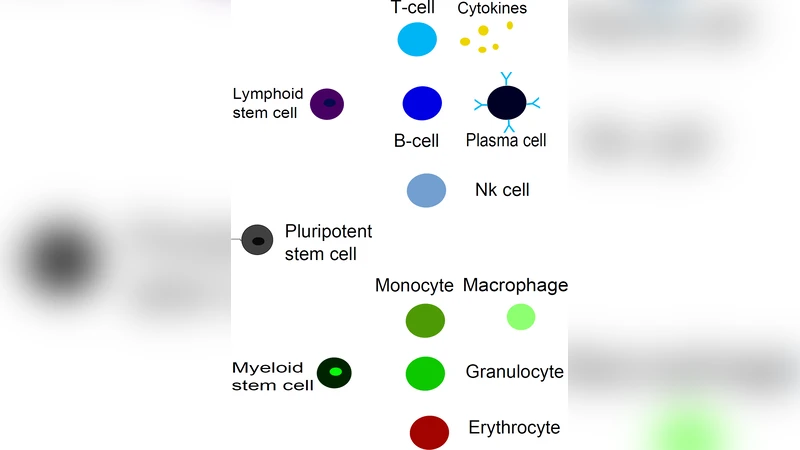
In this work we adopt a statistical mechanics approach to investigate basic, systemic features exhibited by adaptive immune systems. The lymphocyte network made by B-cells and T-cells is modeled by a bipartite spin-glass, where, following biological prescriptions, links connecting B-cells and T-cells are sparse. Interestingly, the dilution performed on links is shown to make the system able to orchestrate parallel strategies to fight several pathogens at the same time; this multitasking capability constitutes a remarkable, key property of immune systems as multiple antigens are always present within the host. We also define the stochastic process ruling the temporal evolution of lymphocyte activity, and show its relaxation toward an equilibrium measure allowing statistical mechanics investigations. Analytical results are compared with Monte Carlo simulations and signal-to-noise outcomes showing overall excellent agreement. Finally, within our model, a rationale for the experimentally well-evidenced correlation between lymphocytosis and autoimmunity is achieved; this sheds further light on the systemic features exhibited by immune networks.
💡 Research Summary
The paper presents a statistical‑mechanics framework for describing the adaptive immune system as a bipartite spin‑glass network composed of B‑cells and T‑cells. Each cell type is represented by an Ising‑like spin (σ for B‑cells, τ for T‑cells) and the interactions between them are encoded in a sparse coupling matrix ξ_i^μ that takes values 0, +1 or –1. Sparsity reflects the biological reality that each T‑cell interacts with only a limited number of B‑cells, leading to a connectivity parameter c (average number of links per cell) that is much smaller than the total number of cells N.
The Hamiltonian H = −∑_{i,μ} ξ_i^μ σ_i τ_μ is analyzed using replica theory and mean‑field approximations. The authors derive the free‑energy functional, order parameters (magnetization m, overlap q) and a phase diagram in the (c, T) plane. A key result is that for sufficiently low connectivity the system exhibits a multistable landscape with many co‑existing minima. This multistability corresponds to the immune system’s ability to store and retrieve multiple antigenic patterns simultaneously, i.e., parallel processing of several pathogens. The storage capacity α = P/N (P = number of distinct antigens) scales linearly with c, with a critical capacity α_c ≈ 0.14 c, which is lower than that of fully connected spin glasses but consistent with the limited resources of a real immune repertoire.
Dynamic behavior is introduced through a Glauber‑type stochastic process: each spin flips with probability ½
Comments & Academic Discussion
Loading comments...
Leave a Comment