On understanding the figures of merit for detection and measurement of x-ray polarization
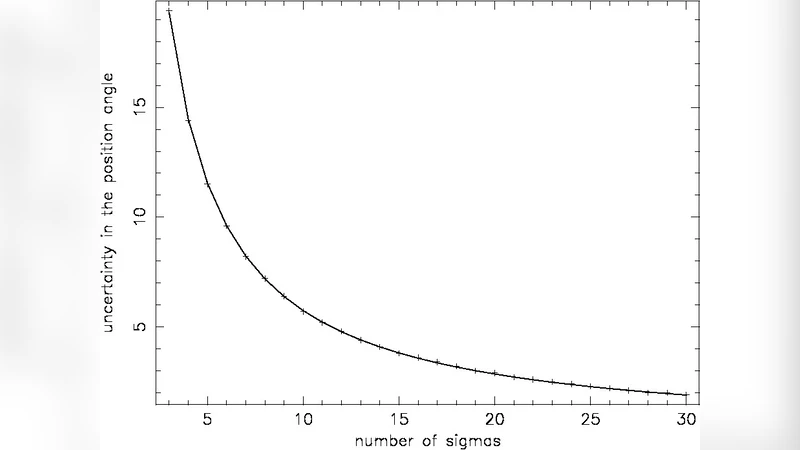
The prospects for accomplishing X-ray polarization measurements appear to have grown in recent years after a more than 35-year hiatus. Unfortunately, this long hiatus has brought with it some confusion over the statistical uncertainties associated with polarization measurements of astronomical sources. The heart of this confusion stems from a misunderstanding (or potential misunderstanding) of a standard figure of merit-the minimum detectable polarization (MDP)-that one of us introduced many years ago. We review the relevant statistics, and quantify the differences between the MDP and the uncertainty of an actual polarization measurement. We discuss the implications for future missions.
💡 Research Summary
The paper addresses a growing confusion in the X‑ray astronomy community regarding the statistical interpretation of polarization measurements after a long period of inactivity. The authors focus on the “minimum detectable polarization” (MDP), a figure of merit introduced decades ago, and clarify that MDP is a detection threshold rather than a measure of measurement precision. Using the standard Poisson‑based model, they restate the MDP formula as MDP = 4.29 / (μ√N), where μ is the instrument’s modulation factor and N the total source counts; the constant 4.29 corresponds to a 99 % confidence level. They then derive the uncertainty of an actual polarization estimate, σ_P ≈ √
Comments & Academic Discussion
Loading comments...
Leave a Comment