Flows along cometary tails in the Helix planetary nebula NGC 7293
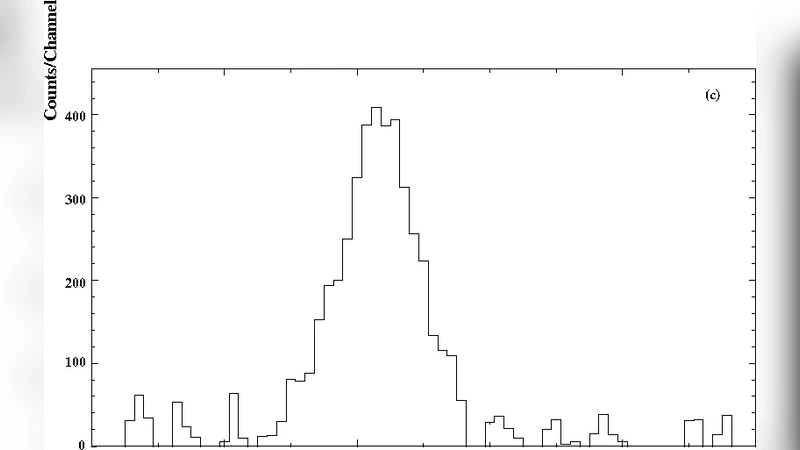
Previous velocity images which reveal flows of ionized gas along the most prominent cometary tail (from Knot 38) in the Helix planetary nebula are compared with that taken at optical wavelengths with the Hubble Space Telescope and with an image in the emission from molecular hydrogen. The flows from the second most prominent tail from Knot 14 are also considered. The kinematics of the tail from the more complex Knot 32, shown here for the first time, also reveals an acceleration away from the central star. All of the tails are explained as accelerating ionized flows of ablated material driven by the previous, mildly supersonic, AGB wind from the central star. The longest tail of ionized gas, even though formed by this mechanism in a very clumpy medium, as revealed by the emission from molecular hydrogen, appears to be a coherent outflowing feature.
💡 Research Summary
The paper presents a comprehensive kinematic study of three prominent cometary tails in the Helix planetary nebula (NGC 7293): the longest tail associated with Knot 38, the second‑most prominent tail from Knot 14, and the more intricate tail structure of Knot 32, which is examined here for the first time. High‑resolution velocity maps in Hα and
Comments & Academic Discussion
Loading comments...
Leave a Comment