Network Topology as a Driver of Bistability in the lac Operon
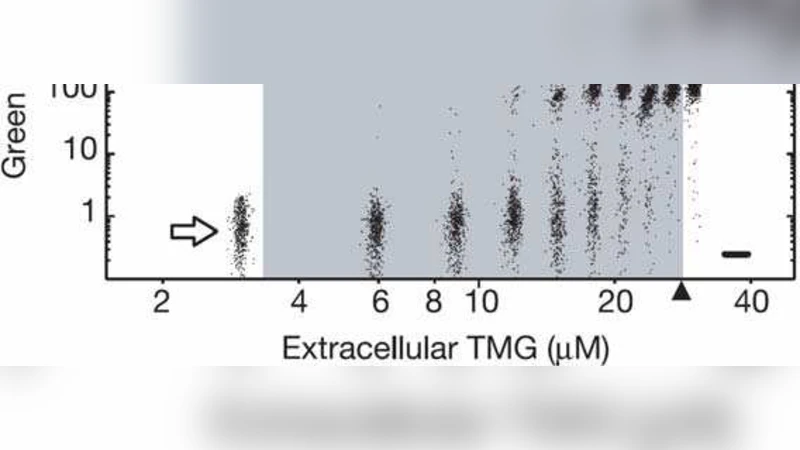
The lac operon in Escherichia coli has been studied extensively and is one of the earliest gene systems found to undergo both positive and negative control. The lac operon is known to exhibit bistability, in the sense that the operon is either induced or uninduced. Many dynamical models have been proposed to capture this phenomenon. While most are based on complex mathematical formulations, it has been suggested that for other gene systems network topology is sufficient to produce the desired dynamical behavior. We present a Boolean network as a discrete model for the lac operon. We include the two main glucose control mechanisms of catabolite repression and inducer exclusion in the model and show that it exhibits bistability. Further we present a reduced model which shows that lac mRNA and lactose form the core of the lac operon, and that this reduced model also exhibits the same dynamics. This work corroborates the claim that the key to dynamical properties is the topology of the network and signs of interactions.
💡 Research Summary
The paper investigates whether the bistable behavior of the Escherichia coli lac operon can be explained solely by the topology of its regulatory network, without recourse to detailed kinetic parameters. The authors construct a Boolean network that captures the essential components of the lac system: the lac repressor (LacI), the structural genes (lacZYA), the cAMP‑CRP complex, intracellular lactose (or its inducer allolactose), and extracellular glucose. Two well‑known glucose‑mediated control mechanisms—catabolite repression (via reduced cAMP levels) and inducer exclusion (via inhibition of the LacY permease)—are explicitly encoded as inhibitory edges in the network. Each node’s state (ON/OFF) is updated according to logical functions that reflect activation (+) or repression (–) relationships. Both synchronous and asynchronous update schemes are explored to ensure that the observed dynamics are robust to the timing of regulatory events.
Simulation of the full Boolean model reveals two distinct attractors. In the “uninduced” attractor, LacI remains active, cAMP‑CRP is low, and lacZYA expression is OFF, corresponding to a non‑producing state. In the “induced” attractor, glucose is scarce, cAMP‑CRP is high, LacI is inactivated by allolactose, and lacZYA is ON, leading to lactose metabolism. The system’s trajectory depends on initial conditions, reproducing the classic bistable switch: high glucose drives the network to the uninduced state, while low glucose allows a transition to the induced state.
A key contribution is the derivation of a reduced “core” circuit that retains only lac mRNA (representing lacZYA) and intracellular lactose (or allolactose). Remarkably, this minimal model still exhibits the same two attractors, demonstrating that the feedback loop between mRNA production and inducer accumulation alone is sufficient for bistability. The surrounding regulatory layers (cAMP‑CRP, glucose sensing) modulate the basin of attraction but do not generate bistability themselves. This finding underscores the authors’ central claim: the sign and wiring of interactions, rather than precise kinetic constants, dictate the qualitative dynamics of the lac operon.
The discussion highlights several implications. First, Boolean models avoid the need for exhaustive parameter estimation, offering a transparent way to test how structural changes (e.g., gene knock‑outs, altered regulatory signs) affect system behavior. Second, the robustness of bistability across both synchronous and asynchronous updates suggests that the underlying logic is biologically plausible despite the simplifications. Third, the approach provides a blueprint for synthetic biology: constructing synthetic switches may require only the correct wiring of activating and repressing links, without fine‑tuning of reaction rates.
In conclusion, the study provides strong evidence that the lac operon’s bistable switch is an emergent property of its network topology. By demonstrating that both the full regulatory network and a highly reduced core circuit reproduce the same qualitative dynamics, the authors validate the hypothesis that interaction signs and connectivity are the primary drivers of complex gene‑regulatory behavior. This work not only reinforces the relevance of discrete, topology‑focused modeling for classical systems like the lac operon but also suggests a broader applicability to other genetic circuits where bistability, oscillations, or multistability are observed.
Comments & Academic Discussion
Loading comments...
Leave a Comment