Crowdfunding Astronomy Outreach Projects: Lessons Learned from the UNAWE Crowdfunding Campaign
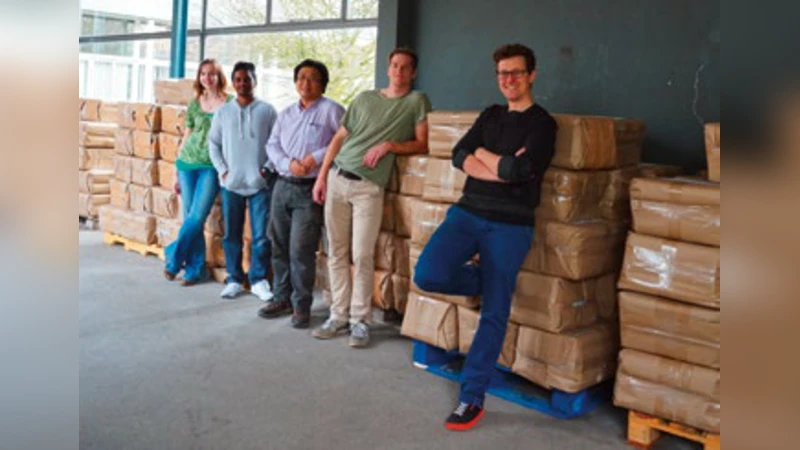
In recent years, crowdfunding has become a popular method of funding new technology or entertainment products, or artistic projects. The idea is that people or projects ask for many small donations from individuals who support the proposed work, rather than a large amount from a single source. Crowdfunding is usually done via an online portal or platform which handles the financial transactions involved. The Universe Awareness (UNAWE) programme decided to undertake a Kickstarter crowdfunding campaign centring on the resource Universe in a Box2. In this article we present the lessons learned and best practices from that campaign.
💡 Research Summary
The paper presents a thorough case study of the Universe Awareness (UNAWE) program’s Kickstarter campaign for the “Universe in a Box” educational kit, extracting practical lessons for future astronomy outreach projects that consider crowdfunding as a financing route. After outlining the limitations of traditional grant‑based funding for science education, the authors describe the educational objectives of the kit and the detailed budget required for production, shipping, and promotional activities.
In the planning phase, the authors emphasize the importance of platform selection, noting that Kickstarter’s “all‑or‑nothing” model forces creators to set realistic funding goals; UNAWE chose a modest target of $15,000, sufficient to cover roughly 80 % of anticipated costs. Reward design combined tangible items (sample kits) with digital experiences (online workshops) to keep fulfillment costs low while delivering clear value to backers.
The promotional strategy blended online and offline channels. Daily posts on Twitter, Facebook, and Instagram used a dedicated hashtag, while outreach to science bloggers, YouTubers, and education newsletters generated organic buzz. Pre‑campaign email newsletters were sent to an existing list of educators and partners, and the team presented the project at science fairs and conferences. This groundwork resulted in 30 % of the goal being reached within the first 48 hours and a final total of $18,200 from 210 backers.
During the campaign, real‑time analytics guided adjustments to posting times and the introduction of stretch‑goal rewards, while weekly update emails kept supporters engaged and answered queries promptly. Post‑campaign, the team fulfilled rewards transparently, providing tracking links for shipments and delivering the promised workshops on schedule. A satisfaction survey yielded an average rating of 4.6 out of 5, and 15 % of backers pledged to future UNAWE initiatives, indicating successful community building.
The authors distill four key success factors: (1) setting a realistic, achievable funding target within the “all‑or‑nothing” framework; (2) cultivating a pre‑existing community and leveraging multiple communication channels; (3) designing cost‑effective rewards and maintaining clear financial oversight; and (4) ensuring transparent, ongoing communication after the campaign ends. They recommend that future astronomy outreach groups conduct thorough market research, define concrete key performance indicators, and invest in a robust backer database to maximize the impact of crowdfunding on educational outreach.
Comments & Academic Discussion
Loading comments...
Leave a Comment