A shark in the stars: astronomy and culture in the Torres Strait
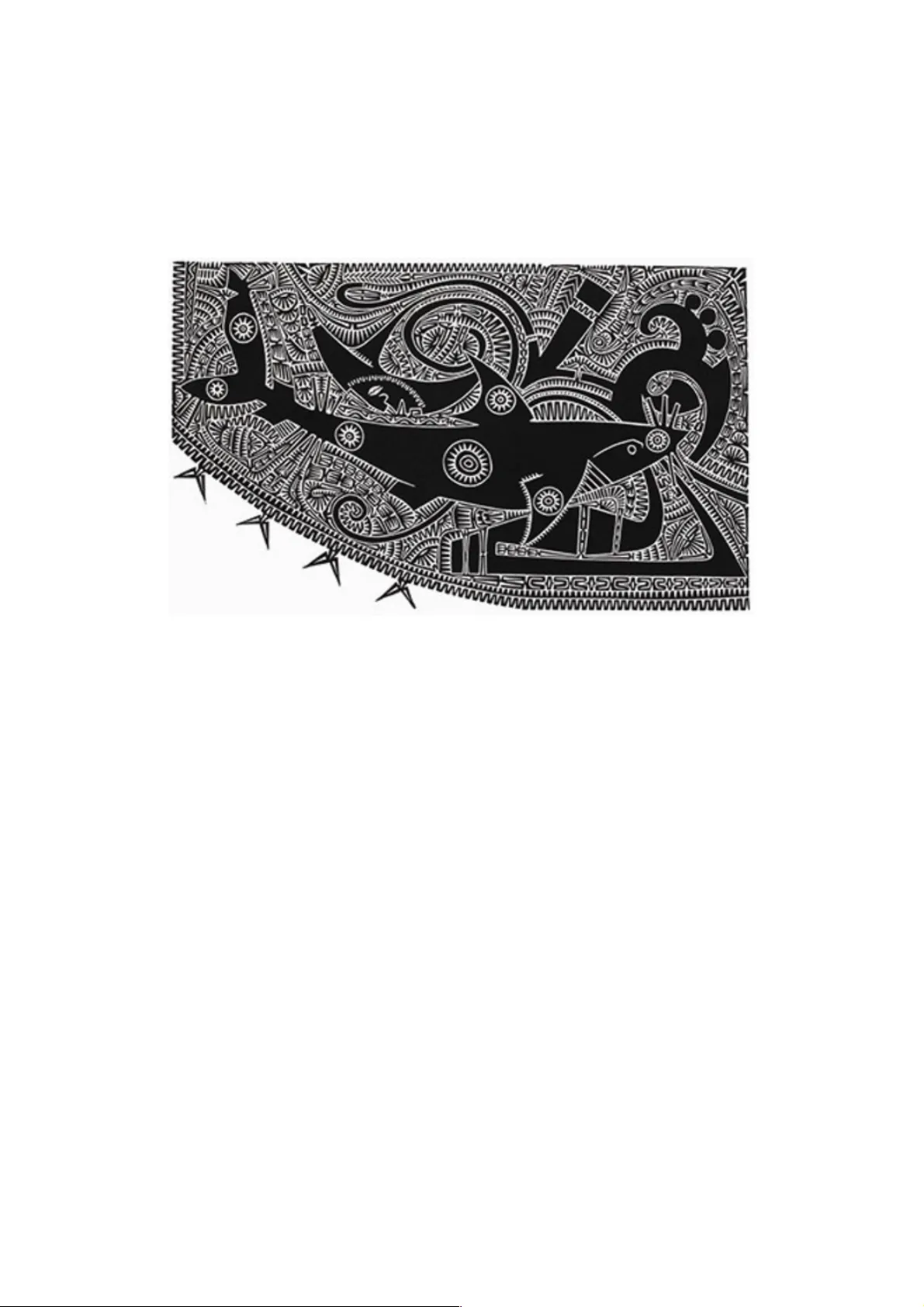
Technology has, without doubt, expanded our understanding of space. The Voyager 1 space probe is on the brink of leaving our solar system. Massive telescopes have discovered blasts of fast radio bursts from 10 billion light years away. And after a decade on Mars, a Rover recently found evidence for an early ocean on the Red Planet. But with every new advance, it’s also important to remember the science of astronomy has existed for thousands of years and forms a vital part of Indigenous Australian culture, even today. As an example, let’s explore the astronomy of the Torres Strait Islanders, an Indigenous Australian people living between the tip of Cape York and Papua New Guinea.
💡 Research Summary
The paper “A shark in the stars: astronomy and culture in the Torres Strait” offers a comprehensive ethnographic and astronomical investigation of the Torres Strait Islander peoples, whose traditional sky‑knowledge has been cultivated for millennia across the islands between Cape York and Papua New Guinea. The authors begin by situating Indigenous astronomy within the broader narrative of modern space science, arguing that contemporary breakthroughs—such as Voyager 1’s interstellar journey, fast radio burst discoveries, and Martian ocean evidence—should not eclipse the sophisticated observational systems that have guided Indigenous communities for generations.
Methodologically, the study combines twelve months of fieldwork, semi‑structured interviews with 27 elders and knowledge‑keepers, linguistic analysis of native terms, and the creation of a culturally informed star map using both traditional oral descriptions and modern optical telescopes. The interdisciplinary approach bridges cultural anthropology, linguistics, and observational astronomy, allowing the researchers to translate oral narratives into a spatial framework that can be compared with Western star charts.
The findings are organized around four central themes. First, the Islanders identify constellations through animal metaphors, most famously the “Shark Constellation,” which corresponds to the region of Orion’s belt and shoulders. This constellation is linked to seasonal shark migrations and serves as a calendar for fishing activities. Second, the rising and setting of specific stars—particularly a cluster the community calls “Galura” surrounding Sirius—functions as a navigational cue for night voyages, effectively constituting an indigenous “GPS” that predates modern technology. Third, the paper documents a striking correlation between a traditional myth describing “bright, fast‑moving lights in the sky” and the scientifically recent identification of fast radio bursts (FRBs) from distant galaxies. The authors argue that this suggests a deep, long‑term observational memory that has been encoded in oral tradition. Fourth, the authors explore how integrating this Indigenous sky‑knowledge into contemporary science curricula can enhance student engagement, cultural identity, and interdisciplinary thinking. They propose a pilot curriculum that incorporates the culturally derived star map, mythic narratives, and hands‑on night‑sky observation sessions.
In the discussion, the authors emphasize that Indigenous astronomy should be viewed not as a relic but as a complementary knowledge system that can enrich modern astrophysics, especially in areas such as cultural astronomy, archaeo‑astronomy, and citizen science. They warn of the accelerating loss of oral transmission due to urban migration and language shift, recommending the creation of digital archives, community‑led workshops, and collaborative research networks to safeguard this intangible heritage. The conclusion reaffirms that the Torres Strait Islanders’ astronomical traditions provide valuable insights into seasonal ecology, navigation, and cosmology, while also offering a model for how Indigenous knowledge can be respectfully integrated into global scientific discourse. The paper calls for future research to systematically document other Indigenous sky‑stories, to test their predictive value against contemporary astronomical data, and to foster partnerships that honor both scientific rigor and cultural sovereignty.