Selective control of the apoptosis signaling network in heterogeneous cell populations
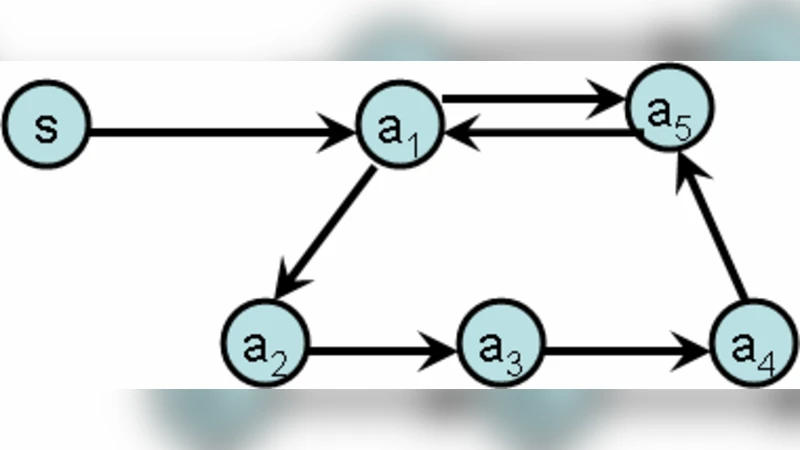
Selective control in a population is the ability to control a member of the population while leaving the other members relatively unaffected. The concept of selective control is developed using cell death or apoptosis in heterogeneous cell populations as an example. Apoptosis signaling in heterogeneous cells is described by an ensemble of gene networks with identical topology but different link strengths. Selective control depends on the statistics of signaling in the ensemble of networks and we analyse the effects of superposition, non-linearity and feedback on these statistics. Parallel pathways promote normal statistics while series pathways promote skew distributions which in the most extreme cases become log-normal. We also show that feedback and non-linearity can produce bimodal signaling statistics, as can discreteness and non-linearity. Two methods for optimizing selective control are presented. The first is an exhaustive search method and the second is a linear programming based approach. Though control of a single gene in the signaling network yields little selectivity, control of a few genes typically yields higher levels of selectivity. The statistics of gene combinations susceptible to selective control is studied and is used to identify general control strategies. We found that selectivity is promoted by acting on the least sensitive nodes in the case of weak populations, while selective control of robust populations is optimized through perturbations of more sensitive nodes. High throughput experiments with heterogeneous cell lines could be designed in an analogous manner, with the further possibility of incorporating the selectivity optimization process into a closed-loop control system.
💡 Research Summary
The paper introduces the concept of selective control in heterogeneous cell populations, using apoptosis signaling as a test case. The authors model a population of cells as an ensemble of gene‑regulatory networks that share the same topology but differ in link strengths, thereby capturing the variability observed in real biological systems. They first examine how the structure of signaling pathways influences the statistical distribution of the output signal. Parallel pathways tend to produce signals that sum linearly, yielding approximately normal distributions, whereas series pathways cause multiplicative propagation, leading to skewed, often log‑normal, distributions. Adding feedback loops and nonlinear activation functions (e.g., Hill or sigmoid functions) can generate bimodal distributions, reflecting the coexistence of “alive” and “dead” phenotypes under identical external stimuli.
To achieve selective killing of a target sub‑population while sparing the rest, the authors propose two optimization strategies. The exhaustive‑search method evaluates every possible combination of gene perturbations to find the set that maximizes selectivity. Although computationally intensive, it provides exact solutions for small networks (≤10 genes). The second method formulates the problem as a linear programming (LP) task: each gene’s perturbation level is treated as a continuous variable, the objective function quantifies selectivity, and constraints enforce a low overall death rate in the non‑target cells. LP scales efficiently to larger networks and can be integrated into real‑time control loops.
Simulation results reveal that manipulating a single gene yields minimal selectivity, but controlling a small group of 2–4 genes dramatically improves the ability to discriminate between sub‑populations. Importantly, the optimal targets differ between “weak” and “robust” populations. In weak populations (low intrinsic sensitivity), the most effective interventions involve the least sensitive nodes—typically anti‑apoptotic members such as Bcl‑2—because these nodes provide the greatest leverage without triggering widespread death. In robust populations (high intrinsic resistance), the best strategy is to perturb the most sensitive nodes that sit upstream in the cascade, thereby amplifying the signal specifically in the target cells.
The authors also discuss how these computational insights can guide high‑throughput experimental designs. By measuring signaling statistics from large panels of heterogeneous cell lines, one can feed the data back into the optimization framework, creating a closed‑loop system that iteratively refines gene‑target selections. Such a system could be applied to personalized cancer therapy, where tumor heterogeneity hampers conventional treatments, or to tissue engineering where selective survival of desired cell types is crucial.
In summary, the study provides a rigorous theoretical foundation for selective control of apoptosis, demonstrates how network topology, non‑linearity, and feedback shape signal statistics, and offers practical algorithms—exhaustive search and linear programming—for identifying small gene sets that achieve high selectivity. The work paves the way for experimental validation and for extending the approach to other signaling pathways and therapeutic contexts.
Comments & Academic Discussion
Loading comments...
Leave a Comment