Near-Optimal Virtual Machine Packing Based on Resource Requirement of Service Demands Using Pattern Clustering
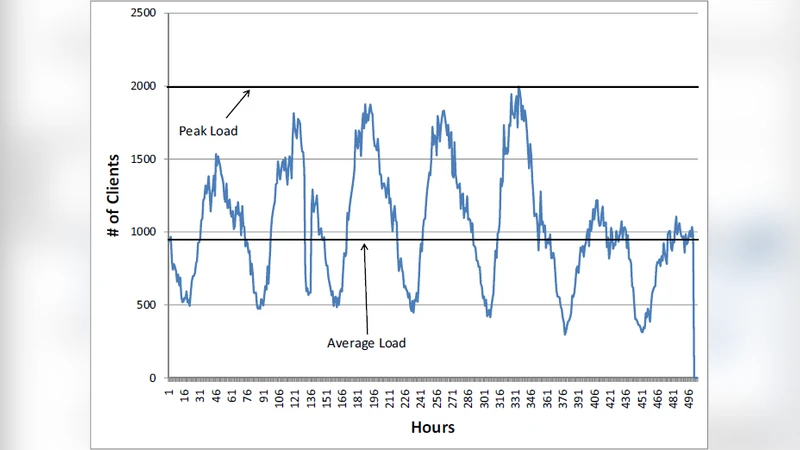
Upon the expansion of Cloud Computing and the positive outlook of organizations with regard to the movements towards using cloud computing and their expanding utilization of such valuable processing method, as well as the solutions provided by the cloud infrastructure providers with regard to the reduction of the costs of processing resources, the problem of organizing resources in a cloud environment gained a high importance. One of the major preoccupations of the minds of cloud infrastructure clients is their lack of knowledge on the quantity of their required processing resources in different periods of time. The managers and technicians are trying to make the most use of scalability and the flexibility of the resources in cloud computing. The main challenge is with calculating the amount of the required processing resources per moment with regard to the quantity of incoming requests of the service. Through deduction of the accurate amount of these items, one can have an accurate estimation of the requests per moment. This paper aims at introducing a model for automatic scaling of the cloud resources that would reduce the cost of renting the resources for the clients of cloud infrastructure. Thus, first we start with a thorough explanation of the proposal and the major components of the model. Then through calculating the incomings of the model through clustering and introducing the way that each of these components work in different phases,…
💡 Research Summary
This paper introduces a model for optimizing virtual machine (VM) packing in cloud computing environments to reduce the cost of resource rental for cloud infrastructure users. The primary challenge addressed is accurately predicting the amount of processing resources required at different times based on incoming service requests. By addressing this issue, organizations can better manage their costs and leverage the scalability and flexibility offered by cloud computing.
The model proposed in the paper utilizes pattern clustering to analyze incoming service request patterns and optimally pack virtual machines accordingly. This approach aims to maximize resource utilization while minimizing cost. The key components of the model include:
- Resource Requirement Prediction: Analyzing service demand patterns to predict the amount of processing resources needed at different times.
- VM Packing Algorithm: An algorithm that packs virtual machines based on predicted resource requirements, optimizing for both scalability and cost efficiency in cloud environments.
The paper begins with a detailed explanation of these components and their roles. It then discusses how each component operates through various phases to achieve the goal of automatic scaling of cloud resources. The effectiveness of this model is evaluated against existing methods, demonstrating its potential to significantly enhance resource management efficiency in cloud computing environments while reducing costs for users.
Overall, the paper provides a comprehensive framework that leverages advanced clustering techniques and algorithmic approaches to address one of the critical challenges in managing cloud resources effectively.
Comments & Academic Discussion
Loading comments...
Leave a Comment